


Blog
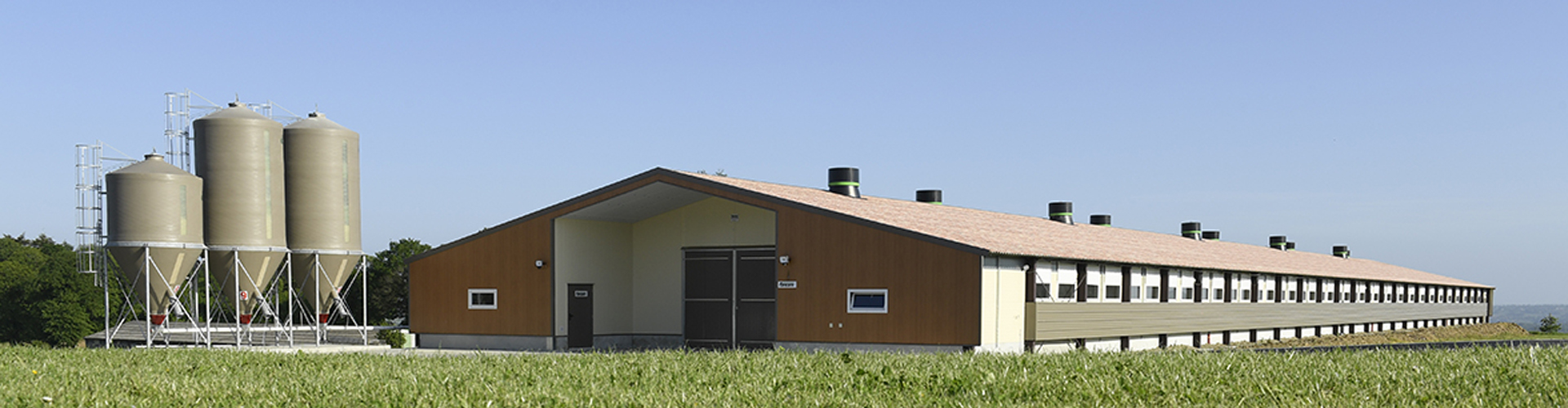
- Broiler chicken house planning combines housing, equipment, ventilation, feeding, watering, and range management for commercial production.
Poultry feeding system design improves feed distribution while supporting consistent flock management across 1,200 m² houses.
Poultry ventilation system selection manages air movement, humidity, temperature, and critical environmental conditions throughout production.
Free-range operations also require secure fencing, controlled access, pasture management, and reliable equipment integration.
- Commercial equipment planning connects automation, biosecurity, energy management, and scalable engineering into one practical production system.
Get professional poultry farm construction guidance, equipment selection solutions, and the latest price lists, whatsApp to +8618830120193, click to learn more:
Start With The Right Free-Range Foundation
Free-range broiler farming is not simply about giving chickens outdoor access.
It is a complete production system combining housing, equipment, nutrition, biosecurity, and range management.
A practical broiler chicken house should provide 2.5–3.0 m interior clearance and a concrete floor slope of approximately 1–2% for drainage and cleaning.
The chicken house should protect birds from rain, wind, predators, and temperature changes while maintaining convenient access to the outdoor range.
For commercial projects, poultry ventilation system selection directly affects labor efficiency and flock management.
A properly planned system can integrate feeding, drinking, ventilation, cooling, heating, lighting, and environmental control.
Design The Free-Range Chicken House
Data is for reference only.Swipe horizontally to view full table.
A professional broiler chicken house begins with a purpose-built structure rather than an improvised shelter.
House dimensions should be selected according to flock size, ventilation configuration, climate, and equipment layout.
Commercial broiler houses commonly use steel structures because steel supports long spans and equipment installation.
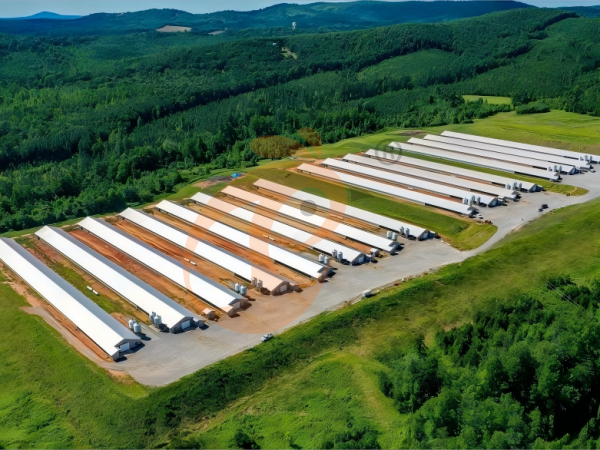
For example, a 12 m × 100 m house provides 1,200 m² of floor area, creating a practical foundation for an integrated poultry equipment system.
Planning cable routes, water pipelines, feed lines, fan positions, and controller locations before construction also reduces later modification work.
Why Equipment Matters More Than You Think
Think about a flock of several thousand broilers.
Manual feeding requires workers to move feed repeatedly, while manual watering demands frequent inspection.
Poor air movement can increase moisture accumulation and ammonia.
A commercial poultry feeding system changes this workflow by turning repetitive operations into controlled processes.
A complete installation can be designed around a 380–415 V three-phase power supply and a 24 V control circuit for compatible automation components.
An automatic feeding system distributes feed along the house, while nipple drinkers supply water directly to birds.
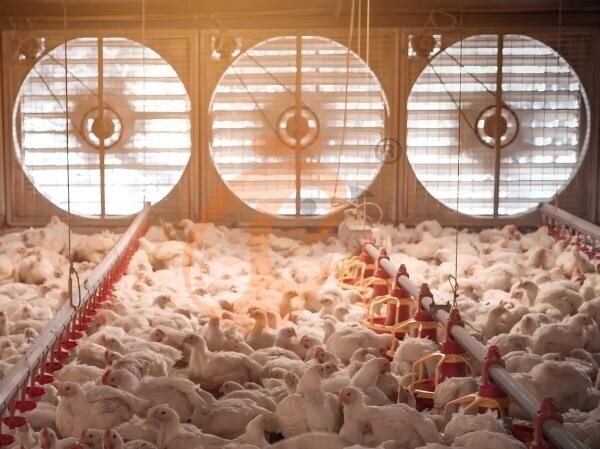
A poultry ventilation system using fans, air inlets, sensors, and controllers coordinates environmental management.
The result is a production system that reduces routine labor while giving farmers measurable operating conditions.
Build An Efficient Feeding System
Data is for reference only.Swipe horizontally to view full table.
Feed is one of the largest costs in broiler production, making accurate delivery essential.
A commercial poultry feeding system can provide continuous access while reducing repeated manual handling.
Automatic pan feeders can maintain feed availability throughout the house when correctly matched with flock capacity.
A properly engineered system also considers feed transport distance and motor capacity.
For instance, selecting a 60 mm auger for a long house requires matching the drive motor, feed demand, and line configuration rather than simply increasing motor power.
This engineering approach helps prevent uneven delivery and unnecessary energy consumption.
Guarantee Clean Water Around The Clock
The Water Test
Is the water clean?
Is water available whenever birds need it?
Can every bird reach a drinker easily?
A commercial poultry drinking system can be designed around a 22 mm main water pipe and 12 mm branch lines, with pressure regulation positioned according
to the house layout.
These specifications allow controlled water distribution without relying on open containers.
Waterline design should also include filtration, pressure regulation, flushing, and optional medication equipment.
A 120-mesh filter can be incorporated into the supply system where water quality requires additional filtration.
Regular flushing helps prevent scale and biofilm from restricting flow inside the pipeline.
Control Climate Before It Controls Your Flock
Data is for reference only.Swipe horizontally to view full table.
Broilers respond quickly to environmental conditions.
A commercial poultry ventilation system removes heat, moisture, carbon dioxide, ammonia, dust, and other contaminants from the house.
Professional systems therefore combine fans, air inlets, cooling equipment, sensors, and controllers rather than depending on a single component.
During brooding, equipment settings must change with bird age.
For example, commercial guidance lists approximately 30°C for whole-house brooding, while air temperature targets decline as chicks develop.
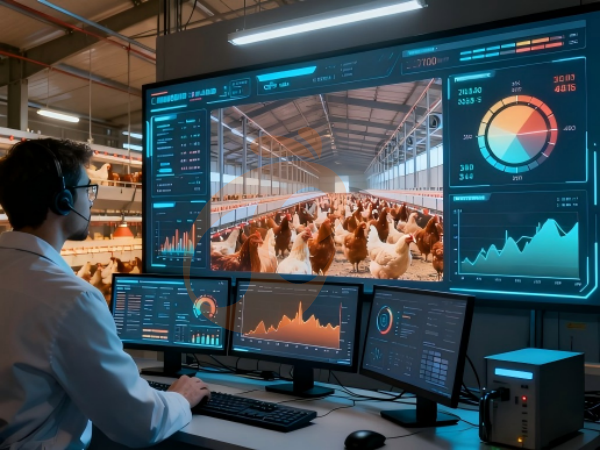
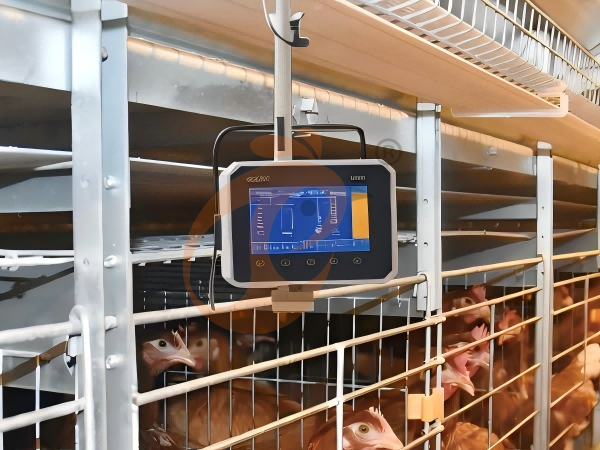
Programmable environmental controllers can follow scheduled management curves instead of requiring repeated manual adjustments.
Manage The Outdoor Range Like A Production Area
Data is for reference only.Swipe horizontally to view full table.
Free-range does not mean uncontrolled.
The outdoor area should function as an extension of the broiler chicken house, with defined boundaries, access points, shade, drainage, and maintenance procedures.
A 50 mm maximum mesh opening can make fencing more difficult for smaller predators to penetrate.
Divided pasture sections can support rotational management.
Controlled pop-hole doors also allow farmers to regulate bird movement according to weather, daily routines, and biosecurity procedures.
Strengthen Biosecurity And Daily Management
The Daily Routine That Protects Your Investment
Morning
Check temperature, ventilation, feed, water pressure, litter condition, and bird activity.
A digital inspection record can use 15-minute monitoring intervals during critical periods.
Midday
Inspect outdoor areas, shade, fencing, water access, and signs of heat stress.
Keep emergency equipment available with a minimum 30-minute backup ventilation capacity where local conditions justify it.
Evening
Confirm that birds can return safely to the house and inspect doors, lighting, feeding, and drinking equipment.
Weekly
Clean equipment, inspect electrical components, check feed lines, flush water lines, and repair damaged fencing.
Equipment condition should be documented rather than judged only by appearance.
Equipment Selection: Compare Before You Buy
Data is for reference only.Swipe horizontally to view full table.
The cheapest equipment is not always the most economical solution.
Farmers should compare equipment according to capacity, construction material, motor configuration, control method, maintenance requirements, and compatibility between individual components.
For example, a 50-inch exhaust fan should be selected together with the required airflow, static pressure, house volume, and inlet configuration.
Likewise, feed and water systems should be sized according to actual flock requirements rather than simply matching the number of birds to a catalog model.
Avoid These Five Costly Mistakes
Data is for reference only.Swipe horizontally to view full table.
Many farm problems begin during planning rather than operation.
Equipment purchased only according to initial price can create additional costs through maintenance, energy use, feed waste, water leakage, and replacement.
A professional supplier should calculate equipment quantity from house dimensions, flock size, climate, production target, and local requirements.
This approach creates a complete system rather than a collection of disconnected products.
Feeding and watering equipment should also be maintained in working condition and checked for contamination risks.
Build A Scalable System, Not Just A Chicken House
From 1,000 Birds To A Commercial Operation
Imagine starting with a small free-range broiler project.
You may begin with simple equipment, but increasing flock size increases feed demand, water consumption, ventilation requirements, and management workload.
A scalable poultry equipment design therefore leaves physical and electrical provisions for future equipment.
A 100 m house, for example, can be divided into five 20 m management sections for more flexible equipment planning.
Choose feeding lines that can be extended, water systems with accessible flushing points, and controllers with unused output capacity.
Reserve electrical distribution space for future fans, cooling equipment, and automation modules.
This makes expansion less disruptive and reduces the risk of replacing an entire system when production targets increase.
Turn Free-Range Broiler Farming Into An Efficient Business
Data is for reference only.Swipe horizontally to view full table.
Successful free-range broiler production requires a balance between animal management, housing design, and business efficiency.
The six practical steps are straightforward: design the house, install efficient feeding, guarantee clean water, control the climate, manage the range, and strengthen daily management.
The equipment connects these steps.
A professional supplier can provide customized solutions covering automatic feeding systems, nipple drinking systems, ventilation fans, cooling systems, environmental controllers, lighting, feed silos, and complete poultry-house configurations.
Instead of treating equipment as an additional expense, treat it as production infrastructure.
A properly engineered system can reduce repetitive labor, improve environmental consistency, control resource consumption, and provide a practical foundation
for expansion.
For a commercial project, the right equipment specification should be completed together with the house layout, flock target, climate conditions, and production
schedule before construction begins.
Frequently Asked Questions
Q1: What equipment is essential for a free-range broiler house?
A commercial setup normally requires automatic feeding, nipple drinking, ventilation, environmental control, lighting, and outdoor access equipment.
For a 1,200 m² house, equipment capacity should be calculated from the actual flock plan rather than floor area alone.
Q2: How does a poultry ventilation system support broilers?
A poultry ventilation system manages air exchange, heat, moisture, and contaminant removal through coordinated fans, inlets, sensors, and controllers.
A complete design also considers house volume and seasonal operating conditions.
Q3: Why choose automatic poultry equipment for free-range farming?
Automatic poultry equipment reduces repetitive manual operations and provides more consistent feed, water, and environmental management.
Integrated controls can also simplify expansion when flock capacity increases.
Taiyu (HK) Group - One Of China Toppest Poultry Equipment Manufacturer
Poultry equipment integrates automatic feeding, nipple drinking, ventilation, cooling, heating, lighting, and environmental control into coordinated commercial systems.
Global factory-direct production supplies standardized components, customized configurations, technical drawings, and equipment packages for international poultry projects.
Complete poultry equipment solutions support Turn-key engineering from house layout and equipment selection through installation, commissioning, and operator guidance.
Project engineering covers free-range broiler houses, commercial farms, breeder facilities, and multi-house production complexes with coordinated system specifications.
Export-oriented manufacturing supports overseas projects with equipment matching, spare-parts planning, technical documentation, and production-scale configuration.
Contact Us To Received Your Customized Poultry Farm Plan
Headquarters And Branchs
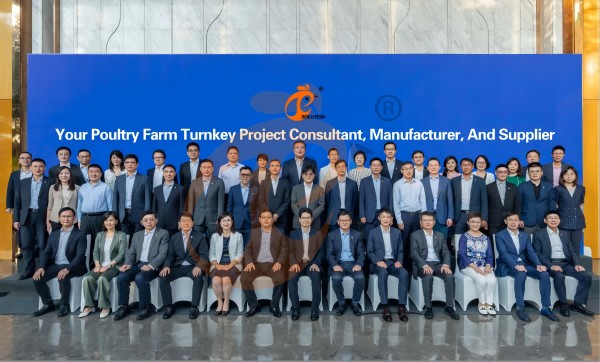
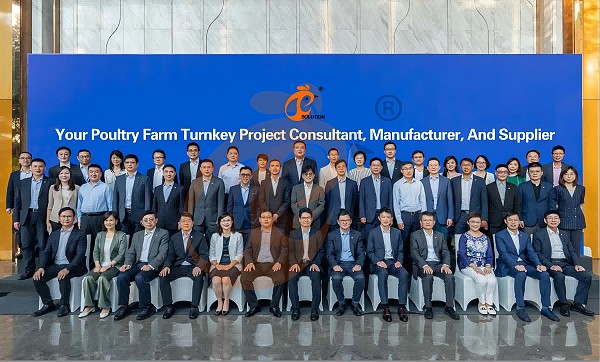
Hong Kong Headquarter Management Team
Hong Kong Headquarter Taiyu Industrial Group CO., LTD
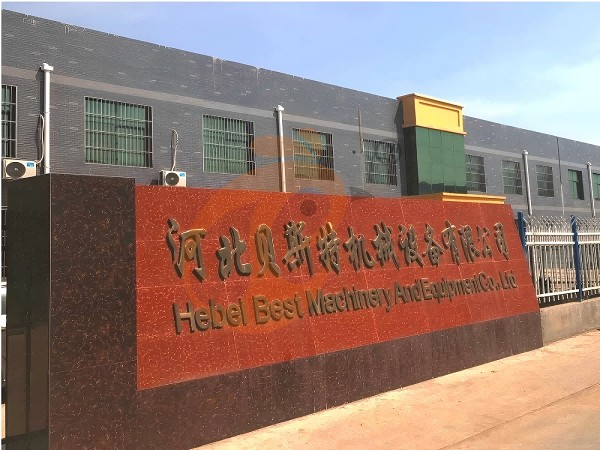
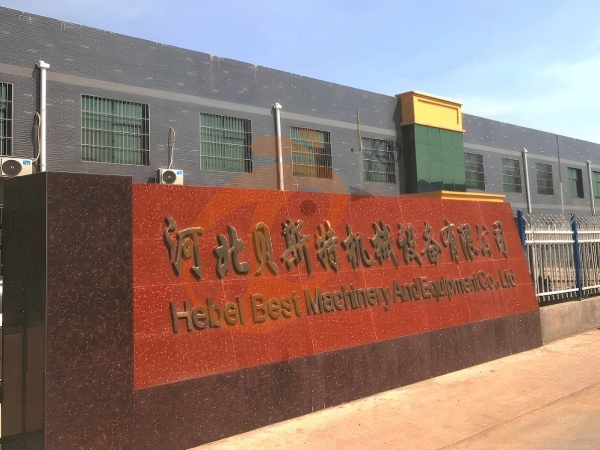
China Hebei Best Machinery And Equipment CO., LTD
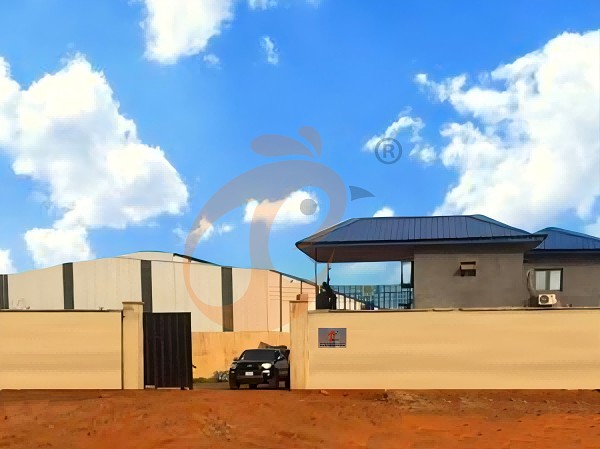
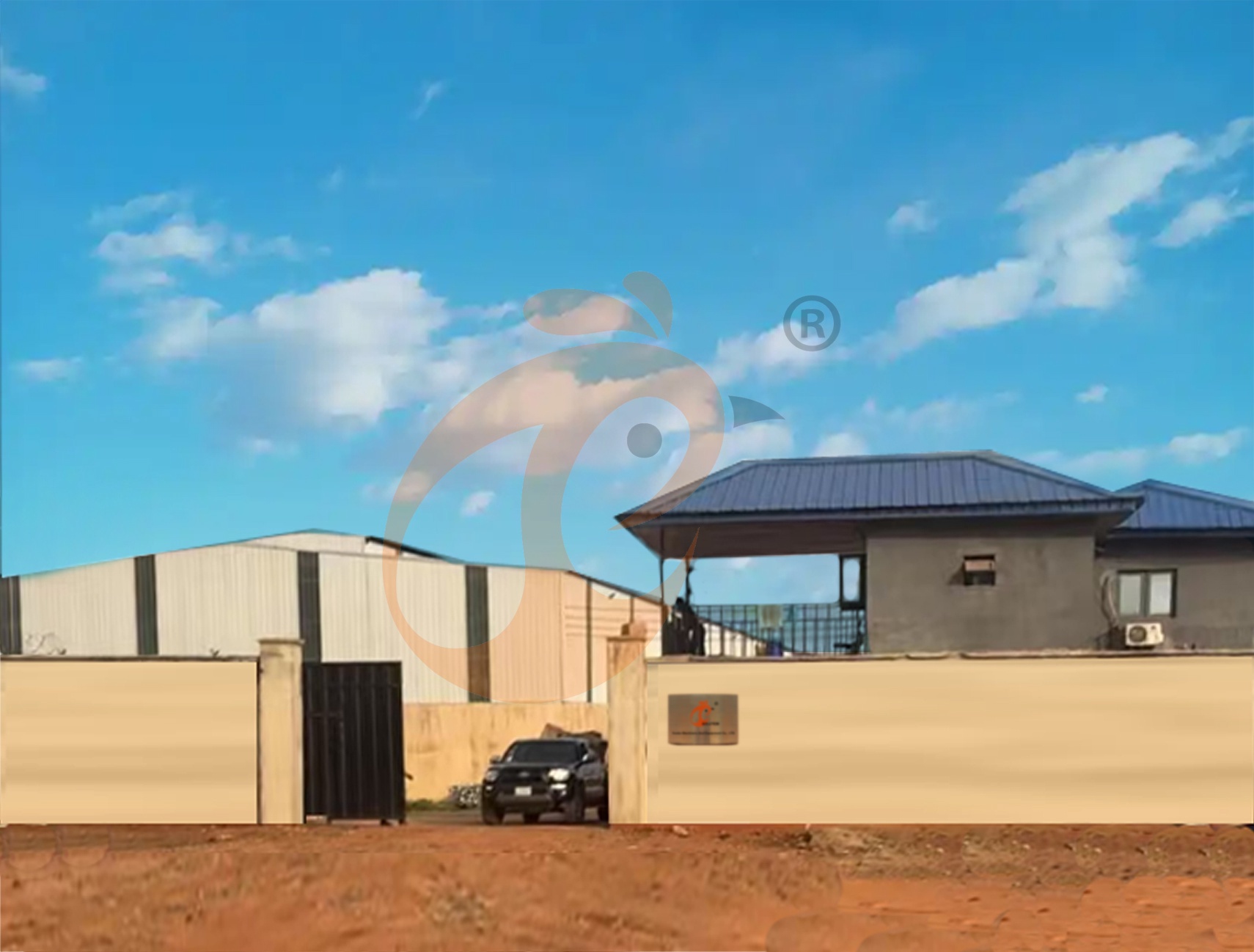
Nigeria Vanke Machinery And Equipment CO., LTD
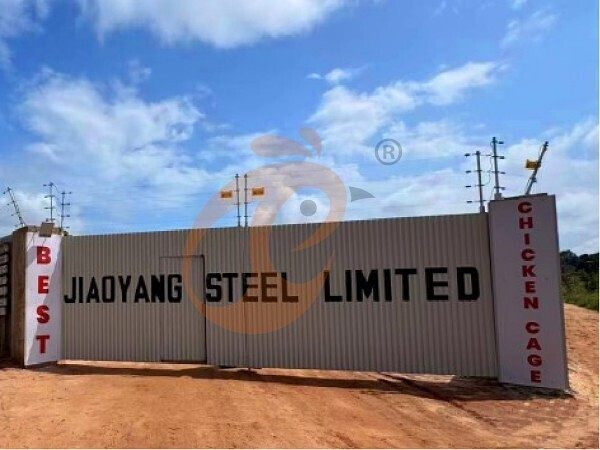
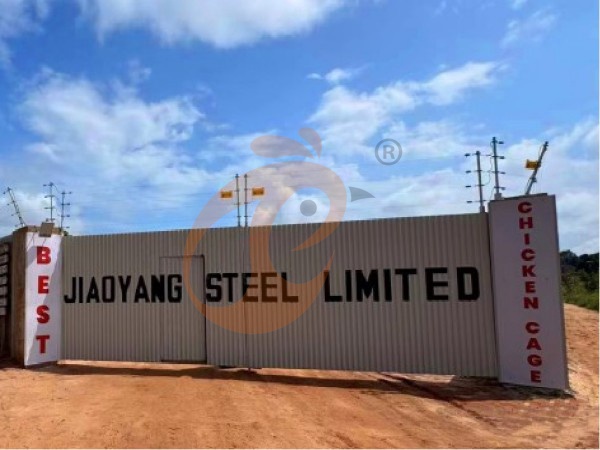
Tanzania Best Machinery And Equipment CO., LTD
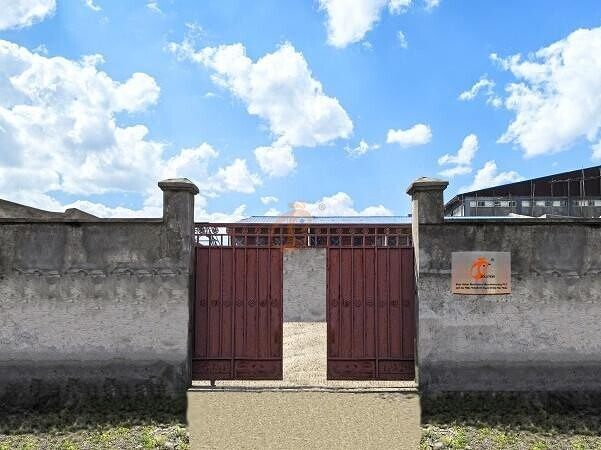
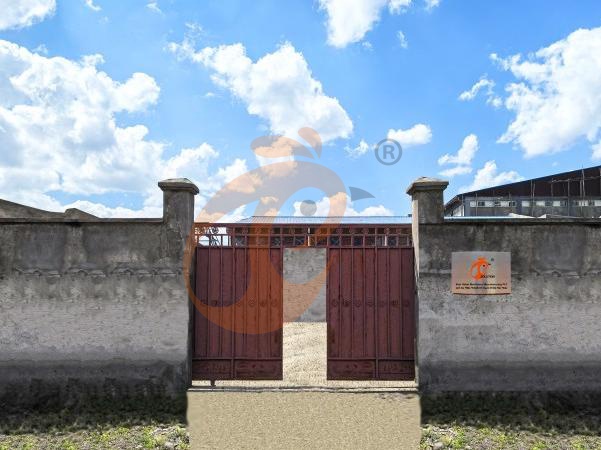
Ethiopia Best Hebei Machinery Manufacturing PLC
Reception /24 WhatsApp NO. : +8618830120193
FAQ
How Does Free Range System Affect Feed Consumption?
Energy expenditure increases daily intake variation by 15%–22% across seasons.
Feed conversion efficiency ranges from 1.9–2.3 depending on grazing intensity.
What Are The Housing Transition Management Standards In Free Range Poultry System?
Indoor-outdoor transition time is controlled within 10–15 minutes per flock movement cycle.
Lighting guidance systems operate at 5–8 lux to direct flock movement behavior.
What Are The Seasonal Adaptation Strategies In Free Range Poultry System?
Summer shade coverage is increased to 60%–80% of grazing area for heat stress reduction.
Rainfall drainage capacity handles 25–40 mm per hour precipitation levels for land usability.
- poultry farm
- chicken house
- cage
- poultry farm construction
- poultry drinking system
- poultry feeding system
- automatic feeding system
- poultry equipment
- chickencage
- bestchickencage
- Nigeria
- broiler farm
- poultry ventilation system
- poultry equipment manufacturer
- poultry farm plan
- chicken house planning
- poultry feed
- feed silo
- galvanized feed silo
- Ethiopia
Message
Products recommended
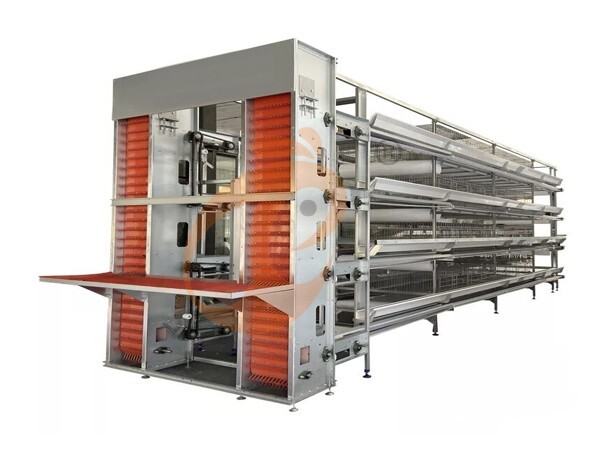
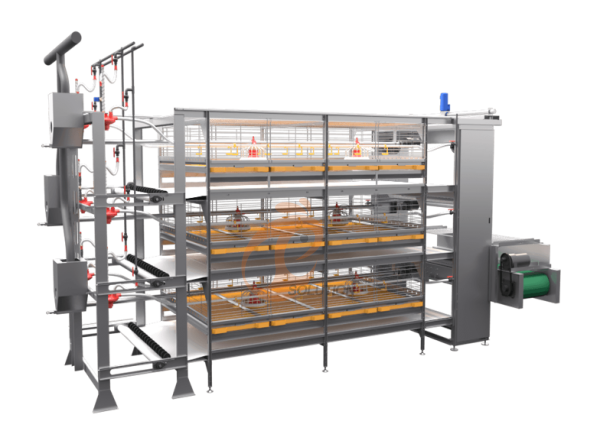
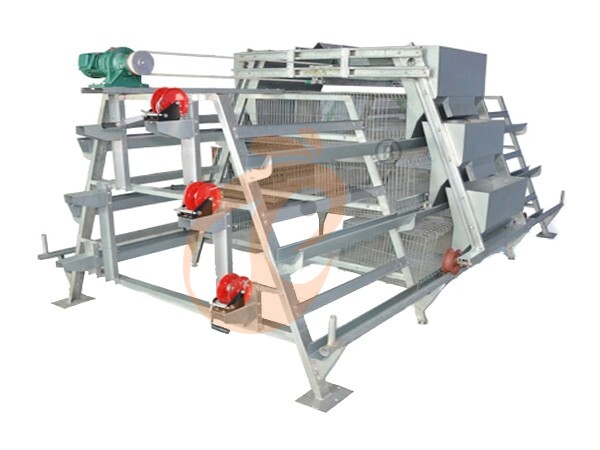
 >30,000 Pullets Automatic H Type Battery Cage1. More than 30,000 pullets a house, choose it.
2. It is designed to rearing older than 1 day old pullets to 12 to 16 weeks old chicken starting laying eggs.
3. Its lifespan is more than 25 years.
4. Its structure are Vcloud artificial intelligent fusion, electric control cabinet, automatic equipment of drinking, feeding, manure clean, manual harvesting.
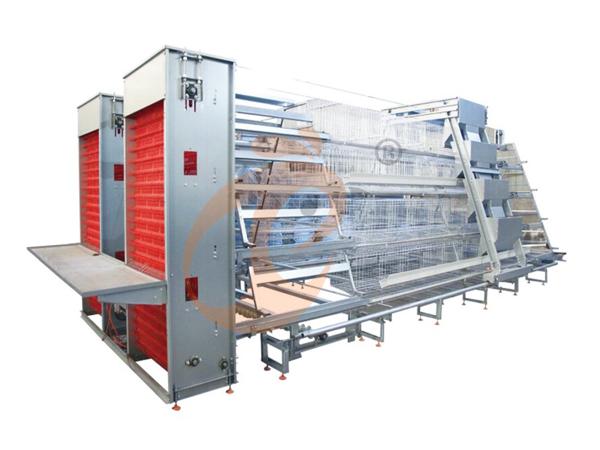
5. Our 24 hour online reception What’sApp NO. is +8618830120193 <30,000 Pullets Automatic A Type Battery Cage1. 10,000 to 30,000 pullets a house, choose it.
2. It is designed to rearing older than 1 day old pullets to 12 to 16 weeks old chicken starting laying eggs.
3. Its lifespan is more than 25 years.
4. Its structure are Vcloud artificial intelligent fusion, electric control cabinet, automatic equipment of drinking, feeding, manure clean, manual harvesting.
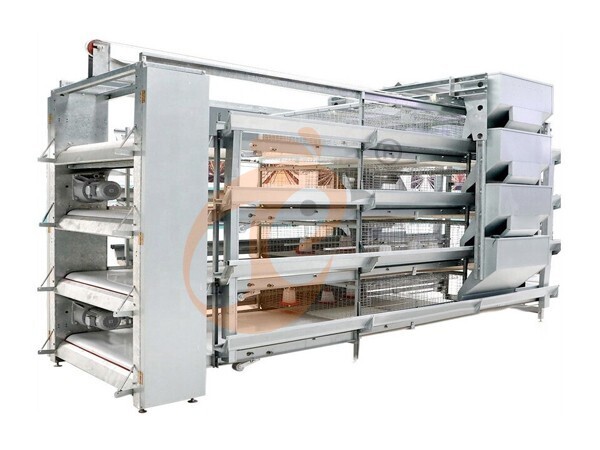
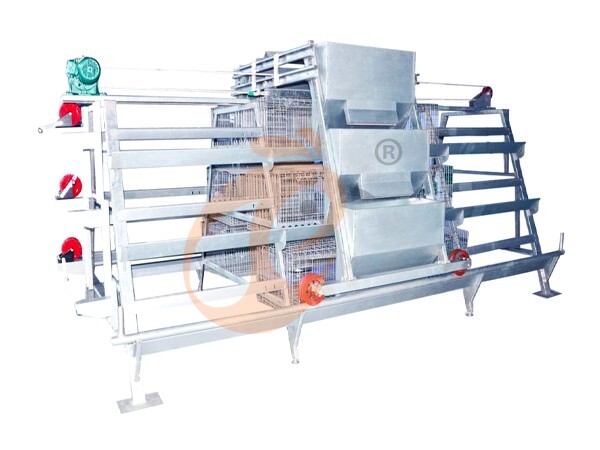
5. Our 24 hour online reception What’sApp NO. is +86 18830120193. >30,000 Broilers Semi-Automatic Harvest H Type Battery Cage1. More than 30,000 broilers a house, choose it.
2. It is designed to rearing 1 to 45 day old adult broiler ready for market.
3. Its lifespan is more than 20 years.
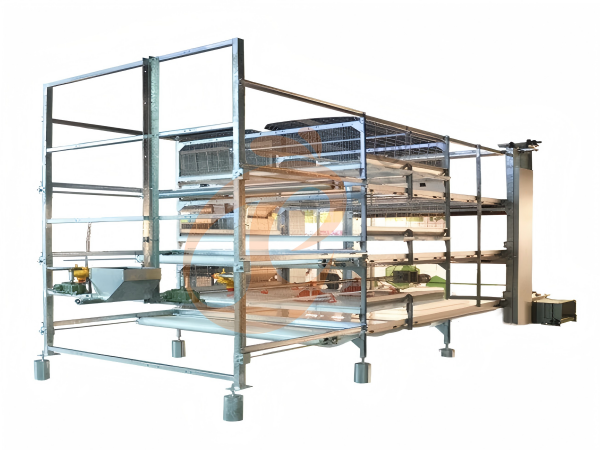
4. Our 24 hour online reception What’sApp NO. is +8618830120193, +234 8111199996. >30,000 Broilers Manual Harvest H Type Battery Cage1. More than 30,000 broilers a house, choose it.
2. It is designed to rearing 1 to 45 day old adult broiler ready for market.
3. Its lifespan is more than 20 years.
4. Its structure are Vcloud artificial intelligent fusion, electric control cabinet, automatic equipment of drinking, feeding and manure clean, manual harvesting.
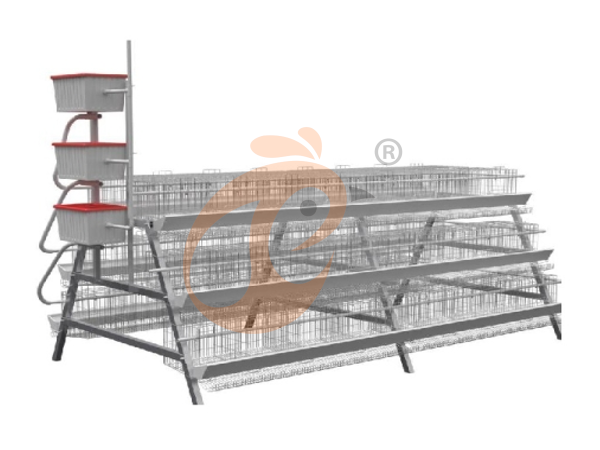
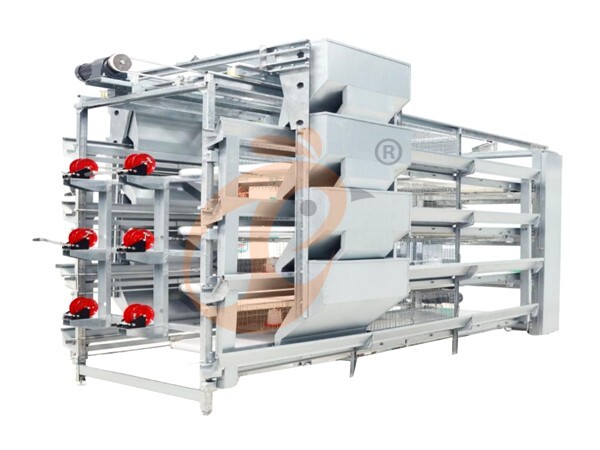
5. Our 24 hour online reception What’sApp NO. is +8618830120193, +234 8111199996. <30,000 Broilers Manual Harvest A Type Battery Cage1. Less 30,000 broilers a house, choose it.
2. It is designed to rearing 1 to 45 day old adult broiler ready for market.
3. Its lifespan is more than 20 years.
4. Its structure are Vcloud artificial intelligent fusion, electric control cabinet, automatic equipment of drinking, feeding and manure clean, manual harvesting.
5. Our 24 hour online reception What’sApp NO. is +8618830120193, +234 8111199996. HK Headquarter Offers EU-standard Poultry Farm Solutions, Manufacture Poultry Farm Equipment1. Continuous communication with the EU and the US
2. China, Nigeria, Ethiopia, Tanzania branch companies and factories
3. The products’ quality is customized for local poultry farms
4. Poultry cage and poultry farm equipment stock for sale
5. 24 online reception Whatsapp NO. : +8618830120193,contact us to get full information China Branch Offer Poultry Farm Business Plan, Manufacture Poultry Farm Equipment1. Address: Flat/RM 2416, 24/F, Runxing Building, Youyi Nan Street, Shijiazhuang City, Hebei Province, China
2. Poultry cage and poultry farm equipment factory and stock for sale
3. Customized for local poultry farms
4. Quality and design are based on Euro
5. 24 online reception Whatsapp NO. : +8618830120193 Nigeria Branch Offer Poultry Farm Business Plan, Manufacture Poultry Farm Equipment1. Address: After Sinoma Office, 200 Meters Near Danco Filling Station, Lagos/Ibadan Expressway, Lagos State, Nigeria
2. Poultry cage and poultry farm equipment factory and stock for sale
3. Customized for Nigerian poultry farms
4. Quality and design are based on Euro
5. 24 online reception Whatsapp NO. : +8618830120193 Ethiopia Branch Offer Poultry Farm Business Plan, Manufacture Poultry Farm Equipment1. Address: Gelan Gura, Akaki-kaliti Sub City, Addis Ababa, Ethiopia
2. Poultry cage and poultry farm equipment stock for sale
3. Customized for Ethiopian poultry farms
4. Quality and design are based on Euro
5. 24 online reception Whatsapp NO. : +8618830120193, contact us to get price list Tanzania Branch Offer Poultry Farm Business Plan, Manufacture Poultry Farm Equipment1. Address: No.8, Sova Road, Msufini, Mlandizi, Kibaha, Pwani, Tanzania
2. Poultry cage and poultry farm equipment factory and stock for sale
3. Customized for Tanzanian poultry farms
4. Quality and design are based on Euro
5. 24 online reception Whatsapp NO. : +8618830120193
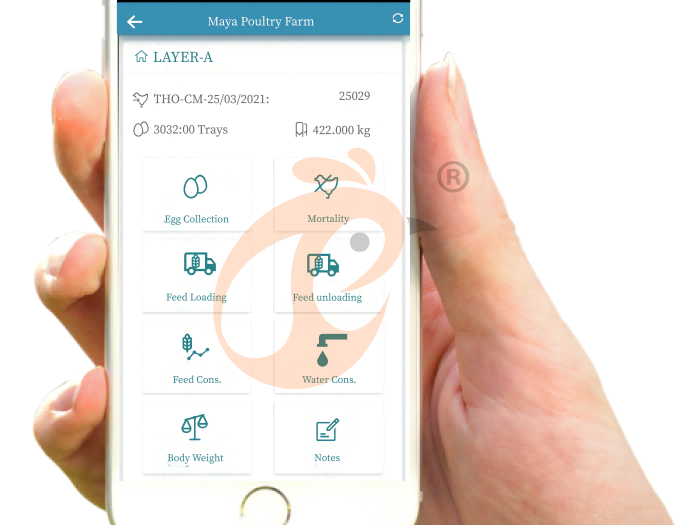


Contact