


Blog
This article focuses on Ethiopian chicken farming and practical guidance.
Producers can optimize egg output using an effective poultry cage system.
Layer hen production requires careful breed selection and environmental planning.
Feeding, light management, and manure handling ensure sustainable farm performance.
Training labor and planning finances support long-term operational efficiency.
Get professional poultry farm construction guidance, equipment selection solutions, and the latest price lists, whatsApp to +8618830120193, click to learn more:

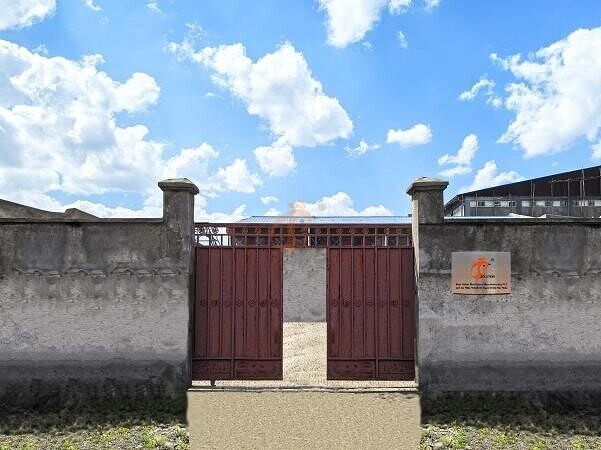
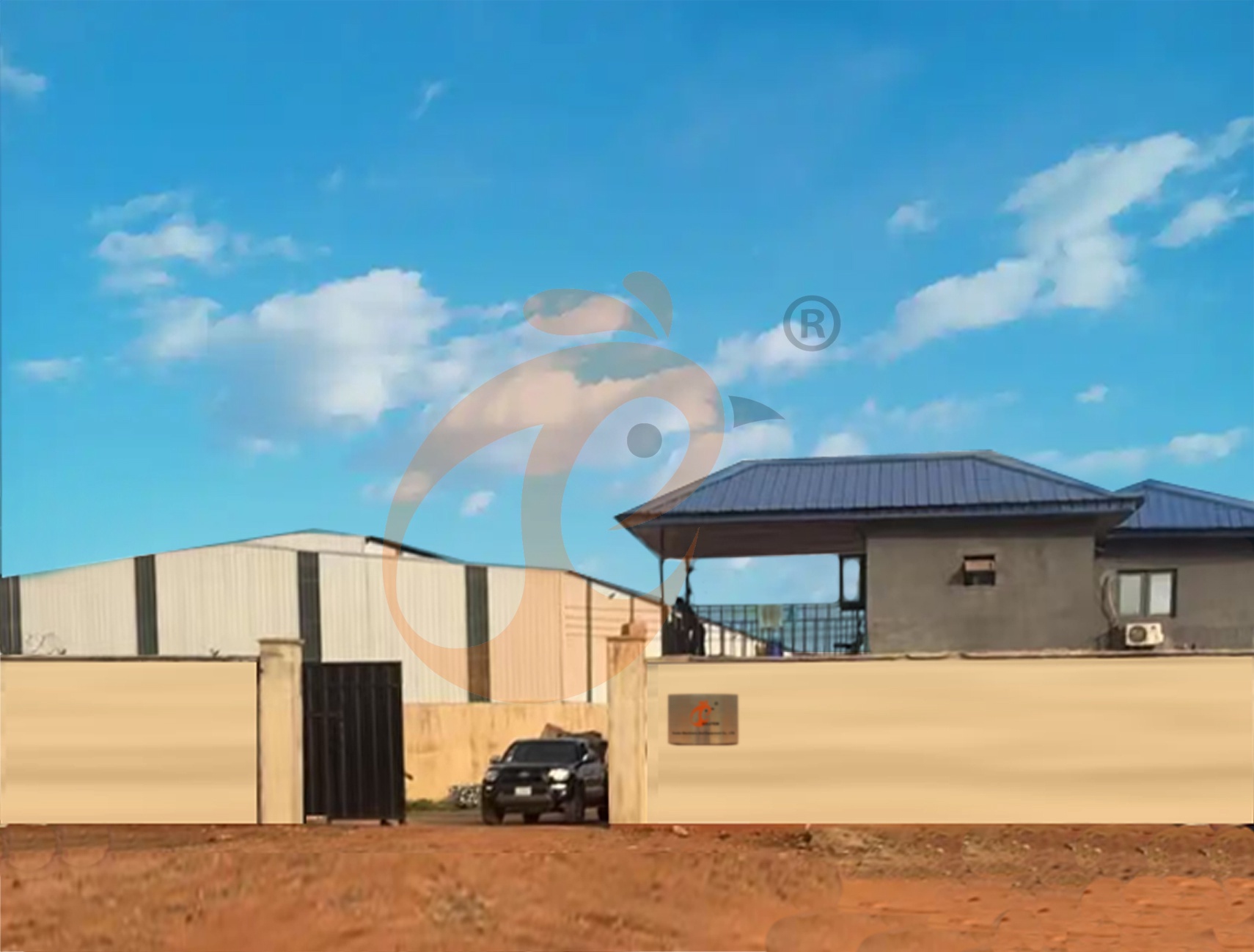
Ethiopia Branch Office And Factory Of Poultry Farm Equipment
Understanding Ethiopian Egg Market Demand And Local Priorities
Ethiopia's egg sector has been growing steadily, with increasing domestic demand driven by urbanization in Addis Ababa, Dire Dawa, and other regional hubs.
Before installing any poultry cage system, producers must understand how H type chicken cages support consistent egg production and align with local market demand.
Ethiopia's poultry sector still faces challenges such as feed cost volatility, heat stress from regional climate zones (e.g., Oromia lowlands versus highland temperatures), and access to reliable day‑old pullets.
Installing H type cages without a clear understanding of these market and environmental factors can lead to underutilized capacity and higher operational risk.
Therefore, the first check is a clear farm plan based on Ethiopian production goals, local climate, and consumer expectations for shell quality and hygiene.
Environmental Conditions Ventilation Temperature And Humidity
Ethiopian climates vary widely: high altitude areas like the Ethiopian Highlands are cooler, whereas lowland regions such as Afar experience high heat and dust.
H type cages require careful airflow management to maintain stable house temperatures, particularly to mitigate heat stress which can drastically reduce egg production.
A check on site ventilation potential is mandatory.
Data is for reference only. Swipe horizontally to view full table.
This table indicates how environmental conditions vary across Ethiopia.
Proper ventilation systems and layout planning must consider these differences to maintain bird comfort and resistance to heat.
Structural Assessment Farm Layout And Cage Footprint
The third check concerns the physical infrastructure available on the farm.
H type chicken cages require uniform floor space, solid foundations, and proper drainage to prevent disease risks.
In rural Ethiopian contexts, uneven terrain, fragile soil, and seasonal rains require careful civil planning before cage installation.
Data is for reference only. Swipe horizontally to view full table.
Proper design is essential for Ethiopian conditions, where torrential rainy seasons may impact poorly designed poultry structures.
Equipment Quality And Supplier Verification
In Ethiopia, imported hardware often comes through Addis Ababa or Djibouti ports.
Before selecting H type cage equipment, producers must verify supplier credibility, spare part availability, and compatibility with local power systems.
Many Ethiopian farms experience inconsistent electricity, so equipment must withstand voltage fluctuation.
Data is for reference only. Swipe horizontally to view full table.
This table helps ensure that cage components meet technical expectations and are suitable for routine Ethiopian poultry farm practices.
Layer Breed Selection And Integration With Cages
Unlike broilers, commercial laying hens have distinct nutritional and space needs.
This check focuses on selecting suitable layer breeds that perform well in Ethiopian environments, such as adaptable strains capable of tolerating heat and suboptimal feed prices.
Integrating breed choice with cage space allowance and feeder design ensures productivity.
Data is for reference only. Swipe horizontally to view full table.
Layer performance varies significantly across strains.
Ethiopian producers should evaluate breed returns based on feed availability, housing conditions, and market shell quality preferences.
Feed Supply Chain And Nutritional Planning
Feed is the largest cost in egg production.
Before installing H type chicken cages, evaluate local feed supply reliability.
Ethiopia faces fluctuating feed ingredient prices and seasonal availability of maize, soy, and minerals.
Make sure there is a plan for stable formulation and feed storage capacity.
Data is for reference only. Swipe horizontally to view full table.
Others include DL‑methionine, salt, and phytase enzyme depending on formulation.
Proper nutritional planning helps maintain egg output per bird and reduce feed cost per dozen eggs in Ethiopia.
Light Management And Photoperiod Control
Egg layers require controlled lighting to optimize laying cycles.
In Ethiopia, natural day length varies modestly, but indoor H type cage houses must use artificial lighting to ensure at least 14–16 hours of light during production cycles.
Data is for reference only. Swipe horizontally to view full table.
Lighting systems must be evaluated for Ethiopian power supply reliability, possibly incorporating solar backup to reduce operational disruption.
Manure Handling And Environmental Regulations
Ethiopia is increasingly concerned with environmental sustainability and public health.
Cage manure must be managed proactively to avoid ammonia build‑up, water contamination, and community nuisance.
H type cages make manure collection easier, but producers must assess onsite storage and possible manure processing.
Data is for reference only. Swipe horizontally to view full table.
Producers should liaise with local agricultural offices for compliance and potential incentives for proper manure reuse.
Labor Skill Assessment And Training Needs
Ethiopian poultry farms often employ labor with varying skill levels.
Installing H type cages requires training for cage‑specific tasks: monitoring feed/water lines, egg collection systems, belt maintenance, and environmental control systems.
Before installation, evaluate the workforce and schedule training sessions.
Disease Prevention And Biosecurity Planning
Layers in cages are susceptible to diseases such as Newcastle disease, avian influenza, coccidiosis, and infectious bronchitis, which are endemic in parts of Ethiopia.
Check existing vaccination programs, quarantine procedures, and biorisk controls before investing in equipment.
Engineering controls must be integrated with protective clothing stations and visitor protocols.
Financial Planning And Return On Investment
Producers must forecast costs of H type cage systems against expected revenues from egg sales.
In Ethiopia, egg prices can fluctuate with supply seasonality, transport costs, and import restrictions on feed ingredients.
Conduct financial modelling that includes
Capital expenditure (cages, house construction)
- Operating costs (feed, labor, utilities)
- Egg yield per bird
- Local egg price trends
This assessment ensures economic viability and resilience.
Local Regulations And Government Support Programs
Ethiopian government agencies and NGOs increasingly support poultry producers through training, subsidized inputs, and credit schemes.
Before installation, check eligibility for programs from organizations such as the Ethiopian Agricultural Transformation Agency (ATA) and regional agriculture bureaus.
Compliance with animal welfare standards and environmental guidelines is also necessary for long-term farm operation.
Frequently Asked Questions
Q1: Are H type chicken cages suitable for Ethiopian highland conditions?
A1: Yes, with proper ventilation and layout planning, H type cages perform well in cooler highland areas while reducing heat stress and ensuring layer hen production efficiency.
Q2: How can Ethiopian producers manage feed cost volatility?
A2: Implementing secure feed supply chains and formulating rations based on local maize and soybean availability helps maintain egg production cost-effectively.
Q3: What environmental regulations must Ethiopian farms follow for manure management?
A3: Producers should store manure safely, compost before application, and liaise with local agricultural offices to comply with sustainability guidelines.
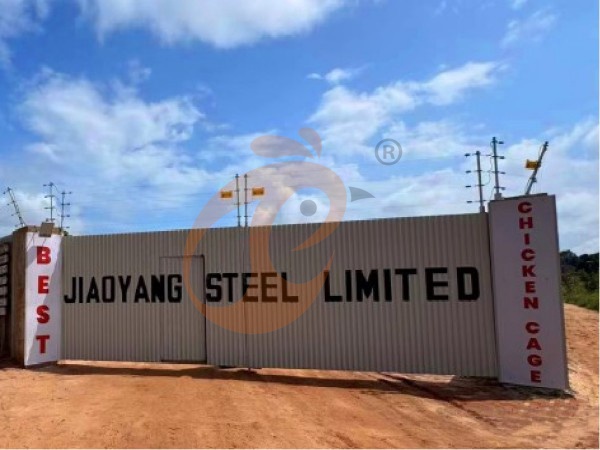
Ethiopia Best Hebei Machinery Manufacturing Plc - One Of Ethiopia Biggest Layer Chicken Cage Supplier
HB BEST provides global factory direct sales for poultry farm equipment with reliable service.
- Company offers H type chicken cage systems suitable for Ethiopian climates and farms.
- Turn-key projects are available, ensuring integrated design, installation, and training support.
- HB BEST delivers efficient layer hen production solutions and supports operational optimization.
The company emphasizes high-quality poultry cage materials, spare parts availability, and local adaptation.
Contact Us To Received Your Customized Poultry Farm Plan
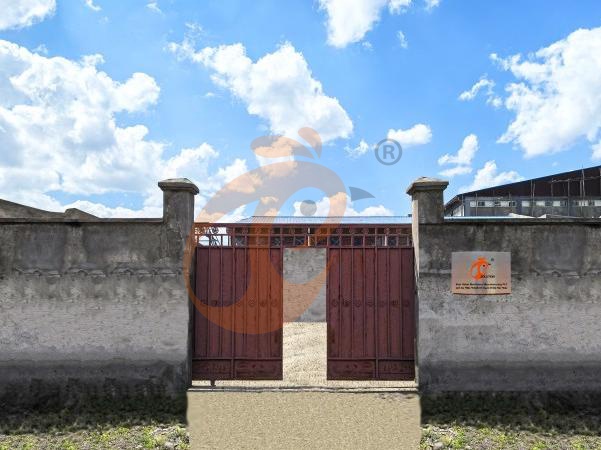
Headquarters And Branchs

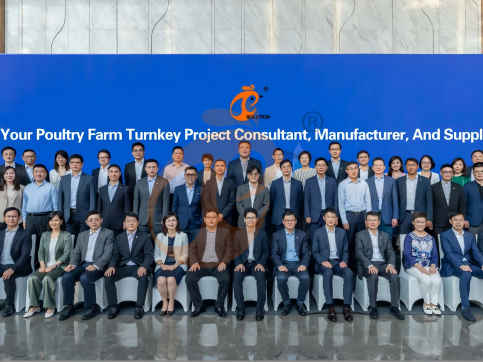
Hong Kong Headquarter Management Team
Hong Kong Headquarter Taiyu Industrial Group CO., LTD
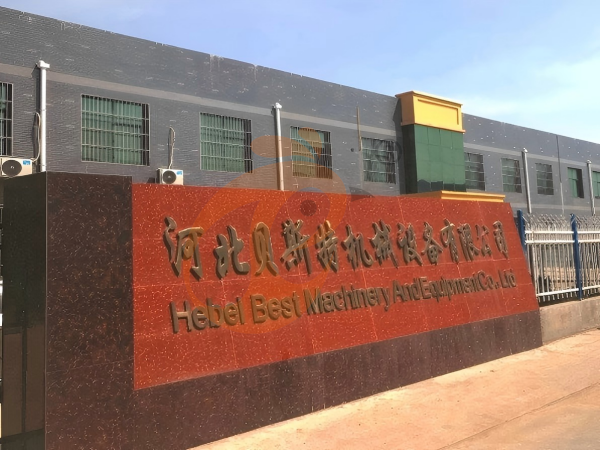
China Hebei Best Machinery And Equipment CO., LTD
Nigeria Vanke Machinery And Equipment CO., LTD
Tanzania Best Machinery And Equipment CO., LTD
Ethiopia Best Hebei Machinery Manufacturing PLC
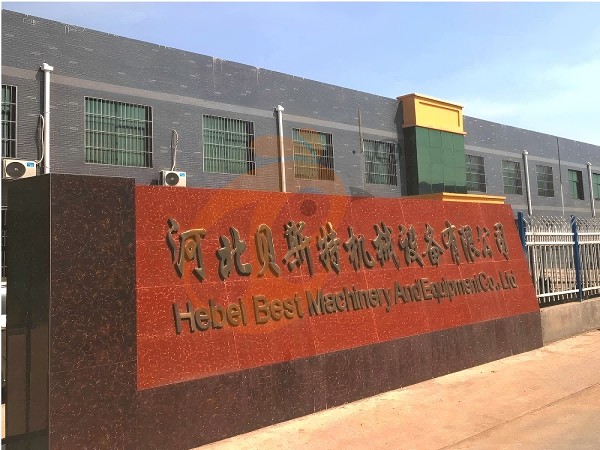
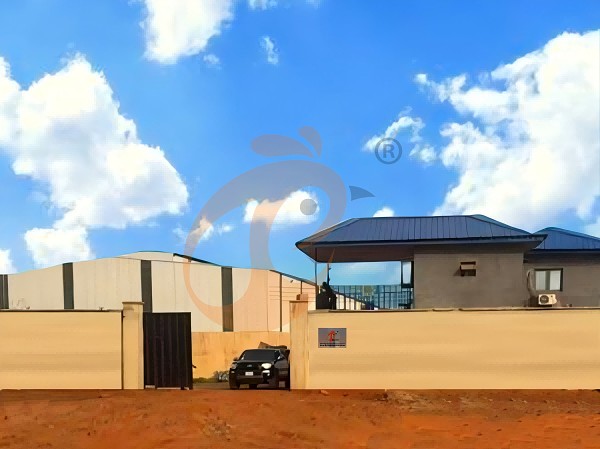
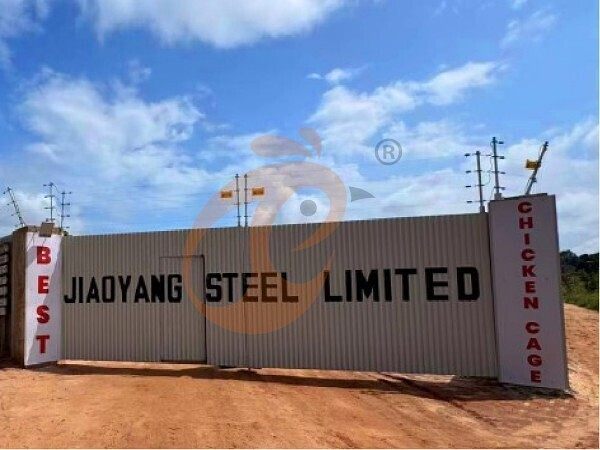
Reception /24 WhatsApp NO. : +8618830120193
FAQ
What Are The Recommended Cage Heights For H-Type Poultry Cage?
Multi-tier layout: 5–7 levels
Ensure comfort for feeding and movement
Egg production rate: 90-98%
FCR: 1.9–2.1
How To Reduce Energy Consumption In H-Type Layer Cage Farm?
Optimize ventilation and lighting layout
Reduce HVAC energy consumption by 10–15%
Egg production rate: 90-98%
FCR: 1.9–2.1
What Is The Maximum Capacity Of H-Type Layer Cage In A Single House?
Birds per tier: 90–120
Farm capacity per house: 30,000 - 100,000+0 birds
Floor space saved: 3–4 times
Labor savings: 70-90%
- poultry farm
- chicken cage
- poultry farms
- chicken farm
- poultry cage
- cage
- poultry farm equipment
- poultry farm construction
- poultry cage system
- chicken cage system
- poultry cage material
- egg collection system
- chicken cages
- h type chicken cage
- chickencage
- h type cage
- bestchickencage
- layers in cages
- cage system
- h type
- cage systems
- h cage
- h type cages
- Nigeria
- poultry farm plan
- Ethiopia
Message
Products recommended
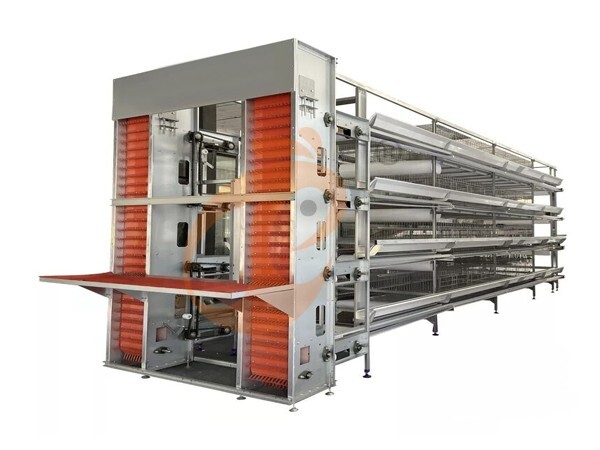
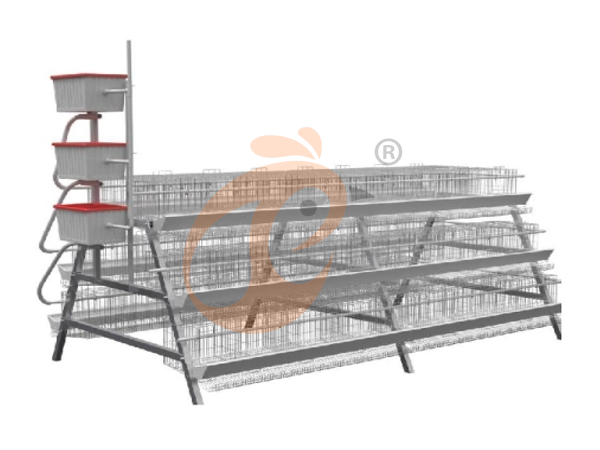
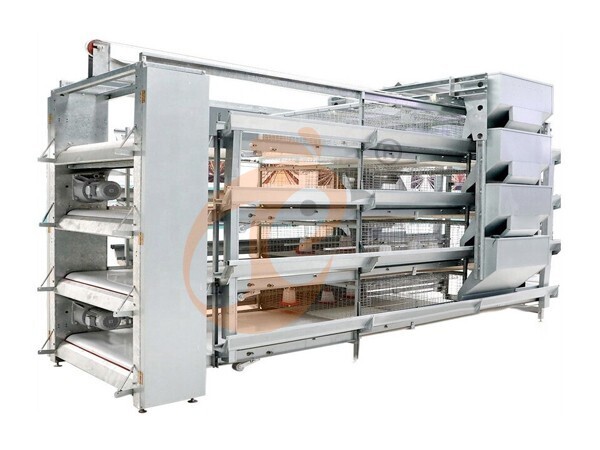
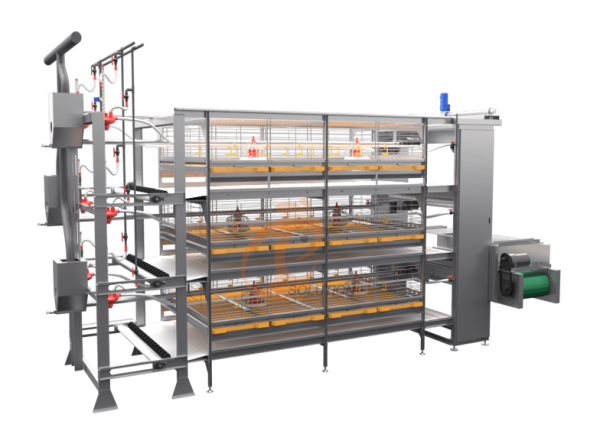
 >30,000 Pullets Automatic H Type Battery Cage1. More than 30,000 pullets a house, choose it.
2. It is designed to rearing older than 1 day old pullets to 12 to 16 weeks old chicken starting laying eggs.
3. Its lifespan is more than 25 years.
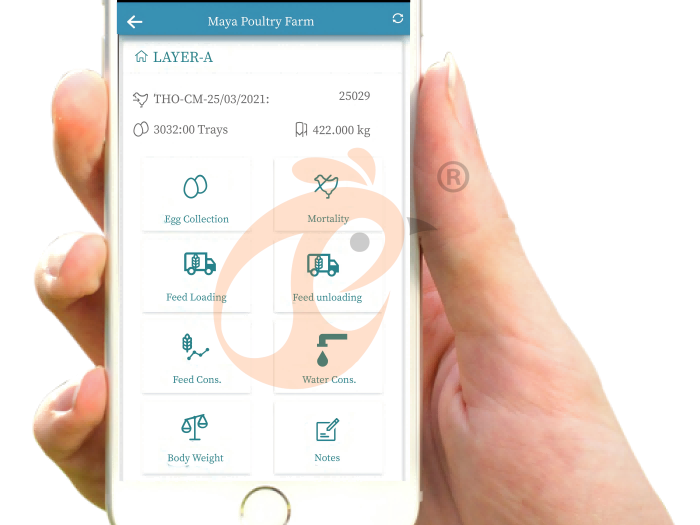
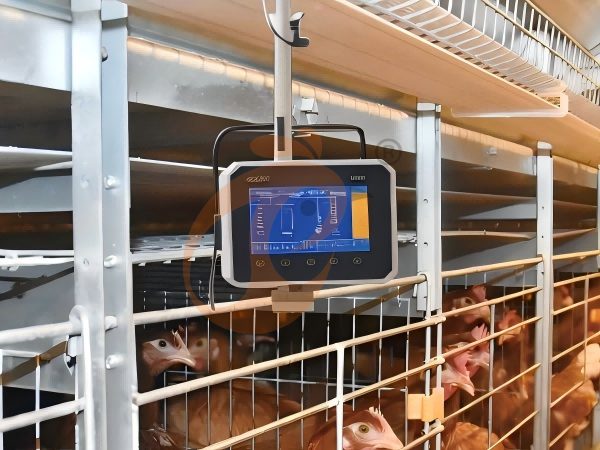
4. Its structure are Vcloud artificial intelligent fusion, electric control cabinet, automatic equipment of drinking, feeding, manure clean, manual harvesting.
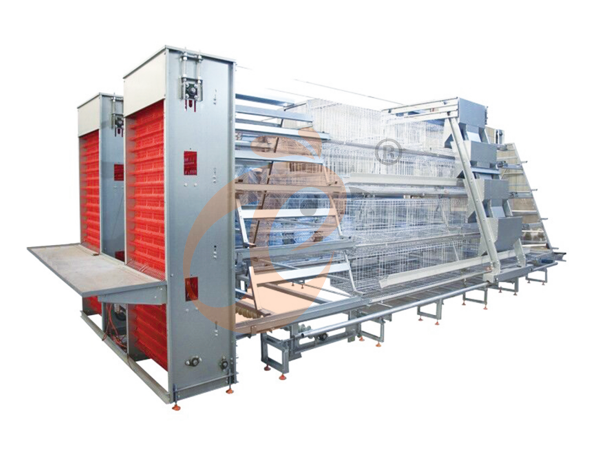
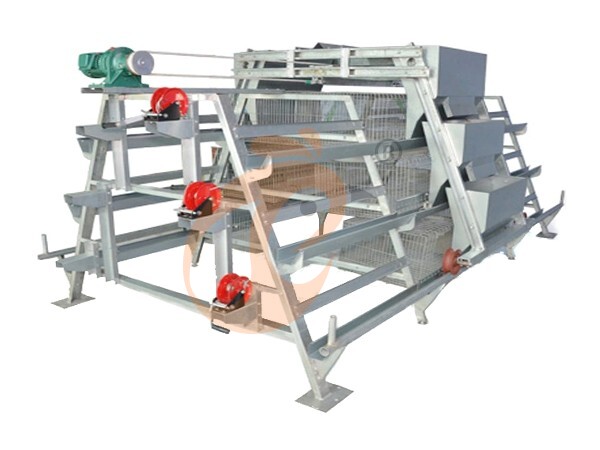
5. Our 24 hour online reception What’sApp NO. is +8618830120193 <30,000 Pullets Automatic A Type Battery Cage1. 10,000 to 30,000 pullets a house, choose it.
2. It is designed to rearing older than 1 day old pullets to 12 to 16 weeks old chicken starting laying eggs.
3. Its lifespan is more than 25 years.
4. Its structure are Vcloud artificial intelligent fusion, electric control cabinet, automatic equipment of drinking, feeding, manure clean, manual harvesting.
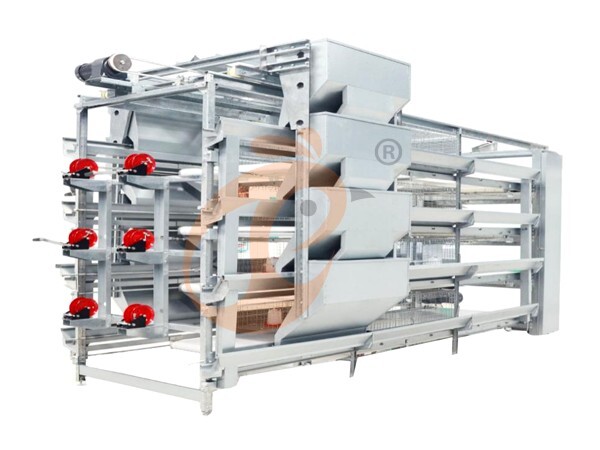
5. Our 24 hour online reception What’sApp NO. is +86 18830120193. >30,000 Broilers Semi-Automatic Harvest H Type Battery Cage1. More than 30,000 broilers a house, choose it.
2. It is designed to rearing 1 to 45 day old adult broiler ready for market.
3. Its lifespan is more than 20 years.
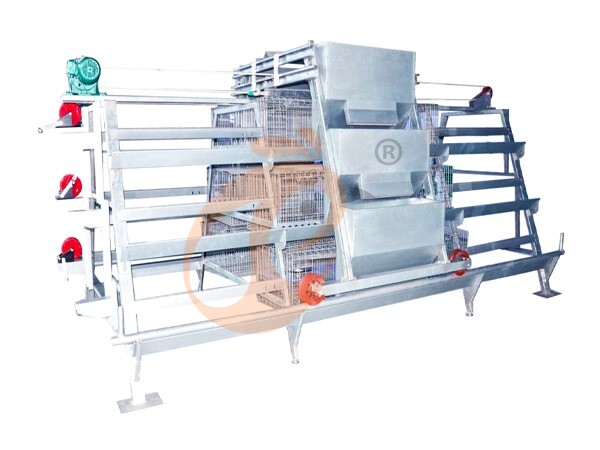
4. Our 24 hour online reception What’sApp NO. is +8618830120193, +234 8111199996. >30,000 Broilers Manual Harvest H Type Battery Cage1. More than 30,000 broilers a house, choose it.
2. It is designed to rearing 1 to 45 day old adult broiler ready for market.
3. Its lifespan is more than 20 years.
4. Its structure are Vcloud artificial intelligent fusion, electric control cabinet, automatic equipment of drinking, feeding and manure clean, manual harvesting.
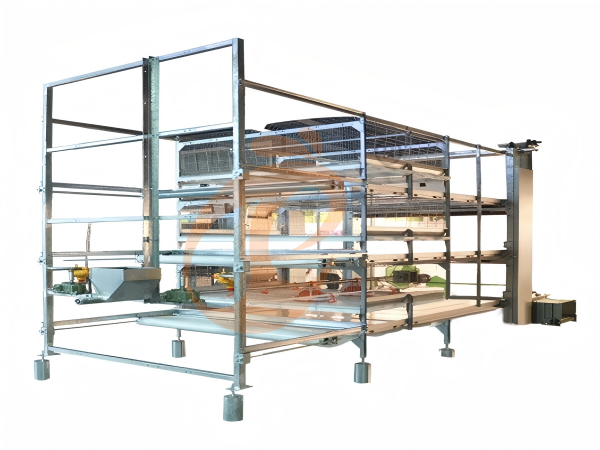
5. Our 24 hour online reception What’sApp NO. is +8618830120193, +234 8111199996. <30,000 Broilers Manual Harvest A Type Battery Cage1. Less 30,000 broilers a house, choose it.
2. It is designed to rearing 1 to 45 day old adult broiler ready for market.
3. Its lifespan is more than 20 years.
4. Its structure are Vcloud artificial intelligent fusion, electric control cabinet, automatic equipment of drinking, feeding and manure clean, manual harvesting.
5. Our 24 hour online reception What’sApp NO. is +8618830120193, +234 8111199996. HK Headquarter Offers EU-standard Poultry Farm Solutions, Manufacture Poultry Farm Equipment1. Continuous communication with the EU and the US
2. China, Nigeria, Ethiopia, Tanzania branch companies and factories
3. The products’ quality is customized for local poultry farms
4. Poultry cage and poultry farm equipment stock for sale
5. 24 online reception Whatsapp NO. : +8618830120193,contact us to get full information China Branch Offer Poultry Farm Business Plan, Manufacture Poultry Farm Equipment1. Address: Flat/RM 2416, 24/F, Runxing Building, Youyi Nan Street, Shijiazhuang City, Hebei Province, China
2. Poultry cage and poultry farm equipment factory and stock for sale
3. Customized for local poultry farms
4. Quality and design are based on Euro
5. 24 online reception Whatsapp NO. : +8618830120193 Nigeria Branch Offer Poultry Farm Business Plan, Manufacture Poultry Farm Equipment1. Address: After Sinoma Office, 200 Meters Near Danco Filling Station, Lagos/Ibadan Expressway, Lagos State, Nigeria
2. Poultry cage and poultry farm equipment factory and stock for sale
3. Customized for Nigerian poultry farms
4. Quality and design are based on Euro
5. 24 online reception Whatsapp NO. : +8618830120193 Ethiopia Branch Offer Poultry Farm Business Plan, Manufacture Poultry Farm Equipment1. Address: WR93+FQ2, Addis Ababa, Ethiopia
2. Poultry cage and poultry farm equipment stock for sale
3. Customized for Ethiopian poultry farms
4. Quality and design are based on Euro
5. 24 online reception Whatsapp NO. : +8618830120193, contact us to get price list Tanzania Branch Offer Poultry Farm Business Plan, Manufacture Poultry Farm Equipment1. Address: No.8, Sova Road, Msufini, Mlandizi, Kibaha, Pwani, Tanzania
2. Poultry cage and poultry farm equipment factory and stock for sale
3. Customized for Tanzanian poultry farms
4. Quality and design are based on Euro
5. 24 online reception Whatsapp NO. : +8618830120193



Contact
By clicking 'Allow All', you agree to the storage of cookies on your device to enhance site navigation, analyze site usage and assist with our marketing efforts.