


Blog
Ethiopian H type chicken cage space utilization is critical for improving egg production efficiency under land and cost constraints in Ethiopia.
Many farms near Addis Ababa face limited land and rising input costs.
Optimizing cage structure, ventilation, and automation increases productivity without expanding buildings.
Local climate differences across regions require adaptive poultry housing strategies.
This article provides practical, data-driven solutions tailored to Ethiopian layer farming conditions.
Get professional poultry farm construction guidance, equipment selection solutions, and the latest price lists, whatsApp to +8618830120193, click to learn more:

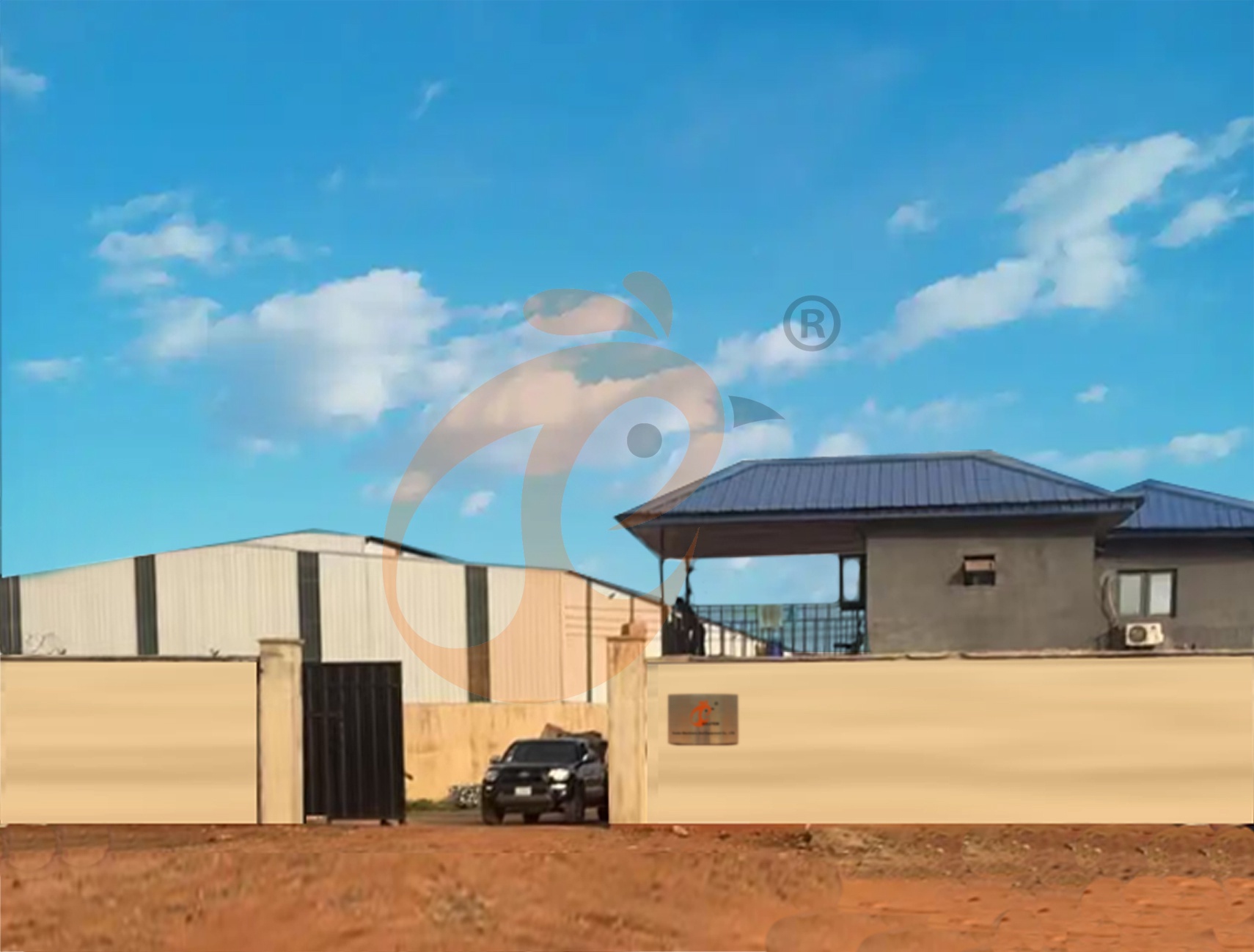
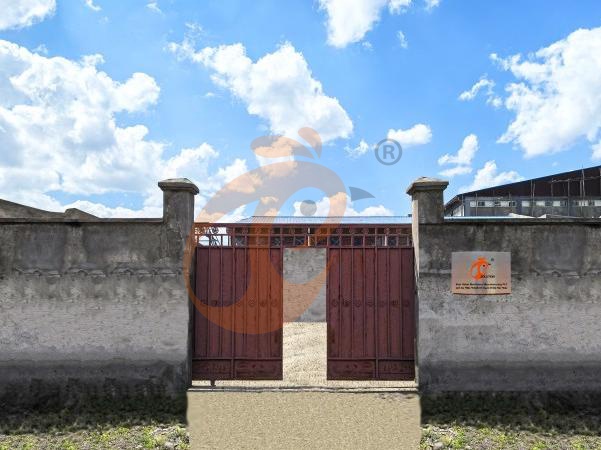
Ethiopia Branch Office And Factory Of Poultry Farm Equipment
Optimize Cage Tier Configuration Based On Local Housing Structures
Vertical expansion remains underutilized in many Ethiopian layer farms.
Increasing tiers in H-frame chicken cage systems allows higher stocking per square meter without expanding land footprint.
This is particularly relevant in peri-urban areas where land cost can exceed 15,000 Ethiopian Birr per square meter (European union standard reference only).
Data is for reference only.Swipe horizontally to view full table.
A 6-tier configuration is often optimal for balancing cost, ventilation, and productivity.
Improve Ventilation Efficiency To Support Higher Density
Ventilation is a limiting factor in regions like Dire Dawa.
Poor airflow increases heat stress and reduces egg production rates.
Upgrading ventilation systems enables safe increases in stocking density.
Data is for reference only.Swipe horizontally to view full table.
Improved airflow directly supports efficient egg production cage system performance.
Standardize Cage Dimensions For Layer Efficiency
Inconsistent cage fabrication leads to uneven stocking and wasted space.
Standardizing H-frame chicken cage dimensions ensures uniform bird distribution and higher productivity.
Data is for reference only.Swipe horizontally to view full table.
Maintaining balanced space allocation improves laying consistency and reduces stress.
Integrate Automated Feeding And Egg Collection Systems
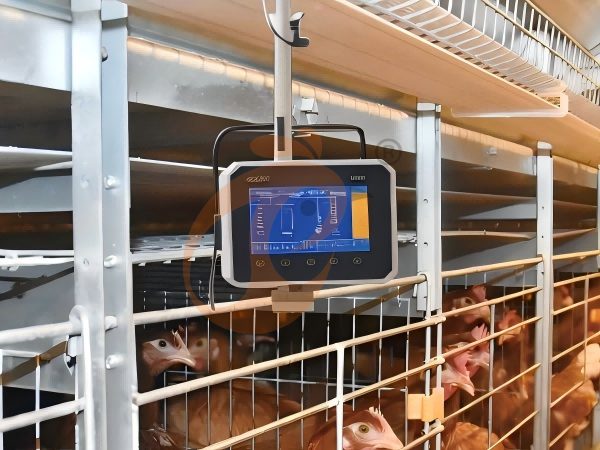
Automation reduces labor dependency and improves space efficiency.
In cities like Adama, farms adopting automation report better output per square meter.
Feed cost in Ethiopia can exceed 18 Ethiopian Birr per kg (European union standard reference only), making efficiency essential.
Data is for reference only.Swipe horizontally to view full table.
Automation supports optimal poultry cage space efficiency by reducing operational footprint.
Optimize Manure Removal Systems To Free Space
Manure accumulation reduces usable cage space and increases ammonia levels.
This is a common issue in regions like Amhara Region.
Modern manure handling systems improve hygiene and allow tighter cage layouts.
Data is for reference only.Swipe horizontally to view full table.
Efficient manure removal supports higher-density egg production cage system setups.
Align Cage Layout With Local Climate Conditions
Ethiopia's diverse climate requires region-specific housing design.
Improper layout leads to uneven temperature distribution and inefficient space use.
Data is for reference only.Swipe horizontally to view full table.
Proper alignment improves airflow and supports better laying performance.
Reduce Aisle Width Through Smart Design
Wide aisles reduce cage density unnecessarily.
Optimized layouts allow more cage rows within the same building footprint.
Data is for reference only.Swipe horizontally to view full table.
Reducing aisle width improves chicken cage space utilization significantly.
Improve Feed Storage Planning Inside Farms
Feed storage inside poultry houses reduces available cage area.
This is common in smaller farms near Bishoftu.
External storage improves internal layout efficiency.
Data is for reference only.Swipe horizontally to view full table.
Proper storage planning increases usable cage installation area.
Improve Lighting Layout For Uniform Cage Utilization
Lighting affects bird distribution and laying consistency.
Uneven lighting leads to underutilized cage sections.
Data is for reference only.Swipe horizontally to view full table.
LED systems are suitable for improving egg production consistency.
Train Labor For Efficient Cage Management
Labor skill directly affects space utilization efficiency.
Proper training ensures optimal bird placement and system operation.
Data is for reference only.Swipe horizontally to view full table.
Training reduces operational errors and improves system performance.
Frequently Asked Questions
Q1: Is H type chicken cage suitable for Ethiopian climate conditions?
Yes.
H-frame chicken cage systems can be adapted for Ethiopian highland and lowland climates.
Using proper ventilation and orientation ensures stable temperature control and consistent egg production.
Q2: How can small farms in Ethiopia afford automation?
Small farms can start with semi-automated systems.
Gradual upgrades reduce financial pressure while improving efficiency over time.
Local fabrication also reduces initial investment costs.
Q2: What is the biggest challenge in cage space utilization in Ethiopia?
The main challenge is poor housing design and ventilation limitations.
Improving airflow and layout planning solves most space inefficiency issues effectively.
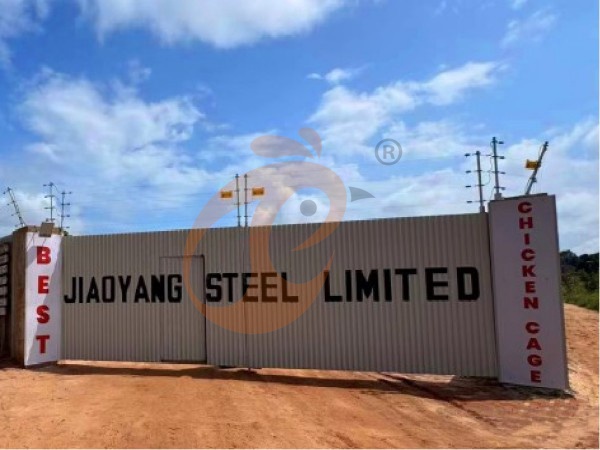
Ethiopia Best Hebei Machinery Manufacturing Plc - One Of Ethiopia Largest Chicken Cage Manufacturer
Global factory direct supply ensures competitive pricing for poultry farm equipment and poultry cage systems.
- Specialized in H-frame and A-type chicken cage solutions adapted for Ethiopian environments and farm conditions.
- Provides complete Turn-key poultry farm engineering including design, installation, and training services.
- Strong experience in African markets ensures reliable logistics, installation, and after-sales technical support.
Offers customized solutions for egg production cage system projects with scalable expansion planning.
Contact Us To Received Your Customized Poultry Farm Plan
Headquarters And Branchs

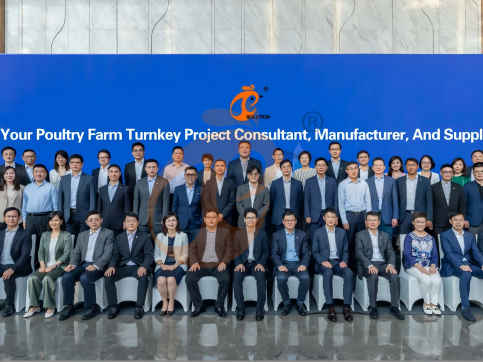
Hong Kong Headquarter Management Team
Hong Kong Headquarter Taiyu Industrial Group CO., LTD
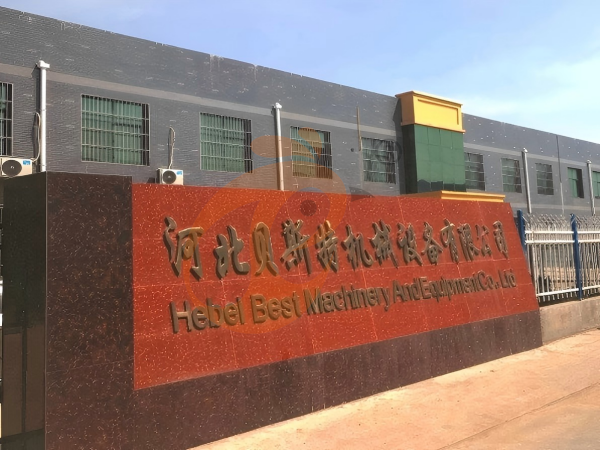
China Hebei Best Machinery And Equipment CO., LTD
Nigeria Vanke Machinery And Equipment CO., LTD
Tanzania Best Machinery And Equipment CO., LTD
Ethiopia Best Hebei Machinery Manufacturing PLC




Reception /24 WhatsApp NO. : +8618830120193
FAQ
How To Implement Automated Feeding In H-Type Layer Cage System?
Even feed distribution per tier
Reduces feed waste by 10–15%
FCR optimized to 1.9–2.1
Labor savings: 70-90%
How To Optimize H-Type Chicken Cage Design For Disease Prevention?
Easy-to-clean design reduces bacterial buildup
Automatic manure removal reduces infection sources
Mortality rate: 2–3%
Egg production rate: 90-98%
What Is The Cost Of H-Type Battery Cage For 50,000 Layers?
Total cost for 50,000 birds: $500,000–$900,000
Equipment lifespan: more than 25 years
ROI: ~2–3 years
Labor savings: 70-90%
- poultry farm
- chicken cage
- poultry house
- poultry cage
- cage
- poultry farm equipment
- poultry farm construction
- poultry cage system
- chicken cage manufacturer
- chicken cage system
- chicken cage dimensions
- manure removal system
- egg collection system
- h type chicken cage
- chickencage
- bestchickencage
- cage system
- h type
- cage systems
- Nigeria
- layer farm
- poultry cage systems
- cage manufacturer
- chicken cage solution
- poultry farm plan
- Ethiopia
Message
Products recommended
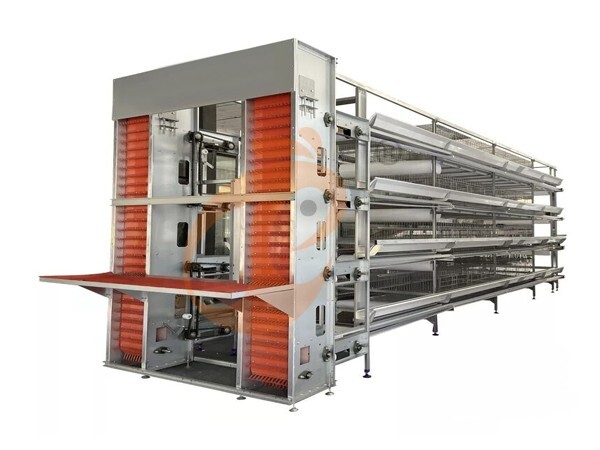
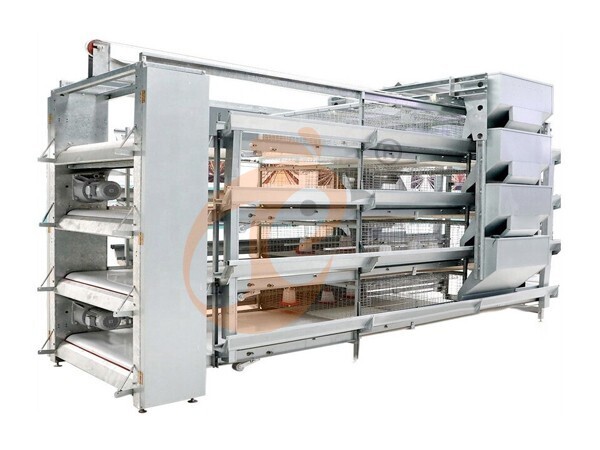
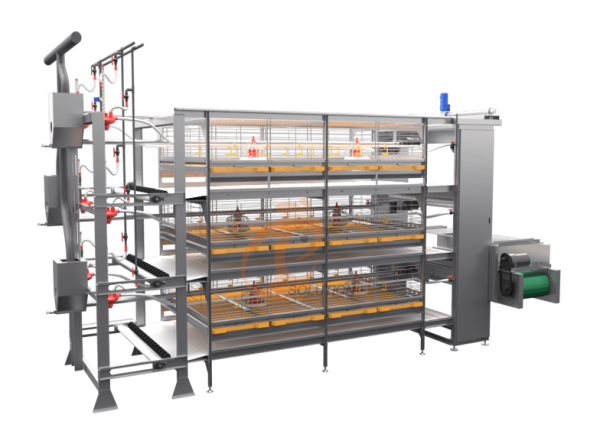
 >30,000 Pullets Automatic H Type Battery Cage1. More than 30,000 pullets a house, choose it.
2. It is designed to rearing older than 1 day old pullets to 12 to 16 weeks old chicken starting laying eggs.
3. Its lifespan is more than 25 years.
4. Its structure are Vcloud artificial intelligent fusion, electric control cabinet, automatic equipment of drinking, feeding, manure clean, manual harvesting.
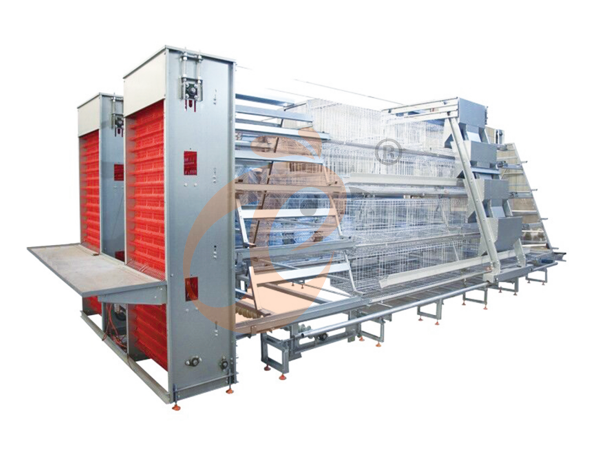
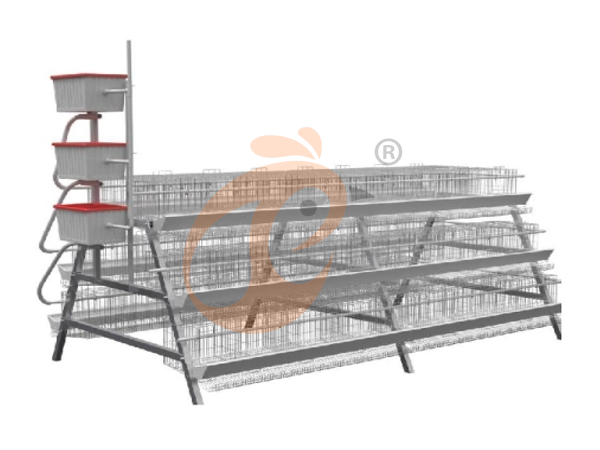
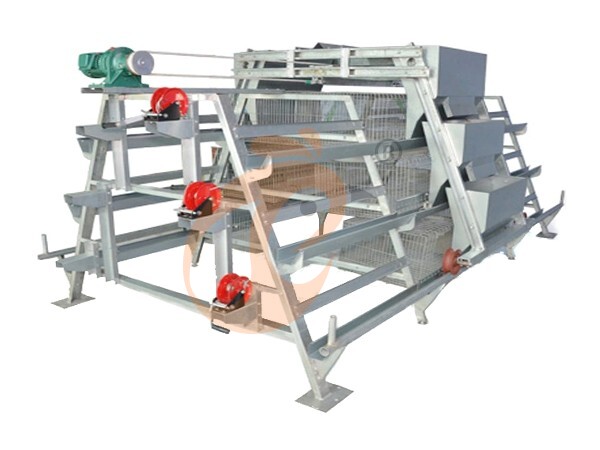
5. Our 24 hour online reception What’sApp NO. is +8618830120193 <30,000 Pullets Automatic A Type Battery Cage1. 10,000 to 30,000 pullets a house, choose it.
2. It is designed to rearing older than 1 day old pullets to 12 to 16 weeks old chicken starting laying eggs.
3. Its lifespan is more than 25 years.
4. Its structure are Vcloud artificial intelligent fusion, electric control cabinet, automatic equipment of drinking, feeding, manure clean, manual harvesting.
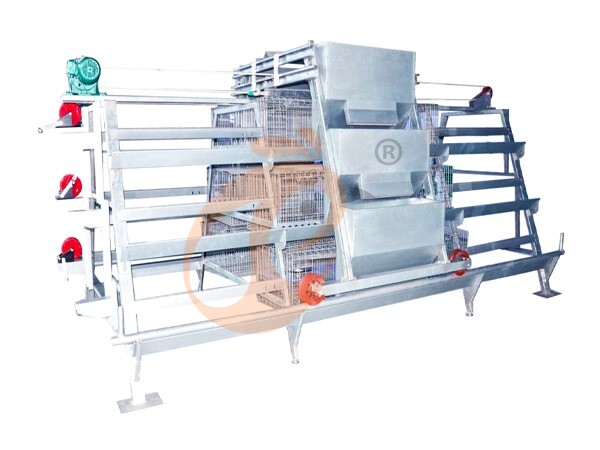
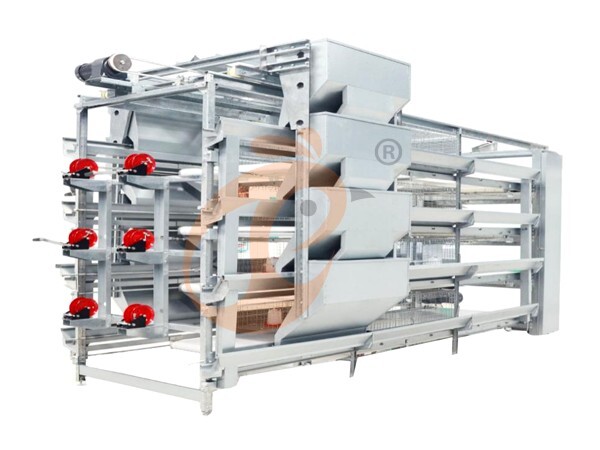
5. Our 24 hour online reception What’sApp NO. is +86 18830120193. >30,000 Broilers Semi-Automatic Harvest H Type Battery Cage1. More than 30,000 broilers a house, choose it.
2. It is designed to rearing 1 to 45 day old adult broiler ready for market.
3. Its lifespan is more than 20 years.
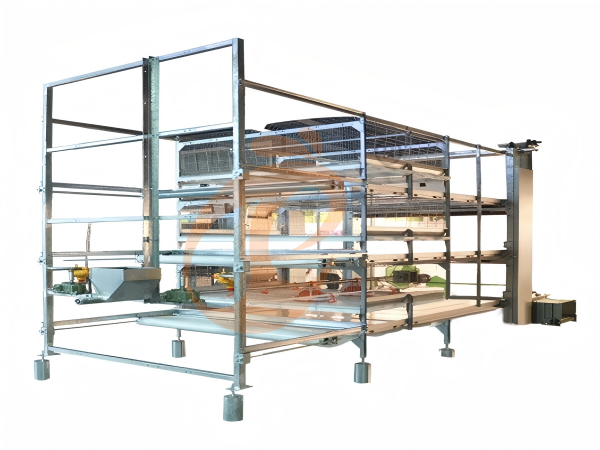
4. Our 24 hour online reception What’sApp NO. is +8618830120193, +234 8111199996. >30,000 Broilers Manual Harvest H Type Battery Cage1. More than 30,000 broilers a house, choose it.
2. It is designed to rearing 1 to 45 day old adult broiler ready for market.
3. Its lifespan is more than 20 years.
4. Its structure are Vcloud artificial intelligent fusion, electric control cabinet, automatic equipment of drinking, feeding and manure clean, manual harvesting.
5. Our 24 hour online reception What’sApp NO. is +8618830120193, +234 8111199996. <30,000 Broilers Manual Harvest A Type Battery Cage1. Less 30,000 broilers a house, choose it.
2. It is designed to rearing 1 to 45 day old adult broiler ready for market.
3. Its lifespan is more than 20 years.
4. Its structure are Vcloud artificial intelligent fusion, electric control cabinet, automatic equipment of drinking, feeding and manure clean, manual harvesting.
5. Our 24 hour online reception What’sApp NO. is +8618830120193, +234 8111199996. HK Headquarter Offers EU-standard Poultry Farm Solutions, Manufacture Poultry Farm Equipment1. Continuous communication with the EU and the US
2. China, Nigeria, Ethiopia, Tanzania branch companies and factories
3. The products’ quality is customized for local poultry farms
4. Poultry cage and poultry farm equipment stock for sale
5. 24 online reception Whatsapp NO. : +8618830120193,contact us to get full information China Branch Offer Poultry Farm Business Plan, Manufacture Poultry Farm Equipment1. Address: Flat/RM 2416, 24/F, Runxing Building, Youyi Nan Street, Shijiazhuang City, Hebei Province, China
2. Poultry cage and poultry farm equipment factory and stock for sale
3. Customized for local poultry farms
4. Quality and design are based on Euro
5. 24 online reception Whatsapp NO. : +8618830120193 Nigeria Branch Offer Poultry Farm Business Plan, Manufacture Poultry Farm Equipment1. Address: After Sinoma Office, 200 Meters Near Danco Filling Station, Lagos/Ibadan Expressway, Lagos State, Nigeria
2. Poultry cage and poultry farm equipment factory and stock for sale
3. Customized for Nigerian poultry farms
4. Quality and design are based on Euro
5. 24 online reception Whatsapp NO. : +8618830120193 Ethiopia Branch Offer Poultry Farm Business Plan, Manufacture Poultry Farm Equipment1. Address: WR93+FQ2, Addis Ababa, Ethiopia
2. Poultry cage and poultry farm equipment stock for sale
3. Customized for Ethiopian poultry farms
4. Quality and design are based on Euro
5. 24 online reception Whatsapp NO. : +8618830120193, contact us to get price list Tanzania Branch Offer Poultry Farm Business Plan, Manufacture Poultry Farm Equipment1. Address: No.8, Sova Road, Msufini, Mlandizi, Kibaha, Pwani, Tanzania
2. Poultry cage and poultry farm equipment factory and stock for sale
3. Customized for Tanzanian poultry farms
4. Quality and design are based on Euro
5. 24 online reception Whatsapp NO. : +8618830120193


Contact
By clicking 'Allow All', you agree to the storage of cookies on your device to enhance site navigation, analyze site usage and assist with our marketing efforts.