


Blog
Central focus is Ethiopian chicken cage egg production, analyzing H type cage impact on farm output.
Explore current egg output levels in Ethiopia, highlighting efficiency challenges.
Describe technical specifications of H type chicken cage design for local farms.
Examine mechanisms by which H type cages increase egg production in local conditions.
Compare traditional floor housing with H type chicken cage systems for output differences.
Present local pilot farm case studies demonstrating results after H type implementation.
Analyze feed efficiency, cost implications, and health management in cage systems.
Discuss economic impact on Ethiopian small and medium enterprises.
Get professional poultry farm construction guidance, equipment selection solutions, and the latest price lists, whatsApp to +8618830120193, click to learn more:

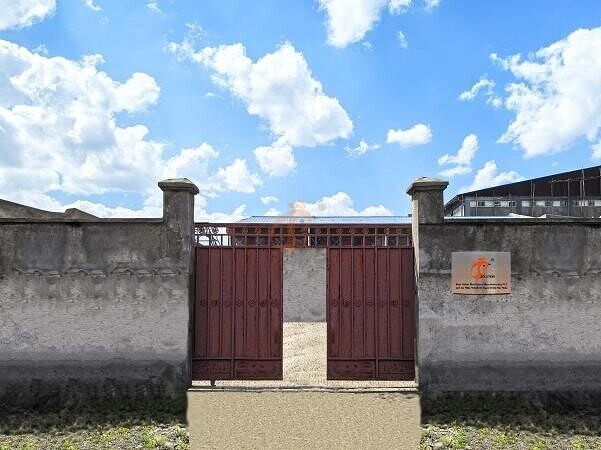
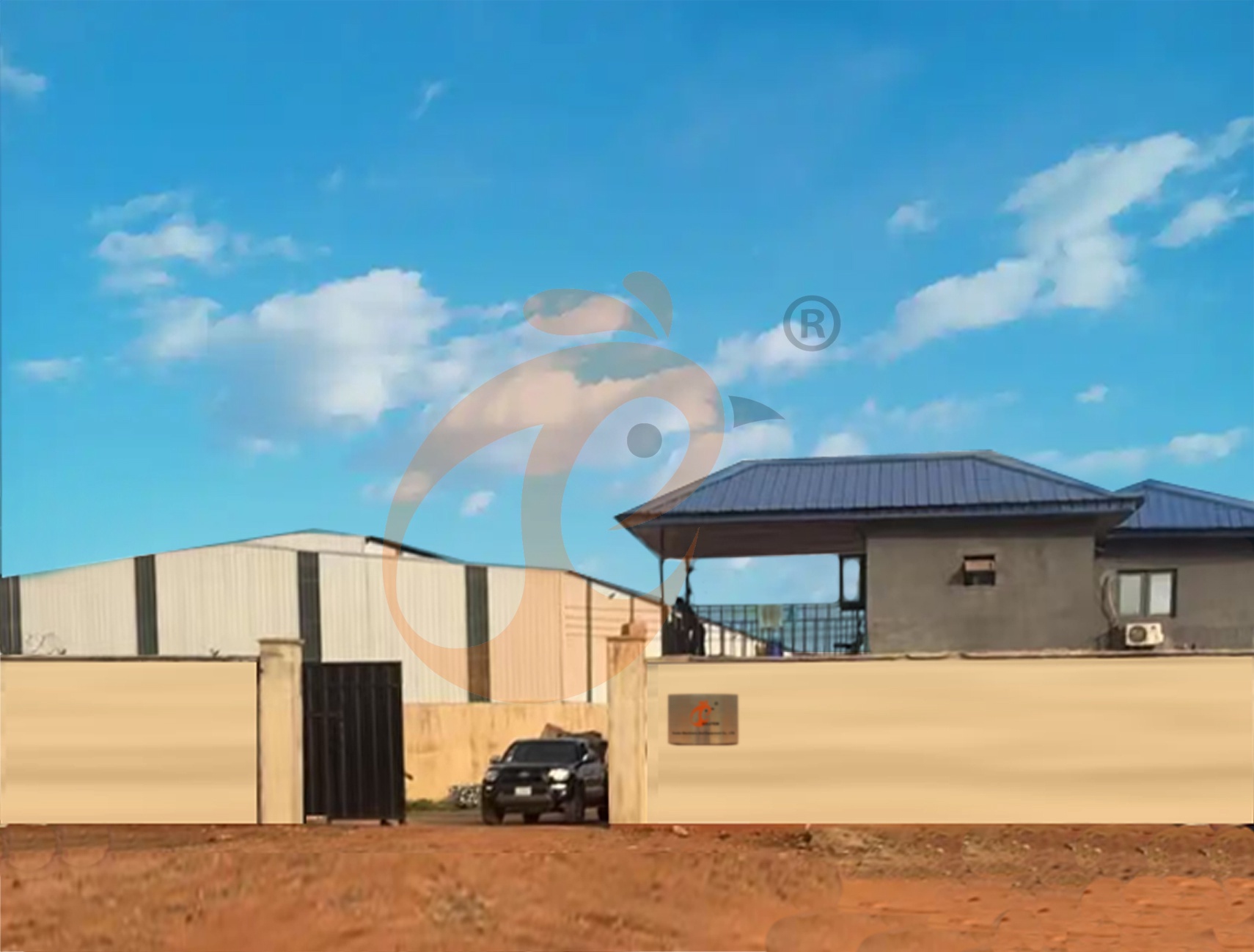
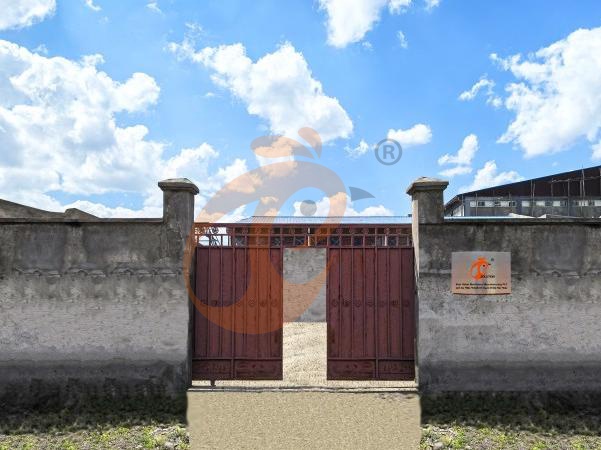
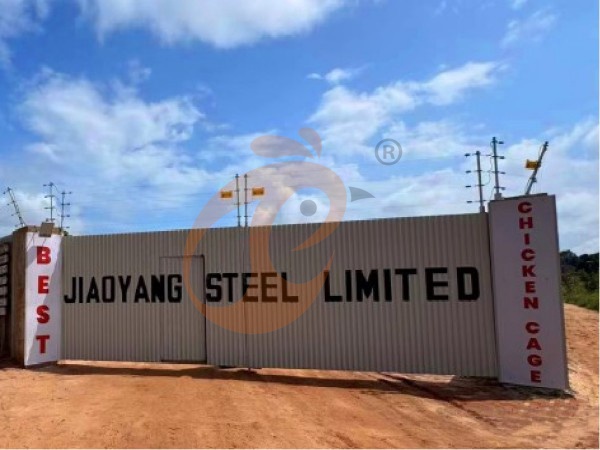
Ethiopia Branch Office And Factory Of Poultry Farm Equipment
Current State Of Egg Production In Ethiopia
Ethiopia's egg production is growing due to rising urban demand in Addis Ababa, Hawassa, and Dire Dawa.
Local farms face constraints from disease, feed shortages, and inefficient housing.
Average output per hen is below global benchmarks.
H type chicken cages offer a solution by improving management efficiency and egg yield.
Data is for reference only. Swipe horizontally to view full table.
What Are H Type Chicken Cages Technical Overview
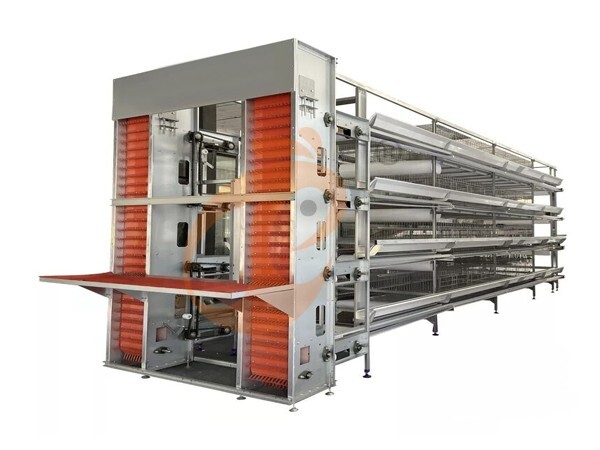
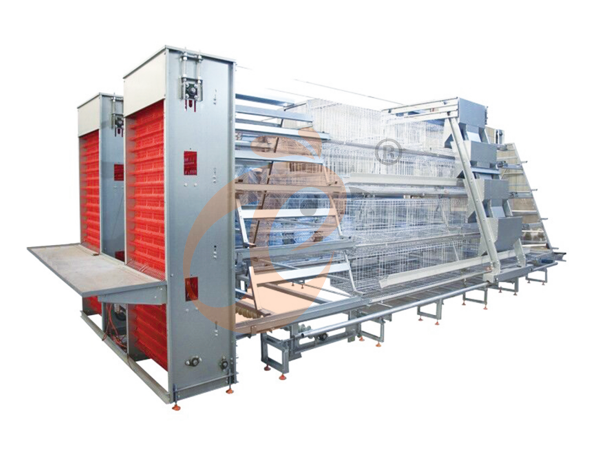
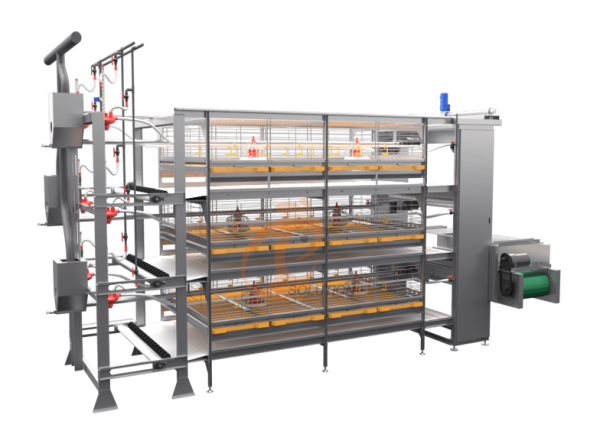
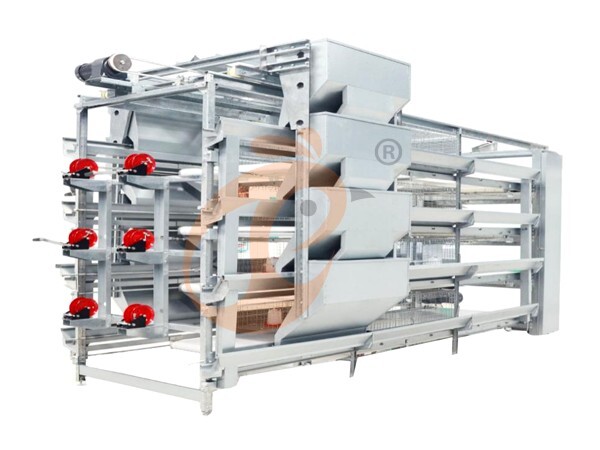
The H type chicken cage is a vertical multilevel system designed for laying hens, providing better light distribution, ventilation, and ease of management.
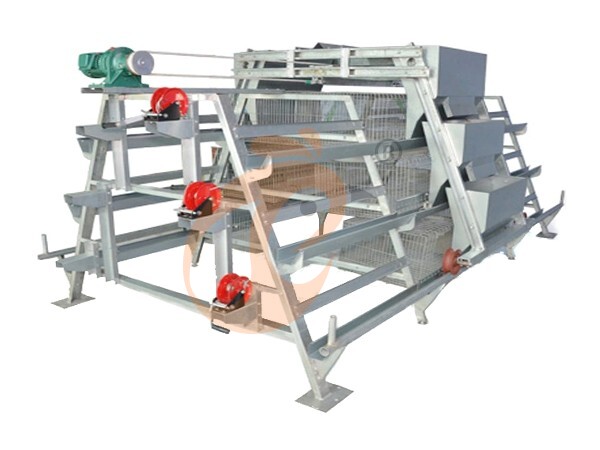
Typical configuration includes multiple tiers, external feeding and watering access, adjustable perches, and manure belts.
Ethiopian farms in Oromia, Amhara, and Southern Nations regions are increasingly adopting H type cages for medium-scale operations.
Data is for reference only. Swipe horizontally to view full table.
Mechanisms By Which H Type Cages Increase Egg Output
H type cages improve egg production by enhancing environmental control, reducing stress, and optimizing feed and water access.
Manure belts reduce floor contamination, lowering disease risk.
Eggs remain cleaner with fewer shell defects.
Energy expenditure for birds is reduced, allowing nutrients to focus on egg formation.
Comparative Output Floor Housing Vs H Type Cages
Studies show measurable gains in egg production when using H type cages compared to traditional floor systems.
Increased uniformity, lower mortality, and reduced labor contribute to improved overall output.
Ethiopian urban markets benefit from higher quality eggs with minimal shell damage.
Data is for reference only. Swipe horizontally to view full table.
Local Implementation Case Study Oromia Region
Pilots in Oromia around Adama and Shashemene show H type cage adoption increases egg output and reduces mortality.
Medium frame white layers common in Ethiopia benefit from optimized feed access and cage management.
Farmers report cleaner eggs, fewer defects, and lower labor hours.
Data is for reference only. Swipe horizontally to view full table.
Feed Efficiency And Cost Implications
H type cages reduce feed wastage and improve efficiency, critical for Ethiopian farmers facing high feed prices.
Local feed optimization using teff and maize improves sustainability.
Better feed utilization translates into higher profit margins and sustainable operation.
Data is for reference only. Swipe horizontally to view full table.
Health Management In Cage Systems
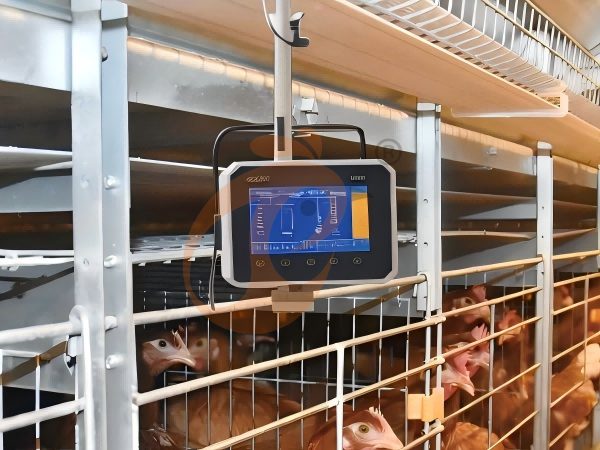
H type cages simplify disease monitoring, cleaning, and vaccination.
In Ethiopia, outbreaks such as Newcastle disease are frequent.
The cage system allows isolation of sick birds and more frequent cleaning to maintain consistent egg output.
Local veterinary services can be integrated for better monitoring.
Data is for reference only. Swipe horizontally to view full table.
Economic Impact On Ethiopian SMEs
SMEs benefit from H type cages through higher egg production, reduced labor costs, and improved profitability.
Initial capital investment is recovered faster with higher output.
Solar-powered lighting and ventilation reduce operating costs for rural farms.
Data is for reference only. Swipe horizontally to view full table.
Note
Ethiopian Birr currency, European union standard reference only.
Local Constraints In Adopting H Type Systems
Adoption challenges include unreliable electricity, initial capital access, and lack of technical knowledge.
Cultural preference for floor systems can also slow adoption.
Support from extension services and micro-finance is critical.
Solutions To Local Pain Points
To optimize H type cage benefits in Ethiopia
- Provide micro-financing options for cage purchase.
- Train farmers through local agricultural extension programs.
- Optimize feed using local cereals such as teff and maize.
- Use solar-powered ventilation and lighting for energy reliability.
Establish disease monitoring networks for early detection.
Environmental And Sustainability Benefits Of H Type Chicken Cages
H type chicken cages also contribute to environmental sustainability in Ethiopian poultry farms.
Manure belts allow systematic collection and composting, reducing ammonia emissions and soil contamination.
Water usage is optimized through nipple drinkers, preventing wastage common in floor systems.
Energy-efficient lighting and ventilation, especially when combined with solar power, lower operational costs and carbon footprint.
By reducing disease spread, the need for antibiotics decreases, promoting safer eggs for urban markets.
Adoption of H type cages aligns with Ethiopia's national goals for sustainable agriculture and resilient smallholder systems.
Data is for reference only. Swipe horizontally to view full table.
Frequently Asked Questions
Q1: Is H type chicken cage suitable for small Ethiopian farms?
Yes, H type cages can fit small farms by tier configuration.
They improve egg output while reducing labor and feed wastage, addressing local efficiency constraints.
Q2: How much can egg production increase using H type cages in Ethiopia?
Egg output can increase by 30–40% per hen.
Local case studies in Oromia and Addis Ababa demonstrate consistent gains in feed efficiency, mortality reduction, and egg quality.
Q3: What are the main challenges implementing H type cages in Ethiopia?
Challenges include electricity reliability, capital investment, and technical knowledge.
Solutions involve solar power, micro-finance, and farmer training programs through local extension services.
Ethiopia Best Hebei Machinery Manufacturing Plc - One Of Ethiopia Biggest Chicken Cage Manufacturer
Global factory direct sales provide competitive prices and consistent product quality.
Company specializes in poultry farm equipment including H type chicken cages.
Turn-key projects offered for large and small-scale poultry operations.
Expert technical team supports installation, maintenance, and farmer training.
High-quality materials ensure long-lasting durability and reliable egg production.
Contact Us To Received Your Customized Poultry Farm Plan
Headquarters And Branchs

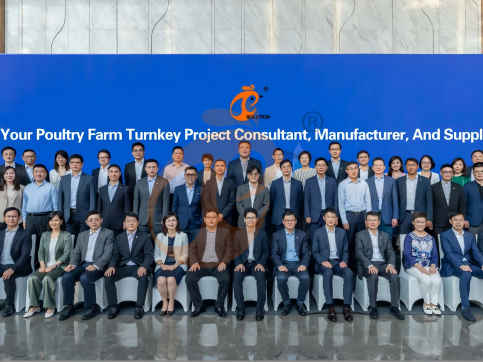
Hong Kong Headquarter Management Team
Hong Kong Headquarter Taiyu Industrial Group CO., LTD
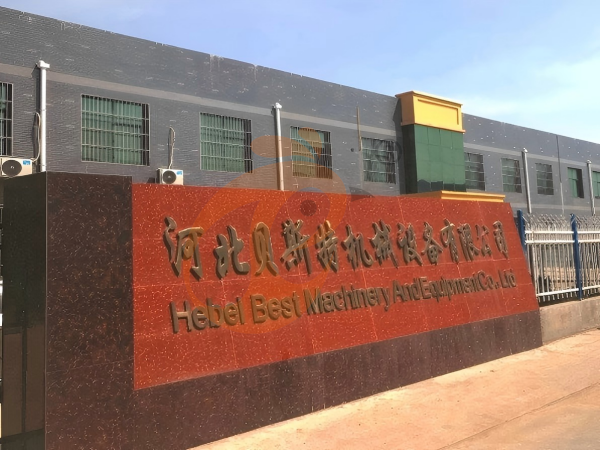
China Hebei Best Machinery And Equipment CO., LTD
Nigeria Vanke Machinery And Equipment CO., LTD
Tanzania Best Machinery And Equipment CO., LTD
Ethiopia Best Hebei Machinery Manufacturing PLC
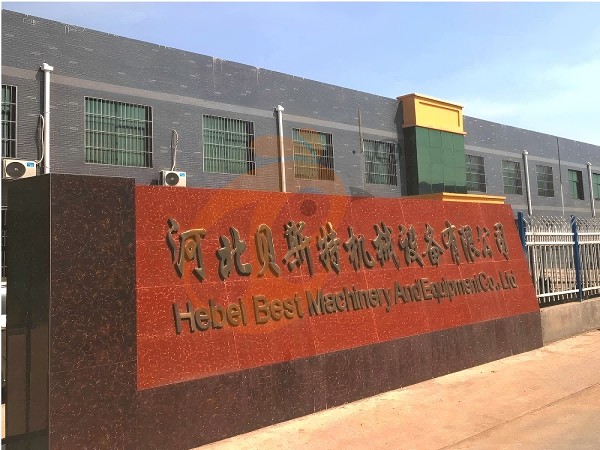
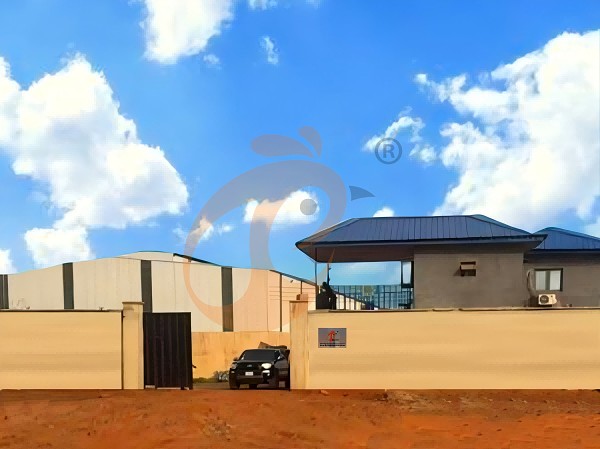
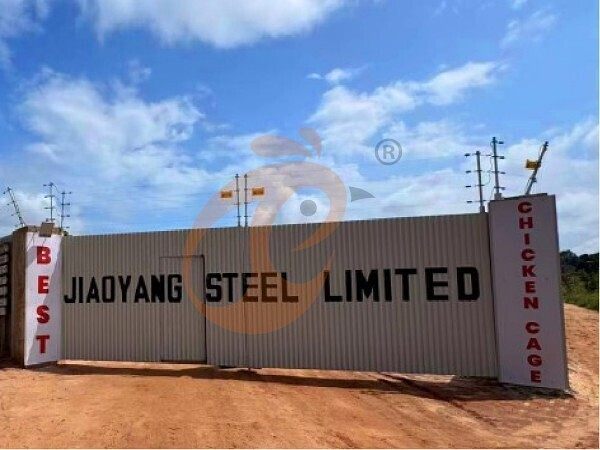
Reception /24 WhatsApp NO. : +8618830120193
FAQ
What Are The Recommended Stocking Densities For H-Type Chicken Cage?
Multi-tier: 4–16 levels
Farm capacity per house: 30,000 - 100,000+0 birds
Floor space saved: 3–4 times
Labor savings: 70-90%
How To Reduce Mortality Rate In H-Type Battery Cage System?
Uniform lighting reduces stress
Regular cleaning and disinfection
Mortality rate reduced to 2–3%
Egg production rate 90–98%
How To Optimize Feeding Behavior In H-Type Layer Cage System?
Provide enough feeders per tier
Adequate water points
FCR reduced to 1.9–2.1
Egg production rate: 90-98%
- poultry farm
- chicken cage
- poultry farms
- cage
- poultry farm equipment
- poultry farm construction
- chicken cage manufacturer
- chicken cage design
- chicken cage system
- chicken cages
- h type chicken cage
- chickencage
- h type cage
- bestchickencage
- cage system
- h type
- cage systems
- h type cages
- Nigeria
- cage design
- cage manufacturer
- poultry farm plan
- Ethiopia
Message
Products recommended
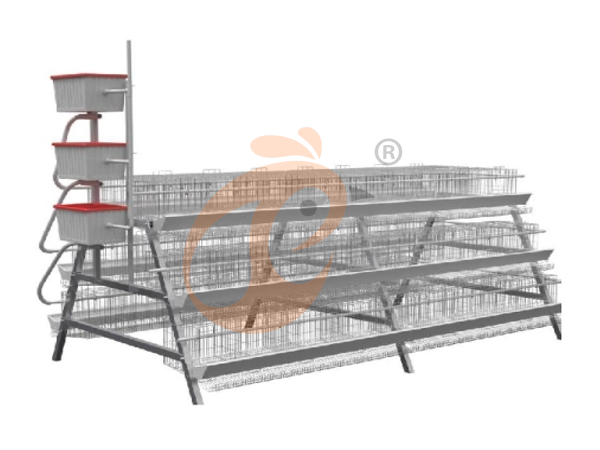
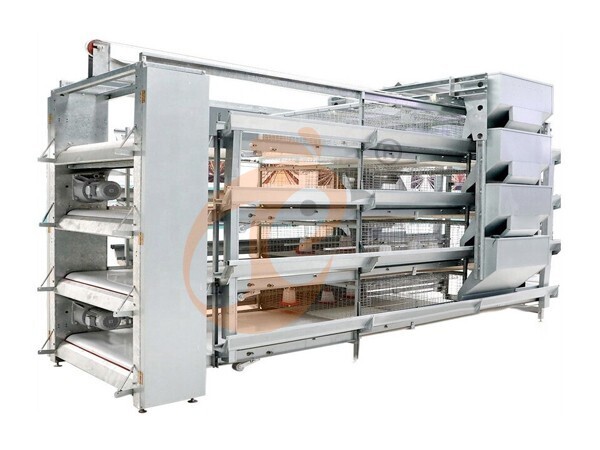
 >30,000 Pullets Automatic H Type Battery Cage1. More than 30,000 pullets a house, choose it.
2. It is designed to rearing older than 1 day old pullets to 12 to 16 weeks old chicken starting laying eggs.
3. Its lifespan is more than 25 years.
4. Its structure are Vcloud artificial intelligent fusion, electric control cabinet, automatic equipment of drinking, feeding, manure clean, manual harvesting.
5. Our 24 hour online reception What’sApp NO. is +8618830120193 <30,000 Pullets Automatic A Type Battery Cage1. 10,000 to 30,000 pullets a house, choose it.
2. It is designed to rearing older than 1 day old pullets to 12 to 16 weeks old chicken starting laying eggs.
3. Its lifespan is more than 25 years.
4. Its structure are Vcloud artificial intelligent fusion, electric control cabinet, automatic equipment of drinking, feeding, manure clean, manual harvesting.
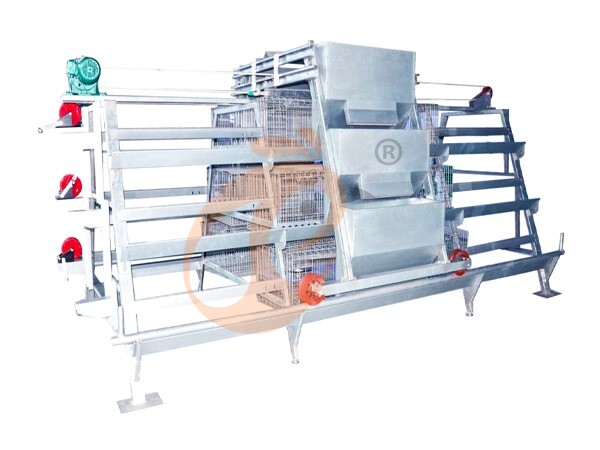
5. Our 24 hour online reception What’sApp NO. is +86 18830120193. >30,000 Broilers Semi-Automatic Harvest H Type Battery Cage1. More than 30,000 broilers a house, choose it.
2. It is designed to rearing 1 to 45 day old adult broiler ready for market.
3. Its lifespan is more than 20 years.
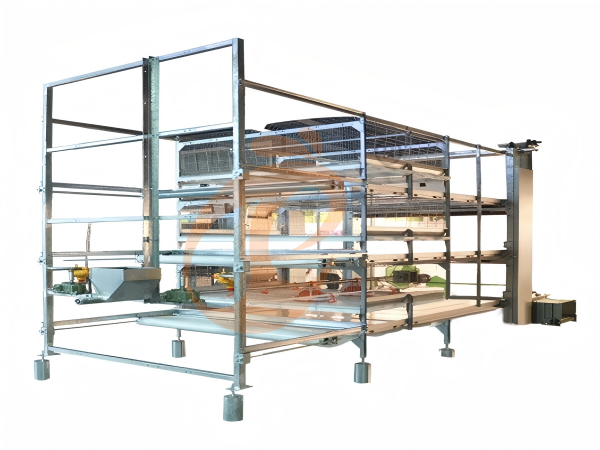
4. Our 24 hour online reception What’sApp NO. is +8618830120193, +234 8111199996. >30,000 Broilers Manual Harvest H Type Battery Cage1. More than 30,000 broilers a house, choose it.
2. It is designed to rearing 1 to 45 day old adult broiler ready for market.
3. Its lifespan is more than 20 years.
4. Its structure are Vcloud artificial intelligent fusion, electric control cabinet, automatic equipment of drinking, feeding and manure clean, manual harvesting.
5. Our 24 hour online reception What’sApp NO. is +8618830120193, +234 8111199996. <30,000 Broilers Manual Harvest A Type Battery Cage1. Less 30,000 broilers a house, choose it.
2. It is designed to rearing 1 to 45 day old adult broiler ready for market.
3. Its lifespan is more than 20 years.
4. Its structure are Vcloud artificial intelligent fusion, electric control cabinet, automatic equipment of drinking, feeding and manure clean, manual harvesting.
5. Our 24 hour online reception What’sApp NO. is +8618830120193, +234 8111199996. HK Headquarter Offers EU-standard Poultry Farm Solutions, Manufacture Poultry Farm Equipment1. Continuous communication with the EU and the US
2. China, Nigeria, Ethiopia, Tanzania branch companies and factories
3. The products’ quality is customized for local poultry farms
4. Poultry cage and poultry farm equipment stock for sale
5. 24 online reception Whatsapp NO. : +8618830120193,contact us to get full information China Branch Offer Poultry Farm Business Plan, Manufacture Poultry Farm Equipment1. Address: Flat/RM 2416, 24/F, Runxing Building, Youyi Nan Street, Shijiazhuang City, Hebei Province, China
2. Poultry cage and poultry farm equipment factory and stock for sale
3. Customized for local poultry farms
4. Quality and design are based on Euro
5. 24 online reception Whatsapp NO. : +8618830120193 Nigeria Branch Offer Poultry Farm Business Plan, Manufacture Poultry Farm Equipment1. Address: After Sinoma Office, 200 Meters Near Danco Filling Station, Lagos/Ibadan Expressway, Lagos State, Nigeria
2. Poultry cage and poultry farm equipment factory and stock for sale
3. Customized for Nigerian poultry farms
4. Quality and design are based on Euro
5. 24 online reception Whatsapp NO. : +8618830120193 Ethiopia Branch Offer Poultry Farm Business Plan, Manufacture Poultry Farm Equipment1. Address: WR93+FQ2, Addis Ababa, Ethiopia
2. Poultry cage and poultry farm equipment stock for sale
3. Customized for Ethiopian poultry farms
4. Quality and design are based on Euro
5. 24 online reception Whatsapp NO. : +8618830120193, contact us to get price list Tanzania Branch Offer Poultry Farm Business Plan, Manufacture Poultry Farm Equipment1. Address: No.8, Sova Road, Msufini, Mlandizi, Kibaha, Pwani, Tanzania
2. Poultry cage and poultry farm equipment factory and stock for sale
3. Customized for Tanzanian poultry farms
4. Quality and design are based on Euro
5. 24 online reception Whatsapp NO. : +8618830120193



Contact
By clicking 'Allow All', you agree to the storage of cookies on your device to enhance site navigation, analyze site usage and assist with our marketing efforts.