


Blog
Poultry farming Ethiopia continues expanding rapidly with increasing demand for eggs and meat in urban markets.
This guide explains practical steps for beginners adopting modern cage systems under local Ethiopian conditions.
Key focus includes land optimization, equipment selection, and cost control in Ethiopian Birr (ETB).
Technical standards for housing, feeding efficiency, and disease prevention are outlined clearly.
Waste management strategies and additional revenue streams are also explained for sustainability.
Financial planning and market integration help ensure long-term poultry business profitability.
Get professional poultry farm construction guidance, equipment selection solutions, and the latest price lists, whatsApp to +8618830120193, click to learn more:

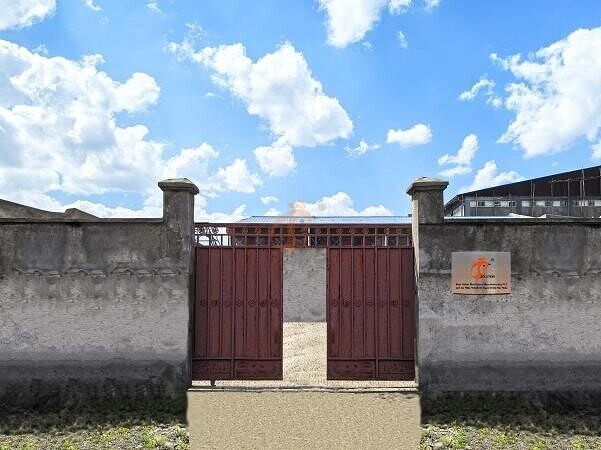
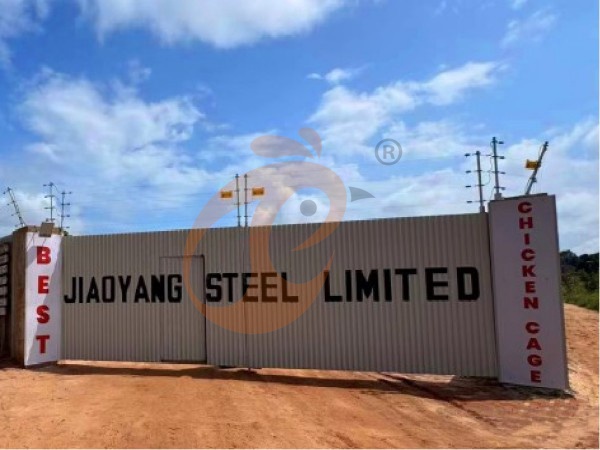
Ethiopia Branch Office And Factory Of Poultry Farm Equipment
Ethiopian Poultry Industry Development Overview
The poultry industry in Ethiopia is currently undergoing a massive transformation.
From the bustling markets of Addis Ababa to the specialized poultry hubs in Bishoftu and Modjo, the demand for high-quality animal protein is skyrocketing.
For a beginner, the challenge isn't just about owning birds; it’s about managing the local constraints of land scarcity, fluctuating feed prices, and disease control.
Moving away from traditional deep-litter systems to modern A-type chicken cages is the most effective way to ensure commercial viability.
This guide outlines five essential steps to launching your poultry venture with technical precision tailored to the Ethiopian landscape.
Strategic Site Selection And Land Optimization
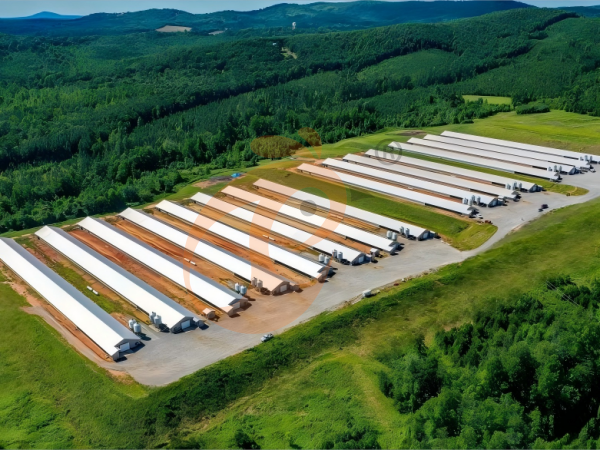
In regions like Oromia and Amhara, land near urban centers is both expensive and limited.
The primary pain point for Ethiopian beginners is often the high cost per square meter of land.
A-type chicken cages solve this by utilizing vertical space.
When selecting your site, proximity to feed mills and water sources is critical.
You must ensure the land allows for a north–south orientation of the poultry house to minimize direct sunlight on the birds, which is vital given the intense solar radiation in the Ethiopian highlands.
Data is for reference only.Swipe horizontally to view full table.
Selecting High-Performance A-Type Equipment
Not all equipment is suited for the Ethiopian climate.
A common mistake is purchasing low-grade wire that rusts quickly in humid regions or during the rainy season (Kiremt).
The A-type design is particularly effective for small to medium-scale farmers because it provides natural ventilation, reducing the need for expensive cooling systems.
The cage dimensions must be precise to ensure bird comfort and prevent egg breakage.
Data is for reference only.Swipe horizontally to view full table.
Housing Construction And Environmental Control
Ethiopian poultry houses must be designed to handle the diurnal temperature range hot days and cold nights.
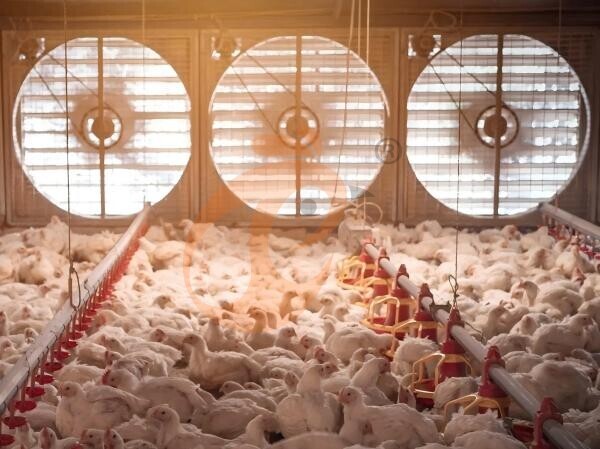
In areas like Debre Zeit, where poultry density is high, ventilation is the first line of defense against respiratory diseases.
The floor should be concrete with a slight slope to facilitate easy cleaning and drainage, addressing the local challenge of poor sanitation leading to high mortality rates.
Data is for reference only.Swipe horizontally to view full table.
Optimizing Feed Conversion And Bio-Security
Feed accounts for nearly 70% of production costs in Ethiopia, especially within commercial poultry farming Ethiopia operations.
With the price of maize and soy fluctuating, farmers cannot afford waste.
A-type chicken cages come equipped with scientifically designed feeding troughs that prevent birds from scattering feed.
Managing the Feed Conversion Ratio (FCR) is critical because it directly determines profitability.
By keeping birds in a controlled environment, energy is directed toward egg production rather than movement, significantly improving efficiency compared to free-range or floor systems.
Data is for reference only.Swipe horizontally to view full table.
Waste Management And Secondary Income Streams
In many Ethiopian farming communities, poultry manure is undervalued, especially among small scale poultry farming Ethiopia operators.
However, raw manure can attract flies and spread pathogens such as Newcastle disease.
The A-type system allows efficient collection of dry manure beneath the cages.
This manure can be processed into organic fertilizer, which is in high demand among flower farms and vegetable growers.
This transforms a waste problem into a secondary revenue stream, helping offset initial investment costs measured in Ethiopian Birr (ETB).
(European union standard reference only)
Data is for reference only.Swipe horizontally to view full table.
Implementing Bio-Security Protocols
Bio-security is often the weakest link in small Ethiopian farms.
Pathogens can be transmitted via shoes, vehicles, or wild birds.
A-type chicken cages provide a physical barrier that separates birds from their droppings, reducing disease transmission.
Beginners should implement a strict ''All-In, All-Out'' policy.
Before introducing a new batch of pullets, the entire house and all cage components must be thoroughly disinfected.
Data is for reference only.Swipe horizontally to view full table.
Financial Planning And Market Integration
Starting a poultry farm in Ethiopia requires a clear understanding of return on investment (ROI).
While the initial capital for A-type chicken cages is higher than a floor system, long-term savings in feed, labor, and medication make it more profitable under chicken cage systems Ethiopia adoption.
New farmers should establish relationships with local distributors and hotels in Addis Ababa early in the production cycle.
Eggs from cage systems are cleaner and more uniform, often commanding premium prices in modern retail markets compared to traditional Habesha eggs.
Initial investment may range from 800,000 to 2,500,000 Ethiopian Birr (ETB) depending on scale and equipment level.
(European union standard reference only)
Data is for reference only.Swipe horizontally to view full table.
Long-Term Sustainability And Scaling
Once the first production cycle is successful, the modular design of A-type chicken cages enables straightforward expansion.
Farmers can begin with a single row and gradually scale as cash flow improves.
The durability of hot-dip galvanized materials ensures minimal asset depreciation over time.
By maintaining technical discipline and operational consistency, Ethiopian beginners can transition from small-scale producers to significant contributors to the national food supply chain.
Frequently Asked Questions
Q1: Is A-type chicken cage suitable for Ethiopian climate conditions?
Yes, the design supports natural ventilation which is suitable for Ethiopian highland temperature variation.
Proper house orientation and curtain control further improve adaptability in both dry and rainy seasons.
Q2: What is the main cost challenge in Ethiopia poultry farming
Feed cost is the dominant factor due to maize and soybean price volatility.
Using controlled feeding systems in cages reduces waste and improves efficiency significantly.
Q3: How can farmers reduce disease risk in Ethiopia farms
Strict bio-security measures such as footbaths, disinfection cycles, and controlled farm access are essential.
Separating birds from manure using cage systems also reduces pathogen transmission.
Ethiopia Best Hebei Machinery Manufacturing Plc - One Of Ethiopia Largest Chicken Cage Manufacturer
The company provides global factory direct sales with competitive pricing and stable supply chain support.
It specializes in poultry farm equipment including advanced poultry cage systems for commercial farms.
Professional engineering teams deliver Turn-key poultry farm projects from design to installation.
Products use high standard galvanized materials ensuring durability under African climate conditions.
After-sales service includes technical guidance, training, and long-term maintenance support.
Contact Us To Received Your Customized Poultry Farm Plan
Headquarters And Branchs

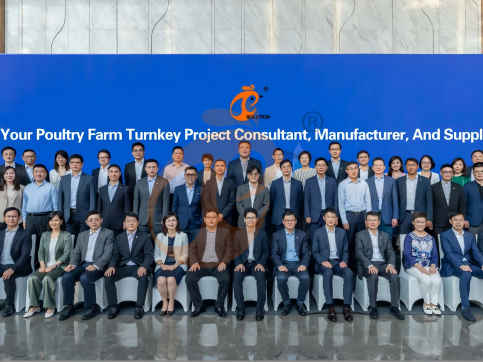
Hong Kong Headquarter Management Team
Hong Kong Headquarter Taiyu Industrial Group CO., LTD
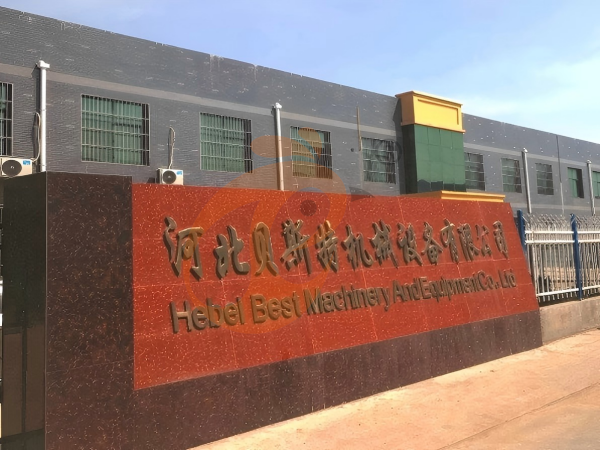
China Hebei Best Machinery And Equipment CO., LTD
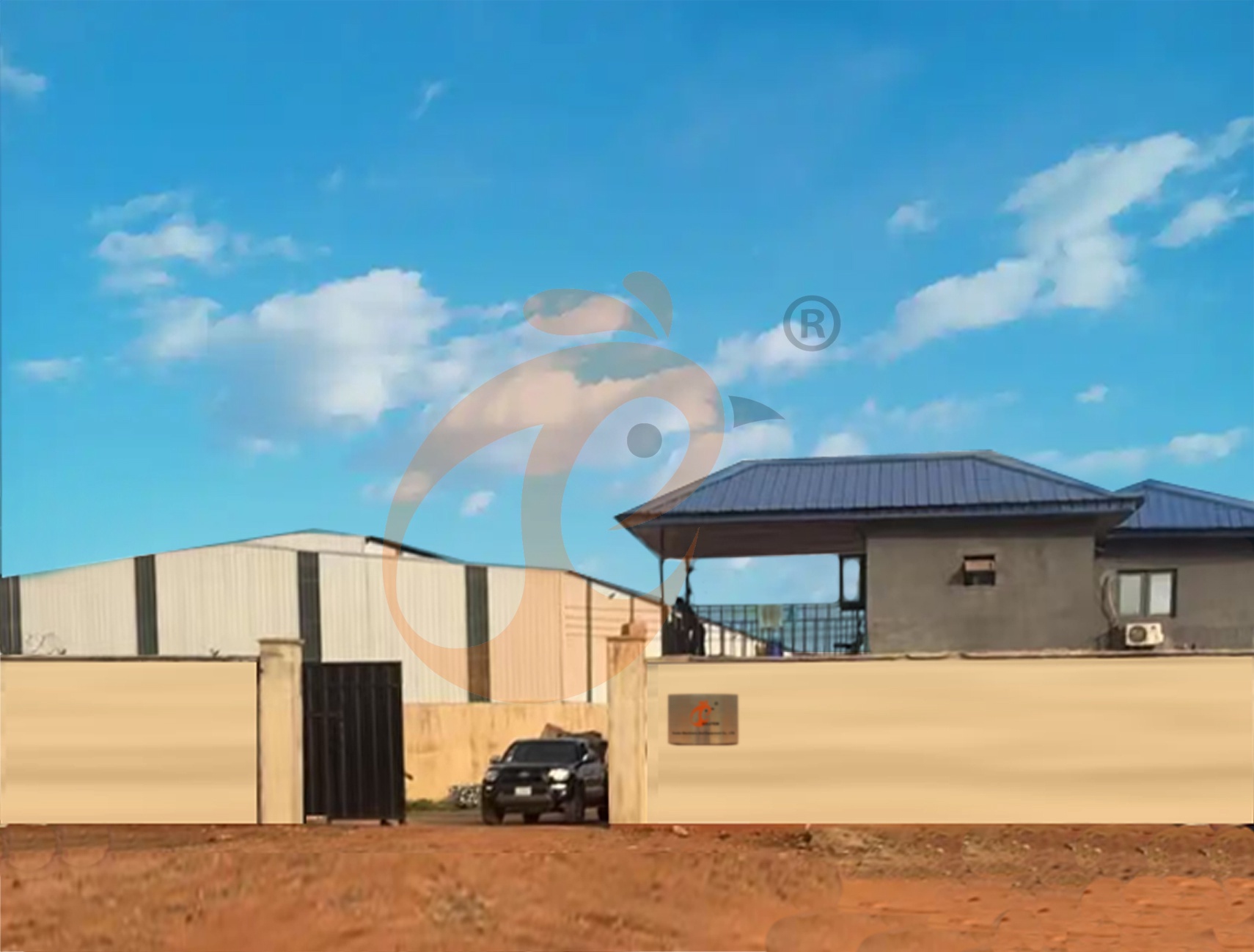
Nigeria Vanke Machinery And Equipment CO., LTD
Tanzania Best Machinery And Equipment CO., LTD
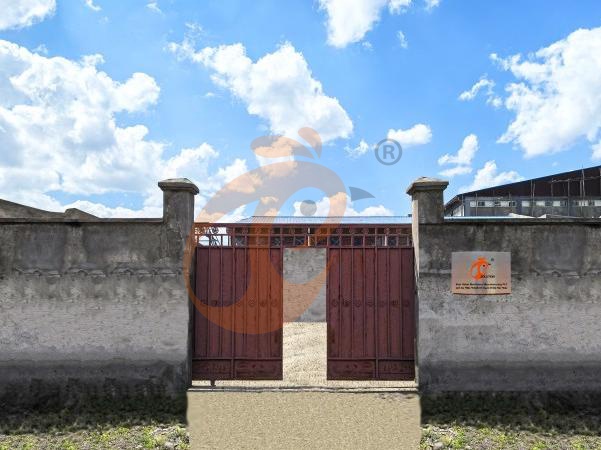
Ethiopia Best Hebei Machinery Manufacturing PLC
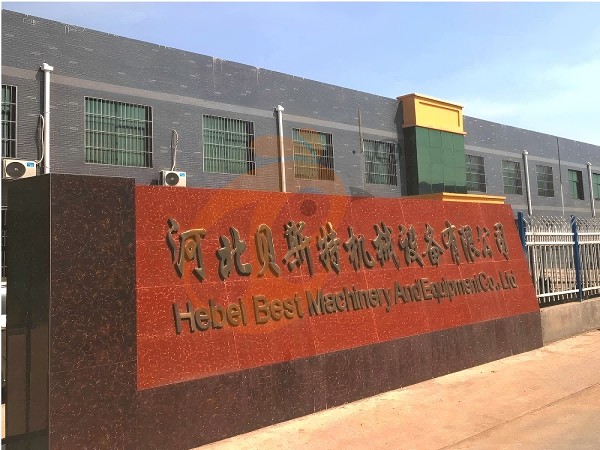
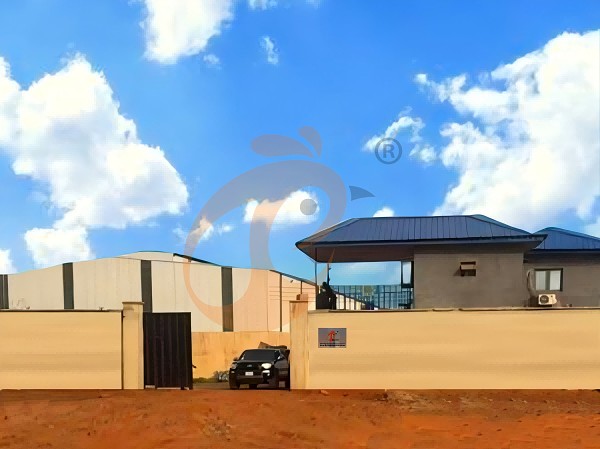
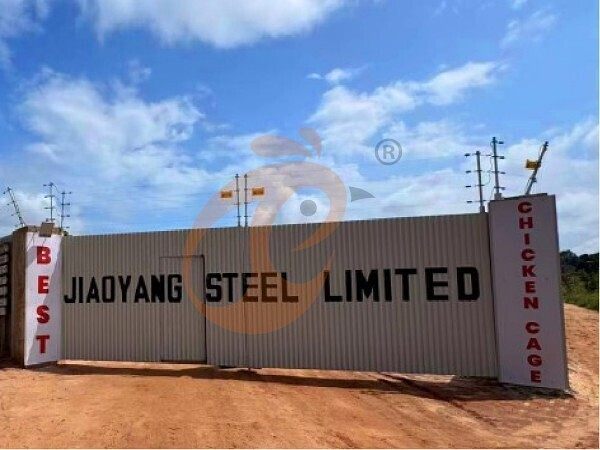
Reception /24 WhatsApp NO. : +8618830120193
FAQ
What Are The Most Efficient Feeding Systems For A-Type Layer Cage Farms?
Even feed distribution reduces waste
One worker manages 5,000–10,000 birds
FCR reduced to 1.9–2.2
Egg production rate: 90–96%
How To Select The Best Supplier For A-Type Chicken Cage Systems?
Ensure material quality and anti-corrosion performance
Equipment lifespan: more than 25 years
Egg production rate: 90–96%
Labor savings: 50–70%
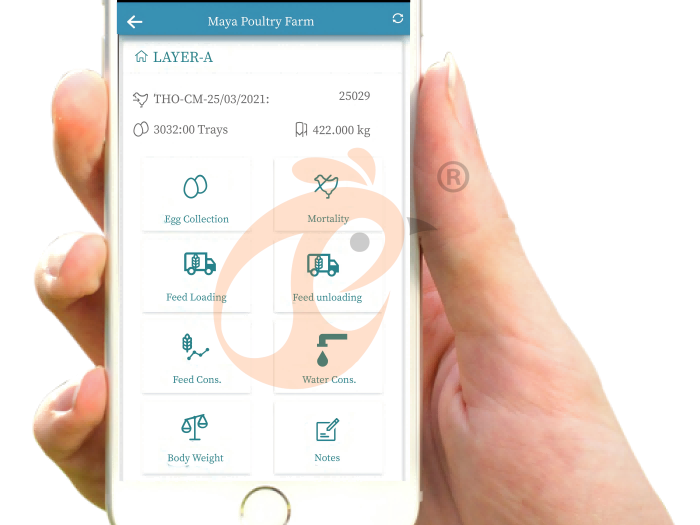
How To Integrate Water And Feed Automation In A-Type Layer Cage System?
Automatically control flow and timing
Egg production rate: 90–96%
FCR: 1.9–2.2
Mortality rate: 2–3%
- poultry farm
- chicken cage
- poultry house
- poultry cage
- cage
- poultry farm equipment
- poultry farm construction
- poultry cage system
- chicken cage manufacturer
- chicken cage system
- poultry farm in Ethiopia
- poultry farm project
- poultry house construction
- deep litter system
- chicken cages
- chickencage
- bestchickencage
- cage system
- cage systems
- Nigeria
- poultry farming
- poultry cage systems
- cage manufacturer
- poultry farm plan
- small scale poultry farm
- Ethiopia
Message
Products recommended
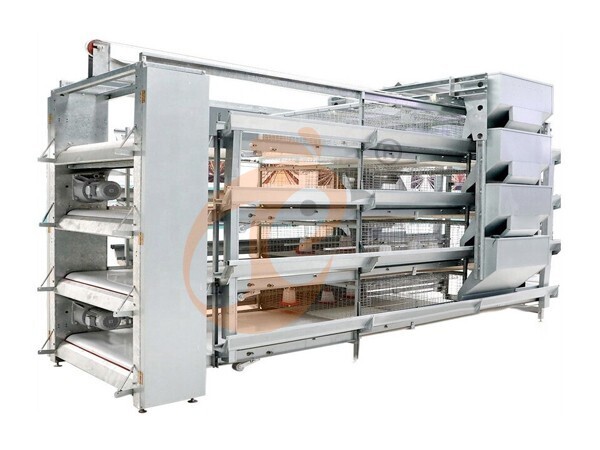
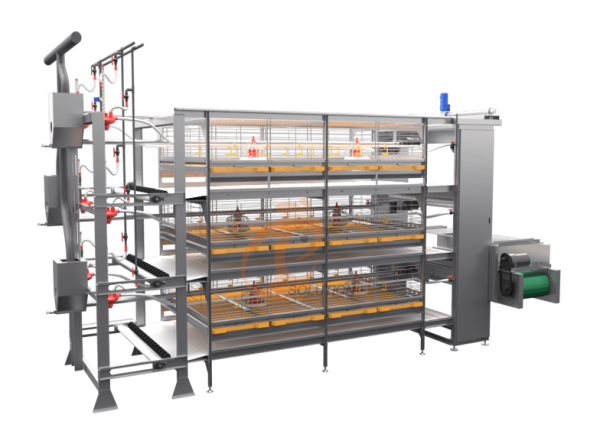
 >30,000 Pullets Automatic H Type Battery Cage1. More than 30,000 pullets a house, choose it.
2. It is designed to rearing older than 1 day old pullets to 12 to 16 weeks old chicken starting laying eggs.
3. Its lifespan is more than 25 years.
4. Its structure are Vcloud artificial intelligent fusion, electric control cabinet, automatic equipment of drinking, feeding, manure clean, manual harvesting.
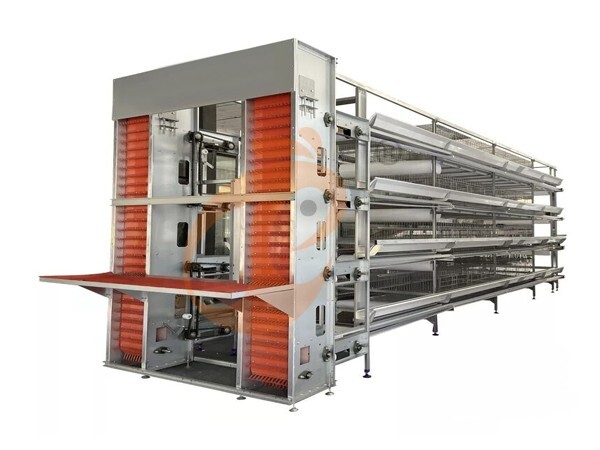
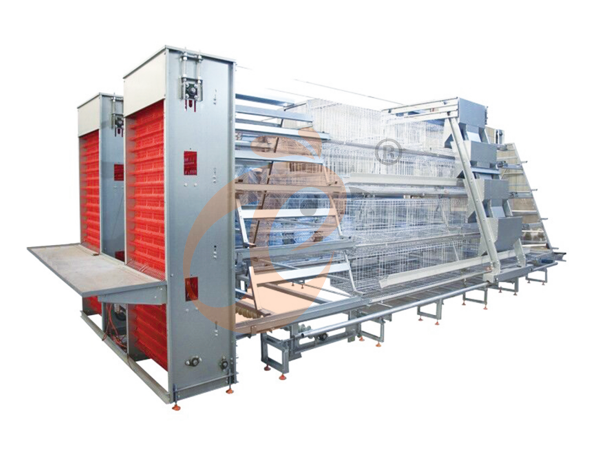
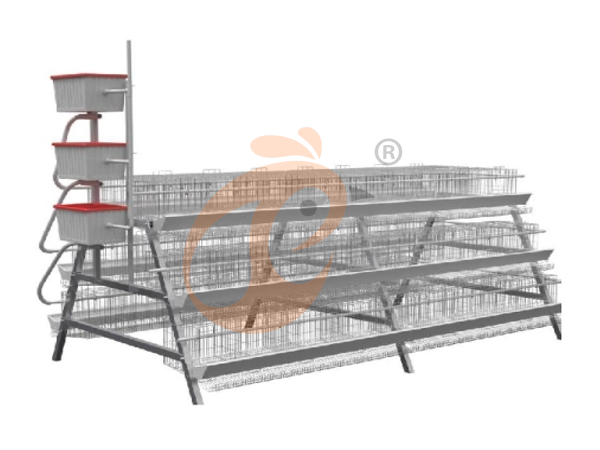
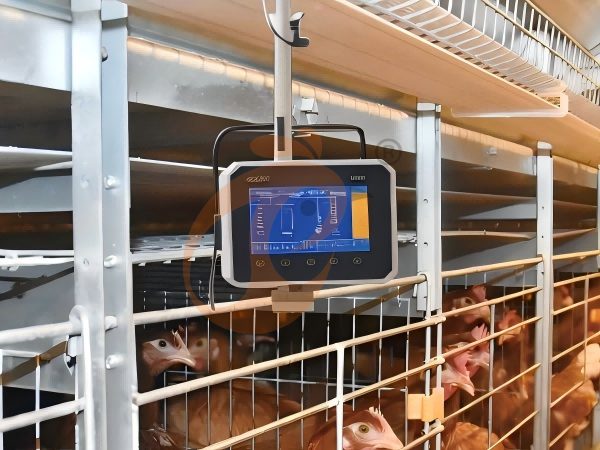
5. Our 24 hour online reception What’sApp NO. is +8618830120193 <30,000 Pullets Automatic A Type Battery Cage1. 10,000 to 30,000 pullets a house, choose it.
2. It is designed to rearing older than 1 day old pullets to 12 to 16 weeks old chicken starting laying eggs.
3. Its lifespan is more than 25 years.
4. Its structure are Vcloud artificial intelligent fusion, electric control cabinet, automatic equipment of drinking, feeding, manure clean, manual harvesting.
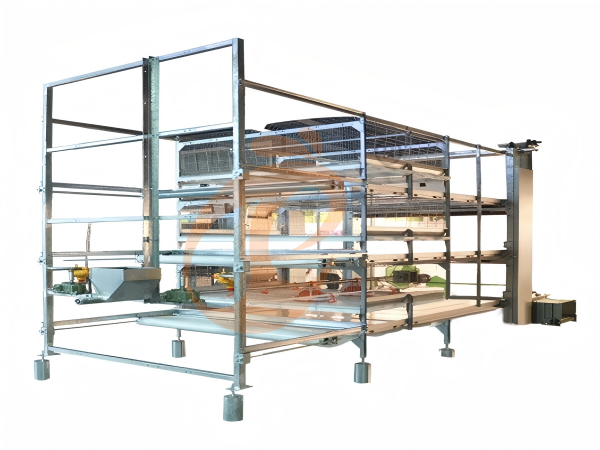
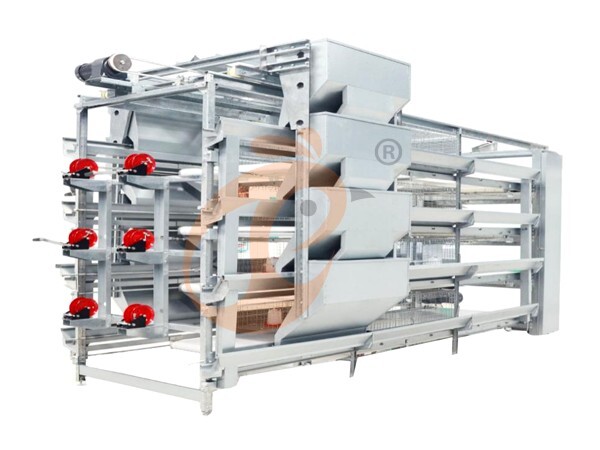
5. Our 24 hour online reception What’sApp NO. is +86 18830120193. >30,000 Broilers Semi-Automatic Harvest H Type Battery Cage1. More than 30,000 broilers a house, choose it.
2. It is designed to rearing 1 to 45 day old adult broiler ready for market.
3. Its lifespan is more than 20 years.
4. Our 24 hour online reception What’sApp NO. is +8618830120193, +234 8111199996. >30,000 Broilers Manual Harvest H Type Battery Cage1. More than 30,000 broilers a house, choose it.
2. It is designed to rearing 1 to 45 day old adult broiler ready for market.
3. Its lifespan is more than 20 years.
4. Its structure are Vcloud artificial intelligent fusion, electric control cabinet, automatic equipment of drinking, feeding and manure clean, manual harvesting.
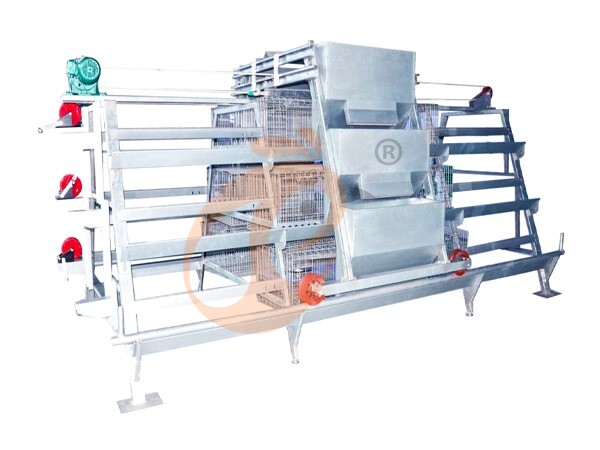
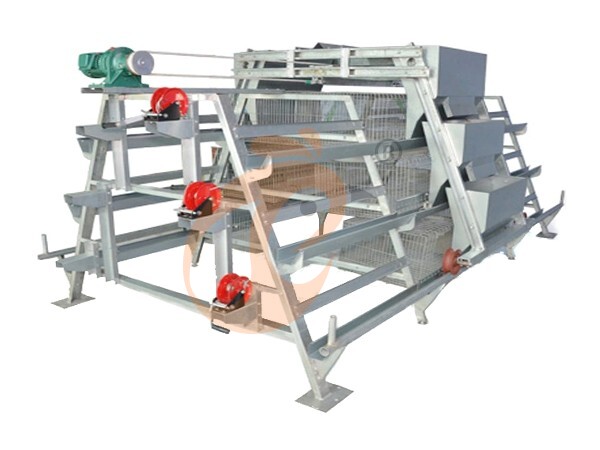
5. Our 24 hour online reception What’sApp NO. is +8618830120193, +234 8111199996. <30,000 Broilers Manual Harvest A Type Battery Cage1. Less 30,000 broilers a house, choose it.
2. It is designed to rearing 1 to 45 day old adult broiler ready for market.
3. Its lifespan is more than 20 years.
4. Its structure are Vcloud artificial intelligent fusion, electric control cabinet, automatic equipment of drinking, feeding and manure clean, manual harvesting.
5. Our 24 hour online reception What’sApp NO. is +8618830120193, +234 8111199996. HK Headquarter Offers EU-standard Poultry Farm Solutions, Manufacture Poultry Farm Equipment1. Continuous communication with the EU and the US
2. China, Nigeria, Ethiopia, Tanzania branch companies and factories
3. The products’ quality is customized for local poultry farms
4. Poultry cage and poultry farm equipment stock for sale
5. 24 online reception Whatsapp NO. : +8618830120193,contact us to get full information China Branch Offer Poultry Farm Business Plan, Manufacture Poultry Farm Equipment1. Address: Flat/RM 2416, 24/F, Runxing Building, Youyi Nan Street, Shijiazhuang City, Hebei Province, China
2. Poultry cage and poultry farm equipment factory and stock for sale
3. Customized for local poultry farms
4. Quality and design are based on Euro
5. 24 online reception Whatsapp NO. : +8618830120193 Nigeria Branch Offer Poultry Farm Business Plan, Manufacture Poultry Farm Equipment1. Address: After Sinoma Office, 200 Meters Near Danco Filling Station, Lagos/Ibadan Expressway, Lagos State, Nigeria
2. Poultry cage and poultry farm equipment factory and stock for sale
3. Customized for Nigerian poultry farms
4. Quality and design are based on Euro
5. 24 online reception Whatsapp NO. : +8618830120193 Ethiopia Branch Offer Poultry Farm Business Plan, Manufacture Poultry Farm Equipment1. Address: WR93+FQ2, Addis Ababa, Ethiopia
2. Poultry cage and poultry farm equipment stock for sale
3. Customized for Ethiopian poultry farms
4. Quality and design are based on Euro
5. 24 online reception Whatsapp NO. : +8618830120193, contact us to get price list Tanzania Branch Offer Poultry Farm Business Plan, Manufacture Poultry Farm Equipment1. Address: No.8, Sova Road, Msufini, Mlandizi, Kibaha, Pwani, Tanzania
2. Poultry cage and poultry farm equipment factory and stock for sale
3. Customized for Tanzanian poultry farms
4. Quality and design are based on Euro
5. 24 online reception Whatsapp NO. : +8618830120193



Contact
By clicking 'Allow All', you agree to the storage of cookies on your device to enhance site navigation, analyze site usage and assist with our marketing efforts.