


Blog
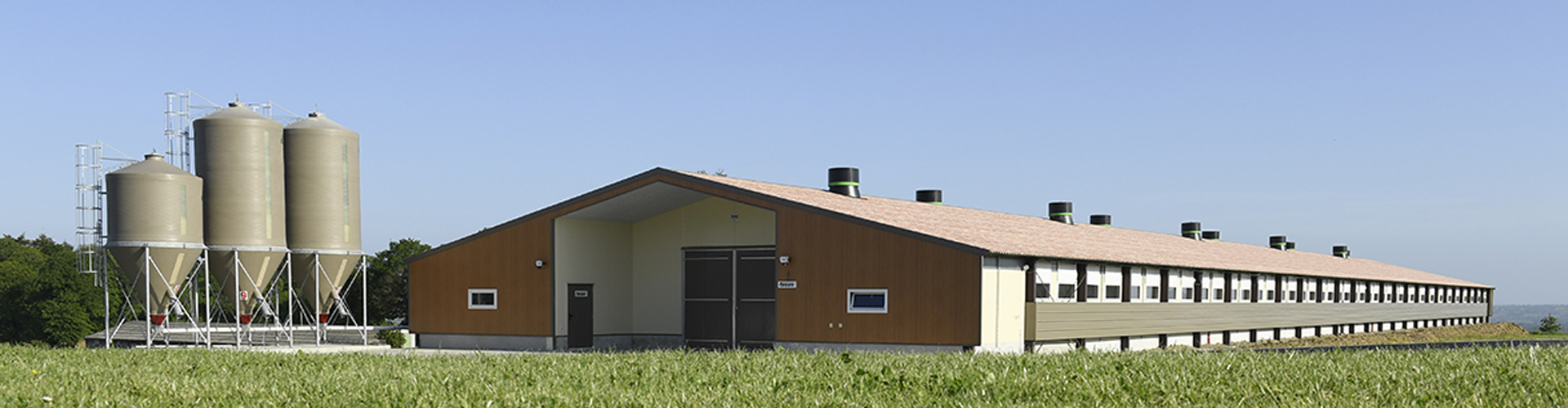
Chicken cage system Ethiopia requires engineering adaptation to altitude, climate variability, and infrastructure gaps.
Core installation factors include structural integrity, airflow mechanics, and hydraulic consistency.
System precision directly influences flock health, productivity, and lifecycle cost control.
Environmental alignment reduces disease pressure and operational instability.
This guide presents high-efficiency installation standards for Ethiopian commercial poultry systems.
Get professional poultry farm construction guidance, equipment selection solutions, and the latest price lists, whatsApp to +8618830120193, click to learn more:

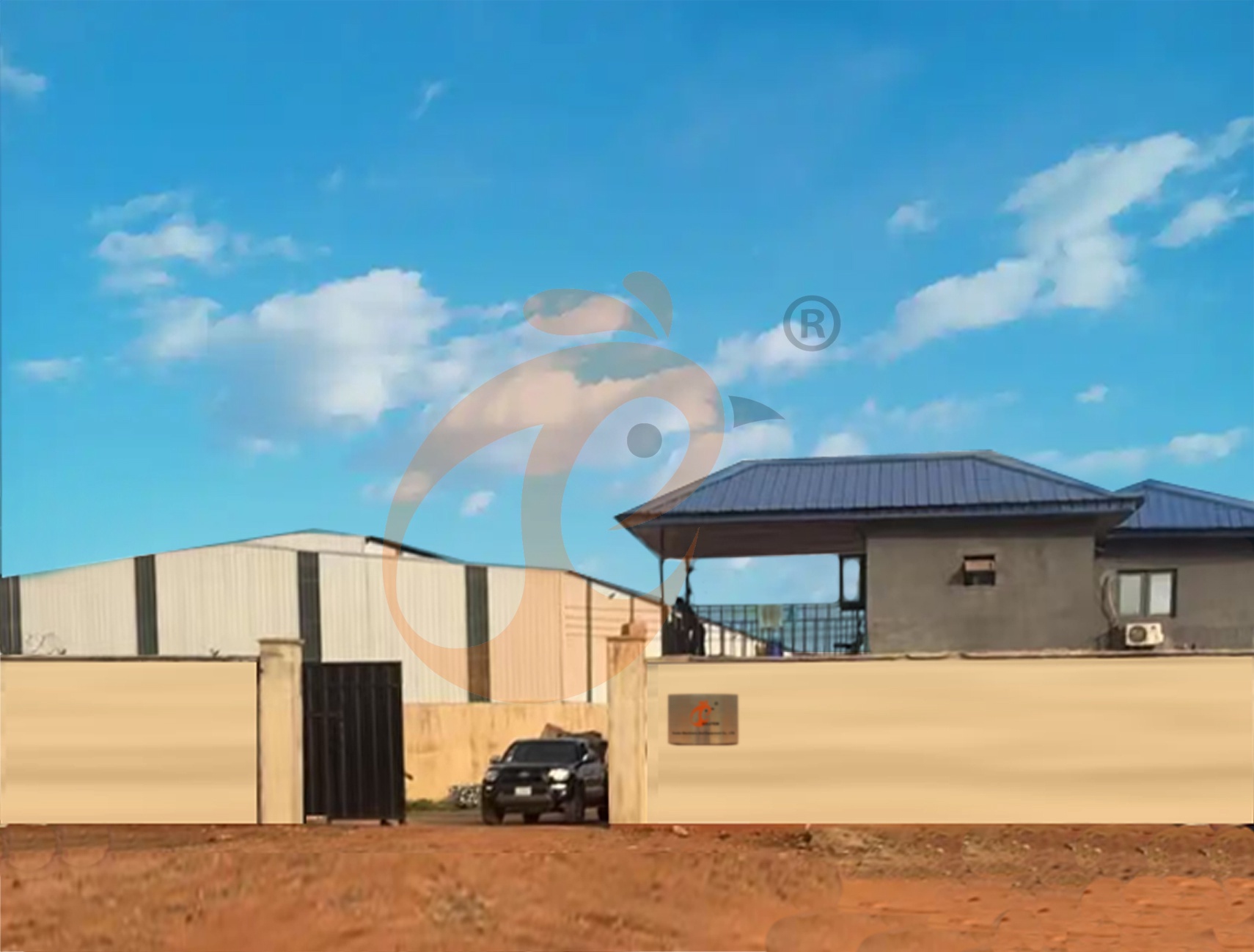
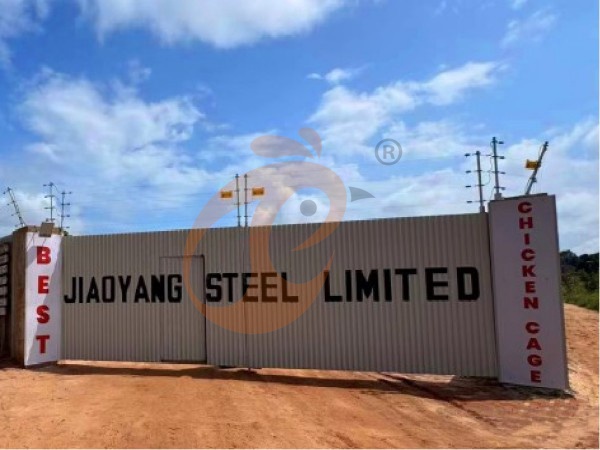
Ethiopia Branch Office And Factory Of Poultry Farm Equipment
Geographical And Site Selection Standards
Site selection in Ethiopia is primarily a structural and environmental risk management decision.
The key objective is ensuring long-term load stability while avoiding seasonal water accumulation and soil deformation.
Black cotton soil requires engineered mitigation through compaction and reinforced base structures to prevent differential settlement.
Altitude conditions influence oxygen availability and solar exposure, requiring layouts that enhance passive airflow.
Data is for reference only.Swipe horizontally to view full table.
Poultry House Dimensions And Structural Orientation
Housing design determines thermal behavior, airflow distribution, and operational efficiency.
East-west orientation minimizes solar load accumulation on cage rows, stabilizing internal temperature gradients.
Vertical clearance and roof geometry enable convective heat removal, reducing dependency on mechanical systems.
Internal spacing must support human workflow efficiency without compromising stocking density or ventilation pathways.
Data is for reference only.Swipe horizontally to view full table.
Water Quality And Hydraulic Installation
Hydraulic system reliability directly impacts feed conversion, bird health, and mortality risk.
Filtration is essential to prevent micro-obstruction in nipple systems, especially under mineral-heavy water conditions.
Pressure uniformity across tiers ensures equal water access, avoiding performance variability within flocks.
Thermal insulation of pipelines maintains optimal intake conditions and prevents behavioral intake reduction.
Data is for reference only.Swipe horizontally to view full table.
Ventilation And Environmental Control Solutions
Ventilation strategy controls heat stress, gas concentration, and moisture accumulation.
Natural ventilation systems must be dimensionally constrained to maintain effective cross-airflow dynamics.
Stack effect enhancement through roof design improves passive exhaust efficiency.
In higher temperature zones, supplemental mechanical airflow ensures environmental stability.
Data is for reference only.Swipe horizontally to view full table.
Feed Management And Trough Alignment
Feed system precision determines cost efficiency and flock uniformity.
Mechanical alignment accuracy prevents feed segregation and localized accumulation effects.
Trough geometry influences feed retention behavior and minimizes physical loss during bird interaction.
Feed costs in Ethiopia typically range around 18–25 Ethiopian Birr per kg (European union standard reference only), reinforcing the need for loss minimization.
Data is for reference only.Swipe horizontally to view full table.
Electrical Grounding And Bio Security Infrastructure
Electrical systems must be stabilized to protect automation components and ensure operational continuity.
Grounding and surge mitigation reduce failure risk in unstable grid environments.
Lighting uniformity directly regulates endocrine responses linked to egg production cycles.
Biosecurity design must enable rapid sanitation and controlled farm access to reduce disease transmission.
Data is for reference only.Swipe horizontally to view full table.
Bird Density And Welfare Allocation
Stocking density is a primary determinant of thermal load, stress levels, and productivity consistency.
Spatial allocation must balance biological comfort with system efficiency to avoid performance degradation.
Floor inclination is engineered to optimize egg collection while maintaining bird stability and foot health.
Data is for reference only.Swipe horizontally to view full table.
System Integration And Investment Logic
In Ethiopia, installation success is not determined by individual components, but by system-level coordination.
A chicken cage system Ethiopia project should be evaluated as an integrated production unit rather than isolated equipment procurement.
Key decision priorities include
Load-path continuity: Foundation, frame, and cage alignment must function as a unified structural system.
Resource coupling: Water, feed, and airflow systems should be balanced to avoid performance bottlenecks.
Cost-return linkage: Initial investment typically ranges from 450–650 Ethiopian Birr per bird capacity (European union standard
reference only), requiring efficiency-focused design.
Farmers who optimize system synergy consistently achieve lower mortality, better FCR, and faster return on investment realization.
Frequently Asked Questions
Q1: Is this chicken cage system suitable for Ethiopia's farming conditions?
A1: Yes, when engineered for altitude, airflow, and seasonal variability, the system performs reliably across Ethiopian regions.
Q2: What installation factor has the highest impact on system failure in Ethiopia?
A2: Foundation instability and poor ventilation design are the most critical risks, as they directly affect structure and bird health.
Q3: How can farmers reduce operating costs using this system in Ethiopia?
A3: Cost reduction is achieved through precise feed control, water system efficiency, and minimizing environmental stress factors.
Ethiopia Best Hebei Machinery Manufacturing Plc - One Of Ethiopia Biggest Chicken Cage Manufacturer
Provides global factory direct supply ensuring cost efficiency and consistent product quality across markets.
Manufactures advanced poultry farm equipment including durable poultry cage systems engineered for long service life.
Delivers integrated turn-key engineering solutions covering layout design, installation, and operational training support.
Uses high-grade materials suitable for Ethiopian environmental conditions including corrosion resistance and structural stability.
Offers comprehensive technical support and after-sales service to maximize poultry production efficiency and profitability.
Contact Us To Received Your Customized Poultry Farm Plan
Headquarters And Branchs

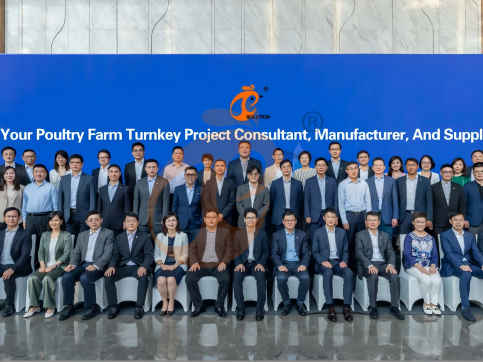
Hong Kong Headquarter Management Team
Hong Kong Headquarter Taiyu Industrial Group CO., LTD
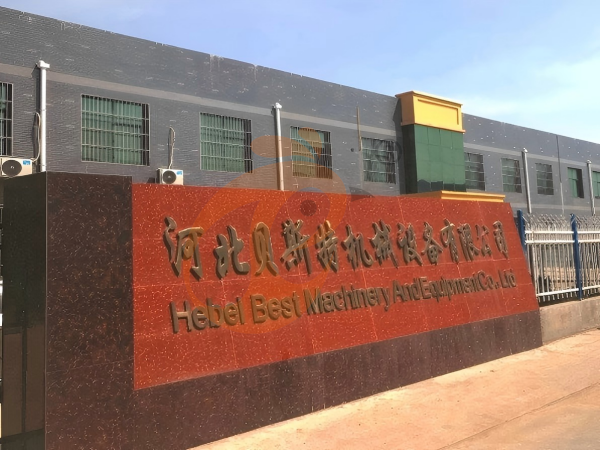
China Hebei Best Machinery And Equipment CO., LTD
Nigeria Vanke Machinery And Equipment CO., LTD
Tanzania Best Machinery And Equipment CO., LTD
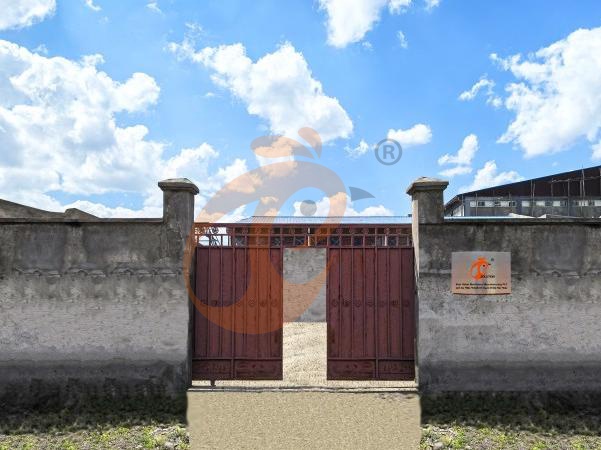
Ethiopia Best Hebei Machinery Manufacturing PLC




Reception /24 WhatsApp NO. : +8618830120193
FAQ
How To Reduce Pecking And Aggression In A-Type Chicken Cage Layers?
Even lighting and good ventilation
Provide supplemental feed and water
Mortality rate: 2–3%
Egg production rate: 90–96%
What Are The Recommended Aisle Widths In A-Type Chicken Cage Houses?
Facilitates manual operation and equipment access
Farm capacity per house: 10,000–50,000 birds
Egg production rate: 90–96%
How To Ensure Proper Airflow In A-Type Layer Cage Farm?
Roof vents and air ducts designed properly
Reduce heat stress and humidity
Egg production rate: 90–96%
FCR: 1.9–2.2
- poultry farm
- chicken cage
- poultry house
- poultry cage
- cage
- poultry farm equipment
- poultry farm construction
- poultry cage system
- chicken cage manufacturer
- chicken cage system
- a chicken cage
- chickencage
- bestchickencage
- cage system
- cage systems
- Nigeria
- poultry cage systems
- cage manufacturer
- poultry farm plan
- Ethiopia
Message
Products recommended
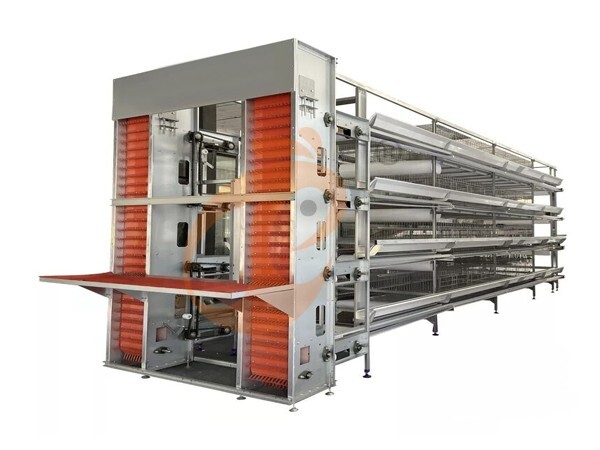
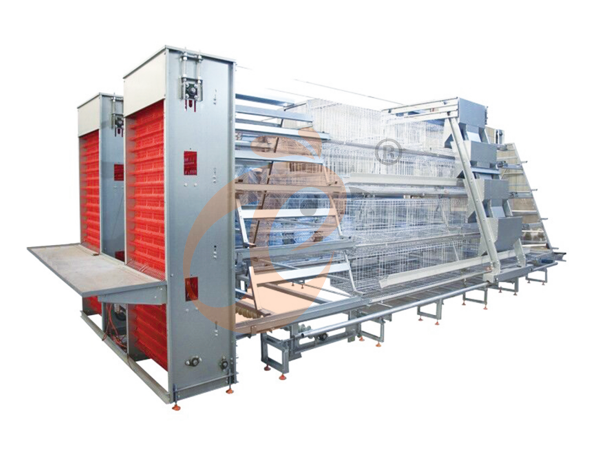
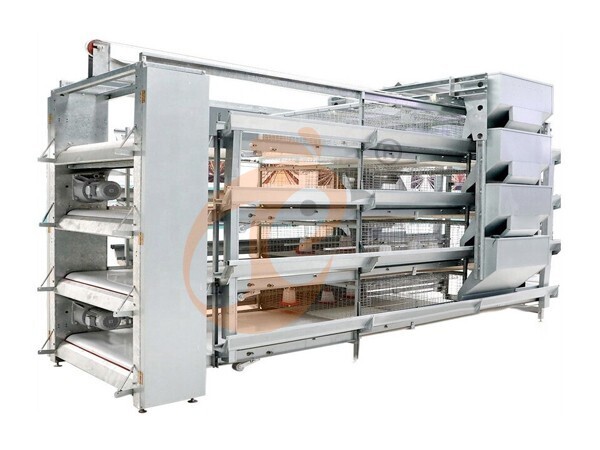
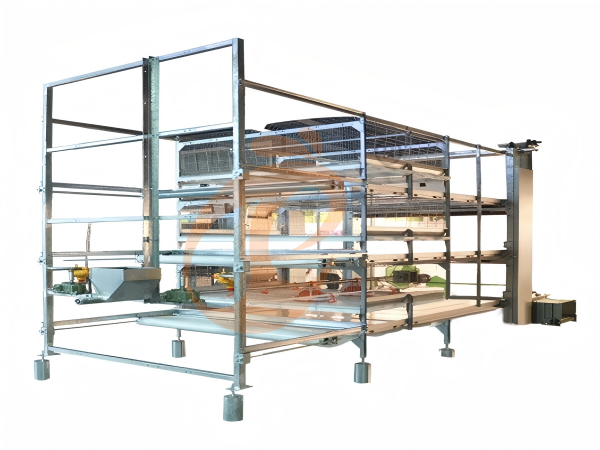
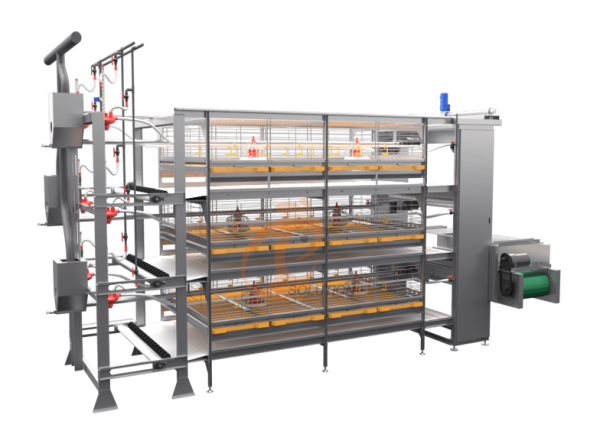
 >30,000 Pullets Automatic H Type Battery Cage1. More than 30,000 pullets a house, choose it.
2. It is designed to rearing older than 1 day old pullets to 12 to 16 weeks old chicken starting laying eggs.
3. Its lifespan is more than 25 years.
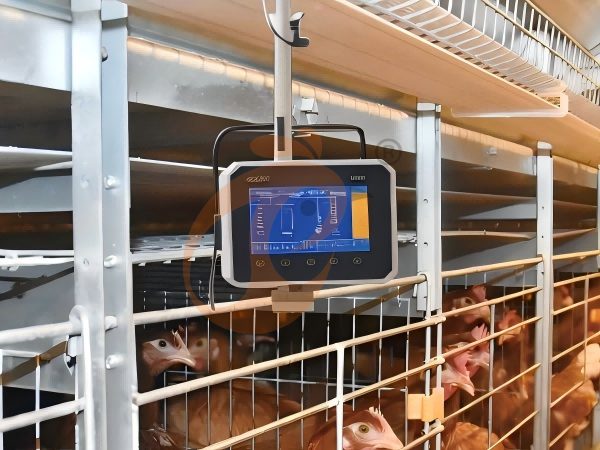
4. Its structure are Vcloud artificial intelligent fusion, electric control cabinet, automatic equipment of drinking, feeding, manure clean, manual harvesting.
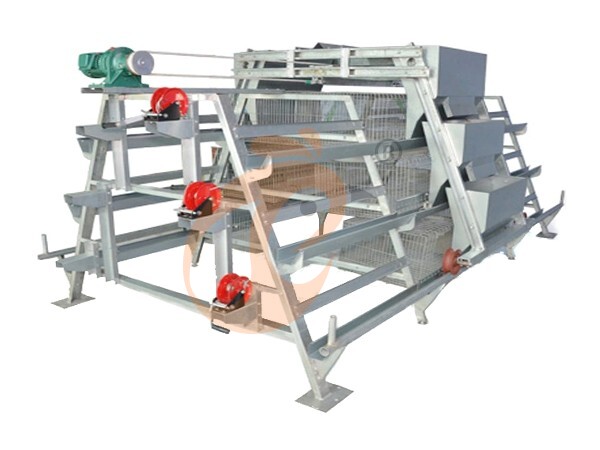
5. Our 24 hour online reception What’sApp NO. is +8618830120193 <30,000 Pullets Automatic A Type Battery Cage1. 10,000 to 30,000 pullets a house, choose it.
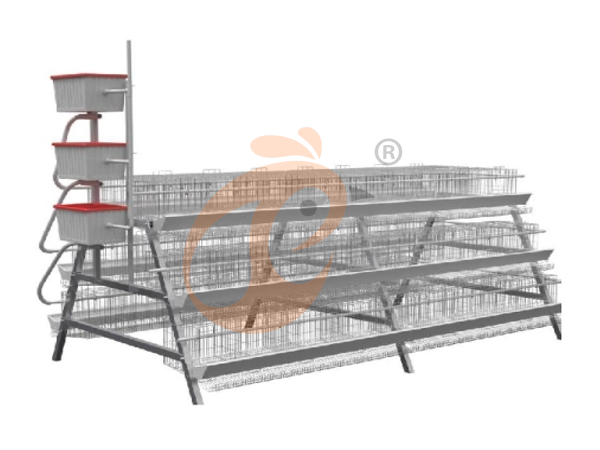
2. It is designed to rearing older than 1 day old pullets to 12 to 16 weeks old chicken starting laying eggs.
3. Its lifespan is more than 25 years.
4. Its structure are Vcloud artificial intelligent fusion, electric control cabinet, automatic equipment of drinking, feeding, manure clean, manual harvesting.
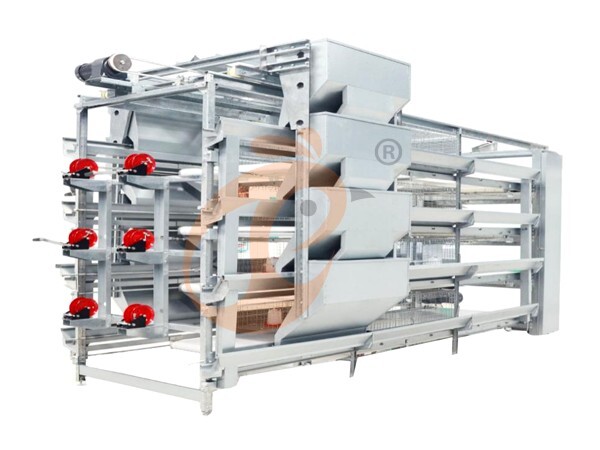
5. Our 24 hour online reception What’sApp NO. is +86 18830120193. >30,000 Broilers Semi-Automatic Harvest H Type Battery Cage1. More than 30,000 broilers a house, choose it.
2. It is designed to rearing 1 to 45 day old adult broiler ready for market.
3. Its lifespan is more than 20 years.
4. Our 24 hour online reception What’sApp NO. is +8618830120193, +234 8111199996. >30,000 Broilers Manual Harvest H Type Battery Cage1. More than 30,000 broilers a house, choose it.
2. It is designed to rearing 1 to 45 day old adult broiler ready for market.
3. Its lifespan is more than 20 years.
4. Its structure are Vcloud artificial intelligent fusion, electric control cabinet, automatic equipment of drinking, feeding and manure clean, manual harvesting.
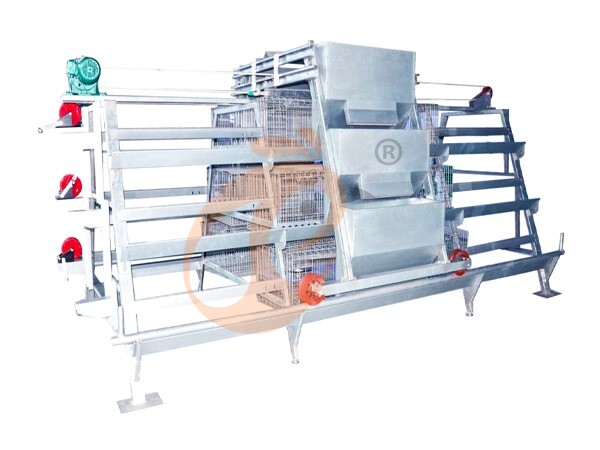
5. Our 24 hour online reception What’sApp NO. is +8618830120193, +234 8111199996. <30,000 Broilers Manual Harvest A Type Battery Cage1. Less 30,000 broilers a house, choose it.
2. It is designed to rearing 1 to 45 day old adult broiler ready for market.
3. Its lifespan is more than 20 years.
4. Its structure are Vcloud artificial intelligent fusion, electric control cabinet, automatic equipment of drinking, feeding and manure clean, manual harvesting.
5. Our 24 hour online reception What’sApp NO. is +8618830120193, +234 8111199996. HK Headquarter Offers EU-standard Poultry Farm Solutions, Manufacture Poultry Farm Equipment1. Continuous communication with the EU and the US
2. China, Nigeria, Ethiopia, Tanzania branch companies and factories
3. The products’ quality is customized for local poultry farms
4. Poultry cage and poultry farm equipment stock for sale
5. 24 online reception Whatsapp NO. : +8618830120193,contact us to get full information China Branch Offer Poultry Farm Business Plan, Manufacture Poultry Farm Equipment1. Address: Flat/RM 2416, 24/F, Runxing Building, Youyi Nan Street, Shijiazhuang City, Hebei Province, China
2. Poultry cage and poultry farm equipment factory and stock for sale
3. Customized for local poultry farms
4. Quality and design are based on Euro
5. 24 online reception Whatsapp NO. : +8618830120193 Nigeria Branch Offer Poultry Farm Business Plan, Manufacture Poultry Farm Equipment1. Address: After Sinoma Office, 200 Meters Near Danco Filling Station, Lagos/Ibadan Expressway, Lagos State, Nigeria
2. Poultry cage and poultry farm equipment factory and stock for sale
3. Customized for Nigerian poultry farms
4. Quality and design are based on Euro
5. 24 online reception Whatsapp NO. : +8618830120193 Ethiopia Branch Offer Poultry Farm Business Plan, Manufacture Poultry Farm Equipment1. Address: WR93+FQ2, Addis Ababa, Ethiopia
2. Poultry cage and poultry farm equipment stock for sale
3. Customized for Ethiopian poultry farms
4. Quality and design are based on Euro
5. 24 online reception Whatsapp NO. : +8618830120193, contact us to get price list Tanzania Branch Offer Poultry Farm Business Plan, Manufacture Poultry Farm Equipment1. Address: No.8, Sova Road, Msufini, Mlandizi, Kibaha, Pwani, Tanzania
2. Poultry cage and poultry farm equipment factory and stock for sale
3. Customized for Tanzanian poultry farms
4. Quality and design are based on Euro
5. 24 online reception Whatsapp NO. : +8618830120193



Contact
By clicking 'Allow All', you agree to the storage of cookies on your device to enhance site navigation, analyze site usage and assist with our marketing efforts.