


Blog
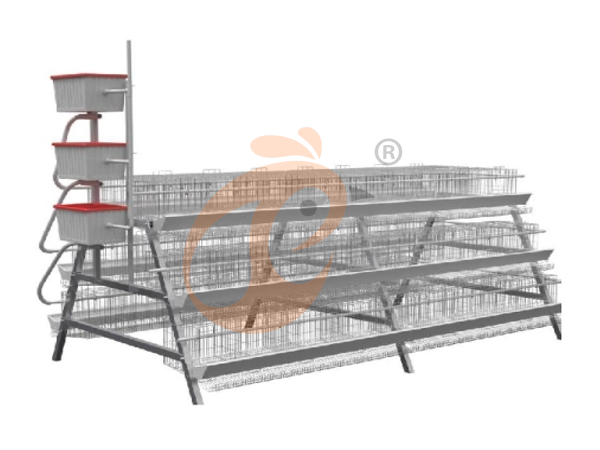
Choosing an A-type chicken cage Ethiopia requires careful evaluation of material, design, and durability to protect long-term investment.
This guide provides practical tips for farmers transitioning from traditional systems to modern chicken cages.
Focus areas include poultry farm equipment Ethiopia, feed and water efficiency, and manure management practices.
Readers will learn how proper bird density and cage slope improve egg quality and reduce breakage.
Emphasis is placed on verifying after-sales support and local spare parts availability for Ethiopian farms.
Guidance includes selecting corrosion-resistant materials and understanding total cost of ownership considerations.
The article highlights biosecurity measures to minimize disease risks in Ethiopian poultry houses.
- Farmers will gain insights to optimize cage layout, ventilation, and egg collection efficiency for profitable operations.
Get professional poultry farm construction guidance, equipment selection solutions, and the latest price lists, whatsApp to +8618830120193, click to learn more:

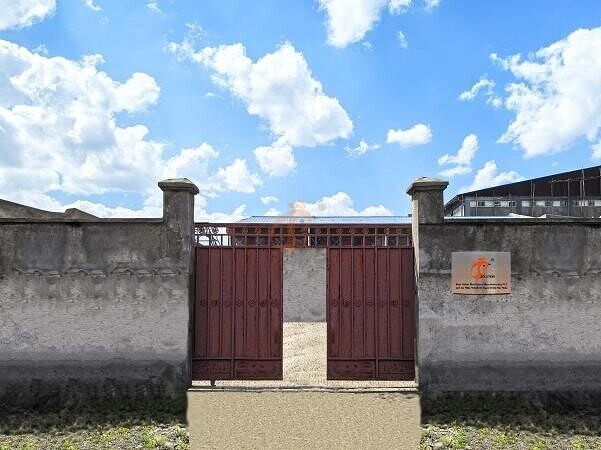
Ethiopia Branch Office And Factory Of Poultry Farm Equipment
Tip 1: Prioritize Material Durability Over Initial Purchase Price
The most common mistake Ethiopian farmers make is choosing cages based solely on the lowest quote.
Low-quality steel corrodes rapidly in humid or ammonia-heavy environments.
In Ethiopia, where replacement parts are difficult to source locally, a ''cheap'' cage often becomes the most expensive option within three years.
Insist on hot-dip galvanized steel rather than cold-galvanized or painted alternatives.
The structural integrity of the cage depends on proper wire gauge to support the weight of mature layers and prevent sagging floors.
Sagging floors are a primary cause of cracked eggs, directly impacting daily revenue.
Data is for reference only.Swipe horizontally to view full table.
Data is for reference only.Swipe horizontally to view full table.
Tip 2: Optimize Design For The Ethiopian Climate And Bird Density
Ethiopia's varied topography requires cage designs adapted to both cool highlands and hot lowlands.
A-type cages naturally allow superior ventilation compared to H-type cages due to open tier spacing.
Avoid overstocking cages to save on house costs; overcrowding causes heat stress, lower egg production, and higher mortality.
Choose cage sizes adhering to animal welfare standards while maximizing vertical space.
Proper bottom mesh slope ensures eggs roll safely without breakage, maintaining quality for hotels and supermarkets.
Data is for reference only.Swipe horizontally to view full table.
Data is for reference only.Swipe horizontally to view full table.
Tip 3: Evaluate Feed And Water Systems To Minimize Waste
Feed represents 70%–80% of production costs in Ethiopia (Ethiopian Birr, European union standard reference only).
Shallow or poorly shaped troughs allow feed to spill, increasing waste.
Choose troughs with anti-waste lips and durable material to maintain shape and reduce feeding frequency.
Water systems must prevent leaks; a reliable pressure regulator ensures consistent flow across all tiers.
Proper nipple drinker design reduces wet manure, ammonia levels, and disease risk.
Data is for reference only.Swipe horizontally to view full table.
Data is for reference only.Swipe horizontally to view full table.
Tip 4: Plan For Manure Management And Biosecurity
Manure removal is labor-intensive; poor deflectors increase biosecurity risk.
Ensure durable materials in the dropping zone and clear manure paths.
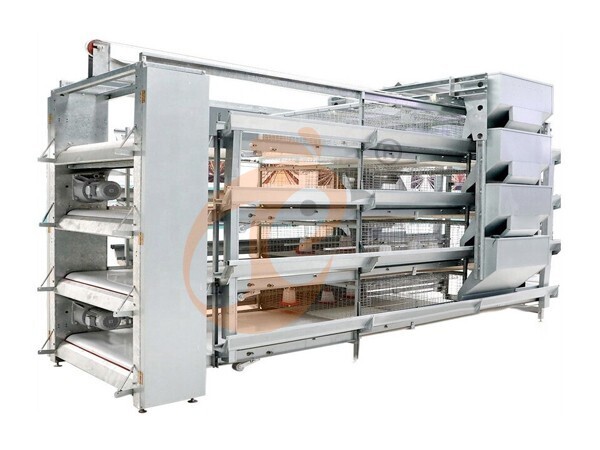
Automated belts or scraper systems reduce labor and improve air quality, lowering disease incidence.
Clean environments help prevent respiratory diseases such as Newcastle Disease (ND) or Infectious Bronchitis (IB).
Data is for reference only.Swipe horizontally to view full table.
Tip 5: Verify After-Sales Support And Installation Expertise
Buying from suppliers without local presence is risky.
Installation must be precise; improper leveling disrupts feed and egg collection systems.
Ensure suppliers provide manuals, video guidance, or on-site supervision.
Check availability of common wear parts and spare kits to maintain uninterrupted operations.
Frequently Asked Questions
Q1: Is an A-type chicken cage suitable for small Ethiopian farms?
A1: Yes, but avoid overstocking to prevent heat stress and egg breakage.
Proper ventilation ensures sustainable production.
Q2: How to handle local climate when installing A-type cages in Ethiopia?
A2: Use designs optimized for hot and humid areas with proper tier height and bottom slope.
Durable galvanized materials prevent corrosion.
Q3: Are replacement parts for these cages easily available in Ethiopia?
A3: Choose suppliers offering local spare kits including nipple drinkers, connectors, and belts to ensure continuous operation.
Ethiopia Best Hebei Machinery Manufacturing Plc - One Of Ethiopia Largest Layer Chicken Cage Supplier
HB BEST provides global factory direct sales and ensures poultry farm equipment delivery on time.
Their poultry cage systems include turn-key engineering solutions and installation guidance for Ethiopian farms.
All products are designed for high durability and efficiency in feed and water management.
- The company offers local spare parts and technical support, reducing downtime for farms in Ethiopia.
They specialize in poultry cages, automated egg collection, and full turn-key poultry house solutions worldwide.
Contact Us To Received Your Customized Poultry Farm Plan
Headquarters And Branchs

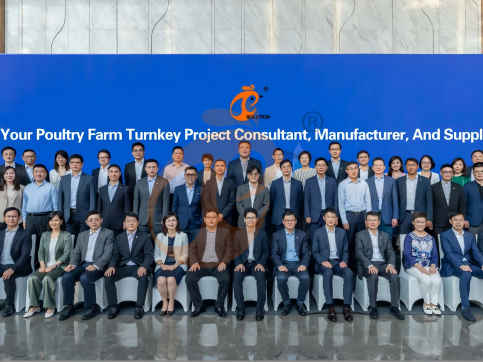
Hong Kong Headquarter Management Team
Hong Kong Headquarter Taiyu Industrial Group CO., LTD
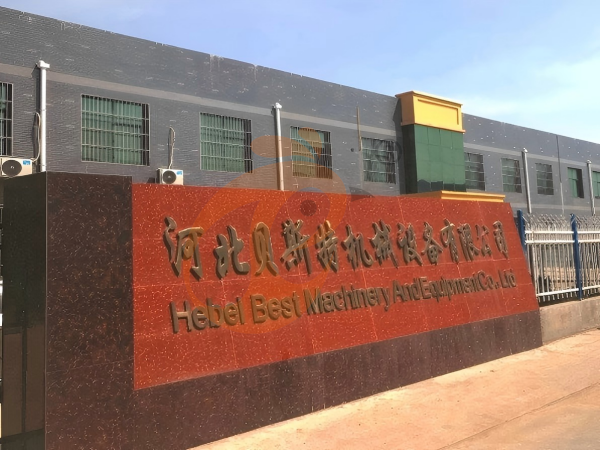
China Hebei Best Machinery And Equipment CO., LTD
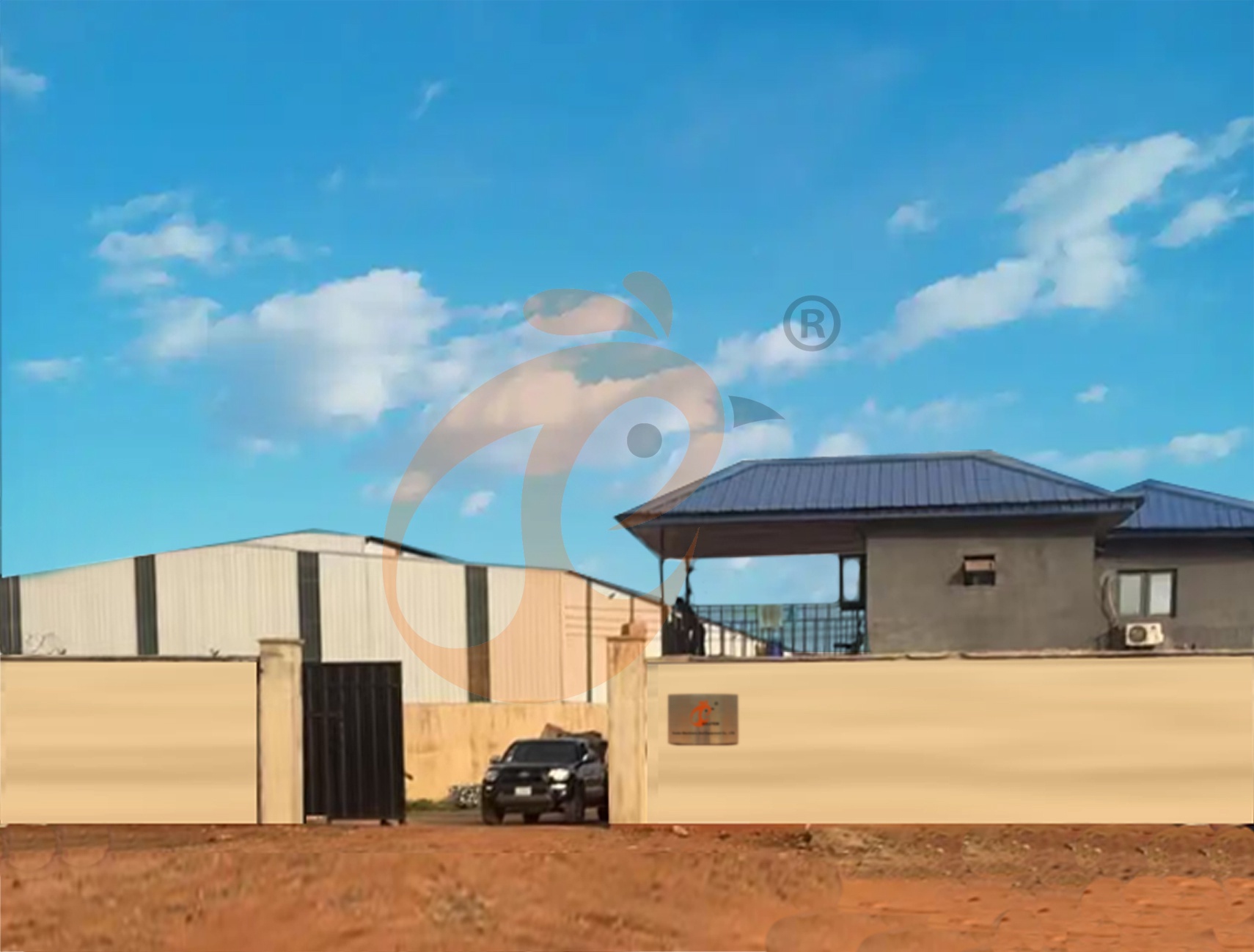
Nigeria Vanke Machinery And Equipment CO., LTD
Tanzania Best Machinery And Equipment CO., LTD
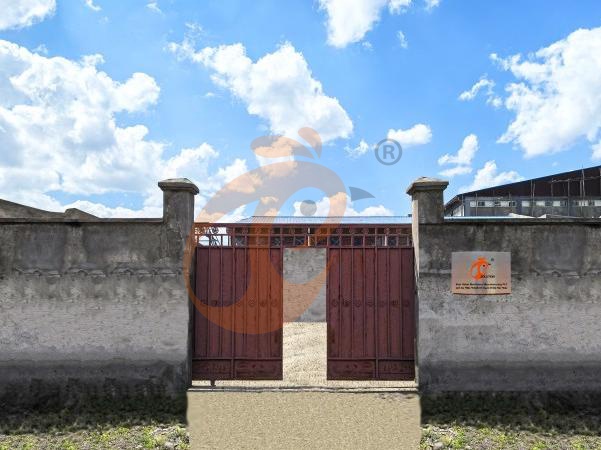
Ethiopia Best Hebei Machinery Manufacturing PLC
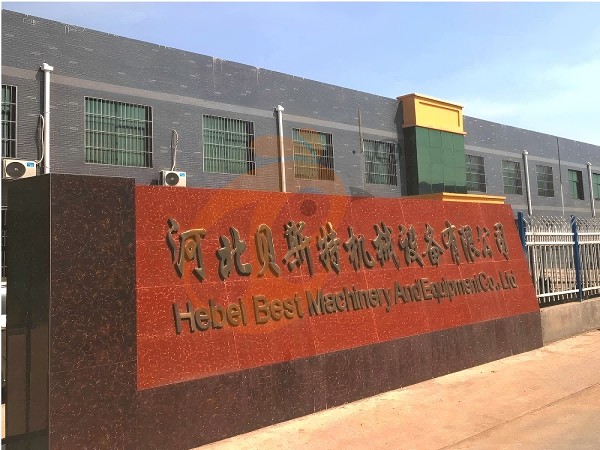
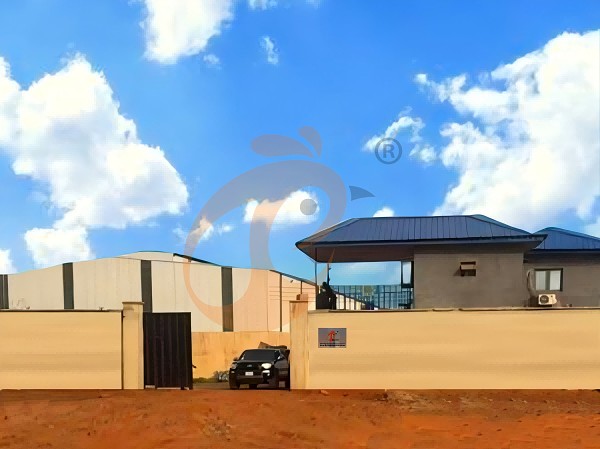
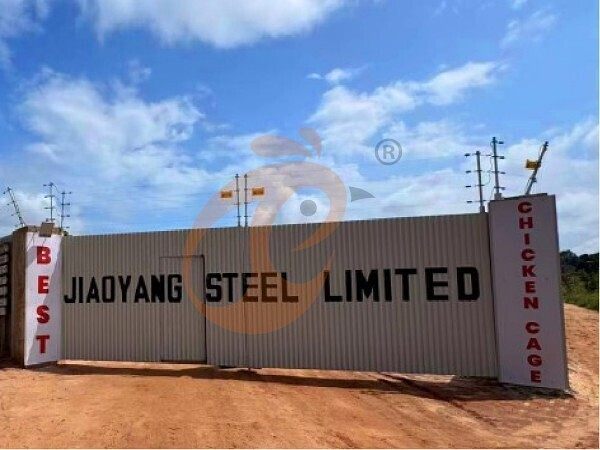
Reception /24 WhatsApp NO. : +8618830120193
FAQ
How To Optimize Lighting Program In A-Type Layer Cage Farm?
Even lighting promotes laying
Egg production rate: 90–96%
FCR: 1.9–2.2
Reduces stress
How To Implement Waste Management In A-Type Poultry Cage Farm?
Collect manure for organic fertilizer
Reduce pathogen spread
Mortality rate: 2–3%
Egg production rate: 90–96%
How To Improve Egg Weight In A-Type Layer Cage System?
Maintain stable temperature and humidity
Egg weight: 60–65 g
Egg production rate: 90–96%
Egg breakage rate <1%
- poultry farm
- chicken cage
- poultry house
- poultry cage
- cage
- poultry farm equipment
- poultry farm construction
- poultry cage system
- chicken cage supplier
- chicken cage Ethiopia
- egg collection system
- chicken cages
- poultry cages
- chickencage
- bestchickencage
- cage system
- cage systems
- layer chicken cage supplier
- layer chicken cage
- Nigeria
- automated egg collection
- poultry cage systems
- cage design
- cage supplier
- poultry house solutions
- poultry farm plan
- Ethiopia
- Spring
Message
Products recommended
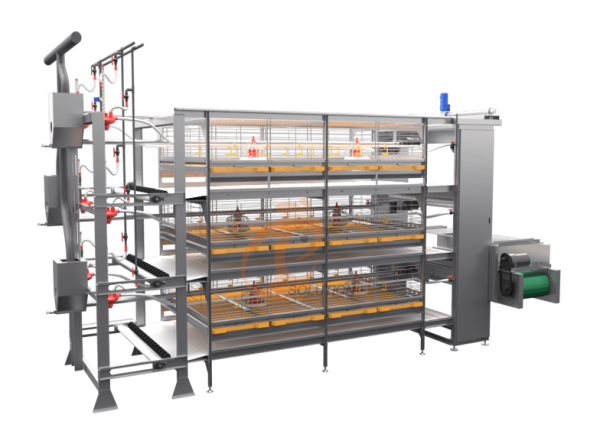
 >30,000 Pullets Automatic H Type Battery Cage1. More than 30,000 pullets a house, choose it.
2. It is designed to rearing older than 1 day old pullets to 12 to 16 weeks old chicken starting laying eggs.
3. Its lifespan is more than 25 years.
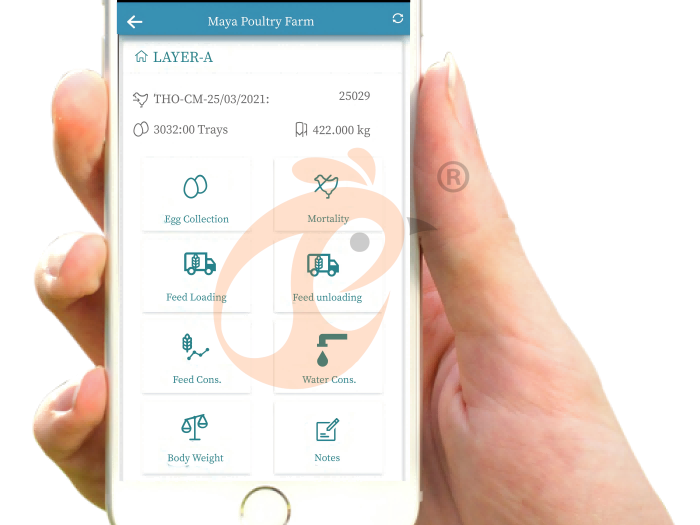
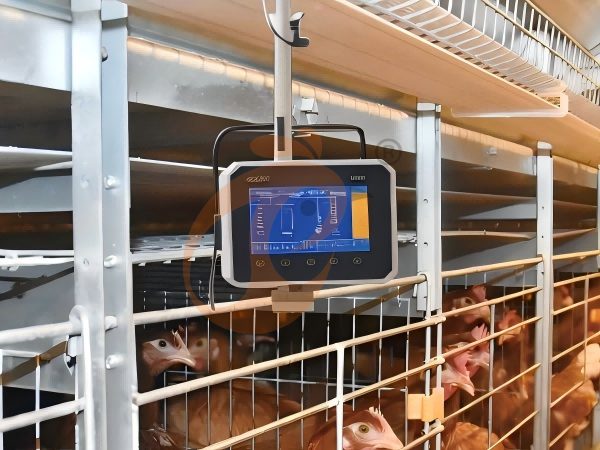
4. Its structure are Vcloud artificial intelligent fusion, electric control cabinet, automatic equipment of drinking, feeding, manure clean, manual harvesting.
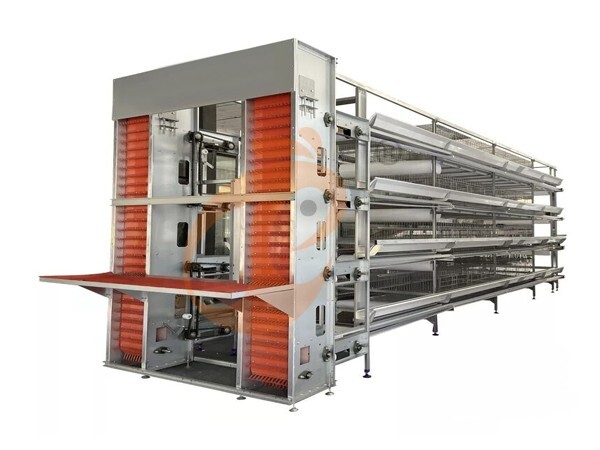
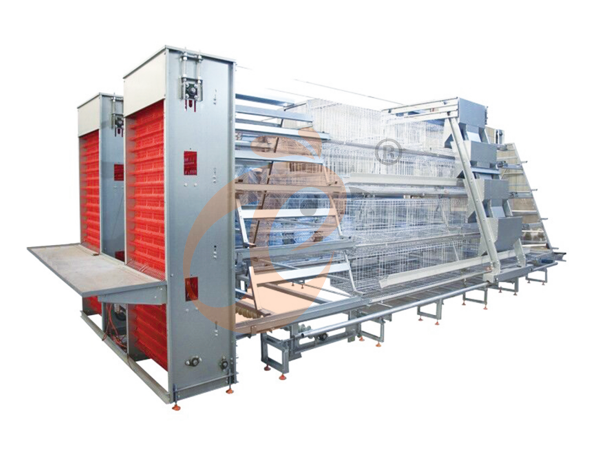
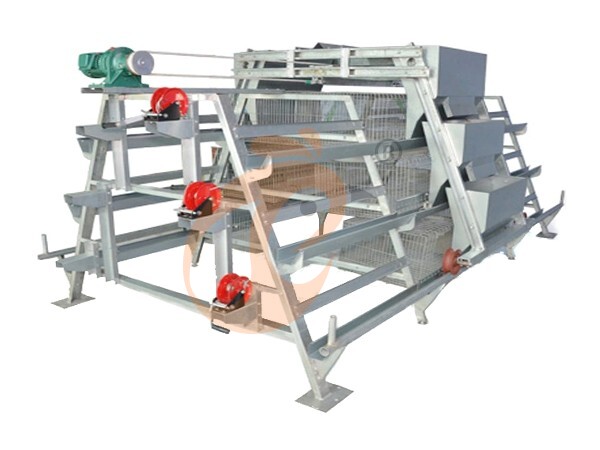
5. Our 24 hour online reception What’sApp NO. is +8618830120193 <30,000 Pullets Automatic A Type Battery Cage1. 10,000 to 30,000 pullets a house, choose it.
2. It is designed to rearing older than 1 day old pullets to 12 to 16 weeks old chicken starting laying eggs.
3. Its lifespan is more than 25 years.
4. Its structure are Vcloud artificial intelligent fusion, electric control cabinet, automatic equipment of drinking, feeding, manure clean, manual harvesting.
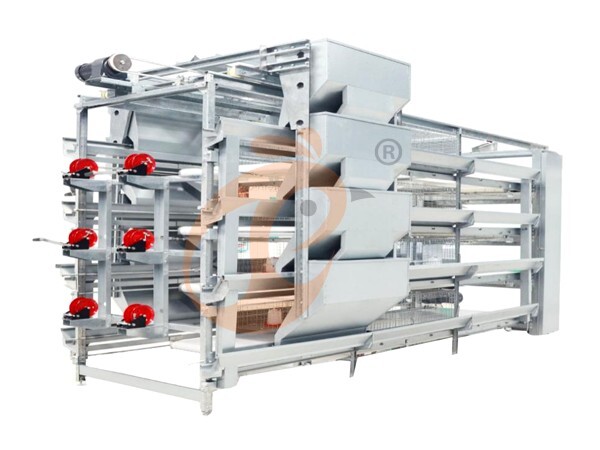
5. Our 24 hour online reception What’sApp NO. is +86 18830120193. >30,000 Broilers Semi-Automatic Harvest H Type Battery Cage1. More than 30,000 broilers a house, choose it.
2. It is designed to rearing 1 to 45 day old adult broiler ready for market.
3. Its lifespan is more than 20 years.
4. Our 24 hour online reception What’sApp NO. is +8618830120193, +234 8111199996. >30,000 Broilers Manual Harvest H Type Battery Cage1. More than 30,000 broilers a house, choose it.
2. It is designed to rearing 1 to 45 day old adult broiler ready for market.
3. Its lifespan is more than 20 years.
4. Its structure are Vcloud artificial intelligent fusion, electric control cabinet, automatic equipment of drinking, feeding and manure clean, manual harvesting.
5. Our 24 hour online reception What’sApp NO. is +8618830120193, +234 8111199996. <30,000 Broilers Manual Harvest A Type Battery Cage1. Less 30,000 broilers a house, choose it.
2. It is designed to rearing 1 to 45 day old adult broiler ready for market.
3. Its lifespan is more than 20 years.
4. Its structure are Vcloud artificial intelligent fusion, electric control cabinet, automatic equipment of drinking, feeding and manure clean, manual harvesting.
5. Our 24 hour online reception What’sApp NO. is +8618830120193, +234 8111199996. HK Headquarter Offers EU-standard Poultry Farm Solutions, Manufacture Poultry Farm Equipment1. Continuous communication with the EU and the US
2. China, Nigeria, Ethiopia, Tanzania branch companies and factories
3. The products’ quality is customized for local poultry farms
4. Poultry cage and poultry farm equipment stock for sale
5. 24 online reception Whatsapp NO. : +8618830120193,contact us to get full information China Branch Offer Poultry Farm Business Plan, Manufacture Poultry Farm Equipment1. Address: Flat/RM 2416, 24/F, Runxing Building, Youyi Nan Street, Shijiazhuang City, Hebei Province, China
2. Poultry cage and poultry farm equipment factory and stock for sale
3. Customized for local poultry farms
4. Quality and design are based on Euro
5. 24 online reception Whatsapp NO. : +8618830120193 Nigeria Branch Offer Poultry Farm Business Plan, Manufacture Poultry Farm Equipment1. Address: After Sinoma Office, 200 Meters Near Danco Filling Station, Lagos/Ibadan Expressway, Lagos State, Nigeria
2. Poultry cage and poultry farm equipment factory and stock for sale
3. Customized for Nigerian poultry farms
4. Quality and design are based on Euro
5. 24 online reception Whatsapp NO. : +8618830120193 Ethiopia Branch Offer Poultry Farm Business Plan, Manufacture Poultry Farm Equipment1. Address: WR93+FQ2, Addis Ababa, Ethiopia
2. Poultry cage and poultry farm equipment stock for sale
3. Customized for Ethiopian poultry farms
4. Quality and design are based on Euro
5. 24 online reception Whatsapp NO. : +8618830120193, contact us to get price list Tanzania Branch Offer Poultry Farm Business Plan, Manufacture Poultry Farm Equipment1. Address: No.8, Sova Road, Msufini, Mlandizi, Kibaha, Pwani, Tanzania
2. Poultry cage and poultry farm equipment factory and stock for sale
3. Customized for Tanzanian poultry farms
4. Quality and design are based on Euro
5. 24 online reception Whatsapp NO. : +8618830120193



Contact
By clicking 'Allow All', you agree to the storage of cookies on your device to enhance site navigation, analyze site usage and assist with our marketing efforts.