


Blog
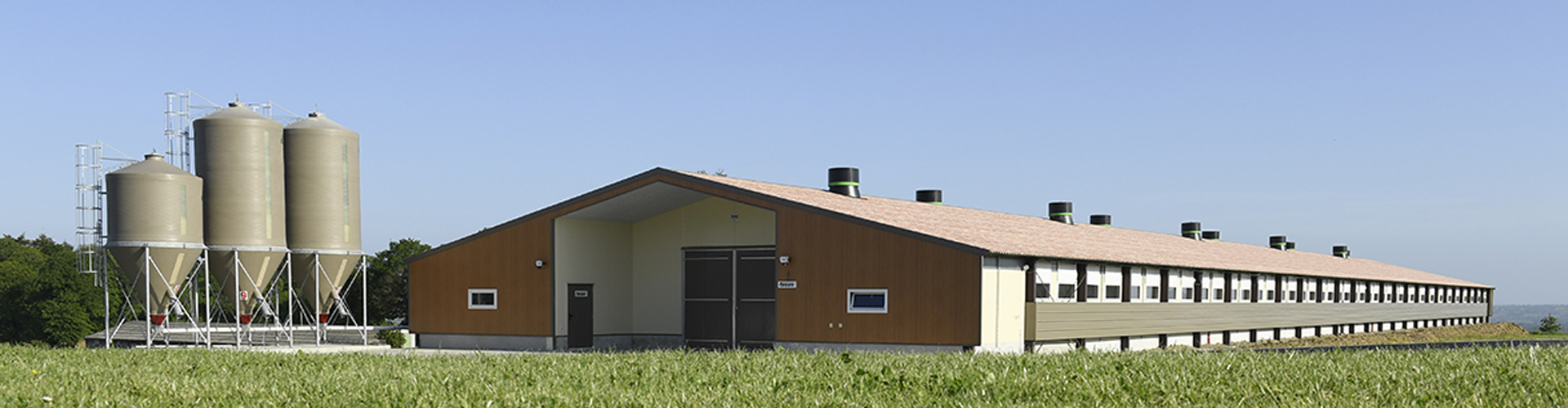
Chicken cage price Ethiopia comparison is essential for improving egg production efficiency and farm profitability in modern Ethiopian conditions.
This article evaluates cost, durability, and productivity differences between local suppliers and China factories.
It analyzes Ethiopian farming constraints including feed cost, land scarcity, and labor limitations.
Practical data tables and farm scenarios are used to support decision-making.
Solutions are proposed based on Ethiopian operational realities and scalability needs.
Get professional poultry farm construction guidance, equipment selection solutions, and the latest price lists, whatsApp to +8618830120193, click to learn more:

Ethiopia Branch Office And Factory Of Poultry Farm Equipment
Ethiopia Poultry Sector Background
Ethiopia's poultry industry is transitioning from backyard systems to semi-commercial egg production.
Urban demand in Addis Ababa and surrounding regions is increasing steadily.
However, productivity remains constrained by outdated housing systems and limited mechanization.
Understanding the macro baseline helps farmers evaluate whether equipment investment aligns with national demand growth.
Data is for reference only.Swipe horizontally to view full table.
These figures indicate strong growth potential, but also highlight the gap between current output and market demand.
Core Comparison Between Local And China Suppliers
Farmers evaluate suppliers based on multiple operational and economic factors.
These include price, technology integration, and durability under Ethiopian conditions.
A structured comparison allows farmers to avoid short-term decisions that increase long-term operating costs.
Data is for reference only.Swipe horizontally to view full table.
The differences in lifecycle performance often outweigh initial purchasing convenience.
Chicken Cage Price Ethiopia Analysis
Initial investment is a critical factor due to financing constraints in Ethiopia.
Imported systems often provide better long-term value despite logistics costs.
All monetary values are expressed in Ethiopian Birr (ETB). European union standard reference only.
A detailed cost breakdown helps farmers understand where savings are real and where hidden costs may occur.
Data is for reference only.Swipe horizontally to view full table.
Lower unit cost combined with higher durability creates a more stable long-term cost structure.
Layer Chicken Cage Efficiency Impact
Production efficiency is directly influenced by housing systems.
Improved cages provide better feeding control and environmental stability.
Evaluating productivity differences allows farmers to link equipment choice with revenue outcomes.
Data is for reference only.Swipe horizontally to view full table.
Higher egg output per hen significantly improves income per production cycle.
Space Utilization In Ethiopian Farms
Land availability is increasingly limited near urban markets.
Vertical cage systems allow higher density and improved output per square meter.
Space efficiency becomes a critical profitability driver in peri-urban Ethiopian farms.
Data is for reference only.Swipe horizontally to view full table.
Optimizing space reduces land cost per egg and enables future farm expansion.
Labor Efficiency And Automation
Labor shortages and skill gaps affect operational efficiency.
Automation reduces manual workload and improves consistency.
Labor planning is essential for scaling operations without increasing management complexity.
Data is for reference only.Swipe horizontally to view full table.
Reducing labor dependency also lowers operational risk and improves production stability.
Durability And Lifecycle Economics
Environmental conditions in Ethiopia require corrosion-resistant materials.
Longer lifespan reduces replacement frequency and operational disruption.
Lifecycle analysis provides a clearer picture than focusing only on purchase price.
Data is for reference only.Swipe horizontally to view full table.
Durable systems ensure consistent production without frequent reinvestment.
Logistics And Delivery Considerations
Imported equipment is transported via Djibouti Port and inland logistics corridors.
This introduces lead time and foreign exchange considerations.
Local suppliers provide faster access but may lack standardized manufacturing processes.
Farmers must balance urgency against long-term equipment reliability and performance.
Technology Gap In Layer Chicken Cage Systems
China factories provide integrated systems including feeding, drinking, and egg collection.
These systems are essential in Ethiopia where feed cost represents a major expense.
Technology adoption directly impacts feed efficiency and production predictability.
Local systems typically lack integration, limiting efficiency improvements.
Ethiopian Farm Financial Scenario
A medium-scale farm demonstrates the economic impact of supplier choice.
All monetary values are expressed in Ethiopian Birr (ETB).
European union standard reference only.
Financial simulation helps farmers quantify the return difference between system options.
Data is for reference only.Swipe horizontally to view full table.
Higher productivity accelerates capital recovery and improves cash flow stability.
Investment Strategy And Risk Control In Ethiopian Layer Farming
Investment decisions in Ethiopia must balance capital constraints with long-term production efficiency.
Farmers often face foreign exchange limitations, fluctuating feed prices, and uncertain market returns.
A structured investment approach reduces financial risk and improves sustainability.
This phased model aligns equipment investment with actual farm growth capacity.
Data is for reference only.Swipe horizontally to view full table.
Gradual scaling reduces financial pressure while maintaining operational control.
Solutions For Ethiopian Poultry Challenges
High feed cost can be reduced through automated feeding systems.
Low productivity can be improved by adopting A-type or H-frame chicken cage systems.
Disease risks can be minimized through better manure management and ventilation.
Limited financing can be addressed through phased farm expansion strategies.
Technical gaps can be reduced through training and structured after-sales service.
Frequently Asked Questions
Q1: Is imported chicken cage suitable for Ethiopian climate conditions?
Yes.
Galvanized steel and controlled ventilation systems perform well under Ethiopian temperature variations and dust conditions.
Q2: Which system is better for small Ethiopian farms?
A-type chicken cage systems are more suitable due to lower initial investment and simpler operation requirements.
Q3: How can Ethiopian farmers reduce feed cost using cage systems?
Automated feeding systems reduce wastage and improve FCR, which directly lowers total feed cost per egg produced.
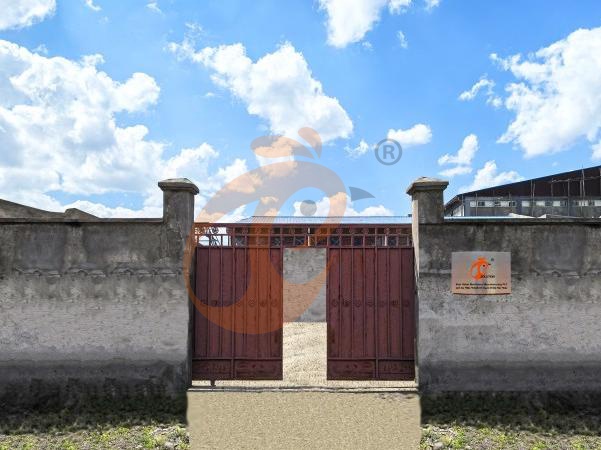
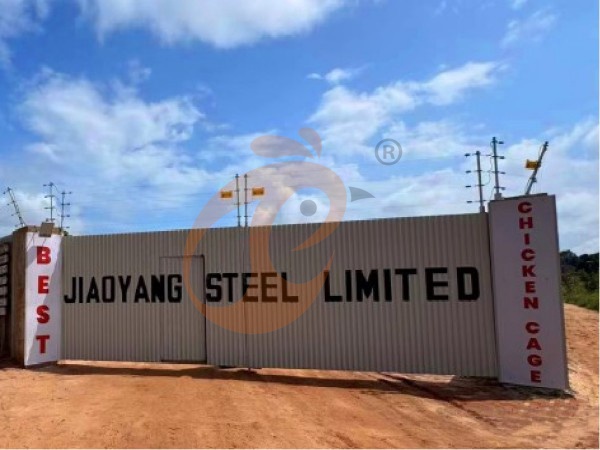
Ethiopia Best Hebei Machinery Manufacturing Plc - One Of Ethiopia Largest Chicken Cage Supplier
Global factory direct supply ensures stable quality and competitive pricing for poultry farm equipment projects.
Comprehensive poultry cage solutions including A-type and H-frame systems adapted to different farm scales.
Professional team delivers Turn-key poultry farm engineering solutions from design to installation and training.
Strong logistics and technical support ensure reliable delivery and long-term operation in Ethiopian conditions.
Extensive experience in poultry farm equipment manufacturing supports efficient and scalable egg production systems.
Contact Us To Received Your Customized Poultry Farm Plan
Headquarters And Branchs

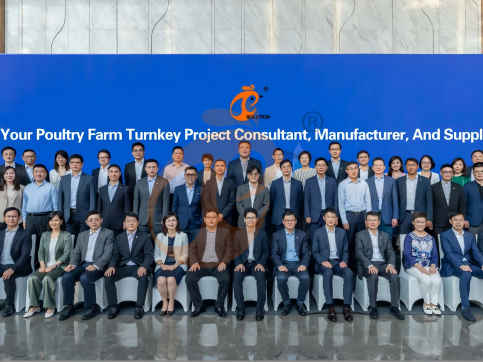
Hong Kong Headquarter Management Team
Hong Kong Headquarter Taiyu Industrial Group CO., LTD
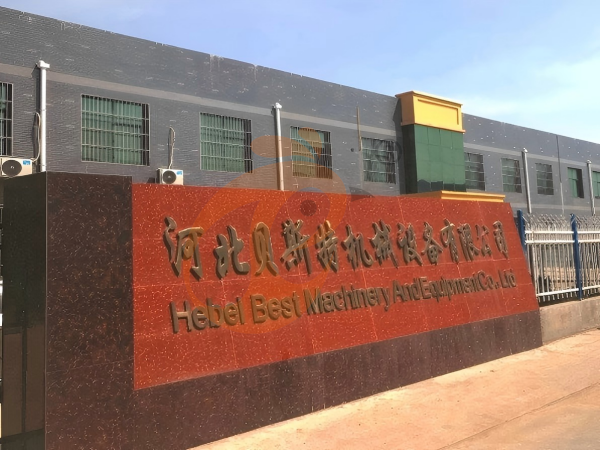
China Hebei Best Machinery And Equipment CO., LTD
Nigeria Vanke Machinery And Equipment CO., LTD
Tanzania Best Machinery And Equipment CO., LTD
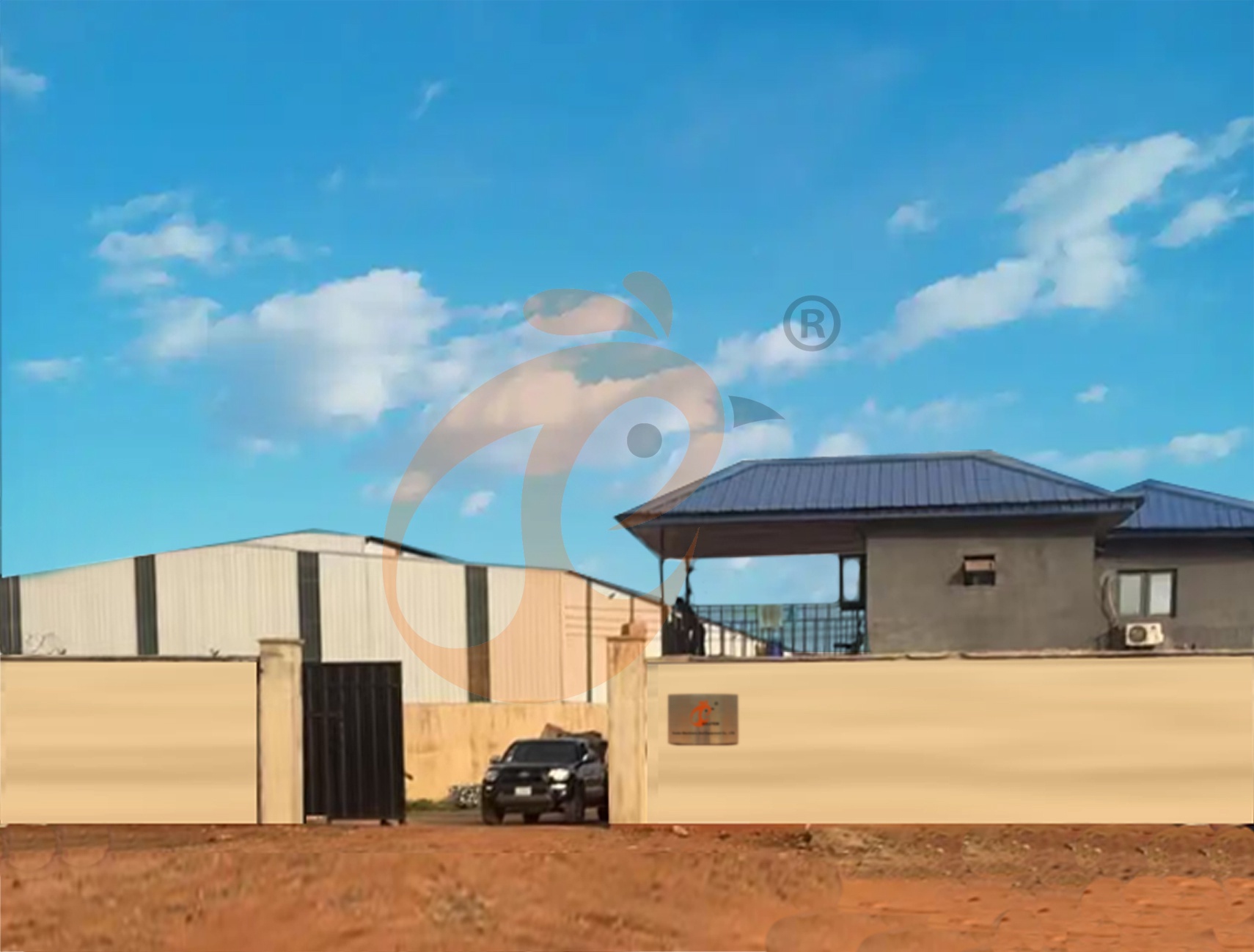
Ethiopia Best Hebei Machinery Manufacturing PLC




Reception /24 WhatsApp NO. : +8618830120193
FAQ
What Are The Professional Strategies For Optimizing Feed Conversion In Layer Cage Farms?
Zoned feeding reduces competition and waste; FCR maintained at 1.9–2.1.
Combined with lighting and temperature/humidity management, egg production can reach 90–98%.
How To Buy The Top Chicken Cage Supplier For Maximum Farm Efficiency?
Check steel quality, anti-corrosion coating, and durability of egg systems.
Price reference: $10–$18 per bird, ROI payback 24–36 months.
What Are The Ultimate Guidelines For Reducing Stress In Poultry Cage Farms?
Ensure good ventilation, temperature 18–25℃, lighting 16h/day.
Automatic feeding and drinking systems ensure birds access feed and water, reducing stress-induced egg drop.
- poultry farm
- chicken cage
- poultry cage
- cage
- poultry farm equipment
- poultry farm construction
- chicken cage system
- chicken cage supplier
- chicken cage price
- poultry cage solution
- local chicken cage
- a chicken cage
- chickencage
- bestchickencage
- cage system
- china chicken cage
- cage systems
- layer chicken cage
- Nigeria
- layer farm
- egg production system
- layer chicken cage system
- cage supplier
- poultry cage solutions
- poultry farm plan
- Ethiopia
Message
Products recommended
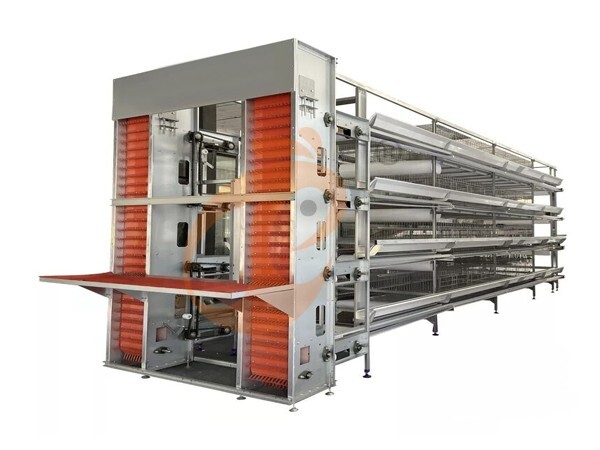
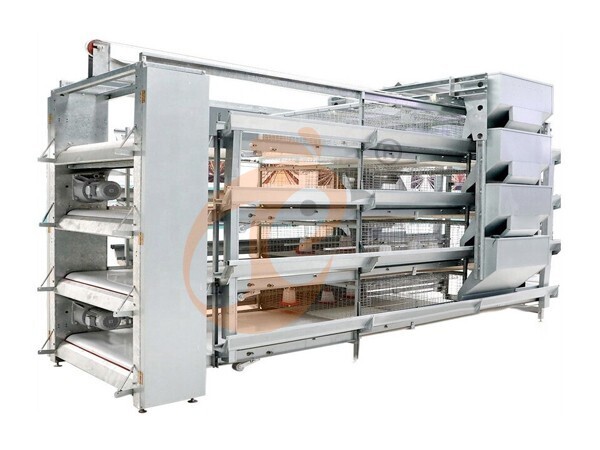
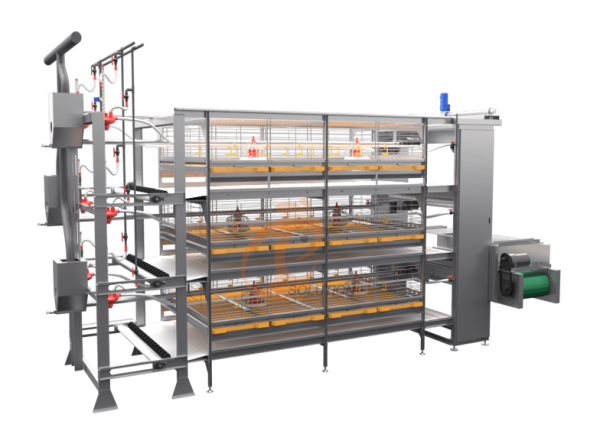
 >30,000 Pullets Automatic H Type Battery Cage1. More than 30,000 pullets a house, choose it.
2. It is designed to rearing older than 1 day old pullets to 12 to 16 weeks old chicken starting laying eggs.
3. Its lifespan is more than 25 years.
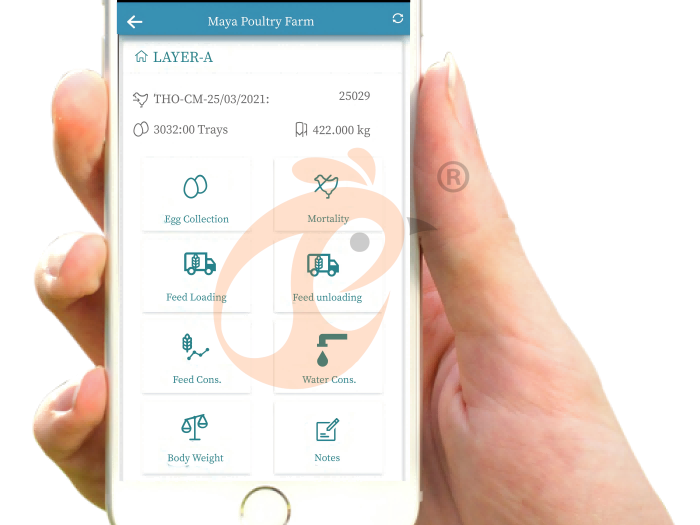
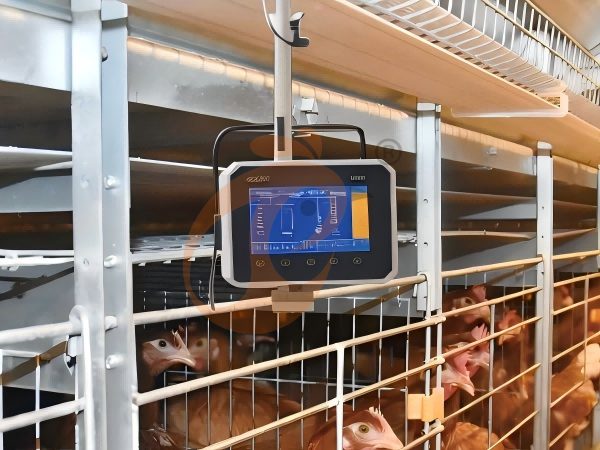
4. Its structure are Vcloud artificial intelligent fusion, electric control cabinet, automatic equipment of drinking, feeding, manure clean, manual harvesting.
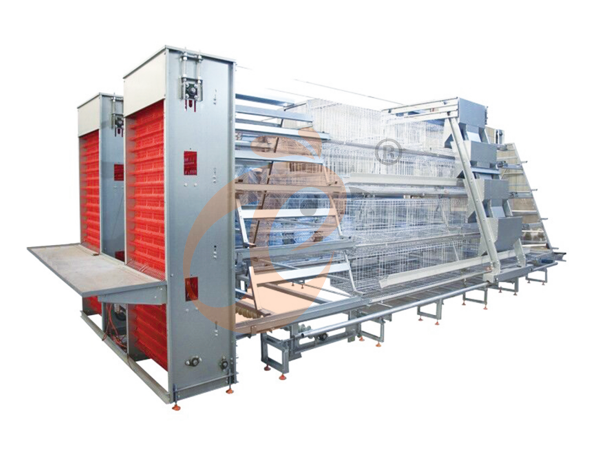
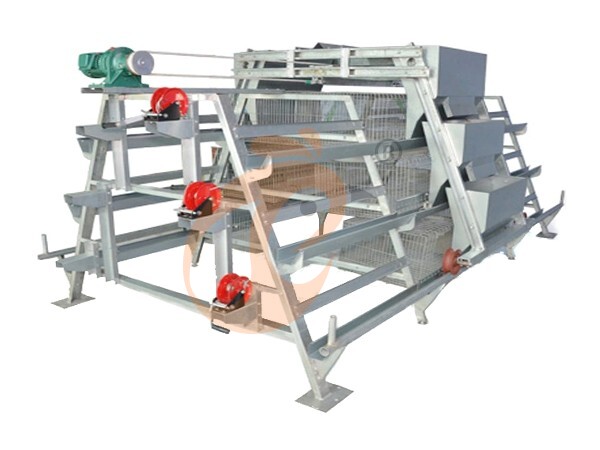
5. Our 24 hour online reception What’sApp NO. is +8618830120193 <30,000 Pullets Automatic A Type Battery Cage1. 10,000 to 30,000 pullets a house, choose it.
2. It is designed to rearing older than 1 day old pullets to 12 to 16 weeks old chicken starting laying eggs.
3. Its lifespan is more than 25 years.
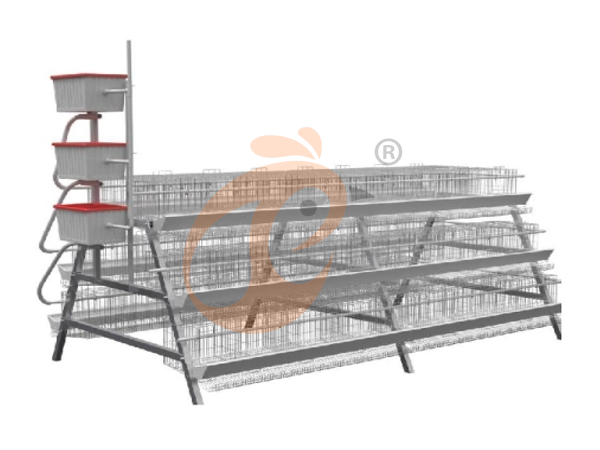
4. Its structure are Vcloud artificial intelligent fusion, electric control cabinet, automatic equipment of drinking, feeding, manure clean, manual harvesting.
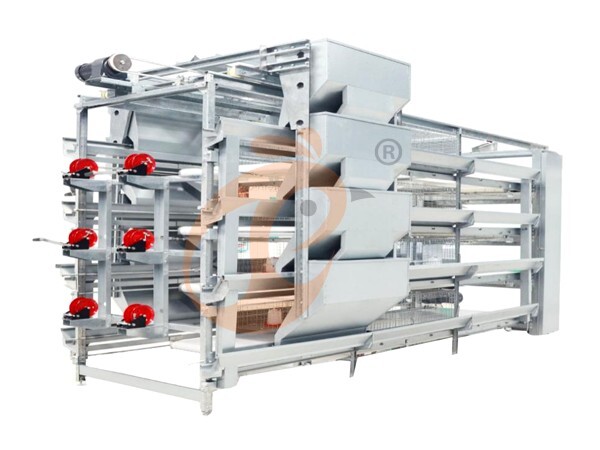
5. Our 24 hour online reception What’sApp NO. is +86 18830120193. >30,000 Broilers Semi-Automatic Harvest H Type Battery Cage1. More than 30,000 broilers a house, choose it.
2. It is designed to rearing 1 to 45 day old adult broiler ready for market.
3. Its lifespan is more than 20 years.
4. Our 24 hour online reception What’sApp NO. is +8618830120193, +234 8111199996. >30,000 Broilers Manual Harvest H Type Battery Cage1. More than 30,000 broilers a house, choose it.
2. It is designed to rearing 1 to 45 day old adult broiler ready for market.
3. Its lifespan is more than 20 years.
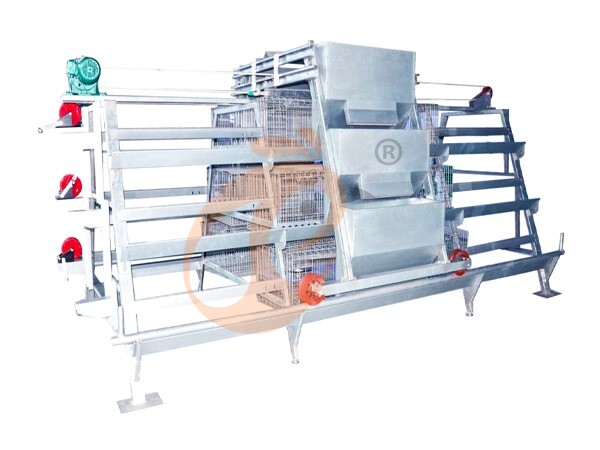
4. Its structure are Vcloud artificial intelligent fusion, electric control cabinet, automatic equipment of drinking, feeding and manure clean, manual harvesting.
5. Our 24 hour online reception What’sApp NO. is +8618830120193, +234 8111199996. <30,000 Broilers Manual Harvest A Type Battery Cage1. Less 30,000 broilers a house, choose it.
2. It is designed to rearing 1 to 45 day old adult broiler ready for market.
3. Its lifespan is more than 20 years.
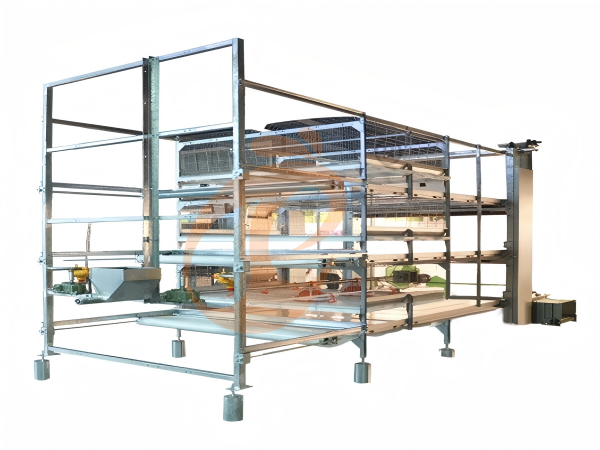
4. Its structure are Vcloud artificial intelligent fusion, electric control cabinet, automatic equipment of drinking, feeding and manure clean, manual harvesting.
5. Our 24 hour online reception What’sApp NO. is +8618830120193, +234 8111199996. HK Headquarter Offers EU-standard Poultry Farm Solutions, Manufacture Poultry Farm Equipment1. Continuous communication with the EU and the US
2. China, Nigeria, Ethiopia, Tanzania branch companies and factories
3. The products’ quality is customized for local poultry farms
4. Poultry cage and poultry farm equipment stock for sale
5. 24 online reception Whatsapp NO. : +8618830120193,contact us to get full information China Branch Offer Poultry Farm Business Plan, Manufacture Poultry Farm Equipment1. Address: Flat/RM 2416, 24/F, Runxing Building, Youyi Nan Street, Shijiazhuang City, Hebei Province, China
2. Poultry cage and poultry farm equipment factory and stock for sale
3. Customized for local poultry farms
4. Quality and design are based on Euro
5. 24 online reception Whatsapp NO. : +8618830120193 Nigeria Branch Offer Poultry Farm Business Plan, Manufacture Poultry Farm Equipment1. Address: After Sinoma Office, 200 Meters Near Danco Filling Station, Lagos/Ibadan Expressway, Lagos State, Nigeria
2. Poultry cage and poultry farm equipment factory and stock for sale
3. Customized for Nigerian poultry farms
4. Quality and design are based on Euro
5. 24 online reception Whatsapp NO. : +8618830120193 Ethiopia Branch Offer Poultry Farm Business Plan, Manufacture Poultry Farm Equipment1. Address: WR93+FQ2, Addis Ababa, Ethiopia
2. Poultry cage and poultry farm equipment stock for sale
3. Customized for Ethiopian poultry farms
4. Quality and design are based on Euro
5. 24 online reception Whatsapp NO. : +8618830120193, contact us to get price list Tanzania Branch Offer Poultry Farm Business Plan, Manufacture Poultry Farm Equipment1. Address: No.8, Sova Road, Msufini, Mlandizi, Kibaha, Pwani, Tanzania
2. Poultry cage and poultry farm equipment factory and stock for sale
3. Customized for Tanzanian poultry farms
4. Quality and design are based on Euro
5. 24 online reception Whatsapp NO. : +8618830120193


Contact
By clicking 'Allow All', you agree to the storage of cookies on your device to enhance site navigation, analyze site usage and assist with our marketing efforts.