


Blog
Poultry cage system cost comparison remains a key factor for Ethiopian farmers.
This article explores manual versus automatic chicken cage systems, including infrastructure, labor, feed efficiency, and revenue metrics.
It highlights practical solutions for Ethiopian producers, considering electricity, training, and disease risk.
Budget planning, break-even analysis, and financing options are discussed for sustainable poultry production.
Recommendations include phased adoption, hybrid systems, and cooperative approaches to improve efficiency.
Focus is given to realistic operational challenges in Ethiopia and actionable strategies.
Insights include feed consumption, mortality, and egg output under local conditions.
Guidance is provided for both smallholder and commercial egg producers to optimize cost-effectiveness.
Get professional poultry farm construction guidance, equipment selection solutions, and the latest price lists, whatsApp to +8618830120193, click to learn more:

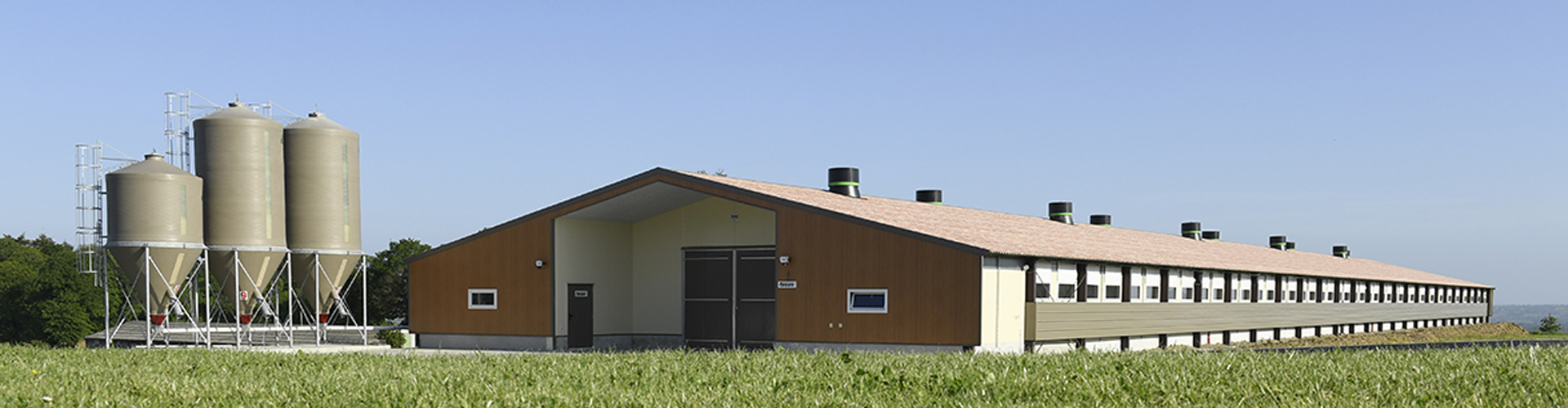
Ethiopia Branch Office And Factory Of Poultry Farm Equipment
Overview Of Poultry Cage Systems In Ethiopia
Cage systems for layer flocks standardize management and improve bird health when correctly designed.
Ethiopian egg producers commonly use either manual systems, where feed, water, and egg collection are performed by hand, or
automatic systems that deliver feed and water mechanically and collect eggs through conveyors.
Each system has distinct cost profiles that must be understood within Ethiopia's economic environment.
Chicken cage Ethiopia designs influence productivity and operational efficiency for both small and large-scale farms.
Infrastructure Investment: Initial Cost Comparison
Data is for reference only. Swipe horizontally to view full table.
Below is a cost comparison for setting up manual versus automatic chicken cages in Ethiopia.
Costs reflect local suppliers and imported components.
Local suppliers in Addis Ababa and Bishoftu provide materials at variable prices depending on distance and transportation conditions.
Automatic systems require higher initial investment but improve long-term efficiency.
Labor Requirements And Wage Costs In Ethiopia
Data is for reference only. Swipe horizontally to view full table.
Labor input significantly affects operational costs. Ethiopian producers often hire local workers or use family labor.
Manual systems require more routine labor, which can strain small flocks during peak seasons.
Automatic systems reduce routine tasks but require skilled operators.
Feed Conversion And Consumption Metrics
Data is for reference only. Swipe horizontally to view full table.
Feed cost dominates recurring expenses. Cage design impacts bird behavior and feed conversion efficiency.
Automatic systems encourage uniform feed access, improving efficiency and reducing mortality.
Layer poultry system optimization is essential for profitability in Ethiopia.
Egg Production Output And Revenue
Data is for reference only. Swipe horizontally to view full table.
Egg output affects revenue. Ethiopian producers sell to local markets, cooperatives, and hotels.
Automatic systems reduce egg damage, improve consistency, and support higher revenue over time.
Utilities And Maintenance Expenses
Data is for reference only. Swipe horizontally to view full table.
Overhead costs, including electricity, maintenance, and water, are key factors in Ethiopia.
Automatic systems incur higher utility costs but reduce labor requirements and improve overall efficiency.
Training And Skill Requirements
Investing in local training programs strengthens long-term sustainability in Ethiopian poultry production.
Local Climate And Disease Risk Management
Automatic systems with environmental controls reduce stress and mortality, particularly during Ethiopia's dry season with high temperature fluctuations.
Break-Even Analysis For Ethiopian Producers
Data is for reference only. Swipe horizontally to view full table.
Understanding payback timelines helps producers choose the appropriate system.
Automatic systems may recover investment faster under stable market conditions.
Financial Support And Micro-Financing Options
Data is for reference only. Swipe horizontally to view full table.
Access to capital influences adoption of advanced systems in Ethiopia.
Phased adoption reduces financial risk while allowing system upgrades.
Pain Points For Ethiopian Producers
Inconsistent power supply affects automatic systems.
Feed price volatility impacts layer poultry operations.
Limited technical support in rural areas restricts operational efficiency.
Seasonal disease outbreaks can reduce productivity unless mitigated.
Solutions And Recommendations
Hybrid Approach: Begin with manual cages and upgrade to automatic gradually.
Renewable Energy Integration: Solar panels with batteries can power feeders and lighting.
Cooperative Resource Sharing: Reduce per-unit costs by sharing mechanics, electricians, and bulk feed.
Skill Development Programs: Partner with local colleges for hands-on poultry training.
Lean Record Keeping: Simple records help monitor feed, mortality, and egg production efficiently.
Strategic planning ensures cost-effective and sustainable Ethiopian egg production.
Frequently Asked Questions
Q1: Is a chicken cage system suitable for small farms in Ethiopia?
A1: Yes, manual chicken cages are ideal for small farms with limited capital.
Start small and expand gradually to automatic systems as revenue grows.
Q2: How can automatic chicken cages handle power issues in Ethiopia?
A2: Integrating solar panels and backup batteries ensures continuous operation even with irregular national grid supply.
Q3: Are automatic systems cost-effective in Ethiopian rural areas?
A3: They reduce labor and improve feed efficiency.
Cooperatives and financing options help offset higher initial investment.
Ethiopia Best Hebei Machinery Manufacturing Plc - One Of Ethiopia Largest Chicken Cage Manufacturer
HB BEST provides global factory direct sales for poultry farm equipment.
Their poultry cage designs support efficient egg production in Ethiopian conditions.
Turn-key projects include installation, training, and after-sales support.
The company ensures long-term durability with high-quality steel and local fabrication options.
HB BEST offers tailored solutions for both smallholder and commercial layer poultry systems.
Contact Us To Received Your Customized Poultry Farm Plan
Headquarters And Branchs

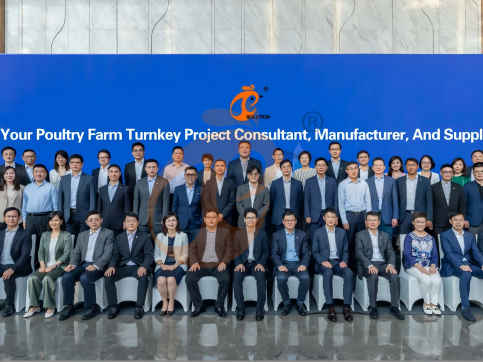
Hong Kong Headquarter Management Team
Hong Kong Headquarter Taiyu Industrial Group CO., LTD
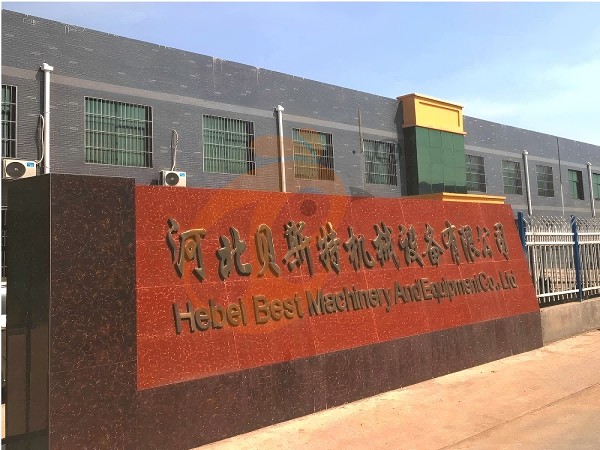
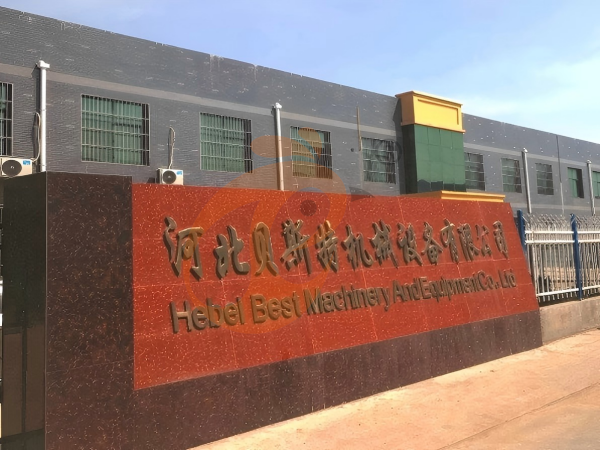
China Hebei Best Machinery And Equipment CO., LTD
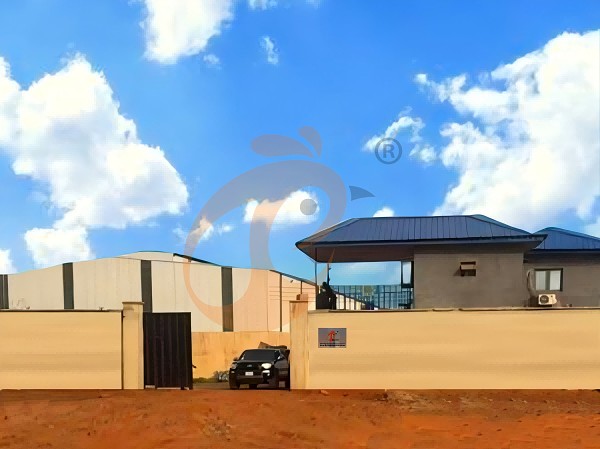
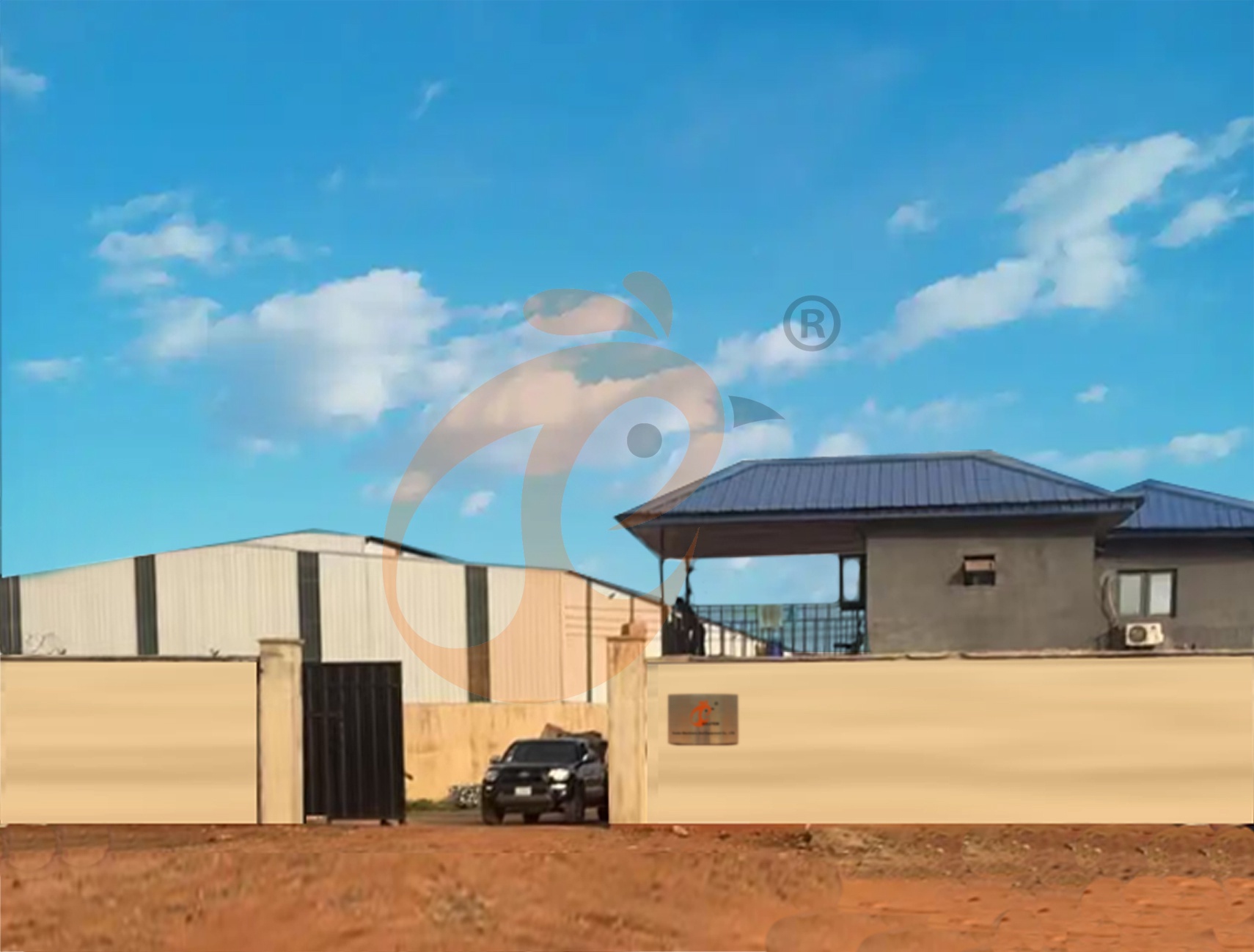
Nigeria Vanke Machinery And Equipment CO., LTD
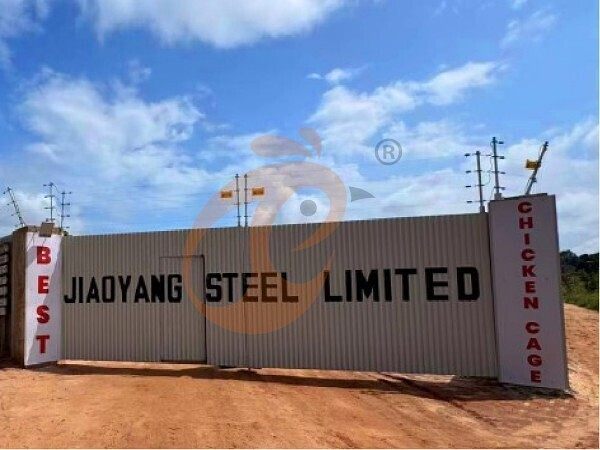
Tanzania Best Machinery And Equipment CO., LTD
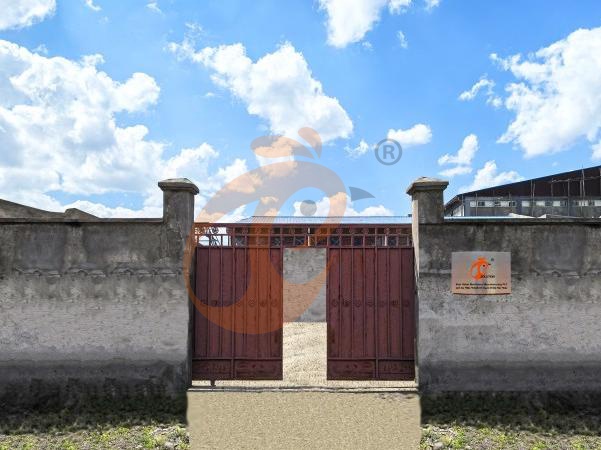
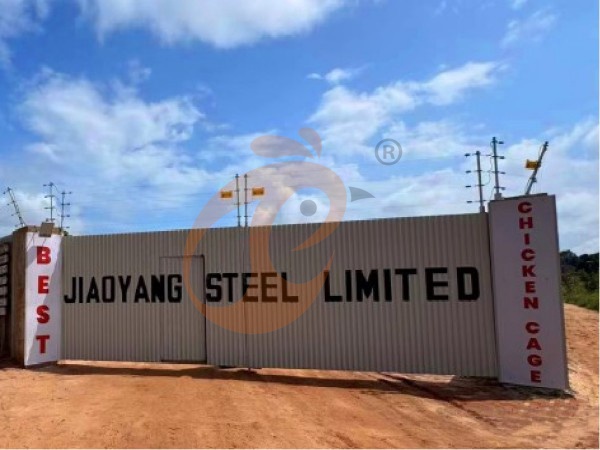
Ethiopia Best Hebei Machinery Manufacturing PLC

Reception /24 WhatsApp NO. : +8618830120193
FAQ
What Are The Professional Strategies For Optimizing Feed Conversion In Layer Cage Farms?
Zoned feeding reduces competition and waste; FCR maintained at 1.9–2.1.
Combined with lighting and temperature/humidity management, egg production can reach 90–98%.
How To Buy The Top Chicken Cage Supplier For Maximum Farm Efficiency?
Check steel quality, anti-corrosion coating, and durability of egg systems.
Price reference: $10–$18 per bird, ROI payback 24–36 months.
What Are The Ultimate Guidelines For Reducing Stress In Poultry Cage Farms?
Ensure good ventilation, temperature 18–25℃, lighting 16h/day.
Automatic feeding and drinking systems ensure birds access feed and water, reducing stress-induced egg drop.
- poultry farm
- chicken cage
- automatic chicken cage
- poultry cage
- cage
- poultry farm equipment
- poultry farm construction
- poultry cage design
- poultry cage system
- chicken cage manufacturer
- chicken cage system
- poultry cage system cost
- chicken cage Ethiopia
- egg collection equipment
- chicken cages
- a chicken cage
- chickencage
- bestchickencage
- automatic chicken cage system
- cage system
- cage systems
- automatic cage
- poultry cage designs
- Nigeria
- poultry cage systems
- cage design
- cage manufacturer
- poultry farm plan
- automatic chicken cages
- Ethiopia
Message
Products recommended
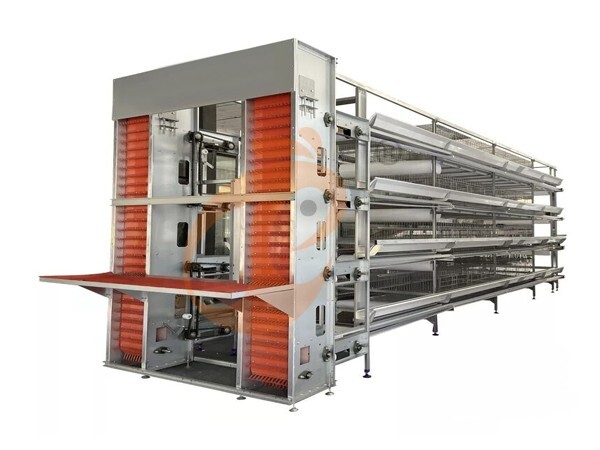
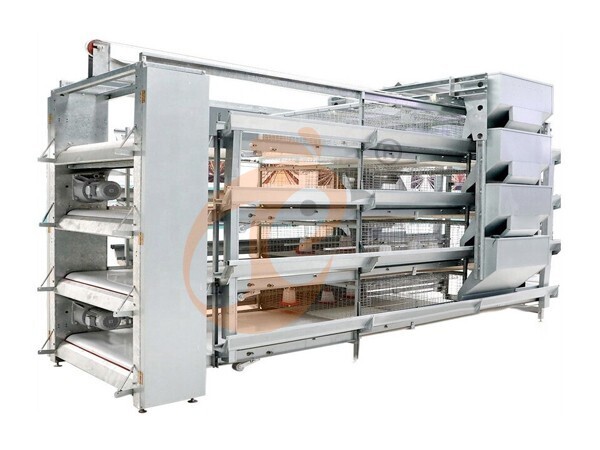
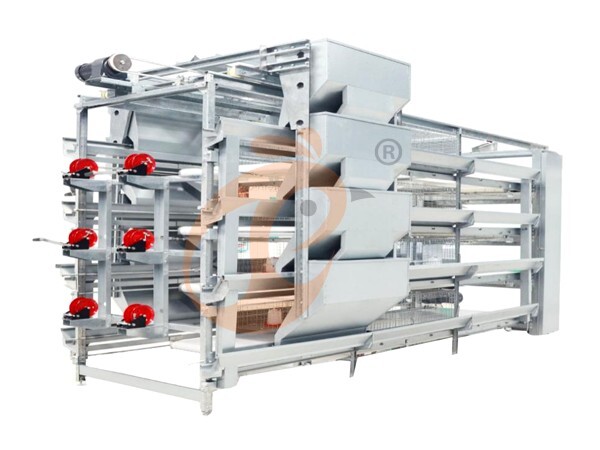
 >30,000 Pullets Automatic H Type Battery Cage1. More than 30,000 pullets a house, choose it.
2. It is designed to rearing older than 1 day old pullets to 12 to 16 weeks old chicken starting laying eggs.
3. Its lifespan is more than 25 years.
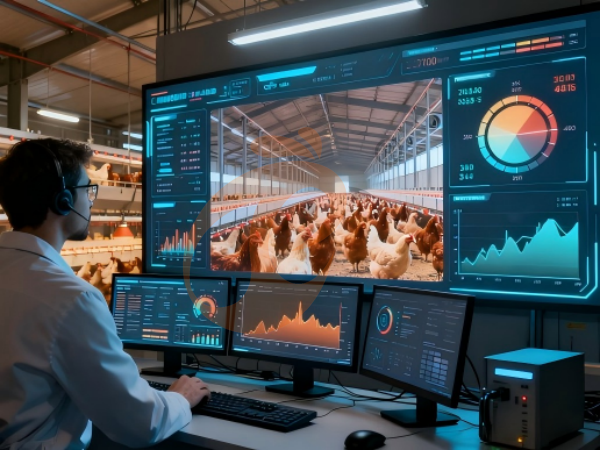
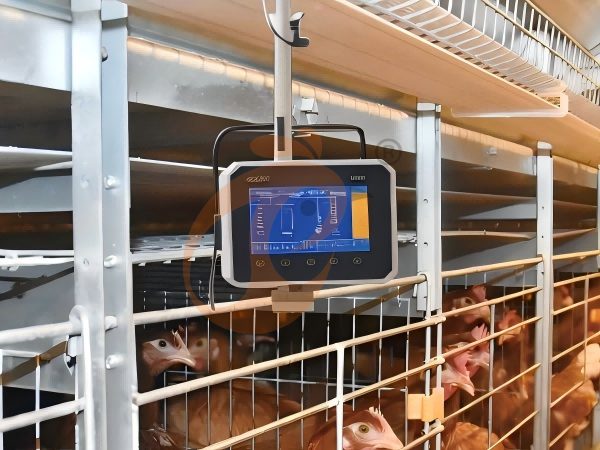
4. Its structure are Vcloud artificial intelligent fusion, electric control cabinet, automatic equipment of drinking, feeding, manure clean, manual harvesting.
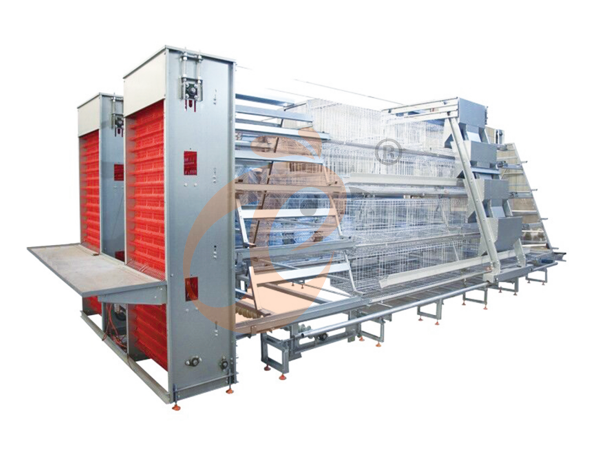
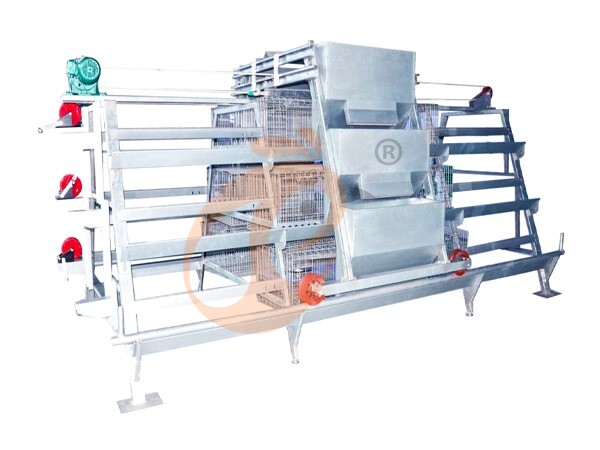
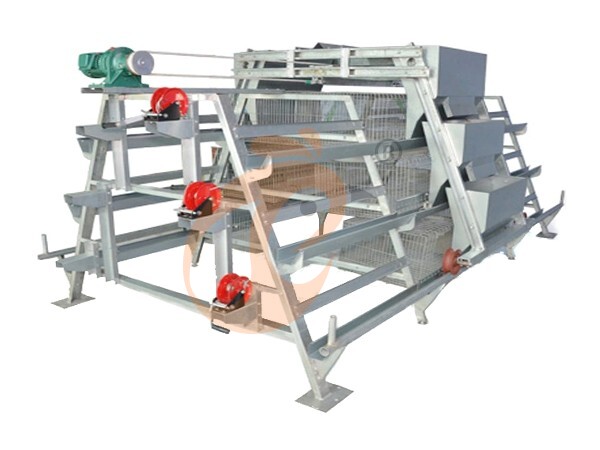
5. Our 24 hour online reception What’sApp NO. is +8618830120193 <30,000 Pullets Automatic A Type Battery Cage1. 10,000 to 30,000 pullets a house, choose it.
2. It is designed to rearing older than 1 day old pullets to 12 to 16 weeks old chicken starting laying eggs.
3. Its lifespan is more than 25 years.
4. Its structure are Vcloud artificial intelligent fusion, electric control cabinet, automatic equipment of drinking, feeding, manure clean, manual harvesting.
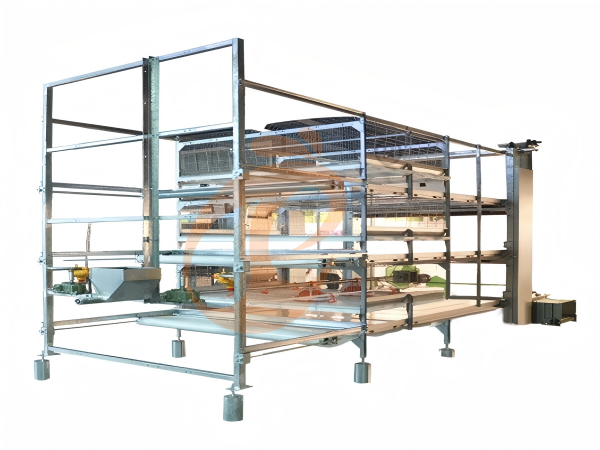
5. Our 24 hour online reception What’sApp NO. is +86 18830120193. >30,000 Broilers Semi-Automatic Harvest H Type Battery Cage1. More than 30,000 broilers a house, choose it.
2. It is designed to rearing 1 to 45 day old adult broiler ready for market.
3. Its lifespan is more than 20 years.
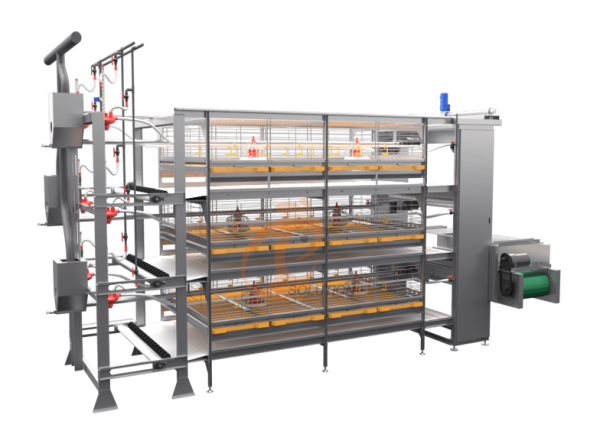
4. Our 24 hour online reception What’sApp NO. is +8618830120193, +234 8111199996. >30,000 Broilers Manual Harvest H Type Battery Cage1. More than 30,000 broilers a house, choose it.
2. It is designed to rearing 1 to 45 day old adult broiler ready for market.
3. Its lifespan is more than 20 years.
4. Its structure are Vcloud artificial intelligent fusion, electric control cabinet, automatic equipment of drinking, feeding and manure clean, manual harvesting.
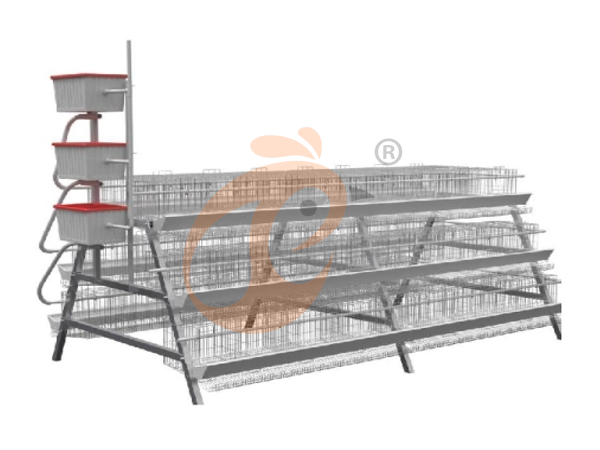
5. Our 24 hour online reception What’sApp NO. is +8618830120193, +234 8111199996. <30,000 Broilers Manual Harvest A Type Battery Cage1. Less 30,000 broilers a house, choose it.
2. It is designed to rearing 1 to 45 day old adult broiler ready for market.
3. Its lifespan is more than 20 years.
4. Its structure are Vcloud artificial intelligent fusion, electric control cabinet, automatic equipment of drinking, feeding and manure clean, manual harvesting.
5. Our 24 hour online reception What’sApp NO. is +8618830120193, +234 8111199996. HK Headquarter Offers EU-standard Poultry Farm Solutions, Manufacture Poultry Farm Equipment1. Continuous communication with the EU and the US
2. China, Nigeria, Ethiopia, Tanzania branch companies and factories
3. The products’ quality is customized for local poultry farms
4. Poultry cage and poultry farm equipment stock for sale
5. 24 online reception Whatsapp NO. : +8618830120193,contact us to get full information China Branch Offer Poultry Farm Business Plan, Manufacture Poultry Farm Equipment1. Address: Flat/RM 2416, 24/F, Runxing Building, Youyi Nan Street, Shijiazhuang City, Hebei Province, China
2. Poultry cage and poultry farm equipment factory and stock for sale
3. Customized for local poultry farms
4. Quality and design are based on Euro
5. 24 online reception Whatsapp NO. : +8618830120193 Nigeria Branch Offer Poultry Farm Business Plan, Manufacture Poultry Farm Equipment1. Address: After Sinoma Office, 200 Meters Near Danco Filling Station, Lagos/Ibadan Expressway, Lagos State, Nigeria
2. Poultry cage and poultry farm equipment factory and stock for sale
3. Customized for Nigerian poultry farms
4. Quality and design are based on Euro
5. 24 online reception Whatsapp NO. : +8618830120193 Ethiopia Branch Offer Poultry Farm Business Plan, Manufacture Poultry Farm Equipment1. Address: WR93+FQ2, Addis Ababa, Ethiopia
2. Poultry cage and poultry farm equipment stock for sale
3. Customized for Ethiopian poultry farms
4. Quality and design are based on Euro
5. 24 online reception Whatsapp NO. : +8618830120193, contact us to get price list Tanzania Branch Offer Poultry Farm Business Plan, Manufacture Poultry Farm Equipment1. Address: No.8, Sova Road, Msufini, Mlandizi, Kibaha, Pwani, Tanzania
2. Poultry cage and poultry farm equipment factory and stock for sale
3. Customized for Tanzanian poultry farms
4. Quality and design are based on Euro
5. 24 online reception Whatsapp NO. : +8618830120193


Contact
By clicking 'Allow All', you agree to the storage of cookies on your device to enhance site navigation, analyze site usage and assist with our marketing efforts.