


Blog
This article explores Ethiopian H type chicken cage systems and their unique advantages for local egg production.
We discuss feed efficiency and reduced wastage benefits for Ethiopian poultry farmers.
Environmental control and ventilation strategies are analyzed to maintain healthier flocks.
The article highlights labor optimization and operational cost savings in Ethiopian poultry farms.
Insights into egg collection, disease management, and manure handling are provided.
Get professional poultry farm construction guidance, equipment selection solutions, and the latest price lists, whatsApp to +8618830120193, click to learn more:

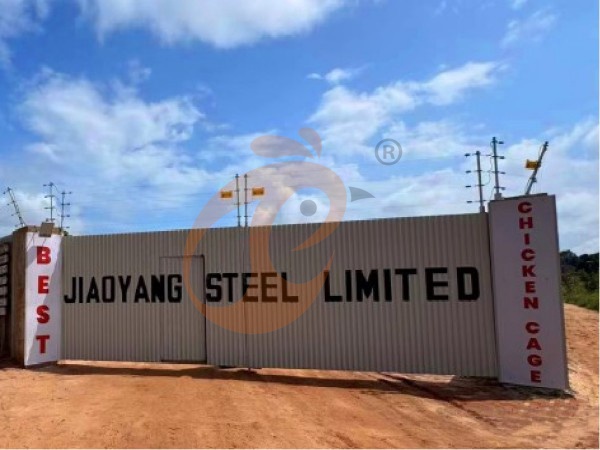
Ethiopia Branch Office And Factory Of Poultry Farm Equipment
Egg Production Challenges In Ethiopia
Egg production plays a critical role in Ethiopia's agricultural economy, contributing to food security, income generation, and rural livelihoods.
Yet, traditional poultry housing systems struggle to meet the demands of efficiency, disease control, and welfare necessary for scaling up egg output.
Ethiopian farmers often experience losses from disease spread, feed wastage, and poor egg quality due to outdated housing designs.
In response, many progressive farmers and cooperatives are transitioning to H type chicken cage systems specifically tailored for egg-laying hens.
Explores why H type systems are proving more suitable than traditional designs in the Ethiopian context, addressing local constraints such as climate variability, resource limitations, and labor availability.
Structural Efficiency And Farm Layout Optimization
One of the compelling advantages of H type cage systems is their ability to maximize space utilization while simplifying daily management tasks.
Traditional floor-based or simple stacked cage designs often result in wasted space and complex movement for workers.
Data is for reference only.Swipe horizontally to view full table.
In Ethiopia, where farm expansion must often be incremental due to resource constraints, the modular nature of H type systems allows
cooperatives and smallholder groups to add cage units as capital becomes available.
This adaptability contrasts traditional designs, which often require full-scale renovation to accommodate growth.
Environmental Control And Heat Stress Management
Ethiopia's variable climate—ranging from the hot lowlands of Afar to the temperate highlands around Oromia—places unique stressors on poultry.
Chickens in poorly ventilated spaces are vulnerable to heat stress, leading to decreased egg production.
Data is for reference only.Swipe horizontally to view full table.
The key benefit for Ethiopian farms is that H type cages facilitate predictable ventilation patterns, increasing air distribution without expensive climate control machinery.
This contributes to healthier flocks, especially in areas without reliable electricity for mechanical fans.
Feed Efficiency And Reduction Of Wastage
Feed represents one of the largest variable costs in egg production.
Traditional floor systems often suffer from significant feed spillage and contamination.
Data is for reference only.Swipe horizontally to view full table.
In Ethiopian rural areas where feed ingredients may be scarce or expensive, reducing waste translates directly into improved profitability.
By streamlining feed distribution and minimizing spillage, H type systems support more birds per unit of feed, a significant advantage
when feed supply is inconsistent.
Flock Health Monitoring And Disease Control
Controlling disease spread in a flock is a daily priority.
Traditional floor-based housing or loosely organized cages make it difficult to isolate affected birds, increasing the risk of rapid transmission.
Data is for reference only.Swipe horizontally to view full table.
For Ethiopian farmers facing endemic poultry diseases (e.g., Newcastle disease, fowl pox), the ability to detect symptoms early and isolate birds quickly can reduce mortality and preserve production.
The H type design aids in regular health checks by placing birds in predictable positions, improving proactive management.
Egg Collection And Quality Enhancement
Egg collection efficiency is another area where cage design impacts performance.
Traditional housing often depends on manual searching and collection, leading to delays and increased egg breakage.
Data is for reference only.Swipe horizontally to view full table.
Clean eggs are key to fetching better market prices in urban Ethiopian marketplaces such as Addis Ababa and Dire Dawa.
By reducing handling and protecting eggs from floor debris, H type design directly contributes to better quality and greater economic return.
Labor Efficiency And Cost Savings
Labor availability and cost vary widely across Ethiopian regions.
In many rural communities, managing large flocks with limited workforce is challenging.
Data is for reference only.Swipe horizontally to view full table.
For local cooperatives that rely on family labor or shared workforce, this reduction in labor burden can mean a reallocation of efforts toward other productive activities, such as egg marketing or feed planning.
Manure Management And Environmental Impact
Environmental conditions in many Ethiopian highland valleys require careful manure and waste handling.
Traditional systems often result in manure accumulation with minimal control, creating sanitation issues.
Data is for reference only.Swipe horizontally to view full table.
Better manure collection benefits both farm hygiene and local communities.
In peri-urban agriculture areas, reduced odor and runoff contribute to improved neighbor relations and decreased environmental complaints.
Cost-Benefit Analysis For Ethiopian Farmers
Although H type systems may require initial investment, the long-term financial benefits are significant.
The following table estimates returns over a standard laying cycle (Ethiopian Birr, European union standard reference only).
Data is for reference only.Swipe horizontally to view full table.
For Ethiopian small-to-medium enterprises, this return timeline aligns with typical farming cycles and capital availability, making H type adoption feasible and beneficial.
Barriers To Adoption And Practical Solutions
Despite clear advantages, barriers such as upfront cost, lack of technical know-how, and supply chain limitations persist in Ethiopia.
Local manufacturers are not always readily available, and imported systems can be costly due to tariffs and transportation.
To address these obstacles, collaborative solutions are emerging
Cooperative Purchasing Programs: Groups of farmers pool resources to purchase H type systems in bulk, lowering unit cost.
Local Fabrication Training: Workshops in Addis Ababa and Bahir Dar train artisans to produce components locally.
Microcredit And Agri-Finance Models: Partnerships with rural banks provide financing options tailored for poultry housing investment.
Each solution helps distribute cost and build local capacity, strengthening the resilience of Ethiopia's egg production sector.
Ethiopia Best Hebei Machinery Manufacturing Plc - One Of Ethiopia Biggest Efficient Chicken Cage Manufacturer
HB BEST provides global factory direct sales, ensuring competitive prices and reliable equipment supply.
The company specializes in poultry farm equipment, including chicken cage systems suitable for Ethiopian farms.
They offer complete turn-key engineering solutions, covering farm layout, installation, and training services.
HB BEST's poultry cage systems improve feed efficiency, egg production, and flock health management.
Their technical support ensures local farmers achieve higher productivity with minimal labor investment.
Contact Us To Received Your Customized Poultry Farm Plan
Headquarters And Branchs

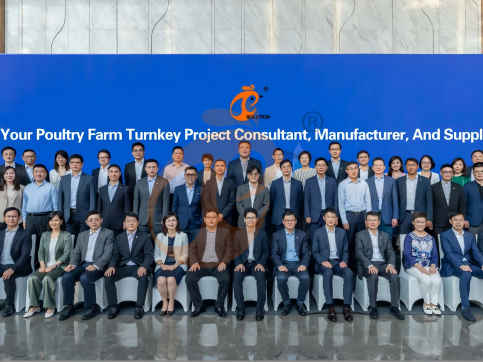
Hong Kong Headquarter Management Team
Hong Kong Headquarter Taiyu Industrial Group CO., LTD
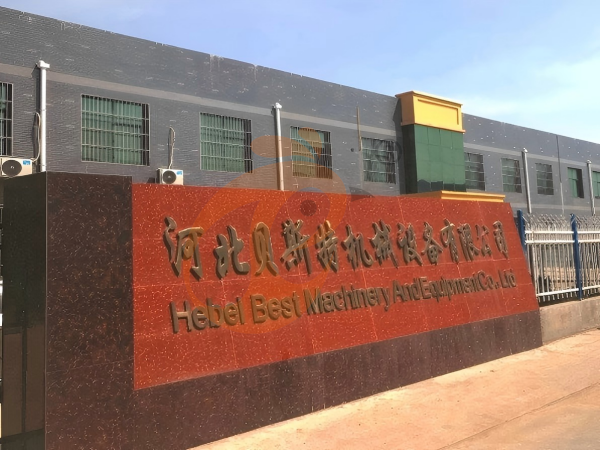
China Hebei Best Machinery And Equipment CO., LTD
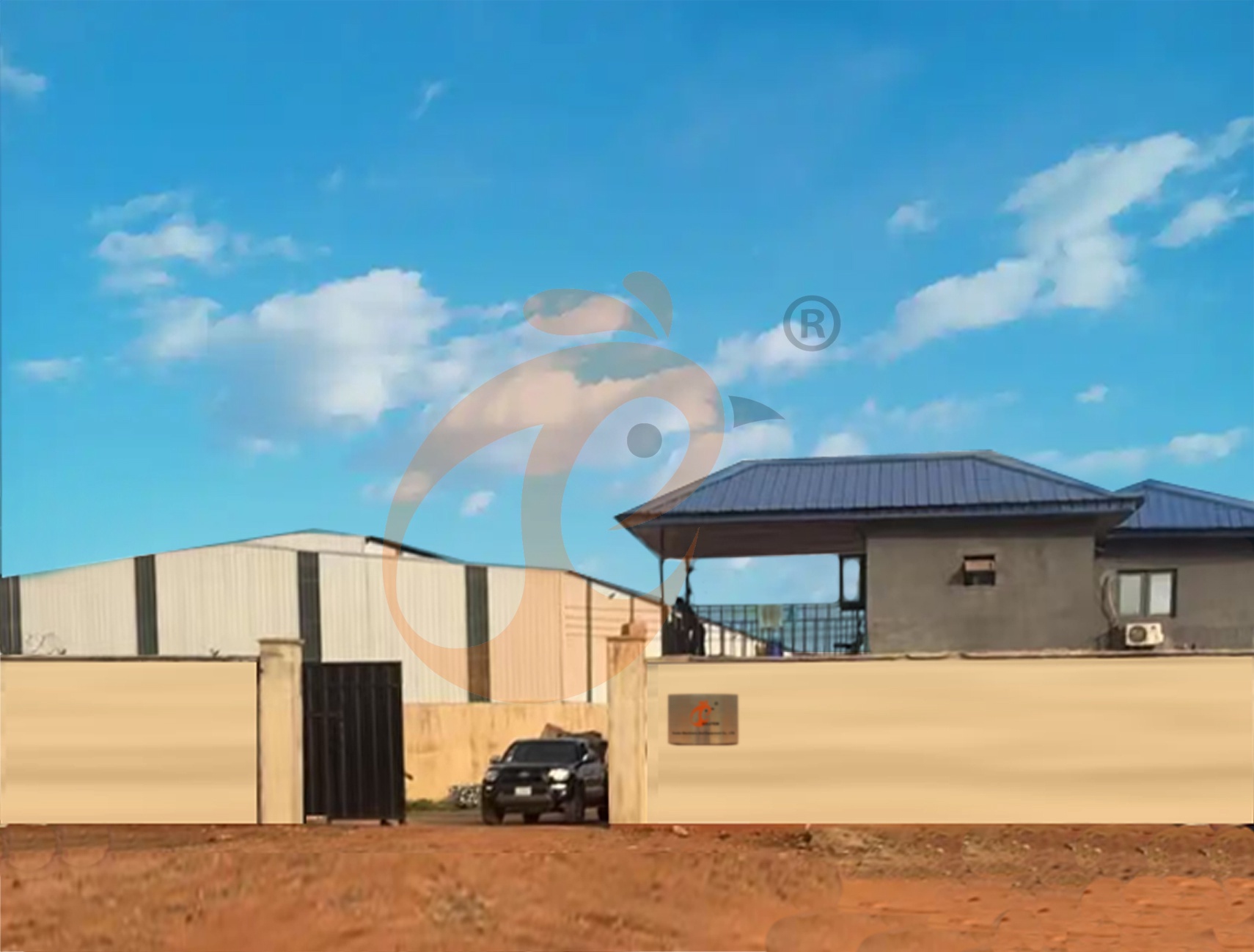
Nigeria Vanke Machinery And Equipment CO., LTD
Tanzania Best Machinery And Equipment CO., LTD
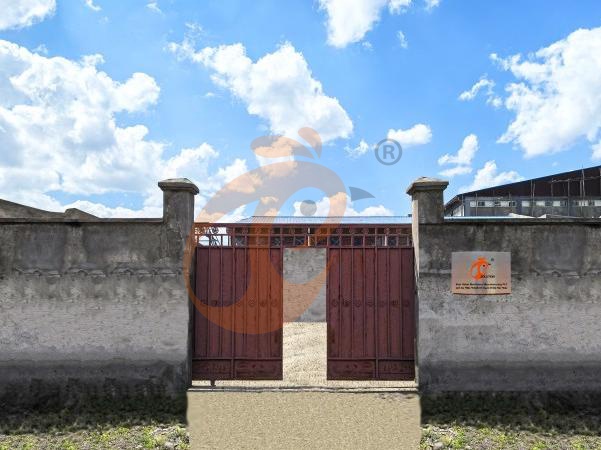
Ethiopia Best Hebei Machinery Manufacturing PLC




Reception /24 WhatsApp NO. : +8618830120193
FAQ
How To Reduce Feed Conversion Ratio In H-Type Poultry Cage System?
Drinking system optimizes water consumption
FCR reduced to 1.9–2.1
Feed waste reduced by 10–15%
Labor savings: 70-90%
How To Buy The Most Efficient H-Type Layer Cage System For Commercial Farms?
Egg production rate: 90-98%
Daily egg yield: 900–980 eggs/1,000 birds
FCR: 1.9–2.1
Price: $10–$18 per bird
Lifespan: 25+ years
Labor savings: 70-90%
What Are The Optimal Dimensions Of H-Type Chicken Cage For Maximum Egg Production?
Cage depth: 625 mm
Cage height: 450 mm
Birds per cage: 100–120 birds
Farm capacity per house: 30,000 - 100,000+ layers
Multi-tier layout saves floor space and increases space utilization
- poultry farmers
- poultry farm
- chicken cage
- poultry farms
- poultry farmer
- poultry cage
- cage
- galvanized cage
- poultry farm equipment
- poultry farm construction
- poultry cage system
- chicken cage manufacturer
- chicken cage system
- poultry housing system
- chicken cages
- h type chicken cage
- chickencage
- h type cage
- bestchickencage
- cage system
- cage layer
- h type
- cage systems
- h type cages
- Nigeria
- poultry farming
- poultry cage systems
- poultry housing systems
- cage design
- cage manufacturer
- poultry farm plan
- poultry farming solutions
Message
Products recommended
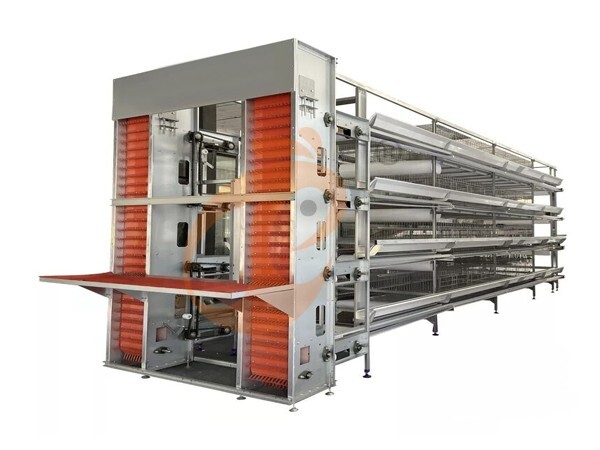
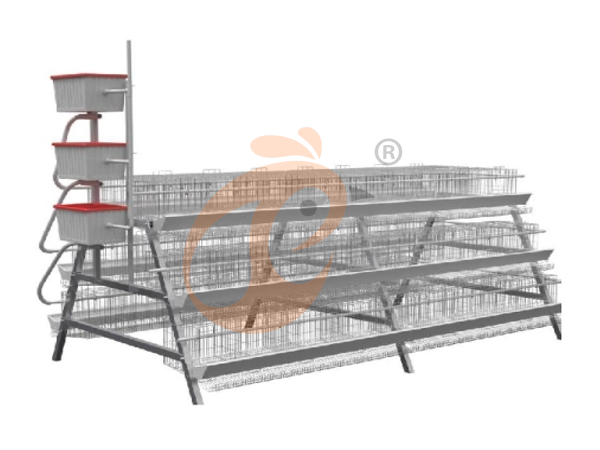
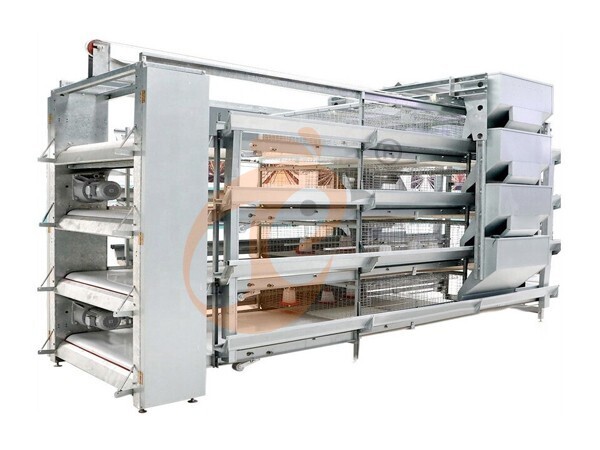
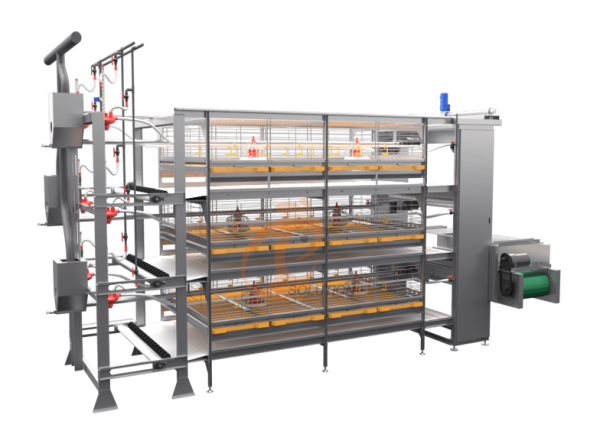
 >30,000 Pullets Automatic H Type Battery Cage1. More than 30,000 pullets a house, choose it.
2. It is designed to rearing older than 1 day old pullets to 12 to 16 weeks old chicken starting laying eggs.
3. Its lifespan is more than 25 years.
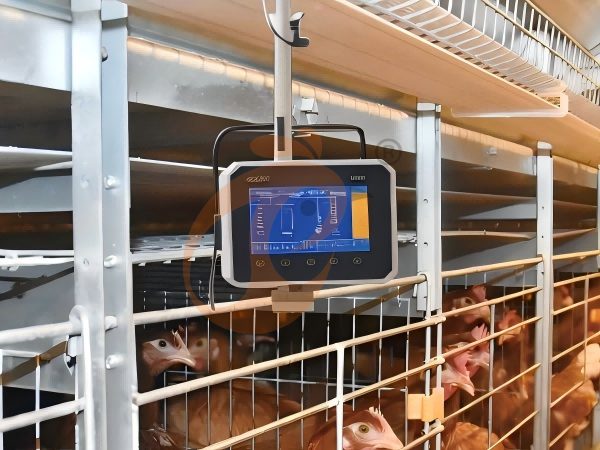
4. Its structure are Vcloud artificial intelligent fusion, electric control cabinet, automatic equipment of drinking, feeding, manure clean, manual harvesting.
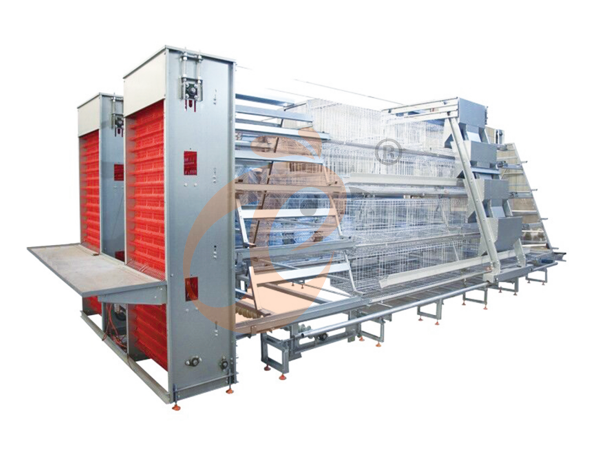
5. Our 24 hour online reception What’sApp NO. is +8618830120193 <30,000 Pullets Automatic A Type Battery Cage1. 10,000 to 30,000 pullets a house, choose it.
2. It is designed to rearing older than 1 day old pullets to 12 to 16 weeks old chicken starting laying eggs.
3. Its lifespan is more than 25 years.
4. Its structure are Vcloud artificial intelligent fusion, electric control cabinet, automatic equipment of drinking, feeding, manure clean, manual harvesting.
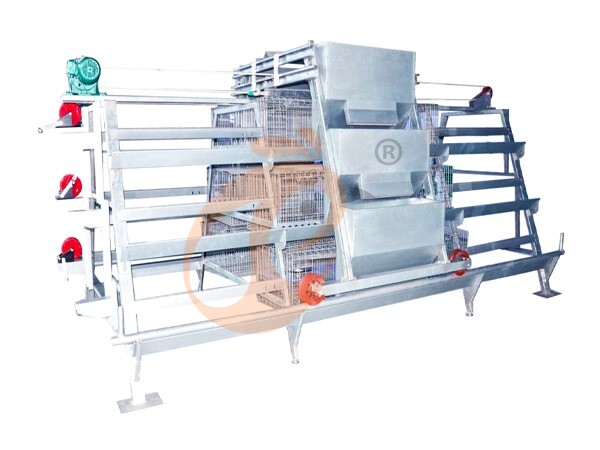
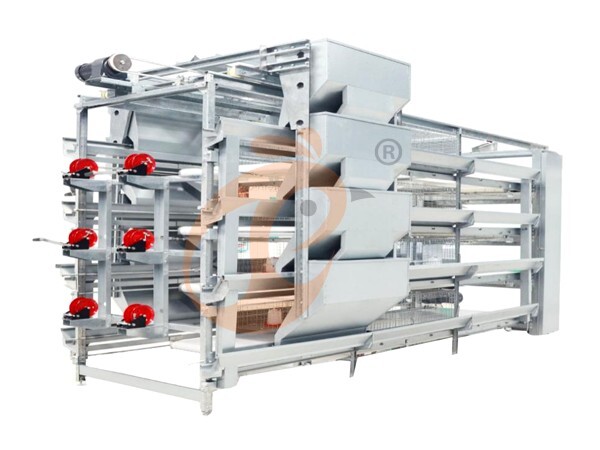
5. Our 24 hour online reception What’sApp NO. is +86 18830120193. >30,000 Broilers Semi-Automatic Harvest H Type Battery Cage1. More than 30,000 broilers a house, choose it.
2. It is designed to rearing 1 to 45 day old adult broiler ready for market.
3. Its lifespan is more than 20 years.
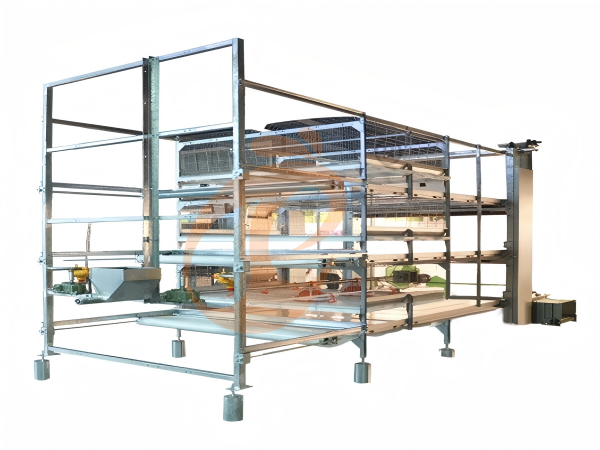
4. Our 24 hour online reception What’sApp NO. is +8618830120193, +234 8111199996. >30,000 Broilers Manual Harvest H Type Battery Cage1. More than 30,000 broilers a house, choose it.
2. It is designed to rearing 1 to 45 day old adult broiler ready for market.
3. Its lifespan is more than 20 years.
4. Its structure are Vcloud artificial intelligent fusion, electric control cabinet, automatic equipment of drinking, feeding and manure clean, manual harvesting.
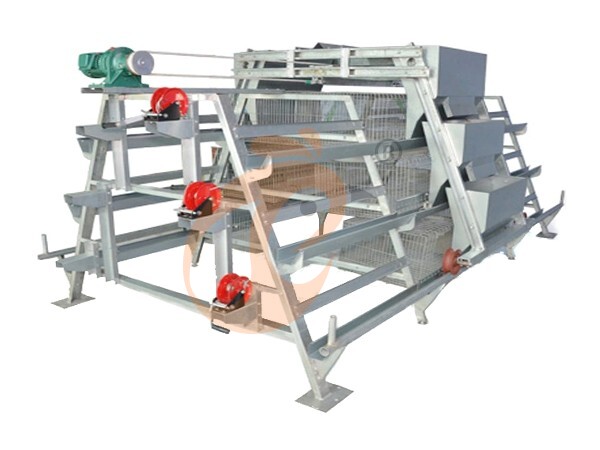
5. Our 24 hour online reception What’sApp NO. is +8618830120193, +234 8111199996. <30,000 Broilers Manual Harvest A Type Battery Cage1. Less 30,000 broilers a house, choose it.
2. It is designed to rearing 1 to 45 day old adult broiler ready for market.
3. Its lifespan is more than 20 years.
4. Its structure are Vcloud artificial intelligent fusion, electric control cabinet, automatic equipment of drinking, feeding and manure clean, manual harvesting.
5. Our 24 hour online reception What’sApp NO. is +8618830120193, +234 8111199996. HK Headquarter Offers EU-standard Poultry Farm Solutions, Manufacture Poultry Farm Equipment1. Continuous communication with the EU and the US
2. China, Nigeria, Ethiopia, Tanzania branch companies and factories
3. The products’ quality is customized for local poultry farms
4. Poultry cage and poultry farm equipment stock for sale
5. 24 online reception Whatsapp NO. : +8618830120193,contact us to get full information China Branch Offer Poultry Farm Business Plan, Manufacture Poultry Farm Equipment1. Address: Flat/RM 2416, 24/F, Runxing Building, Youyi Nan Street, Shijiazhuang City, Hebei Province, China
2. Poultry cage and poultry farm equipment factory and stock for sale
3. Customized for local poultry farms
4. Quality and design are based on Euro
5. 24 online reception Whatsapp NO. : +8618830120193 Nigeria Branch Offer Poultry Farm Business Plan, Manufacture Poultry Farm Equipment1. Address: After Sinoma Office, 200 Meters Near Danco Filling Station, Lagos/Ibadan Expressway, Lagos State, Nigeria
2. Poultry cage and poultry farm equipment factory and stock for sale
3. Customized for Nigerian poultry farms
4. Quality and design are based on Euro
5. 24 online reception Whatsapp NO. : +8618830120193 Ethiopia Branch Offer Poultry Farm Business Plan, Manufacture Poultry Farm Equipment1. Address: WR93+FQ2, Addis Ababa, Ethiopia
2. Poultry cage and poultry farm equipment stock for sale
3. Customized for Ethiopian poultry farms
4. Quality and design are based on Euro
5. 24 online reception Whatsapp NO. : +8618830120193, contact us to get price list Tanzania Branch Offer Poultry Farm Business Plan, Manufacture Poultry Farm Equipment1. Address: No.8, Sova Road, Msufini, Mlandizi, Kibaha, Pwani, Tanzania
2. Poultry cage and poultry farm equipment factory and stock for sale
3. Customized for Tanzanian poultry farms
4. Quality and design are based on Euro
5. 24 online reception Whatsapp NO. : +8618830120193



Contact
By clicking 'Allow All', you agree to the storage of cookies on your device to enhance site navigation, analyze site usage and assist with our marketing efforts.