


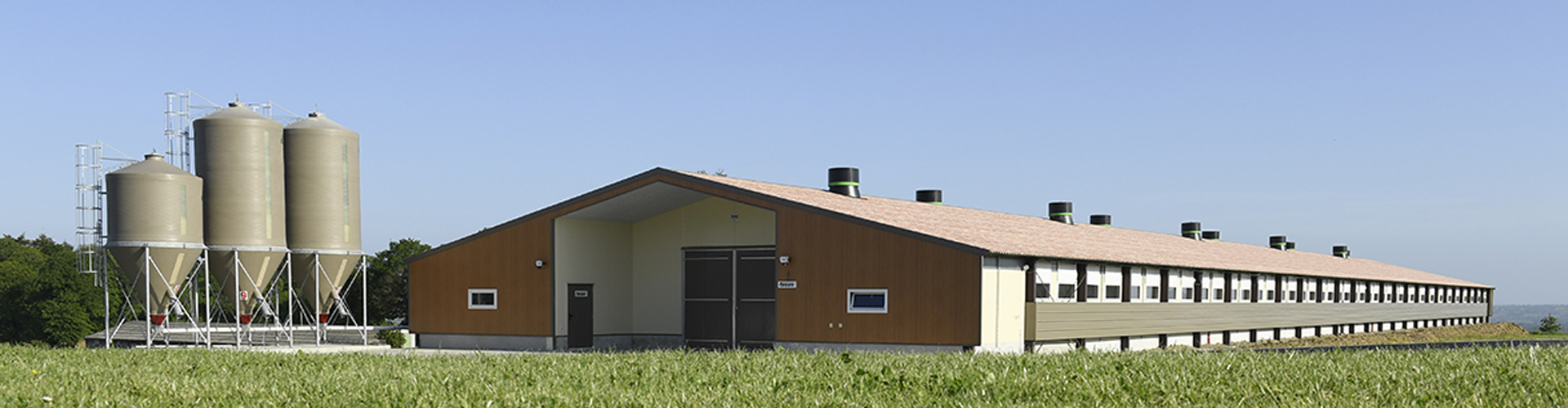
Blog
H type chicken cage Ethiopia systems are transforming poultry farms by improving egg production efficiency through controlled environments, organized feeding, and structured flock management.
Poultry farming plays a major role in rural income generation and urban food supply across Ethiopia.
Modern housing technologies help farmers reduce mortality, improve egg quality, and stabilize production cycles.
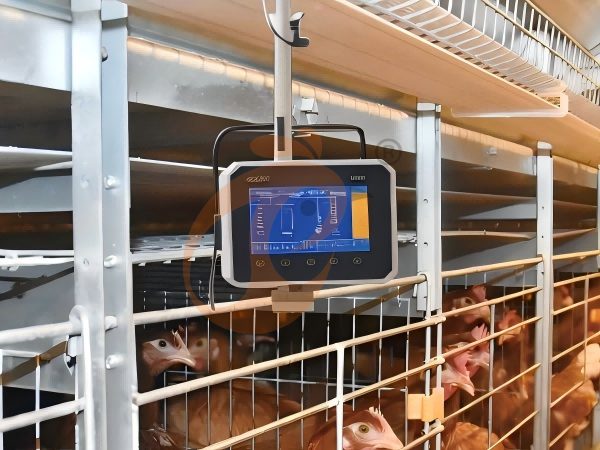
Automated feeding, watering, and manure removal reduce labor intensity and operational complexity.
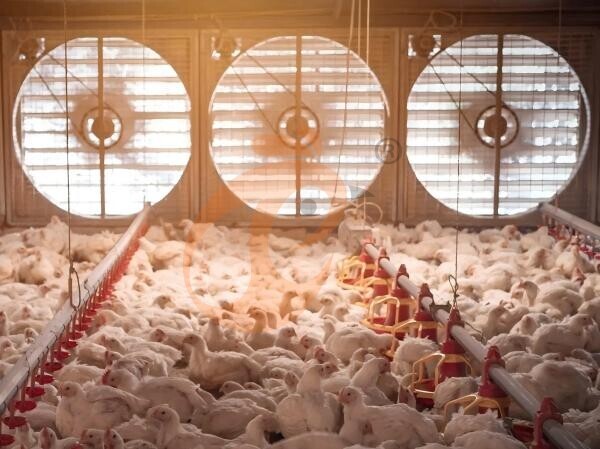
Improved ventilation and hygienic environments help birds maintain better health and productivity levels.
Get professional poultry farm construction guidance, equipment selection solutions, and the latest price lists, whatsApp to +8618830120193, click to learn more:

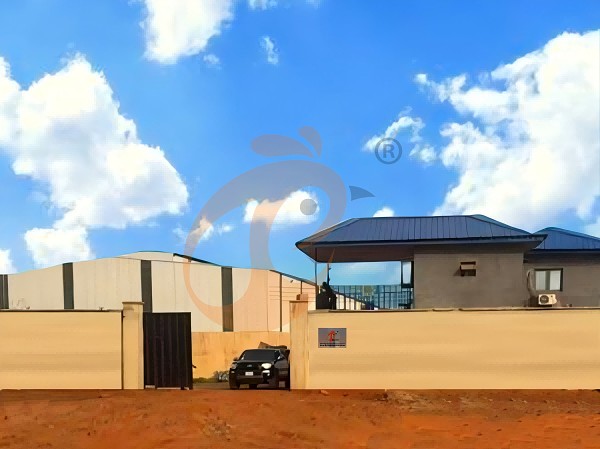
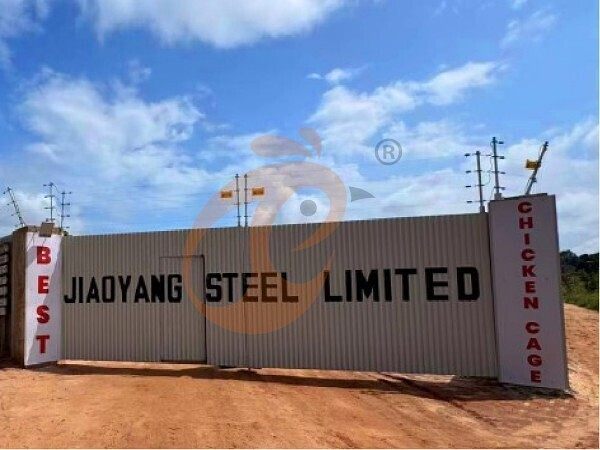
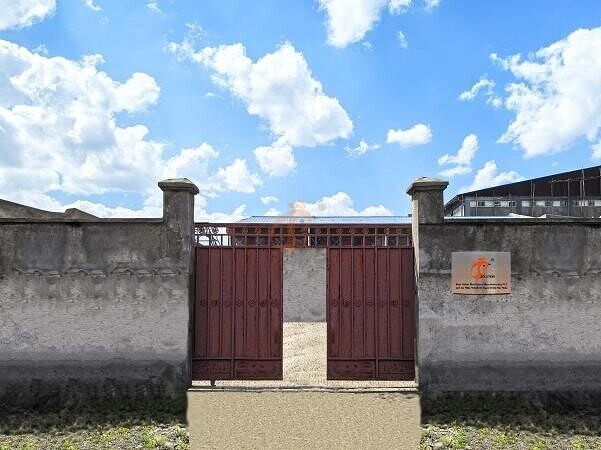
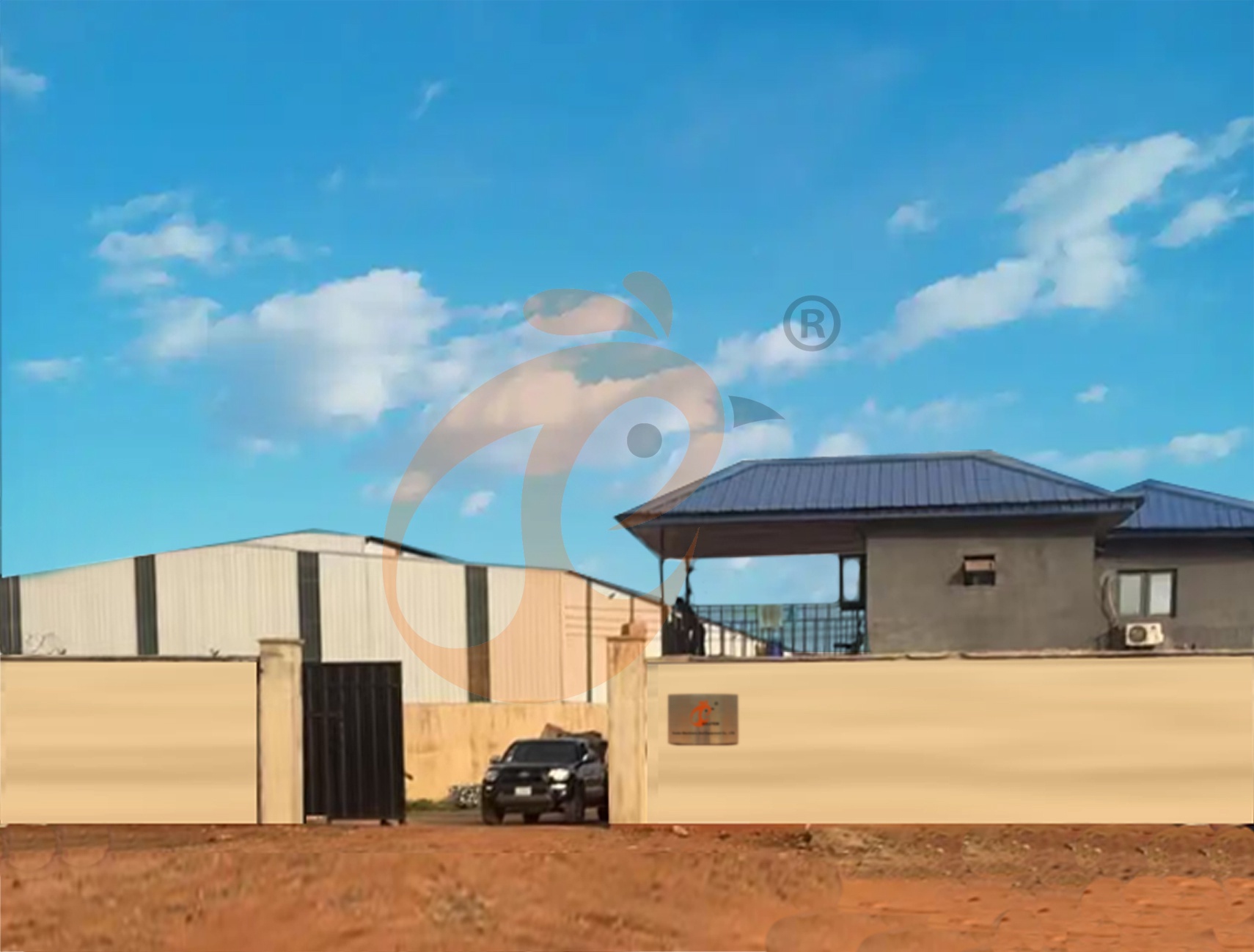
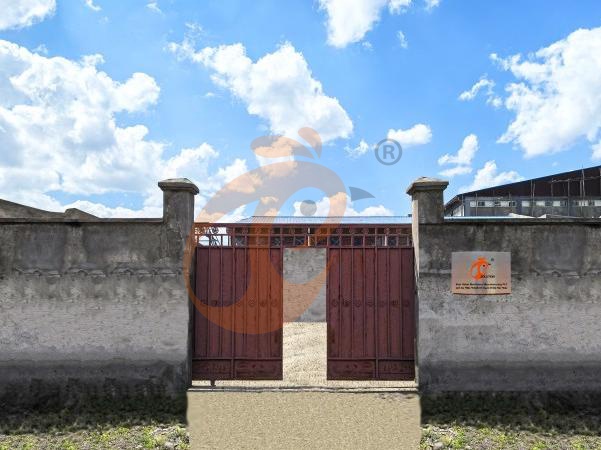
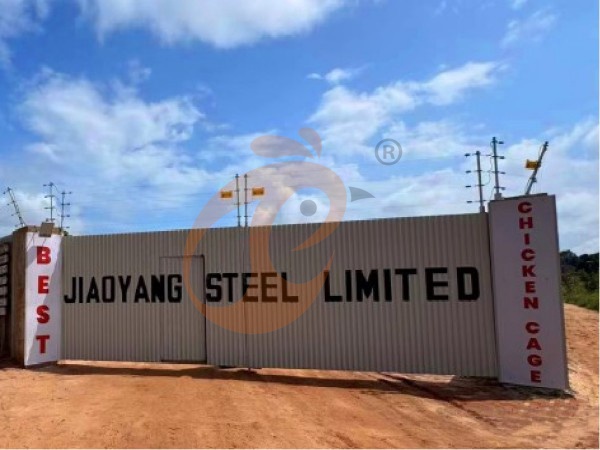
Ethiopia Branch Office And Factory Of Poultry Farm Equipment
The Ethiopian Poultry Landscape
Ethiopia possesses one of the largest chicken populations in Africa, with an estimated 57 million birds nationwide.
Despite this large inventory, egg production remains below national demand.
Approximately 78.85% of chickens are indigenous breeds raised under scavenging systems, where birds search for food freely with minimal management.
In rural areas, where 93.5% of poultry production occurs, many households keep birds without dedicated housing structures.
These conditions expose chickens to predators, disease, and environmental stress, which reduces egg productivity.
Indigenous hens generally produce fewer than 180 eggs per year, while mortality may exceed 15% under traditional conditions.
Diseases such as Newcastle disease are widely reported among farmers as the most common poultry health problem.
Feed shortages, weak veterinary support, and poor housing systems further limit production performance.
To overcome these challenges, commercial and peri-urban farmers are increasingly adopting modern housing technologies such as the layer chicken cage system, especially the H type chicken cage Ethiopia design.
Understanding H Type Chicken Cage Systems
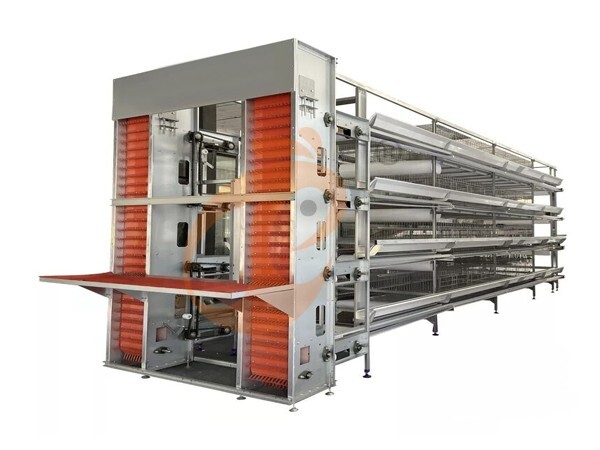
H type chicken cage systems represent a modern design that improves poultry farm efficiency through vertical cage structures and automated management systems.
Compared with floor systems or A-type cages, H-type systems stack multiple cage tiers vertically to maximize space use while allowing automation of feeding, drinking, egg collection, and manure removal.
This design improves space utilization, hygiene management, and operational efficiency.
Data is for reference only. Swipe horizontally to view full table.
The H-frame structure gives the cage system strong mechanical stability and allows installation of automated production equipment used in modern poultry farm equipment Ethiopia projects.
Climatic Adaptability Across Ethiopian Agro Ecologies
Ethiopia has diverse climates ranging from cool highlands to hot lowlands.
Temperature variations affect feed conversion, egg production, and poultry health.
Research conducted in Ethiopian agricultural regions shows that vertical ventilation in H-type cages can reduce heat stress by approximately 22% when temperatures exceed 32 °C.
The vertical airflow allows hot air to rise and escape while cooler air circulates around the birds.
Data is for reference only. Swipe horizontally to view full table.
Farmers in western Oromia midland areas report more stable egg production during seasonal temperature changes when using commercial chicken cage system Ethiopia housing designs.
Egg Production Metrics And Performance Data
The primary goal of layer farms is maximizing egg output while maintaining stable production cycles.
Field data shows significant improvements in egg production after farms install H-type chicken cages.
Data is for reference only. Swipe horizontally to view full table.
In pilot farms in eastern Ethiopia, egg output increased from 170 eggs per hen annually to approximately 230 eggs after introducing H-type housing.
Mortality rates also declined from 15 percent to about 6 percent.
Egg Quality Parameters
Egg quality determines market acceptance and transportation safety.
External characteristics include egg weight, shell thickness, and shape index, while internal characteristics include albumen height, Haugh unit, and yolk color.
Data is for reference only. Swipe horizontally to view full table.
Improved shell strength also reduces transportation losses when eggs are distributed through local Ethiopian markets.
Labor Efficiency And Operational Costs
Labor costs are an important factor in poultry farm management.
Automation within H-type chicken cage systems significantly reduces daily labor requirements.
Data is for reference only. Swipe horizontally to view full table.
For a typical 10,000-bird farm, labor expenses may drop significantly after installing automated H-type cages.
Feed costs also decline due to improved feed conversion ratio performance.
Annual labor savings can exceed 150000 Ethiopian Birr for medium-scale farms.
(European union standard reference only)
Disease Management And Biosecurity
Disease outbreaks are one of the biggest constraints to poultry production in Ethiopia.
Housing improvements play a critical role in disease prevention.
Data is for reference only. Swipe horizontally to view full table.
The raised cage floor separates birds from manure and prevents fecal contamination.
Improved ventilation also reduces ammonia concentration inside poultry houses.
Economic Analysis And Return On Investment
Although H-type chicken cage systems require higher initial investment, they generate greater long-term income through higher egg
production and reduced operational costs.
Data is for reference only. Swipe horizontally to view full table.
(European union standard reference only)
Challenges And Considerations
Despite the clear advantages, adoption of H-type chicken cage systems still faces several constraints.
Data is for reference only. Swipe horizontally to view full table.
Frequently Asked Questions
Q1: How do H type chicken cages improve egg production efficiency in poultry farms?
A1: H-type cages provide structured housing, automated feeding systems, and improved ventilation.
These factors help birds maintain stable health and productivity levels, increasing annual egg production per hen.
Q2: Are H type chicken cage systems suitable for Ethiopian climate conditions?
A2: Yes.
The vertical ventilation structure helps reduce heat stress in warm regions and maintains stable airflow in cooler highland environments.
Q3: What is the typical investment return period for H type chicken cage systems?
A3: For medium-scale farms with about 10,000 layers, the payback period is approximately 14–16 months, depending on egg prices and feed costs.
Ethiopia Best Hebei Machinery Manufacturing Plc - One Of Ethiopia Largest Poultry Cage Supplier
Global factory direct supply of advanced poultry farm equipment designed for modern intensive egg production systems across multiple international markets.
Professional manufacturing and export of high quality poultry cage systems including H type chicken cage and A-type chicken cage for commercial farms.
Full poultry farm equipment range including feeding systems, drinking systems, manure removal systems, ventilation systems, and egg collection equipment.
Experienced engineering team providing complete poultry farm design and Turn-key poultry farm construction projects from planning to installation.
Reliable after-sales technical service, installation guidance, and farm management support for poultry farmers worldwide.
Contact Us To Received Your Customized Poultry Farm Plan
Headquarters And Branchs
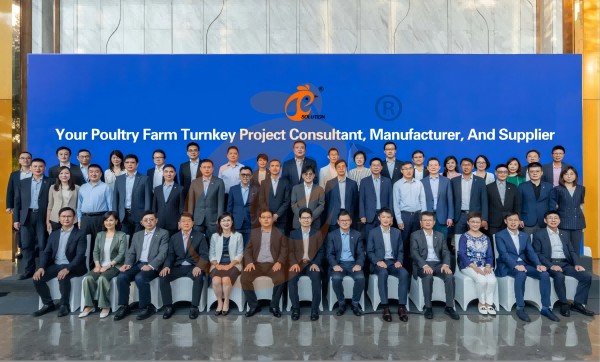
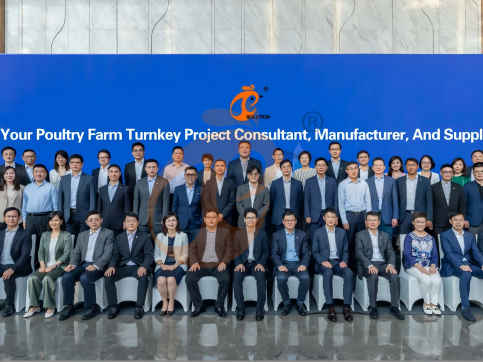
Hong Kong Headquarter Management Team
Hong Kong Headquarter Taiyu Industrial Group CO., LTD
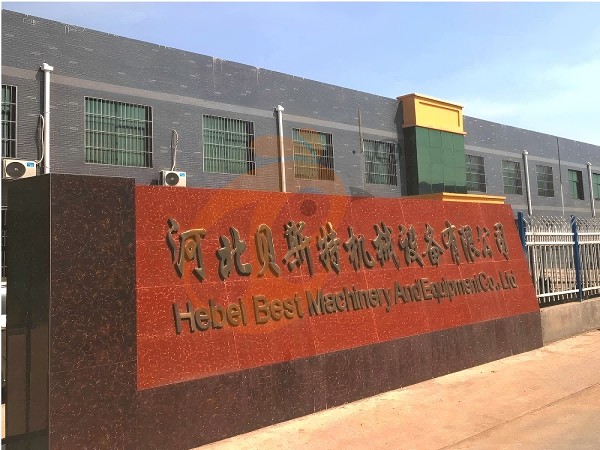
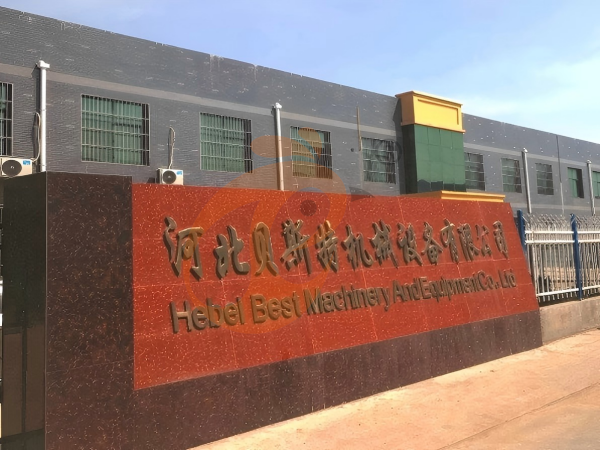
China Hebei Best Machinery And Equipment CO., LTD
Nigeria Vanke Machinery And Equipment CO., LTD
Tanzania Best Machinery And Equipment CO., LTD
Ethiopia Best Hebei Machinery Manufacturing PLC
Reception /24 WhatsApp NO. : +8618830120193
- poultry farmers
- poultry farm
- chicken cage
- poultry farms
- poultry farmer
- poultry house
- poultry cage
- cage
- poultry farm equipment
- poultry farm design
- poultry farm construction
- poultry farm management
- poultry cage supplier
- poultry cage system
- chicken cage system
- chicken cage Ethiopia
- chicken cage for commercial farm
- poultry equipment
- manure removal system
- egg collection equipment
- chicken cages
- h type chicken cage
- chickencage
- cage housing system
- bestchickencage
- cage system
- a type chicken cage
- h type
- cage systems
- layer chicken cage
- Nigeria
- poultry farm efficiency
- layer farm
- egg production system
- layer chicken cage system
- poultry farming
- automated poultry equipment
- poultry cage systems
- cage supplier
- modern poultry farm
- poultry farm plan
Message
Products recommended
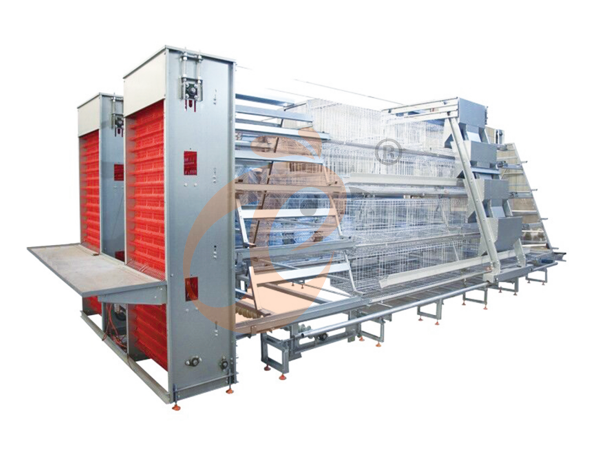
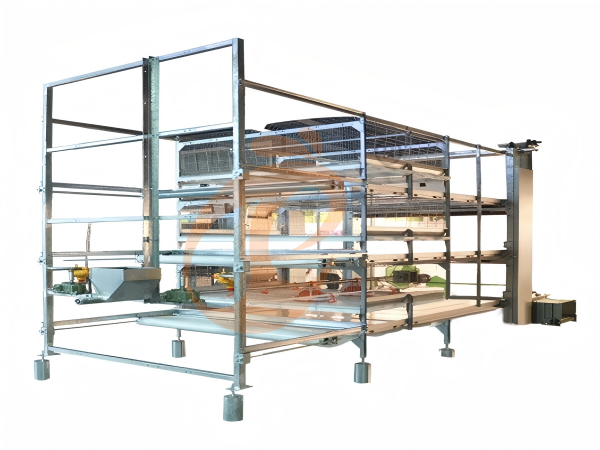
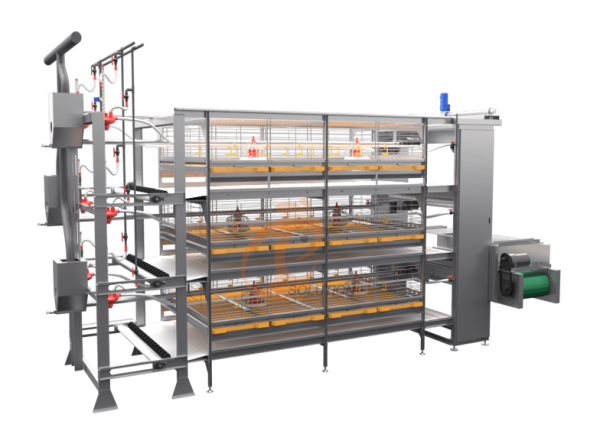
 >30,000 Pullets Automatic H Type Battery Cage1. More than 30,000 pullets a house, choose it.
2. It is designed to rearing older than 1 day old pullets to 12 to 16 weeks old chicken starting laying eggs.
3. Its lifespan is more than 25 years.
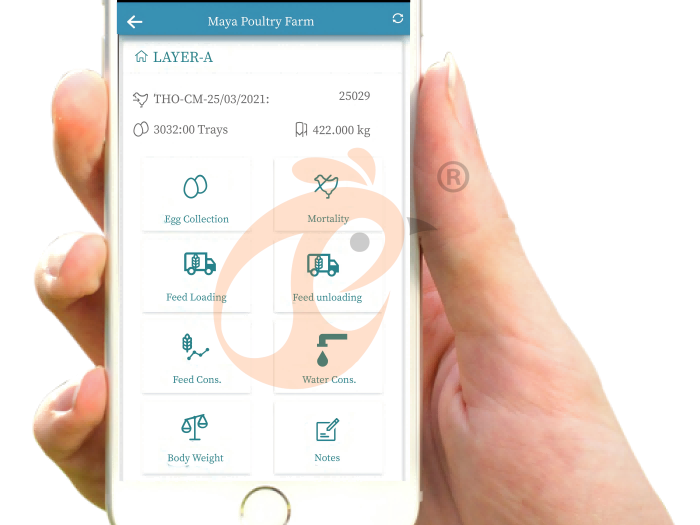
4. Its structure are Vcloud artificial intelligent fusion, electric control cabinet, automatic equipment of drinking, feeding, manure clean, manual harvesting.
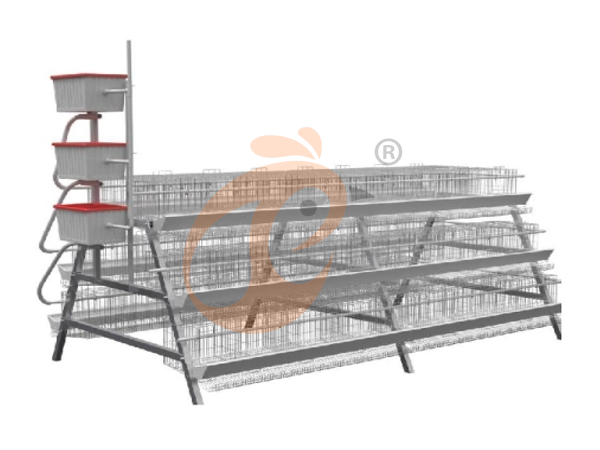
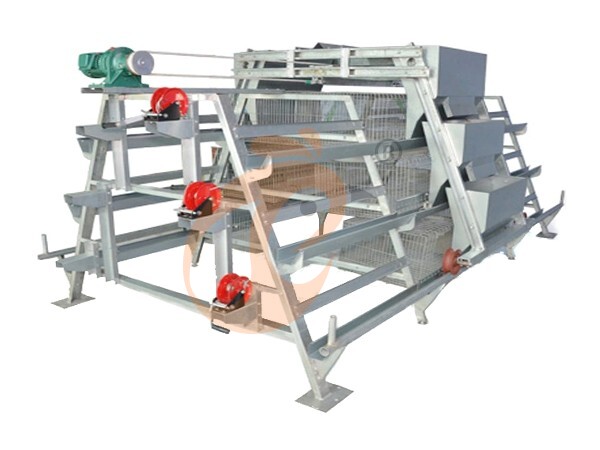
5. Our 24 hour online reception What’sApp NO. is +8618830120193 <30,000 Pullets Automatic A Type Battery Cage1. 10,000 to 30,000 pullets a house, choose it.
2. It is designed to rearing older than 1 day old pullets to 12 to 16 weeks old chicken starting laying eggs.
3. Its lifespan is more than 25 years.
4. Its structure are Vcloud artificial intelligent fusion, electric control cabinet, automatic equipment of drinking, feeding, manure clean, manual harvesting.
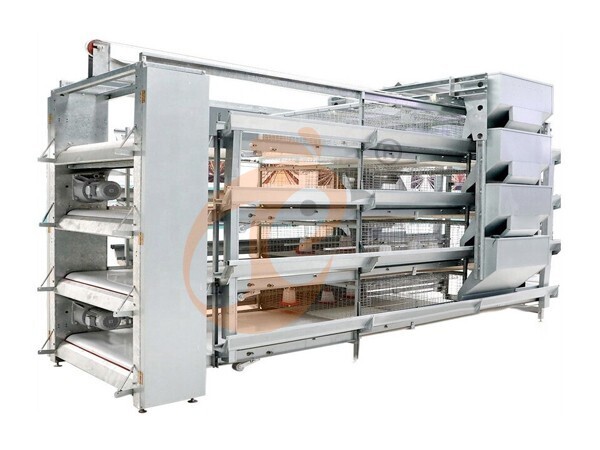
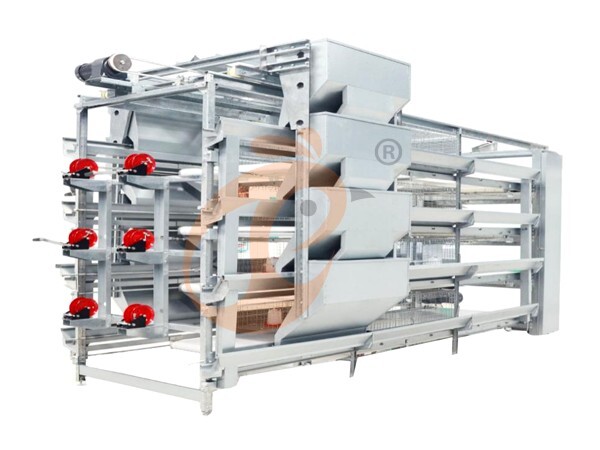
5. Our 24 hour online reception What’sApp NO. is +86 18830120193. >30,000 Broilers Semi-Automatic Harvest H Type Battery Cage1. More than 30,000 broilers a house, choose it.
2. It is designed to rearing 1 to 45 day old adult broiler ready for market.
3. Its lifespan is more than 20 years.
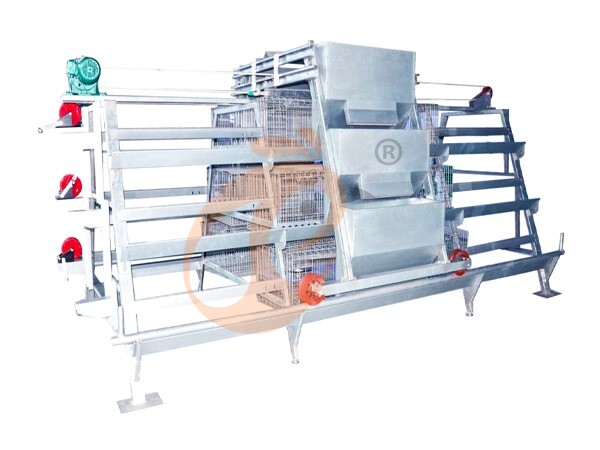
4. Our 24 hour online reception What’sApp NO. is +8618830120193, +234 8111199996. >30,000 Broilers Manual Harvest H Type Battery Cage1. More than 30,000 broilers a house, choose it.
2. It is designed to rearing 1 to 45 day old adult broiler ready for market.
3. Its lifespan is more than 20 years.
4. Its structure are Vcloud artificial intelligent fusion, electric control cabinet, automatic equipment of drinking, feeding and manure clean, manual harvesting.
5. Our 24 hour online reception What’sApp NO. is +8618830120193, +234 8111199996. <30,000 Broilers Manual Harvest A Type Battery Cage1. Less 30,000 broilers a house, choose it.
2. It is designed to rearing 1 to 45 day old adult broiler ready for market.
3. Its lifespan is more than 20 years.
4. Its structure are Vcloud artificial intelligent fusion, electric control cabinet, automatic equipment of drinking, feeding and manure clean, manual harvesting.
5. Our 24 hour online reception What’sApp NO. is +8618830120193, +234 8111199996. HK Headquarter Offers EU-standard Poultry Farm Solutions, Manufacture Poultry Farm Equipment1. Continuous communication with the EU and the US
2. China, Nigeria, Ethiopia, Tanzania branch companies and factories
3. The products’ quality is customized for local poultry farms
4. Poultry cage and poultry farm equipment stock for sale
5. 24 online reception Whatsapp NO. : +8618830120193,contact us to get full information China Branch Offer Poultry Farm Business Plan, Manufacture Poultry Farm Equipment1. Address: Flat/RM 2416, 24/F, Runxing Building, Youyi Nan Street, Shijiazhuang City, Hebei Province, China
2. Poultry cage and poultry farm equipment factory and stock for sale
3. Customized for local poultry farms
4. Quality and design are based on Euro
5. 24 online reception Whatsapp NO. : +8618830120193 Nigeria Branch Offer Poultry Farm Business Plan, Manufacture Poultry Farm Equipment1. Address: After Sinoma Office, 200 Meters Near Danco Filling Station, Lagos/Ibadan Expressway, Lagos State, Nigeria
2. Poultry cage and poultry farm equipment factory and stock for sale
3. Customized for Nigerian poultry farms
4. Quality and design are based on Euro
5. 24 online reception Whatsapp NO. : +8618830120193 Ethiopia Branch Offer Poultry Farm Business Plan, Manufacture Poultry Farm Equipment1. Address: WR93+FQ2, Addis Ababa, Ethiopia
2. Poultry cage and poultry farm equipment stock for sale
3. Customized for Ethiopian poultry farms
4. Quality and design are based on Euro
5. 24 online reception Whatsapp NO. : +8618830120193, contact us to get price list Tanzania Branch Offer Poultry Farm Business Plan, Manufacture Poultry Farm Equipment1. Address: No.8, Sova Road, Msufini, Mlandizi, Kibaha, Pwani, Tanzania
2. Poultry cage and poultry farm equipment factory and stock for sale
3. Customized for Tanzanian poultry farms
4. Quality and design are based on Euro
5. 24 online reception Whatsapp NO. : +8618830120193



Contact
By clicking 'Allow All', you agree to the storage of cookies on your device to enhance site navigation, analyze site usage and assist with our marketing efforts.