


Blog
Ethiopian poultry cage price per bird depends on cage structure, steel material, and transportation logistics from Djibouti to farms across Oromia and Amhara.
Feed efficiency, disease control, and egg quality improvement are the main reasons farmers shift from deep litter systems to modern chicken cage housing.
Logistics costs, inland transport distance, and steel coating technology strongly influence the real investment for layer housing systems.
Different farm scales require manual, semi-automated, automated, or H-type systems depending on labor availability and land constraints.
Understanding total investment helps poultry entrepreneurs plan long-term production efficiency and egg market profitability.
Get professional poultry farm construction guidance, equipment selection solutions, and the latest price lists, whatsApp to +8618830120193, click to learn more:

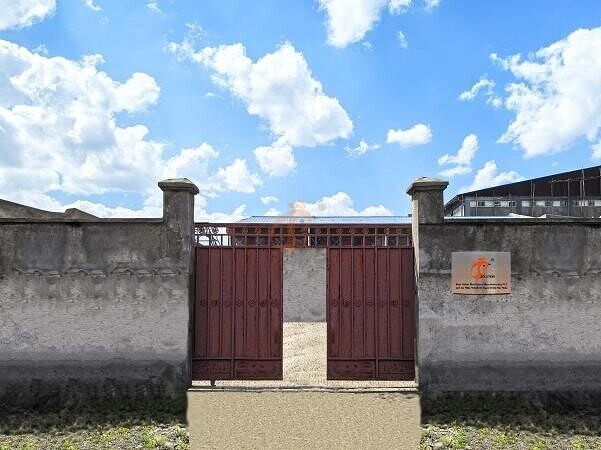
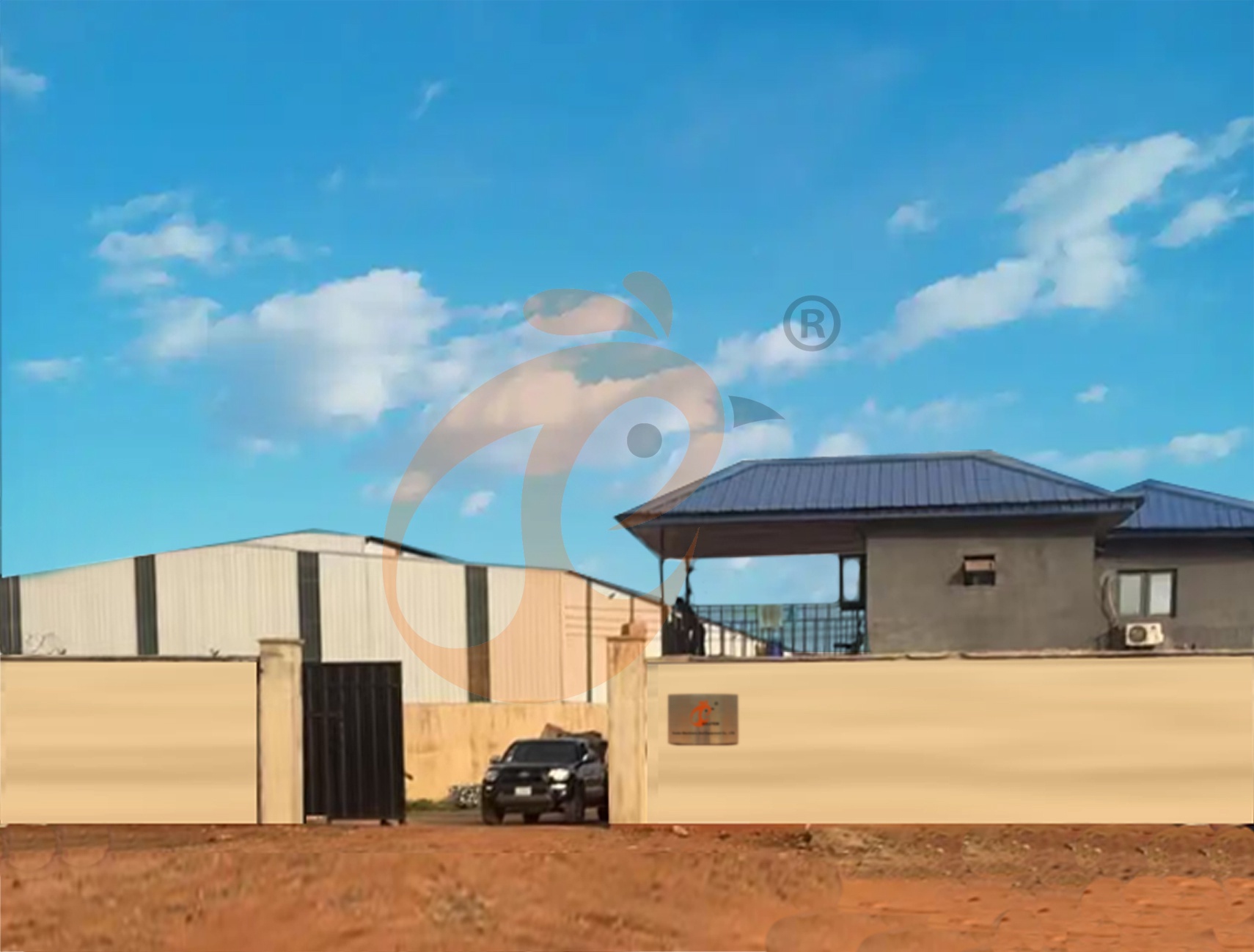
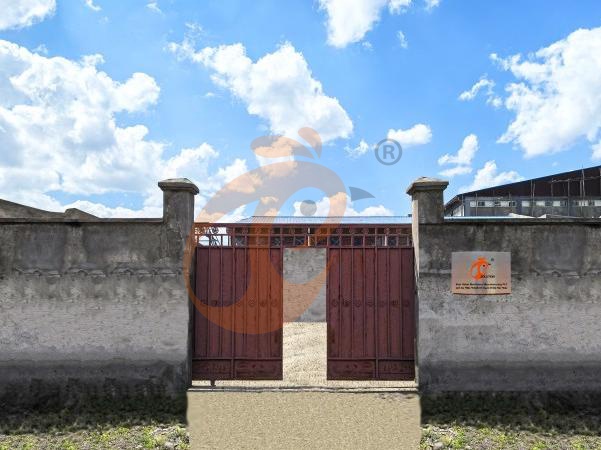
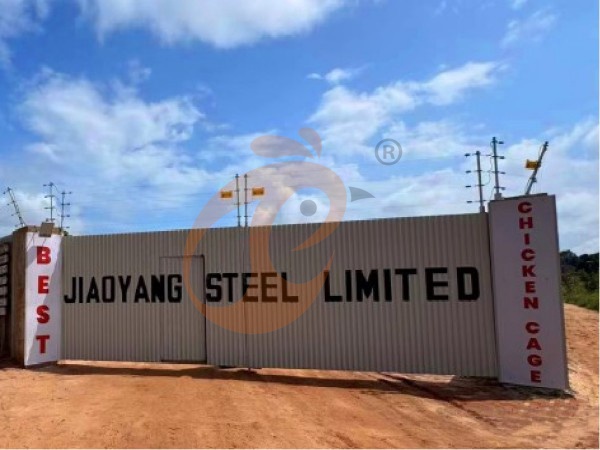
Ethiopia Branch Office And Factory Of Poultry Farm Equipment
The Context: Why Layer Cages In Ethiopia
In regions like Oromia and Amhara, poultry farmers face two primary challenges: feed efficiency and disease control.
Traditional deep litter systems often lead to higher egg breakage and floor eggs, which are difficult to market in high-end Addis Ababa supermarkets.
Modern chicken cage systems—specifically A-type and H-type configurations—address these by separating the bird from its waste.
This reduces the prevalence of coccidiosis and other soil-borne pathogens.
However, the Ethiopian market is unique.The price per bird is heavily influenced by the Birr (Ethiopian Birr) exchange rate, steel import costs, and the final logistics from Djibouti port to central Ethiopia farms.
Data is for reference only.Swipe horizontally to view full table.
Factors Influencing The Price Per Bird In The Local Market
When calculating the cost of a poultry cage in Ethiopia, investors cannot only consider factory prices.
The landlocked logistics factor plays a major role in determining the final chicken cage investment.
Logistics And Customs
Equipment entering through Djibouti port must pass port handling procedures, transit insurance, and inland trucking.
Transport to locations such as Hawassa or Mekelle increases the final project budget.
Customs duties for agricultural machinery are relatively moderate, but clearance delays may still affect total costs.
Data is for reference only.Swipe horizontally to view full table.
Manual A-Type Cage: The Entry-Level Commercial Scale
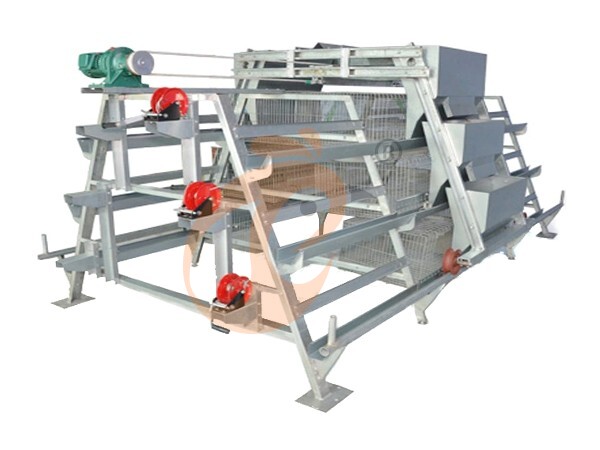
For many farmers near Debre Berhan, the manual A-type chicken cage is the first commercial housing option.
This system uses manual feeding and manual egg collection while maintaining hygiene advantages compared with floor systems.
The price per bird can be calculated using the following formula.
Data is for reference only.Swipe horizontally to view full table.
European union standard reference only.
Semi-Automated A-Type Cage: Optimizing Labor
When farms expand beyond 20,000 birds, labor efficiency becomes a key management factor.
Semi-automated A-type chicken cage systems integrate automatic drinkers and manure belts while maintaining manual feeding.
These systems are commonly adopted in Oromia because they balance equipment investment and operational efficiency.
Data is for reference only.Swipe horizontally to view full table.
The estimated investment range for semi-automated systems is 1,235 Ethiopian Birr to 1,430 Ethiopian Birr per bird.
European union standard reference only.
Voltage stabilizers are usually installed because rural electricity supply may fluctuate.
Fully Automated A-Type Cage: The Industrial Standard
Large-scale poultry farms around Addis Ababa are gradually adopting fully automated A-type chicken cage systems.
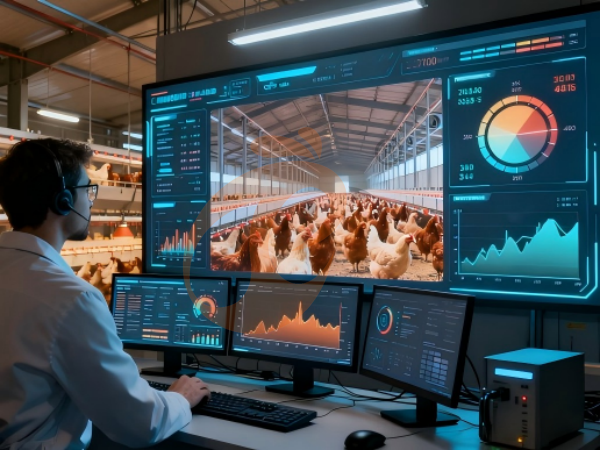
Automation helps maintain precise feeding uniformity and improves feed conversion ratio (FCR).
Feed accounts for nearly 70–75 percent of poultry production costs in Ethiopia.
Automation helps reduce waste and improves egg uniformity.
Data is for reference only.Swipe horizontally to view full table.
Typical investment is approximately 1,820 Ethiopian Birr to 2,080 Ethiopian Birr per bird.
European union standard reference only.
Automated egg collection and feeding reduce labor and improve operational stability.
Small-Scale H-Type Cage: The Land-Saving Solution
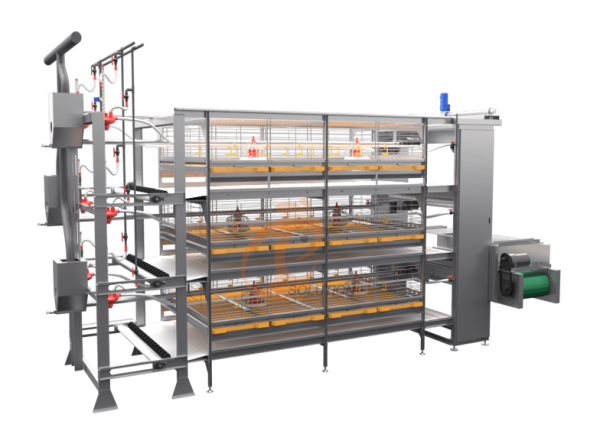
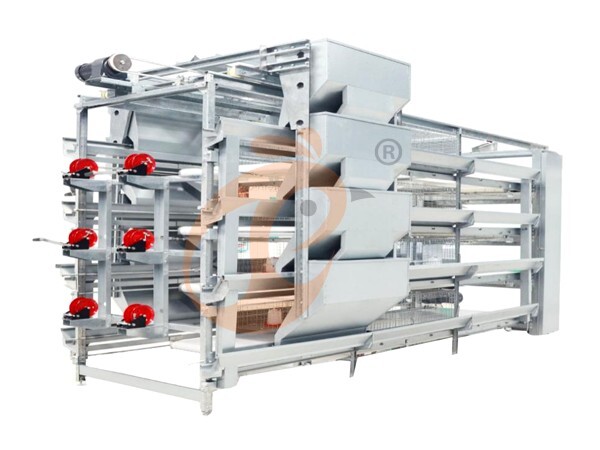
The H-type chicken cage system is designed for vertical space utilization.
Compared with A-type systems, H-type structures allow higher bird density within the same building footprint.
In areas such as Addis Ababa, where land prices are increasing, vertical poultry housing improves production capacity without expanding land area.
Data is for reference only.Swipe horizontally to view full table.
The estimated price for H-type chicken cage systems starts from 2,340 Ethiopian Birr per bird depending on building structure and equipment configuration.
European union standard reference only.
Total Investment Model And Hidden Project Costs
The most realistic calculation considers additional project infrastructure beyond the cage system itself.
Investors should account for foreign currency acquisition costs, backup electricity supply, and water treatment systems.
Data is for reference only.Swipe horizontally to view full table.
European union standard reference only.
Solving Ethiopian Poultry Production Challenges Through Chicken Cage Technology
Feed Cost And Scarcity
Feed shortages occasionally occur due to maize and soybean supply fluctuations.
Chicken cage systems reduce feed loss caused by scratching behavior in floor systems.
Saving 15 grams of feed per bird daily can reduce farm feed consumption significantly in large flocks.
Land Constraints
In cities such as Adama and Bahir Dar, expanding poultry land area may be difficult due to lease costs.
H-type cage structures allow vertical expansion and higher stocking density without increasing farm land size.
Typical application scale
A-type systems recommended for farms with 10,000–30,000 birds.
H-type systems recommended for medium and large farms with 30,000–100,000 birds or more.
Heat Stress In The Rift Valley
Regions including Mojo and Dire Dawa experience high ambient temperatures.
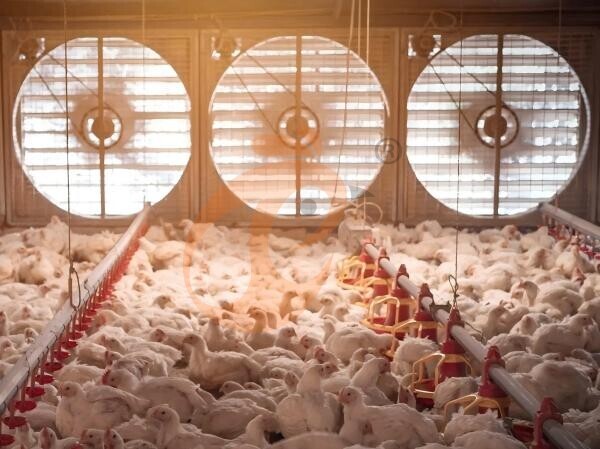
Tunnel ventilation and cooling pads help maintain poultry house temperatures between 24 °C and 26 °C.
This temperature range supports stable egg production above 90 percent laying rate.
Frequently Asked Questions
Q1: What is the average Ethiopian poultry cage price per bird for small farms?
A1: Manual A-type chicken cage systems usually cost around 910 Ethiopian Birr per bird depending on transport and installation conditions.
Q2: Why do automated cage systems cost more per bird?
A2: Automated systems include feeding machines, egg belts, manure removal systems, and electrical control equipment which increase equipment investment but improve efficiency.
Q3: Which cage system is most suitable for limited land farms?
A3: H-type chicken cage systems are suitable for land-limited farms because they allow higher bird density within a smaller building footprint.
Ethiopia Best Hebei Machinery Manufacturing Plc - One Of Ethiopia Largest Poultry Cage Manufacturer
Global factory direct supply of poultry farm equipment with stable steel manufacturing capacity.
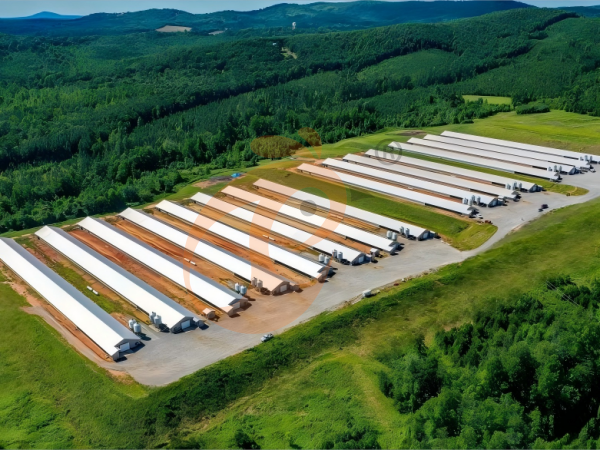
Professional production of poultry cage and chicken cage systems including A-type and H-type designs.
Complete Turn-key poultry farm engineering solutions including housing design, equipment installation, and commissioning.
Real production parameters such as steel wire diameter 3.2 mm to 3.8 mm, zinc coating 450 g/m², and service life exceeding 25 years.
Export experience supporting poultry farm projects across Africa with technical installation guidance and after-sales service.
Contact Us To Received Your Customized Poultry Farm Plan
Headquarters And Branchs

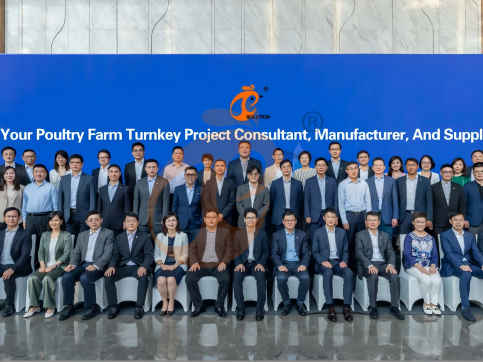
Hong Kong Headquarter Management Team
Hong Kong Headquarter Taiyu Industrial Group CO., LTD
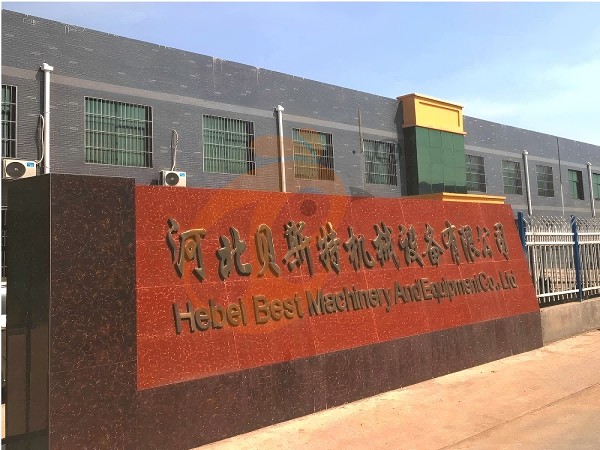
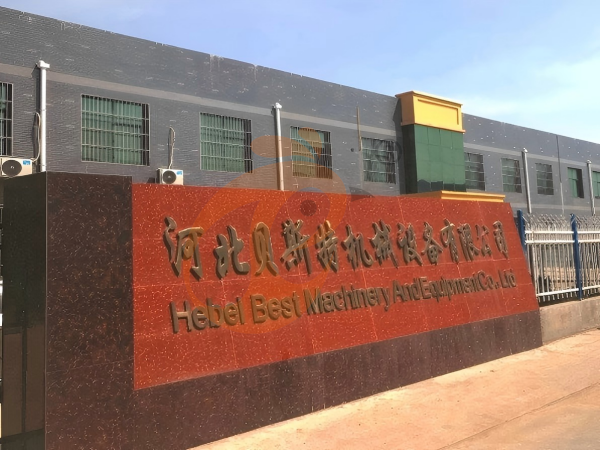
China Hebei Best Machinery And Equipment CO., LTD
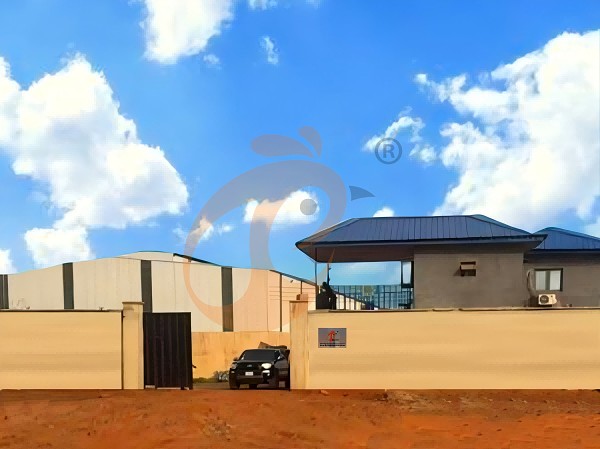
Nigeria Vanke Machinery And Equipment CO., LTD
Tanzania Best Machinery And Equipment CO., LTD
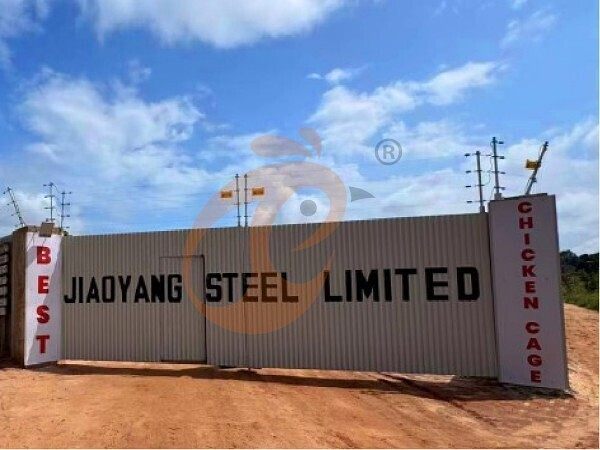
Ethiopia Best Hebei Machinery Manufacturing PLC
Reception /24 WhatsApp NO. : +8618830120193
- poultry farmers
- poultry farm
- layer cages
- chicken cage
- poultry farms
- poultry farmer
- layer cage
- poultry house
- poultry cage
- cage
- galvanized cage
- poultry farm equipment
- poultry farm construction
- poultry cage manufacturer
- poultry cage price
- chicken cage system
- poultry farm project
- poultry cage in Ethiopia
- deep litter system
- manure removal system
- chickencage
- bestchickencage
- cage system
- galvanized cages
- cage systems
- h cage
- Nigeria
- automated egg collection
- hen farm
- cage manufacturer
- poultry farm plan
- feed silo
Message
Products recommended
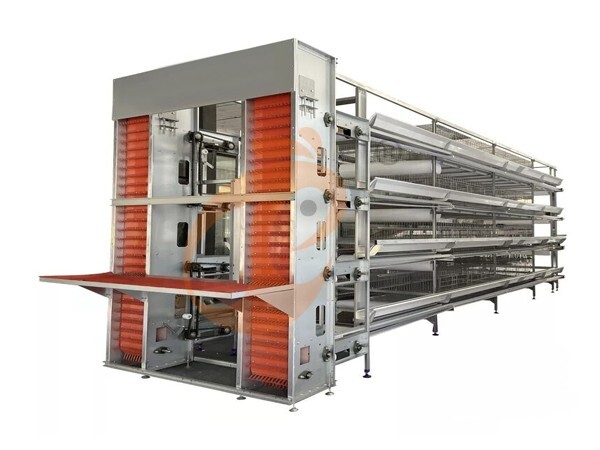
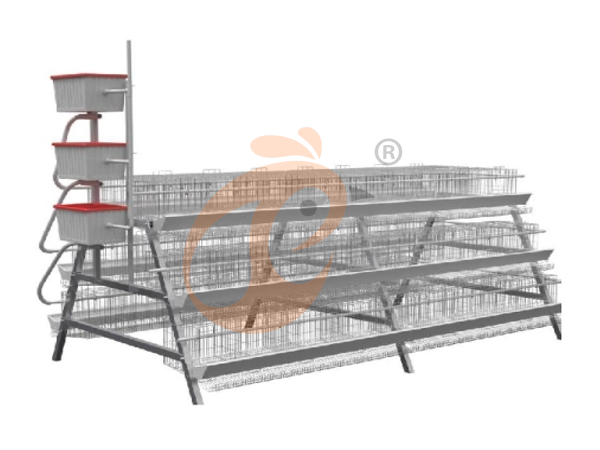
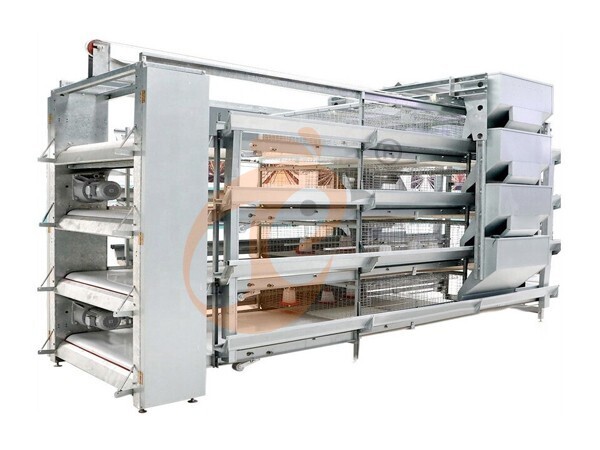
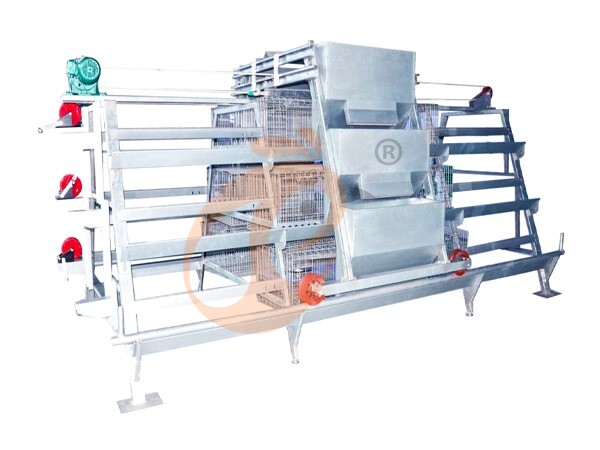
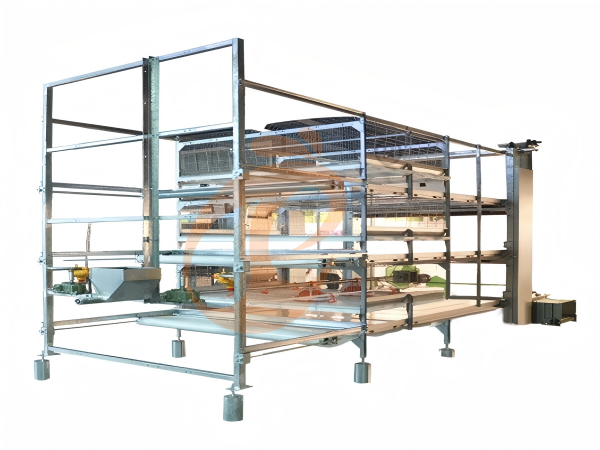
 >30,000 Pullets Automatic H Type Battery Cage1. More than 30,000 pullets a house, choose it.
2. It is designed to rearing older than 1 day old pullets to 12 to 16 weeks old chicken starting laying eggs.
3. Its lifespan is more than 25 years.
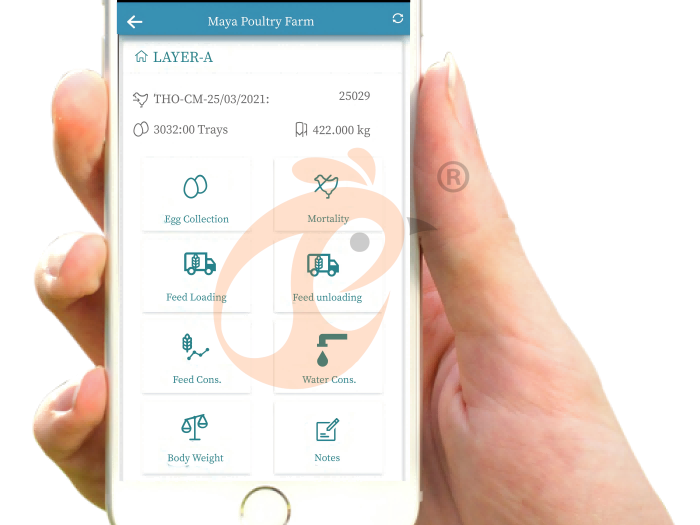
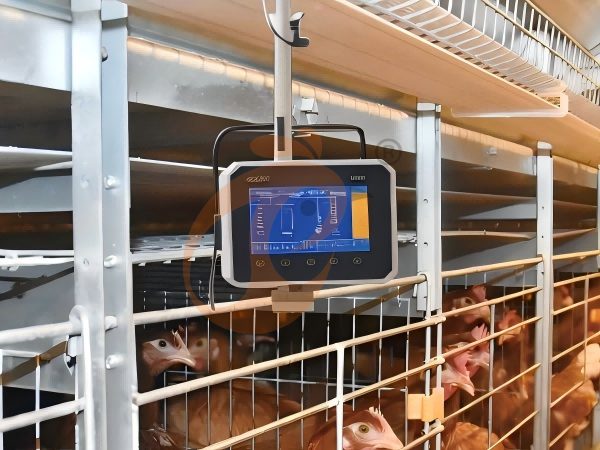
4. Its structure are Vcloud artificial intelligent fusion, electric control cabinet, automatic equipment of drinking, feeding, manure clean, manual harvesting.
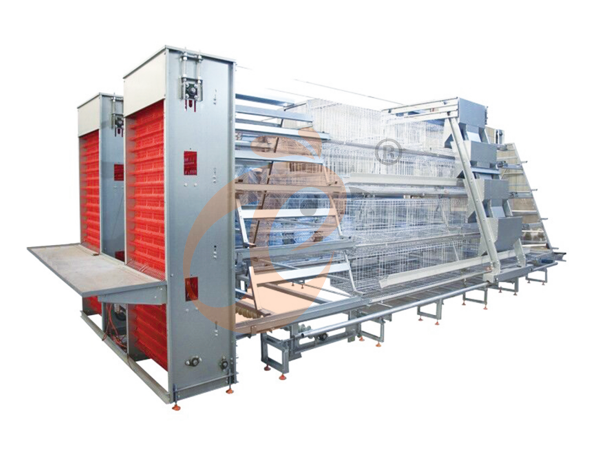
5. Our 24 hour online reception What’sApp NO. is +8618830120193 <30,000 Pullets Automatic A Type Battery Cage1. 10,000 to 30,000 pullets a house, choose it.
2. It is designed to rearing older than 1 day old pullets to 12 to 16 weeks old chicken starting laying eggs.
3. Its lifespan is more than 25 years.
4. Its structure are Vcloud artificial intelligent fusion, electric control cabinet, automatic equipment of drinking, feeding, manure clean, manual harvesting.
5. Our 24 hour online reception What’sApp NO. is +86 18830120193. >30,000 Broilers Semi-Automatic Harvest H Type Battery Cage1. More than 30,000 broilers a house, choose it.
2. It is designed to rearing 1 to 45 day old adult broiler ready for market.
3. Its lifespan is more than 20 years.
4. Our 24 hour online reception What’sApp NO. is +8618830120193, +234 8111199996. >30,000 Broilers Manual Harvest H Type Battery Cage1. More than 30,000 broilers a house, choose it.
2. It is designed to rearing 1 to 45 day old adult broiler ready for market.
3. Its lifespan is more than 20 years.
4. Its structure are Vcloud artificial intelligent fusion, electric control cabinet, automatic equipment of drinking, feeding and manure clean, manual harvesting.
5. Our 24 hour online reception What’sApp NO. is +8618830120193, +234 8111199996. <30,000 Broilers Manual Harvest A Type Battery Cage1. Less 30,000 broilers a house, choose it.
2. It is designed to rearing 1 to 45 day old adult broiler ready for market.
3. Its lifespan is more than 20 years.
4. Its structure are Vcloud artificial intelligent fusion, electric control cabinet, automatic equipment of drinking, feeding and manure clean, manual harvesting.
5. Our 24 hour online reception What’sApp NO. is +8618830120193, +234 8111199996. HK Headquarter Offers EU-standard Poultry Farm Solutions, Manufacture Poultry Farm Equipment1. Continuous communication with the EU and the US
2. China, Nigeria, Ethiopia, Tanzania branch companies and factories
3. The products’ quality is customized for local poultry farms
4. Poultry cage and poultry farm equipment stock for sale
5. 24 online reception Whatsapp NO. : +8618830120193,contact us to get full information China Branch Offer Poultry Farm Business Plan, Manufacture Poultry Farm Equipment1. Address: Flat/RM 2416, 24/F, Runxing Building, Youyi Nan Street, Shijiazhuang City, Hebei Province, China
2. Poultry cage and poultry farm equipment factory and stock for sale
3. Customized for local poultry farms
4. Quality and design are based on Euro
5. 24 online reception Whatsapp NO. : +8618830120193 Nigeria Branch Offer Poultry Farm Business Plan, Manufacture Poultry Farm Equipment1. Address: After Sinoma Office, 200 Meters Near Danco Filling Station, Lagos/Ibadan Expressway, Lagos State, Nigeria
2. Poultry cage and poultry farm equipment factory and stock for sale
3. Customized for Nigerian poultry farms
4. Quality and design are based on Euro
5. 24 online reception Whatsapp NO. : +8618830120193 Ethiopia Branch Offer Poultry Farm Business Plan, Manufacture Poultry Farm Equipment1. Address: WR93+FQ2, Addis Ababa, Ethiopia
2. Poultry cage and poultry farm equipment stock for sale
3. Customized for Ethiopian poultry farms
4. Quality and design are based on Euro
5. 24 online reception Whatsapp NO. : +8618830120193, contact us to get price list Tanzania Branch Offer Poultry Farm Business Plan, Manufacture Poultry Farm Equipment1. Address: No.8, Sova Road, Msufini, Mlandizi, Kibaha, Pwani, Tanzania
2. Poultry cage and poultry farm equipment factory and stock for sale
3. Customized for Tanzanian poultry farms
4. Quality and design are based on Euro
5. 24 online reception Whatsapp NO. : +8618830120193


Contact
By clicking 'Allow All', you agree to the storage of cookies on your device to enhance site navigation, analyze site usage and assist with our marketing efforts.