


Blog
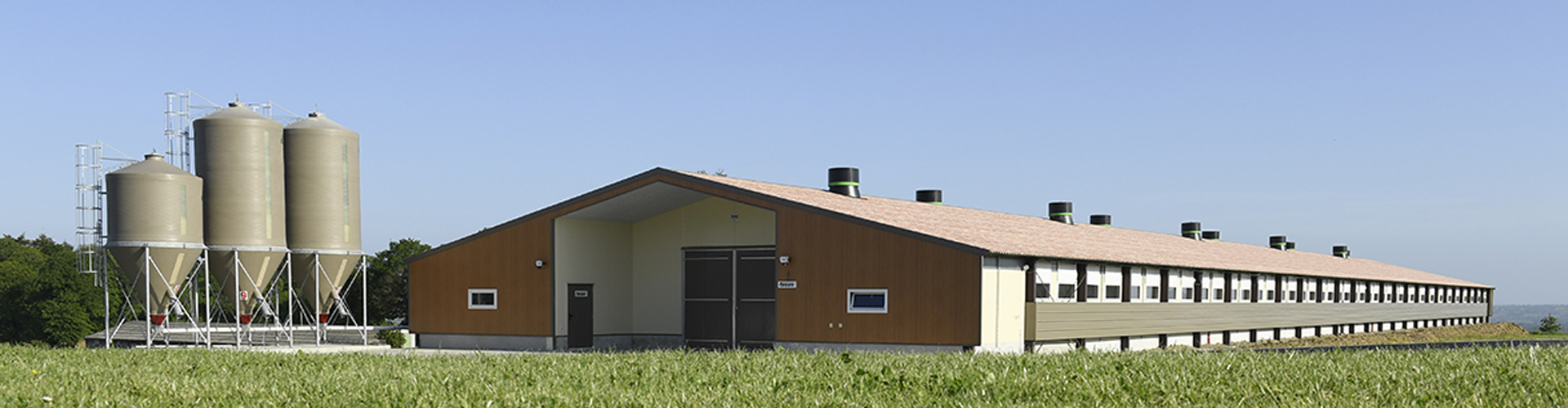
H type chicken cage Ethiopia helps farmers increase egg production while optimizing poultry house space.
Urban egg demand is rising across Addis Ababa, Adama, and Bahir Dar, encouraging commercial farm upgrades.
Multi-tier cage structures support large layer populations while maintaining controlled feeding and drinking systems.
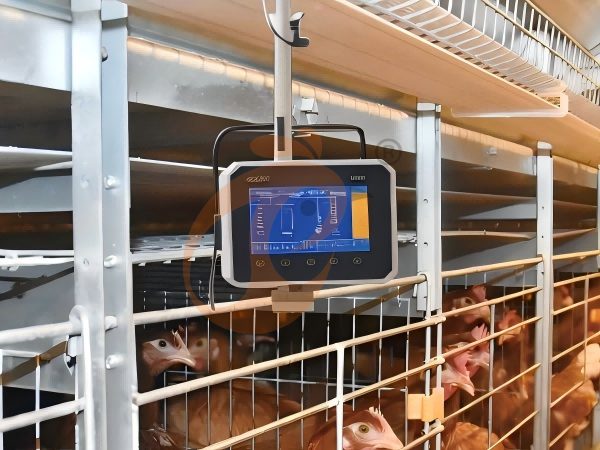
Automated egg collection and manure removal simplify daily farm operations and labor scheduling.
Modern poultry cage systems help Ethiopian farmers stabilize egg supply and farm profitability.
Get professional poultry farm construction guidance, equipment selection solutions, and the latest price lists, whatsApp to +8618830120193, click to learn more:

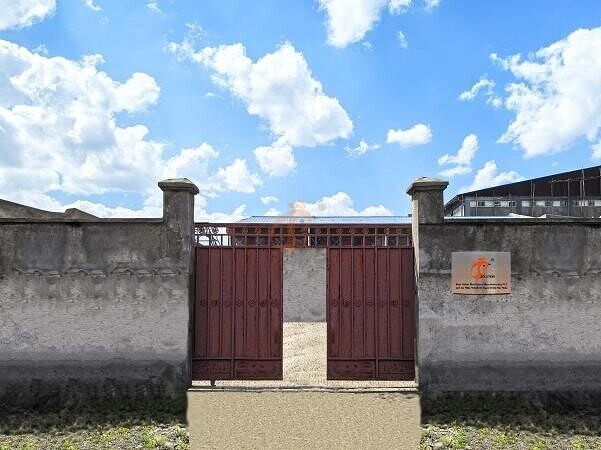
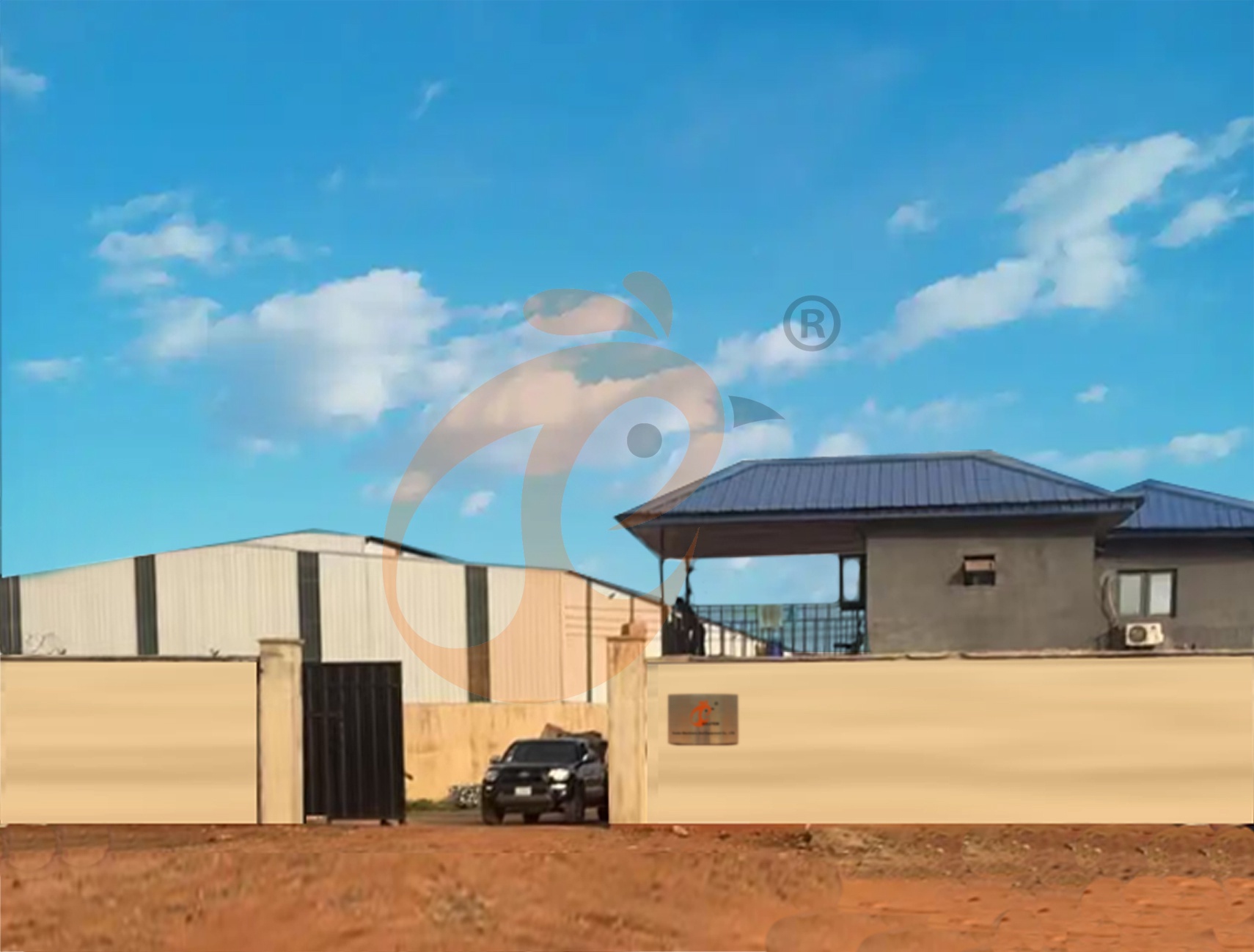
Ethiopia Branch Office And Factory Of Poultry Farm Equipment
Egg Market Growth In Ethiopia
Egg consumption in Ethiopia has expanded in recent years due to population growth and urban food demand.
Major cities such as Addis Ababa, Adama, and Bahir Dar rely on stable egg supply from commercial poultry farms.
Many farms still use deep litter systems or outdated cage designs.
These traditional systems often create issues in egg handling, manure management, and flock monitoring.
Upgrading to modern cage housing allows farms to produce eggs in a more organized and scalable way.
Data is for reference only.Swipe horizontally to view full table.
Structure Of H Type Battery Cage Systems
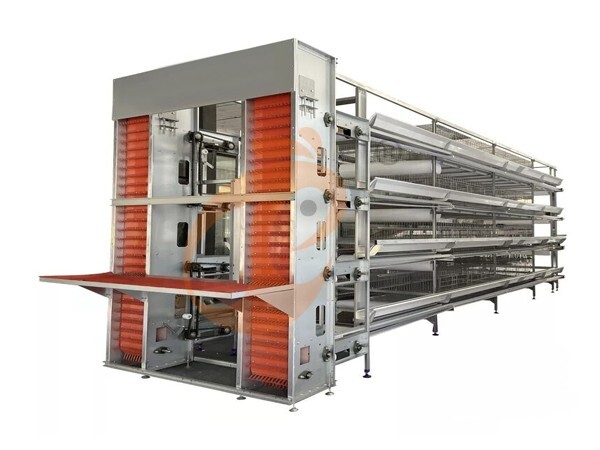
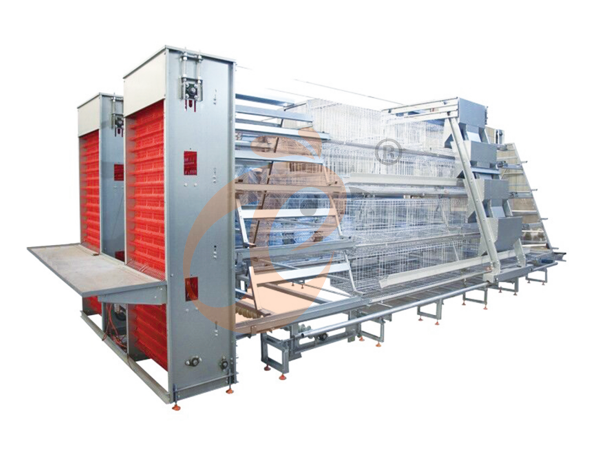
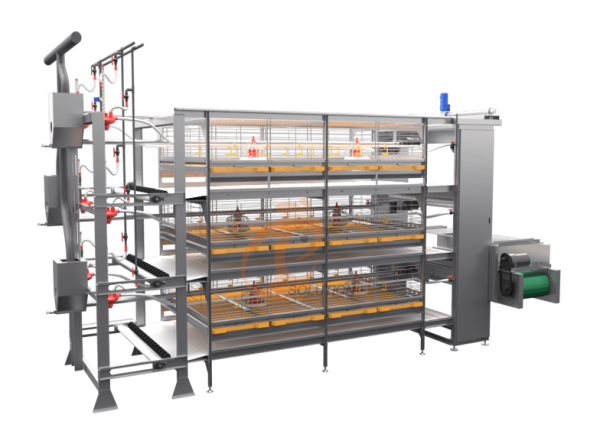
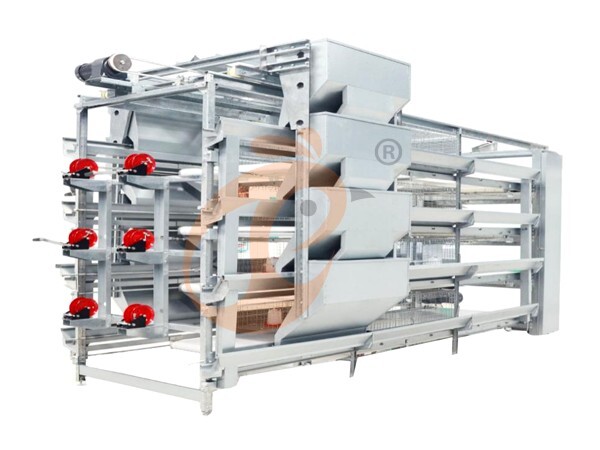
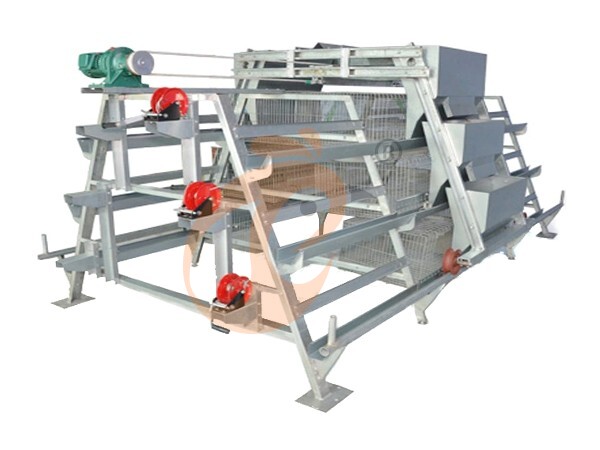
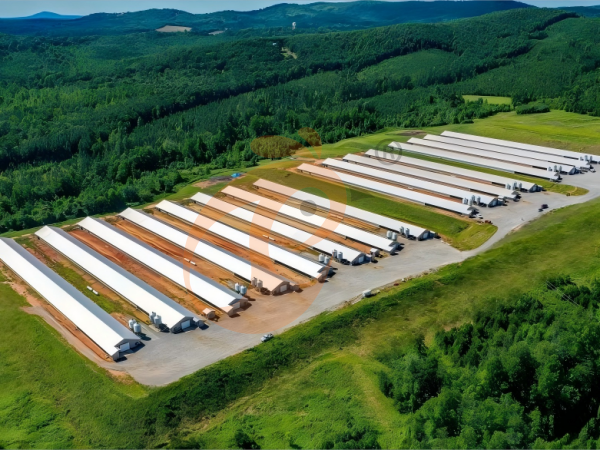
The H-frame layer cage system is designed for high-density poultry farming.
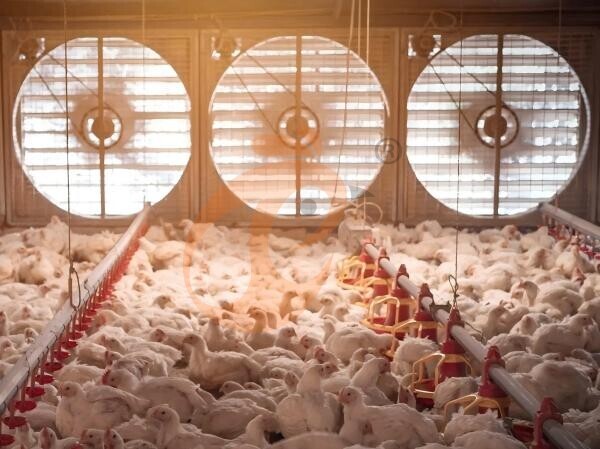
Birds are placed in stacked tiers, allowing farms to raise more hens inside one poultry house.
Automated systems transport feed, eggs, and manure along dedicated belts.
Data is for reference only.Swipe horizontally to view full table.
This design is widely used in modern automatic egg farming system Ethiopia projects.
Farm Evaluation Before Installing H Type Layer Cages
Farmers should evaluate building conditions before installing cage systems.
Important factors include building dimensions, power supply, and floor condition.
Regions such as Oromia Region and Amhara Region contain many medium-scale poultry farms preparing for modernization.
Modern commercial farms usually plan expansion capacity between 30000 and 100000 laying hens when upgrading cage systems.
Data is for reference only.Swipe horizontally to view full table.
Proper planning ensures smooth installation of H type layer cage price Ethiopia projects.
Selecting Suitable H Type Cage Capacity
The total number of birds determines cage configuration and poultry house layout.
Many Ethiopian farms begin with 5,000 layers and expand gradually toward 30000–100000 birds as egg demand grows.
Data is for reference only.Swipe horizontally to view full table.
Multi-tier systems maximize production without expanding land area near urban markets.
Automation Equipment Planning For Layer Farms
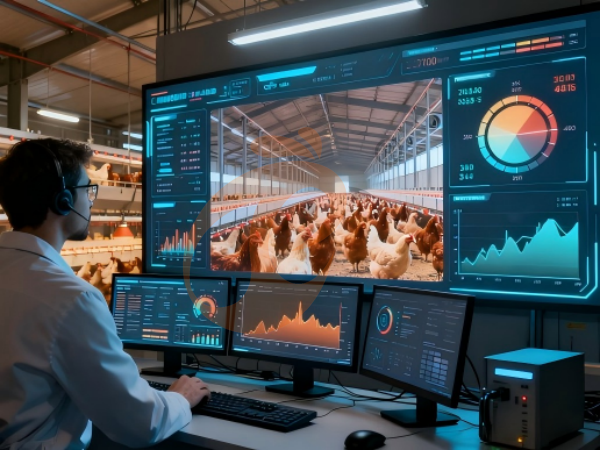
Modern poultry farms combine cage housing with automated support equipment.
These systems help maintain stable feed distribution and egg collection.
Compared with manual H-frame cages, automated systems can reduce labor demand by about 70–90 percent.
Data is for reference only.Swipe horizontally to view full table.
Automation allows farms with 20,000 hens to operate with a small management team.
Investment Estimate For Ethiopian Layer Cage Projects
Equipment investment depends on farm capacity and cage configuration.
Most poultry equipment imported into Ethiopia passes through logistics routes connected to the port of Djibouti.
Data is for reference only.Swipe horizontally to view full table.
European union standard reference only.
Costs vary depending on farm size, transport distance, and cage configuration.
Egg Production And Revenue Projection
Higher housing density increases the number of eggs produced daily.
Commercial layer farms in Ethiopia typically maintain laying rates between 90 and 98 percent during peak production.
Data is for reference only.Swipe horizontally to view full table.
Data is for reference only.Swipe horizontally to view full table.
European union standard reference only.
These production results show why large farms continue upgrading cage housing systems.
Practical Example From Oromia Poultry Farms
A poultry farm located in Oromia Region previously operated a 6,000-bird deep litter system.
After installing H-frame cages, the farm expanded capacity to 18,000 laying hens.
Daily egg collection became more organized through conveyor belts.
Labor time for egg collection reduced from several hours to less than one hour.
Frequently Asked Questions
Q1: How many birds can an H-frame cage poultry house hold?
A1: A poultry house using H-frame cages can be designed for 30000–100000 laying hens depending on cage tiers between four and sixteen levels.
Q2: How long does installation of H type battery cage systems take?
A2: Installation of a complete cage system usually requires about two to four weeks depending on poultry house size and equipment configuration.
Q3: Is automated equipment necessary for layer cage farms?
A3: Automated feeding, egg collection, and manure removal systems reduce labor demand by approximately 70–90 percent while improving production management.
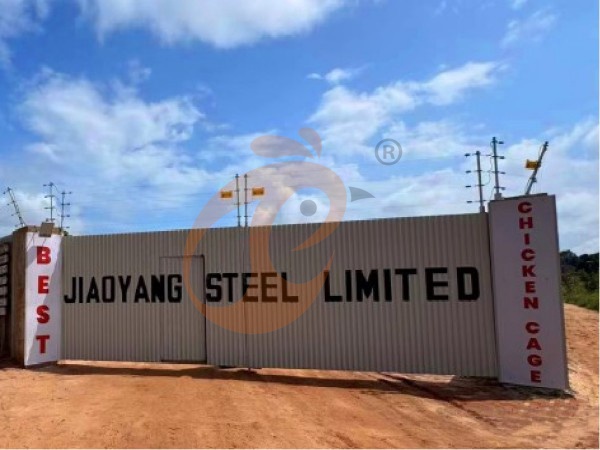
Ethiopia Best Hebei Machinery Manufacturing Plc - One Of Ethiopia Biggest Battery Cage Manufacturer
Global factory direct supply of poultry farm equipment with stable production capacity.
Complete poultry cage solutions including H-frame cage systems for commercial layer farms.
Turn-key poultry farm engineering services covering layout design, equipment supply, and installation.
Equipment built with hot-dip galvanized steel structures with 25+ years service life, cage width 1200–2200 mm, cage depth 625 mm, and cage height 450 mm.
Real project parameters include cage capacity from 30000 to 100000 layers per house with automated feeding, drinking, egg collection, and manure removal systems.
Contact Us To Received Your Customized Poultry Farm Plan
Headquarters And Branchs

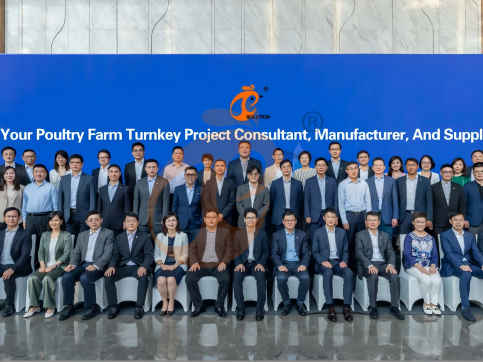
Hong Kong Headquarter Management Team
Hong Kong Headquarter Taiyu Industrial Group CO., LTD
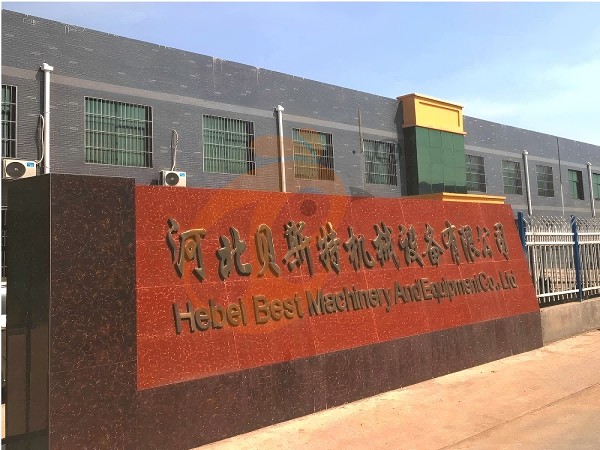
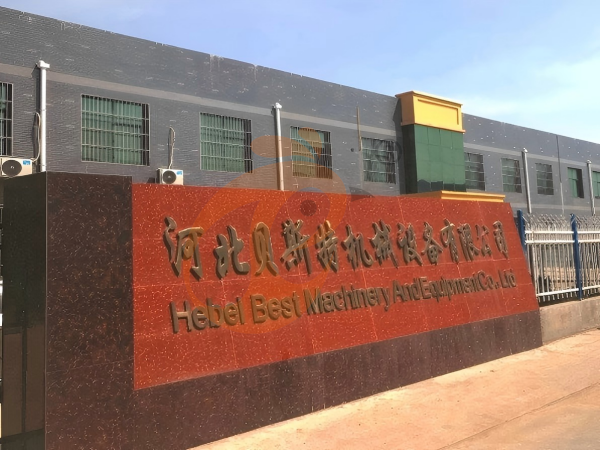
China Hebei Best Machinery And Equipment CO., LTD
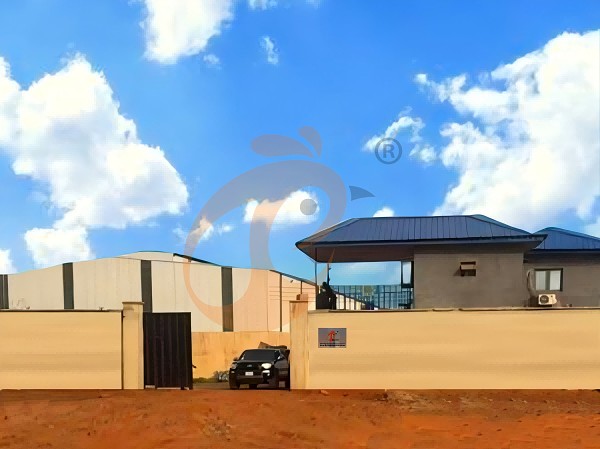
Nigeria Vanke Machinery And Equipment CO., LTD
Tanzania Best Machinery And Equipment CO., LTD
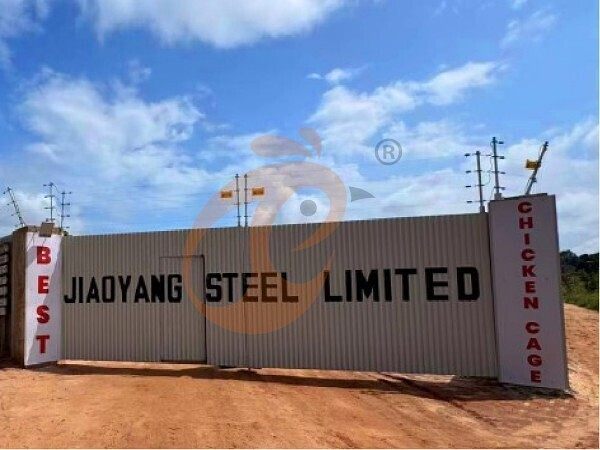
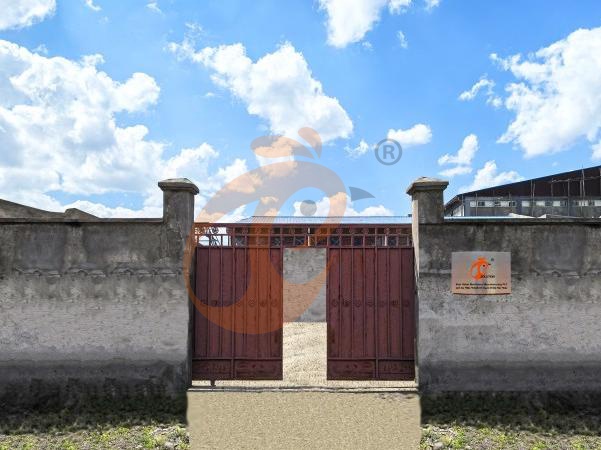
Ethiopia Best Hebei Machinery Manufacturing PLC
Reception /24 WhatsApp NO. : +8618830120193
- battery cage
- battery cage system
- poultry farm
- layer cages
- poultry farms
- layer cage
- poultry house
- poultry cage
- cage
- poultry farm equipment
- poultry farm construction
- battery cage manufacturer
- layer cage system
- layer cage price
- poultry cage system
- modern poultry cage system
- modern poultry cage
- battery cage Ethiopia
- poultry house layout
- poultry cage solution
- automatic feeding system
- deep litter system
- poultry equipment
- manure removal system
- egg collection system
- h type layer cage
- h type layer cage price
- chickencage
- h type cage
- cage housing system
- bestchickencage
- h type battery cage system
- cage system
- cage poultry
- h type
- cage poultry house
- cage systems
- h cage
- h type battery cage
- Nigeria
- automated egg collection
- layer farm
- modern poultry farms
- commercial poultry farms
- poultry farming
- poultry cage systems
- cage design
- cage manufacturer
- modern poultry farm
- poultry cage solutions
- poultry house size
- poultry farm plan
Message
Products recommended
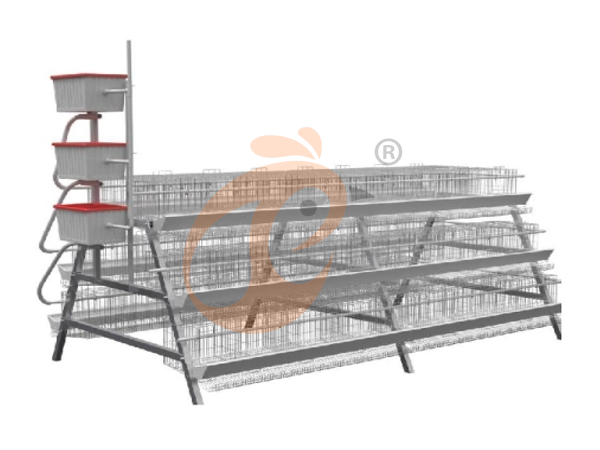
 >30,000 Pullets Automatic H Type Battery Cage1. More than 30,000 pullets a house, choose it.
2. It is designed to rearing older than 1 day old pullets to 12 to 16 weeks old chicken starting laying eggs.
3. Its lifespan is more than 25 years.
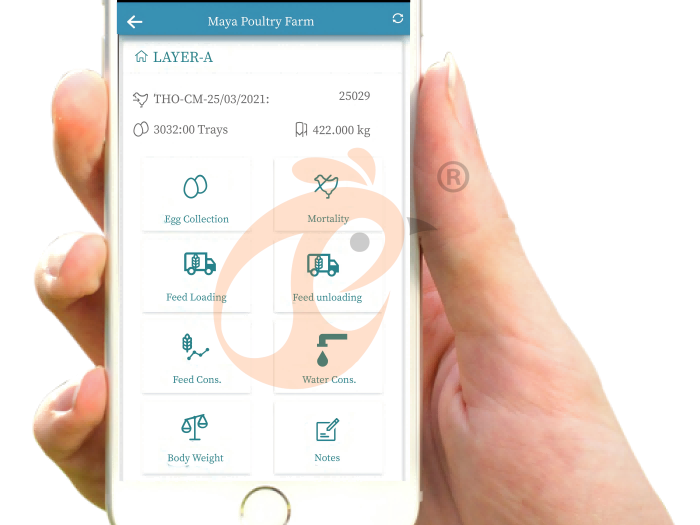
4. Its structure are Vcloud artificial intelligent fusion, electric control cabinet, automatic equipment of drinking, feeding, manure clean, manual harvesting.
5. Our 24 hour online reception What’sApp NO. is +8618830120193 <30,000 Pullets Automatic A Type Battery Cage1. 10,000 to 30,000 pullets a house, choose it.
2. It is designed to rearing older than 1 day old pullets to 12 to 16 weeks old chicken starting laying eggs.
3. Its lifespan is more than 25 years.
4. Its structure are Vcloud artificial intelligent fusion, electric control cabinet, automatic equipment of drinking, feeding, manure clean, manual harvesting.
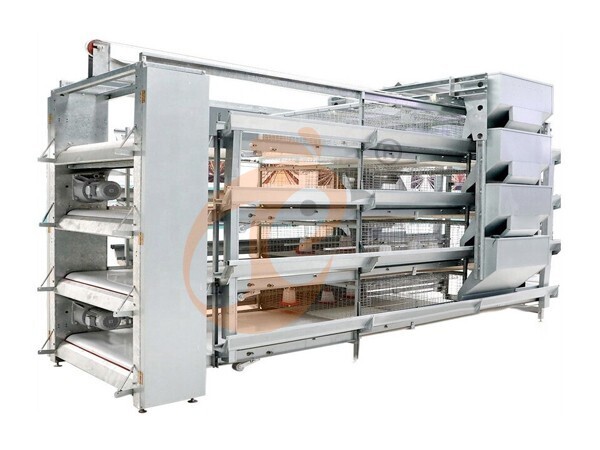
5. Our 24 hour online reception What’sApp NO. is +86 18830120193. >30,000 Broilers Semi-Automatic Harvest H Type Battery Cage1. More than 30,000 broilers a house, choose it.
2. It is designed to rearing 1 to 45 day old adult broiler ready for market.
3. Its lifespan is more than 20 years.
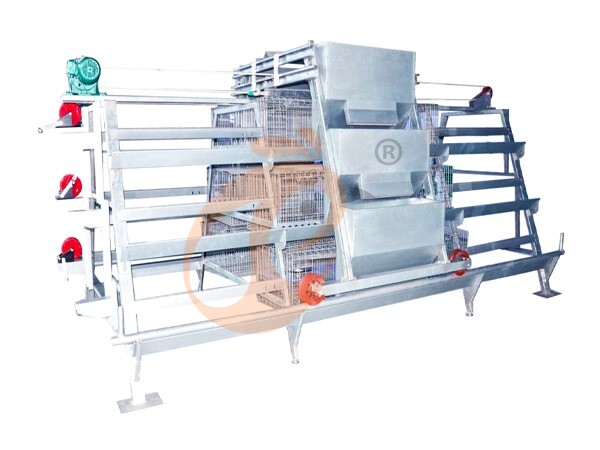
4. Our 24 hour online reception What’sApp NO. is +8618830120193, +234 8111199996. >30,000 Broilers Manual Harvest H Type Battery Cage1. More than 30,000 broilers a house, choose it.
2. It is designed to rearing 1 to 45 day old adult broiler ready for market.
3. Its lifespan is more than 20 years.
4. Its structure are Vcloud artificial intelligent fusion, electric control cabinet, automatic equipment of drinking, feeding and manure clean, manual harvesting.
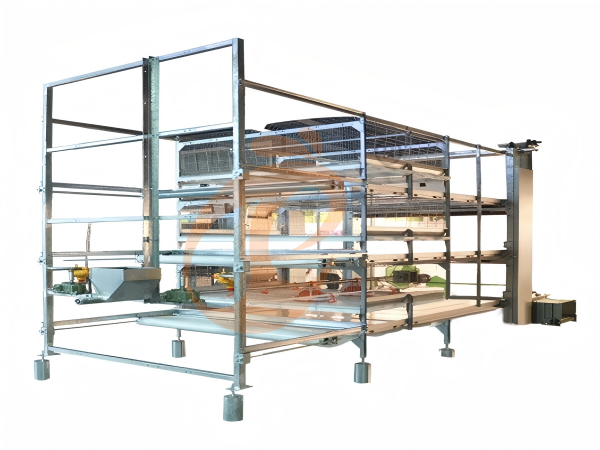
5. Our 24 hour online reception What’sApp NO. is +8618830120193, +234 8111199996. <30,000 Broilers Manual Harvest A Type Battery Cage1. Less 30,000 broilers a house, choose it.
2. It is designed to rearing 1 to 45 day old adult broiler ready for market.
3. Its lifespan is more than 20 years.
4. Its structure are Vcloud artificial intelligent fusion, electric control cabinet, automatic equipment of drinking, feeding and manure clean, manual harvesting.
5. Our 24 hour online reception What’sApp NO. is +8618830120193, +234 8111199996. HK Headquarter Offers EU-standard Poultry Farm Solutions, Manufacture Poultry Farm Equipment1. Continuous communication with the EU and the US
2. China, Nigeria, Ethiopia, Tanzania branch companies and factories
3. The products’ quality is customized for local poultry farms
4. Poultry cage and poultry farm equipment stock for sale
5. 24 online reception Whatsapp NO. : +8618830120193,contact us to get full information China Branch Offer Poultry Farm Business Plan, Manufacture Poultry Farm Equipment1. Address: Flat/RM 2416, 24/F, Runxing Building, Youyi Nan Street, Shijiazhuang City, Hebei Province, China
2. Poultry cage and poultry farm equipment factory and stock for sale
3. Customized for local poultry farms
4. Quality and design are based on Euro
5. 24 online reception Whatsapp NO. : +8618830120193 Nigeria Branch Offer Poultry Farm Business Plan, Manufacture Poultry Farm Equipment1. Address: After Sinoma Office, 200 Meters Near Danco Filling Station, Lagos/Ibadan Expressway, Lagos State, Nigeria
2. Poultry cage and poultry farm equipment factory and stock for sale
3. Customized for Nigerian poultry farms
4. Quality and design are based on Euro
5. 24 online reception Whatsapp NO. : +8618830120193 Ethiopia Branch Offer Poultry Farm Business Plan, Manufacture Poultry Farm Equipment1. Address: WR93+FQ2, Addis Ababa, Ethiopia
2. Poultry cage and poultry farm equipment stock for sale
3. Customized for Ethiopian poultry farms
4. Quality and design are based on Euro
5. 24 online reception Whatsapp NO. : +8618830120193, contact us to get price list Tanzania Branch Offer Poultry Farm Business Plan, Manufacture Poultry Farm Equipment1. Address: No.8, Sova Road, Msufini, Mlandizi, Kibaha, Pwani, Tanzania
2. Poultry cage and poultry farm equipment factory and stock for sale
3. Customized for Tanzanian poultry farms
4. Quality and design are based on Euro
5. 24 online reception Whatsapp NO. : +8618830120193


Contact
By clicking 'Allow All', you agree to the storage of cookies on your device to enhance site navigation, analyze site usage and assist with our marketing efforts.