


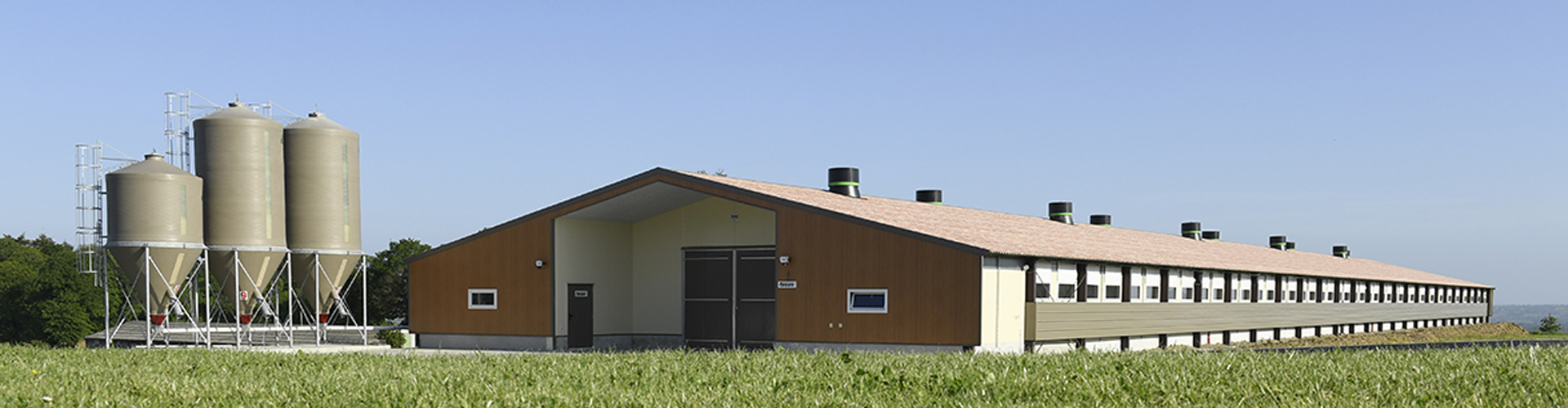
Blog
Ethiopian poultry farming practices, including chicken cage system, are critical for local food security and farmer profitability.
This article compares H type chicken cage systems and cage-free poultry systems focusing on production efficiency, feed management, and labor use.
Detailed tables illustrate Ethiopian-specific feed consumption, egg production, mortality, and capital costs.
Operational challenges such as seasonal feed shortages and market access are analyzed.
Recommendations provide actionable solutions for smallholder and semi-commercial farms in Ethiopia.
Risk management strategies include disease control, ventilation optimization, and labor efficiency.
Insights address scalable investment decisions tailored for central, northern, and southern Ethiopian regions.
Local context and extension service practices are incorporated to support decision-making for Ethiopian farmers.
Get professional poultry farm construction guidance, equipment selection solutions, and the latest price lists, whatsApp to +8618830120193, click to learn more:

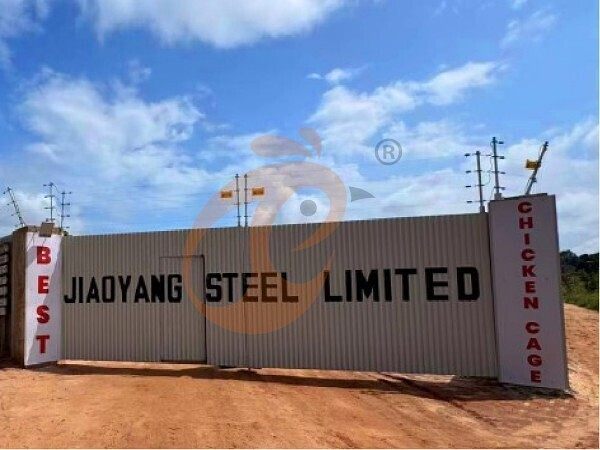
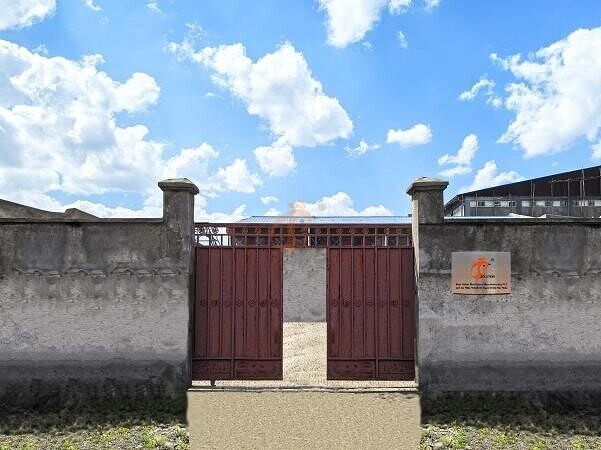
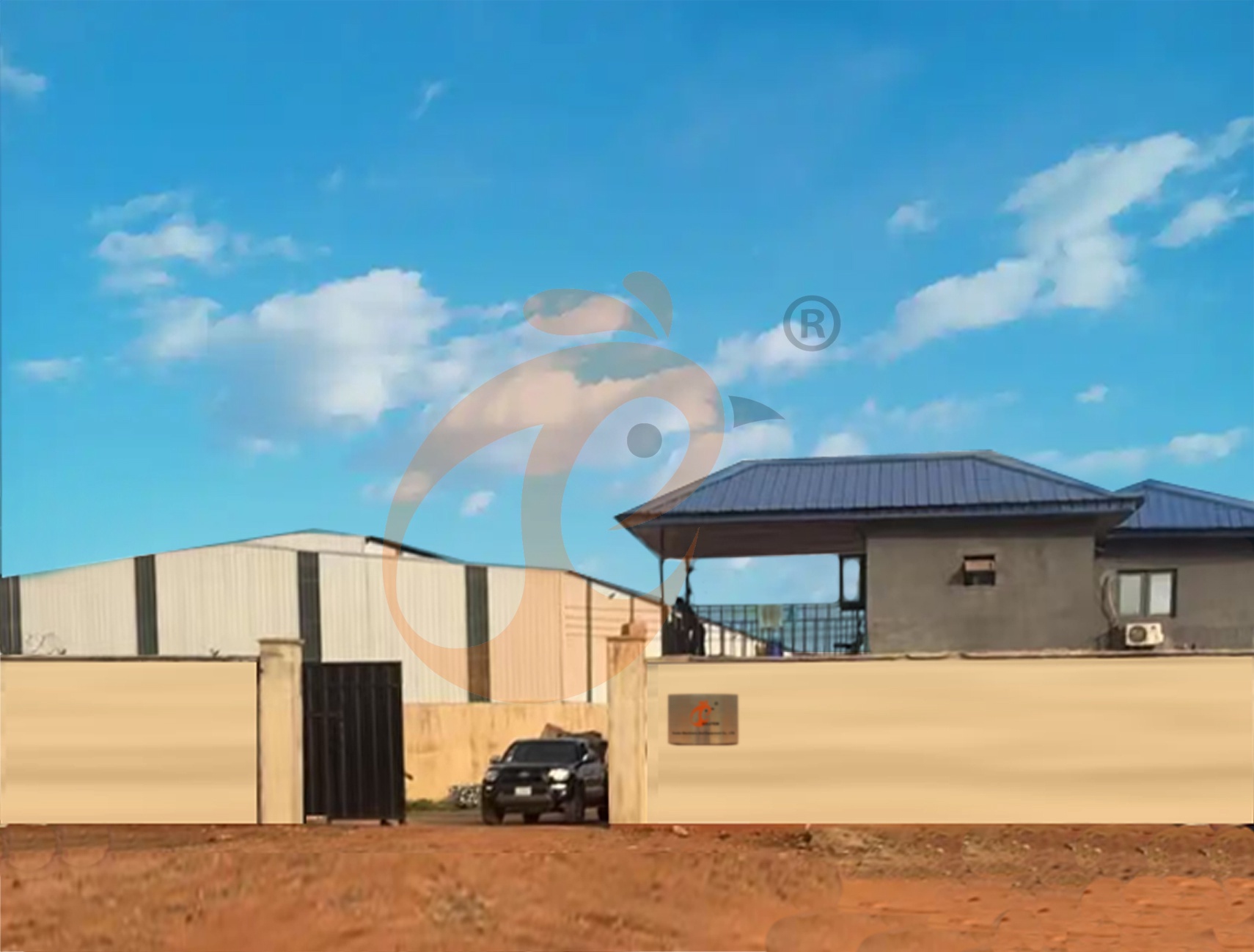
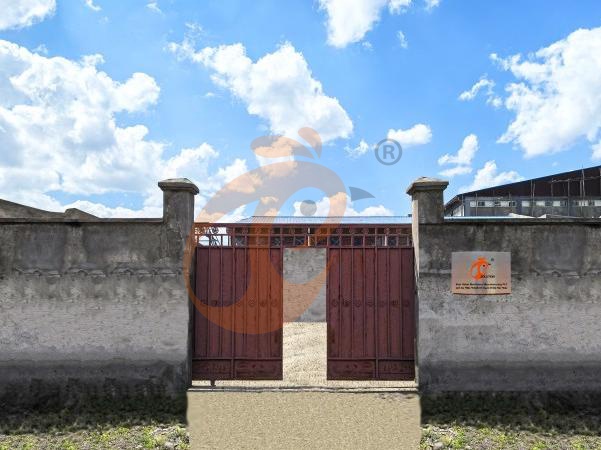
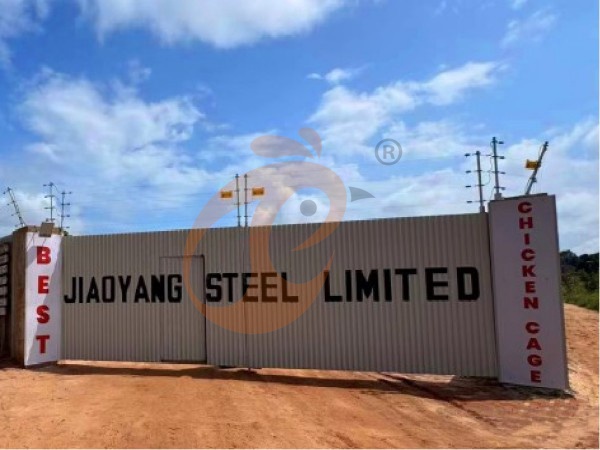
Ethiopia Branch Office And Factory Of Poultry Farm Equipment
Production Metrics For H Type Cage Systems In Ethiopia
Ethiopian poultry producers considering H type chicken cage systems need a clear picture of production metrics under local conditions, including feed conversion, egg production, and space allocation.
Data is for reference only.Swipe horizontally to view full table.
Local farmers in central and northern Ethiopia found that optimized cage configurations improve uniformity of feeding and reduce feed waste—a significant cost component in Ethiopian poultry production.
Cage-Free System Parameters In Ethiopian Context
Cage-free systems offer a different set of production parameters influenced by movement, housing design, and labor intensity.
These are essential for assessing operational efficiencies in smallholder and semi-commercial settings.
Data is for reference only.Swipe horizontally to view full table.
The table indicates that cage-free flocks in Ethiopia may exhibit slightly more variation in individual production outputs due to behavioral
differences and foraging behavior influenced by local feed availability.
Feed Cost Structures For H Type Cages
Feed cost is the most significant expense in Ethiopian poultry systems.
The table below summarizes typical feed cost components for a medium-scale H type chicken cage facility in Oromia and Amhara regions.
Data is for reference only.Swipe horizontally to view full table.
Local producers frequently experience price fluctuations in maize and soybean meal due to seasonal harvest cycles and transportation infrastructure constraints.
Efficient procurement and feed formulation are critical to maintaining production viability.
Feed Cost Structures For Cage-Free Systems
Cage-free systems also rely on formulated rations but may offset some feed input through foraging.
The following table reflects typical feed composition and cost for cage-free layer groups.
Data is for reference only.Swipe horizontally to view full table.
Despite foraging contributions, cage-free feed costs remain substantial.
Strategic integration of regionally available feedstuffs (e.g., pulses, sorghum) helps control input expenditure.
Capital Investment Requirements
Initial capital investment varies significantly between systems.
The following table outlines key fixed costs relevant to Ethiopian poultry entrepreneurs.
Data is for reference only.Swipe horizontally to view full table.
European union standard reference only
H type chicken cage systems show greater upfront costs mainly due to the purchase and installation of cage equipment, whereas cage-free setups allocate more to housing and ventilation modifications to manage bird movement and environmental comfort.
Labor Input And Management Complexity
Labor is a critical operational cost in Ethiopia's poultry value chain.
The following table delineates weekly labor requirements for typical flocks.
Data is for reference only.Swipe horizontally to view full table.
In Ethiopia, labor costs are influenced by regional wage norms and rural employment availability.
Chicken cage systems offer more streamlined workflows for feeding and egg collection, whereas cage-free systems require more manual sorting and hygiene activities.
Egg Output And Marketable Yield
Profitability depends heavily on egg yield, uniformity, and quality.
The table below provides comparative weekly egg yields based on performance data from Ethiopian farms.
Data is for reference only.Swipe horizontally to view full table.
Ethiopian producers targeting consistent production often choose systems that standardize feeding and environment to improve laying percentages.
Extension outreach and training are crucial to translating technical parameters into predictable performance.
Profitability Analysis
Profitability must factor in revenues, feed costs, labor, utilities, and mortality.
Revenue determinants: egg price in local markets, egg grading and packaging, seasonal demand (festivals, fasting periods).
Cost elements: feed, labor, utilities (electricity for lighting and ventilation, water), veterinary services.
Risk factors: disease outbreaks (Newcastle, Salmonella), market volatility, transport disruptions.
Producers in Ethiopia with optimized management have reported that chicken cage systems, though costlier to establish, can yield more consistent output and easier scaling,
whereas cage-free models engage more labor and behavioral variance but may appeal to niche markets demanding non-constrained bird systems.
Operational Challenges In Ethiopia
Ethiopian poultry producers face specific challenges
Feed supply continuity: seasonal shortages of maize and oilseed meals.
Infrastructure gaps: unreliable electricity affects ventilation and lighting.
Disease pressure: veterinary access is inconsistent in rural districts.
Market access: poor road networks limit reliable egg distribution.
Addressing these bottlenecks involves community cooperatives for feed purchasing, investment in solar backup systems, regular vaccination campaigns coordinated by regional bureaus, and aggregation hubs for product distribution.
Strategic Recommendations
To elevate profitability for both systems
Feed optimization: use least-cost formulation software with locally available ingredients.
Training: strengthen extension services on biosecurity and flock record keeping.
Local input hubs: encourage private sector engagement in pelletized feed and premixes.
Market linkages: develop egg collection centers with quality grading and cold storage.
Financial access: facilitate microfinancing specifically for structured poultry investments.
Conclusion
Ethiopia's poultry sector offers viable pathways for small and medium producers.
H type chicken cage systems can yield consistent production outcomes where capital and technical support are available.
Cage-free systems offer alternatives that align with certain market preferences and resource availabilities.
Profitability depends on rigorous cost control, feed efficiency, labor management, and proactive risk mitigation strategies.
Through coordinated policy support, private sector investment, and tailored technical guidance, both systems can contribute meaningfully to Ethiopia's food security and rural economic development.
Frequently Asked Questions
Q1: Are H-type chicken cages suitable for small Ethiopian farms?
Yes, they provide predictable egg production and efficient feed utilization, particularly in central and northern Ethiopia where labor is limited.
Q2: How can Ethiopian farmers manage disease in cage-free systems?
Regular vaccination programs, biosecurity measures, and proper ventilation can reduce mortality even in rural areas with limited veterinary access.
Q3: Which system is more resilient to seasonal feed shortages in Ethiopia?
Chicken cage systems allow controlled feed management, while cage-free systems partially rely on foraging.
Strategic local sourcing improves resilience.
Ethiopia Best Hebei Machinery Manufacturing Plc - One Of Ethiopia Largest Chicken Cage Supplier
HB BEST offers global factory direct sales with complete poultry farm equipment solutions.
The company provides turn-key engineering projects to establish fully operational poultry farms.
Their poultry cage designs enhance egg production efficiency and uniformity for Ethiopian farms.
HB BEST supplies poultry farm equipment including feeders, drinkers, and ventilation systems.
Turn-key engineering projects and full support ensure operational success for poultry investors.
Contact Us To Received Your Customized Poultry Farm Plan
Headquarters And Branchs
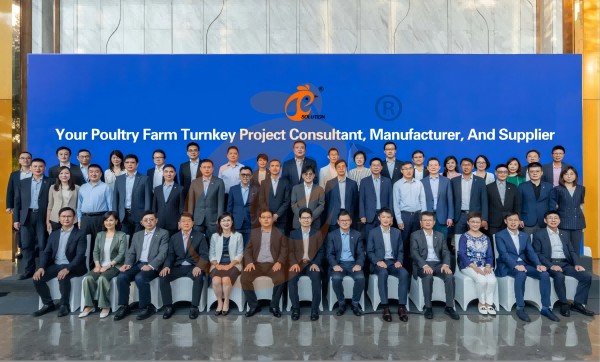
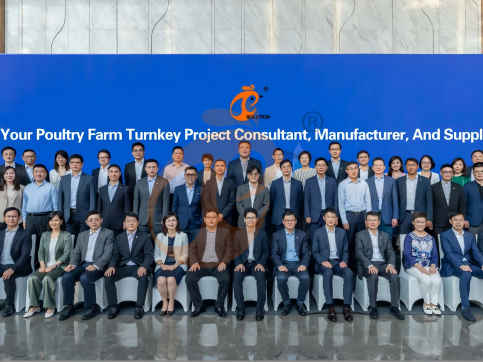
Hong Kong Headquarter Management Team
Hong Kong Headquarter Taiyu Industrial Group CO., LTD
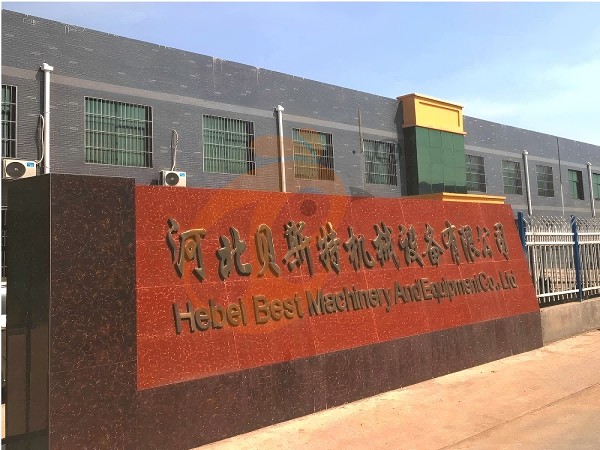
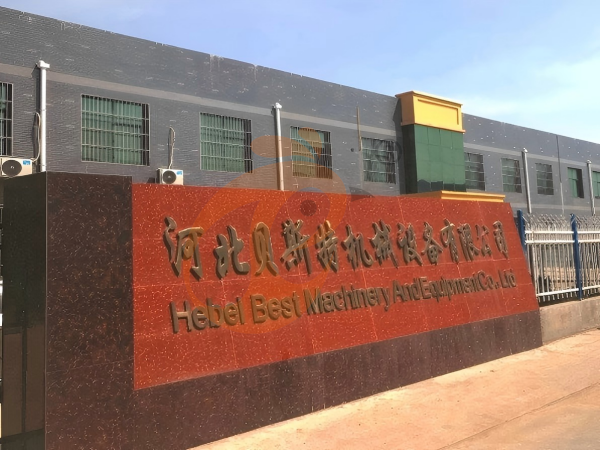
China Hebei Best Machinery And Equipment CO., LTD
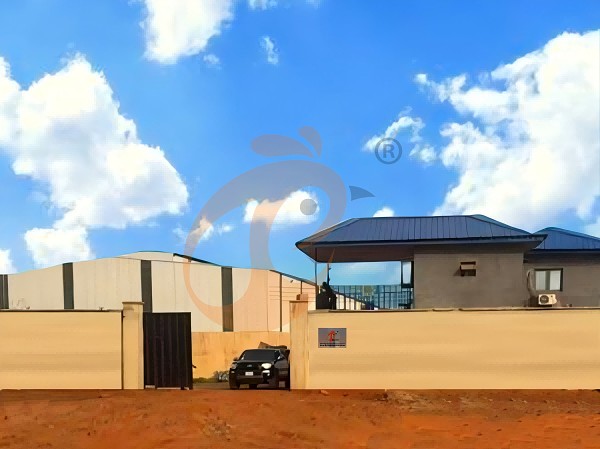
Nigeria Vanke Machinery And Equipment CO., LTD
Tanzania Best Machinery And Equipment CO., LTD
Ethiopia Best Hebei Machinery Manufacturing PLC
Reception /24 WhatsApp NO. : +8618830120193
FAQ
How To Implement Biosecurity Measures In H-Type Battery Cage Farm?
Restrict access to outsiders
Isolate sick birds
Mortality rate: 2–3%
Egg production rate: 90-98%
What Is The Average Feed Cost Per Bird In H-Type Layer Cage?
FCR 1.9–2.1
Feed cost: $0.15–0.20 per bird per day
Daily egg yield: 900–980 eggs/1,000 birds
Labor savings: 70-90%
How To Prevent Cannibalism In H-Type Poultry Cage System?
Provide sufficient feed and water
Install anti-pecking devices
Egg production rate: 90-98%
Mortality rate <3%
- poultry farm
- chicken cage
- poultry farms
- poultry cage
- cage
- poultry farm equipment
- poultry farm construction
- poultry cage design
- chicken cage system
- chicken cage supplier
- chicken cages
- h type chicken cage
- chickencage
- h type cage
- bestchickencage
- cage system
- h type
- cage systems
- h type cages
- poultry cage designs
- Nigeria
- poultry farming
- cage design
- cage supplier
- poultry farm plan
- Ethiopia
Message
Products recommended
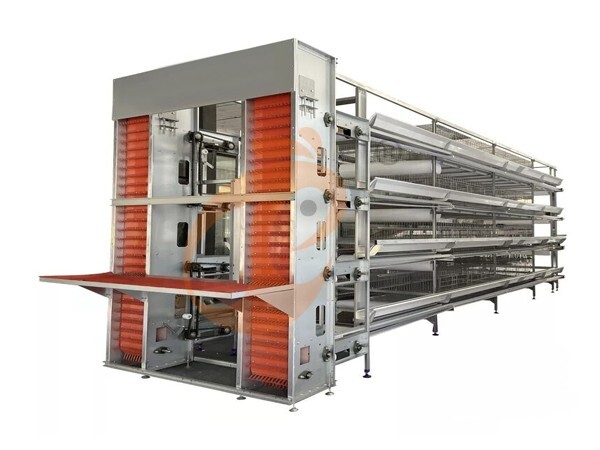
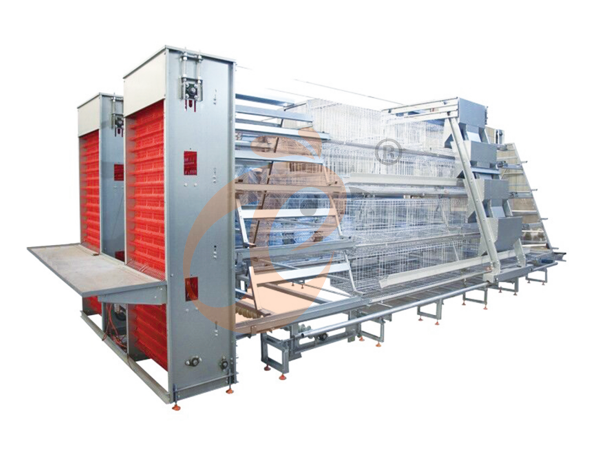
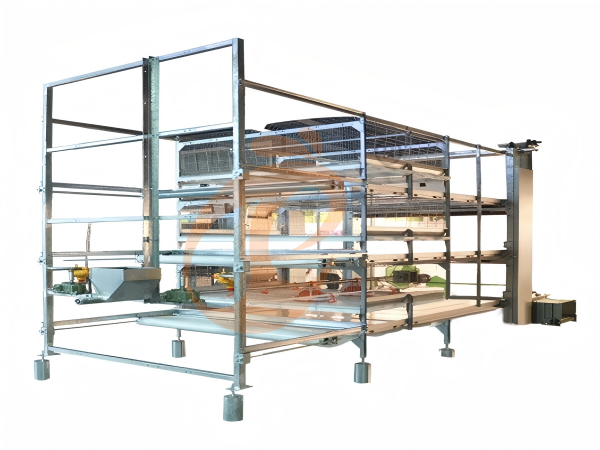
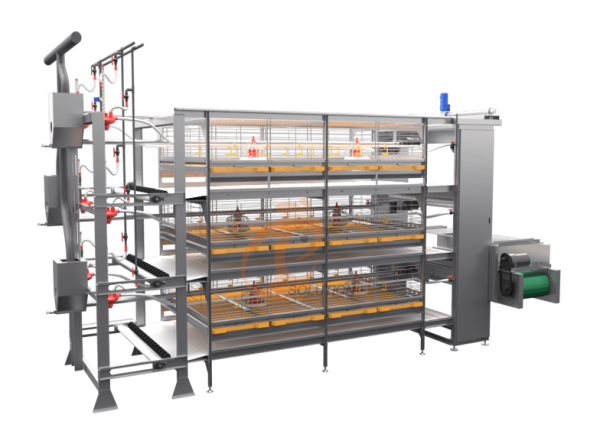
 >30,000 Pullets Automatic H Type Battery Cage1. More than 30,000 pullets a house, choose it.
2. It is designed to rearing older than 1 day old pullets to 12 to 16 weeks old chicken starting laying eggs.
3. Its lifespan is more than 25 years.
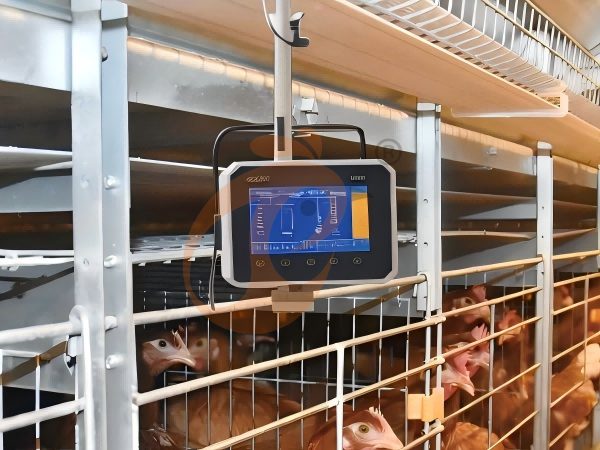
4. Its structure are Vcloud artificial intelligent fusion, electric control cabinet, automatic equipment of drinking, feeding, manure clean, manual harvesting.
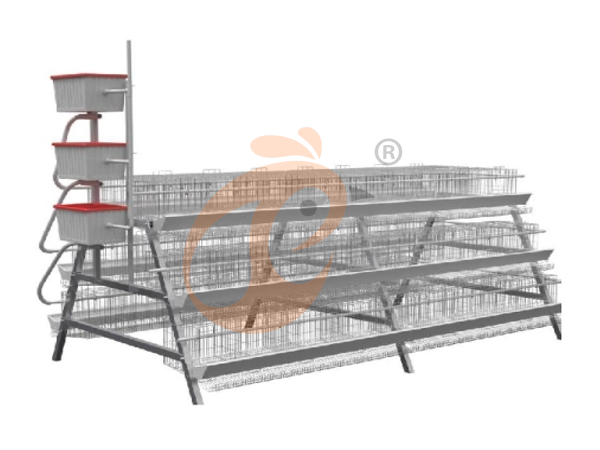
5. Our 24 hour online reception What’sApp NO. is +8618830120193 <30,000 Pullets Automatic A Type Battery Cage1. 10,000 to 30,000 pullets a house, choose it.
2. It is designed to rearing older than 1 day old pullets to 12 to 16 weeks old chicken starting laying eggs.
3. Its lifespan is more than 25 years.
4. Its structure are Vcloud artificial intelligent fusion, electric control cabinet, automatic equipment of drinking, feeding, manure clean, manual harvesting.
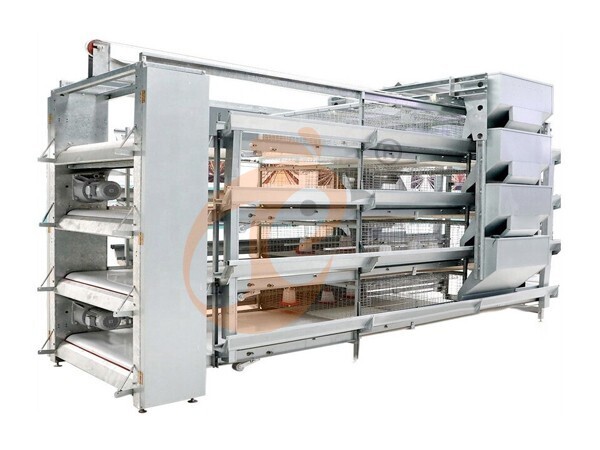
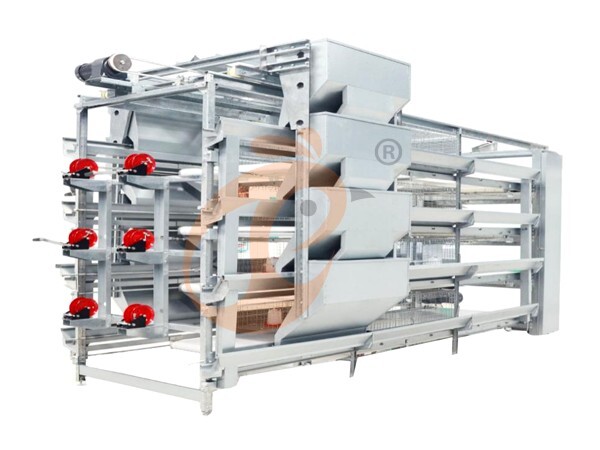
5. Our 24 hour online reception What’sApp NO. is +86 18830120193. >30,000 Broilers Semi-Automatic Harvest H Type Battery Cage1. More than 30,000 broilers a house, choose it.
2. It is designed to rearing 1 to 45 day old adult broiler ready for market.
3. Its lifespan is more than 20 years.
4. Our 24 hour online reception What’sApp NO. is +8618830120193, +234 8111199996. >30,000 Broilers Manual Harvest H Type Battery Cage1. More than 30,000 broilers a house, choose it.
2. It is designed to rearing 1 to 45 day old adult broiler ready for market.
3. Its lifespan is more than 20 years.
4. Its structure are Vcloud artificial intelligent fusion, electric control cabinet, automatic equipment of drinking, feeding and manure clean, manual harvesting.
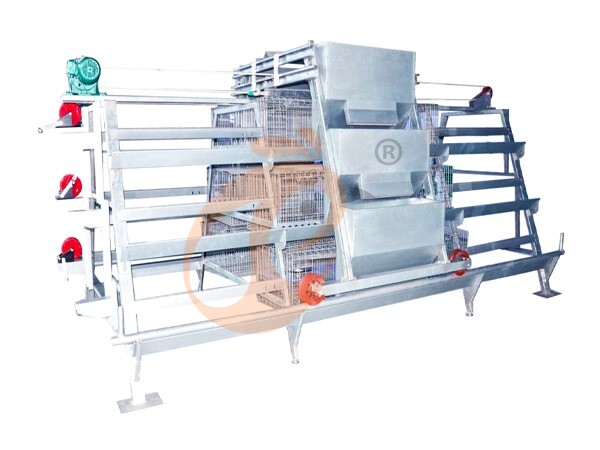
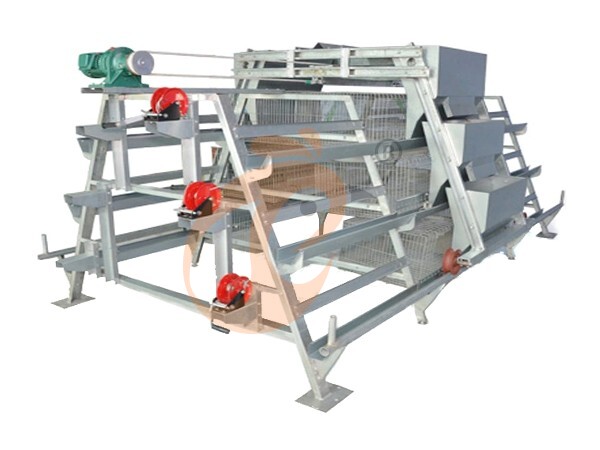
5. Our 24 hour online reception What’sApp NO. is +8618830120193, +234 8111199996. <30,000 Broilers Manual Harvest A Type Battery Cage1. Less 30,000 broilers a house, choose it.
2. It is designed to rearing 1 to 45 day old adult broiler ready for market.
3. Its lifespan is more than 20 years.
4. Its structure are Vcloud artificial intelligent fusion, electric control cabinet, automatic equipment of drinking, feeding and manure clean, manual harvesting.
5. Our 24 hour online reception What’sApp NO. is +8618830120193, +234 8111199996. HK Headquarter Offers EU-standard Poultry Farm Solutions, Manufacture Poultry Farm Equipment1. Continuous communication with the EU and the US
2. China, Nigeria, Ethiopia, Tanzania branch companies and factories
3. The products’ quality is customized for local poultry farms
4. Poultry cage and poultry farm equipment stock for sale
5. 24 online reception Whatsapp NO. : +8618830120193,contact us to get full information China Branch Offer Poultry Farm Business Plan, Manufacture Poultry Farm Equipment1. Address: Flat/RM 2416, 24/F, Runxing Building, Youyi Nan Street, Shijiazhuang City, Hebei Province, China
2. Poultry cage and poultry farm equipment factory and stock for sale
3. Customized for local poultry farms
4. Quality and design are based on Euro
5. 24 online reception Whatsapp NO. : +8618830120193 Nigeria Branch Offer Poultry Farm Business Plan, Manufacture Poultry Farm Equipment1. Address: After Sinoma Office, 200 Meters Near Danco Filling Station, Lagos/Ibadan Expressway, Lagos State, Nigeria
2. Poultry cage and poultry farm equipment factory and stock for sale
3. Customized for Nigerian poultry farms
4. Quality and design are based on Euro
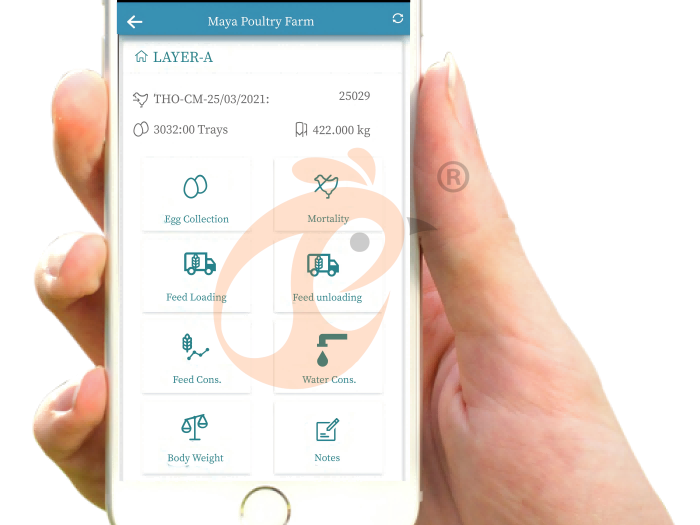
5. 24 online reception Whatsapp NO. : +8618830120193 Ethiopia Branch Offer Poultry Farm Business Plan, Manufacture Poultry Farm Equipment1. Address: WR93+FQ2, Addis Ababa, Ethiopia
2. Poultry cage and poultry farm equipment stock for sale
3. Customized for Ethiopian poultry farms
4. Quality and design are based on Euro
5. 24 online reception Whatsapp NO. : +8618830120193, contact us to get price list Tanzania Branch Offer Poultry Farm Business Plan, Manufacture Poultry Farm Equipment1. Address: No.8, Sova Road, Msufini, Mlandizi, Kibaha, Pwani, Tanzania
2. Poultry cage and poultry farm equipment factory and stock for sale
3. Customized for Tanzanian poultry farms
4. Quality and design are based on Euro
5. 24 online reception Whatsapp NO. : +8618830120193



Contact
By clicking 'Allow All', you agree to the storage of cookies on your device to enhance site navigation, analyze site usage and assist with our marketing efforts.