


Blog
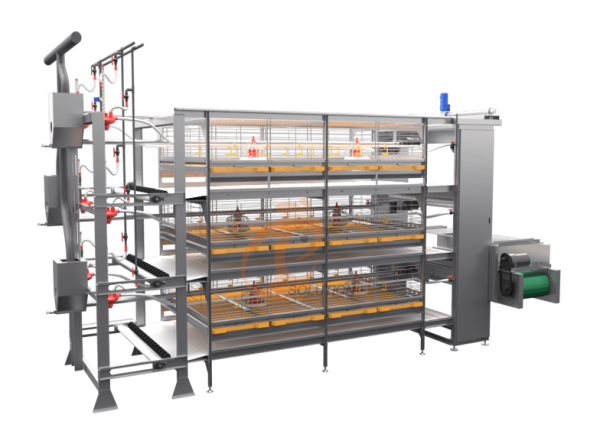
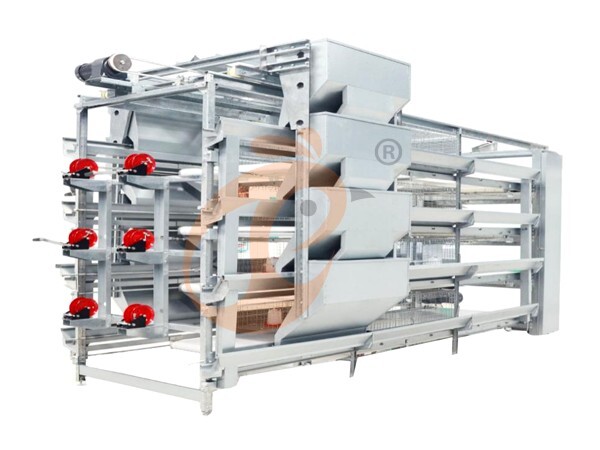
H-type chicken cages for Ethiopia provide high-efficiency poultry farming solutions, addressing land use and labor challenges.
This article compares H-type and A-type cages for Ethiopian commercial poultry farms.
Discusses vertical integration, land efficiency, and climate-adapted ventilation systems.
Evaluates feed conversion ratio (FCR) and precision automated feeding efficiency.
Covers labor savings, egg collection, and egg quality in large-scale sheds.
Analyzes material durability and corrosion resistance under Ethiopian conditions.
Reviews long-term return on investment and CAPEX considerations for investors.
Offers biosecurity strategies and customization for various Ethiopian farm climates.
Get professional poultry farm construction guidance, equipment selection solutions, and the latest price lists, whatsApp to +8618830120193, click to learn more:

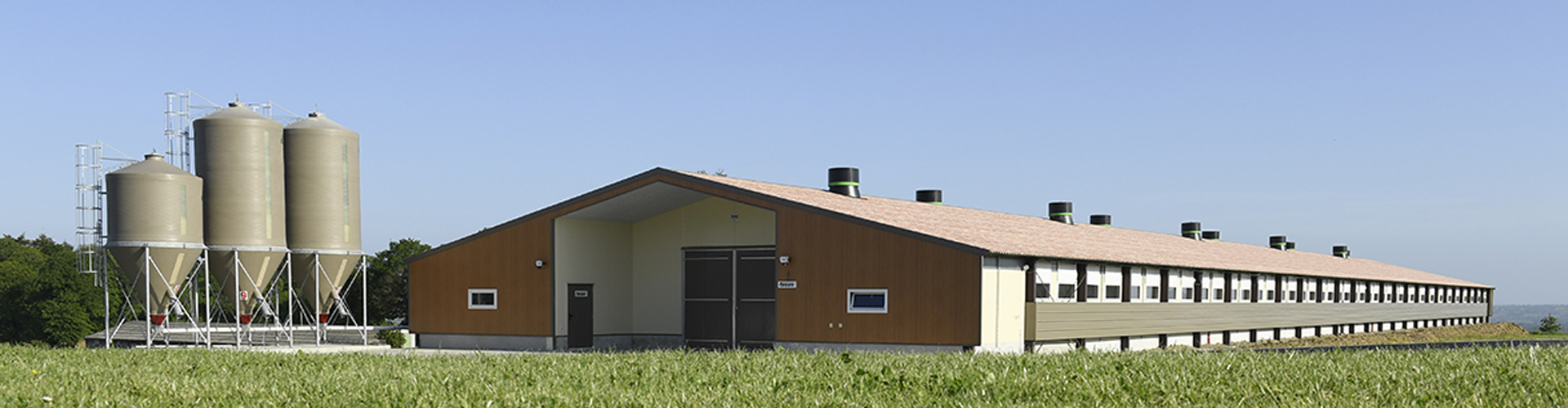
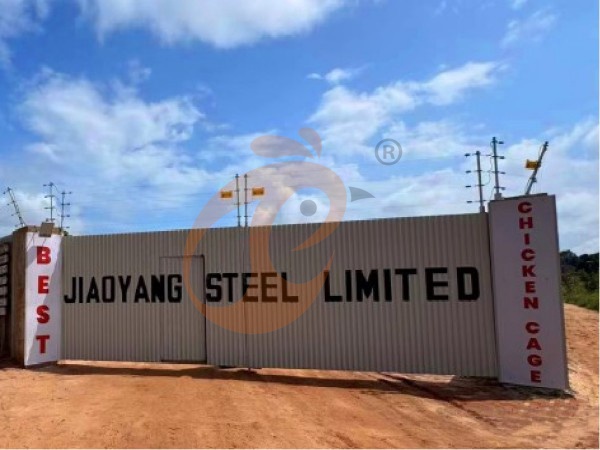
Ethiopia Branch Office And Factory Of Poultry Farm Equipment
Vertical Integration And Land Efficiency In Ethiopia
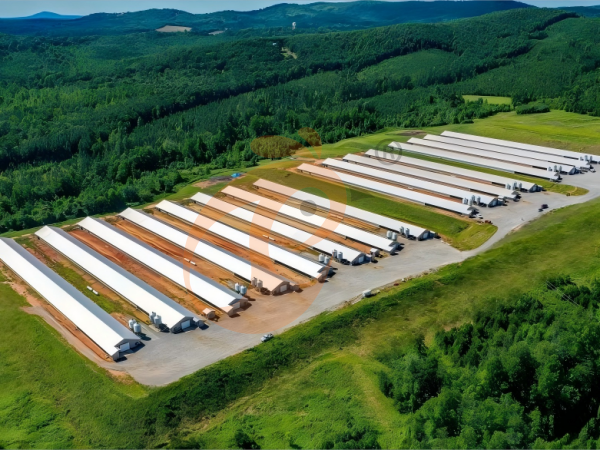
In regions like Debre Zeit (Bishoftu), rising land prices make maximizing birds per square meter essential.
This allows large-scale farms to house three times as many birds compared to A-type poultry cages.
For a 50,000-bird facility, H-type systems reduce land acquisition and shed structure costs.
Data is for reference only. Swipe horizontally to view full table.
Overcoming The Ethiopian Climate: Ventilation And Ammonia Control
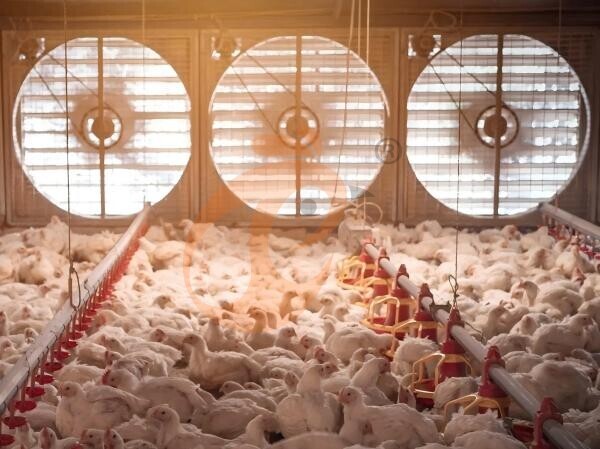
Ethiopia's high-altitude climate offers moderate temperatures, but large poultry sheds can suffer ammonia buildup and heat stress.
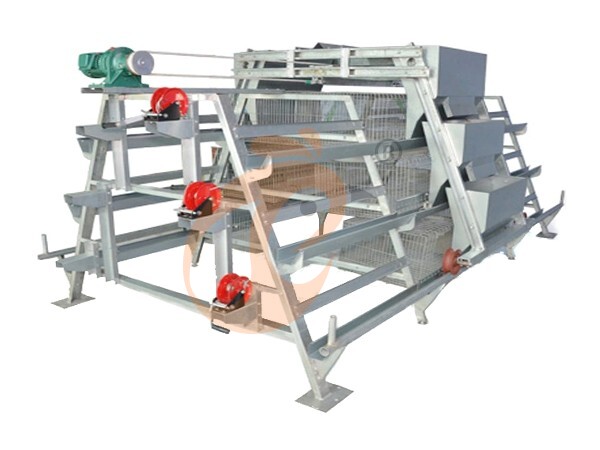
A-type poultry cages allow manure to fall to pits, while H-type cages have integrated manure belts for daily removal.
Ammonia levels are maintained below 10 ppm in H-type systems, reducing respiratory issues.
Data is for reference only. Swipe horizontally to view full table.
Precision Feeding And The FCR Factor
Feed costs represent approximately 70% of production expenses in Ethiopia.
H-type cages use automated trolley or hopper feeders for precise distribution across all tiers.
A-type systems may experience uneven feed distribution in long sheds, affecting FCR.
Data is for reference only. Swipe horizontally to view full table.
Solving The Labor Shortage In Commercial Hubs
Ethiopian industrial growth increases labor costs and scarcity.
H-type systems automate feeding, watering, egg collection, and manure removal.
One staff member can manage up to 30,000 birds, versus 8,000–12,000 in A-type systems.
Data is for reference only. Swipe horizontally to view full table.
Egg Quality And Breakage Rates: Protecting The Harvest
Large-scale producers supplying Addis Ababa supermarkets and Bahir Dar hotels prioritize egg cleanliness.
H-type chicken cages with soft-touch collection belts reduce breakage below 0.5% and maintain high grade A output.
Data is for reference only. Swipe horizontally to view full table.
Durability And Material Science In Ethiopian Conditions
H-type cages use hot-dip galvanized or zinc-aluminum-magnesium steel for over 25-year lifespan.
A-type cages also use similar materials but support frame density is lower for multi-tier machinery.
Data is for reference only. Swipe horizontally to view full table.
Strategic Investment: The Return On Investment Calculation
Although CAPEX for H-type cages is higher, long-term return on investment is faster for large-scale Ethiopian farms.
Labor savings, improved FCR, and bird density increase cash flow to service agricultural loans.
Data is for reference only. Swipe horizontally to view full table.
European union standard reference only
Biosecurity And Disease Management
H-type chicken cages minimize human-bird contact and eliminate direct manure exposure, significantly reducing the risk of Newcastle Disease and Avian Influenza in Ethiopian commercial farms.
Integrated automated manure belts remove waste daily, maintaining ammonia below 10 ppm and controlling humidity, creating a consistent biosecure microclimate across all tiers.
Combined with controlled ventilation and restricted shed access, H-type systems allow farms in Addis Ababa, Bishoftu, and other regions to comply with national poultry biosecurity standards efficiently.
Customization For Local Requirements
H-type cages can be adapted with environmental controls—cooling pads, fans, and automated humidity management—to maintain optimal conditions in both highland and lowland Ethiopian climates, ensuring year-round layer
productivity.
A-type cages remain cost-effective for smaller open-sided or naturally ventilated sheds but require more frequent manual labor and monitoring of feed distribution, manure accumulation, and bird health.
For farms exceeding 30,000 layers, implementing H-type cages with local climate adaptation ensures consistent FCR, egg quality, and reduced labor intensity.
Frequently Asked Questions
Q1: Are H-type chicken cages suitable for Ethiopian farm conditions?
A1: Yes. H-type cages optimize land, reduce labor, and maintain biosecurity under Ethiopian climate conditions.
Q2: Can A-type cages handle Ethiopia's high feed cost issues?
A2: Semi-automation is possible, but H-type cages reduce feed waste and improve FCR significantly.
Q3: Which cage system improves egg quality in Ethiopian commercial farms?
A3: H-type chicken cages provide better egg cleanliness, breakage control, and grading efficiency, ideal for Addis Ababa and Bahir Dar markets.
Ethiopia Best Hebei Machinery Manufacturing Plc - One Of Ethiopia Largest Chicken Cage Manufacturer
HB BEST provides global factory direct sales, ensuring efficient poultry farm equipment supply.
The company offers full turnkey engineering solutions for commercial poultry farms.
All poultry cage systems are customizable for Ethiopian climate and large-scale operations.
HB BEST ensures high-quality H-type cages with corrosion-resistant materials.
Expert technical support and maintenance services accompany every poultry farm project.
Contact Us To Received Your Customized Poultry Farm Plan
Headquarters And Branchs

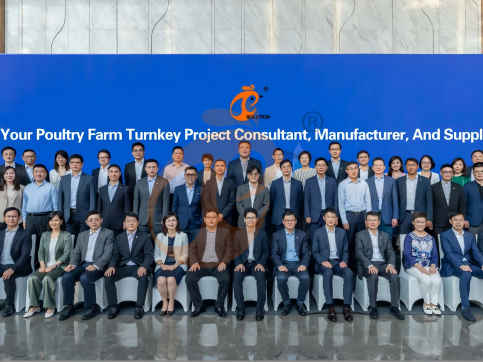
Hong Kong Headquarter Management Team
Hong Kong Headquarter Taiyu Industrial Group CO., LTD
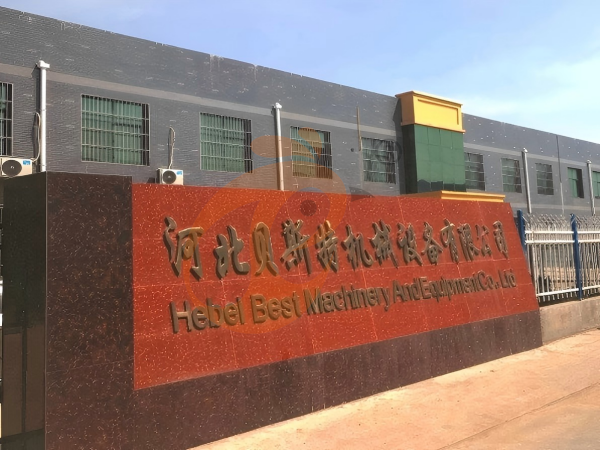
China Hebei Best Machinery And Equipment CO., LTD
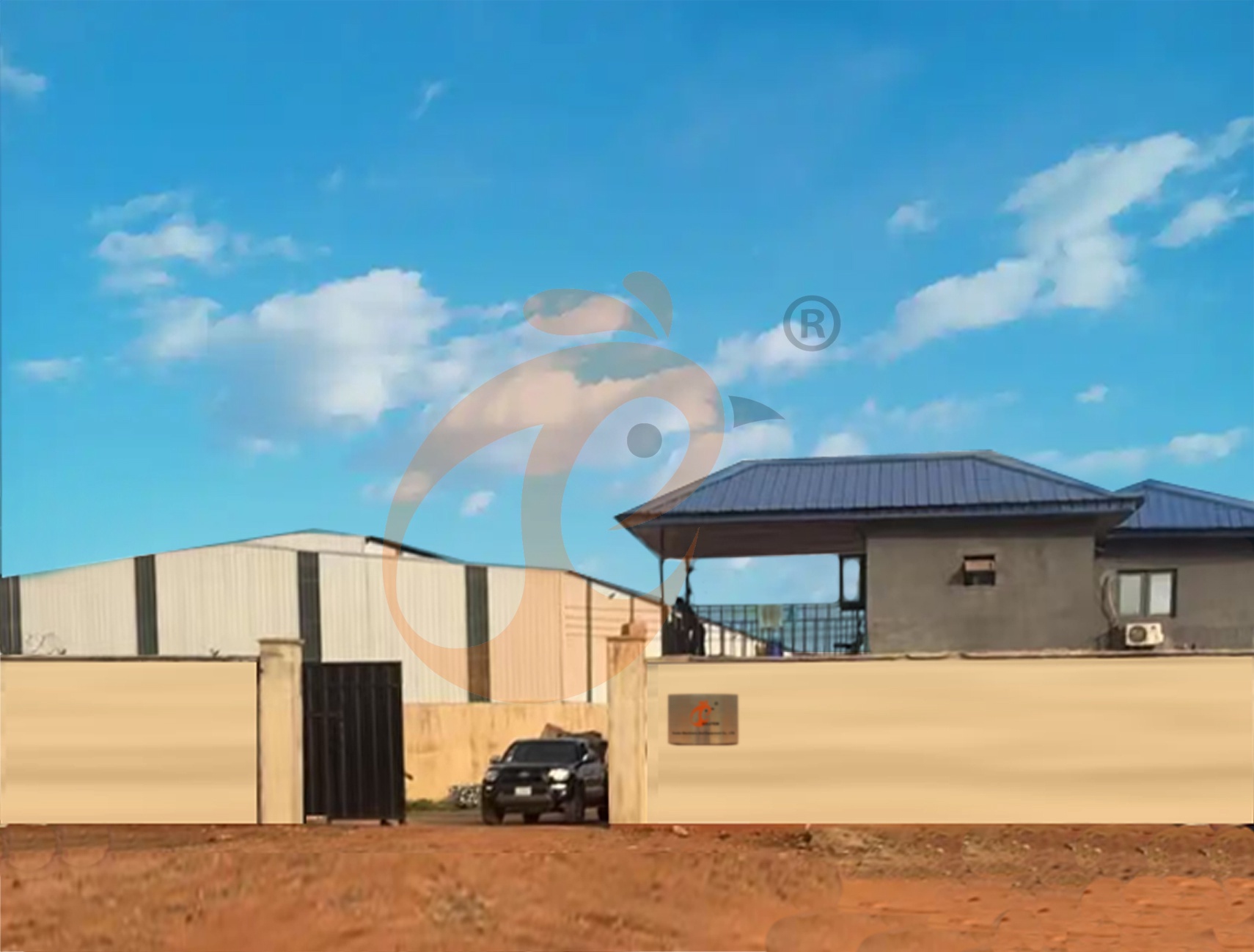
Nigeria Vanke Machinery And Equipment CO., LTD
Tanzania Best Machinery And Equipment CO., LTD
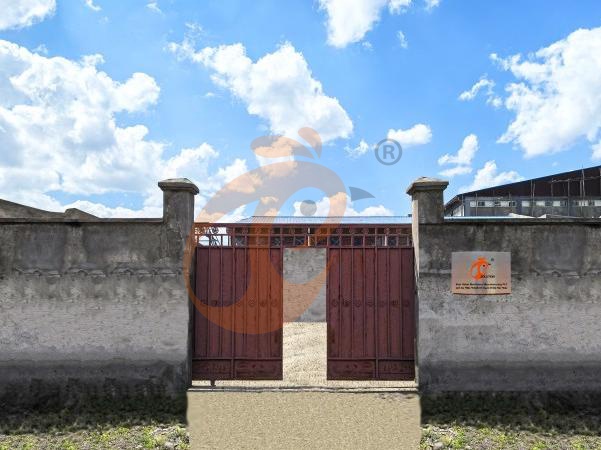
Ethiopia Best Hebei Machinery Manufacturing PLC




Reception /24 WhatsApp NO. : +8618830120193
FAQ
How To Manage Lighting Programs In H-Type Layer Cage Houses?
Ensure even light distribution
Promotes laying rhythm
Egg production rate: 90-98%
FCR 1.9–2.1
What Are The Cleaning Procedures For H-Type Battery Cage System?
Use environmentally safe disinfectants
Clean manure troughs
Reduce pathogen spread
Egg production rate: 90-98%
How To Expand H-Type Chicken Cage Farm Without Reducing Efficiency?
Maintain automated feeding and drinking systems
Ensure uniform ventilation and lighting
Farm capacity per house: 30,000 - 100,000+0 birds
Labor savings: 70-90%
- poultry farm
- chicken cage
- poultry farms
- poultry cage
- cage
- poultry farm equipment
- poultry farm construction
- poultry cage system
- chicken cage manufacturer
- poultry farm project
- chicken cages
- poultry cages
- chickencage
- bestchickencage
- cage system
- cage systems
- h cage
- Nigeria
- commercial poultry farms
- poultry farming
- poultry cage systems
- cage manufacturer
- poultry farm plan
- poultry farming solutions
- Ethiopia
Message
Products recommended
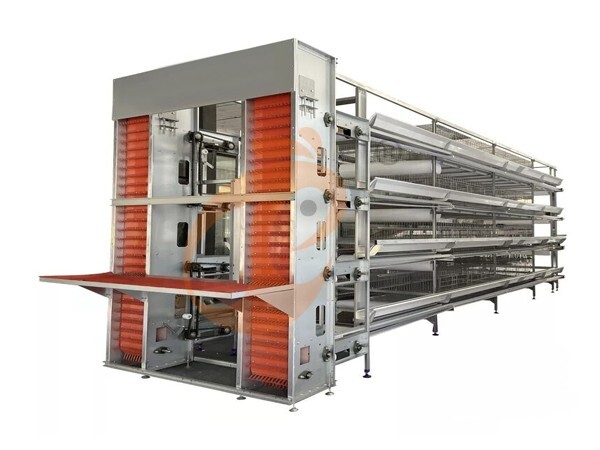
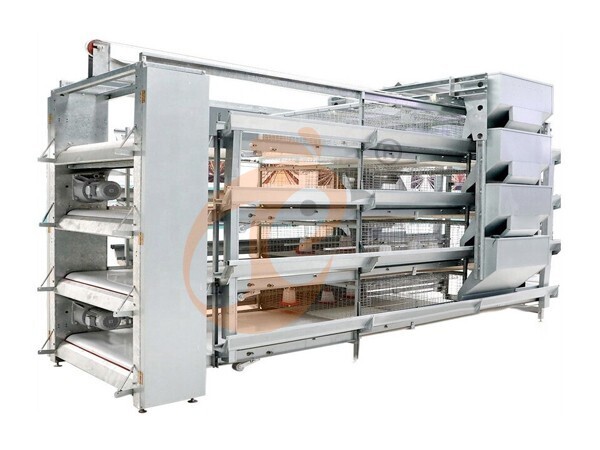
 >30,000 Pullets Automatic H Type Battery Cage1. More than 30,000 pullets a house, choose it.
2. It is designed to rearing older than 1 day old pullets to 12 to 16 weeks old chicken starting laying eggs.
3. Its lifespan is more than 25 years.
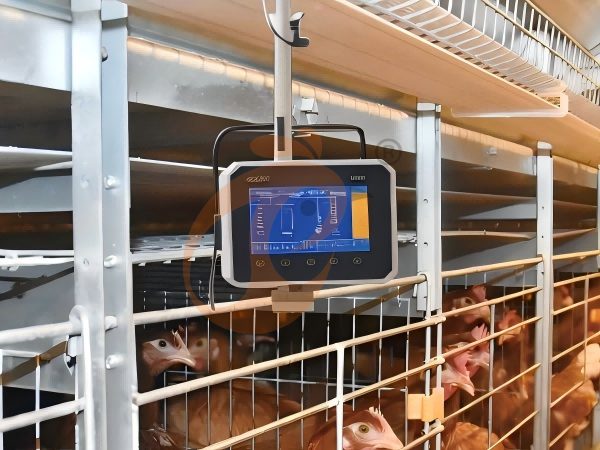
4. Its structure are Vcloud artificial intelligent fusion, electric control cabinet, automatic equipment of drinking, feeding, manure clean, manual harvesting.
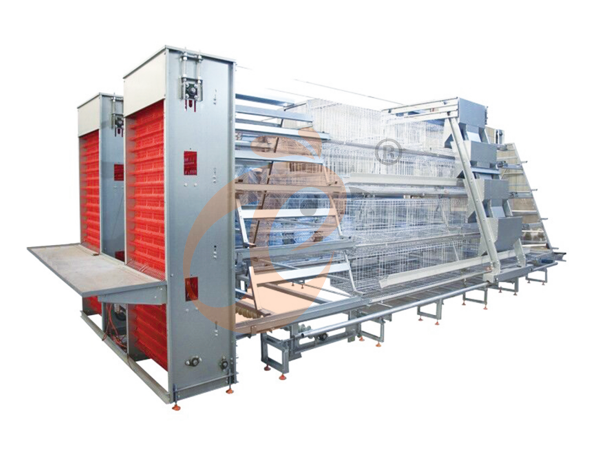
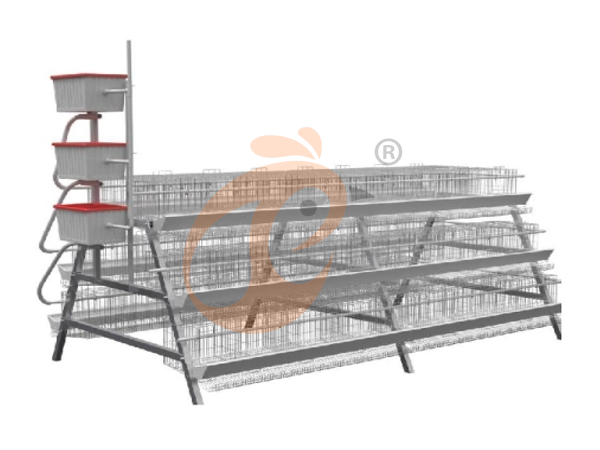
5. Our 24 hour online reception What’sApp NO. is +8618830120193 <30,000 Pullets Automatic A Type Battery Cage1. 10,000 to 30,000 pullets a house, choose it.
2. It is designed to rearing older than 1 day old pullets to 12 to 16 weeks old chicken starting laying eggs.
3. Its lifespan is more than 25 years.
4. Its structure are Vcloud artificial intelligent fusion, electric control cabinet, automatic equipment of drinking, feeding, manure clean, manual harvesting.
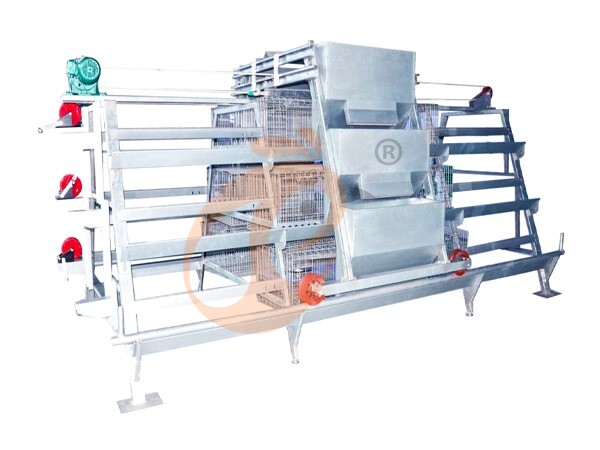
5. Our 24 hour online reception What’sApp NO. is +86 18830120193. >30,000 Broilers Semi-Automatic Harvest H Type Battery Cage1. More than 30,000 broilers a house, choose it.
2. It is designed to rearing 1 to 45 day old adult broiler ready for market.
3. Its lifespan is more than 20 years.
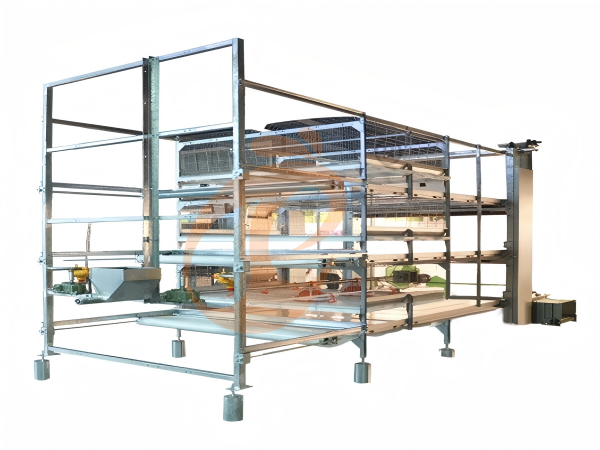
4. Our 24 hour online reception What’sApp NO. is +8618830120193, +234 8111199996. >30,000 Broilers Manual Harvest H Type Battery Cage1. More than 30,000 broilers a house, choose it.
2. It is designed to rearing 1 to 45 day old adult broiler ready for market.
3. Its lifespan is more than 20 years.
4. Its structure are Vcloud artificial intelligent fusion, electric control cabinet, automatic equipment of drinking, feeding and manure clean, manual harvesting.
5. Our 24 hour online reception What’sApp NO. is +8618830120193, +234 8111199996. <30,000 Broilers Manual Harvest A Type Battery Cage1. Less 30,000 broilers a house, choose it.
2. It is designed to rearing 1 to 45 day old adult broiler ready for market.
3. Its lifespan is more than 20 years.
4. Its structure are Vcloud artificial intelligent fusion, electric control cabinet, automatic equipment of drinking, feeding and manure clean, manual harvesting.
5. Our 24 hour online reception What’sApp NO. is +8618830120193, +234 8111199996. HK Headquarter Offers EU-standard Poultry Farm Solutions, Manufacture Poultry Farm Equipment1. Continuous communication with the EU and the US
2. China, Nigeria, Ethiopia, Tanzania branch companies and factories
3. The products’ quality is customized for local poultry farms
4. Poultry cage and poultry farm equipment stock for sale
5. 24 online reception Whatsapp NO. : +8618830120193,contact us to get full information China Branch Offer Poultry Farm Business Plan, Manufacture Poultry Farm Equipment1. Address: Flat/RM 2416, 24/F, Runxing Building, Youyi Nan Street, Shijiazhuang City, Hebei Province, China
2. Poultry cage and poultry farm equipment factory and stock for sale
3. Customized for local poultry farms
4. Quality and design are based on Euro
5. 24 online reception Whatsapp NO. : +8618830120193 Nigeria Branch Offer Poultry Farm Business Plan, Manufacture Poultry Farm Equipment1. Address: After Sinoma Office, 200 Meters Near Danco Filling Station, Lagos/Ibadan Expressway, Lagos State, Nigeria
2. Poultry cage and poultry farm equipment factory and stock for sale
3. Customized for Nigerian poultry farms
4. Quality and design are based on Euro
5. 24 online reception Whatsapp NO. : +8618830120193 Ethiopia Branch Offer Poultry Farm Business Plan, Manufacture Poultry Farm Equipment1. Address: WR93+FQ2, Addis Ababa, Ethiopia
2. Poultry cage and poultry farm equipment stock for sale
3. Customized for Ethiopian poultry farms
4. Quality and design are based on Euro
5. 24 online reception Whatsapp NO. : +8618830120193, contact us to get price list Tanzania Branch Offer Poultry Farm Business Plan, Manufacture Poultry Farm Equipment1. Address: No.8, Sova Road, Msufini, Mlandizi, Kibaha, Pwani, Tanzania
2. Poultry cage and poultry farm equipment factory and stock for sale
3. Customized for Tanzanian poultry farms
4. Quality and design are based on Euro
5. 24 online reception Whatsapp NO. : +8618830120193



Contact
By clicking 'Allow All', you agree to the storage of cookies on your device to enhance site navigation, analyze site usage and assist with our marketing efforts.