


Blog
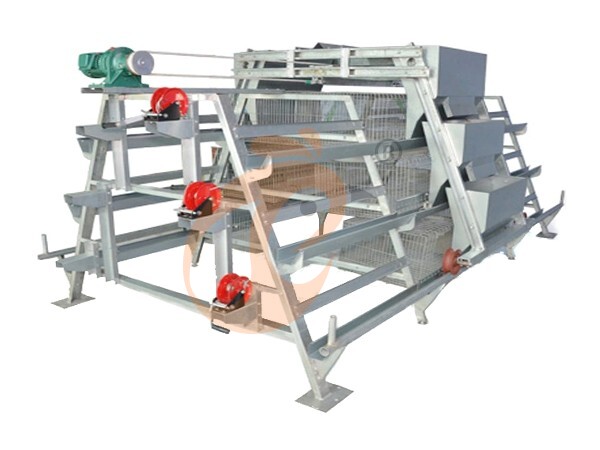
H type battery cages for sale 480 birds per module 2.5 mm frame thickness improves layer farm density and automation efficiency
Explains cage structure automation manure control and ventilation design with measurable engineering parameters and cost structure
Focuses on five buying factors including durability stocking density environmental control and lifecycle maintenance strategy for poultry farms
Provides structured technical data supporting investment planning for commercial egg production systems with scalable farm design
Get professional poultry farm construction guidance, equipment selection solutions, and the latest price lists, whatsApp to +8618830120193, click to learn more:
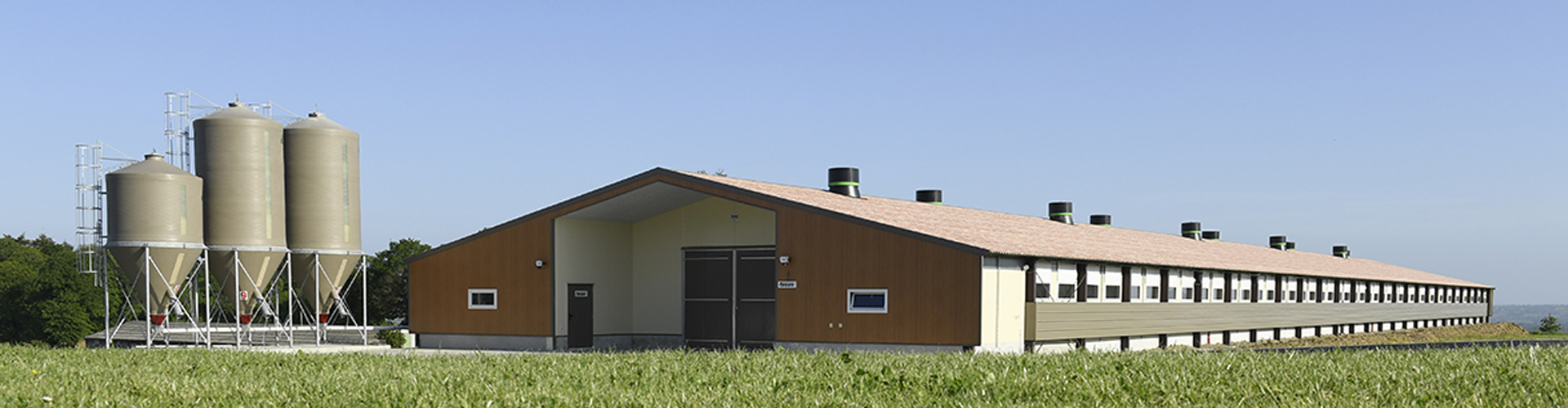
Farm Scale Cage Demand Overview
Modern poultry farming is shifting toward high-density controlled environments where land utilization and labor efficiency define profitability.
H type battery cages are widely used because they enable vertical expansion while maintaining automated feeding and egg collection systems.
Farm operators prioritize production stability, environmental control, and system integration rather than isolated equipment cost.
Data is for reference only. Swipe horizontally to view full table.
Cage Structure Engineering Design
Structural engineering determines service life and operational stability in long-term poultry production.
H type cages rely on galvanized steel frameworks designed to support multi-tier load distribution and manure accumulation systems.
Proper structural calibration reduces deformation risk and improves airflow consistency across tiers.
Data is for reference only. Swipe horizontally to view full table.
Automation Feeding And Water System
Feed and water automation systems are critical for reducing labor dependency in large-scale farms.
Chain feeding systems ensure uniform feed distribution across long cage rows, improving feed utilization consistency.
Nipple drinking systems maintain stable water delivery while reducing contamination risk.
Data is for reference only. Swipe horizontally to view full table.
Egg Collection Efficiency System
Egg collection efficiency directly impacts labor cost and product quality in commercial farms.
Belt systems transport eggs from cages to collection points with controlled speed synchronization.
Proper alignment reduces breakage and stabilizes downstream packaging operations.
Data is for reference only. Swipe horizontally to view full table.
Manure Removal And Waste Control System
Manure management is essential for controlling ammonia levels and maintaining biosecurity in enclosed poultry houses.
Automated scraping systems remove waste at scheduled intervals to stabilize environmental conditions.
Efficient waste handling also reduces corrosion impact on structural steel components.
Data is for reference only. Swipe horizontally to view full table.
Environmental Control And Ventilation System
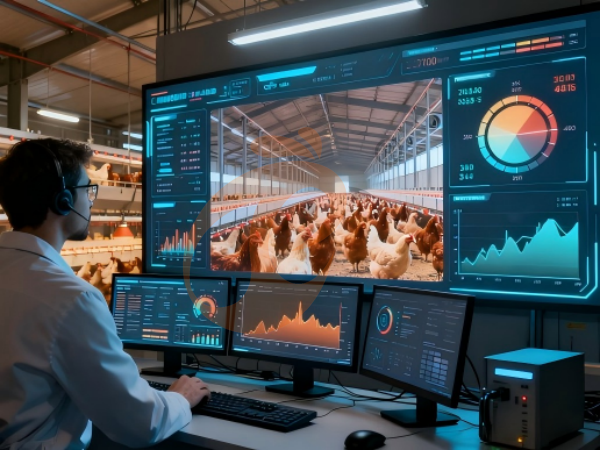
Environmental control is a core requirement for multi-tier cage systems due to vertical temperature variation.
Negative pressure ventilation combined with cooling pads ensures uniform airflow distribution across cage levels.
Stable environmental parameters directly influence laying rate consistency and feed conversion efficiency.
Data is for reference only. Swipe horizontally to view full table.
Price Structure And Investment Breakdown
Farm investment planning requires decomposition of equipment, automation, and infrastructure costs.
H type cage pricing varies based on structural specification, automation depth, and ventilation integration.
European union standard reference only applies to corrosion resistance and ventilation performance benchmarks.
Data is for reference only. Swipe horizontally to view full table.
Operational Pain Points And Engineering Solutions
Large-scale farms frequently face inconsistencies in airflow, feed distribution, and mechanical calibration.
These issues are typically linked to system integration rather than cage structure alone.
Engineering optimization focuses on airflow zoning, feed line calibration, and maintenance scheduling.
Data is for reference only. Swipe horizontally to view full table.
Frequently Asked Questions
Q1: What is the main function of H type battery cages?
They are designed for high-density egg production with vertical stacking and full automation integration
They optimize land use while maintaining controlled environmental conditions in poultry houses
Q2: How many birds can be housed in H type systems?
Capacity depends on tier configuration and module design
Typical systems support 120 to 288 birds per cage unit depending on layout
Q3: What factors affect total system price?
Steel thickness automation level ventilation integration and installation complexity
Operational efficiency and labor reduction also influence long-term investment value
HB Best - One Of China Biggest Poultry Cage Manufacturer
Global factory direct sales supporting poultry farm equipment integration and scalable production systems
Advanced poultry cage engineering designed for commercial layer farms with high-density operational requirements
Turn-key engineering solutions covering poultry housing design installation and full system commissioning services
Manufacturing capability includes automated production lines ensuring consistent poultry cage quality for global export markets
Comprehensive project support including farm planning ventilation integration and long-term technical maintenance services
Contact Us To Received Your Customized Poultry Farm Plan
Headquarters And Branchs
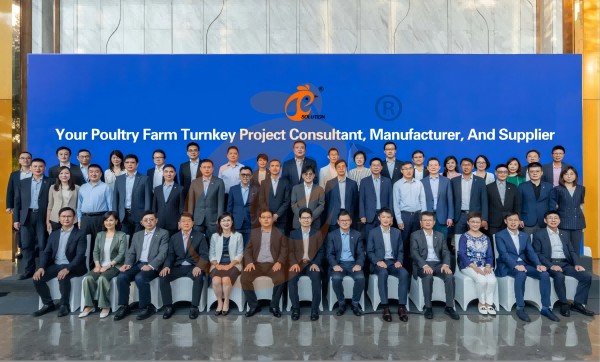
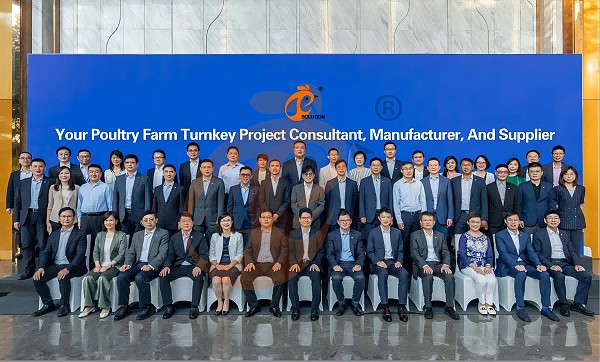
Hong Kong Headquarter Management Team
Hong Kong Headquarter Taiyu Industrial Group CO., LTD
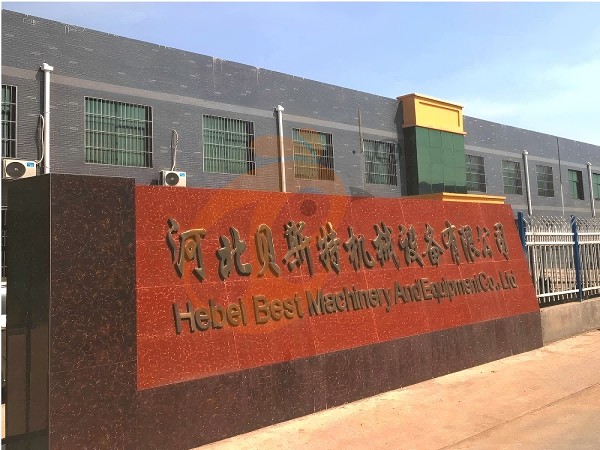
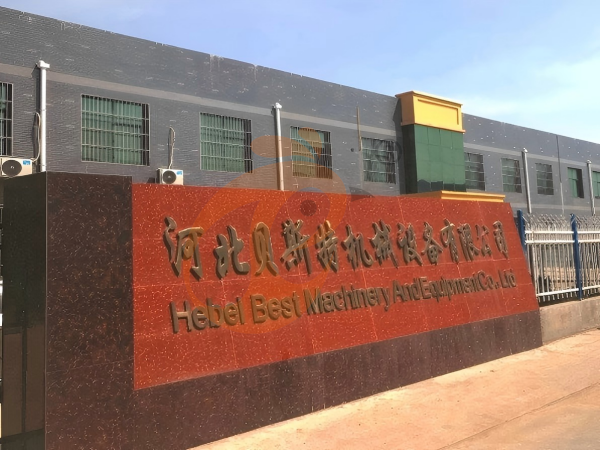
China Hebei Best Machinery And Equipment CO., LTD
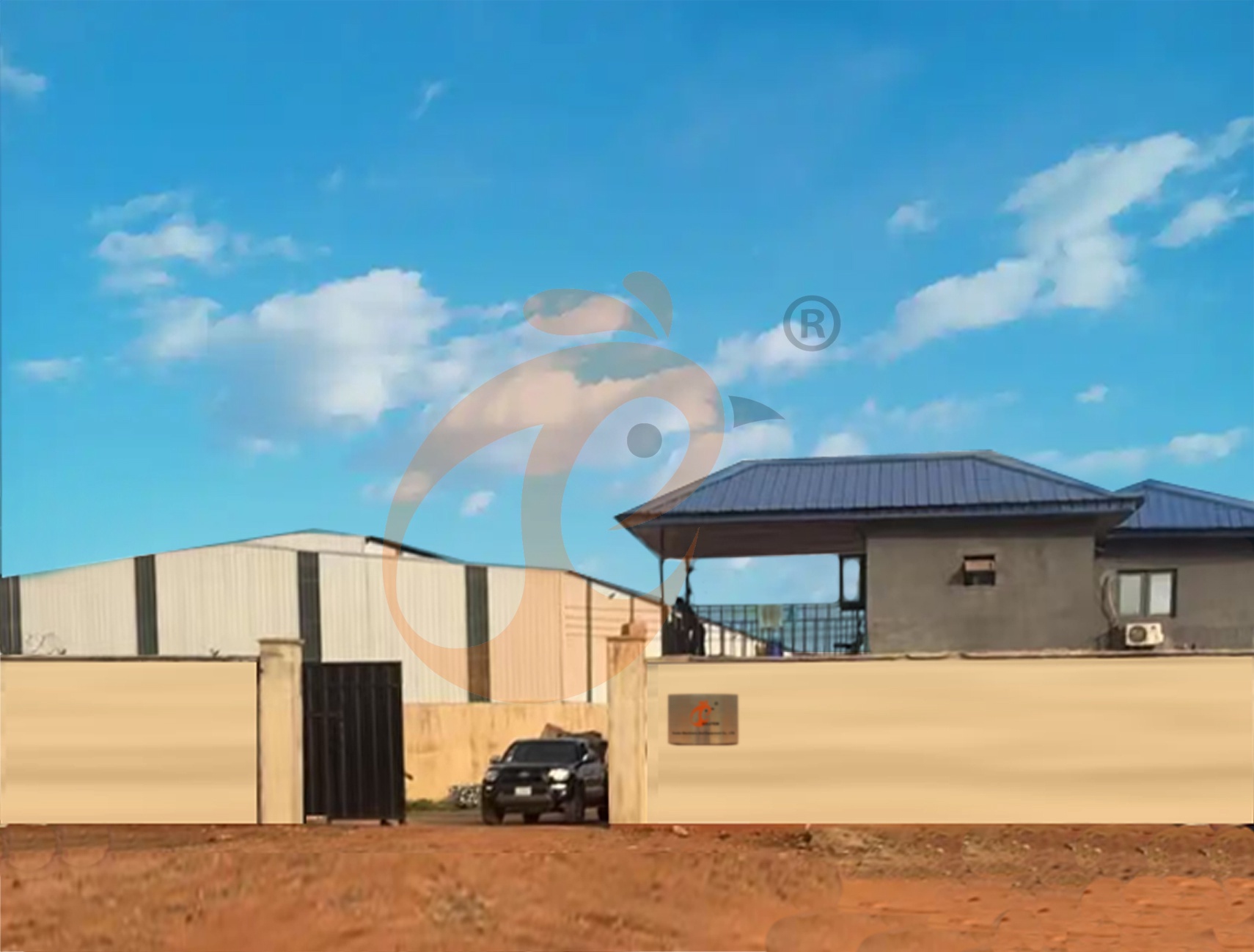
Nigeria Vanke Machinery And Equipment CO., LTD
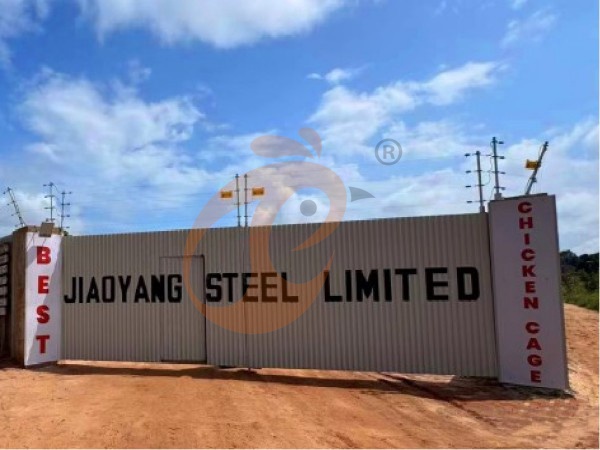
Tanzania Best Machinery And Equipment CO., LTD
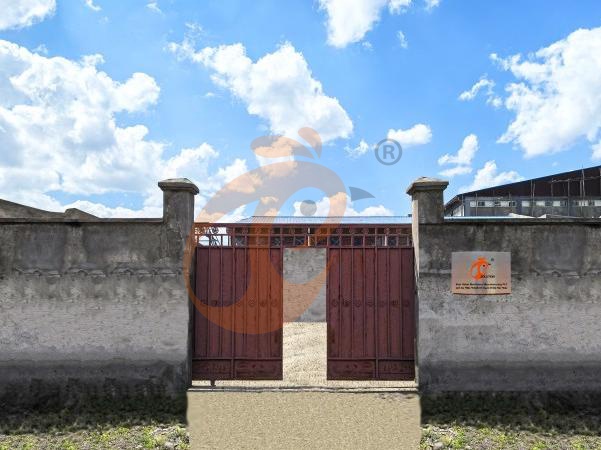
Ethiopia Best Hebei Machinery Manufacturing PLC
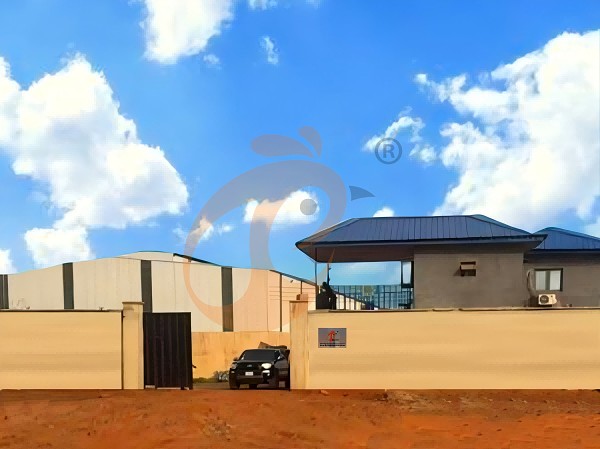
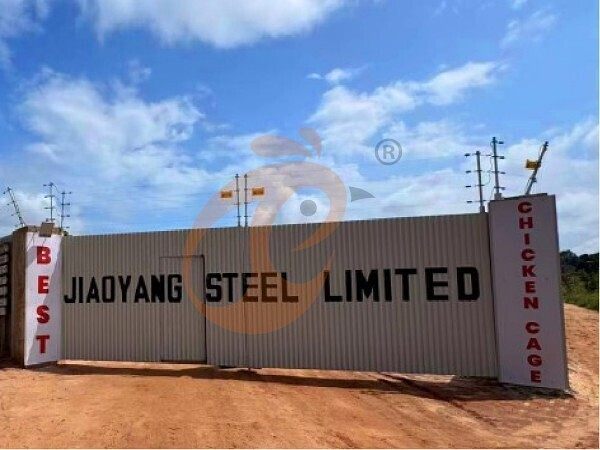
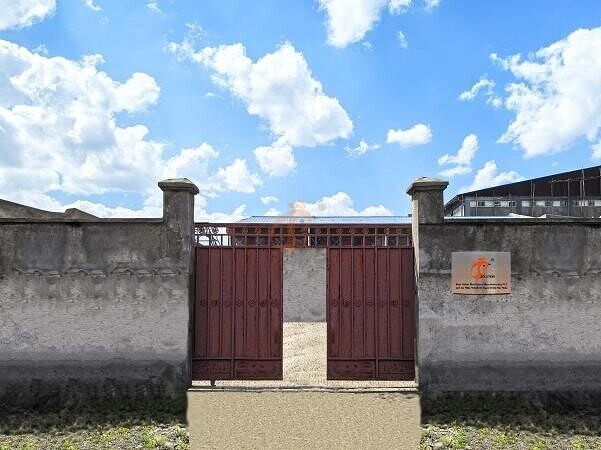
Reception /24 WhatsApp NO. : +8618830120193
FAQ
How To Manage Lighting Programs In H-Type Layer Cage Houses?
Ensure even light distribution
Promotes laying rhythm
Egg production rate: 90-98%
FCR 1.9–2.1
What Are The Cleaning Procedures For H-Type Battery Cage System?
Use environmentally safe disinfectants
Clean manure troughs
Reduce pathogen spread
Egg production rate: 90-98%
How To Expand H-Type Chicken Cage Farm Without Reducing Efficiency?
Maintain automated feeding and drinking systems
Ensure uniform ventilation and lighting
Farm capacity per house: 30,000 - 100,000+0 birds
Labor savings: 70-90%
- battery cage
- poultry farm
- poultry farms
- poultry house
- poultry cage
- cage
- poultry farm equipment
- poultry farm construction
- poultry cage manufacturer
- poultry cage quality
- poultry housing design
- egg collection system
- battery cages
- h type battery cages
- battery cages for sale
- chickencage
- h type cage
- bestchickencage
- cage system
- h type
- cage systems
- h type cages
- h type battery cage
- Nigeria
- layer farm
- egg production system
- poultry farming
- cage manufacturer
- modern poultry farm
- modern poultry farming
- poultry farm plan
- Ethiopia
Message
Products recommended
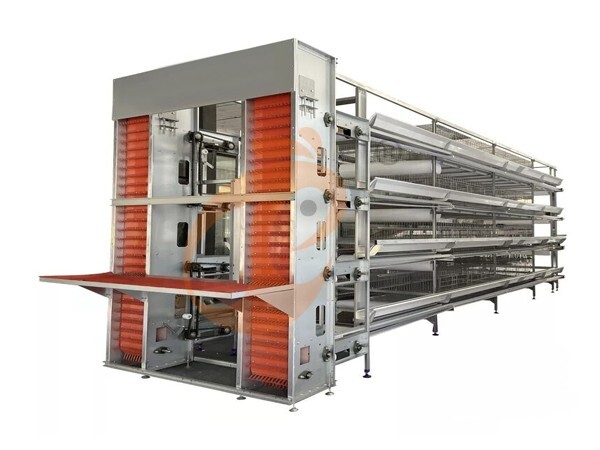
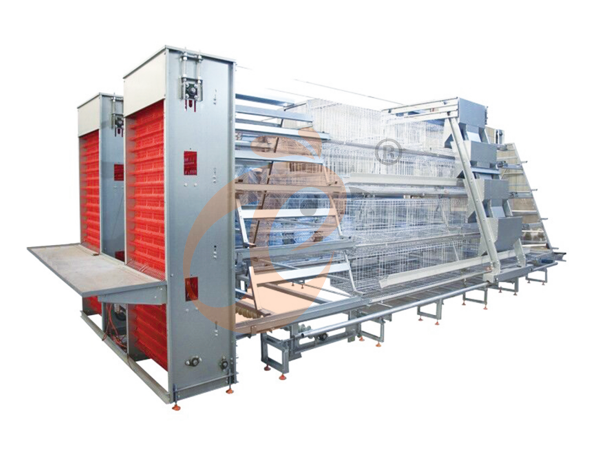
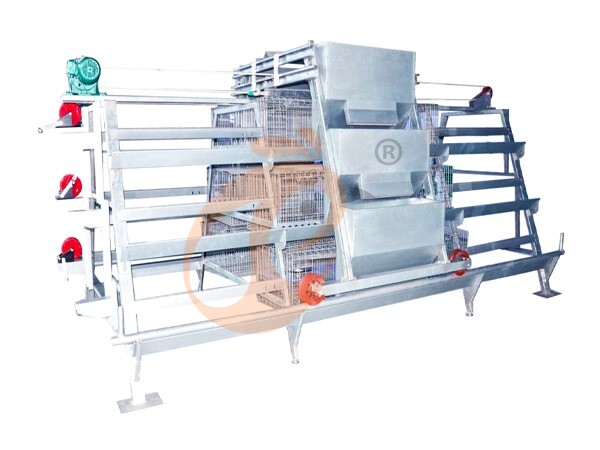
 >30,000 Pullets Automatic H Type Battery Cage1. More than 30,000 pullets a house, choose it.
2. It is designed to rearing older than 1 day old pullets to 12 to 16 weeks old chicken starting laying eggs.
3. Its lifespan is more than 25 years.
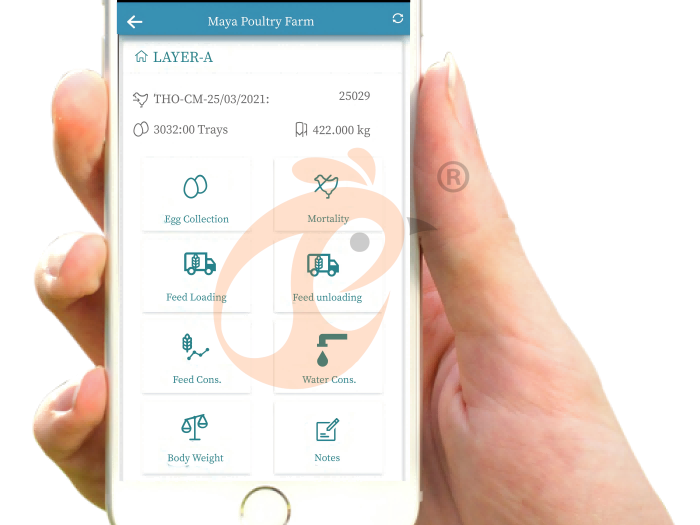
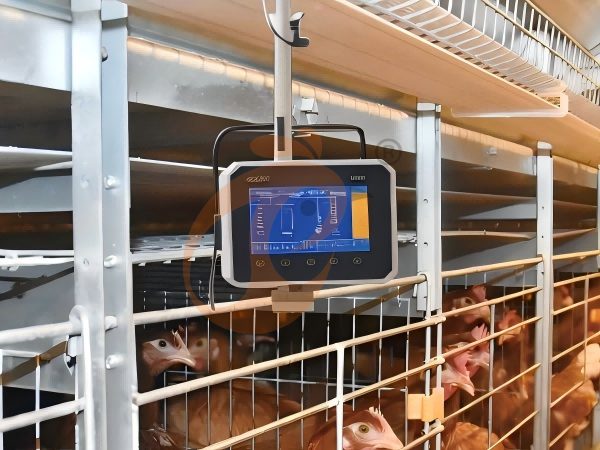
4. Its structure are Vcloud artificial intelligent fusion, electric control cabinet, automatic equipment of drinking, feeding, manure clean, manual harvesting.
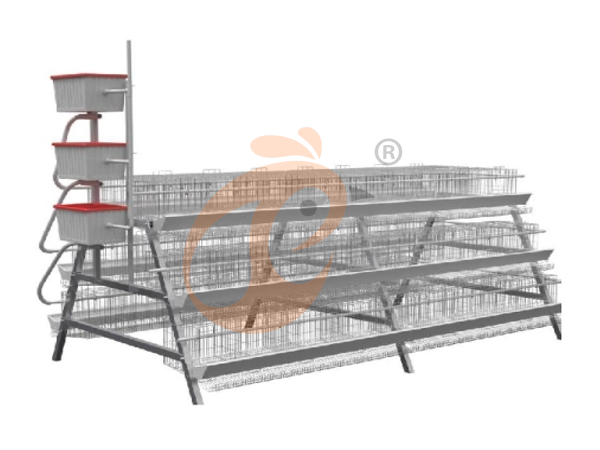
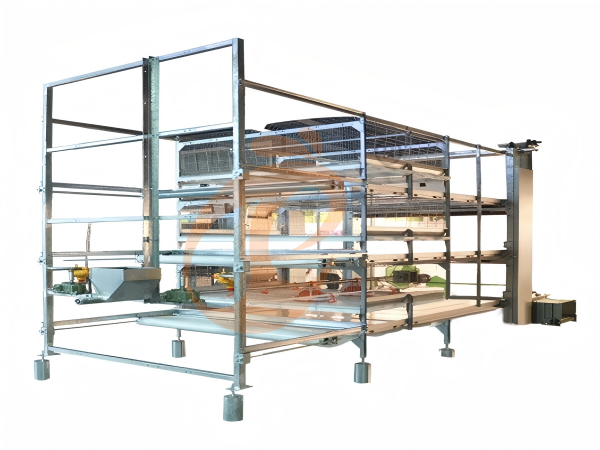
5. Our 24 hour online reception What’sApp NO. is +8618830120193 <30,000 Pullets Automatic A Type Battery Cage1. 10,000 to 30,000 pullets a house, choose it.
2. It is designed to rearing older than 1 day old pullets to 12 to 16 weeks old chicken starting laying eggs.
3. Its lifespan is more than 25 years.
4. Its structure are Vcloud artificial intelligent fusion, electric control cabinet, automatic equipment of drinking, feeding, manure clean, manual harvesting.
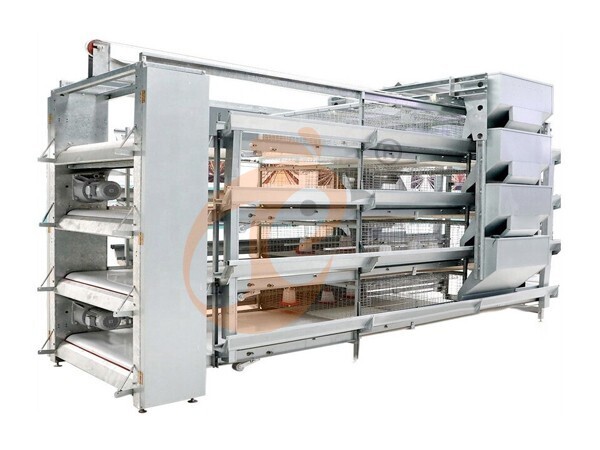
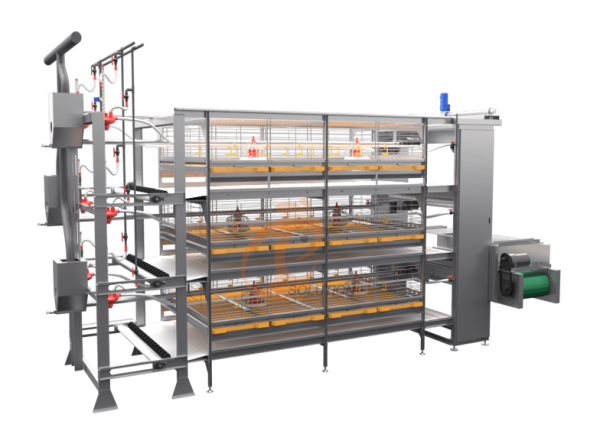
5. Our 24 hour online reception What’sApp NO. is +86 18830120193. >30,000 Broilers Semi-Automatic Harvest H Type Battery Cage1. More than 30,000 broilers a house, choose it.
2. It is designed to rearing 1 to 45 day old adult broiler ready for market.
3. Its lifespan is more than 20 years.
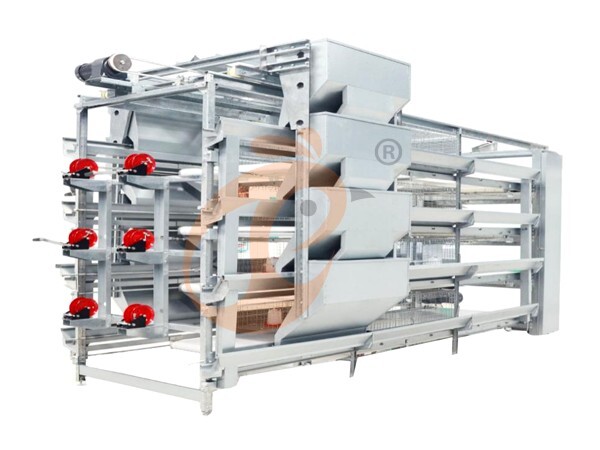
4. Our 24 hour online reception What’sApp NO. is +8618830120193, +234 8111199996. >30,000 Broilers Manual Harvest H Type Battery Cage1. More than 30,000 broilers a house, choose it.
2. It is designed to rearing 1 to 45 day old adult broiler ready for market.
3. Its lifespan is more than 20 years.
4. Its structure are Vcloud artificial intelligent fusion, electric control cabinet, automatic equipment of drinking, feeding and manure clean, manual harvesting.
5. Our 24 hour online reception What’sApp NO. is +8618830120193, +234 8111199996. <30,000 Broilers Manual Harvest A Type Battery Cage1. Less 30,000 broilers a house, choose it.
2. It is designed to rearing 1 to 45 day old adult broiler ready for market.
3. Its lifespan is more than 20 years.
4. Its structure are Vcloud artificial intelligent fusion, electric control cabinet, automatic equipment of drinking, feeding and manure clean, manual harvesting.
5. Our 24 hour online reception What’sApp NO. is +8618830120193, +234 8111199996. HK Headquarter Offers EU-standard Poultry Farm Solutions, Manufacture Poultry Farm Equipment1. Continuous communication with the EU and the US
2. China, Nigeria, Ethiopia, Tanzania branch companies and factories
3. The products’ quality is customized for local poultry farms
4. Poultry cage and poultry farm equipment stock for sale
5. 24 online reception Whatsapp NO. : +8618830120193,contact us to get full information China Branch Offer Poultry Farm Business Plan, Manufacture Poultry Farm Equipment1. Address: Flat/RM 2416, 24/F, Runxing Building, Youyi Nan Street, Shijiazhuang City, Hebei Province, China
2. Poultry cage and poultry farm equipment factory and stock for sale
3. Customized for local poultry farms
4. Quality and design are based on Euro
5. 24 online reception Whatsapp NO. : +8618830120193 Nigeria Branch Offer Poultry Farm Business Plan, Manufacture Poultry Farm Equipment1. Address: After Sinoma Office, 200 Meters Near Danco Filling Station, Lagos/Ibadan Expressway, Lagos State, Nigeria
2. Poultry cage and poultry farm equipment factory and stock for sale
3. Customized for Nigerian poultry farms
4. Quality and design are based on Euro
5. 24 online reception Whatsapp NO. : +8618830120193 Ethiopia Branch Offer Poultry Farm Business Plan, Manufacture Poultry Farm Equipment1. Address: WR93+FQ2, Addis Ababa, Ethiopia
2. Poultry cage and poultry farm equipment stock for sale
3. Customized for Ethiopian poultry farms
4. Quality and design are based on Euro
5. 24 online reception Whatsapp NO. : +8618830120193, contact us to get price list Tanzania Branch Offer Poultry Farm Business Plan, Manufacture Poultry Farm Equipment1. Address: No.8, Sova Road, Msufini, Mlandizi, Kibaha, Pwani, Tanzania
2. Poultry cage and poultry farm equipment factory and stock for sale
3. Customized for Tanzanian poultry farms
4. Quality and design are based on Euro
5. 24 online reception Whatsapp NO. : +8618830120193


Contact
By clicking 'Allow All', you agree to the storage of cookies on your device to enhance site navigation, analyze site usage and assist with our marketing efforts.