


Blog
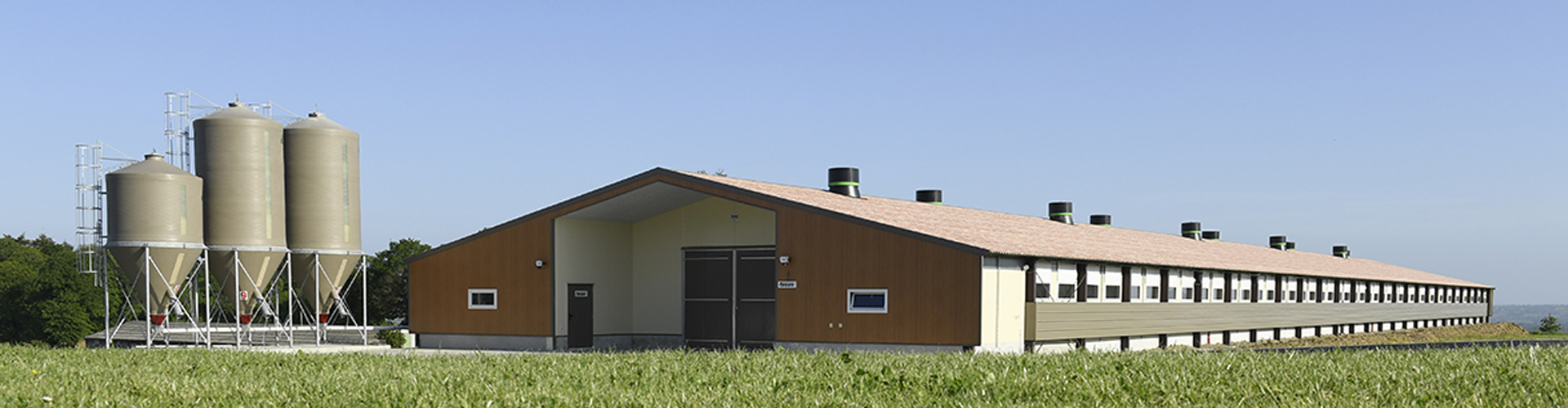
Poultry cage system price analysis for 10000 capacity layer farm integrates steel structure feeding line ventilation manure removal costing 18000 to 35000 USD
Farms require balanced design between cage density environmental control labor efficiency and long term production stability planning strategy
Layer chicken cage selection influences steel thickness galvanization level stacking tiers manure system and automation compatibility design cost
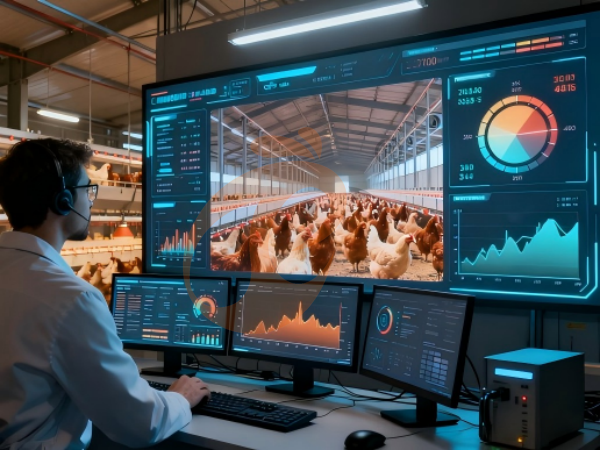
Automatic poultry farm equipment reduces labor demand improves feed scheduling enhances environmental precision and supports large scale poultry production systems integration
Get professional poultry farm construction guidance, equipment selection solutions, and the latest price lists, whatsApp to +8618830120193, click to learn more:
Introduction To Poultry Cage Investment Structure
For commercial farms, poultry cage systems represent long term capital assets tied directly to production efficiency and flock management outcomes.
Investment decisions are influenced by structural configuration, environmental adaptation, and operational scale requirements.
Farmers must evaluate not only initial procurement costs but also long term maintenance cycles, labor reduction potential, and production stability.
A well planned system reduces feed waste, improves egg output consistency, and stabilizes mortality rates under intensive farming conditions.
General Pricing Structure Overview
The pricing of poultry cage systems is composed of multiple engineering modules including structural frames, feeding lines, drinking systems, manure removal, and ventilation integration.
Each module contributes to total farm infrastructure cost and operational efficiency.
System configuration varies depending on flock size and barn design, with larger farms benefiting from modular scalability and standardized installation processes.
Data is for reference only.Swipe horizontally to view full table.
Cage System Types And Structural Differences
Different cage structures influence stocking density, airflow distribution, and manure handling efficiency.
The choice of system directly affects both investment cost and production capacity utilization.
Farm managers must match cage configuration with barn height, ventilation design, and labor availability to ensure optimal long term operation.
Data is for reference only.Swipe horizontally to view full table.
Material Selection And Durability Impact
Material engineering defines structural lifespan and resistance to ammonia corrosion within poultry housing environments.
Steel diameter, coating thickness, and mesh configuration determine maintenance frequency and replacement cycles.
Proper material selection reduces long term structural fatigue and improves system stability under continuous production cycles.
Data is for reference only.Swipe horizontally to view full table.
Automation Level And Labor Efficiency
Automation systems significantly reduce manual labor requirements while improving operational precision in feeding, egg collection, and manure removal.
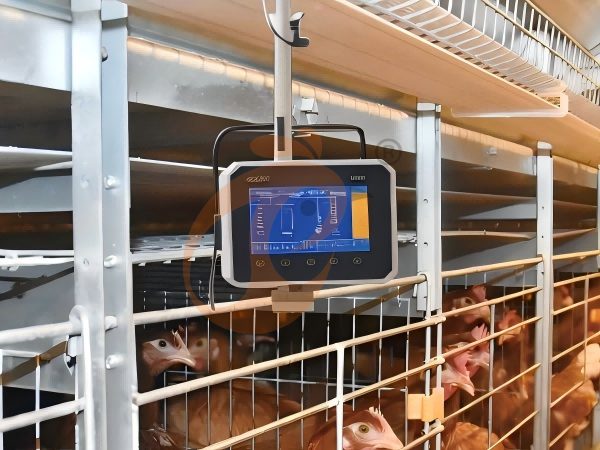
Integration of mechanical and sensor-based systems enhances environmental responsiveness and supports consistent production output across large scale farms.
Data is for reference only.Swipe horizontally to view full table.
Capacity Scaling And Investment Relationship
Farm capacity expansion directly affects system cost efficiency and infrastructure density planning.
Larger operations benefit from distributed fixed cost structures while requiring more advanced environmental control systems.
Proper scaling ensures balanced airflow, feeding distribution, and manure management across extended production units.
Data is for reference only.Swipe horizontally to view full table.
Environmental Control Systems And Production Stability
Environmental control systems regulate temperature, airflow, and humidity to maintain stable egg production conditions.
Proper ventilation design reduces stress factors and improves feed conversion efficiency.
System integration ensures consistent barn climate control under varying seasonal conditions.
Data is for reference only.Swipe horizontally to view full table.
Logistics Installation And Farm Site Constraints
Installation requirements vary based on barn structure, transport access, and foundation conditions.
Proper site preparation ensures system stability and reduces structural stress during long term operation.
Logistics planning directly affects installation duration and labor allocation.
Data is for reference only.Swipe horizontally to view full table.
Maintenance Cost Structure And Lifecycle Planning
Maintenance operations ensure long term system reliability and reduce unexpected downtime risks.
Regular inspection of feeding lines, manure belts, and ventilation fans is necessary to maintain production efficiency and structural integrity.
Data is for reference only.Swipe horizontally to view full table.
Frequently Asked Questions
Q1: What determines poultry cage system cost in a farm project?
System cost depends on structural materials, automation level, ventilation integration, and farm capacity design.
Each parameter affects both initial investment and long term operational efficiency.
Q2: How does cage density affect investment requirements?
Higher stocking density requires stronger structural frames and more advanced environmental control systems, which increases total engineering complexity and equipment specification levels.
Q3: What is the role of automation in poultry cage pricing?
Automation reduces manual labor demand while increasing initial equipment investment due to motors, sensors, and control systems required for synchronized farm operation.
Additional Operational Value In Cage System Planning
Beyond equipment purchase, farmers should evaluate return structure based on production output per square meter, not only initial investment.
A properly configured poultry cage system can stabilize annual egg output around 260–300 eggs per hen cycle under controlled feeding and ventilation conditions.
Manure handling efficiency and feed distribution consistency directly influence egg weight uniformity and operational stability across production cycles.
When cage layout is aligned with barn geometry and flock management strategy, farms reduce operational variability and improve long term financial predictability.
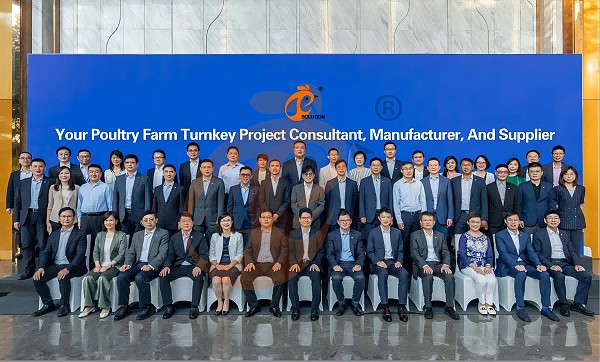
Taiyu (HK) Group - One Of China Most Famous Poultry Cage Manufacturer
Global factory direct sales model ensures consistent poultry farm equipment supply chain efficiency for international poultry cage projects.
Integrated poultry cage system solutions support large scale poultry farm equipment deployment with turnkey engineering project delivery worldwide.
Advanced manufacturing capability provides customized poultry cage structures with full automation integration and agricultural engineering design services.
Turn-key engineering service supports complete farm construction including planning installation and equipment commissioning with global factory direct operations.
Professional export experience in poultry farm equipment ensures stable delivery of poultry cage systems and full project lifecycle support.
Contact Us To Received Your Customized Poultry Farm Plan
Headquarters And Branchs

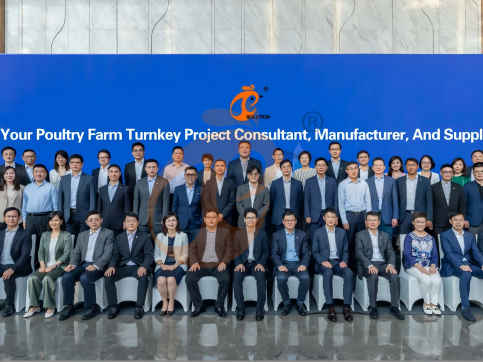
Hong Kong Headquarter Management Team
Hong Kong Headquarter Taiyu Industrial Group CO., LTD
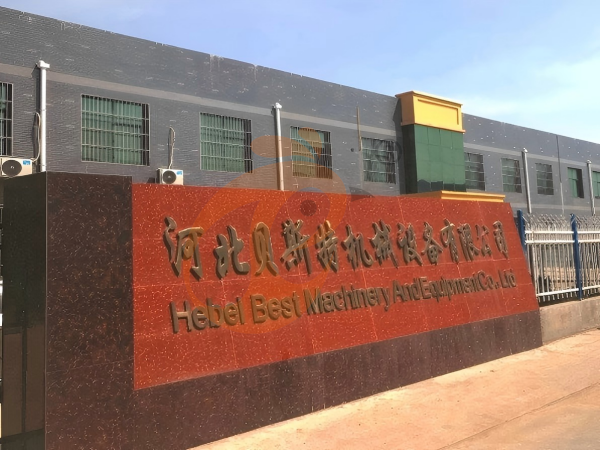
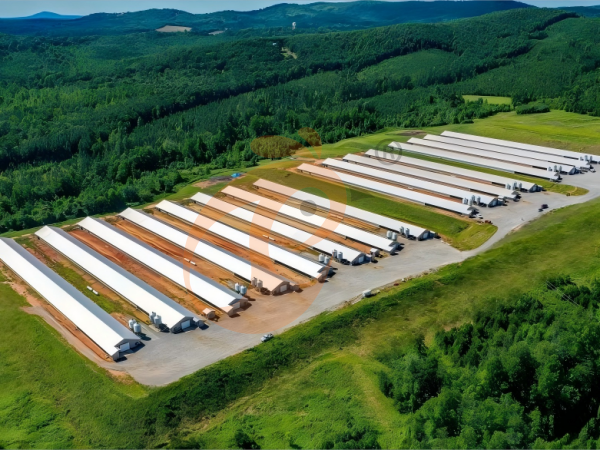
China Hebei Best Machinery And Equipment CO., LTD
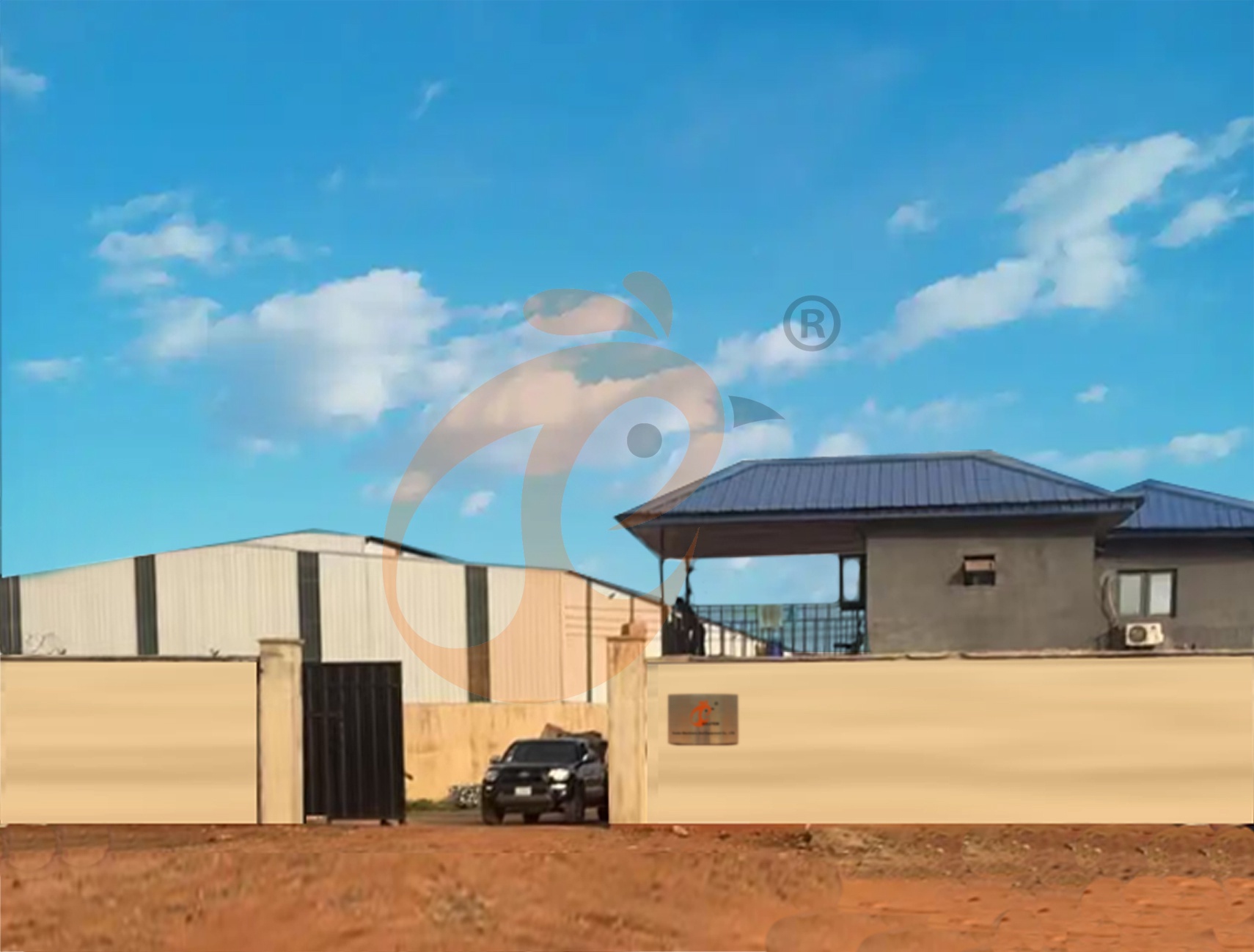
Nigeria Vanke Machinery And Equipment CO., LTD
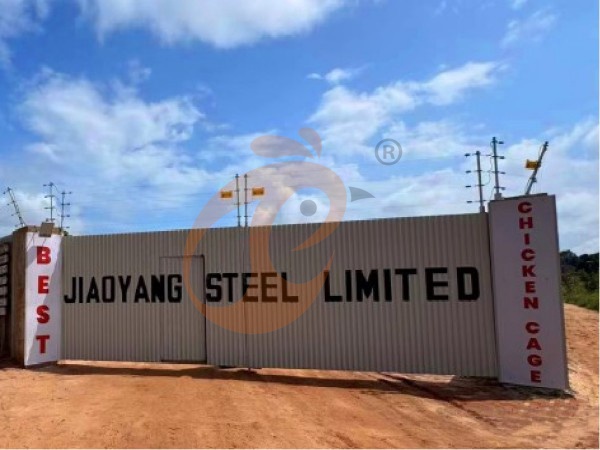
Tanzania Best Machinery And Equipment CO., LTD
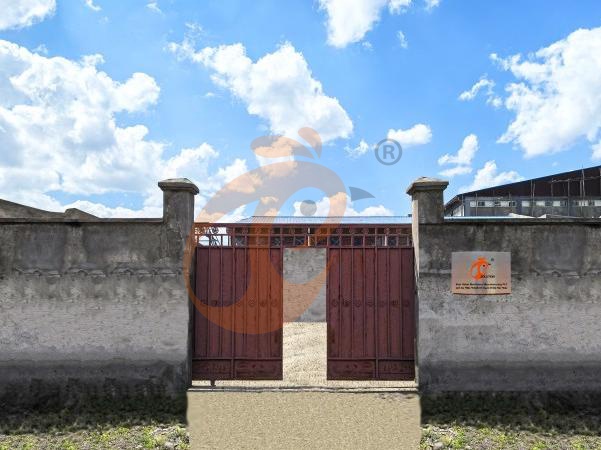
Ethiopia Best Hebei Machinery Manufacturing PLC




Reception /24 WhatsApp NO. : +8618830120193
FAQ
What Are The Top Recommendations For Egg Quality Management In Battery Cage Systems?
Keep conveyor belts clean to avoid breakage and contamination.
Egg production: 90–98%, breakage rate: 2–3%.
How To Optimize Lighting And Ventilation For Maximum Egg Production In Poultry Cages?
Combine roof exhaust and side-wall intake for ventilation, temperature 18–25℃, humidity 50–70%.
Egg production can reach 90–98%, breakage rate <3%.
How To Implement Advanced Manure Removal Systems In Layer Cage Farms?
Reduces manual labor by 50–70%, maintains house hygiene, and lowers disease risk.
- poultry farm
- chicken cage
- poultry cage
- cage
- poultry farm equipment
- poultry farm construction
- poultry cage system
- poultry cage system manufacturer
- poultry cage system price
- poultry cage system cost
- poultry cage project
- poultry cage structure
- hen cage
- chickencage
- bestchickencage
- cage system
- cage systems
- h cage
- layer chicken cage
- Nigeria
- layer farm
- hen cage layout
- poultry cage systems
- poultry farm plan
- Ethiopia
Message
Products recommended
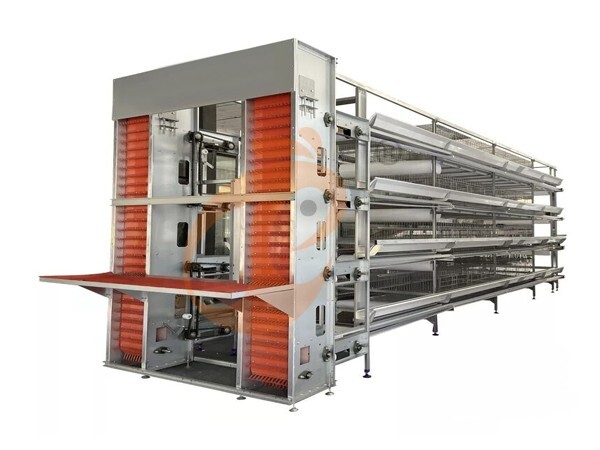
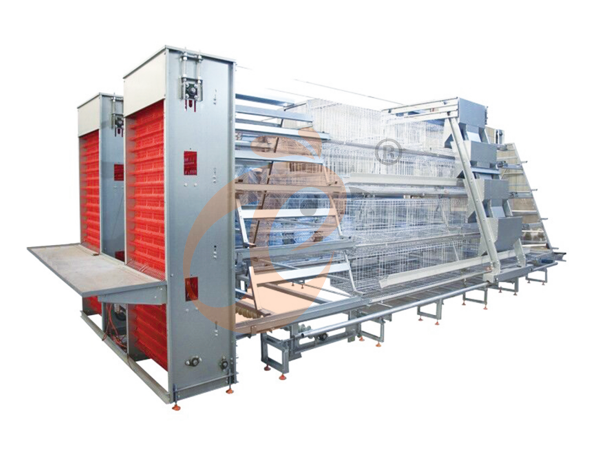
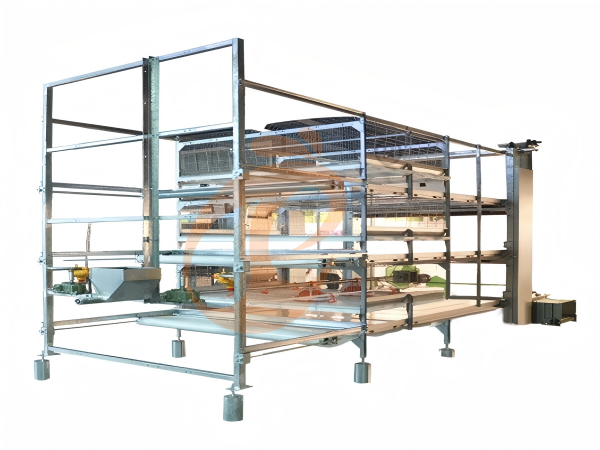
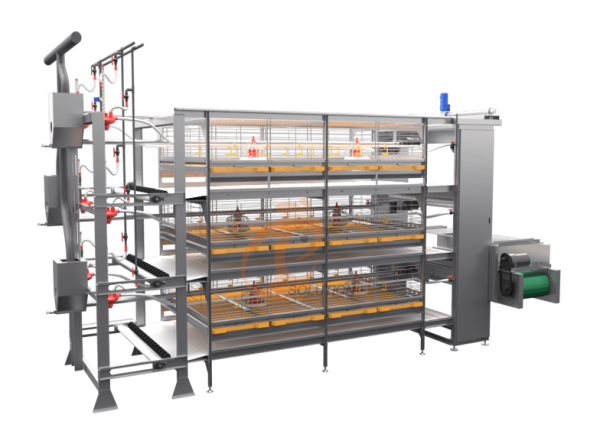
 >30,000 Pullets Automatic H Type Battery Cage1. More than 30,000 pullets a house, choose it.
2. It is designed to rearing older than 1 day old pullets to 12 to 16 weeks old chicken starting laying eggs.
3. Its lifespan is more than 25 years.
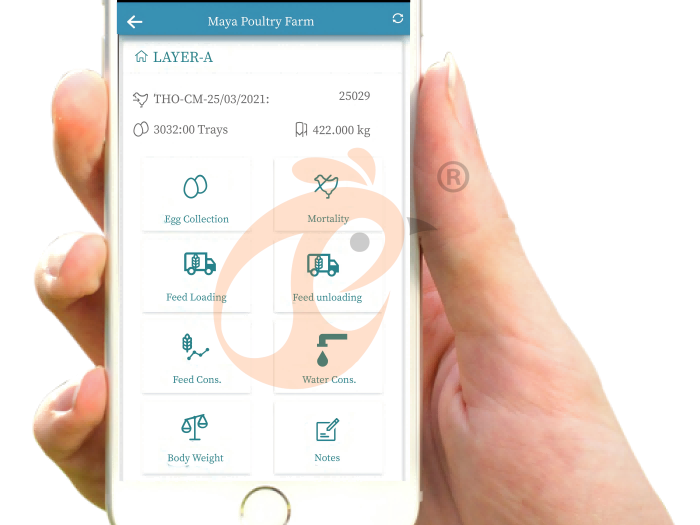
4. Its structure are Vcloud artificial intelligent fusion, electric control cabinet, automatic equipment of drinking, feeding, manure clean, manual harvesting.
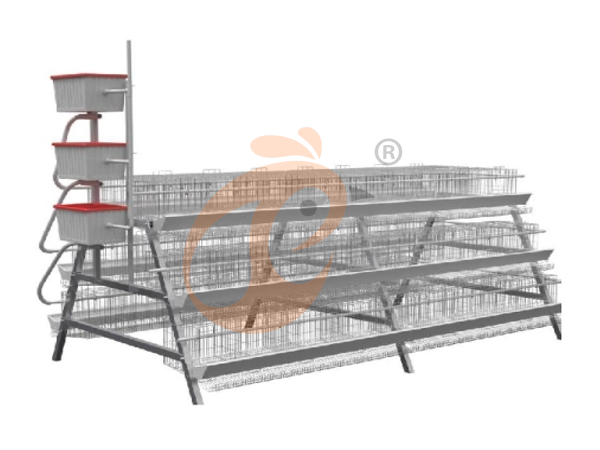
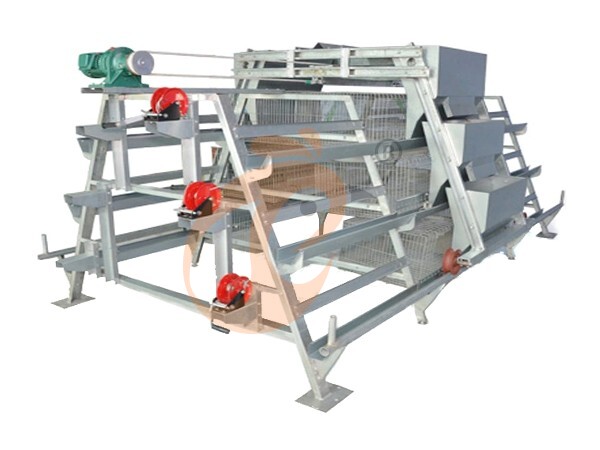
5. Our 24 hour online reception What’sApp NO. is +8618830120193 <30,000 Pullets Automatic A Type Battery Cage1. 10,000 to 30,000 pullets a house, choose it.
2. It is designed to rearing older than 1 day old pullets to 12 to 16 weeks old chicken starting laying eggs.
3. Its lifespan is more than 25 years.
4. Its structure are Vcloud artificial intelligent fusion, electric control cabinet, automatic equipment of drinking, feeding, manure clean, manual harvesting.
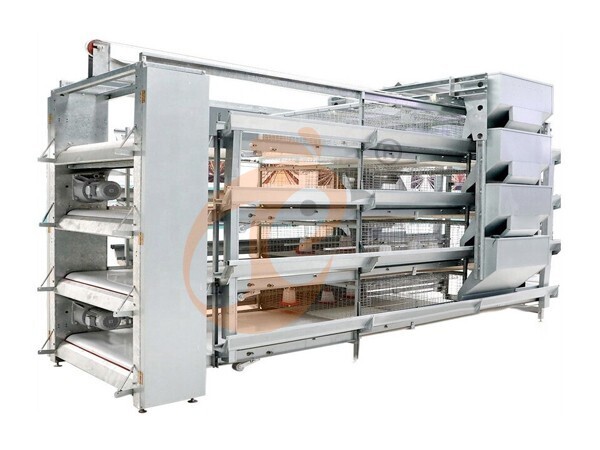
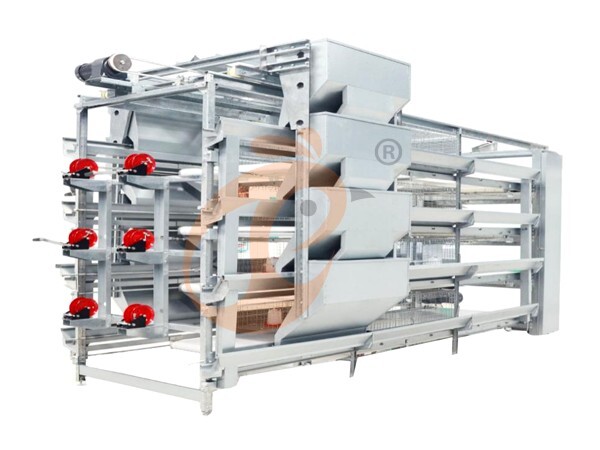
5. Our 24 hour online reception What’sApp NO. is +86 18830120193. >30,000 Broilers Semi-Automatic Harvest H Type Battery Cage1. More than 30,000 broilers a house, choose it.
2. It is designed to rearing 1 to 45 day old adult broiler ready for market.
3. Its lifespan is more than 20 years.
4. Our 24 hour online reception What’sApp NO. is +8618830120193, +234 8111199996. >30,000 Broilers Manual Harvest H Type Battery Cage1. More than 30,000 broilers a house, choose it.
2. It is designed to rearing 1 to 45 day old adult broiler ready for market.
3. Its lifespan is more than 20 years.
4. Its structure are Vcloud artificial intelligent fusion, electric control cabinet, automatic equipment of drinking, feeding and manure clean, manual harvesting.
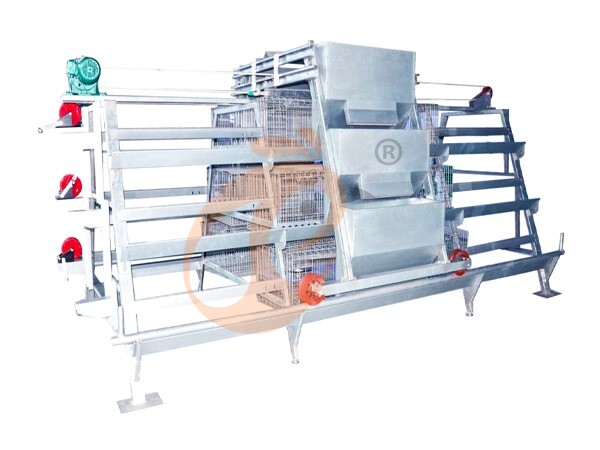
5. Our 24 hour online reception What’sApp NO. is +8618830120193, +234 8111199996. <30,000 Broilers Manual Harvest A Type Battery Cage1. Less 30,000 broilers a house, choose it.
2. It is designed to rearing 1 to 45 day old adult broiler ready for market.
3. Its lifespan is more than 20 years.
4. Its structure are Vcloud artificial intelligent fusion, electric control cabinet, automatic equipment of drinking, feeding and manure clean, manual harvesting.
5. Our 24 hour online reception What’sApp NO. is +8618830120193, +234 8111199996. HK Headquarter Offers EU-standard Poultry Farm Solutions, Manufacture Poultry Farm Equipment1. Continuous communication with the EU and the US
2. China, Nigeria, Ethiopia, Tanzania branch companies and factories
3. The products’ quality is customized for local poultry farms
4. Poultry cage and poultry farm equipment stock for sale
5. 24 online reception Whatsapp NO. : +8618830120193,contact us to get full information China Branch Offer Poultry Farm Business Plan, Manufacture Poultry Farm Equipment1. Address: Flat/RM 2416, 24/F, Runxing Building, Youyi Nan Street, Shijiazhuang City, Hebei Province, China
2. Poultry cage and poultry farm equipment factory and stock for sale
3. Customized for local poultry farms
4. Quality and design are based on Euro
5. 24 online reception Whatsapp NO. : +8618830120193 Nigeria Branch Offer Poultry Farm Business Plan, Manufacture Poultry Farm Equipment1. Address: After Sinoma Office, 200 Meters Near Danco Filling Station, Lagos/Ibadan Expressway, Lagos State, Nigeria
2. Poultry cage and poultry farm equipment factory and stock for sale
3. Customized for Nigerian poultry farms
4. Quality and design are based on Euro
5. 24 online reception Whatsapp NO. : +8618830120193 Ethiopia Branch Offer Poultry Farm Business Plan, Manufacture Poultry Farm Equipment1. Address: WR93+FQ2, Addis Ababa, Ethiopia
2. Poultry cage and poultry farm equipment stock for sale
3. Customized for Ethiopian poultry farms
4. Quality and design are based on Euro
5. 24 online reception Whatsapp NO. : +8618830120193, contact us to get price list Tanzania Branch Offer Poultry Farm Business Plan, Manufacture Poultry Farm Equipment1. Address: No.8, Sova Road, Msufini, Mlandizi, Kibaha, Pwani, Tanzania
2. Poultry cage and poultry farm equipment factory and stock for sale
3. Customized for Tanzanian poultry farms
4. Quality and design are based on Euro
5. 24 online reception Whatsapp NO. : +8618830120193


Contact
By clicking 'Allow All', you agree to the storage of cookies on your device to enhance site navigation, analyze site usage and assist with our marketing efforts.