


Blog
Poultry feed mixer analysis and feed mill machine selection directly determine farm profitability and stability
This article explains cost structure, equipment performance, and optimization of grinding and mixing systems
It also evaluates animal feed production line efficiency, durability, and operational energy consumption
Key focus includes mixing uniformity 2–3% CV, grinding particle control, and return on investment planning
Maintenance scheduling, batching precision, and system integration methods are also systematically discussed
Practical tables and technical parameters help guide poultry farm investment decisions
Get professional poultry farm construction guidance, equipment selection solutions, and the latest price lists, whatsApp to +8618830120193, click to learn more:
Analyzing Equipment Pricing Through Technical Specifications
For a modern poultry farm, feed mill machine selection is a core investment decision.
The price of a feed mill or mixer is not just a reflection of its size; it is a calculation of engineering precision.
When evaluating quotes, the most critical data point is the power-to-capacity ratio.
A machine that processes more feed with less electricity will always have higher total value efficiency.
For a standard farm setup, balance throughput with specific energy consumption is required.
Data is for reference only.Swipe horizontally to view full table.
Focus On Mixing Uniformity And Cv Values
The biggest silent risk in poultry farming is inconsistent mixing quality in a poultry feed mixer system.
If CV is high, nutrient distribution becomes uneven across batches.
This leads to unstable growth performance and wasted additive costs.
Professional systems target CV below 5% through optimized blade geometry and controlled clearance.
Data is for reference only.Swipe horizontally to view full table.
Matching Grinder Screen Mesh To Bird Age
Feed particle design in a feed mill machine must align with poultry digestive stages.
Incorrect particle size increases feed conversion ratio (FCR) inefficiency and respiratory dust issues.
Grinding control also directly impacts animal feed production line consistency and biological utilization.
Data is for reference only.Swipe horizontally to view full table.
Inspect Material Durability And Wear Resistance
Structural durability determines lifecycle cost of a feed mill machine system.
Humidity and friction significantly accelerate wear in low-grade steel structures.
Upgraded alloy components extend operational life and reduce downtime frequency.
Data is for reference only.Swipe horizontally to view full table.
Solving Labor And Power Bottleneck
Integrated animal feed production line systems reduce manual handling steps significantly.
Automation improves batching accuracy and reduces labor dependency.
Energy distribution efficiency improves when transfer between units is mechanized.
Data is for reference only.Swipe horizontally to view full table.
Calculating Real Return On Investment And Payback Periods
Investment in a poultry feed mixer system should be evaluated through payback efficiency.
Feed cost reduction per ton directly determines capital recovery speed.
Typical on-farm production cost ranges from $340 to $390 per ton depending on raw material volatility and energy input structure.
Compared with commercial feed procurement at approximately $450 per ton, the savings margin usually remains between 12% and 25%.
For a mid-scale operation processing 25 tons per day, monthly savings can exceed $8,000 under stable operation conditions.
Large-scale operations benefit most from integrated processing systems due to reduced labor dependency and lower per-ton energy distribution cost.
Overcoming Heat Generation During Grinding
Excess thermal buildup in feed mill machine systems reduces vitamin stability.
When grinding chamber temperature exceeds 50°C, degradation of heat-sensitive additives such as enzymes and certain vitamins may reach 5%–12% depending on retention time.
Airflow-assisted cooling systems typically reduce internal temperature by 8°C–15°C compared with passive discharge designs.
This stabilization also improves material throughput by reducing particle clogging at the screen interface, increasing effective output capacity by approximately 6%–10%.
Consistent thermal control is therefore a critical factor in maintaining nutritional integrity in high-intensity production cycles.
Precision Batching The Key To Feed Efficiency
Animal feed production line performance depends heavily on batching accuracy.
Load cell integration ensures consistent formulation across all production cycles.
In conventional manual batching systems, ingredient deviation can reach 3%–6%, especially for micro-ingredients such as premix and amino acids.
With digital load cell systems, deviation can be reduced below 1%, significantly improving feed conversion stability across flocks.
This level of precision is particularly important in formulations containing high-cost additives where even small errors can translate into measurable cost leakage per ton.
Frequently Asked Questions
Q1: What is the ideal feed mill machine capacity for a poultry farm?
Capacity depends on flock size and daily feed requirement.
Medium farms typically require 800–3000 kg/h output systems.
Q2: How does poultry feed mixer affect feed quality?
Mixing uniformity directly determines nutrient distribution consistency.
Lower CV values improve flock growth stability and efficiency.
Q3: Why is animal feed production line integration important?
Integration reduces labor, improves transfer efficiency, and lowers energy cost per ton.
It also stabilizes production workflow across grinding and mixing stages.
Taiyu (HK) Group - One Of China Largest Feed Mill Manufacturer
- Poultry feed mixer system provides efficient animal feed production with stable mixing performance, designed for modern poultry farms requiring precise nutrition distribution and consistent feed quality control.
- Global factory direct supply ensures cost-effective sourcing and stable delivery of poultry equipment for international poultry farm development projects.
- Integrated poultry cage systems support high-density farming with optimized feeding infrastructure and long-term structural durability.
- Turn-key engineering solutions include full farm design, installation guidance, and complete automated production line integration for poultry operations.
- Taiyu delivers scalable manufacturing capacity, export support, and customized solutions for global poultry farming and equipment modernization projects.
Contact Us To Received Your Customized Poultry Farm Plan
Headquarters And Branchs

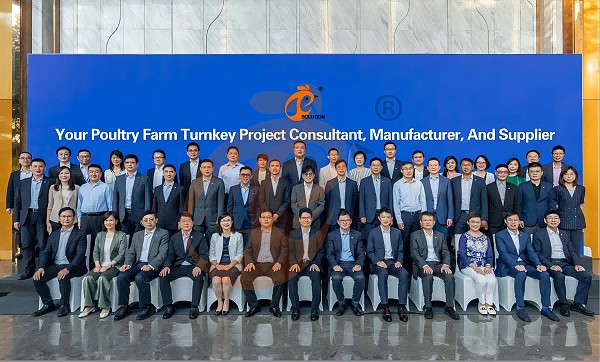
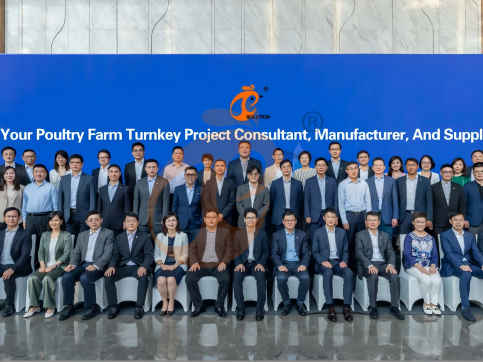
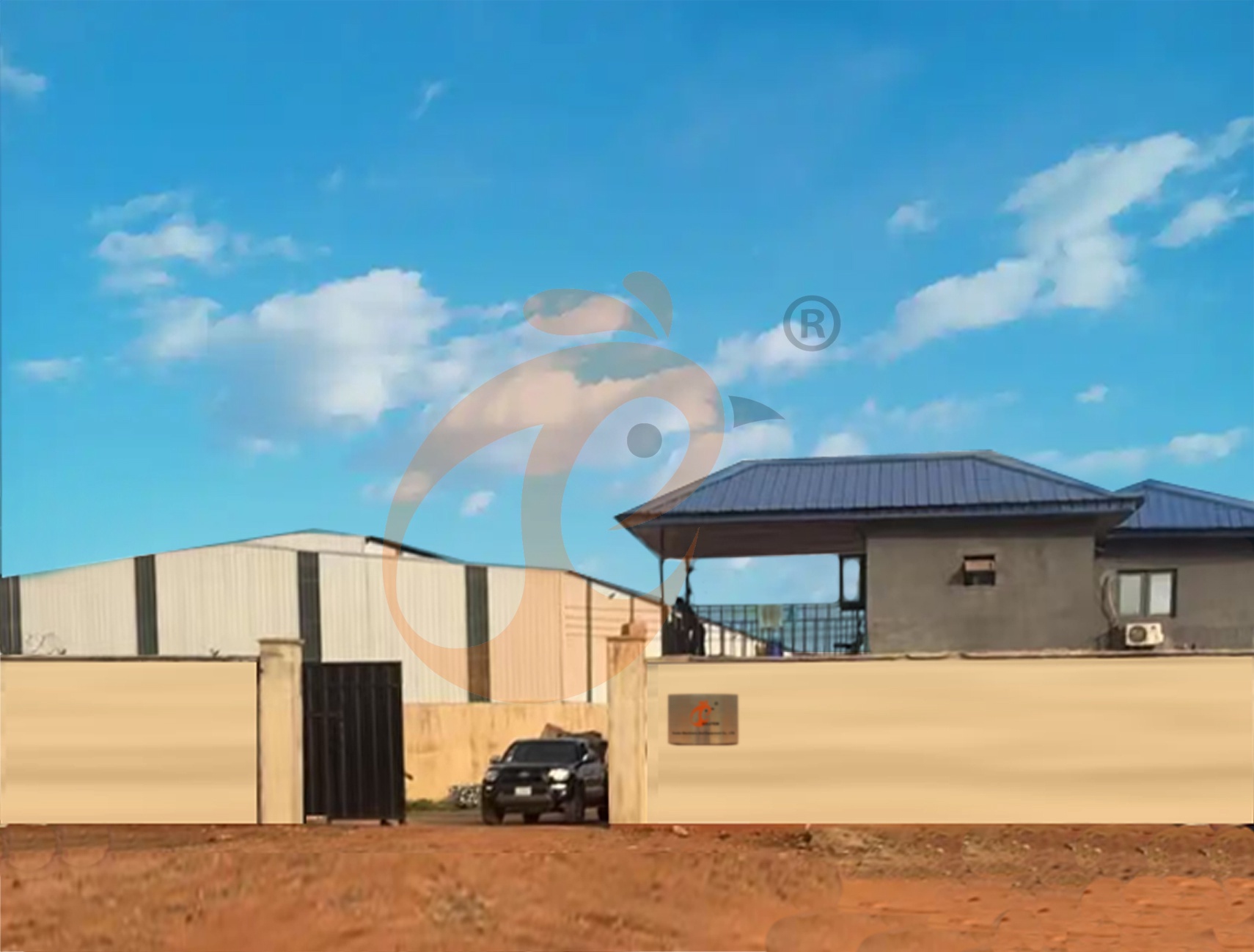
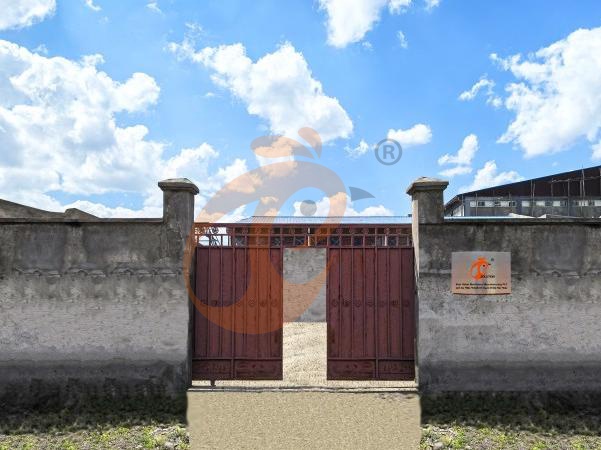
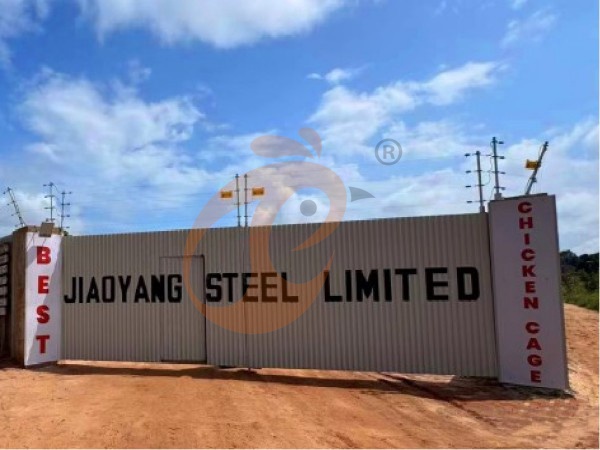
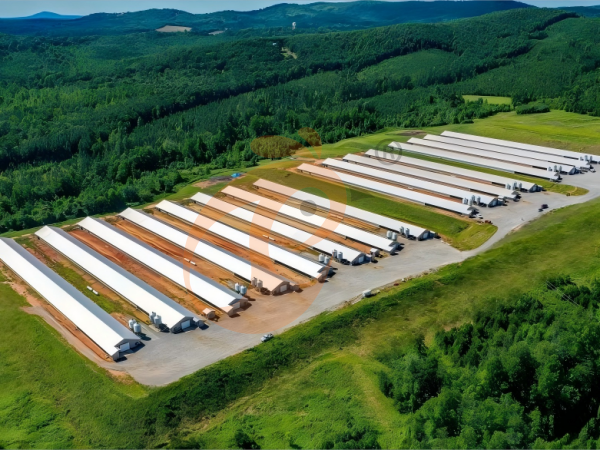
Hong Kong Headquarter Management Team
Hong Kong Headquarter Taiyu Industrial Group CO., LTD
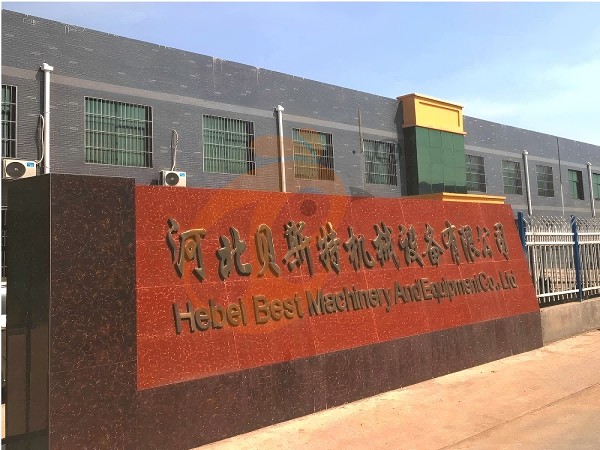
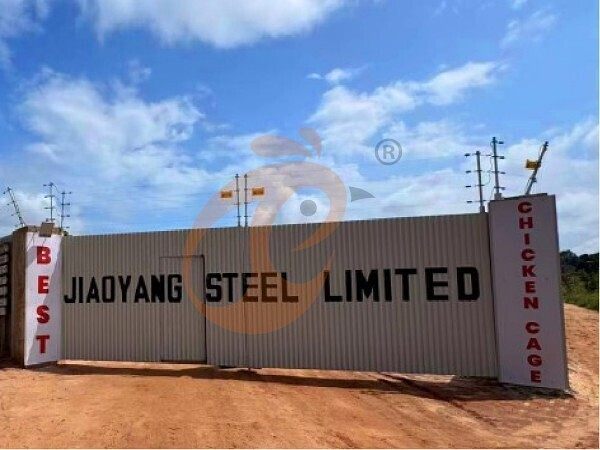
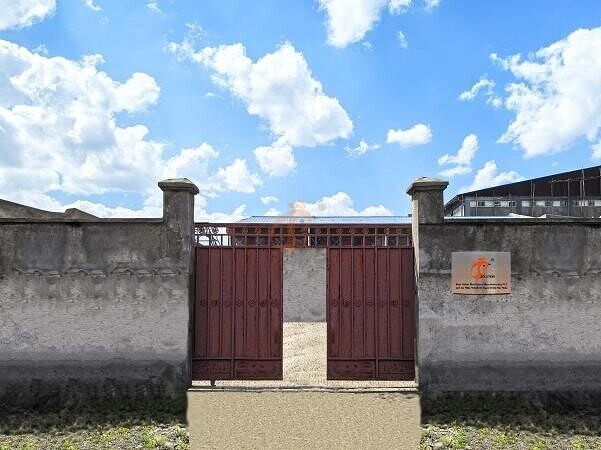
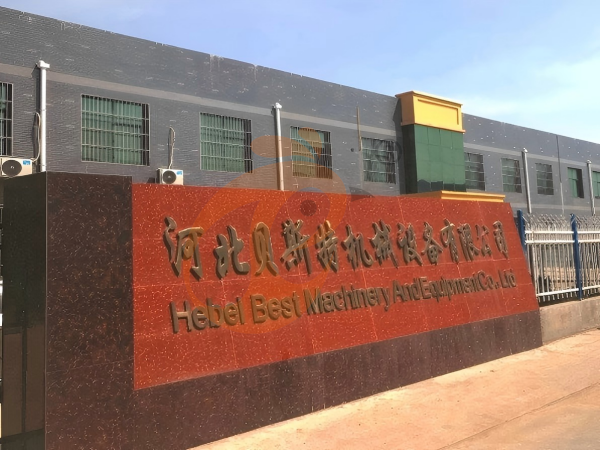
China Hebei Best Machinery And Equipment CO., LTD
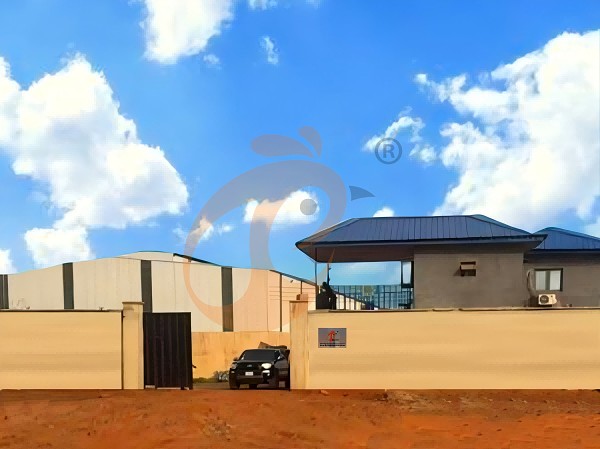
Nigeria Vanke Machinery And Equipment CO., LTD
Tanzania Best Machinery And Equipment CO., LTD
Ethiopia Best Hebei Machinery Manufacturing PLC
Reception /24 WhatsApp NO. : +8618830120193
FAQ
What Is The Typical Capacity Range Of Feed Mill Systems In Poultry Chicken Production?
Medium systems operate at 5–10 tons per hour for commercial poultry complexes above 50,000 birds.
Large industrial mills reach 15–25 tons per hour for integrated feed supply chains.
What Are The Key Mixing Uniformity Standards In Feed Mixer Systems For Poultry Chicken Feed?
Horizontal mixers maintain batch consistency within 3–6 minutes per cycle for complete ingredient integration.
Riboflavin tracer tests confirm homogeneity above 90% for high-performance poultry feed formulation.
What Grinding Particle Size Is Required In Feed Mill Systems For Poultry Chicken Diets?
Grower feed is processed to 1.5–2.0 mm to balance energy intake and gut development.
Finisher feed targets 2.5–3.0 mm to optimize feed conversion rate in broiler production cycles.
- poultry farm
- poultry cage
- cage
- poultry farm equipment
- poultry farm construction
- poultry cage manufacturer
- poultry cage system
- poultry farm investment
- chickencage
- bestchickencage
- cage system
- cage systems
- Nigeria
- poultry farming
- poultry cage systems
- cage manufacturer
- modern poultry farm
- poultry farm plan
- poultry feed
- Ethiopia
- Spring
Message
Products recommended
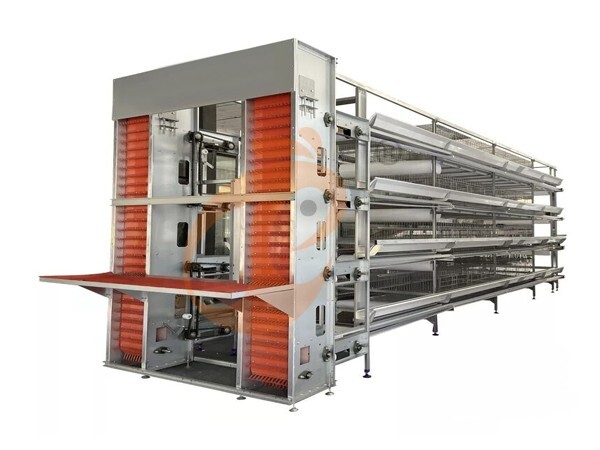
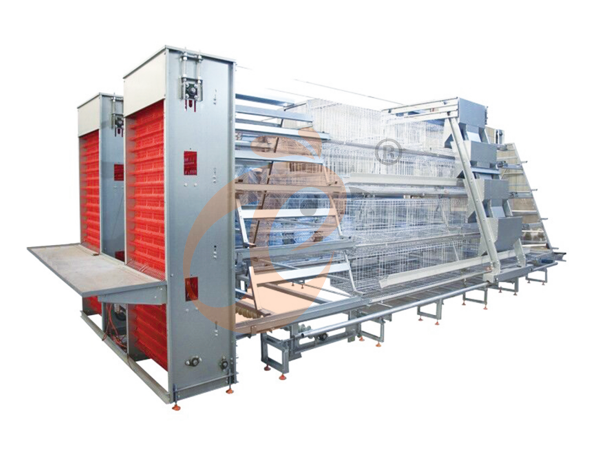
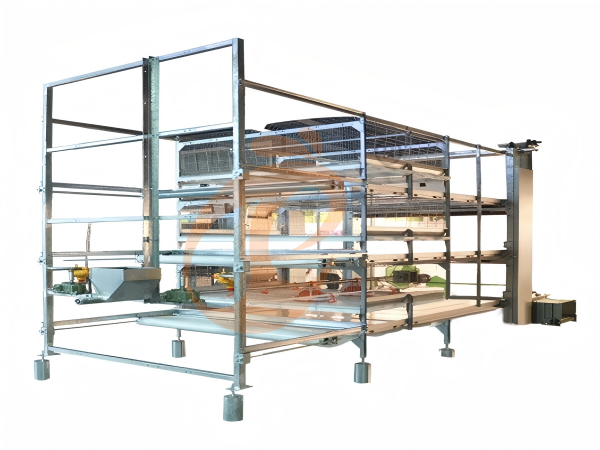
 >30,000 Pullets Automatic H Type Battery Cage1. More than 30,000 pullets a house, choose it.
2. It is designed to rearing older than 1 day old pullets to 12 to 16 weeks old chicken starting laying eggs.
3. Its lifespan is more than 25 years.
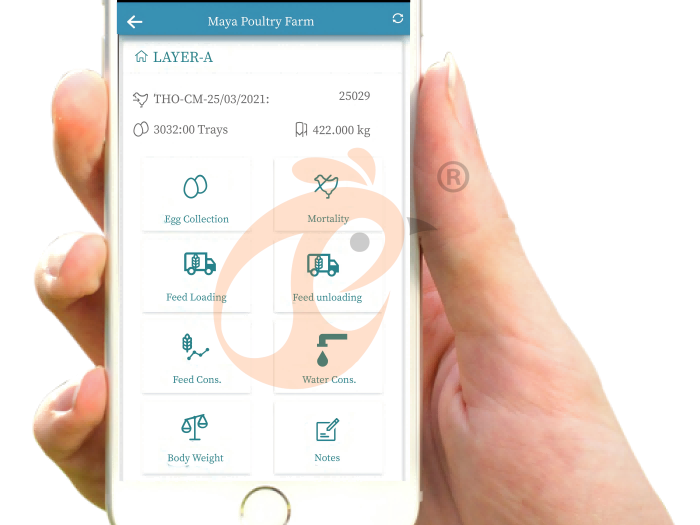
4. Its structure are Vcloud artificial intelligent fusion, electric control cabinet, automatic equipment of drinking, feeding, manure clean, manual harvesting.
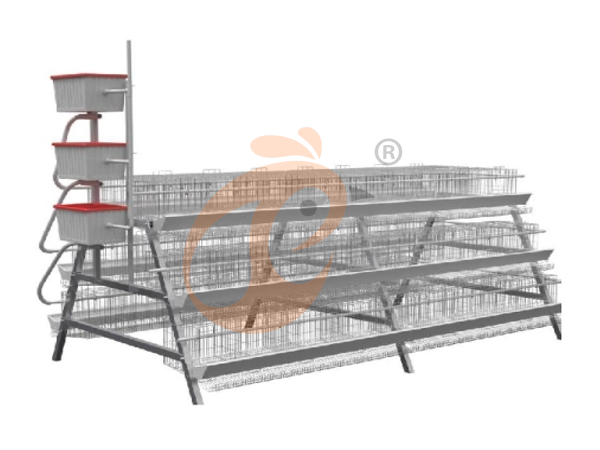
5. Our 24 hour online reception What’sApp NO. is +8618830120193 <30,000 Pullets Automatic A Type Battery Cage1. 10,000 to 30,000 pullets a house, choose it.
2. It is designed to rearing older than 1 day old pullets to 12 to 16 weeks old chicken starting laying eggs.
3. Its lifespan is more than 25 years.
4. Its structure are Vcloud artificial intelligent fusion, electric control cabinet, automatic equipment of drinking, feeding, manure clean, manual harvesting.
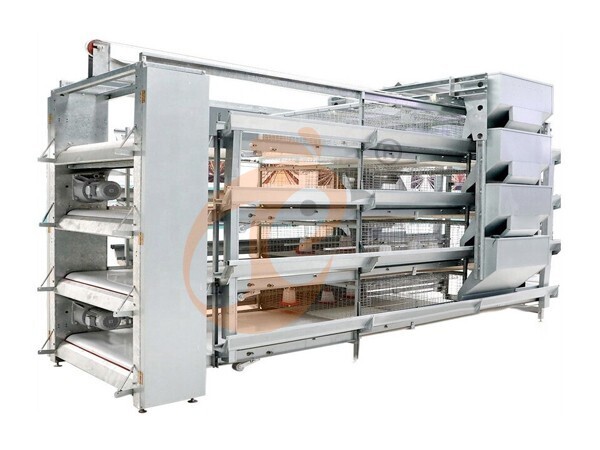
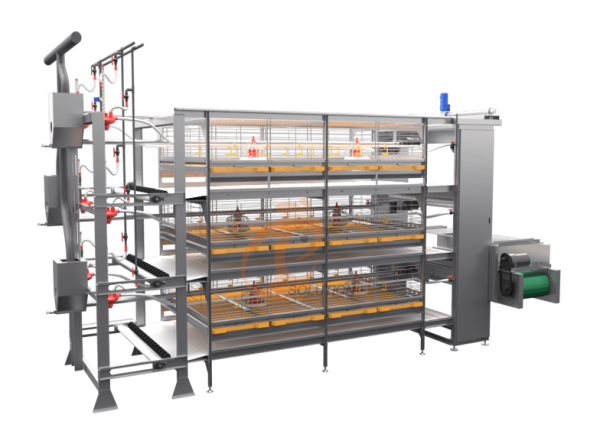
5. Our 24 hour online reception What’sApp NO. is +86 18830120193. >30,000 Broilers Semi-Automatic Harvest H Type Battery Cage1. More than 30,000 broilers a house, choose it.
2. It is designed to rearing 1 to 45 day old adult broiler ready for market.
3. Its lifespan is more than 20 years.
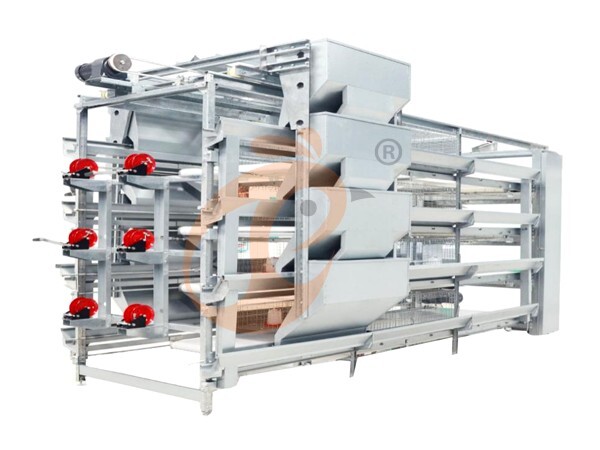
4. Our 24 hour online reception What’sApp NO. is +8618830120193, +234 8111199996. >30,000 Broilers Manual Harvest H Type Battery Cage1. More than 30,000 broilers a house, choose it.
2. It is designed to rearing 1 to 45 day old adult broiler ready for market.
3. Its lifespan is more than 20 years.
4. Its structure are Vcloud artificial intelligent fusion, electric control cabinet, automatic equipment of drinking, feeding and manure clean, manual harvesting.
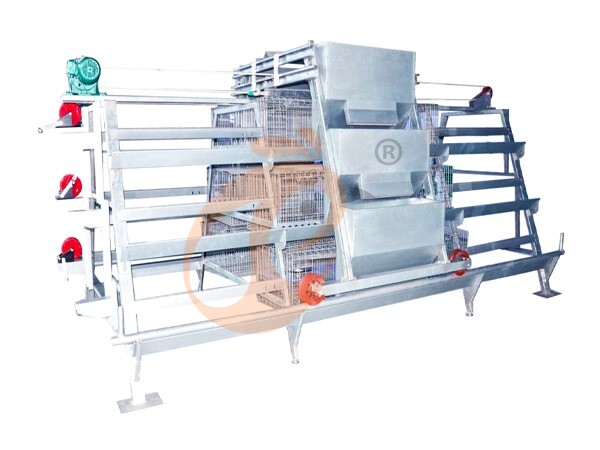
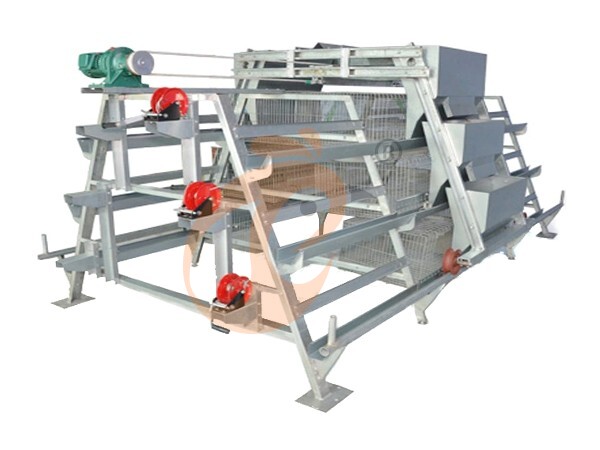
5. Our 24 hour online reception What’sApp NO. is +8618830120193, +234 8111199996. <30,000 Broilers Manual Harvest A Type Battery Cage1. Less 30,000 broilers a house, choose it.
2. It is designed to rearing 1 to 45 day old adult broiler ready for market.
3. Its lifespan is more than 20 years.
4. Its structure are Vcloud artificial intelligent fusion, electric control cabinet, automatic equipment of drinking, feeding and manure clean, manual harvesting.
5. Our 24 hour online reception What’sApp NO. is +8618830120193, +234 8111199996. HK Headquarter Offers EU-standard Poultry Farm Solutions, Manufacture Poultry Farm Equipment1. Continuous communication with the EU and the US
2. China, Nigeria, Ethiopia, Tanzania branch companies and factories
3. The products’ quality is customized for local poultry farms
4. Poultry cage and poultry farm equipment stock for sale
5. 24 online reception Whatsapp NO. : +8618830120193,contact us to get full information China Branch Offer Poultry Farm Business Plan, Manufacture Poultry Farm Equipment1. Address: Flat/RM 2416, 24/F, Runxing Building, Youyi Nan Street, Shijiazhuang City, Hebei Province, China
2. Poultry cage and poultry farm equipment factory and stock for sale
3. Customized for local poultry farms
4. Quality and design are based on Euro
5. 24 online reception Whatsapp NO. : +8618830120193 Nigeria Branch Offer Poultry Farm Business Plan, Manufacture Poultry Farm Equipment1. Address: After Sinoma Office, 200 Meters Near Danco Filling Station, Lagos/Ibadan Expressway, Lagos State, Nigeria
2. Poultry cage and poultry farm equipment factory and stock for sale
3. Customized for Nigerian poultry farms
4. Quality and design are based on Euro
5. 24 online reception Whatsapp NO. : +8618830120193 Ethiopia Branch Offer Poultry Farm Business Plan, Manufacture Poultry Farm Equipment1. Address: WR93+FQ2, Addis Ababa, Ethiopia
2. Poultry cage and poultry farm equipment stock for sale
3. Customized for Ethiopian poultry farms
4. Quality and design are based on Euro
5. 24 online reception Whatsapp NO. : +8618830120193, contact us to get price list Tanzania Branch Offer Poultry Farm Business Plan, Manufacture Poultry Farm Equipment1. Address: No.8, Sova Road, Msufini, Mlandizi, Kibaha, Pwani, Tanzania
2. Poultry cage and poultry farm equipment factory and stock for sale
3. Customized for Tanzanian poultry farms
4. Quality and design are based on Euro
5. 24 online reception Whatsapp NO. : +8618830120193


Contact
By clicking 'Allow All', you agree to the storage of cookies on your device to enhance site navigation, analyze site usage and assist with our marketing efforts.