


Blog
Pellet machine price directly determines feed production capacity planning, equipment configuration strategy, and long-term operational cost modeling in industrial feed systems.
Feed pellet machine integrates grinding, conditioning, and compression into a continuous forming process for livestock and aquaculture feed production lines.
Animal feed pellet machine systems optimize material density conversion, improving pellet durability index and reducing transport loss across logistics chains.
Investment evaluation depends on kW load distribution, die geometry, throughput stability, and moisture conditioning control parameters.
Get professional poultry farm construction guidance, equipment selection solutions, and the latest price lists, whatsApp to +8618830120193, click to learn more:
What Is A Pellet Machine
A pellet machine is a mechanical compression system that converts powdered biomass or feedstock into dense cylindrical pellets.
It operates through controlled pressure extrusion using a die and roller assembly under defined thermal and moisture conditions.
In industrial feed processing, it functions as the core shaping unit that determines final pellet geometry and structural integrity.
Importance In Feed Production Systems
Feed production systems rely on pellet formation to stabilize nutrient distribution across bulk feed batches.
Compression-based processing reduces particle segregation during storage and transportation phases.
Animal feed pellet machine integration ensures consistent feed size distribution, which directly influences digestion efficiency in livestock systems.
Pellet Machine Price And Engineering Structure
Pellet machine price is determined by mechanical architecture, drive system load, and die compression geometry.
System configuration directly defines energy conversion efficiency and production throughput stability.
Data is for reference only.Swipe horizontally to view full table.
Pellet Machine Price Range Structure
Pricing structure correlates directly with throughput capacity and mechanical reinforcement level.
Feed pellet machine configurations scale according to production demand and energy input density.
Data is for reference only.Swipe horizontally to view full table.
Mechanical Types And System Architecture
Pellet machines are categorized based on compression geometry and drive mechanism.
Animal feed pellet machine selection depends on operational scale and energy infrastructure.
Data is for reference only.Swipe horizontally to view full table.
Feed Pellet Formation Physics
Pellet formation depends on thermodynamic softening and mechanical shear compression.
Moisture and steam conditioning alter starch gelatinization behavior during extrusion.
Data is for reference only.Swipe horizontally to view full table.
Benefits Of Pellet Machine Systems
Pellet systems modify feed density and structural stability through controlled compression mechanics.
Feed pellet machine processing reduces volumetric inefficiency during storage and distribution.
Data is for reference only.Swipe horizontally to view full table.
Return On Investment And Operational Cost Model
Investment return is determined by energy consumption per ton and production utilization ratio.
Animal feed pellet machine systems optimize cost structure through continuous processing cycles.
Data is for reference only.Swipe horizontally to view full table.
Optimization Control Parameters
Production stability depends on real-time adjustment of mechanical and material variables.
Feed pellet machine systems require continuous parameter calibration for output consistency.
Data is for reference only.Swipe horizontally to view full table.
Raw Material Engineering Standards
Raw material composition defines pellet bonding strength and extrusion stability.
Feed formulation must match mechanical compression requirements.
Data is for reference only.Swipe horizontally to view full table.
Maintenance Engineering System
Mechanical lifespan depends on lubrication cycle and wear component replacement schedule.
Feed pellet machine reliability is directly linked to preventive maintenance precision.
Data is for reference only.Swipe horizontally to view full table.
Production System Comparison
Different feed processing technologies produce distinct output efficiency levels and particle structures.
Animal feed pellet machine systems standardize output consistency across industrial feed operations.
Data is for reference only.Swipe horizontally to view full table.
Frequently Asked Questions
Q1: What determines pellet machine price in industrial systems?
Pellet machine price is determined by motor power, die diameter, and automation architecture.
Higher throughput systems require reinforced mechanical structures and higher energy input capacity.
Q2: How does feed pellet machine improve nutrient stability?
Feed pellet machine improves nutrient stability through compression bonding and thermal conditioning of feed particles.
This reduces nutrient separation during storage and transportation cycles.
Q3: What is the difference between flat die and ring die systems?
Flat die systems operate under vertical compression with simpler structure.
Ring die systems use continuous rotational extrusion for industrial-scale feed production.
Taiyu (HK) Group - One Of China Biggest Pellet Machine Manufacturer
- Pellet machine provides efficient feed processing with grinding, conditioning, and compression system integration designed for modern livestock and poultry production environments requiring stable output performance.
- Global factory direct supply ensures competitive pricing, stable delivery schedules, and reliable access to high-quality poultry equipment for international farming projects.
- Integrated poultry cage systems support high-density farming with durable structures, optimized feeding lines, and long-term operational stability across large-scale farms.
- Turn-key engineering solutions include complete farm planning, equipment installation, system integration, and full operational commissioning for automated poultry projects.
- Taiyu delivers scalable manufacturing capacity, customized solutions, and export support for global poultry farming and industrial feed production system development.
Contact Us To Received Your Customized Poultry Farm Plan
Headquarters And Branchs

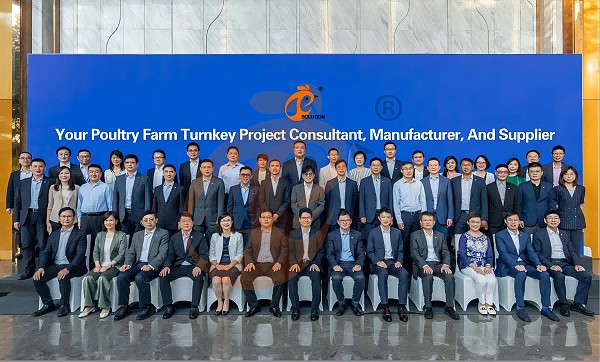
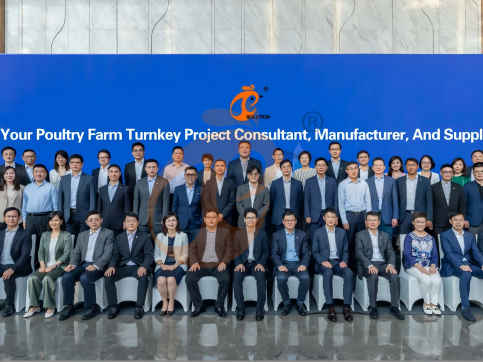
Hong Kong Headquarter Management Team
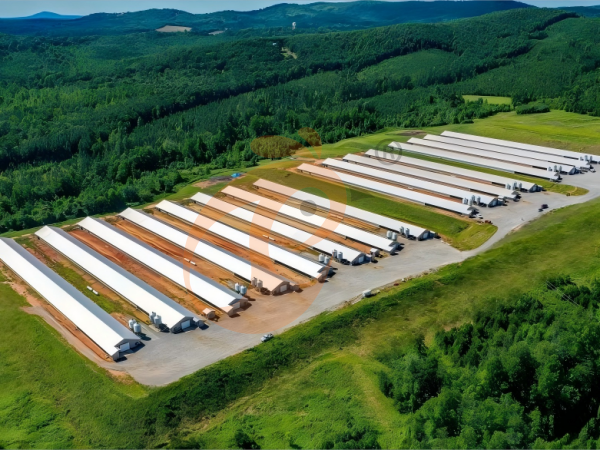
Hong Kong Headquarter Taiyu Industrial Group CO., LTD
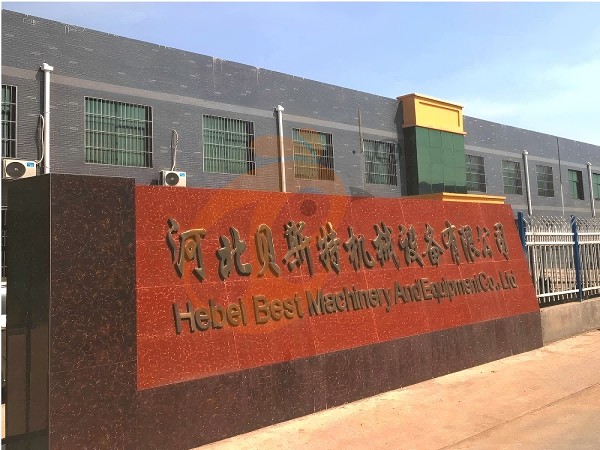
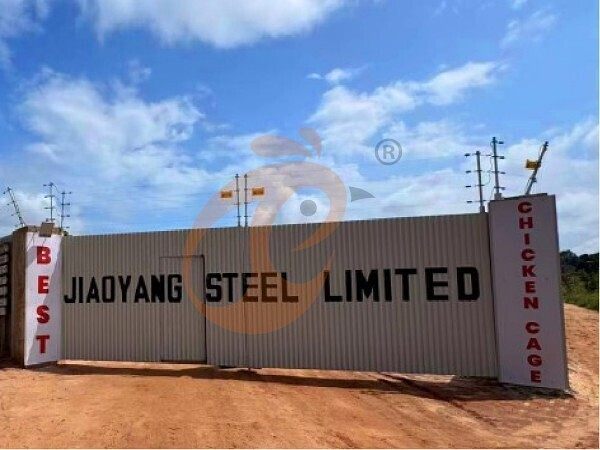
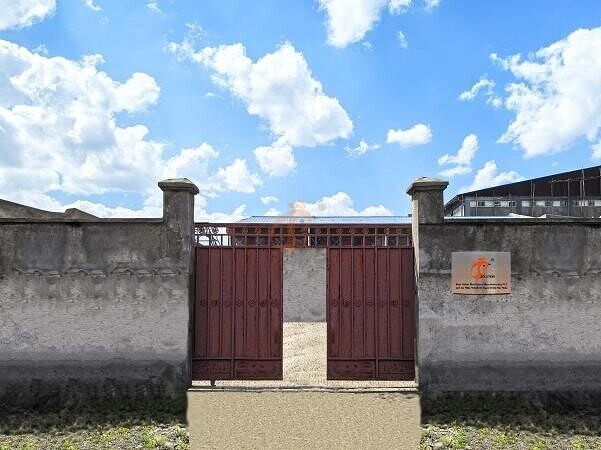
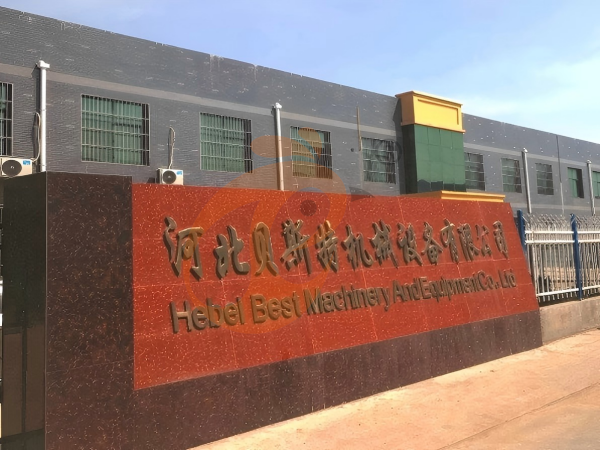
China Hebei Best Machinery And Equipment CO., LTD
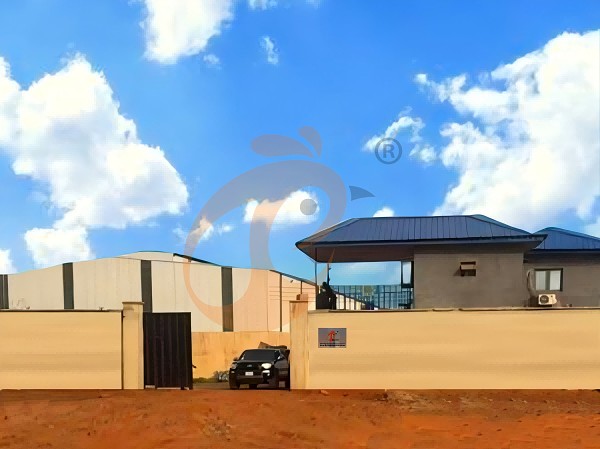
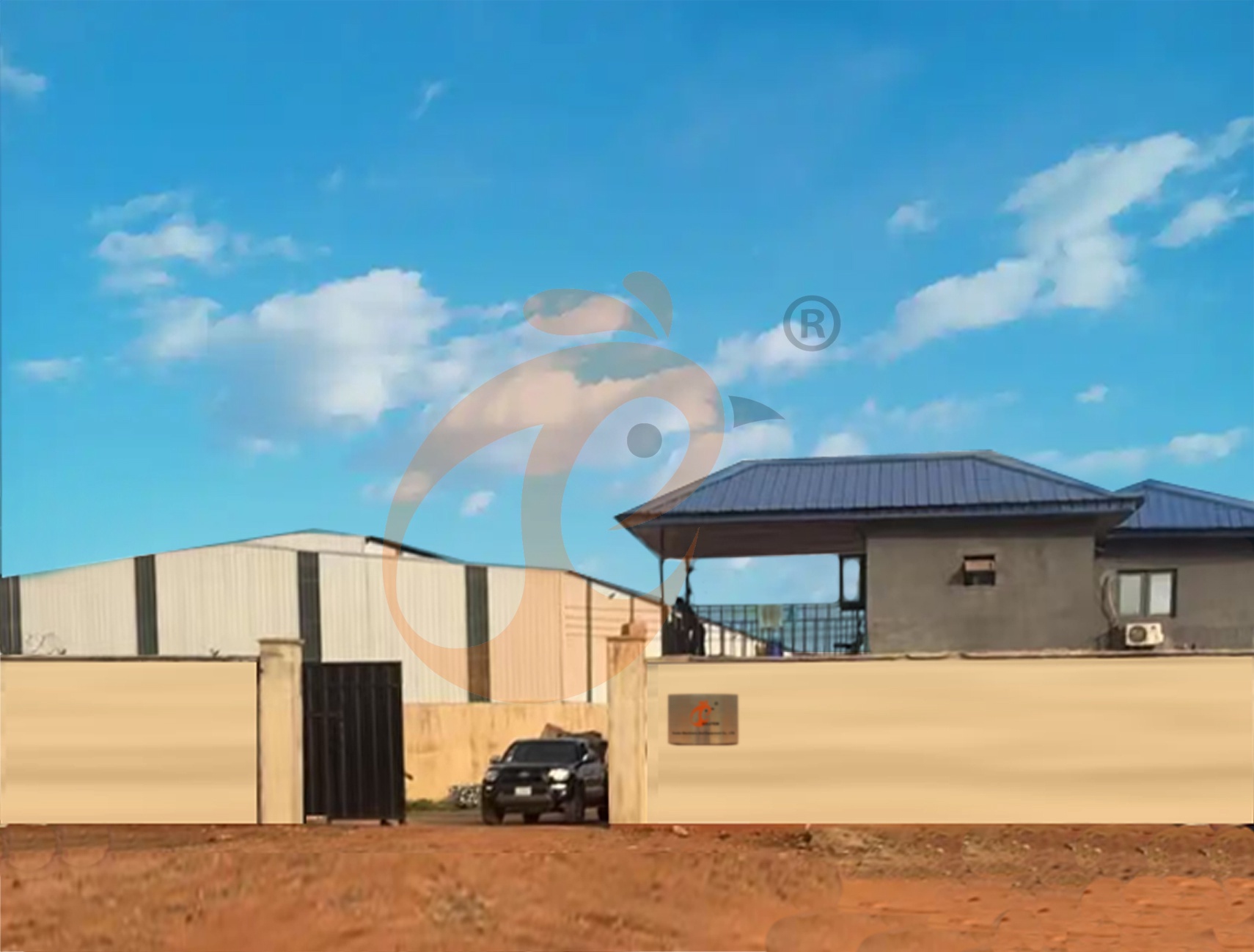
Nigeria Vanke Machinery And Equipment CO., LTD
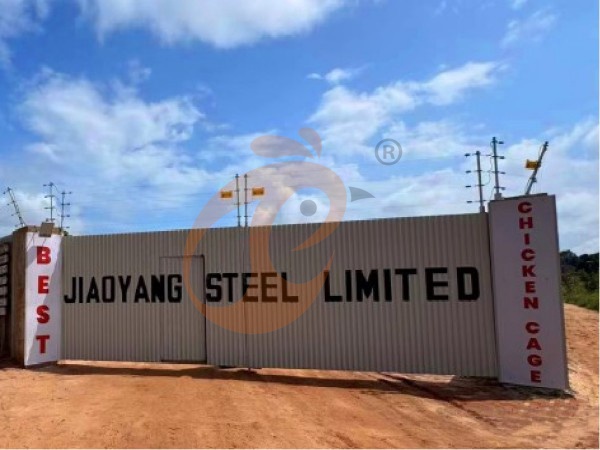
Tanzania Best Machinery And Equipment CO., LTD
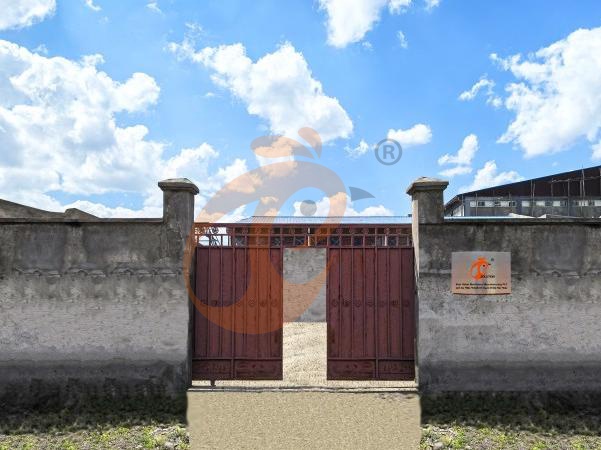
Ethiopia Best Hebei Machinery Manufacturing PLC
Reception /24 WhatsApp NO. : +8618830120193
FAQ
What Is The Production Capacity Range Of Pellet Machine In Poultry Chicken Feed Processing Systems?
Medium systems operate at 800–1500 kg per hour for commercial broiler farms.
Industrial pellet lines reach 3–6 tons per hour for integrated feed mill production.
What Are The Standard Pellet Diameters Produced By Pellet Machine For Poultry Chicken Feed?
Grower feed pellets are produced at 3.0 mm for balanced nutrient intake.
Finisher feed pellets are set at 4.0 mm to optimize growth performance and feed conversion.
What Temperature Range Is Required During Pelletizing Process In Poultry Chicken Feed Production?
Pellet discharge temperature is controlled at 75–85°C for structural stability.
Cooling stage reduces pellet temperature to within 5°C above ambient for storage safety.
Message
Products recommended
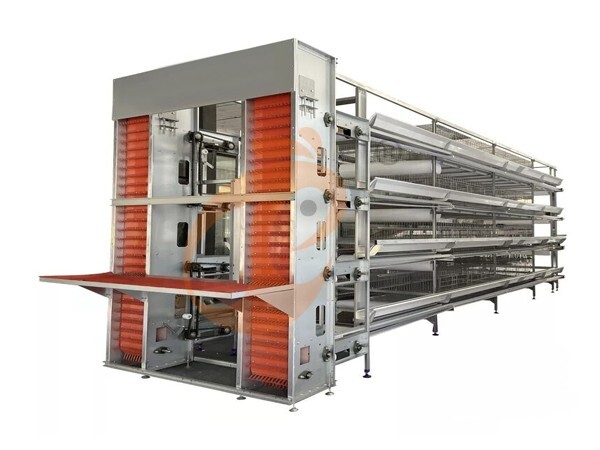
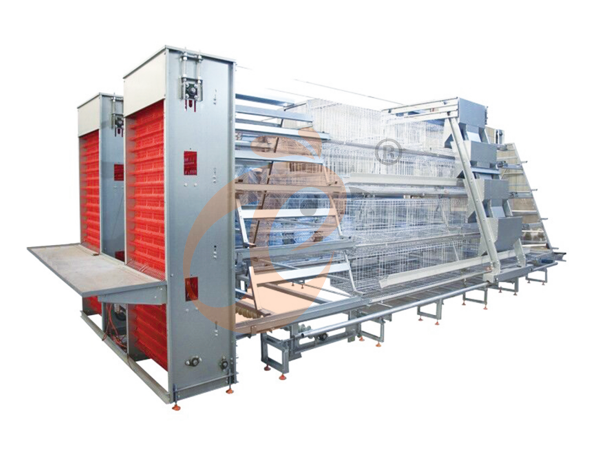
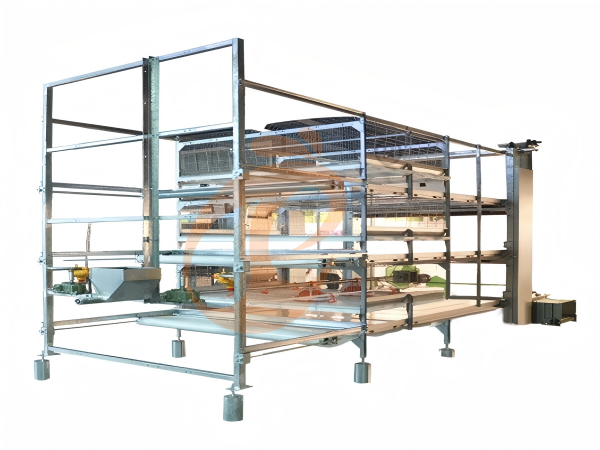
 >30,000 Pullets Automatic H Type Battery Cage1. More than 30,000 pullets a house, choose it.
2. It is designed to rearing older than 1 day old pullets to 12 to 16 weeks old chicken starting laying eggs.
3. Its lifespan is more than 25 years.
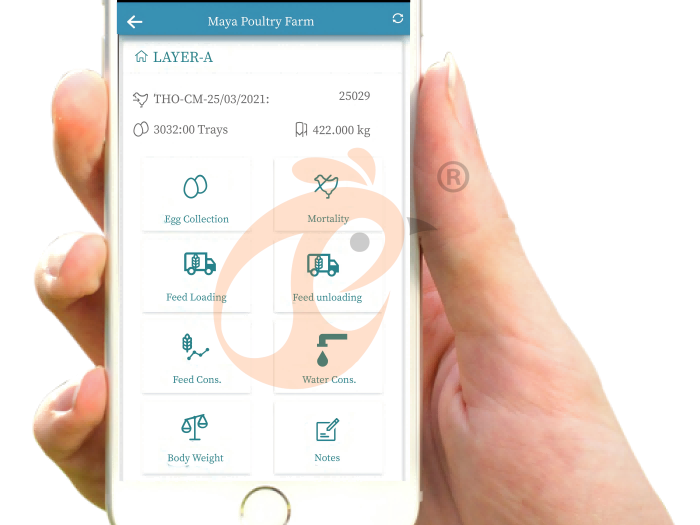
4. Its structure are Vcloud artificial intelligent fusion, electric control cabinet, automatic equipment of drinking, feeding, manure clean, manual harvesting.
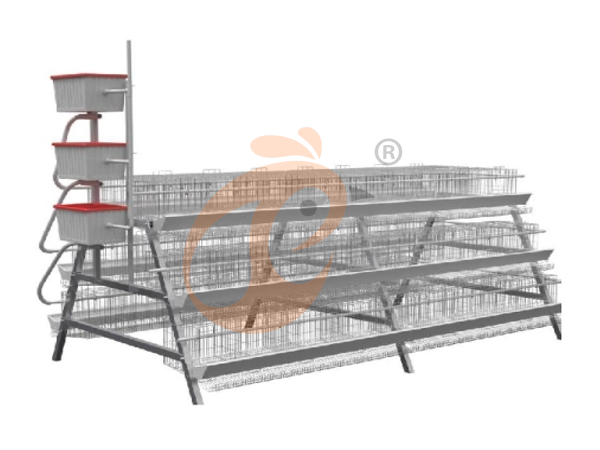
5. Our 24 hour online reception What’sApp NO. is +8618830120193 <30,000 Pullets Automatic A Type Battery Cage1. 10,000 to 30,000 pullets a house, choose it.
2. It is designed to rearing older than 1 day old pullets to 12 to 16 weeks old chicken starting laying eggs.
3. Its lifespan is more than 25 years.
4. Its structure are Vcloud artificial intelligent fusion, electric control cabinet, automatic equipment of drinking, feeding, manure clean, manual harvesting.
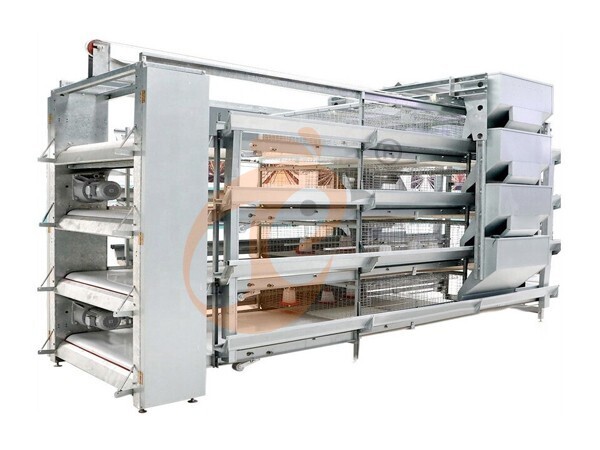
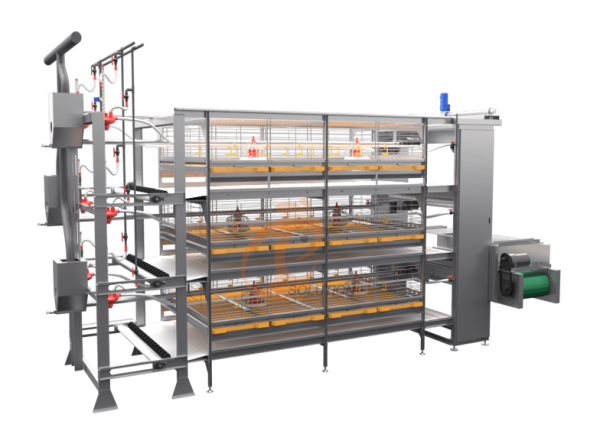
5. Our 24 hour online reception What’sApp NO. is +86 18830120193. >30,000 Broilers Semi-Automatic Harvest H Type Battery Cage1. More than 30,000 broilers a house, choose it.
2. It is designed to rearing 1 to 45 day old adult broiler ready for market.
3. Its lifespan is more than 20 years.
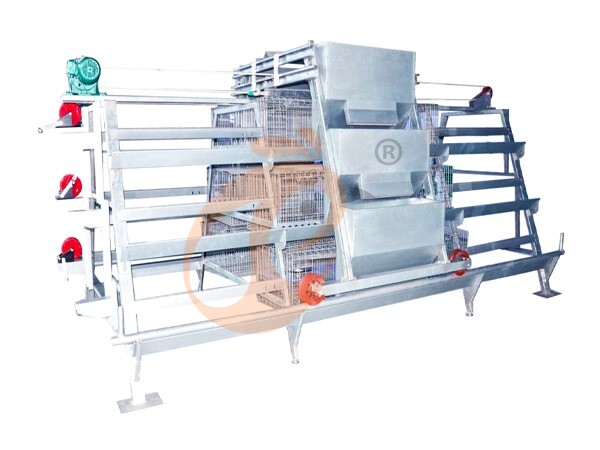
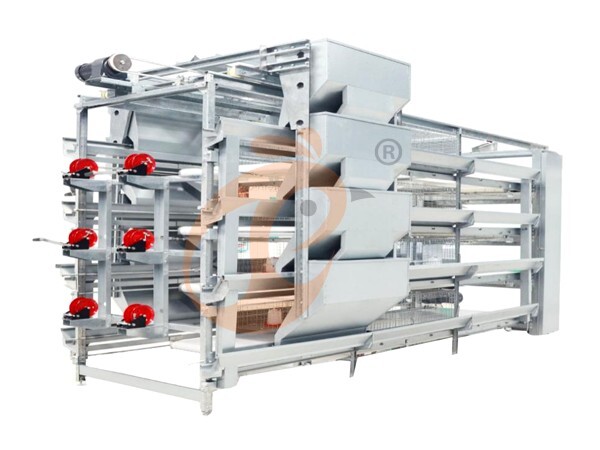
4. Our 24 hour online reception What’sApp NO. is +8618830120193, +234 8111199996. >30,000 Broilers Manual Harvest H Type Battery Cage1. More than 30,000 broilers a house, choose it.
2. It is designed to rearing 1 to 45 day old adult broiler ready for market.
3. Its lifespan is more than 20 years.
4. Its structure are Vcloud artificial intelligent fusion, electric control cabinet, automatic equipment of drinking, feeding and manure clean, manual harvesting.
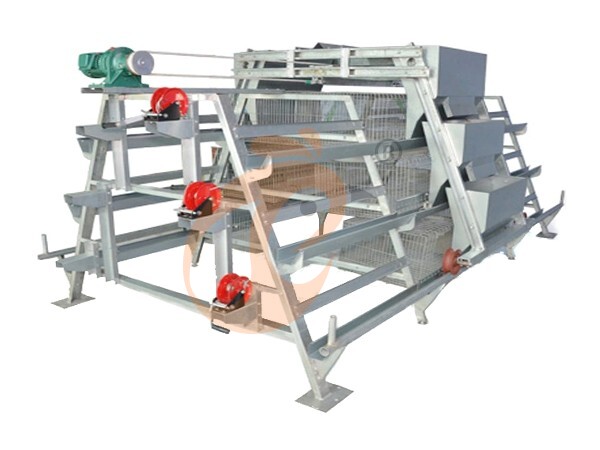
5. Our 24 hour online reception What’sApp NO. is +8618830120193, +234 8111199996. <30,000 Broilers Manual Harvest A Type Battery Cage1. Less 30,000 broilers a house, choose it.
2. It is designed to rearing 1 to 45 day old adult broiler ready for market.
3. Its lifespan is more than 20 years.
4. Its structure are Vcloud artificial intelligent fusion, electric control cabinet, automatic equipment of drinking, feeding and manure clean, manual harvesting.
5. Our 24 hour online reception What’sApp NO. is +8618830120193, +234 8111199996. HK Headquarter Offers EU-standard Poultry Farm Solutions, Manufacture Poultry Farm Equipment1. Continuous communication with the EU and the US
2. China, Nigeria, Ethiopia, Tanzania branch companies and factories
3. The products’ quality is customized for local poultry farms
4. Poultry cage and poultry farm equipment stock for sale
5. 24 online reception Whatsapp NO. : +8618830120193,contact us to get full information China Branch Offer Poultry Farm Business Plan, Manufacture Poultry Farm Equipment1. Address: Flat/RM 2416, 24/F, Runxing Building, Youyi Nan Street, Shijiazhuang City, Hebei Province, China
2. Poultry cage and poultry farm equipment factory and stock for sale
3. Customized for local poultry farms
4. Quality and design are based on Euro
5. 24 online reception Whatsapp NO. : +8618830120193 Nigeria Branch Offer Poultry Farm Business Plan, Manufacture Poultry Farm Equipment1. Address: After Sinoma Office, 200 Meters Near Danco Filling Station, Lagos/Ibadan Expressway, Lagos State, Nigeria
2. Poultry cage and poultry farm equipment factory and stock for sale
3. Customized for Nigerian poultry farms
4. Quality and design are based on Euro
5. 24 online reception Whatsapp NO. : +8618830120193 Ethiopia Branch Offer Poultry Farm Business Plan, Manufacture Poultry Farm Equipment1. Address: WR93+FQ2, Addis Ababa, Ethiopia
2. Poultry cage and poultry farm equipment stock for sale
3. Customized for Ethiopian poultry farms
4. Quality and design are based on Euro
5. 24 online reception Whatsapp NO. : +8618830120193, contact us to get price list Tanzania Branch Offer Poultry Farm Business Plan, Manufacture Poultry Farm Equipment1. Address: No.8, Sova Road, Msufini, Mlandizi, Kibaha, Pwani, Tanzania
2. Poultry cage and poultry farm equipment factory and stock for sale
3. Customized for Tanzanian poultry farms
4. Quality and design are based on Euro
5. 24 online reception Whatsapp NO. : +8618830120193


Contact
By clicking 'Allow All', you agree to the storage of cookies on your device to enhance site navigation, analyze site usage and assist with our marketing efforts.