


Blog
Ethiopian poultry cage price often varies because structural materials, automation components, and logistics expenses influence final equipment investment for farmers.
Rapid egg consumption growth in Addis Ababa and surrounding cities encourages farmers to upgrade poultry housing systems.
Many producers compare different poultry farming equipment suppliers before selecting a suitable chicken cage system.
Understanding cost composition helps farmers avoid unnecessary expenses and maintain long-term productivity stability.
Get professional poultry farm construction guidance, equipment selection solutions, and the latest price lists, whatsApp to +8618830120193, click to learn more:

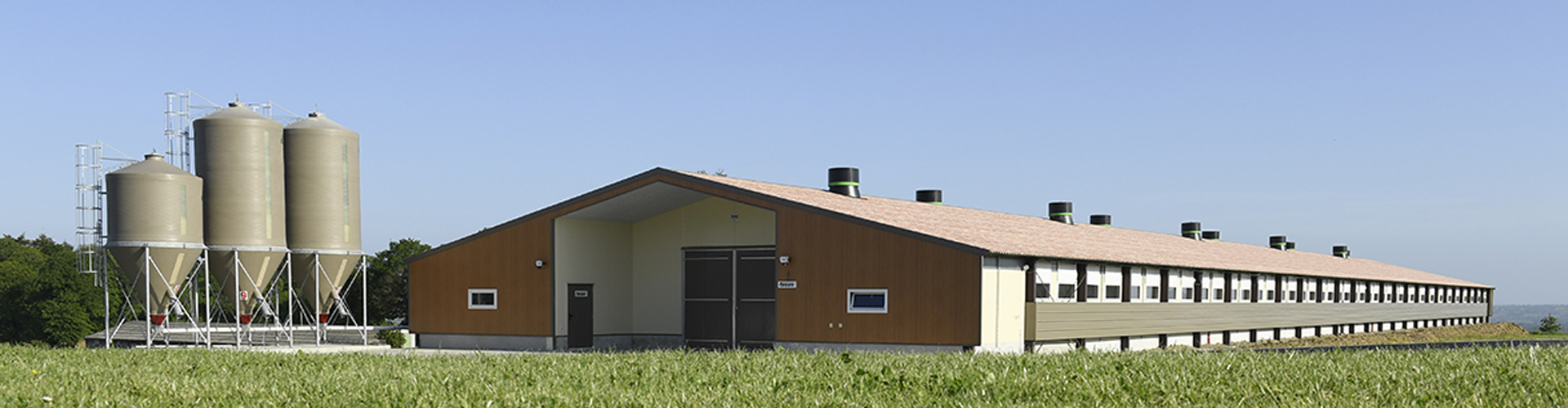
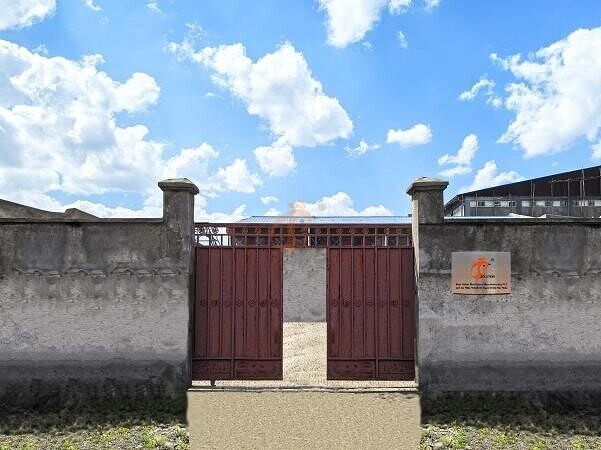
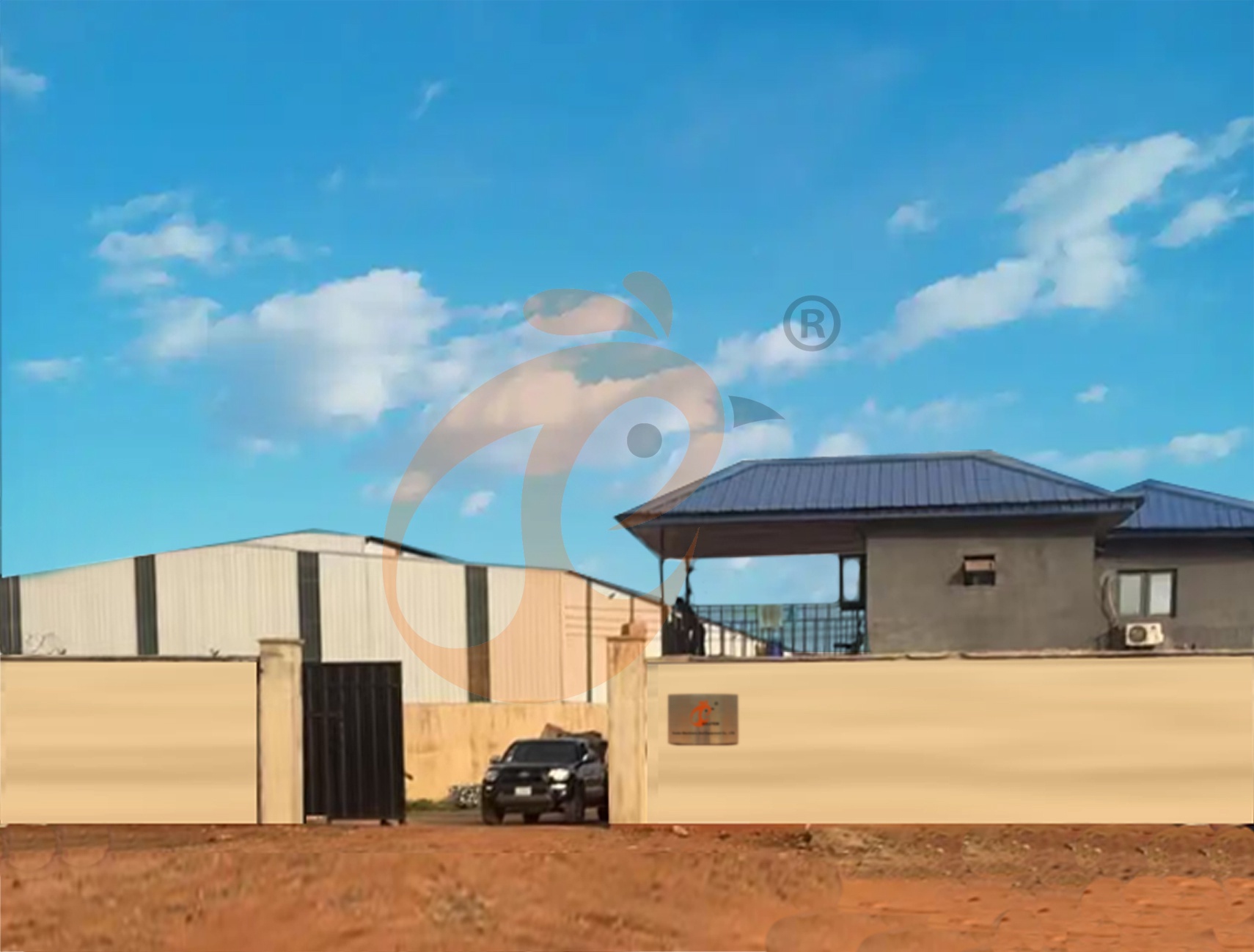
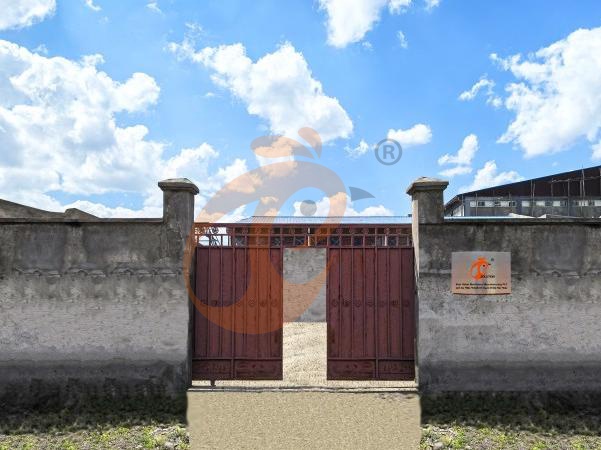
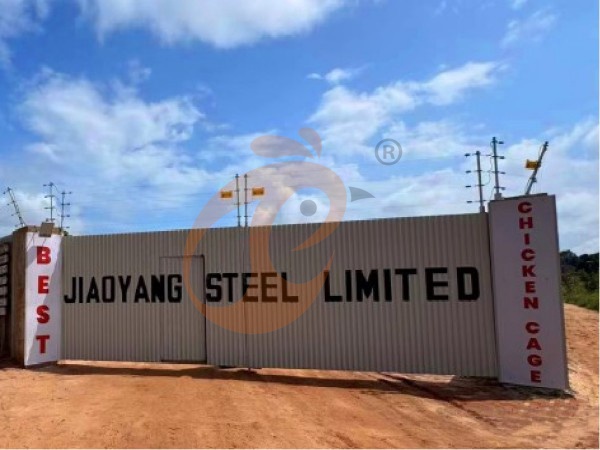
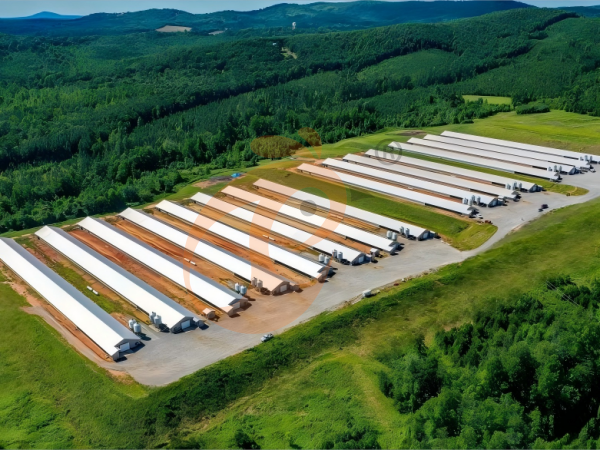
Ethiopia Branch Office And Factory Of Poultry Farm Equipment
Steel Quality And Cage Structure
Steel type and thickness significantly influence poultry cage manufacturing cost and structural durability.
Ethiopian farms operate in varied climates, including humid highlands and dry Rift Valley areas, which can accelerate corrosion of unsuitable materials.
Using stronger galvanized steel improves cage lifespan and reduces long-term maintenance requirements.
Data is for reference only.Swipe horizontally to view full table.
Lower-cost cages may initially appear economical, but frequent replacements significantly increase lifetime investment.
Ethiopian farmers in high-rainfall regions such as Oromia often report corrosion issues within a few production cycles.
Investing in stronger cage materials helps reduce operational interruptions and improves bird safety.
Cage Design And Bird Capacity
Another major reason for poultry cage price differences is cage design.
Different chicken cage configurations can house different numbers of birds per unit and can vary in production efficiency.
Modern commercial farms in Ethiopia typically choose between A-type or H-frame layer cage systems.
These designs influence stocking density, egg collection efficiency, and overall productivity.
Data is for reference only.Swipe horizontally to view full table.
Automated chicken cage systems used in large Ethiopian farms can significantly improve egg production efficiency and reduce egg breakage during collection.
A cage that supports more birds per structure may cost more initially but reduces building and land costs.
Imported Equipment And Transportation Costs
Ethiopia is a landlocked country, meaning most poultry equipment must be imported through ports in neighboring countries such as Djibouti before being transported inland.
This logistics chain adds multiple cost layers to poultry cage prices, including shipping, customs duties, inland transportation, and distribution.
Data is for reference only.Swipe horizontally to view full table.
Transport from Djibouti to Addis Ababa alone can significantly increase equipment cost, especially for bulky metal structures like chicken cage systems.
For farmers in regions such as Amhara or Tigray, additional domestic transport further increases the final purchase price.
These logistics elements also influence the Ethiopian poultry cage price farmers encounter when purchasing imported poultry farming equipment.
Automation Systems Integrated Into The Cage
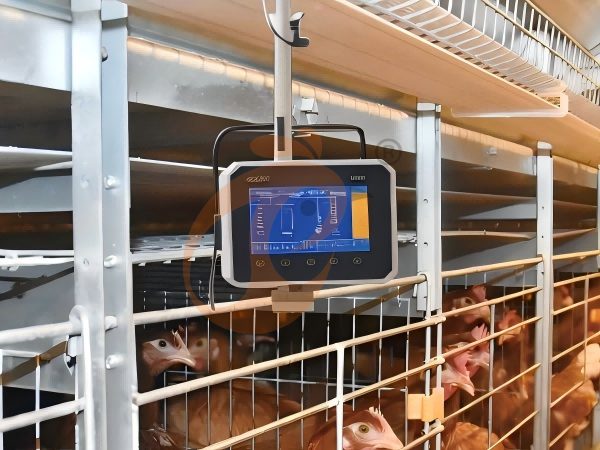
Modern poultry cages often include automated feeding, watering, and egg collection systems.
These features increase cage prices but also reduce labor requirements and improve production efficiency.
Automation is increasingly adopted by commercial farms in Ethiopia due to rising labor costs and the need for better flock management.
Data is for reference only.Swipe horizontally to view full table.
Automated feeding systems can distribute feed uniformly across thousands of birds, improving feed conversion efficiency and reducing waste.
Data is for reference only.Swipe horizontally to view full table.
These technologies can greatly improve farm efficiency but increase the initial cage system price.
For farms with more than 10,000 laying hens, automation usually becomes economically beneficial.
Farm Scale And Installation Costs
The final hidden cost factor affecting poultry cage price is farm scale.
Small farms usually pay a larger cost per bird because installation, transportation, and setup costs are distributed across fewer cages.
In Ethiopia, many beginner farmers start with flocks between 3,000 and 5,000 layers, while larger commercial farms operate with 10,000 birds or more.
Data is for reference only.Swipe horizontally to view full table.
EU standard reference only.
Small farms often experience higher equipment costs because installation and logistics are fixed expenses.
Larger farms benefit from economies of scale, which reduces cage cost per bird.
This situation strongly influences the layer chicken cage system cost in developing poultry regions.
Ethiopia Poultry Production Challenges
Despite its large poultry population, Ethiopia’s egg productivity remains relatively limited compared with industrial poultry regions.
Indigenous chickens dominate the national flock, but they produce fewer eggs than improved breeds used in commercial layer farms.
Data is for reference only.Swipe horizontally to view full table.
Local chickens are resilient but inefficient for commercial egg production.
Adopting modern chicken cage systems, improved breeds, and better feeding strategies can significantly increase egg output.
This transition is an important part of improving national egg supply and stabilizing poultry industry growth.
Practical Solutions For Ethiopian Poultry Farmers
To reduce investment risks and improve profitability, Ethiopian poultry farmers should consider several practical strategies.
Prioritize Durability Over Initial Price
Cheap cages often lead to higher maintenance and replacement costs.
Durable galvanized chicken cage systems provide stronger long-term investment returns.
Choose The Right Cage Design
Small farms may benefit from A-type cages.
Large farms with more than 20,000 layers may achieve greater efficiency using automated poultry farming equipment systems.
Optimize Farm Location
Building farms near feed mills and egg markets reduces transportation costs and improves supply chain efficiency.
Invest In Biosecurity
Disease outbreaks remain one of the biggest threats to poultry farms in Ethiopia.
Proper biosecurity systems can reduce infection risks and stabilize flock productivity.
Expand Farm Scale Gradually
Scaling from 5,000 to 10,000 birds improves cost efficiency and helps farmers achieve stronger profit margins.
Investment Planning Strategy For Ethiopian Layer Farms
For Ethiopian egg producers, purchasing a chicken cage system should be treated as a long-term infrastructure decision rather than a short-term equipment expense.
The most profitable farms evaluate cage durability, bird capacity, and management efficiency before focusing on initial purchase price.
Key considerations include
Match cage type with farm expansion plans. A-type systems are suitable for farms planning 10,000–30,000 layers, while H-frame systems are more suitable when expansion targets exceed 30,000 birds.
Prioritize corrosion-resistant materials to reduce replacement cycles in humid Ethiopian regions.
Calculate production return per hen, since layer farms with 90–98% laying performance can recover equipment investment significantly faster.
A structured investment approach helps Ethiopian farmers reduce operational risk while maintaining stable egg production capacity.
Frequently Asked Questions
Why do chicken cage prices differ between suppliers in Ethiopia?
Different suppliers use different steel materials, coating thickness, cage structures, and automation equipment levels.
Transportation distance and import logistics costs also influence final equipment prices.
Are automated poultry cage systems suitable for medium-size farms?
Automated systems become more practical when farm capacity exceeds approximately 10,000 laying hens.
They reduce labor requirements and improve egg collection efficiency.
How can farmers reduce poultry cage investment risks?
Farmers should evaluate cage durability, supplier experience, steel quality, and installation service before purchasing equipment.
Planning farm scale and management strategy also helps reduce long-term costs.
Ethiopia Best Hebei Machinery Manufacturing Plc - One Of Ethiopia Largest Poultry Cage Manufacturer
Global factory direct supply provides stable equipment quality and competitive investment solutions for poultry farm projects worldwide.
HB BEST focuses on poultry farm equipment manufacturing including poultry cage systems designed for commercial egg production farms.
Professional engineering teams deliver poultry cage layout design and Turn-key poultry farm construction services for international customers.
Modern manufacturing facilities ensure consistent product standards, efficient logistics coordination, and reliable installation guidance support.
Long-term export experience allows the company to provide customized poultry farm equipment solutions suitable for African poultry industry development.
Contact Us To Received Your Customized Poultry Farm Plan
Headquarters And Branchs

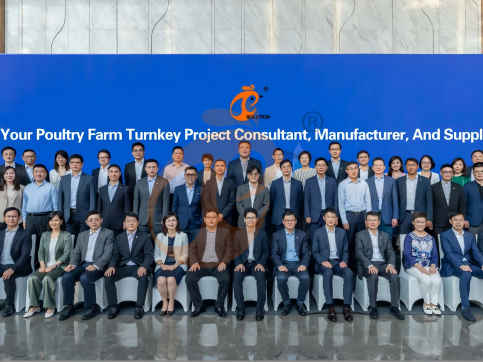
Hong Kong Headquarter Management Team
Hong Kong Headquarter Taiyu Industrial Group CO., LTD
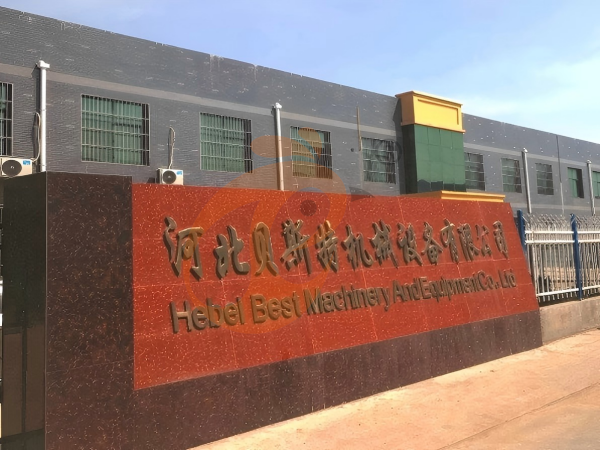
China Hebei Best Machinery And Equipment CO., LTD
Nigeria Vanke Machinery And Equipment CO., LTD
Tanzania Best Machinery And Equipment CO., LTD
Ethiopia Best Hebei Machinery Manufacturing PLC
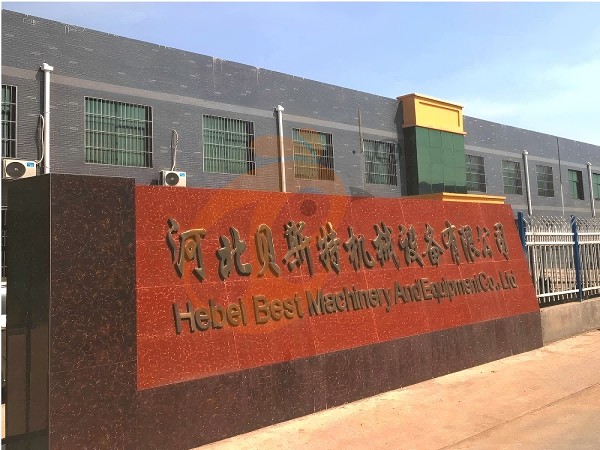
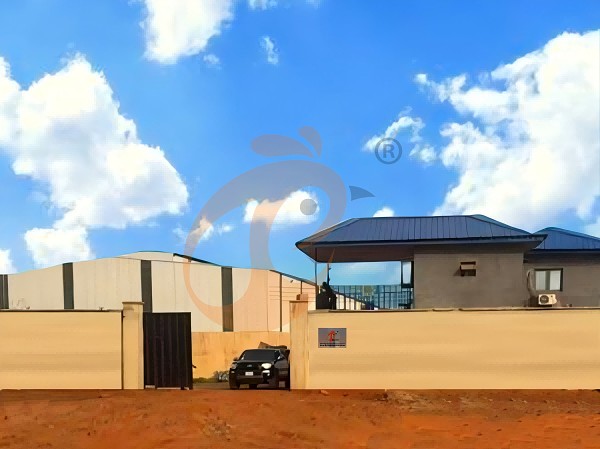
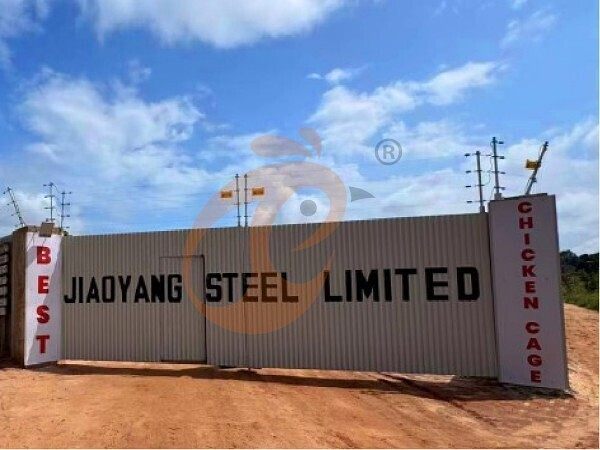
Reception /24 WhatsApp NO. : +8618830120193
FAQ
How To Optimize Feed Conversion Ratio In Battery Cage Farms?
Use automatic feeding to reduce feed waste by 5–10%.
Zoned feeding reduces competition and bird stress.
Egg production rate: 90–98%, breakage rate <3%.
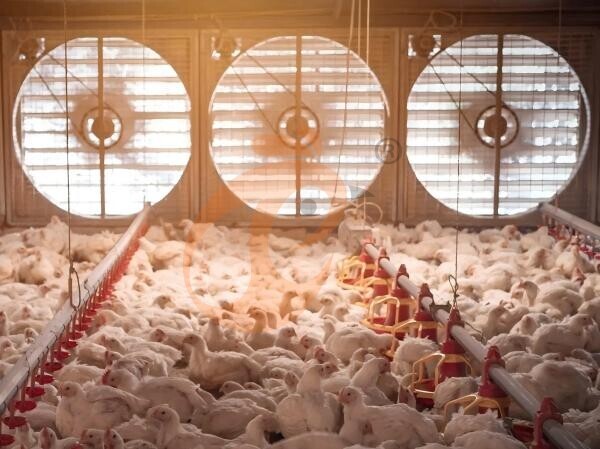
What Are The Advanced Recommendations For Ventilation In Layer Cage Houses?
Temperature: 18–25℃, humidity: 50–70%.
Regularly inspect fans and ducts to avoid dead zones and uneven airflow.
Improved ventilation reduces disease spread and mortality to 2–3%.
How To Choose The Right Cage Density For Maximum Egg Production?
Overcrowding increases mortality and breakage, low density results in inefficient space utilization.
Proper density with automation can boost egg production to 90–98% and save 70-90% labor.
- poultry farmers
- poultry farm
- chicken cage
- poultry farms
- poultry farmer
- layer cage
- poultry cage
- cage
- galvanized cage
- poultry farm equipment
- poultry farm construction
- layer cage system
- poultry cage manufacturer
- poultry cage layout
- poultry cage system
- poultry cage price
- poultry farming equipment
- chicken cage system
- modern poultry cage
- chicken cage price
- poultry farm project
- poultry housing system
- poultry equipment
- egg collection system
- poultry cages
- a chicken cage
- automated chicken cage
- chickencage
- bestchickencage
- cage system
- galvanized chicken cage
- galvanized cages
- cage systems
- h cage
- layer chicken cage
- Nigeria
- automated poultry farm
- hen farm
- layer farm
- egg production farm
- layer chicken cage system
- poultry farming
- automated chicken cage system
- poultry cage systems
- poultry housing systems
- poultry cage layout design
- cage design
- cage manufacturer
- poultry farm construction services
- poultry farm plan
- automated poultry cage system
- modern layer farm
- Ethiopia
Message
Products recommended
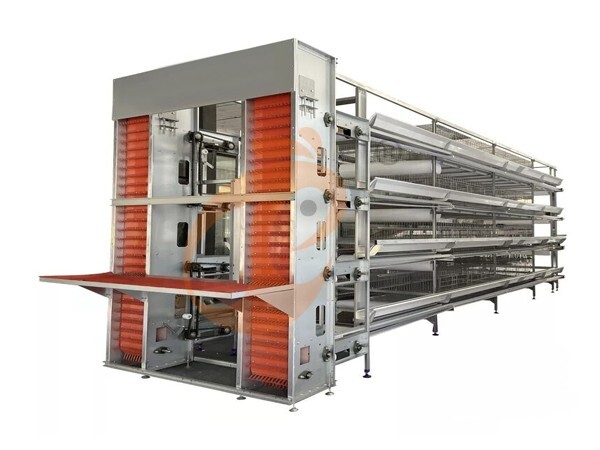
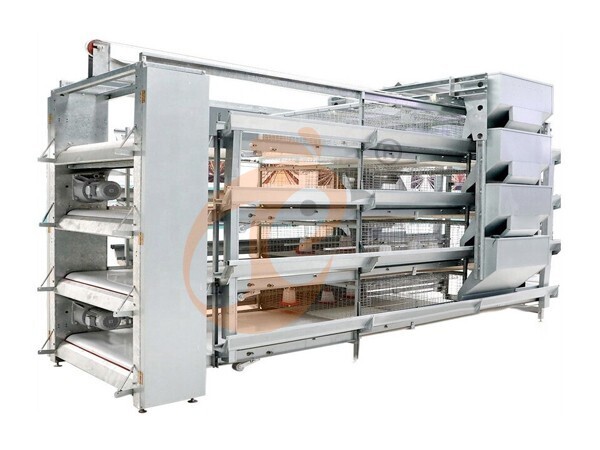
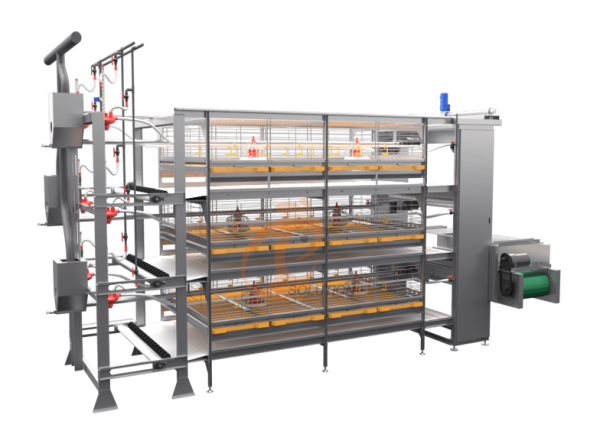
 >30,000 Pullets Automatic H Type Battery Cage1. More than 30,000 pullets a house, choose it.
2. It is designed to rearing older than 1 day old pullets to 12 to 16 weeks old chicken starting laying eggs.
3. Its lifespan is more than 25 years.
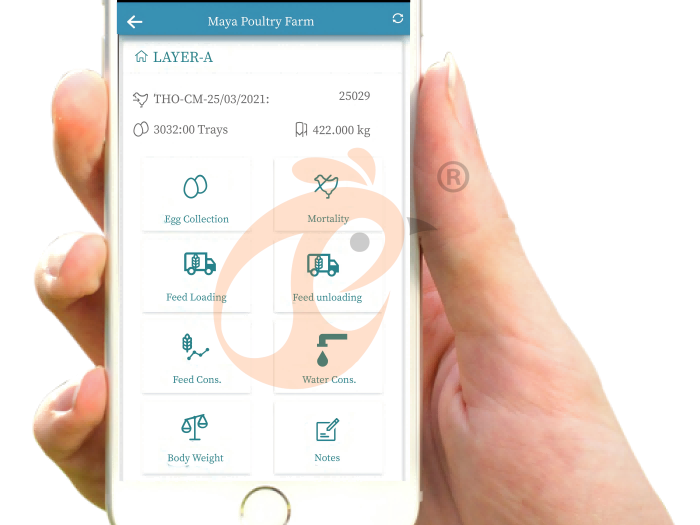
4. Its structure are Vcloud artificial intelligent fusion, electric control cabinet, automatic equipment of drinking, feeding, manure clean, manual harvesting.
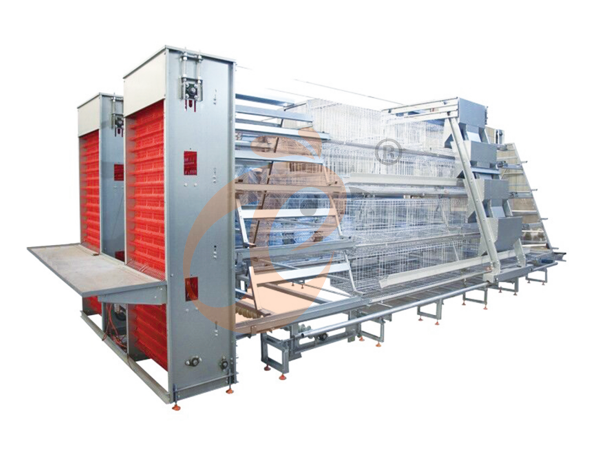
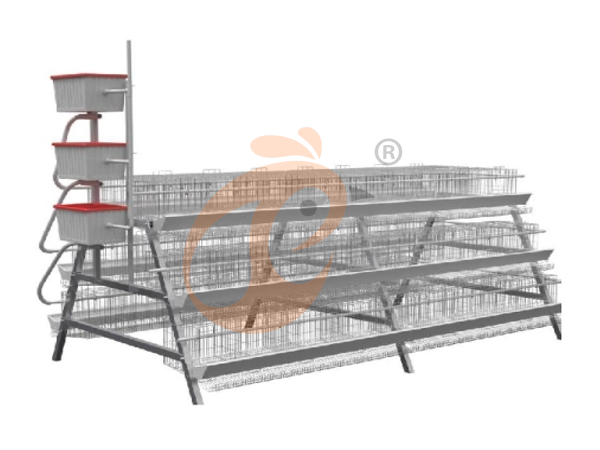
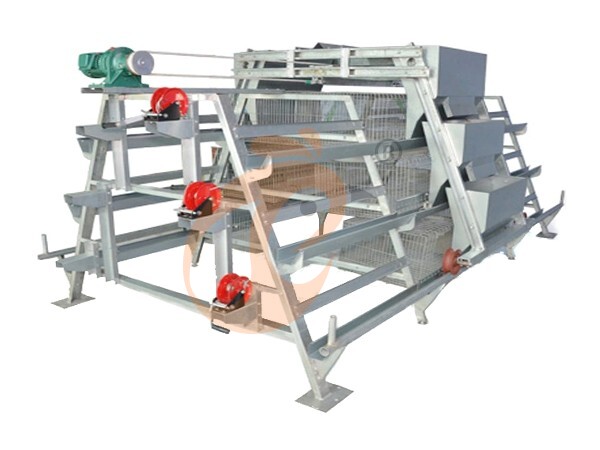
5. Our 24 hour online reception What’sApp NO. is +8618830120193 <30,000 Pullets Automatic A Type Battery Cage1. 10,000 to 30,000 pullets a house, choose it.
2. It is designed to rearing older than 1 day old pullets to 12 to 16 weeks old chicken starting laying eggs.
3. Its lifespan is more than 25 years.
4. Its structure are Vcloud artificial intelligent fusion, electric control cabinet, automatic equipment of drinking, feeding, manure clean, manual harvesting.
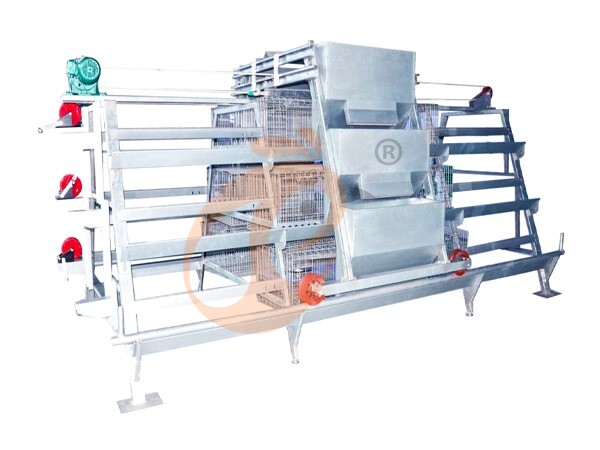
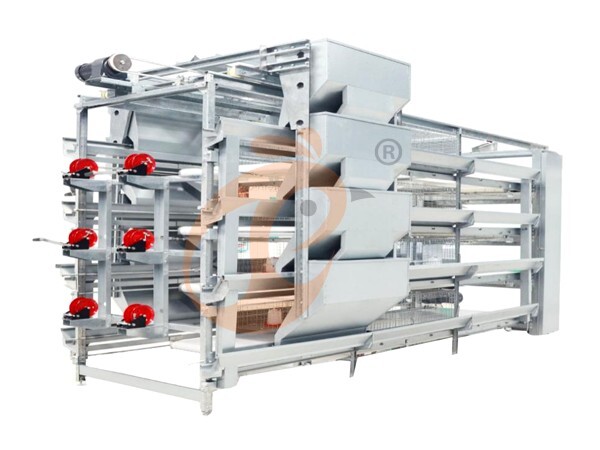
5. Our 24 hour online reception What’sApp NO. is +86 18830120193. >30,000 Broilers Semi-Automatic Harvest H Type Battery Cage1. More than 30,000 broilers a house, choose it.
2. It is designed to rearing 1 to 45 day old adult broiler ready for market.
3. Its lifespan is more than 20 years.
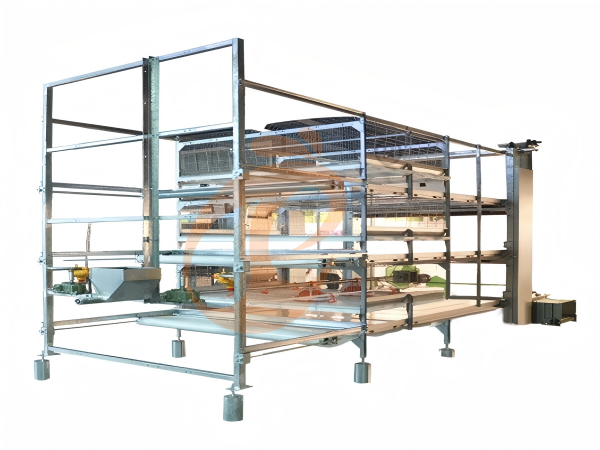
4. Our 24 hour online reception What’sApp NO. is +8618830120193, +234 8111199996. >30,000 Broilers Manual Harvest H Type Battery Cage1. More than 30,000 broilers a house, choose it.
2. It is designed to rearing 1 to 45 day old adult broiler ready for market.
3. Its lifespan is more than 20 years.
4. Its structure are Vcloud artificial intelligent fusion, electric control cabinet, automatic equipment of drinking, feeding and manure clean, manual harvesting.
5. Our 24 hour online reception What’sApp NO. is +8618830120193, +234 8111199996. <30,000 Broilers Manual Harvest A Type Battery Cage1. Less 30,000 broilers a house, choose it.
2. It is designed to rearing 1 to 45 day old adult broiler ready for market.
3. Its lifespan is more than 20 years.
4. Its structure are Vcloud artificial intelligent fusion, electric control cabinet, automatic equipment of drinking, feeding and manure clean, manual harvesting.
5. Our 24 hour online reception What’sApp NO. is +8618830120193, +234 8111199996. HK Headquarter Offers EU-standard Poultry Farm Solutions, Manufacture Poultry Farm Equipment1. Continuous communication with the EU and the US
2. China, Nigeria, Ethiopia, Tanzania branch companies and factories
3. The products’ quality is customized for local poultry farms
4. Poultry cage and poultry farm equipment stock for sale
5. 24 online reception Whatsapp NO. : +8618830120193,contact us to get full information China Branch Offer Poultry Farm Business Plan, Manufacture Poultry Farm Equipment1. Address: Flat/RM 2416, 24/F, Runxing Building, Youyi Nan Street, Shijiazhuang City, Hebei Province, China
2. Poultry cage and poultry farm equipment factory and stock for sale
3. Customized for local poultry farms
4. Quality and design are based on Euro
5. 24 online reception Whatsapp NO. : +8618830120193 Nigeria Branch Offer Poultry Farm Business Plan, Manufacture Poultry Farm Equipment1. Address: After Sinoma Office, 200 Meters Near Danco Filling Station, Lagos/Ibadan Expressway, Lagos State, Nigeria
2. Poultry cage and poultry farm equipment factory and stock for sale
3. Customized for Nigerian poultry farms
4. Quality and design are based on Euro
5. 24 online reception Whatsapp NO. : +8618830120193 Ethiopia Branch Offer Poultry Farm Business Plan, Manufacture Poultry Farm Equipment1. Address: WR93+FQ2, Addis Ababa, Ethiopia
2. Poultry cage and poultry farm equipment stock for sale
3. Customized for Ethiopian poultry farms
4. Quality and design are based on Euro
5. 24 online reception Whatsapp NO. : +8618830120193, contact us to get price list Tanzania Branch Offer Poultry Farm Business Plan, Manufacture Poultry Farm Equipment1. Address: No.8, Sova Road, Msufini, Mlandizi, Kibaha, Pwani, Tanzania
2. Poultry cage and poultry farm equipment factory and stock for sale
3. Customized for Tanzanian poultry farms
4. Quality and design are based on Euro
5. 24 online reception Whatsapp NO. : +8618830120193


Contact
By clicking 'Allow All', you agree to the storage of cookies on your device to enhance site navigation, analyze site usage and assist with our marketing efforts.