


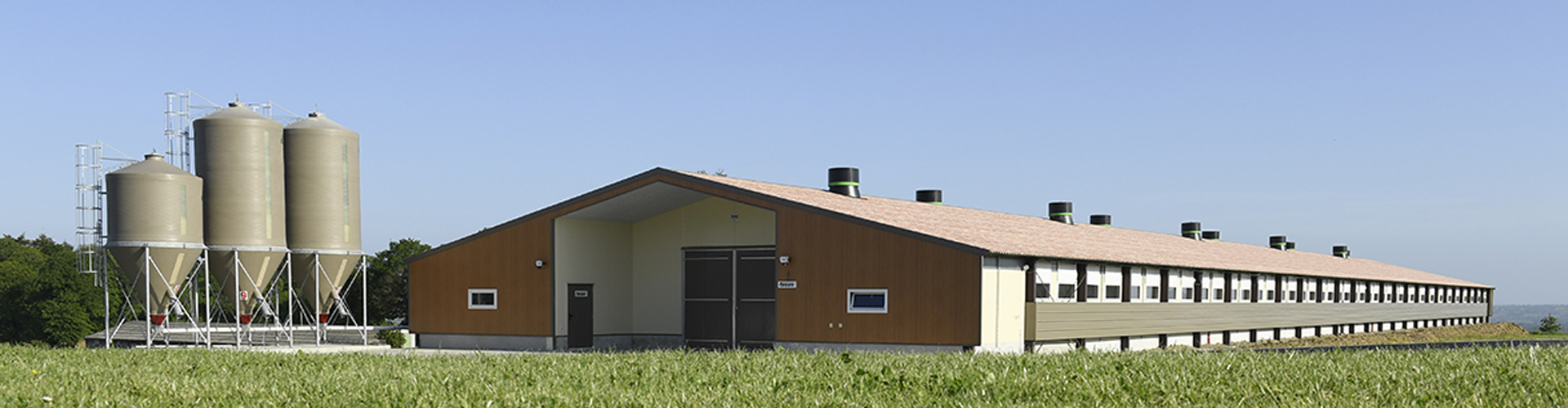
Blog
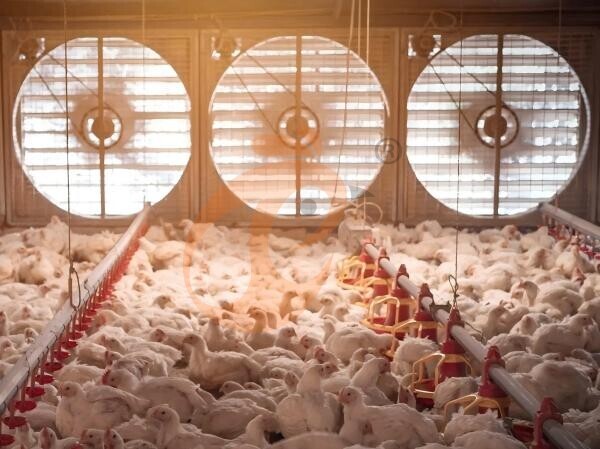
A-type layer chicken cage feed waste control is essential for Ethiopian poultry profitability and sustainability.
Feed accounts for most production costs, requiring strict management discipline.
Proper equipment design reduces losses and improves feeding efficiency significantly.
Consistent feed quality minimizes selective eating behavior in layer hens.
Climate conditions directly influence feed consumption and wastage patterns.
Labor management plays a key role in feeding precision and cost control.
Local raw materials require processing adjustments for optimal utilization.
Small improvements in feed efficiency generate substantial annual savings.
Get professional poultry farm construction guidance, equipment selection solutions, and the latest price lists, whatsApp to +8618830120193, click to learn more:

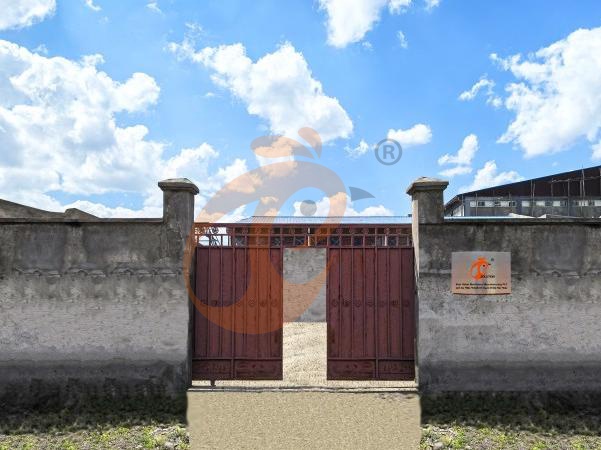
Ethiopia Branch Office And Factory Of Poultry Farm Equipment
Method 1: Optimizing Feed Trough Engineering And Alignment
The physical design of the trough in an A-type chicken cage is the first line of defense against waste.
In Ethiopia, many A-type cages are either imported or locally fabricated.
If the inner lip of the trough is too shallow, layers will use their beaks to flick feed out while searching for larger particles.
For Ethiopian farmers, ensuring the trough dimensions match the physiological reach of Lohmann Brown or Isa Brown breeds is critical.
Data is for reference only.Swipe horizontally to view full table.
Because many farm sheds are built on uneven terrain, cage leveling is critical.
Uneven alignment causes feed accumulation at one end, increasing waste.
Proper installation ensures uniform feed distribution and reduces aggressive feeding behavior.
Method 2: Precision Feed Formulation And Particle Size Management
In Ethiopia, mash feed is the standard.However, the uniformity of this mash determines how much a bird wastes.
Layers are selective eaters, and inconsistent particle size leads to feed sorting and loss.
Farmers often use Noug cake, but its texture varies significantly.
Precise grinding and particle control are essential to maintain feed consistency.
Uniform feed reduces bird selection behavior and improves intake efficiency.
Data is for reference only.Swipe horizontally to view full table.
Maintaining proper particle size improves feed weight and stability.
Enzymes can enhance digestion of fibrous ingredients like Noug cake.
Improved absorption reduces total feed intake requirements.
Method 3: Strategic Feeding Frequency And Depth Control
One of the most common mistakes is overfilling troughs.
In an A-type chicken cage, excessive feed depth leads to high waste levels.
Bird movement pushes feed out of the trough during feeding activity.
The solution is feeding smaller amounts multiple times daily.
This keeps feed levels controlled and reduces spillage risk.
Regular feeding also improves bird response and intake timing.
Data is for reference only.Swipe horizontally to view full table.
Using a simple depth gauge helps control feeding accuracy.
The empty trough technique ensures complete consumption of fine particles.
This prevents nutrient loss and reduces mold risk.
Method 4: Climate Adjusted Water And Feed Management
Data is for reference only.Swipe horizontally to view full table.
Installing water treatment systems reduces mineral buildup.
Adjusting nipple height reduces water dripping into feed.
Keeping feed dry significantly lowers waste levels.
The Economic Impact: Why Every Gram Matters In ETB
Feed costs in Ethiopia range approximately from 45 – 55 ETB per kilogram (EU standard reference only).
Even small reductions in waste generate large financial returns.
Efficient management directly improves farm profitability.
Data is for reference only.Swipe horizontally to view full table.
Data is for reference only.Swipe horizontally to view full table.
Data is for reference only.Swipe horizontally to view full table.
Improving feed efficiency significantly increases profitability.
Reducing waste lowers operational costs and improves margins.
Better feed control supports long term farm sustainability.
FAQ
Is A-type chicken cage suitable for Ethiopian poultry farms
Yes, A-type chicken cage systems are suitable due to good ventilation and simple structure.
They perform well in both highland and Rift Valley regions when properly installed and managed.
How can Ethiopian farmers reduce feed cost in chicken cage systems
Farmers should improve feed particle size, control feeding frequency, and prevent water leakage.
Using locally available ingredients with proper processing also reduces overall cost.
Does climate in Ethiopia affect feed waste in layer farming
Yes, temperature and humidity directly influence feed intake and spoilage.
Proper ventilation, water management, and feeding schedule adjustments are required.
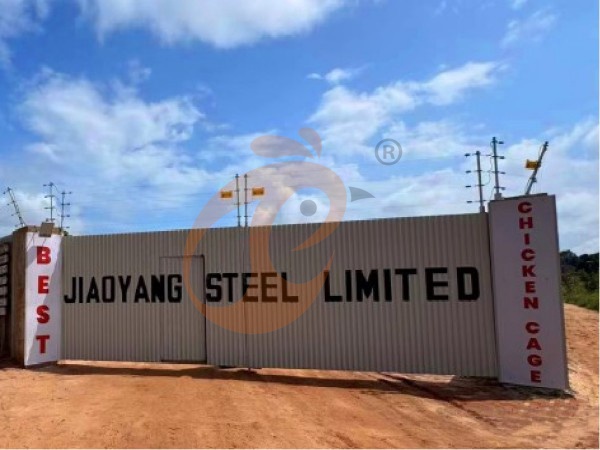
Ethiopia Best Hebei Machinery Manufacturing Plc - One Of Ethiopia Largest Chicken Cage Manufacturer
Global factory direct supply ensures competitive pricing and stable equipment quality for poultry farms.
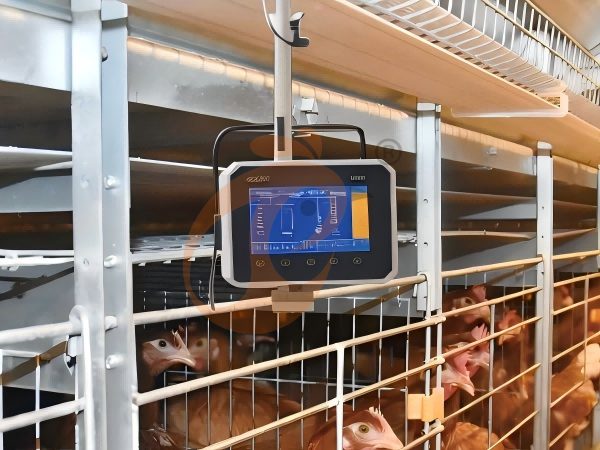
Specialized in poultry farm equipment including A-type chicken cage and automated systems.
Provides complete poultry cage solutions tailored for Ethiopian farming conditions and environments.
Offers professional Turn-key engineering projects from design to installation and training services.
Strong export experience with reliable logistics, technical support, and long term cooperation services.
Contact Us To Received Your Customized Poultry Farm Plan
Headquarters And Branchs
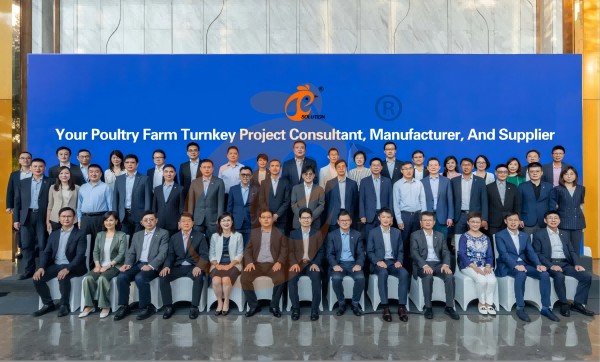
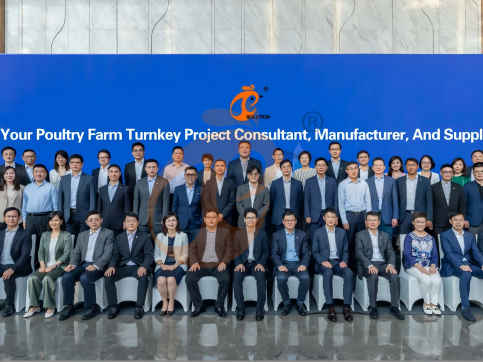
Hong Kong Headquarter Management Team
Hong Kong Headquarter Taiyu Industrial Group CO., LTD
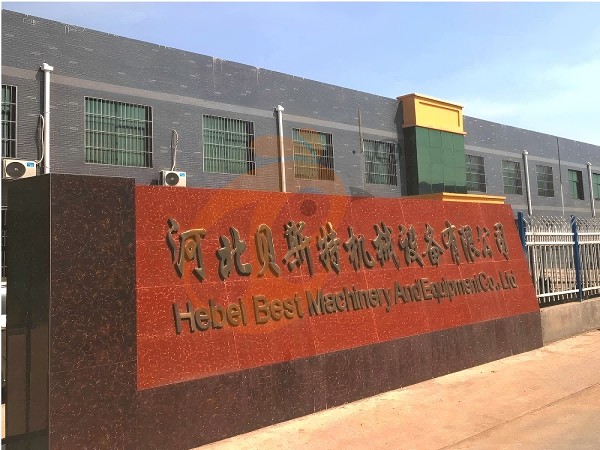
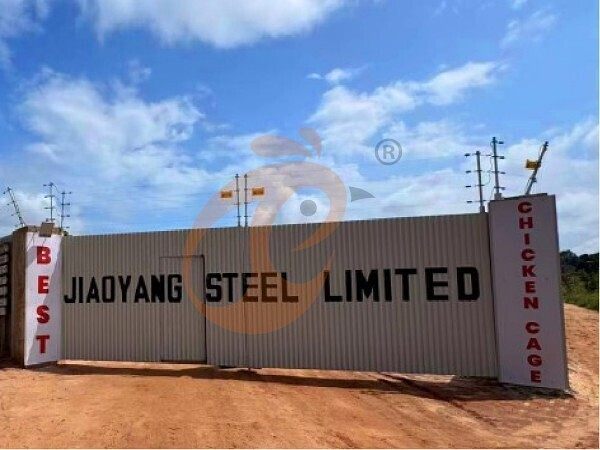
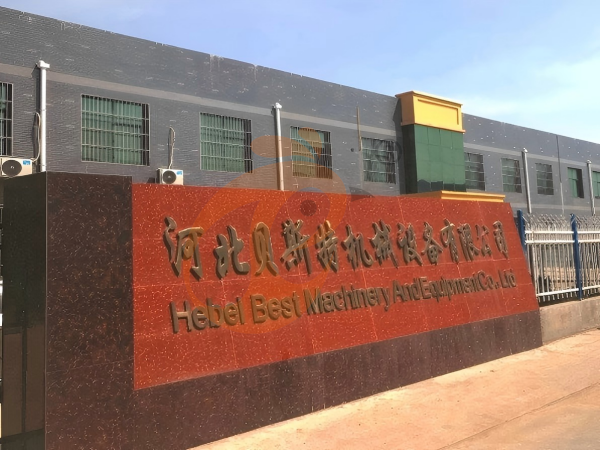
China Hebei Best Machinery And Equipment CO., LTD
Nigeria Vanke Machinery And Equipment CO., LTD
Tanzania Best Machinery And Equipment CO., LTD
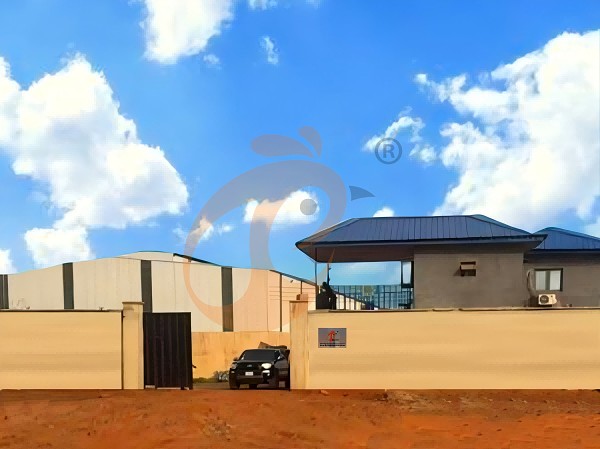
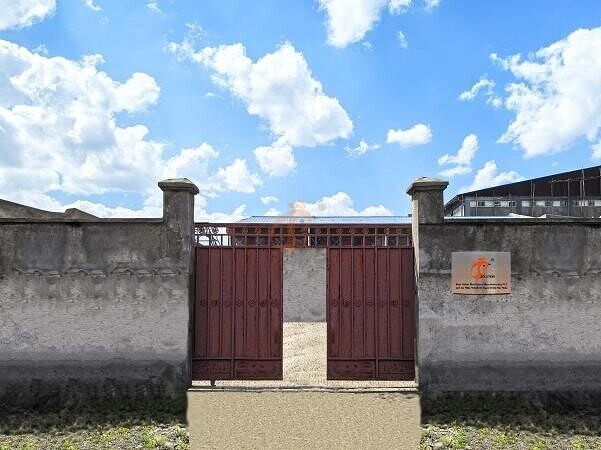
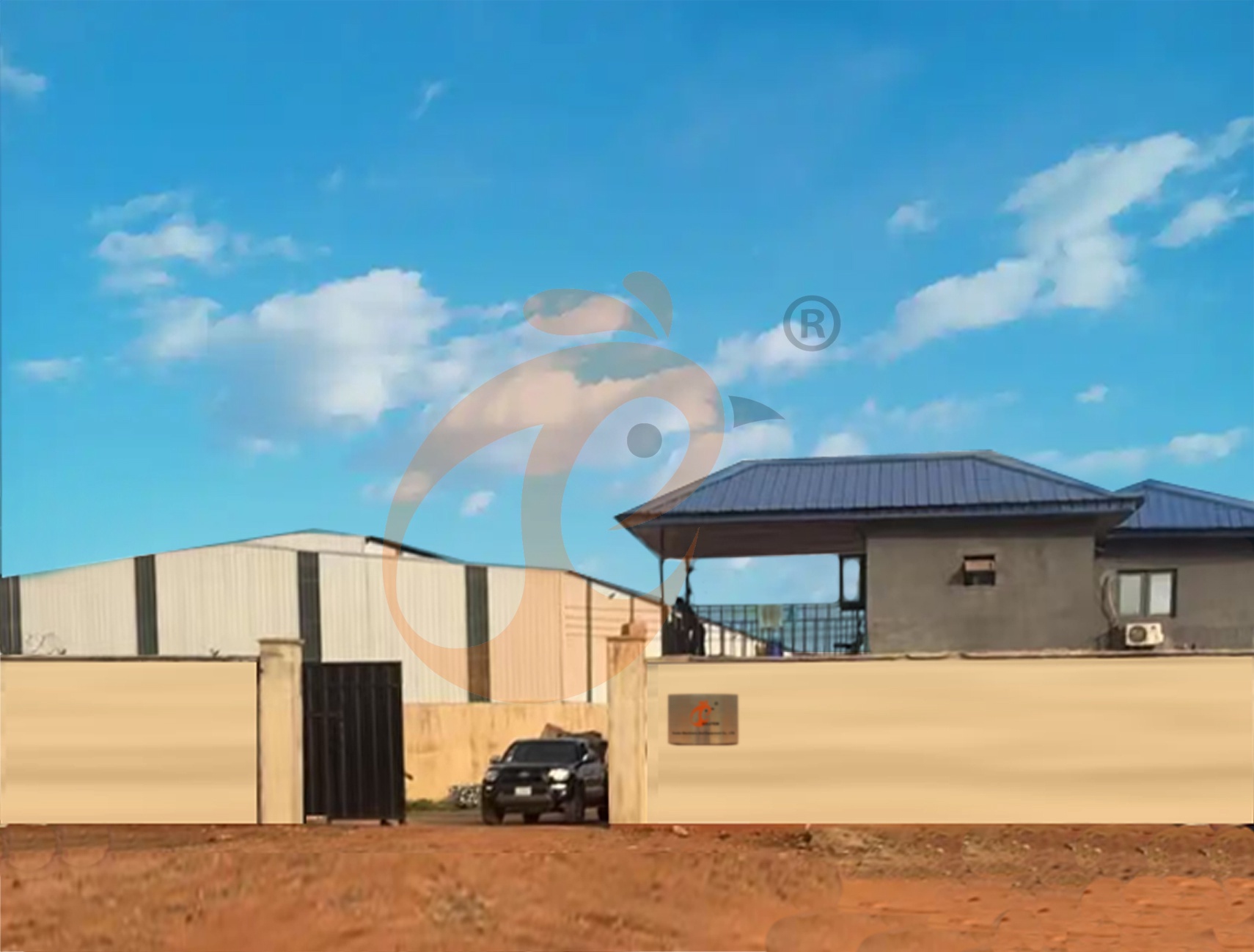
Ethiopia Best Hebei Machinery Manufacturing PLC
Reception /24 WhatsApp NO. : +8618830120193
FAQ
How To Optimize ROI In A-Type Layer Cage Farm?
FCR optimized to 1.9–2.2
Egg production rate: 90–96%
Equipment lifespan: more than 25 years
ROI: ~3–4 years
How To Design A-Type Layer Cage House For Maximum Ventilation?
Roof slope 5–8° to enhance airflow
Aisle width: 1.2–1.4 m
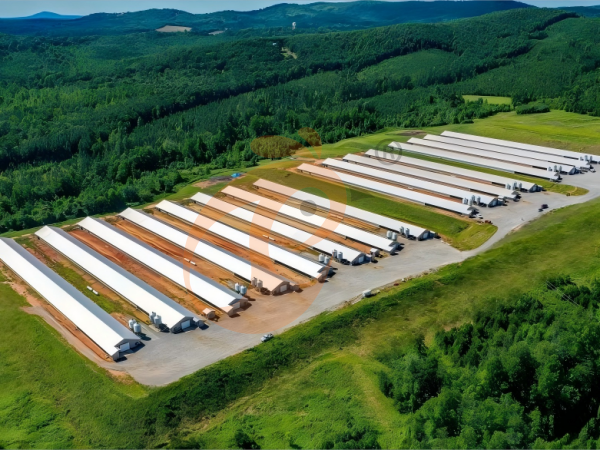
Farm capacity per house: 10,000–50,000 birds
Egg production rate: 90–96%
What Is The Optimal Stocking Density For A-Type Poultry Cage Layers?
Reduces crowding stress
Decreases feather pecking
Egg production rate: 90–96%
FCR: 1.9–2.2
- poultry farm
- chicken cage
- poultry farms
- poultry cage
- cage
- poultry farm equipment
- poultry farm construction
- chicken cage manufacturer
- chicken cage system
- poultry cage solution
- chickencage
- bestchickencage
- cage system
- cage systems
- layer chicken cage
- Nigeria
- layer farm
- cage manufacturer
- poultry cage solutions
- poultry farm plan
- Ethiopia
Message
Products recommended
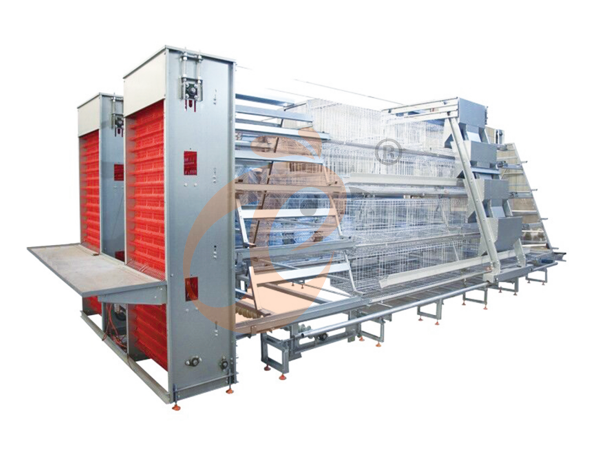
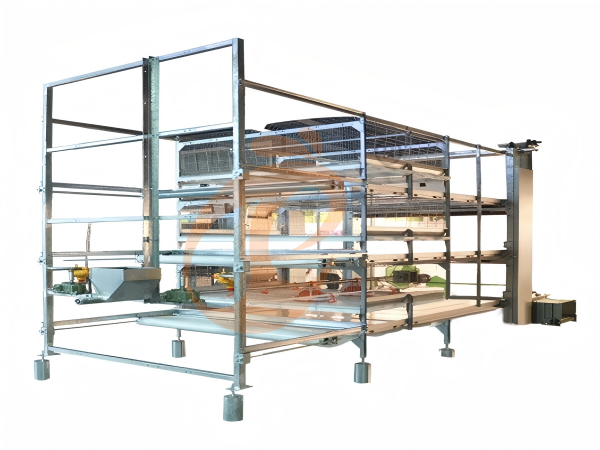
 >30,000 Pullets Automatic H Type Battery Cage1. More than 30,000 pullets a house, choose it.
2. It is designed to rearing older than 1 day old pullets to 12 to 16 weeks old chicken starting laying eggs.
3. Its lifespan is more than 25 years.
4. Its structure are Vcloud artificial intelligent fusion, electric control cabinet, automatic equipment of drinking, feeding, manure clean, manual harvesting.
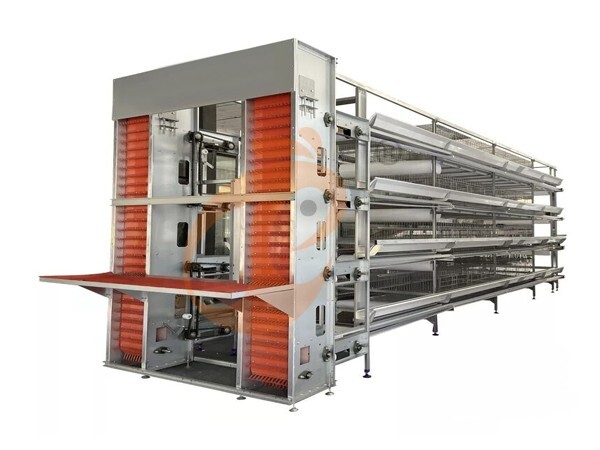
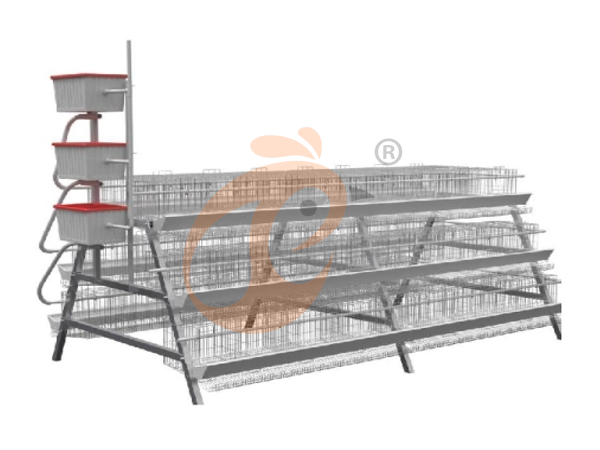
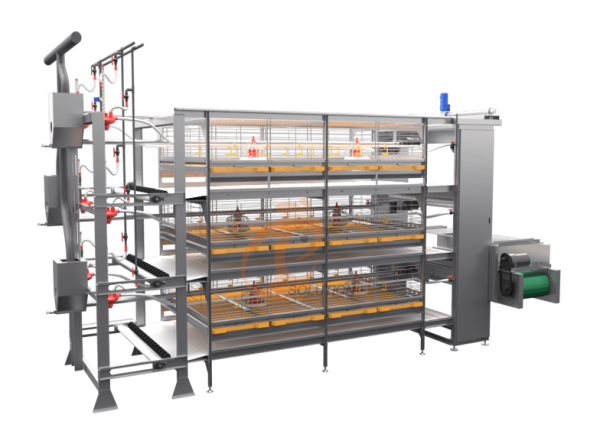
5. Our 24 hour online reception What’sApp NO. is +8618830120193 <30,000 Pullets Automatic A Type Battery Cage1. 10,000 to 30,000 pullets a house, choose it.
2. It is designed to rearing older than 1 day old pullets to 12 to 16 weeks old chicken starting laying eggs.
3. Its lifespan is more than 25 years.
4. Its structure are Vcloud artificial intelligent fusion, electric control cabinet, automatic equipment of drinking, feeding, manure clean, manual harvesting.
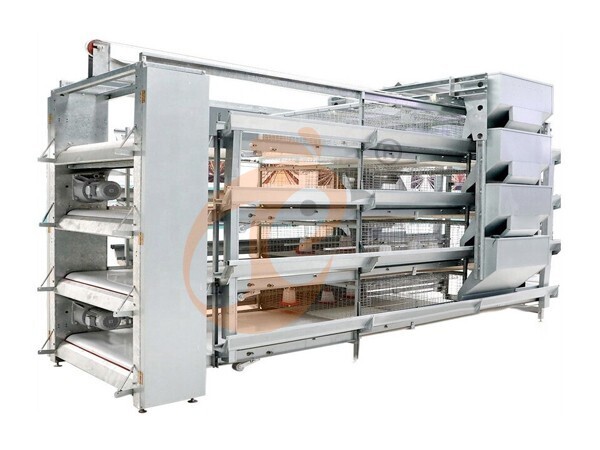
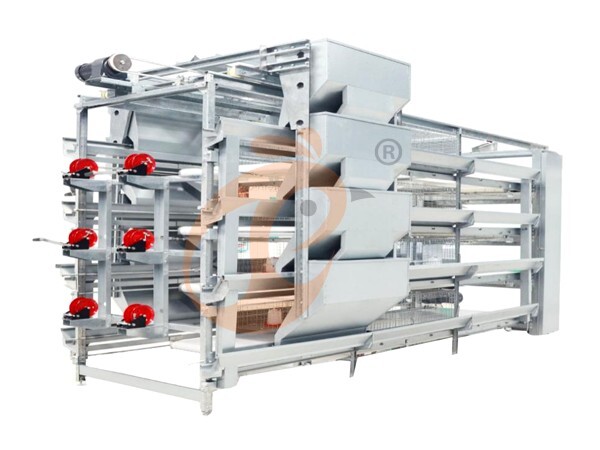
5. Our 24 hour online reception What’sApp NO. is +86 18830120193. >30,000 Broilers Semi-Automatic Harvest H Type Battery Cage1. More than 30,000 broilers a house, choose it.
2. It is designed to rearing 1 to 45 day old adult broiler ready for market.
3. Its lifespan is more than 20 years.
4. Our 24 hour online reception What’sApp NO. is +8618830120193, +234 8111199996. >30,000 Broilers Manual Harvest H Type Battery Cage1. More than 30,000 broilers a house, choose it.
2. It is designed to rearing 1 to 45 day old adult broiler ready for market.
3. Its lifespan is more than 20 years.
4. Its structure are Vcloud artificial intelligent fusion, electric control cabinet, automatic equipment of drinking, feeding and manure clean, manual harvesting.
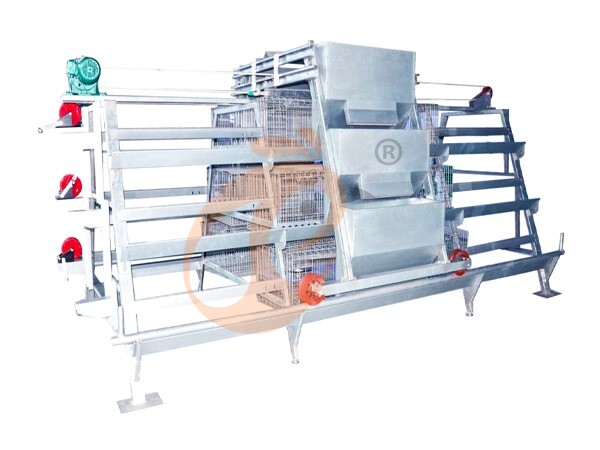
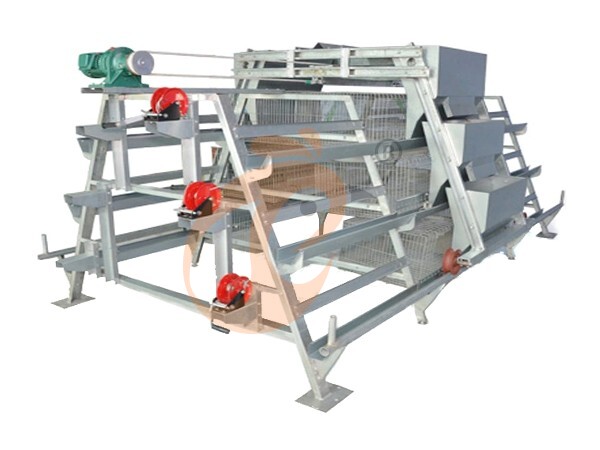
5. Our 24 hour online reception What’sApp NO. is +8618830120193, +234 8111199996. <30,000 Broilers Manual Harvest A Type Battery Cage1. Less 30,000 broilers a house, choose it.
2. It is designed to rearing 1 to 45 day old adult broiler ready for market.
3. Its lifespan is more than 20 years.
4. Its structure are Vcloud artificial intelligent fusion, electric control cabinet, automatic equipment of drinking, feeding and manure clean, manual harvesting.
5. Our 24 hour online reception What’sApp NO. is +8618830120193, +234 8111199996. HK Headquarter Offers EU-standard Poultry Farm Solutions, Manufacture Poultry Farm Equipment1. Continuous communication with the EU and the US
2. China, Nigeria, Ethiopia, Tanzania branch companies and factories
3. The products’ quality is customized for local poultry farms
4. Poultry cage and poultry farm equipment stock for sale
5. 24 online reception Whatsapp NO. : +8618830120193,contact us to get full information China Branch Offer Poultry Farm Business Plan, Manufacture Poultry Farm Equipment1. Address: Flat/RM 2416, 24/F, Runxing Building, Youyi Nan Street, Shijiazhuang City, Hebei Province, China
2. Poultry cage and poultry farm equipment factory and stock for sale
3. Customized for local poultry farms
4. Quality and design are based on Euro
5. 24 online reception Whatsapp NO. : +8618830120193 Nigeria Branch Offer Poultry Farm Business Plan, Manufacture Poultry Farm Equipment1. Address: After Sinoma Office, 200 Meters Near Danco Filling Station, Lagos/Ibadan Expressway, Lagos State, Nigeria
2. Poultry cage and poultry farm equipment factory and stock for sale
3. Customized for Nigerian poultry farms
4. Quality and design are based on Euro
5. 24 online reception Whatsapp NO. : +8618830120193 Ethiopia Branch Offer Poultry Farm Business Plan, Manufacture Poultry Farm Equipment1. Address: WR93+FQ2, Addis Ababa, Ethiopia
2. Poultry cage and poultry farm equipment stock for sale
3. Customized for Ethiopian poultry farms
4. Quality and design are based on Euro
5. 24 online reception Whatsapp NO. : +8618830120193, contact us to get price list Tanzania Branch Offer Poultry Farm Business Plan, Manufacture Poultry Farm Equipment1. Address: No.8, Sova Road, Msufini, Mlandizi, Kibaha, Pwani, Tanzania
2. Poultry cage and poultry farm equipment factory and stock for sale
3. Customized for Tanzanian poultry farms
4. Quality and design are based on Euro
5. 24 online reception Whatsapp NO. : +8618830120193



Contact
By clicking 'Allow All', you agree to the storage of cookies on your device to enhance site navigation, analyze site usage and assist with our marketing efforts.