


Blog
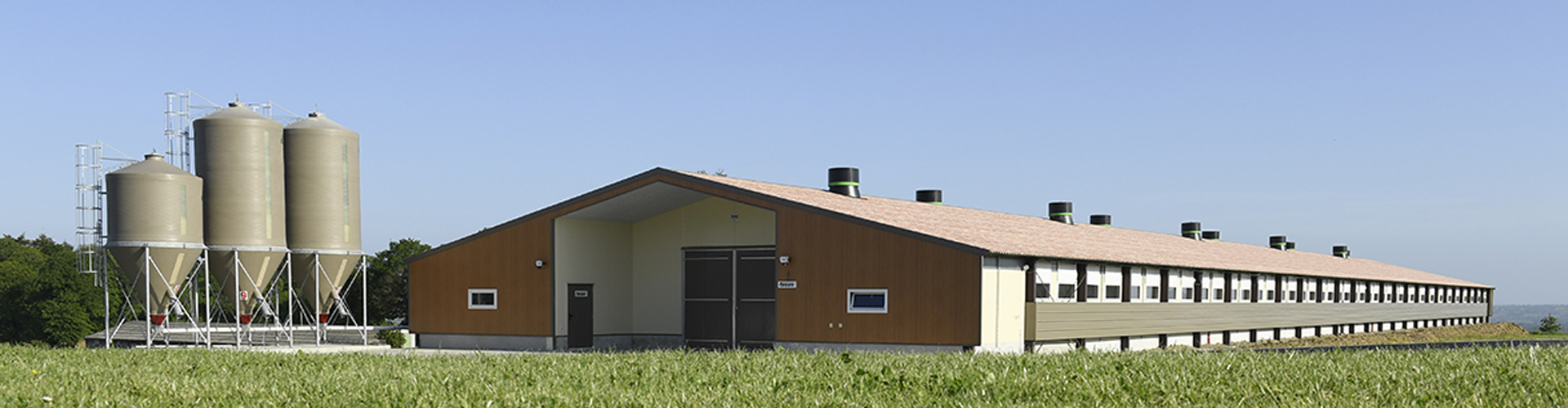
Ethiopian chicken cage price is crucial for farmers in all regions.
Poultry cage Ethiopia must resist corrosion, UV, and high humidity conditions.
Commercial chicken cage systems help optimize land use and reduce feed waste.
Choosing the correct tier and automation level improves production efficiency.
Proper installation ensures long-term sustainability and reduces maintenance costs.
Get professional poultry farm construction guidance, equipment selection solutions, and the latest price lists, whatsApp to +8618830120193, click to learn more:

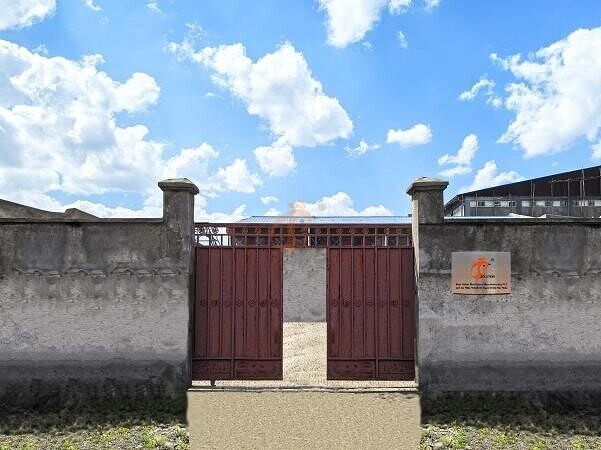
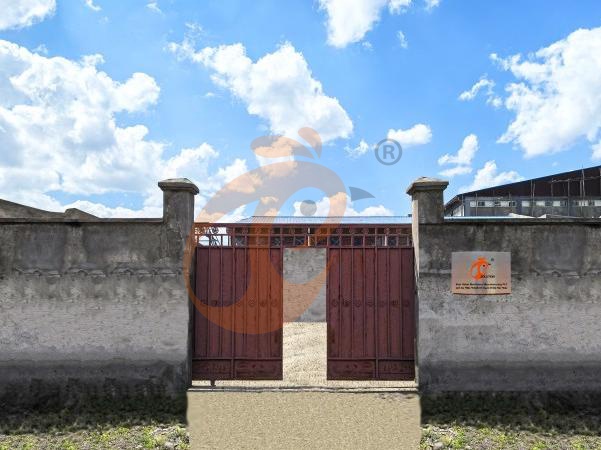
Ethiopia Branch Office And Factory Of Poultry Farm Equipment
The Foundation Of Quality: Material Specifications For The Ethiopian Climate
Before comparing prices, we must address the ''Ethiopian Factor.''
Our high-altitude regions often face intense UV radiation, while humidity in certain seasons can accelerate corrosion.
Investing in low-quality wire is a recipe for disaster; the cages must withstand the ammonia fumes from manure and the physical stress of thousands of birds.
Data is for reference only. Swipe horizontally to view full table.
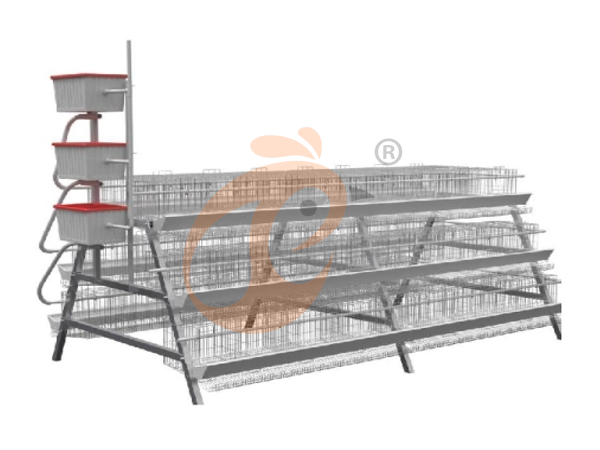
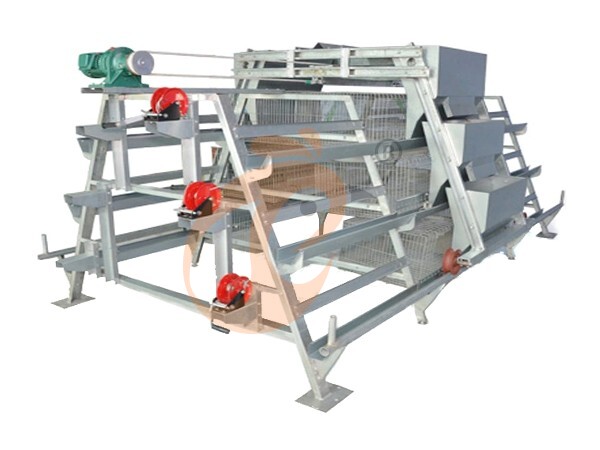
Configuration 1: The A-Type 3-Tier Manual Cage (Small To Medium Scale)
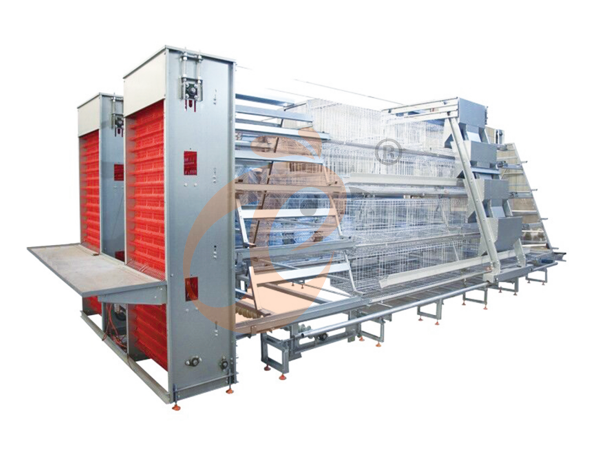
For many emerging commercial farmers in areas like Adama or Sebeta, the A-type 3-tier system is the entry point.
It is favored for its simplicity and the fact that it does not strictly require high-ceilinged poultry houses.
This configuration relies on natural ventilation, which is abundant in the Ethiopian highlands, reducing the need for expensive cooling pads and fans.
Data is for reference only. Swipe horizontally to view full table.
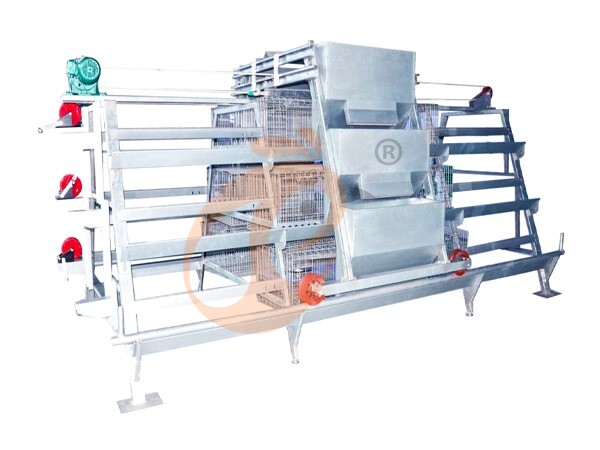
Configuration 2: The A-Type 4-Tier Semi-Automated Cage (Optimizing Land Use)
As land prices soar around the peripheries of Addis Ababa, Ethiopian farmers must produce more eggs per square meter.
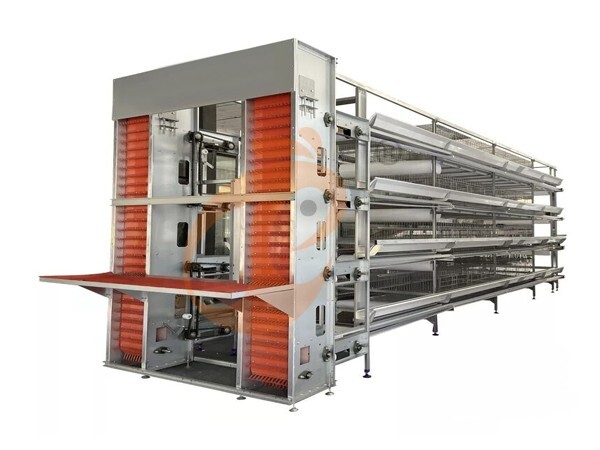
The A-type 4-tier configuration is the optimized version of the A-frame.
By adding a fourth tier, you increase your capacity by 33% without expanding the building's footprint.
This is particularly vital for farms in Bishoftu, where industrial zoning is becoming tighter.
The 4-tier system typically necessitates a semi-automated approach, particularly for watering and feeding, as the top tier is difficult to reach manually.
Data is for reference only. Swipe horizontally to view full table.
Addressing The Ethiopian Pain Point: Feed Efficiency And Waste
One of the biggest hurdles in the Ethiopian poultry sector is volatile feed prices.
Maize and soy prices fluctuate wildly, and the quality of locally milled feed can vary.
Modern cage systems in Ethiopia are designed with a ''deep-V'' or inward-curved trough design that prevents birds from flicking feed onto the floor.
By transitioning to these specific cage configurations, Ethiopian farmers can lower their FCR (Feed Conversion Ratio).
Data is for reference only. Swipe horizontally to view full table.
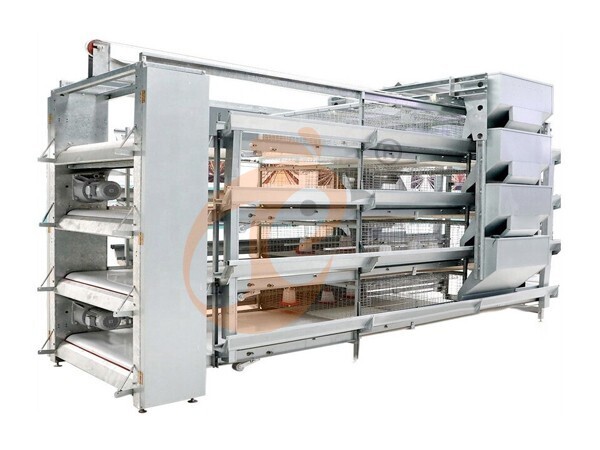
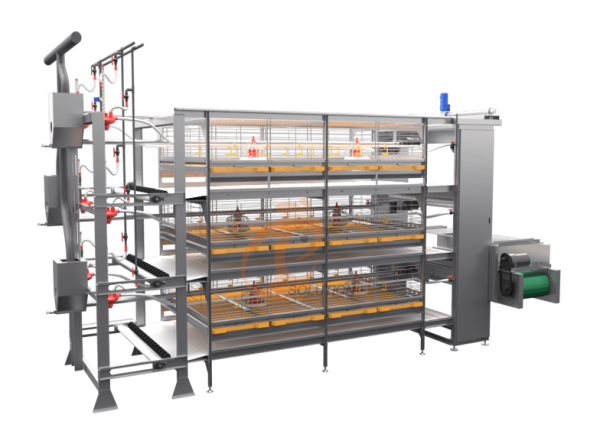
Configuration 3: The H-Type 3-Tier Automated Cage (The Commercial Standard)
For large-scale investors targeting the export market or major hotels, the H-type system is the preferred choice.
Unlike the A-type, H-type stacks cages directly on top of each other.
This requires an automated manure belt system under each tier.
In Ethiopia, H-type cages are increasingly seen in closed-house environments where temperature and light are strictly controlled.
Data is for reference only. Swipe horizontally to view full table.
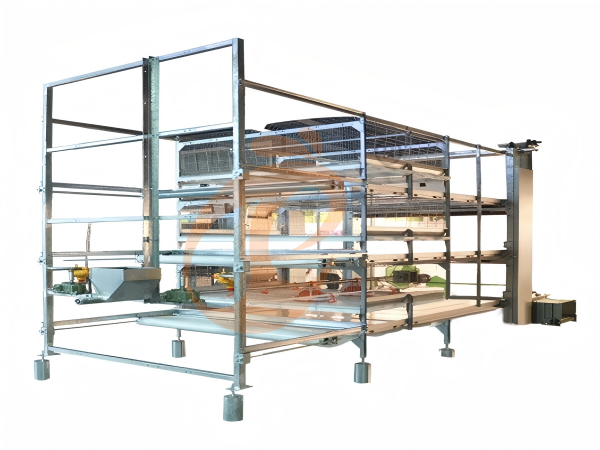
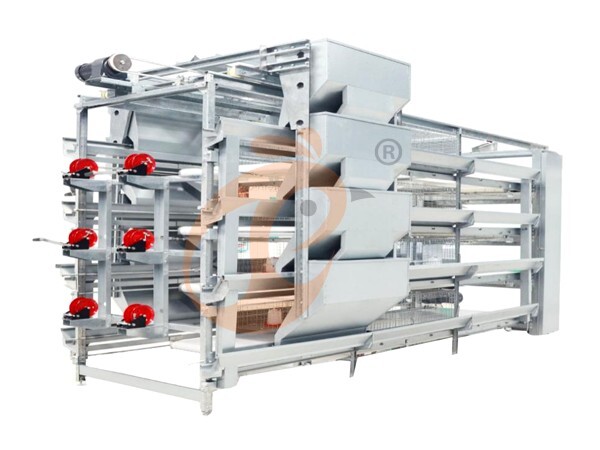
Configuration 4: The H-Type 4-Tier Intensive Cage (Industrial Excellence)
The pinnacle of poultry engineering currently deployed in Ethiopia.
With four vertical tiers, a single house can reach 30,000–50,000 birds.
This system is usually paired with fully automated climate control, addressing the ''Scale Pain Point.''
Large-scale production is necessary to compete with imported egg powder or maintain price stability during fasting seasons.
Data is for reference only. Swipe horizontally to view full table.
Logistics And Importation: The Hidden Costs In Ethiopia
When discussing price per set, one cannot ignore the logistical journey.
Most high-quality cages are imported
Sea freight to Djibouti
Truck journey through Galafi border or railway to Indode/Mojo
Import duties, clearing fees, and foreign exchange rates affect final landed price
Installation is also critical. Improper alignment can lead to belt failures and egg breakage.
Professional installation by certified technicians is essential.
Data is for reference only. Swipe horizontally to view full table.
Solving The Heat Stress Challenge In The Rift Valley
Regions like Awash or the lower Rift Valley experience significant heat.
Layers are highly sensitive; once temperature exceeds 30°C, egg production drops and shell quality deteriorates.
Modern cages address this through integrated tunnel ventilation systems, large exhaust fans, and evaporative cooling pads.
Data is for reference only. Swipe horizontally to view full table.
Choosing The Right Set For Your Vision
The price per set of Ethiopian poultry cages depends on tier count, automation level, and galvanization quality.
Small-scale farmers (e.g., Debre Berhan): A-type 3–5 tier balances cost and climate suitability.
Industrial-scale pioneers (near Modjo dry port): H-type 4–16 tier enables large-scale, climate-controlled operations.
Investing in modern cage systems addresses land scarcity, feed waste, and biosecurity, moving layers off the floor into scientifically designed cages for sustainable, profitable poultry farming in Ethiopia.
Frequently Asked Questions
Q: Are A-type layer cages suitable for poultry farms in Ethiopia's climate?
A: Yes. A-type cages made with Q235 hot-dip galvanized steel and 275–450 g/m² zinc coating can resist humidity and ammonia corrosion, providing a 25+ year lifespan in Ethiopian highland conditions.
Q: Why do Ethiopian farms choose 4-tier A-type cages instead of 3-tier systems?
A: A 4-tier A-type cage can increase bird capacity by about 33% and achieve 18–22 birds per m², helping farms maximize land use in areas like Addis Ababa and Bishoftu.
Q: How do modern chicken cages help Ethiopian farmers reduce feed costs?
A: Cage systems with deep-V feed trough designs reduce feed waste from 8–15% in floor systems to about 1–3%, improving feed conversion and farm profitability.
Ethiopia Best Hebei Machinery Manufacturing Plc - One Of Ethiopia Largest Poultry Cage Manufacturer
HB BEST provides global factory direct sales for poultry farm equipment with consistent high quality.
The company supplies A-type and H-type poultry cages suitable for all farm scales.
Turn-key engineering services ensure farms are operational immediately after installation.
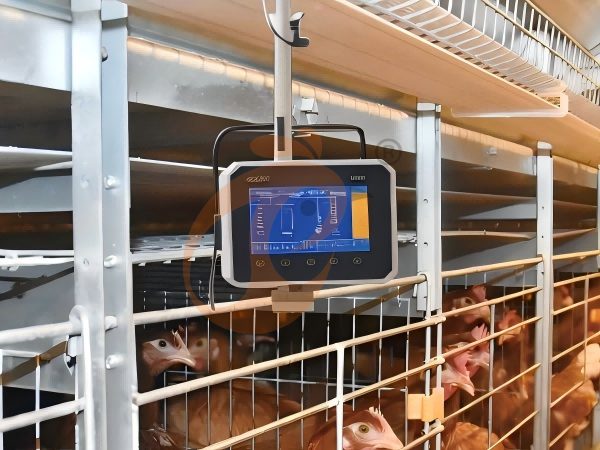
HB BEST integrates full climate control, automated feeding, and manure systems for efficiency.
Experienced technicians offer professional installation and after-sales service across Ethiopia.
Contact Us To Received Your Customized Poultry Farm Plan
Headquarters And Branchs

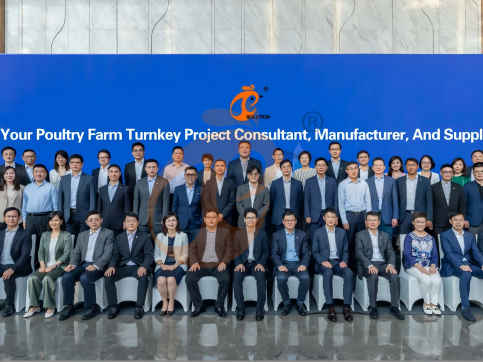
Hong Kong Headquarter Management Team
Hong Kong Headquarter Taiyu Industrial Group CO., LTD
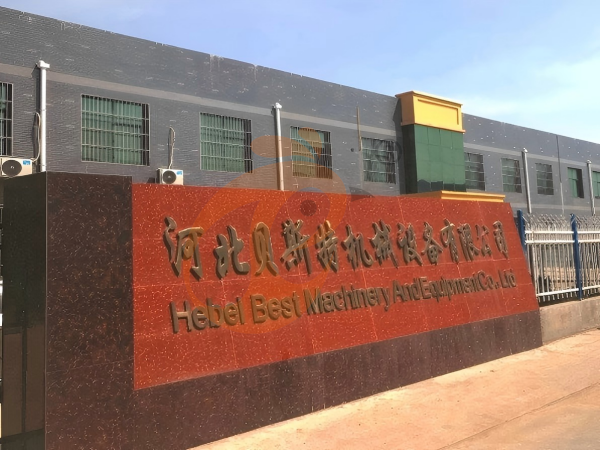
China Hebei Best Machinery And Equipment CO., LTD
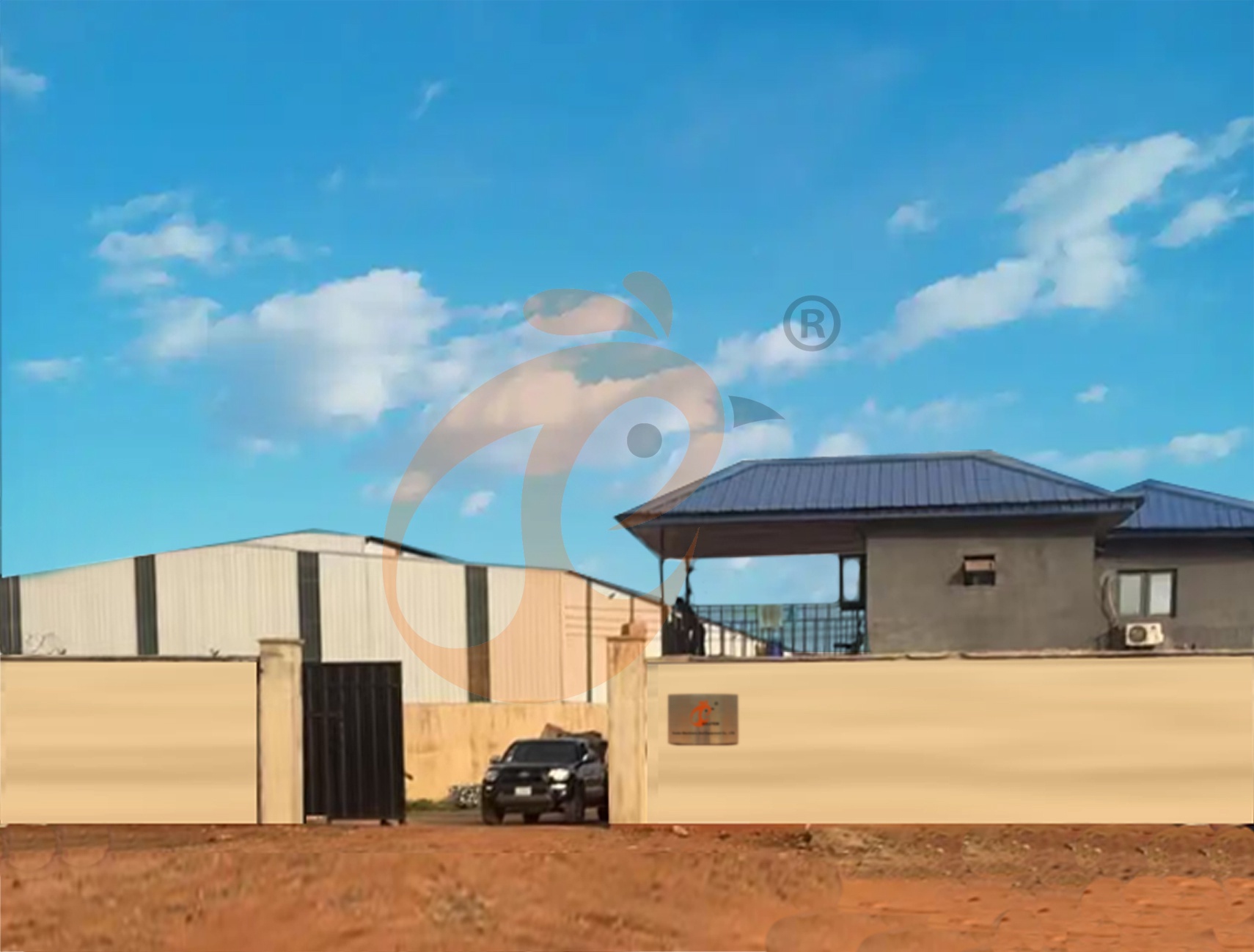
Nigeria Vanke Machinery And Equipment CO., LTD
Tanzania Best Machinery And Equipment CO., LTD
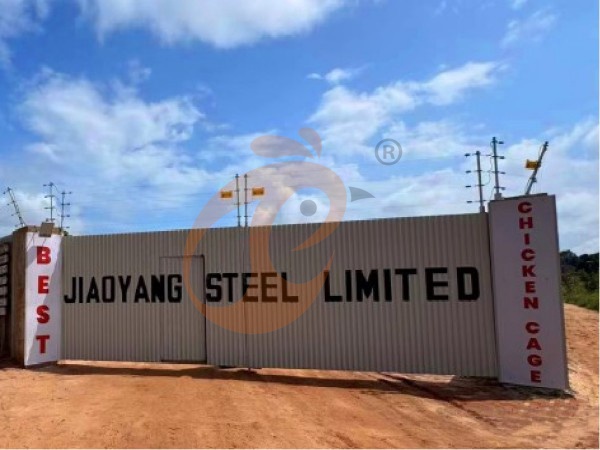
Ethiopia Best Hebei Machinery Manufacturing PLC
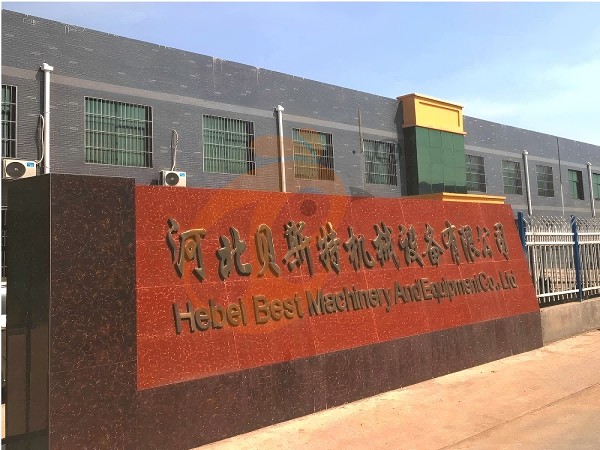
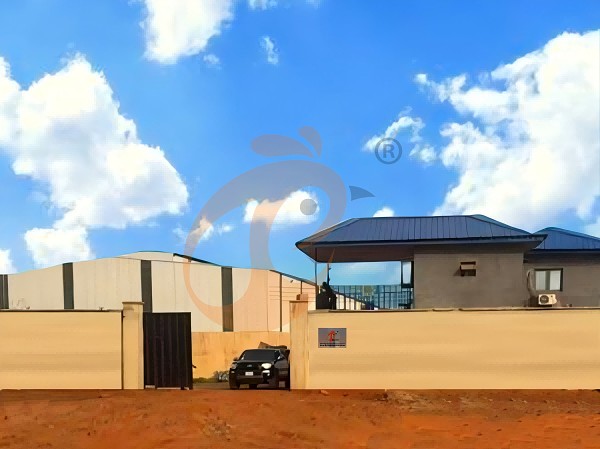
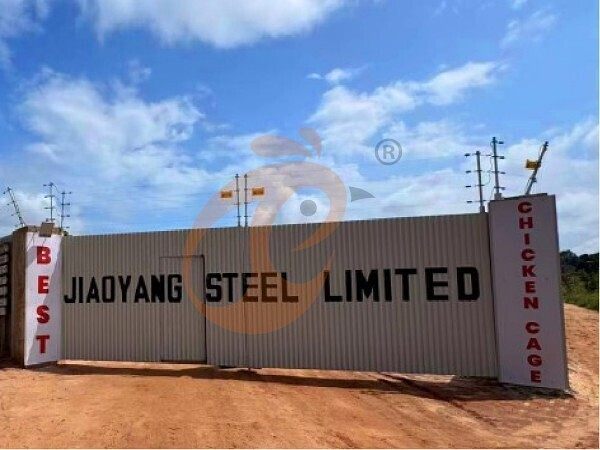
Reception /24 WhatsApp NO. : +8618830120193
FAQ
How To Implement Advanced Battery Cage Systems For Maximum Egg Yield?
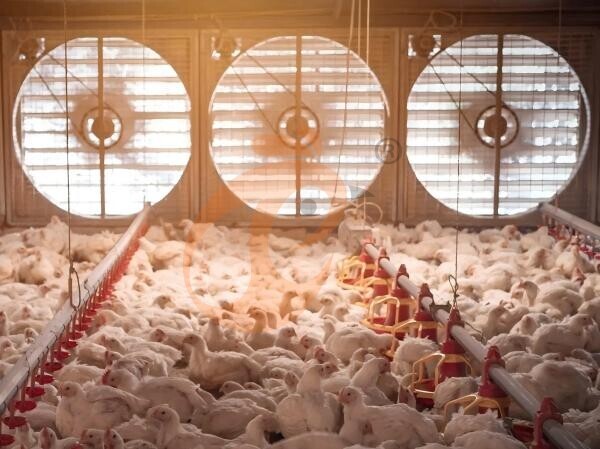
Automatic feeding, drinking, egg collection, and manure cleaning systems ensure stable production.
Egg production rate: 90–98%, daily egg yield: 900–980 eggs/1,000 birds.
Regular cleaning and monitoring mortality rate can limit losses to 2–3%.
What Are The Professional Guidelines For Poultry Cage Farm Layout Optimization?
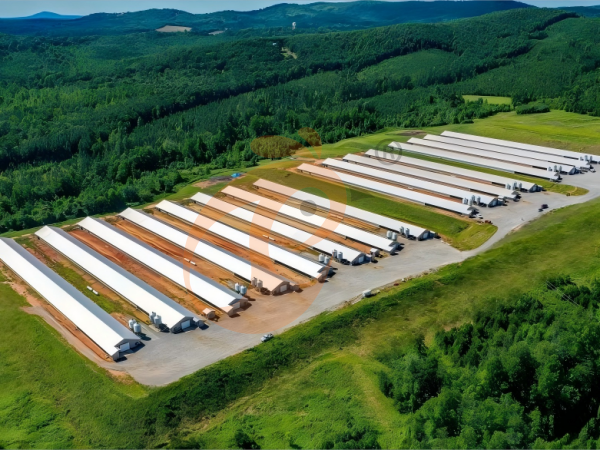
Multi-tier layout 4–16 tiers, 24–48 birds per tier, house capacity 30,000–100,000 birds.
Aisles and zoning allow efficient feeding, cleaning, and health management.
With automation, labor can be reduced by up to 70-90%.
How To Optimize ROI In Chicken Cage Farms Using Automation Systems?
Egg production rate can reach 90–98%, FCR maintained at 1.9–2.1.
Initial investment recovers in 24–36 months, ROI can increase by 20–25%.
- poultry farm
- chicken cage
- layer cage
- poultry house
- poultry cage
- cage
- galvanized cage
- poultry farm equipment
- poultry farm construction
- poultry cage manufacturer
- chicken cage system
- chicken cage price
- poultry cage Ethiopia
- poultry cages
- chickencage
- bestchickencage
- cage system
- galvanized cages
- cage systems
- Nigeria
- poultry farming
- poultry farming in Ethiopia
- cage manufacturer
- poultry farm plan
Message
Products recommended
 >30,000 Pullets Automatic H Type Battery Cage1. More than 30,000 pullets a house, choose it.
2. It is designed to rearing older than 1 day old pullets to 12 to 16 weeks old chicken starting laying eggs.
3. Its lifespan is more than 25 years.
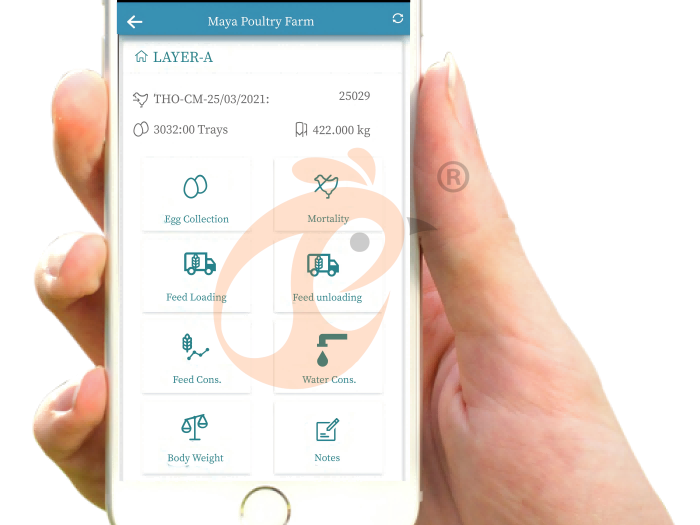
4. Its structure are Vcloud artificial intelligent fusion, electric control cabinet, automatic equipment of drinking, feeding, manure clean, manual harvesting.
5. Our 24 hour online reception What’sApp NO. is +8618830120193 <30,000 Pullets Automatic A Type Battery Cage1. 10,000 to 30,000 pullets a house, choose it.
2. It is designed to rearing older than 1 day old pullets to 12 to 16 weeks old chicken starting laying eggs.
3. Its lifespan is more than 25 years.
4. Its structure are Vcloud artificial intelligent fusion, electric control cabinet, automatic equipment of drinking, feeding, manure clean, manual harvesting.
5. Our 24 hour online reception What’sApp NO. is +86 18830120193. >30,000 Broilers Semi-Automatic Harvest H Type Battery Cage1. More than 30,000 broilers a house, choose it.
2. It is designed to rearing 1 to 45 day old adult broiler ready for market.
3. Its lifespan is more than 20 years.
4. Our 24 hour online reception What’sApp NO. is +8618830120193, +234 8111199996. >30,000 Broilers Manual Harvest H Type Battery Cage1. More than 30,000 broilers a house, choose it.
2. It is designed to rearing 1 to 45 day old adult broiler ready for market.
3. Its lifespan is more than 20 years.
4. Its structure are Vcloud artificial intelligent fusion, electric control cabinet, automatic equipment of drinking, feeding and manure clean, manual harvesting.
5. Our 24 hour online reception What’sApp NO. is +8618830120193, +234 8111199996. <30,000 Broilers Manual Harvest A Type Battery Cage1. Less 30,000 broilers a house, choose it.
2. It is designed to rearing 1 to 45 day old adult broiler ready for market.
3. Its lifespan is more than 20 years.
4. Its structure are Vcloud artificial intelligent fusion, electric control cabinet, automatic equipment of drinking, feeding and manure clean, manual harvesting.
5. Our 24 hour online reception What’sApp NO. is +8618830120193, +234 8111199996. HK Headquarter Offers EU-standard Poultry Farm Solutions, Manufacture Poultry Farm Equipment1. Continuous communication with the EU and the US
2. China, Nigeria, Ethiopia, Tanzania branch companies and factories
3. The products’ quality is customized for local poultry farms
4. Poultry cage and poultry farm equipment stock for sale
5. 24 online reception Whatsapp NO. : +8618830120193,contact us to get full information China Branch Offer Poultry Farm Business Plan, Manufacture Poultry Farm Equipment1. Address: Flat/RM 2416, 24/F, Runxing Building, Youyi Nan Street, Shijiazhuang City, Hebei Province, China
2. Poultry cage and poultry farm equipment factory and stock for sale
3. Customized for local poultry farms
4. Quality and design are based on Euro
5. 24 online reception Whatsapp NO. : +8618830120193 Nigeria Branch Offer Poultry Farm Business Plan, Manufacture Poultry Farm Equipment1. Address: After Sinoma Office, 200 Meters Near Danco Filling Station, Lagos/Ibadan Expressway, Lagos State, Nigeria
2. Poultry cage and poultry farm equipment factory and stock for sale
3. Customized for Nigerian poultry farms
4. Quality and design are based on Euro
5. 24 online reception Whatsapp NO. : +8618830120193 Ethiopia Branch Offer Poultry Farm Business Plan, Manufacture Poultry Farm Equipment1. Address: WR93+FQ2, Addis Ababa, Ethiopia
2. Poultry cage and poultry farm equipment stock for sale
3. Customized for Ethiopian poultry farms
4. Quality and design are based on Euro
5. 24 online reception Whatsapp NO. : +8618830120193, contact us to get price list Tanzania Branch Offer Poultry Farm Business Plan, Manufacture Poultry Farm Equipment1. Address: No.8, Sova Road, Msufini, Mlandizi, Kibaha, Pwani, Tanzania
2. Poultry cage and poultry farm equipment factory and stock for sale
3. Customized for Tanzanian poultry farms
4. Quality and design are based on Euro
5. 24 online reception Whatsapp NO. : +8618830120193



Contact
By clicking 'Allow All', you agree to the storage of cookies on your device to enhance site navigation, analyze site usage and assist with our marketing efforts.