


Blog
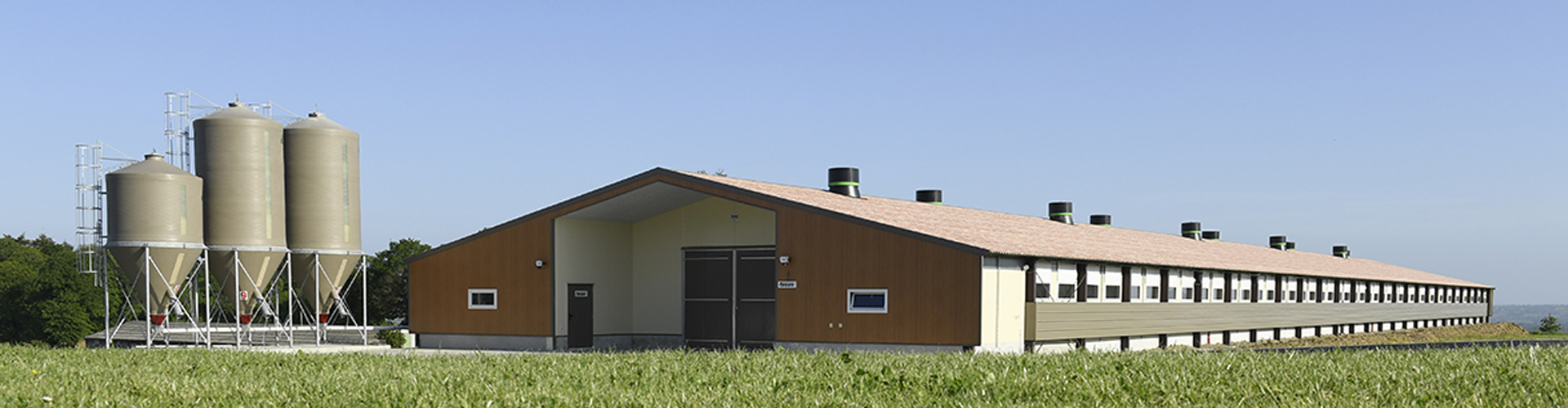
A type chicken cage system planning helps Ethiopian poultry farmers determine farm size, investment structure, and egg supply capacity for stable commercial layer production.
Rapid urbanization in Addis Ababa, Adama, and Hawassa continues increasing demand for table eggs across supermarkets, restaurants, and institutional buyers.
Selecting an appropriate poultry farm scale improves feed efficiency, labor management, and egg collection workflows in modern commercial poultry houses.
Local climate conditions, feed availability, and infrastructure development strongly influence cage layout design and poultry house construction.
Commercial layer farms using organized cage systems help reduce egg shortages and stabilize poultry product prices in regional markets.
Get professional poultry farm construction guidance, equipment selection solutions, and the latest price lists, whatsApp to +8618830120193, click to learn more:

Ethiopia Branch Office And Factory Of Poultry Farm Equipment
Understanding Ethiopia's Layer Poultry Industry
Ethiopia has one of the largest poultry populations in East Africa, yet productivity remains relatively limited because traditional backyard systems still dominate production.
Indigenous chickens remain common in rural households, producing relatively small numbers of eggs annually.
Commercial layer farms using improved breeds have therefore become increasingly important in the country's agricultural modernization strategy.
Farm investors in regions such as Oromia and Amhara are beginning to transition toward organized cage production systems.
Data is for reference only. Swipe horizontally to view full table.
Why A Type Chicken Cage Systems Are Increasing In Ethiopia
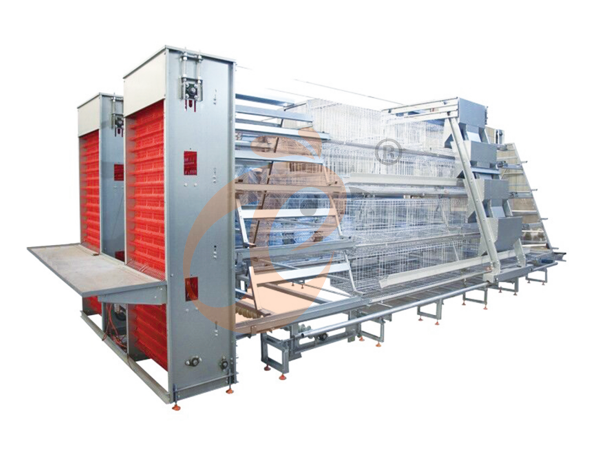
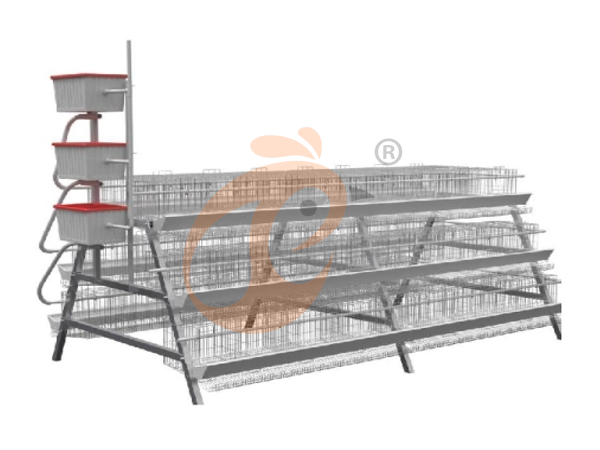
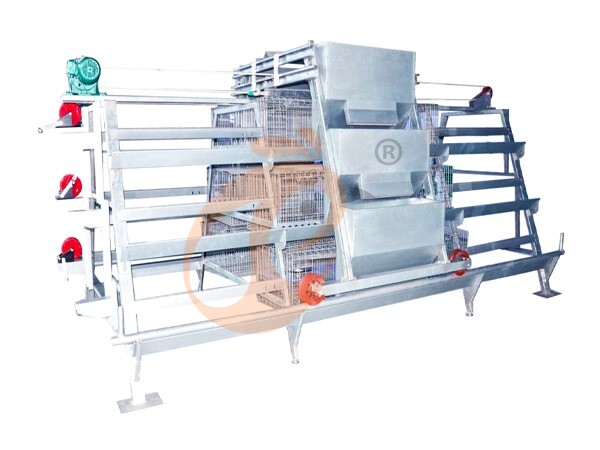
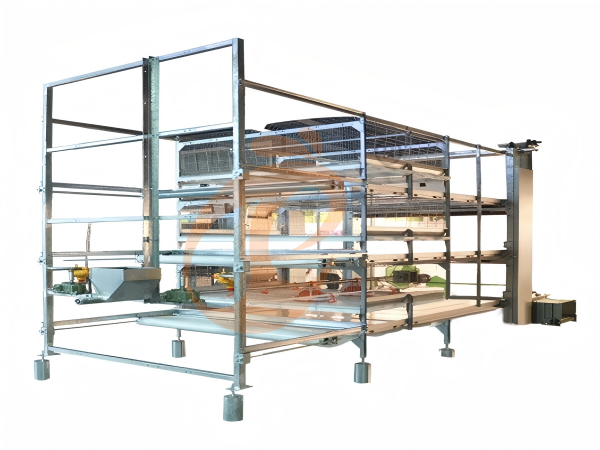
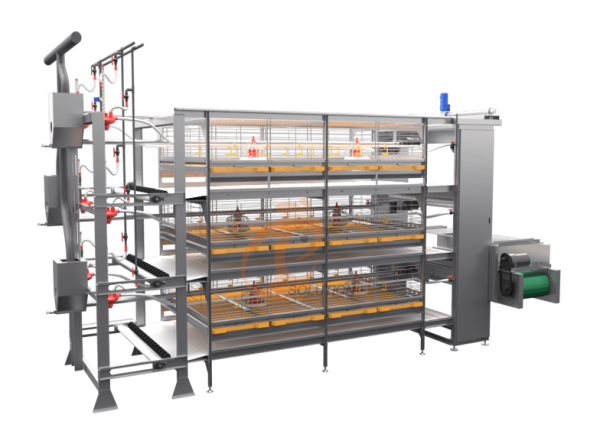
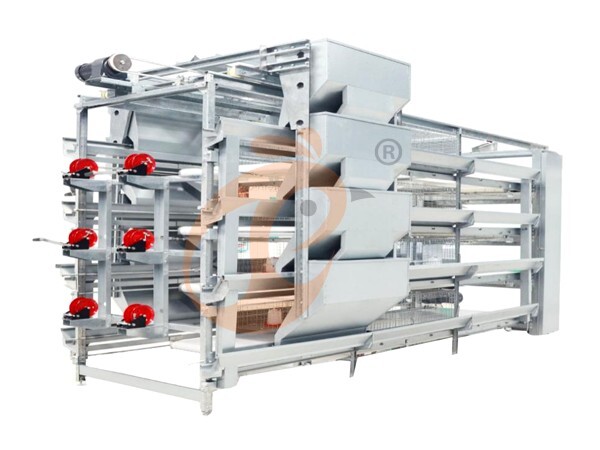
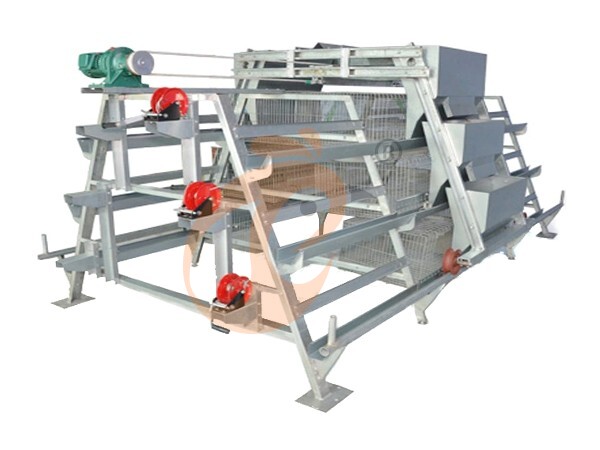
Modern poultry farmers increasingly adopt the A type chicken cage system because it improves space utilization and simplifies egg collection.
Compared with floor-based production systems, cage farming allows better control of feeding, manure removal, and poultry health monitoring.
This method is especially suitable for peri-urban farming areas such as Bishoftu, Modjo, and Debre Zeit where land availability is limited.
A properly designed A-type chicken cage system also supports higher bird density while maintaining ventilation efficiency.
Data is for reference only. Swipe horizontally to view full table.
Small Commercial Farm (1,000–3,000 Layers)
A small layer farm is often the starting point for many Ethiopian poultry entrepreneurs.
Family-operated farms in towns such as Jimma and Hawassa often supply eggs directly to local markets.
Using a properly designed A type chicken cage system, a farm with around 2,000 layers can produce a stable daily egg output.
This scale requires relatively limited infrastructure while maintaining manageable labor requirements.
Data is for reference only. Swipe horizontally to view full table.
Medium Layer Farm (5,000–10,000 Layers)
The layer farm scale Ethiopia model most frequently adopted by commercial farms ranges between 5,000 and 10,000 laying hens.
This farm size balances investment cost, operational efficiency, and market supply capacity.
Many poultry farms around Addis Ababa operate within this scale because transportation infrastructure and egg distribution networks are already developed.
Data is for reference only. Swipe horizontally to view full table.
Semi-Industrial Layer Farm (15,000–20,000 Layers)
Semi-industrial poultry farms supply eggs to wholesalers, hotels, and institutional food buyers.
A farm with around 15,000 layers can generate a continuous egg supply for regional markets.
At this scale, farmers often integrate semi-automatic feeding systems and improved ventilation equipment.
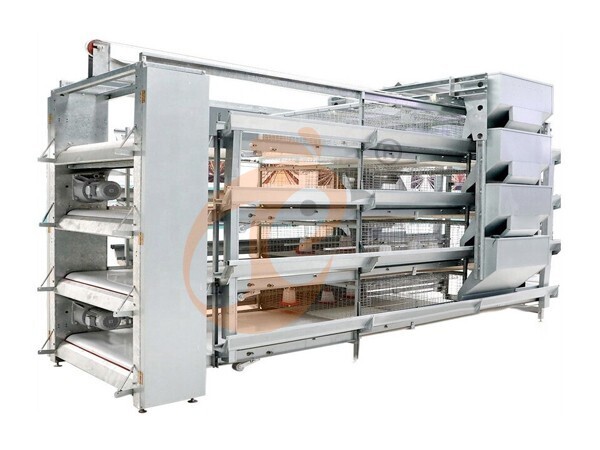
Many investors use an A type chicken cage system for this level of production because installation cost remains manageable compared with fully automated cage systems.
Data is for reference only. Swipe horizontally to view full table.
Large Commercial Layer Farm (30,000–50,000 Layers)
Large-scale poultry farms supply eggs to supermarkets, food processors, and large urban distributors.
Investors considering commercial layer farm Ethiopia operations often target this production scale because it supports long-term distribution contracts.
However, management expertise, feed supply stability, and disease control systems become increasingly important at this scale.
Data is for reference only. Swipe horizontally to view full table.
Feed Supply Considerations In Ethiopian Layer Farms
Feed accounts for the largest operational cost in Ethiopian poultry farms.
Stable feed formulation improves egg production consistency and bird health.
Grain-producing areas in Oromia and Amhara provide relatively reliable access to maize and oilseed ingredients used in layer feed.
Data is for reference only. Swipe horizontally to view full table.
Investment Structure For Layer Farms In Ethiopia
Establishing a poultry farm using an A type chicken cage system requires investment in poultry housing, cages, birds, feed storage facilities, and water infrastructure.
Financial planning helps ensure long-term operational stability.
Data is for reference only. Swipe horizontally to view full table.
European union standard reference only.
Frequently Asked Questions
Q: Why are A-type chicken cage systems popular in Ethiopia's poultry industry?
A: They match Ethiopia's farm conditions by offering simple installation, good ventilation, and efficient management compared to traditional backyard systems.
Q: Are A-type cages suitable for small and medium poultry farms in Ethiopia?
A: Yes.
They are ideal for farms from 1,000 to 10,000 layers, helping farmers achieve stable production with manageable investment and labor.
Q: How can Ethiopian farmers improve egg production with A-type cage systems?
A: By using controlled feeding, clean water systems, and proper cage design, farmers can increase egg output and maintain more consistent flock health.
Ethiopia Best Hebei Machinery Manufacturing Plc - One Of Ethiopia Largest A Type Chicken Cage System Supplier
Global factory direct supply of poultry farm equipment for modern egg layer production systems.
Professional manufacturing of poultry cage solutions designed for efficient layer management.
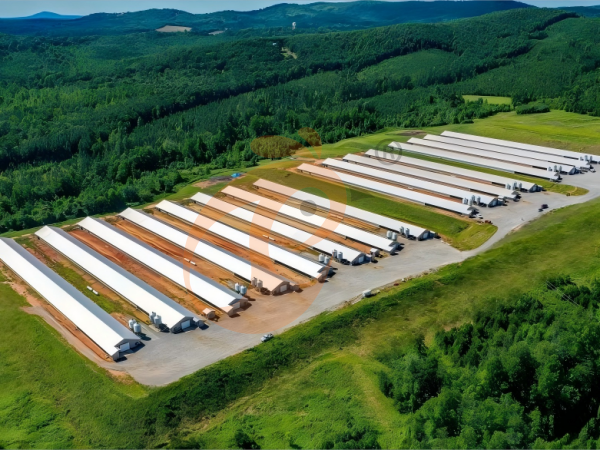
Turn-key poultry farm engineering including poultry house design, cage installation, and farm layout planning.
Equipment production covering feeding systems, drinking systems, ventilation solutions, and manure handling technology.
Export experience supporting poultry farmers across Africa with reliable poultry equipment supply.
Contact Us To Received Your Customized Poultry Farm Plan
Headquarters And Branchs
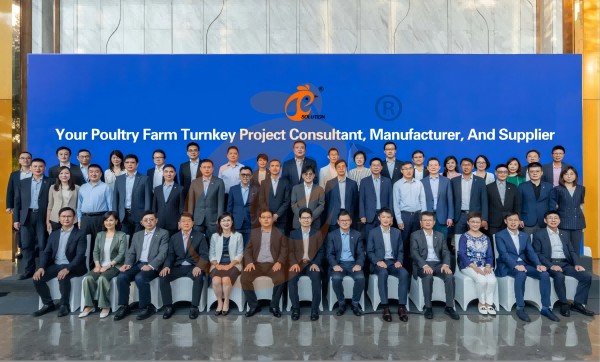
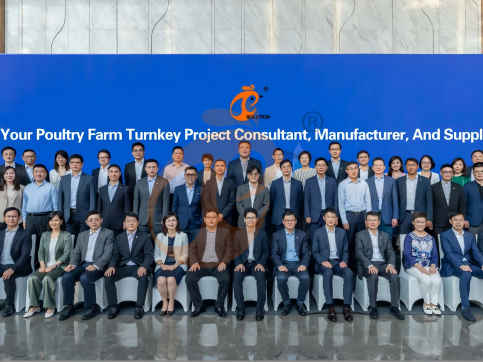
Hong Kong Headquarter Management Team
Hong Kong Headquarter Taiyu Industrial Group CO., LTD
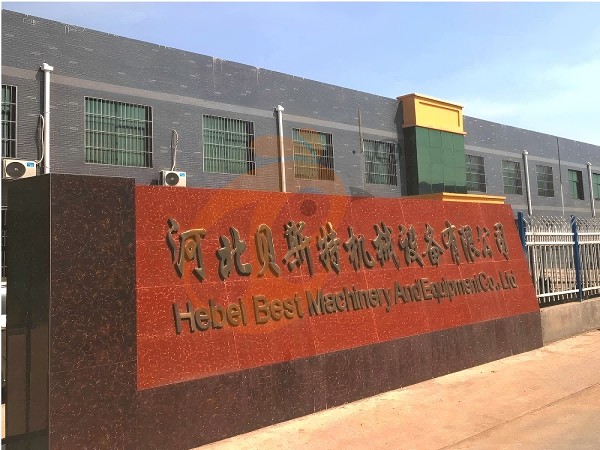
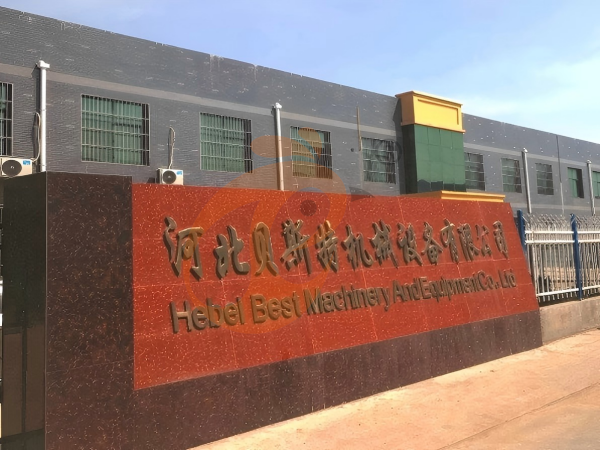
China Hebei Best Machinery And Equipment CO., LTD
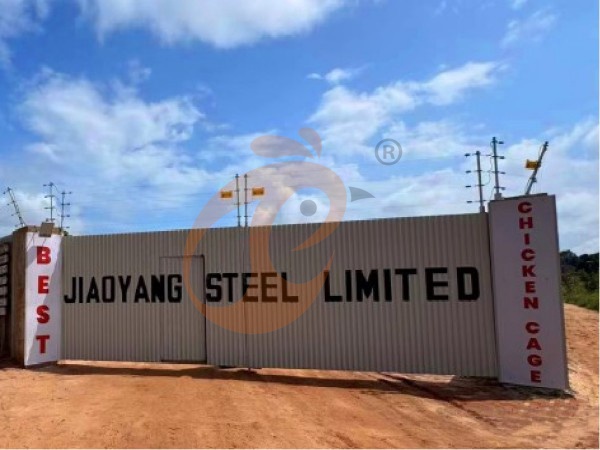
Nigeria Vanke Machinery And Equipment CO., LTD
Tanzania Best Machinery And Equipment CO., LTD
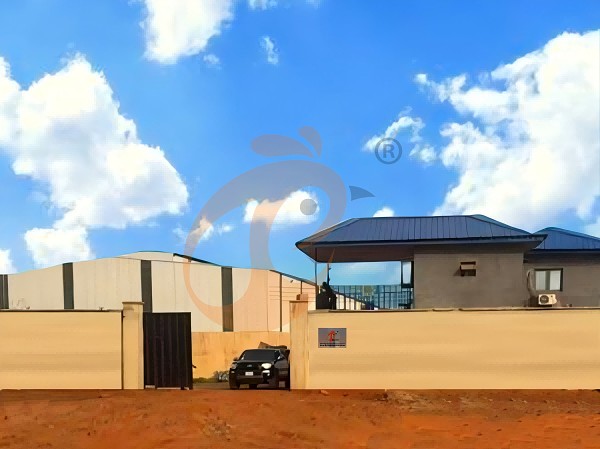
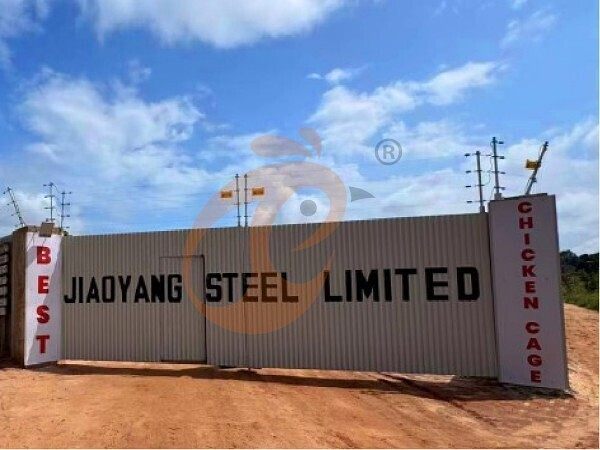
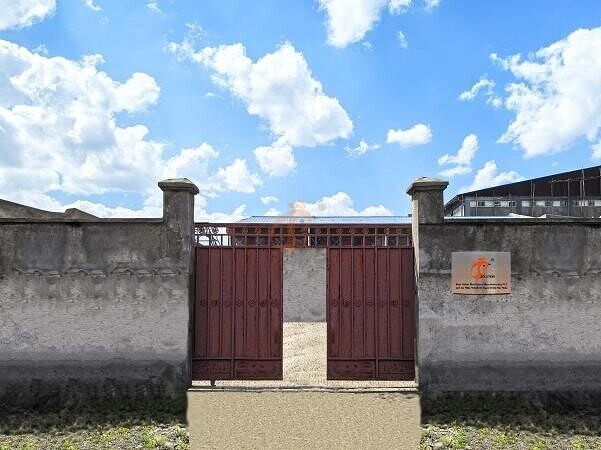
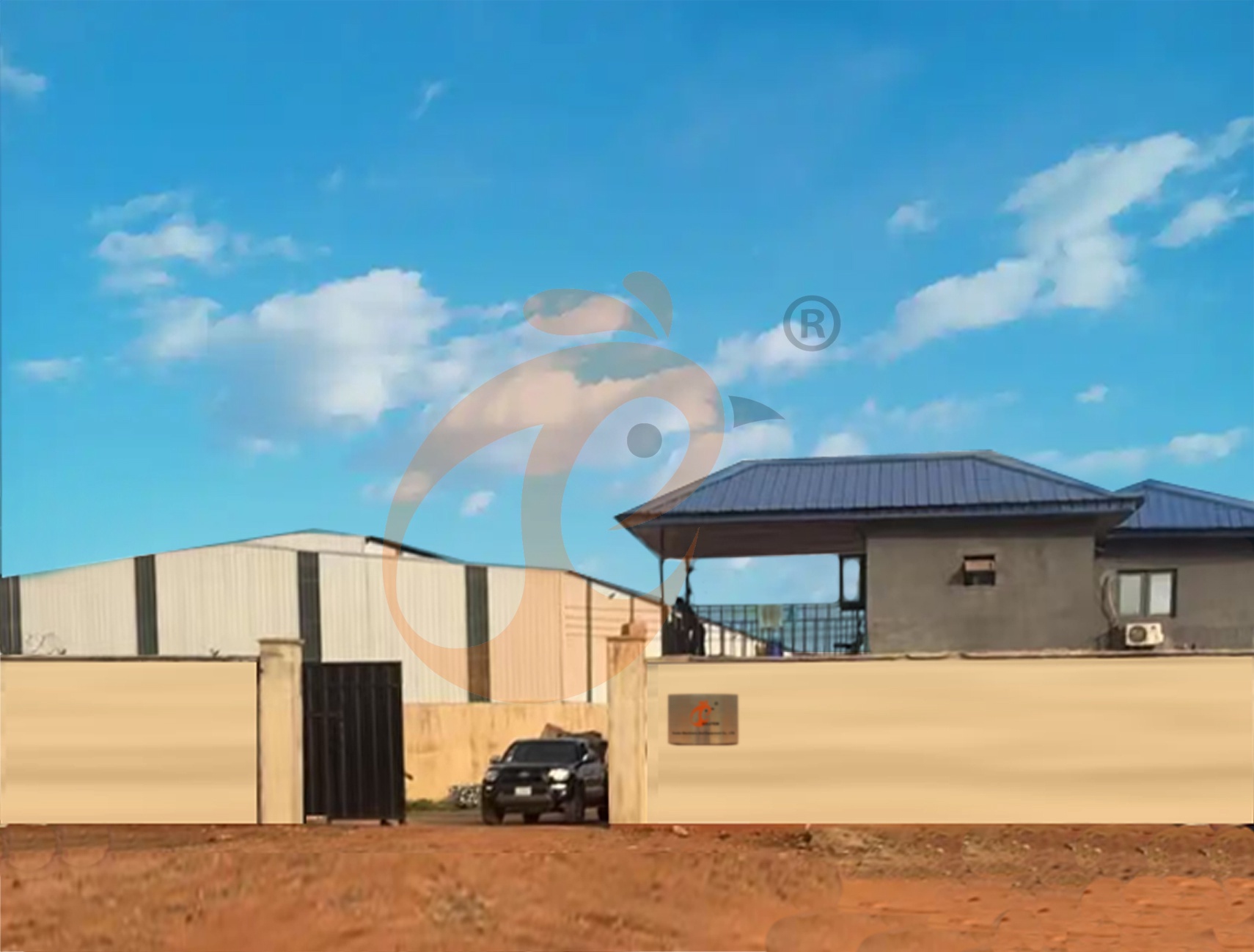
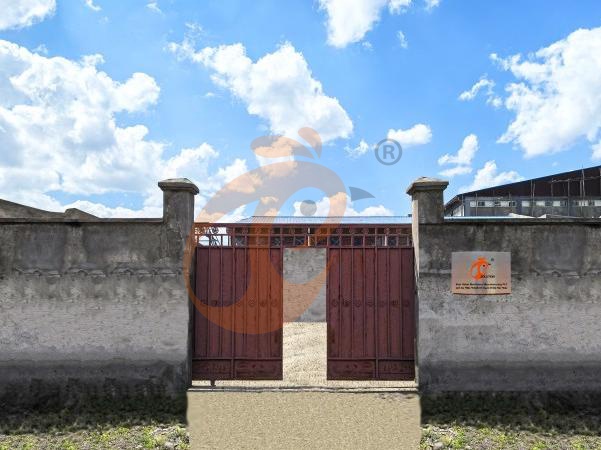
Ethiopia Best Hebei Machinery Manufacturing PLC
Reception /24 WhatsApp NO. : +8618830120193
FAQ
How To Improve Worker Efficiency In A-Type Poultry Cage Farm?
Egg conveyors reduce manual handling
One worker manages 5,000–10,000 birds
Labor savings: 50–70%
Egg production rate: 90–96%
What Are The Recommended Cage Dimensions For A-Type Layer Cage?
Cage width: 2200–2400 mm
Cage depth: 400 mm
Birds per set: 120-200
Egg production rate: 90–96%
What Are The Benefits Of A-Type Layer Cage For Egg Quality?
Eggs with strong, uniform shells
Egg weight: 60–65 g
Egg breakage rate <1%
Egg production rate: 90–96%
- poultry farmers
- poultry farm
- chicken cage
- poultry farms
- poultry farmer
- poultry house
- poultry cage
- cage
- poultry farm equipment
- poultry farm construction
- chicken cage system
- poultry cage solution
- poultry house design
- poultry house construction
- chicken cage system supplier
- automatic feeding system
- poultry equipment
- chickencage
- bestchickencage
- cage system
- a type chicken cage
- cage systems
- Nigeria
- layer farm
- modern poultry farm
- poultry cage solutions
- poultry farm plan
Message
Products recommended
 >30,000 Pullets Automatic H Type Battery Cage1. More than 30,000 pullets a house, choose it.
2. It is designed to rearing older than 1 day old pullets to 12 to 16 weeks old chicken starting laying eggs.
3. Its lifespan is more than 25 years.
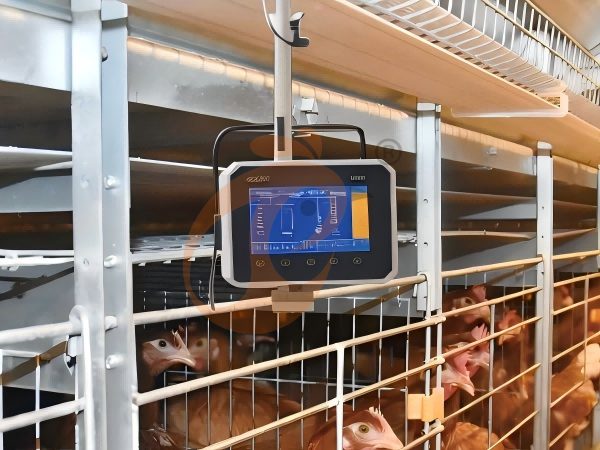
4. Its structure are Vcloud artificial intelligent fusion, electric control cabinet, automatic equipment of drinking, feeding, manure clean, manual harvesting.
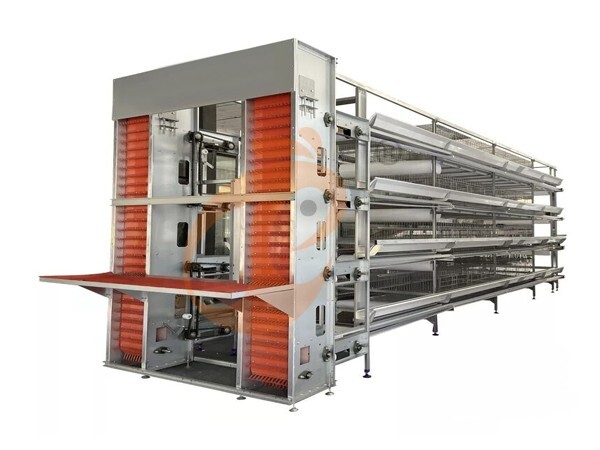
5. Our 24 hour online reception What’sApp NO. is +8618830120193 <30,000 Pullets Automatic A Type Battery Cage1. 10,000 to 30,000 pullets a house, choose it.
2. It is designed to rearing older than 1 day old pullets to 12 to 16 weeks old chicken starting laying eggs.
3. Its lifespan is more than 25 years.
4. Its structure are Vcloud artificial intelligent fusion, electric control cabinet, automatic equipment of drinking, feeding, manure clean, manual harvesting.
5. Our 24 hour online reception What’sApp NO. is +86 18830120193. >30,000 Broilers Semi-Automatic Harvest H Type Battery Cage1. More than 30,000 broilers a house, choose it.
2. It is designed to rearing 1 to 45 day old adult broiler ready for market.
3. Its lifespan is more than 20 years.
4. Our 24 hour online reception What’sApp NO. is +8618830120193, +234 8111199996. >30,000 Broilers Manual Harvest H Type Battery Cage1. More than 30,000 broilers a house, choose it.
2. It is designed to rearing 1 to 45 day old adult broiler ready for market.
3. Its lifespan is more than 20 years.
4. Its structure are Vcloud artificial intelligent fusion, electric control cabinet, automatic equipment of drinking, feeding and manure clean, manual harvesting.
5. Our 24 hour online reception What’sApp NO. is +8618830120193, +234 8111199996. <30,000 Broilers Manual Harvest A Type Battery Cage1. Less 30,000 broilers a house, choose it.
2. It is designed to rearing 1 to 45 day old adult broiler ready for market.
3. Its lifespan is more than 20 years.
4. Its structure are Vcloud artificial intelligent fusion, electric control cabinet, automatic equipment of drinking, feeding and manure clean, manual harvesting.
5. Our 24 hour online reception What’sApp NO. is +8618830120193, +234 8111199996. HK Headquarter Offers EU-standard Poultry Farm Solutions, Manufacture Poultry Farm Equipment1. Continuous communication with the EU and the US
2. China, Nigeria, Ethiopia, Tanzania branch companies and factories
3. The products’ quality is customized for local poultry farms
4. Poultry cage and poultry farm equipment stock for sale
5. 24 online reception Whatsapp NO. : +8618830120193,contact us to get full information China Branch Offer Poultry Farm Business Plan, Manufacture Poultry Farm Equipment1. Address: Flat/RM 2416, 24/F, Runxing Building, Youyi Nan Street, Shijiazhuang City, Hebei Province, China
2. Poultry cage and poultry farm equipment factory and stock for sale
3. Customized for local poultry farms
4. Quality and design are based on Euro
5. 24 online reception Whatsapp NO. : +8618830120193 Nigeria Branch Offer Poultry Farm Business Plan, Manufacture Poultry Farm Equipment1. Address: After Sinoma Office, 200 Meters Near Danco Filling Station, Lagos/Ibadan Expressway, Lagos State, Nigeria
2. Poultry cage and poultry farm equipment factory and stock for sale
3. Customized for Nigerian poultry farms
4. Quality and design are based on Euro
5. 24 online reception Whatsapp NO. : +8618830120193 Ethiopia Branch Offer Poultry Farm Business Plan, Manufacture Poultry Farm Equipment1. Address: WR93+FQ2, Addis Ababa, Ethiopia
2. Poultry cage and poultry farm equipment stock for sale
3. Customized for Ethiopian poultry farms
4. Quality and design are based on Euro
5. 24 online reception Whatsapp NO. : +8618830120193, contact us to get price list Tanzania Branch Offer Poultry Farm Business Plan, Manufacture Poultry Farm Equipment1. Address: No.8, Sova Road, Msufini, Mlandizi, Kibaha, Pwani, Tanzania
2. Poultry cage and poultry farm equipment factory and stock for sale
3. Customized for Tanzanian poultry farms
4. Quality and design are based on Euro
5. 24 online reception Whatsapp NO. : +8618830120193


Contact
By clicking 'Allow All', you agree to the storage of cookies on your device to enhance site navigation, analyze site usage and assist with our marketing efforts.