


Blog
Egg production Ethiopia requires modern chicken cage system installation for high efficiency.
This article explains six practical steps to ensure safe transport and assembly.
It addresses local Ethiopian road, weather, and labor challenges for poultry farms.
The focus is on minimizing damage and maximizing chicken welfare during installation.
Solutions include packaging, logistics, on-site handling, and staff training.
Post-installation verification ensures the system operates smoothly and efficiently.
Ethiopian farmers will gain insights to optimize egg production and farm management.
Local conditions and infrastructure considerations are incorporated throughout this guide.
Get professional poultry farm construction guidance, equipment selection solutions, and the latest price lists, whatsApp to +8618830120193, click to learn more:

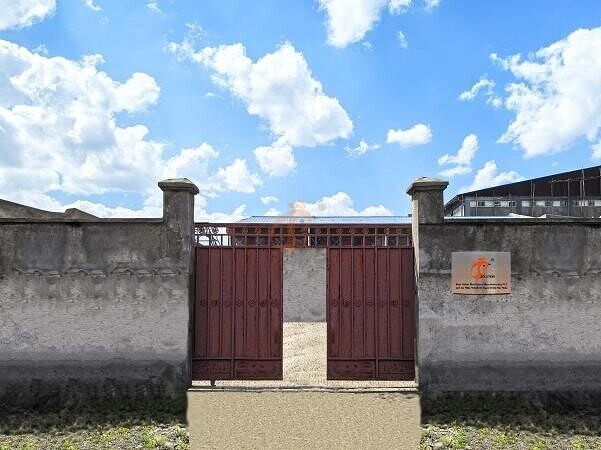
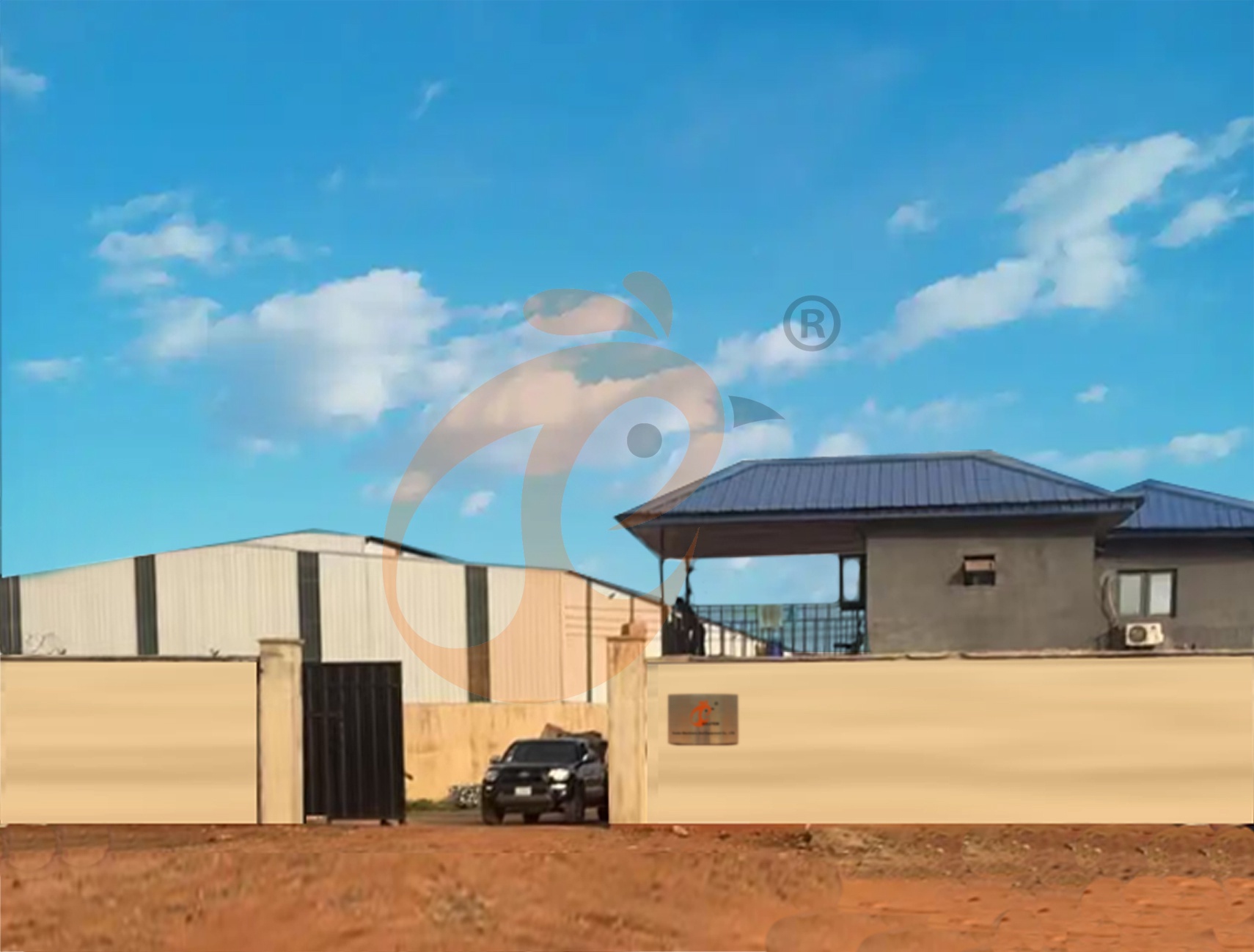
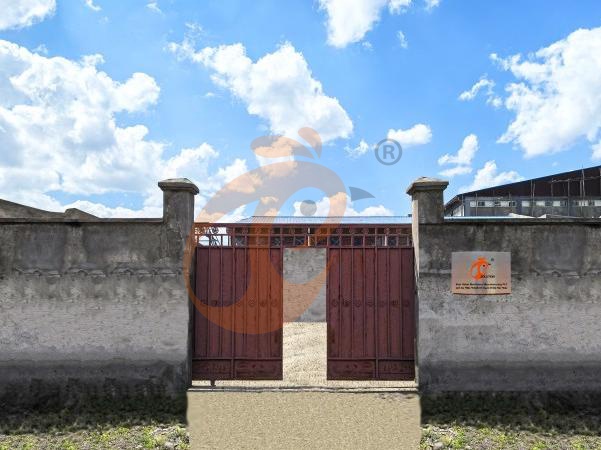
Ethiopia Branch Office And Factory Of Poultry Farm Equipment
Pre-Transport Planning And Risk Assessment
Before transporting chicken cage systems, proper planning is essential.
In Ethiopia, road conditions vary significantly between regions such as Addis Ababa, Oromia, Amhara, and the Southern Nations.
Heavy rains can render rural roads impassable, and rural destinations often lack loading facilities.
This step ensures that egg production Ethiopia operations avoid damage and delivery delays.
Data is for reference only.Swipe horizontally to view full table.
Implementation Strategy
Coordinate with local transport agencies such as the Ethiopian Roads Authority and assess rural access using satellite imagery or on-site scouting.
Integrate seasonal forecasts available from Ethiopian Meteorological Institute to schedule transport during favorable weather windows.
Packaging And Protective Measures
Once planning is complete, the next step is secure packaging.
Chicken cage systems involve metal frames, feed troughs, PVC belts, and electronic equipment like egg belts, which must be protected from moisture, dust, and vibration.
Proper packaging improves the lifespan of the chicken cage system and reduces maintenance costs.
Data is for reference only.Swipe horizontally to view full table.
Implementation Strategy
Partner with local wrapping and packaging firms in Addis Ababa or Dire Dawa that can apply rust inhibitors and high-density foam.
Considering Ethiopia's dry and wet seasons, ensure desiccants are included during rainy periods to protect metal components.
Transport Logistics Coordination
Transportation logistics in Ethiopia must adapt to long distances, weight limits, and customs processes.
Most chicken cage systems are imported via the Port of Djibouti or Berbera, then transported by road to Ethiopian farms.
This step ensures chicken cage system installation aligns with local infrastructure.
Data is for reference only.Swipe horizontally to view full table.
Implementation Strategy
Engage experienced freight forwarders with knowledge of Ethiopian customs and clearance processes.
Use GPS tracking to monitor shipments and plan rest stops to minimize jolt damage.
Unloading And On-Site Handling
Once the equipment arrives at the farm site, unloading must be executed carefully to prevent damage and safety incidents.
Rural Ethiopian sites may lack heavy lifting equipment.
Proper on-site handling protects the investment and ensures egg production begins without delay.
Data is for reference only.Swipe horizontally to view full table.
Implementation Strategy
Train local crew on safe unloading and basic equipment use.
If heavy equipment is unavailable, rent mobile cranes or forklifts from nearby cities such as Addis Ababa.
Assembly And Installation Of A-Type Chicken Cage System
The crux of success lies in assembling the system correctly.
Installation must match the layout and weight specifications, and it must comply with Ethiopian biosecurity and building codes.
Proper assembly ensures efficiency in poultry farm equipment operations.
Data is for reference only.Swipe horizontally to view full table.
Implementation Strategy
Work with local electricians experienced in rural power distribution.
Validate structural anchoring to floor slabs, considering seismic and wind loads common in Ethiopian highlands.
Testing, Commissioning, And Training
After installation, the system must be tested for functionality and resilience.
Additionally, staff must be trained on operations, maintenance, and safety.
This ensures sustainable productivity in egg production Ethiopia.
Data is for reference only.Swipe horizontally to view full table.
Implementation Strategy
Simulate daily operations before introducing layer hens.
Use dry runs of egg belts and water lines to detect issues early.
Additional Considerations For Ethiopian Egg Producers
Ethiopian egg farms face unique challenges: power reliability, climate variance, and labor skills.
Local mitigation ensures the chicken cage system functions optimally.
Data is for reference only.Swipe horizontally to view full table.
Implementation Strategy
Provide manuals in both English and local languages (e.g., Amharic, Oromo) to enhance comprehension.
Partner with local agricultural colleges for training workshops.
Frequently Asked Questions
Q: Is it difficult to transport chicken cage systems to rural farms in Ethiopia?
A: It can be challenging due to road conditions and long distances, but proper planning, dry-season transport, and experienced logistics teams can ensure safe delivery.
Q: How can Ethiopian farmers prevent damage during cage transport and installation?
A: Using protective packaging, careful unloading, and trained local workers helps avoid damage and ensures smooth installation of the cage system.
Q: How do farmers in Ethiopia handle power and labor challenges after installation?
A: Installing stabilizers or backup power and providing basic staff training helps maintain stable operation and reduces long-term equipment issues.
Ethiopia Best Hebei Machinery Manufacturing Plc - One Of Ethiopia Biggest Egg Production Manufacturer
HB BEST offers global factory direct sales, ensuring cost-effective poultry farm equipment.
The company provides modern chicken cage systems for commercial egg layer operations.
Turn-key projects are available, covering planning, transport, installation, and staff training.
Professional after-sales support ensures sustainable operation across Ethiopian regions.
HB BEST specializes in high-quality poultry cage solutions compatible with local infrastructure.
Contact Us To Received Your Customized Poultry Farm Plan
Headquarters And Branchs

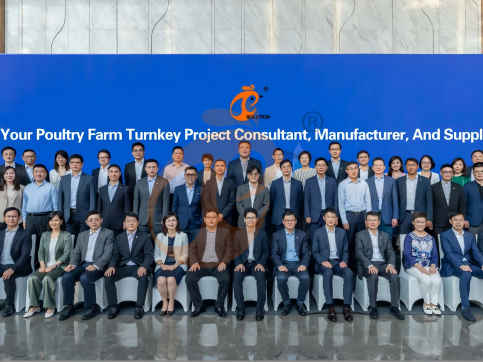
Hong Kong Headquarter Management Team
Hong Kong Headquarter Taiyu Industrial Group CO., LTD
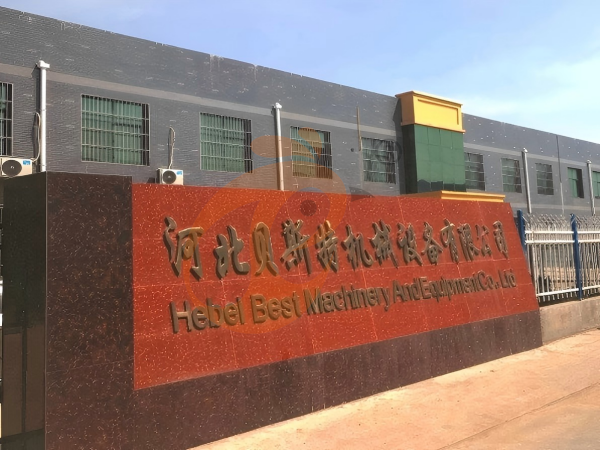
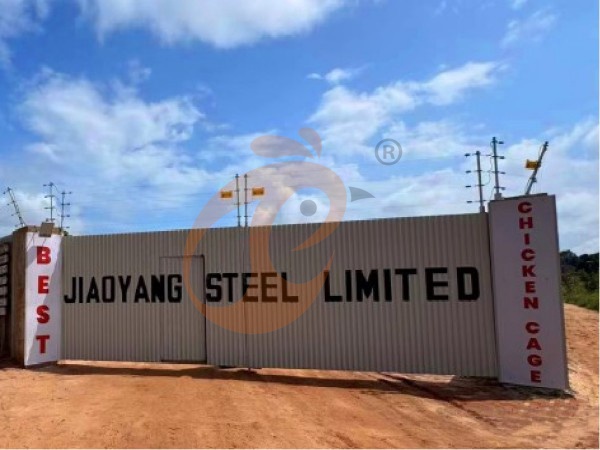
China Hebei Best Machinery And Equipment CO., LTD
Nigeria Vanke Machinery And Equipment CO., LTD
Tanzania Best Machinery And Equipment CO., LTD
Ethiopia Best Hebei Machinery Manufacturing PLC
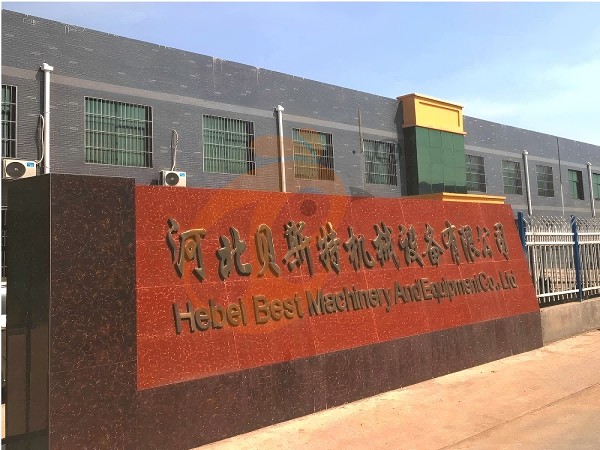
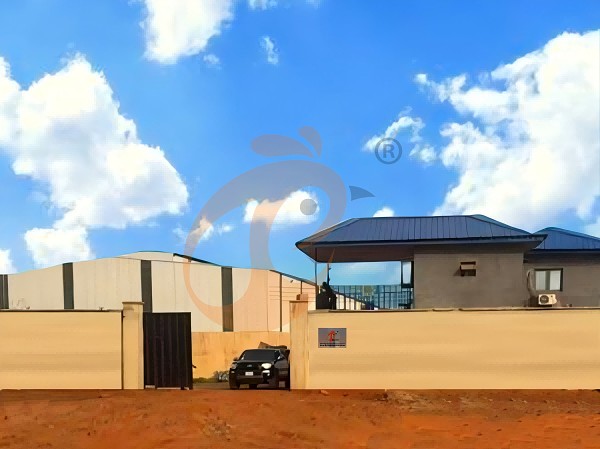
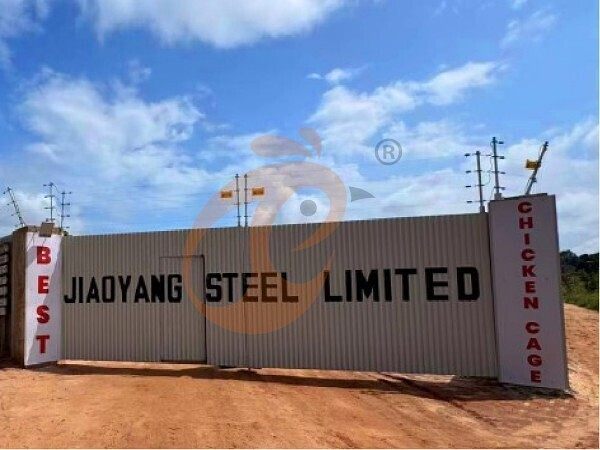
Reception /24 WhatsApp NO. : +8618830120193
FAQ
How To Implement Egg Collection System In A-Type Layer Cage Farm?
Single or double belt options
Daily egg yield: 900–960 eggs/1,000 birds
Egg breakage rate <1%
Labor savings: 50–70%
How To Maintain Optimal Humidity In A-Type Chicken Cage House?
Good ventilation reduces mold
Egg production rate: 90–96%
Mortality rate: 2–3%
FCR: 1.9–2.2
What Are The Advantages Of A-Type Chicken Cage For Stress Reduction?
Good air circulation
Reduces pecking and crowding stress
Mortality rate: 2–3%
Egg production rate: 90–96%
- poultry farm
- chicken cage
- poultry farms
- poultry cage
- cage
- poultry farm equipment
- poultry farm construction
- chicken cage system
- poultry cage solution
- chickencage
- bestchickencage
- cage system
- the chicken cage
- cage systems
- Nigeria
- cost-effective poultry farm
- poultry cage solutions
- egg production manufacturer
- poultry farm plan
Message
Products recommended
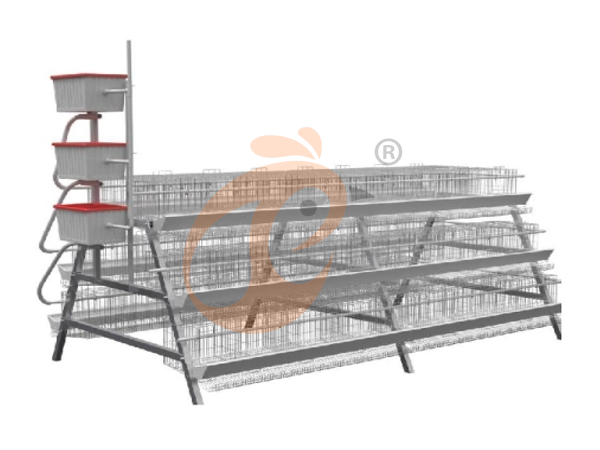
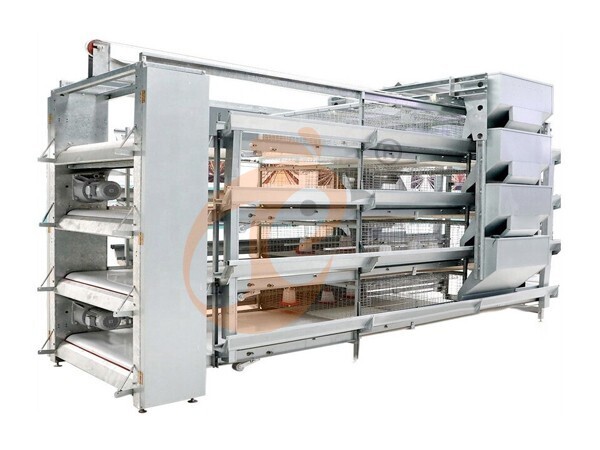
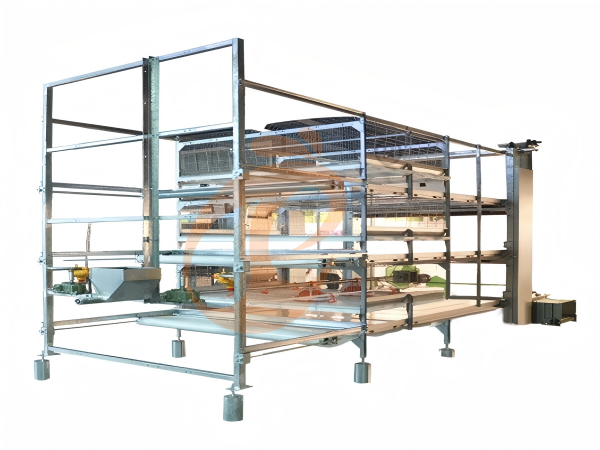
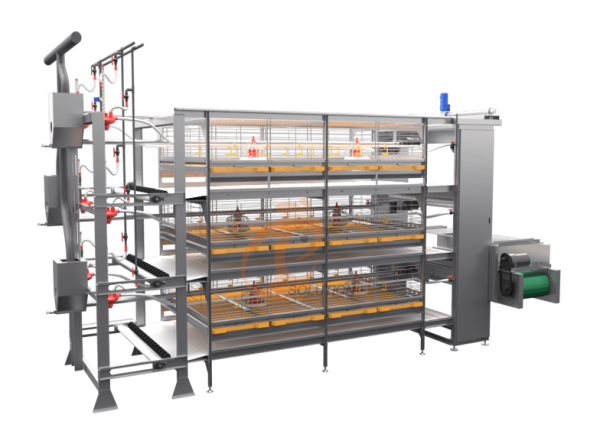
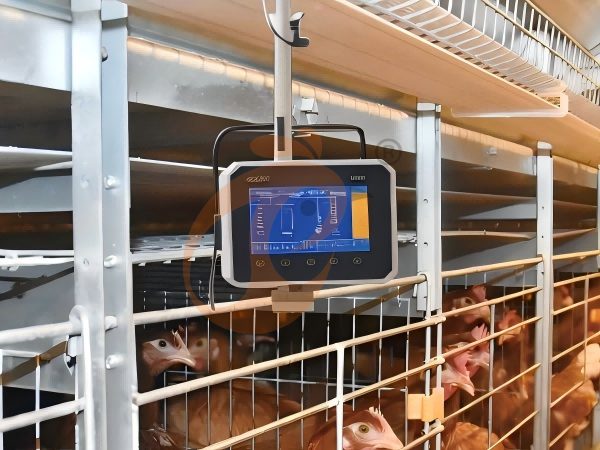
 >30,000 Pullets Automatic H Type Battery Cage1. More than 30,000 pullets a house, choose it.
2. It is designed to rearing older than 1 day old pullets to 12 to 16 weeks old chicken starting laying eggs.
3. Its lifespan is more than 25 years.
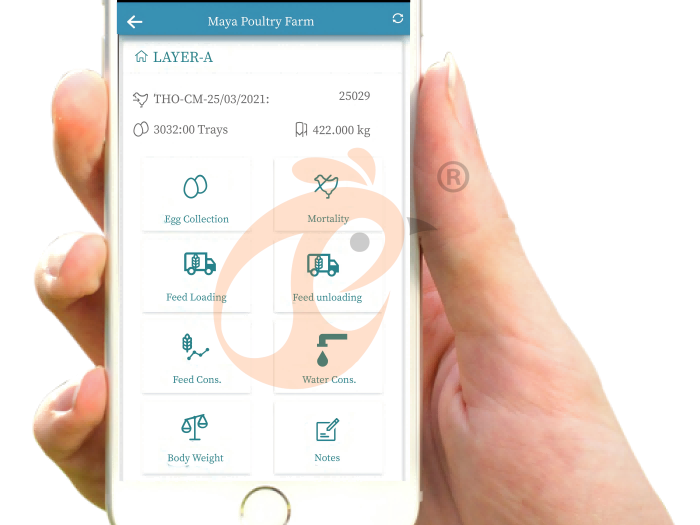
4. Its structure are Vcloud artificial intelligent fusion, electric control cabinet, automatic equipment of drinking, feeding, manure clean, manual harvesting.
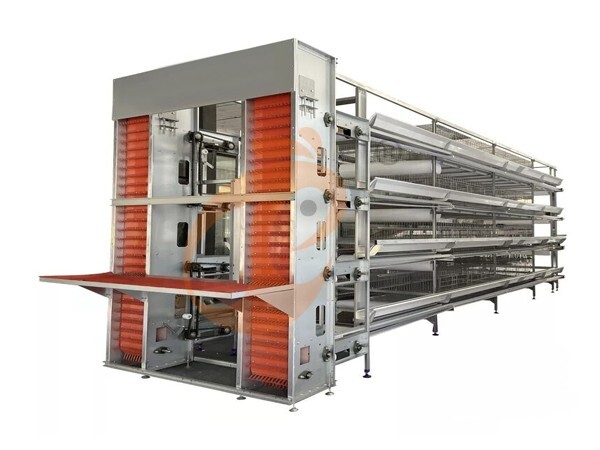
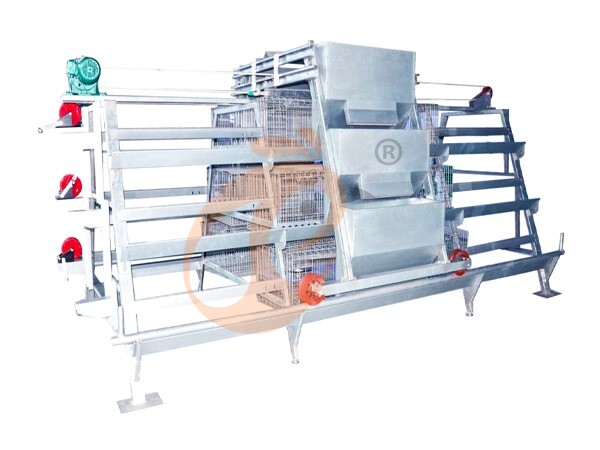
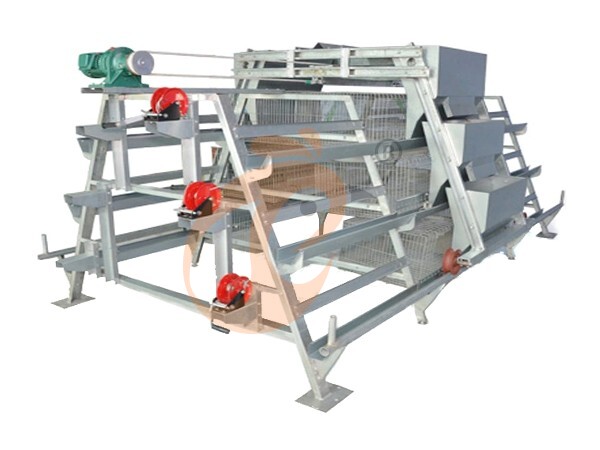
5. Our 24 hour online reception What’sApp NO. is +8618830120193 <30,000 Pullets Automatic A Type Battery Cage1. 10,000 to 30,000 pullets a house, choose it.
2. It is designed to rearing older than 1 day old pullets to 12 to 16 weeks old chicken starting laying eggs.
3. Its lifespan is more than 25 years.
4. Its structure are Vcloud artificial intelligent fusion, electric control cabinet, automatic equipment of drinking, feeding, manure clean, manual harvesting.
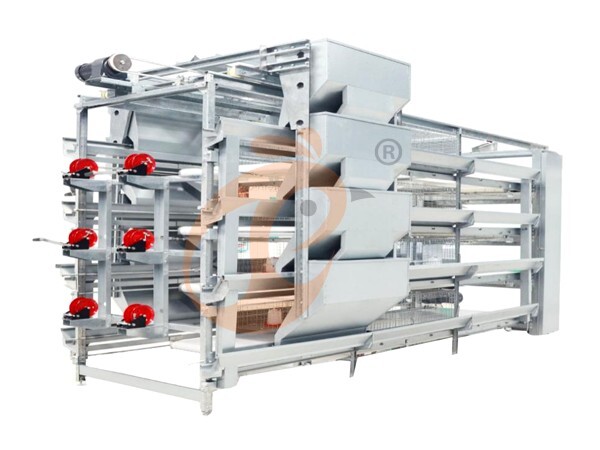
5. Our 24 hour online reception What’sApp NO. is +86 18830120193. >30,000 Broilers Semi-Automatic Harvest H Type Battery Cage1. More than 30,000 broilers a house, choose it.
2. It is designed to rearing 1 to 45 day old adult broiler ready for market.
3. Its lifespan is more than 20 years.
4. Our 24 hour online reception What’sApp NO. is +8618830120193, +234 8111199996. >30,000 Broilers Manual Harvest H Type Battery Cage1. More than 30,000 broilers a house, choose it.
2. It is designed to rearing 1 to 45 day old adult broiler ready for market.
3. Its lifespan is more than 20 years.
4. Its structure are Vcloud artificial intelligent fusion, electric control cabinet, automatic equipment of drinking, feeding and manure clean, manual harvesting.
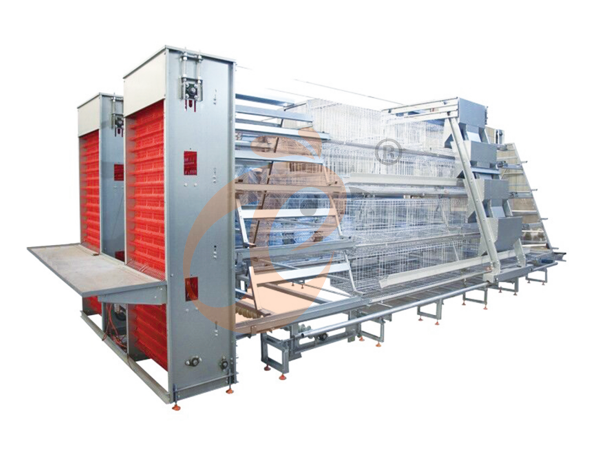
5. Our 24 hour online reception What’sApp NO. is +8618830120193, +234 8111199996. <30,000 Broilers Manual Harvest A Type Battery Cage1. Less 30,000 broilers a house, choose it.
2. It is designed to rearing 1 to 45 day old adult broiler ready for market.
3. Its lifespan is more than 20 years.
4. Its structure are Vcloud artificial intelligent fusion, electric control cabinet, automatic equipment of drinking, feeding and manure clean, manual harvesting.
5. Our 24 hour online reception What’sApp NO. is +8618830120193, +234 8111199996. HK Headquarter Offers EU-standard Poultry Farm Solutions, Manufacture Poultry Farm Equipment1. Continuous communication with the EU and the US
2. China, Nigeria, Ethiopia, Tanzania branch companies and factories
3. The products’ quality is customized for local poultry farms
4. Poultry cage and poultry farm equipment stock for sale
5. 24 online reception Whatsapp NO. : +8618830120193,contact us to get full information China Branch Offer Poultry Farm Business Plan, Manufacture Poultry Farm Equipment1. Address: Flat/RM 2416, 24/F, Runxing Building, Youyi Nan Street, Shijiazhuang City, Hebei Province, China
2. Poultry cage and poultry farm equipment factory and stock for sale
3. Customized for local poultry farms
4. Quality and design are based on Euro
5. 24 online reception Whatsapp NO. : +8618830120193 Nigeria Branch Offer Poultry Farm Business Plan, Manufacture Poultry Farm Equipment1. Address: After Sinoma Office, 200 Meters Near Danco Filling Station, Lagos/Ibadan Expressway, Lagos State, Nigeria
2. Poultry cage and poultry farm equipment factory and stock for sale
3. Customized for Nigerian poultry farms
4. Quality and design are based on Euro
5. 24 online reception Whatsapp NO. : +8618830120193 Ethiopia Branch Offer Poultry Farm Business Plan, Manufacture Poultry Farm Equipment1. Address: WR93+FQ2, Addis Ababa, Ethiopia
2. Poultry cage and poultry farm equipment stock for sale
3. Customized for Ethiopian poultry farms
4. Quality and design are based on Euro
5. 24 online reception Whatsapp NO. : +8618830120193, contact us to get price list Tanzania Branch Offer Poultry Farm Business Plan, Manufacture Poultry Farm Equipment1. Address: No.8, Sova Road, Msufini, Mlandizi, Kibaha, Pwani, Tanzania
2. Poultry cage and poultry farm equipment factory and stock for sale
3. Customized for Tanzanian poultry farms
4. Quality and design are based on Euro
5. 24 online reception Whatsapp NO. : +8618830120193


Contact
By clicking 'Allow All', you agree to the storage of cookies on your device to enhance site navigation, analyze site usage and assist with our marketing efforts.