


Blog
Ethiopian chicken cage efficiency strongly depends on climate adaptation, feed precision, and management practices.
This article explores factors affecting H-type chicken cage performance in different Ethiopian regions.
Nutritional formulation, water quality, and ventilation design are critical for high egg production.
Structural durability and galvanization directly influence the lifespan of cages in Ethiopia.
Energy reliability ensures automated systems operate efficiently during frequent power interruptions.
Stocking density must match the breed and altitude to reduce stress and mortality.
Manure management improves hygiene and provides a valuable fertilizer byproduct for local farmers.
Biosecurity practices and labor training enhance disease control and operational efficiency.
Economic scalability impacts return on investment for Ethiopian poultry entrepreneurs.
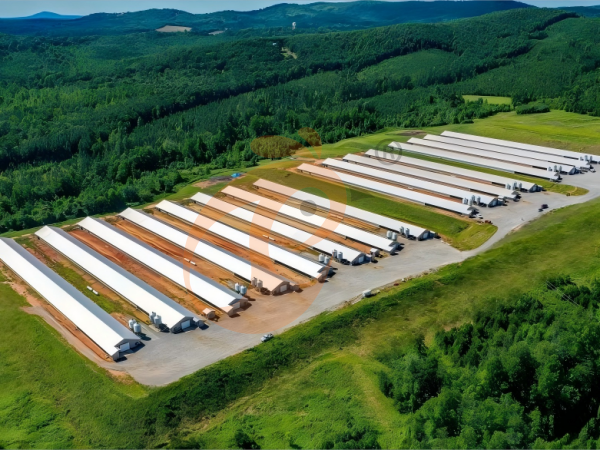
Turn-key project implementation supports sustainable poultry farming and maximizes output.
Get professional poultry farm construction guidance, equipment selection solutions, and the latest price lists, whatsApp to +8618830120193, click to learn more:

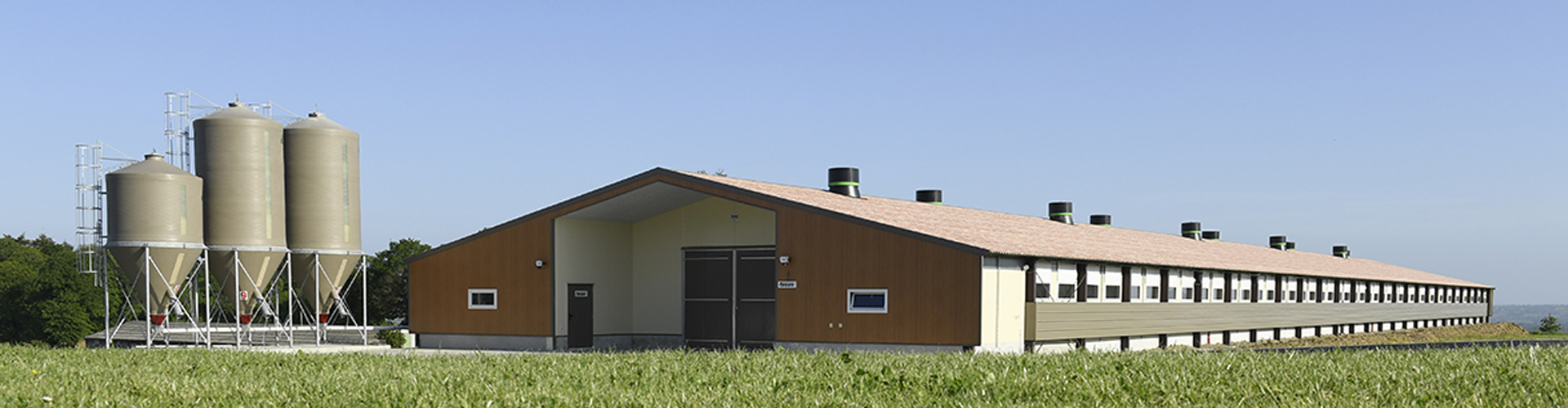
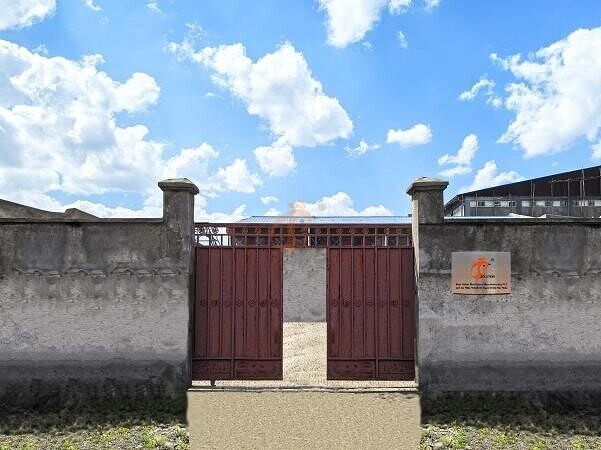
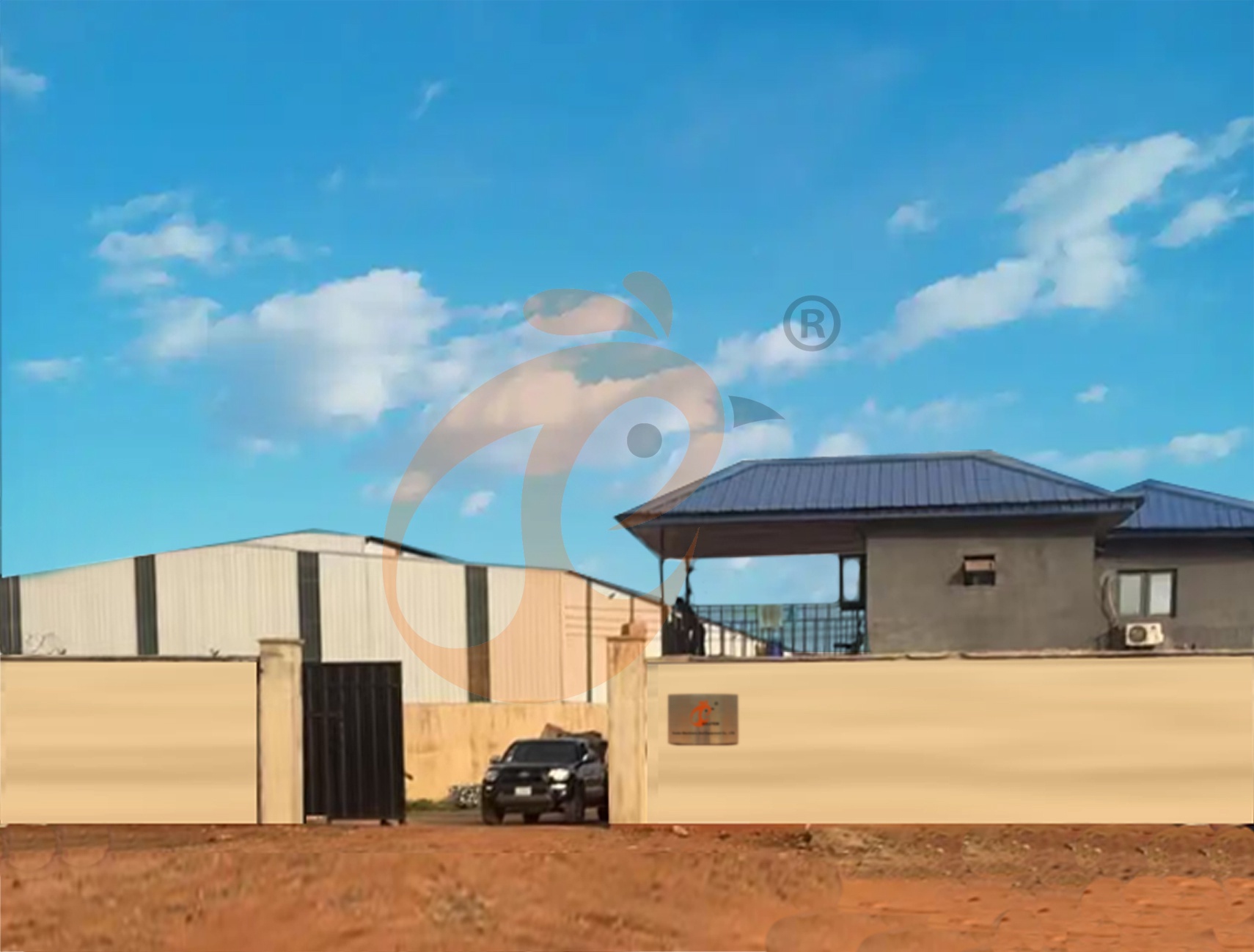
Ethiopia Branch Office And Factory Of Poultry Farm Equipment
Climatic Adaptability: The Highland Vs. Lowland Dichotomy
Ethiopia's topography is its most defining feature.
A chicken cage system installed in the cool, thin air of Debre Birhan operates under vastly different physical constraints than one located in the scorching heat of the Afar region or the humid lowlands of Gambela.
In highlands above 2,400 meters, maintaining metabolic heat during chilly nights while ensuring air quality is critical.
- In the lowlands and Rift Valley, managing heat stress and optimizing airflow is essential.
The efficiency of the H-type system depends on how well ventilation and housing design adapt to these localized conditions.
Data is for reference only.Swipe horizontally to view full table.
Nutritional Precision: Navigating Feed Volatility
Feed represents approximately 70–75% of production costs in Ethiopia.
H-type chicken cages require precise feed formulations because birds cannot forage.
Nutrient dilution with wheat bran or Noug cake reduces FCR and egg production.
- Starter, grower, and layer phases have distinct protein, energy, and mineral requirements.
- Using local enzyme supplements can improve nutrient digestibility in cost-effective ways.
- Maintaining feed consistency ensures genetic potential is reached and economic efficiency is maximized.
Data is for reference only.Swipe horizontally to view full table.
Structural Integrity And Material Science
Premature corrosion is a critical concern.
Ammonia and humidity accelerate wire rust, reducing the lifespan of chicken cages.
High-quality galvanization with proper zinc thickness is essential for Ethiopian conditions.
Proper cage alignment prevents droppings from accelerating corrosion in lower tiers.
- Strong steel frames and smooth mesh improve structural stability under dense stocking.
Data is for reference only.Swipe horizontally to view full table.
Manure Management: From Waste To Gold
H-type cages maximize floor space but require reliable manure removal.
Ammonia buildup reduces bird health and egg production.
- Polypropylene belts with appropriate thickness ensure durability.
- Regular removal frequency prevents ammonia accumulation and supports composting.
- Motors and scrapers must be properly sized to maintain cleaning efficiency.
Data is for reference only.Swipe horizontally to view full table.
Water Quality And The Rift Valley Mineral Challenge
High fluoride and calcium carbonate in water can clog nipple drinkers and reduce feed intake.
Filtration, pH monitoring, and temperature control maintain water delivery reliability.
Insulated or underground tanks prevent high water temperatures in hot regions.
- Regular maintenance avoids mineral scaling that affects automated systems.
Data is for reference only.Swipe horizontally to view full table.
Genetic Potential And Stocking Density
Efficiency depends on balancing bird density, altitude, and heat dissipation.
Overstocking increases mortality and cracked eggs.
Adjust floor and trough space per bird according to breed and regional climate.
Tier spacing must allow maximum airflow and minimize stress.
Monitor bird weight and cage occupancy to maintain optimal production.
Data is for reference only.Swipe horizontally to view full table.
Energy Reliability: The Achilles' Heel Of Automation
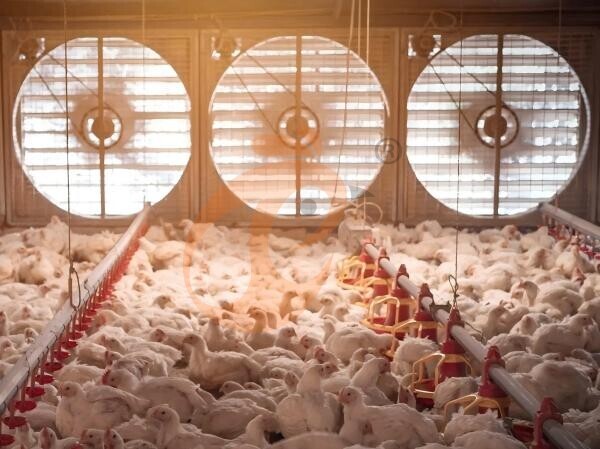
H-type systems rely heavily on electricity for ventilation, feeding, lighting, and egg collection.
Backup power solutions such as diesel generators or solar-hybrid systems reduce operational risk.
Prioritize ventilation and cooling systems during power outages.
- LED lighting and egg collection systems can be manually operated if required.
Data is for reference only.Swipe horizontally to view full table.
Biosecurity And Disease Pressure In Ethiopia
H-type chicken cages reduce fecal contact, but high-density flocks require strict vaccination and controlled access to prevent disease spread.
Maintain regular vaccination schedules for ND and IBD.
- Limit backyard flock proximity to commercial operations.
Implement strict access control to protect flock health.
Labor Training And The Technological Gap
Skilled operators are essential for efficient H-type chicken cage management.
Train local managers on preventive maintenance and system monitoring.
- Identify abnormal sounds or mechanical issues early to prevent failures.
Regular technical training improves operational reliability and reduces losses.
Economic Scalability And Return On Investment
H-type chicken cages are high-CAPEX investments in Ethiopia.
Consistent high egg output is required to cover interest on loans (Ethiopian Birr reference, European union standard only).
- Vertical space utilization allows up to 4× egg production per land unit.
Strategic timing before festivals maximizes market returns and investor return on investment.
Frequently Asked Questions
Q1: Are H-type chicken cages suitable for Ethiopian highlands?
Yes. Proper ventilation, insulation, and floor space adjustments allow safe operation.
Cooling pads and airflow must match altitude-specific temperature requirements to avoid heat stress or metabolic issues.
Q2: How can small-scale Ethiopian farmers manage water mineral issues?
Using filtration systems, pH control, and insulated tanks ensures consistent water quality, reducing nipple clogging and maintaining feed intake.
Regular maintenance prevents mineral buildup.
Q3: What strategies help reduce ammonia buildup in intensive Ethiopian chicken cages?
Automated manure belts, frequent removal, and optimal moisture content maintain hygiene.
Turning manure into compost also adds value for local fertilizer usage while protecting flock health.
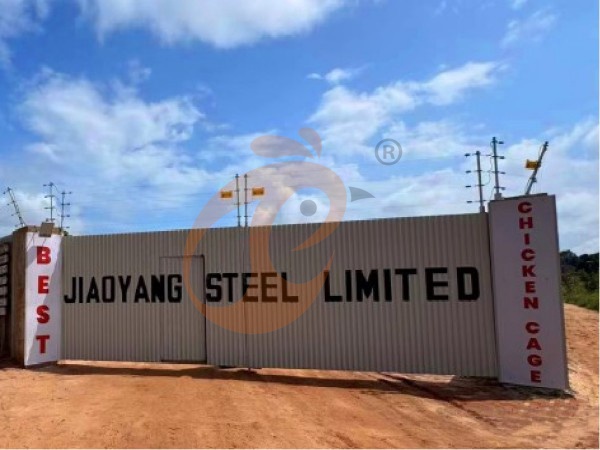
Ethiopia Best Hebei Machinery Manufacturing Plc - One Of Ethiopia Biggest Chicken Cage Supplier
HB BEST offers global factory direct sales of poultry farm equipment with full turn-key solutions for Ethiopian investors.
The company provides high-quality poultry cages designed for durability and optimal egg production.
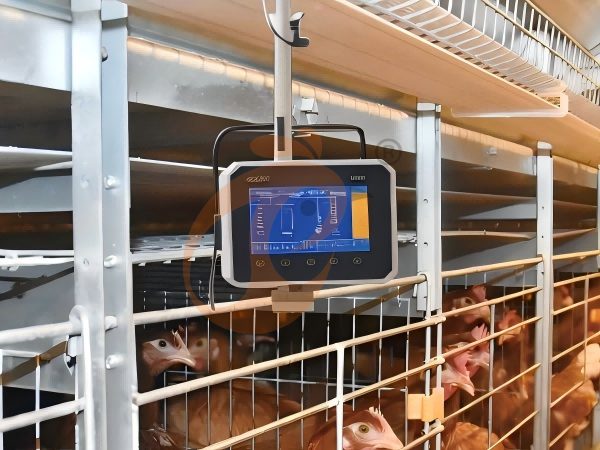
Their poultry farm equipment includes automated feeding, ventilation, and egg collection systems.
- Turn-key project execution ensures rapid setup and operational readiness across Ethiopia.
HB BEST integrates international standards and local adaptation for maximum farm efficiency.
Contact Us To Received Your Customized Poultry Farm Plan
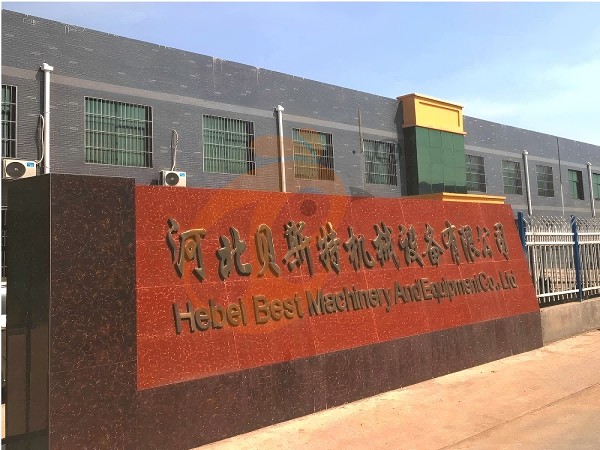
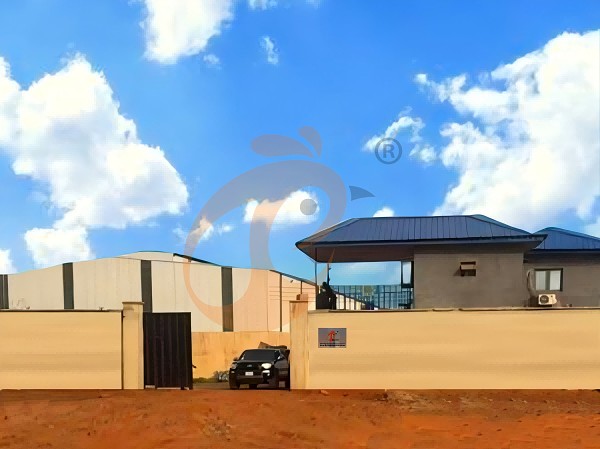
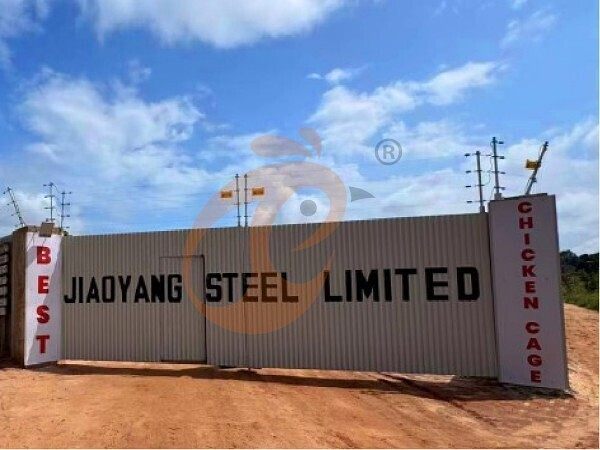
Headquarters And Branchs

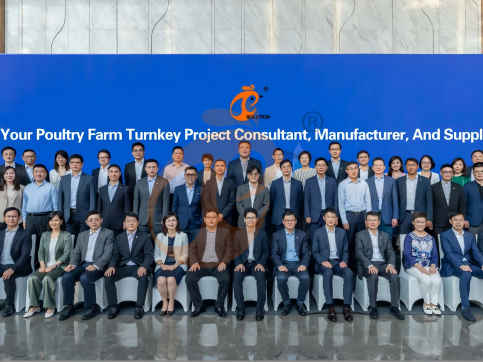
Hong Kong Headquarter Management Team
Hong Kong Headquarter Taiyu Industrial Group CO., LTD
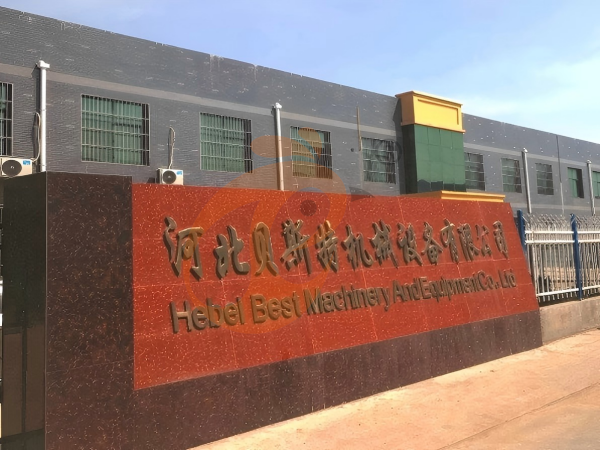
China Hebei Best Machinery And Equipment CO., LTD
Nigeria Vanke Machinery And Equipment CO., LTD
Tanzania Best Machinery And Equipment CO., LTD
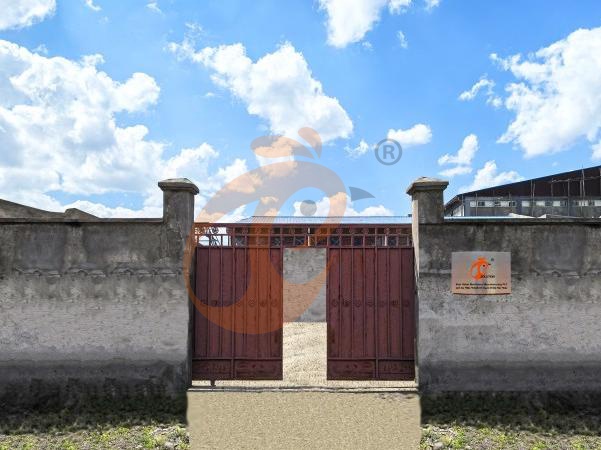
Ethiopia Best Hebei Machinery Manufacturing PLC
Reception /24 WhatsApp NO. : +8618830120193
FAQ
How To Implement Automated Feeding In H-Type Layer Cage System?
Even feed distribution per tier
Reduces feed waste by 10–15%
FCR optimized to 1.9–2.1
Labor savings: 70-90%
How To Optimize H-Type Chicken Cage Design For Disease Prevention?
Easy-to-clean design reduces bacterial buildup
Automatic manure removal reduces infection sources
Mortality rate: 2–3%
Egg production rate: 90-98%
What Is The Cost Of H-Type Battery Cage For 50,000 Layers?
Total cost for 50,000 birds: $500,000–$900,000
Equipment lifespan: more than 25 years
ROI: ~2–3 years
Labor savings: 70-90%
- poultry farm
- chicken cage
- poultry cage
- cage
- poultry farm equipment
- poultry farm construction
- chicken cage system
- chicken cage supplier
- egg collection system
- chicken cages
- poultry cages
- h type chicken cage
- a chicken cage
- chickencage
- bestchickencage
- cage system
- h type
- Nigeria
- poultry farming
- cage supplier
- poultry farm plan
- Ethiopia
Message
Products recommended
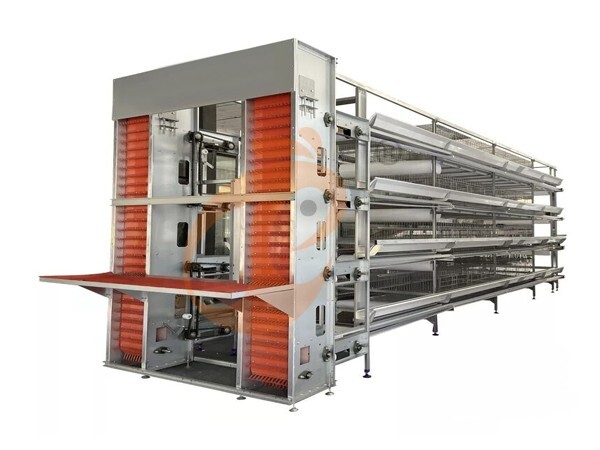
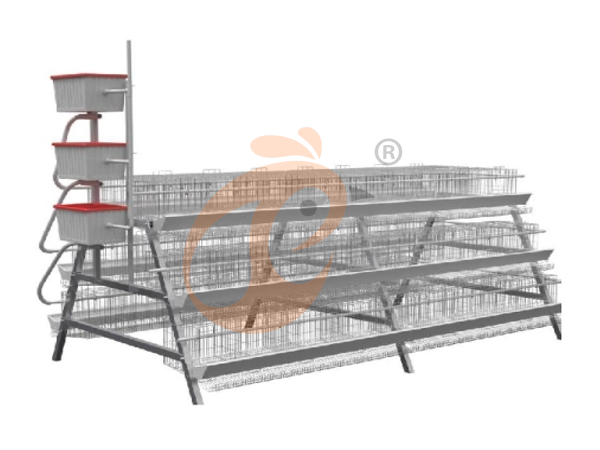
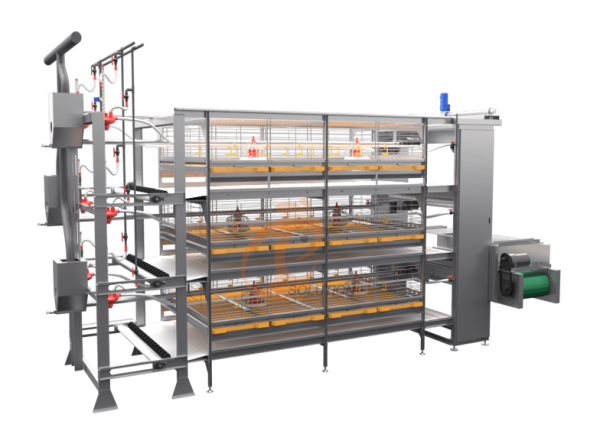
 >30,000 Pullets Automatic H Type Battery Cage1. More than 30,000 pullets a house, choose it.
2. It is designed to rearing older than 1 day old pullets to 12 to 16 weeks old chicken starting laying eggs.
3. Its lifespan is more than 25 years.
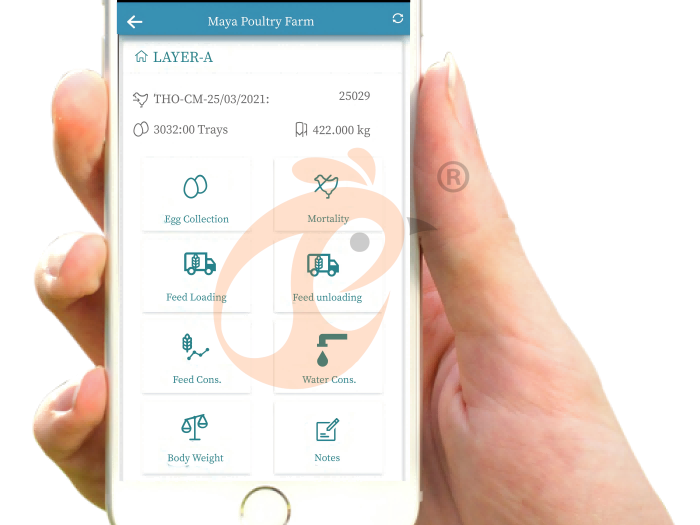
4. Its structure are Vcloud artificial intelligent fusion, electric control cabinet, automatic equipment of drinking, feeding, manure clean, manual harvesting.
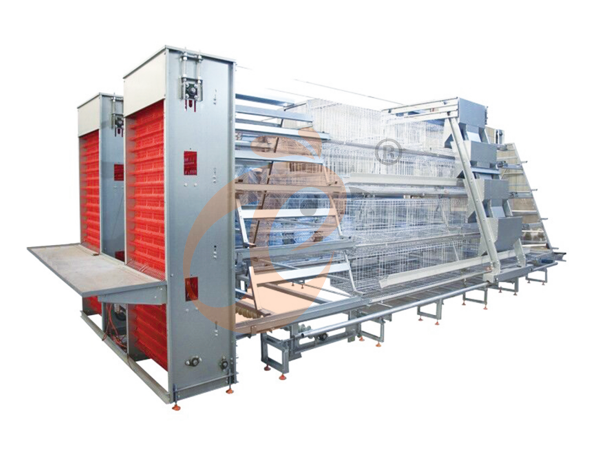
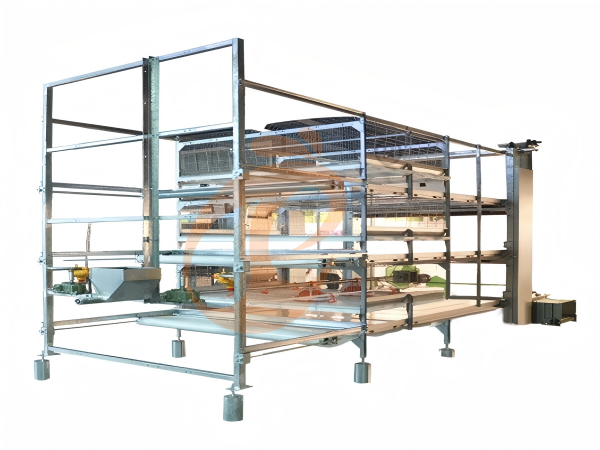
5. Our 24 hour online reception What’sApp NO. is +8618830120193 <30,000 Pullets Automatic A Type Battery Cage1. 10,000 to 30,000 pullets a house, choose it.
2. It is designed to rearing older than 1 day old pullets to 12 to 16 weeks old chicken starting laying eggs.
3. Its lifespan is more than 25 years.
4. Its structure are Vcloud artificial intelligent fusion, electric control cabinet, automatic equipment of drinking, feeding, manure clean, manual harvesting.
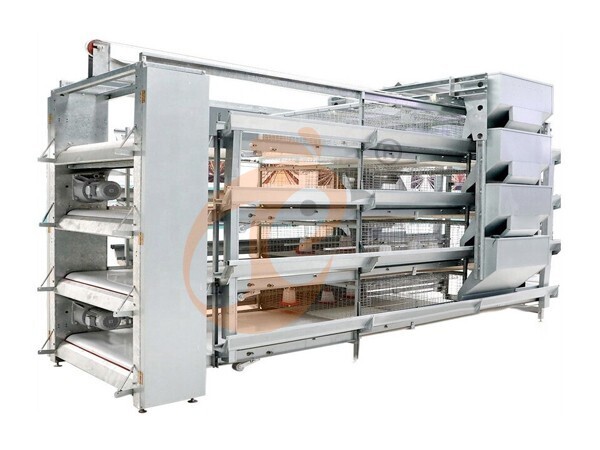
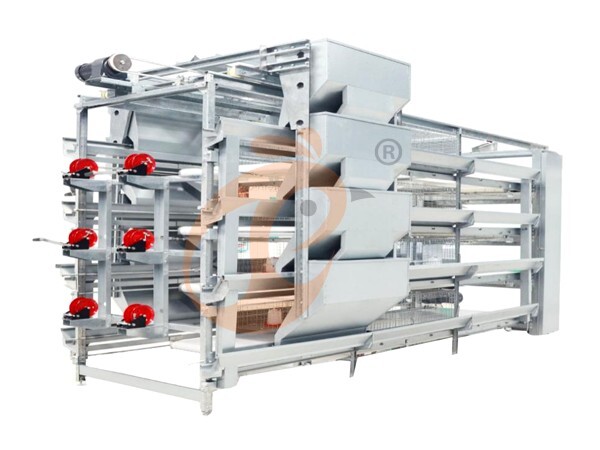
5. Our 24 hour online reception What’sApp NO. is +86 18830120193. >30,000 Broilers Semi-Automatic Harvest H Type Battery Cage1. More than 30,000 broilers a house, choose it.
2. It is designed to rearing 1 to 45 day old adult broiler ready for market.
3. Its lifespan is more than 20 years.
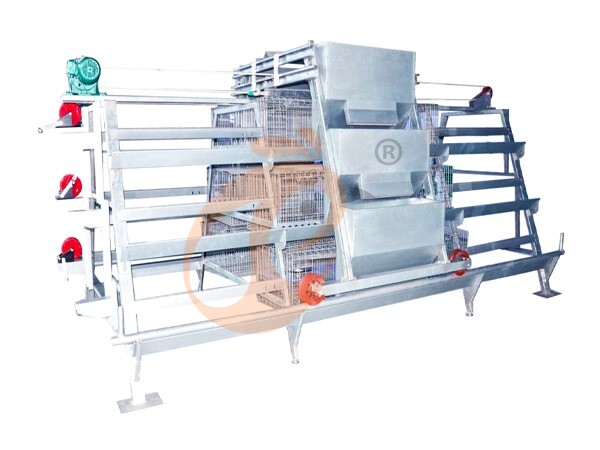
4. Our 24 hour online reception What’sApp NO. is +8618830120193, +234 8111199996. >30,000 Broilers Manual Harvest H Type Battery Cage1. More than 30,000 broilers a house, choose it.
2. It is designed to rearing 1 to 45 day old adult broiler ready for market.
3. Its lifespan is more than 20 years.
4. Its structure are Vcloud artificial intelligent fusion, electric control cabinet, automatic equipment of drinking, feeding and manure clean, manual harvesting.
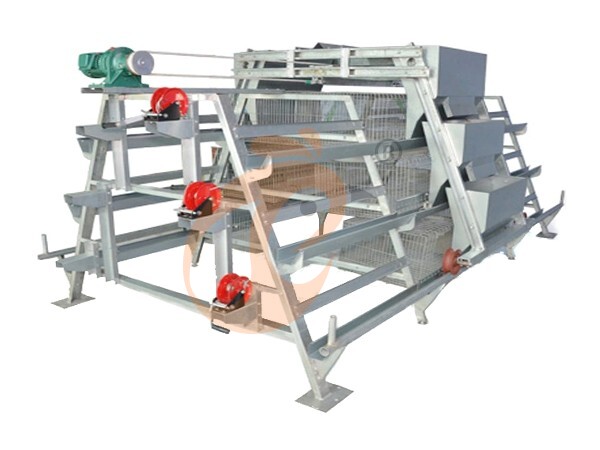
5. Our 24 hour online reception What’sApp NO. is +8618830120193, +234 8111199996. <30,000 Broilers Manual Harvest A Type Battery Cage1. Less 30,000 broilers a house, choose it.
2. It is designed to rearing 1 to 45 day old adult broiler ready for market.
3. Its lifespan is more than 20 years.
4. Its structure are Vcloud artificial intelligent fusion, electric control cabinet, automatic equipment of drinking, feeding and manure clean, manual harvesting.
5. Our 24 hour online reception What’sApp NO. is +8618830120193, +234 8111199996. HK Headquarter Offers EU-standard Poultry Farm Solutions, Manufacture Poultry Farm Equipment1. Continuous communication with the EU and the US
2. China, Nigeria, Ethiopia, Tanzania branch companies and factories
3. The products’ quality is customized for local poultry farms
4. Poultry cage and poultry farm equipment stock for sale
5. 24 online reception Whatsapp NO. : +8618830120193,contact us to get full information China Branch Offer Poultry Farm Business Plan, Manufacture Poultry Farm Equipment1. Address: Flat/RM 2416, 24/F, Runxing Building, Youyi Nan Street, Shijiazhuang City, Hebei Province, China
2. Poultry cage and poultry farm equipment factory and stock for sale
3. Customized for local poultry farms
4. Quality and design are based on Euro
5. 24 online reception Whatsapp NO. : +8618830120193 Nigeria Branch Offer Poultry Farm Business Plan, Manufacture Poultry Farm Equipment1. Address: After Sinoma Office, 200 Meters Near Danco Filling Station, Lagos/Ibadan Expressway, Lagos State, Nigeria
2. Poultry cage and poultry farm equipment factory and stock for sale
3. Customized for Nigerian poultry farms
4. Quality and design are based on Euro
5. 24 online reception Whatsapp NO. : +8618830120193 Ethiopia Branch Offer Poultry Farm Business Plan, Manufacture Poultry Farm Equipment1. Address: WR93+FQ2, Addis Ababa, Ethiopia
2. Poultry cage and poultry farm equipment stock for sale
3. Customized for Ethiopian poultry farms
4. Quality and design are based on Euro
5. 24 online reception Whatsapp NO. : +8618830120193, contact us to get price list Tanzania Branch Offer Poultry Farm Business Plan, Manufacture Poultry Farm Equipment1. Address: No.8, Sova Road, Msufini, Mlandizi, Kibaha, Pwani, Tanzania
2. Poultry cage and poultry farm equipment factory and stock for sale
3. Customized for Tanzanian poultry farms
4. Quality and design are based on Euro
5. 24 online reception Whatsapp NO. : +8618830120193


Contact
By clicking 'Allow All', you agree to the storage of cookies on your device to enhance site navigation, analyze site usage and assist with our marketing efforts.