


Blog
Optimizing poultry cage investments significantly improves Ethiopian farm productivity and profitability.
This article analyzes cage durability, feed efficiency, and egg collection integrity.
Structural design choices affect bird welfare and space utilization on farms.
Advanced water filtration and manure systems enhance biosecurity and farm hygiene.
Cage selection impacts labor efficiency, training requirements, and operational costs.
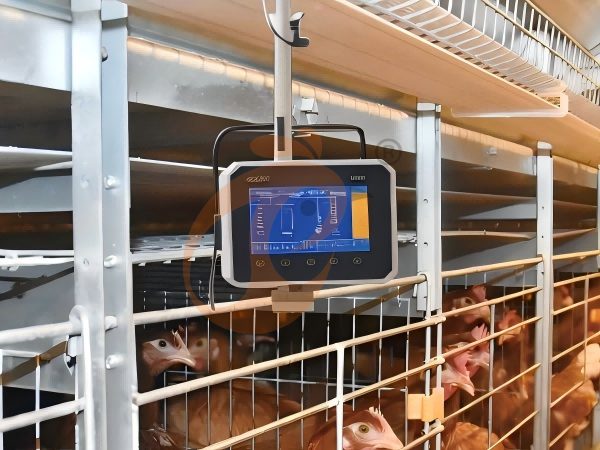
Automated systems help maintain consistent feed and water supply.
Long-term return on investment considerations outweigh initial purchase price for farmers.
Solar-compatible equipment supports reliable poultry operations amid power fluctuations.
Get professional poultry farm construction guidance, equipment selection solutions, and the latest price lists, whatsApp to +8618830120193, click to learn more:

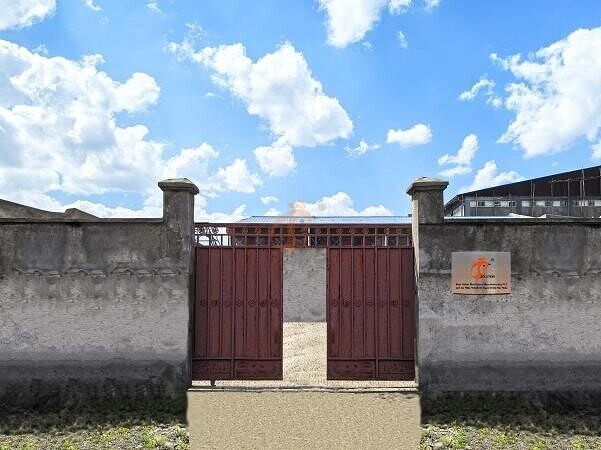
Ethiopia Branch Office And Factory Of Poultry Farm Equipment
Structural Durability: Resisting The High Humidity Of The Highlands
In many parts of Ethiopia, including the areas surrounding Debre Zeit (Bishoftu) and the lush southern regions, humidity levels can fluctuate significantly during the rainy season (Kiremt).
Standard steel cages often succumb to rust within just a few seasons, leading to structural failure and injury to the layers.
Investing in Hot-Dip Galvanized (HDG) steel is the first smart decision for any commercial farm.
Unlike cold-galvanization, the HDG process provides a much thicker protective layer, ensuring the cage remains intact for decades rather than years.
Data is for reference only. Swipe horizontally to view full table.
Space Optimization And Bird Welfare Standards
Ethiopian farmers often struggle with limited land availability in rapidly urbanizing areas.
The choice between A-type and H-type chicken cage systems determines how many birds you can house per square meter.
However, overcrowding leads to heat stress—a major productivity killer in the lowlands.
A smart buying decision involves selecting a cage design that balances high density with adequate ventilation and floor space per bird to ensure a low Feed Conversion Ratio (FCR).
Data is for reference only. Swipe horizontally to view full table.
Combatting Feed Costs Through Precision Engineering
Feed costs in Ethiopia have seen a dramatic rise, with prices for layer mash occasionally spiking due to fluctuations in maize and soy availability.
When feed represents nearly 70% of total production costs, even a 5% wastage due to poorly designed troughs can bankrupt a farm.
Smart buyers prioritize cages equipped with deep-V or U-shaped troughs and specialized ''feed-saving'' edges that prevent the birds from scratching the expensive mash onto the floor.
Data is for reference only. Swipe horizontally to view full table.
Automated Manure Management For Biosecurity
Biosecurity is a paramount concern for Ethiopian poultry producers, especially with the threat of local disease outbreaks.
Manure accumulation in traditional ''pit'' systems creates high ammonia levels, which weakens the respiratory systems of the layers.
Moving toward an automated belt system is the fourth smart decision.
By removing waste daily, you significantly reduce ammonia concentration in the house, leading to healthier birds and a more pleasant working environment for your staff.
Data is for reference only. Swipe horizontally to view full table.
Water Access And Filtration Systems
Clean water is often a challenge for rural Ethiopian farms, and sediment-heavy water from boreholes can quickly clog nipple drinkers.
A cage system is only as good as its watering line.
Smart buyers look for kits that include high-quality filtration systems and medicators.
In the heat of the Rift Valley, consistent access to cool, clean water is the difference between a productive layer and a bird that has stopped laying entirely.
Data is for reference only. Swipe horizontally to view full table.
Maximizing Egg Collection Integrity
In the Ethiopian market, cracked eggs are sold at a steep discount, or not at all.
The angle of the cage floor is a technical detail that many overlook when searching for the ''lowest price.''
If the slope is too steep, eggs roll too fast and break; if it's too flat, they stay in the cage and get dirty.
The ideal slope for Ethiopian farms—considering the typical egg weight of popular breeds like Sasso or Bovans Brown—is precisely engineered to ensure a soft landing.
Data is for reference only. Swipe horizontally to view full table.
Integrating Solar Power For Consistency
Given the occasional power fluctuations in Ethiopia’s regional grids, relying entirely on the national utility for automation (like feeding and lighting) can be risky.
A smart buying decision includes choosing equipment that is compatible with solar integration.
This ensures that even during a ''blackout,'' your birds are fed on time and your ventilation fans keep running, protecting your investment from sudden losses.
Data is for reference only. Swipe horizontally to view full table.
Adaptability To Local Feed Ingredients
Many Ethiopian farmers are experimenting with locally sourced alternative feed ingredients like noug cake (Guizotia abyssinica) to lower costs.
However, these ingredients can change the physical consistency of the feed.
High-value cages feature adjustable feeding gates that can handle various textures without clogging or overflowing, allowing farmers the flexibility to adapt to market shortages.
Labor Efficiency And Training
The cost of labor is rising in Ethiopia, and manual egg collection or feeding takes time that could be spent on bird health management.
Smart buying decisions involve selecting systems that are easy to operate and require minimal technical training for local workers.
This reduces the margin for human error and ensures that the equipment is used to its full potential from day one.
Long-Term Return On Investment Vs. Immediate Capital Expenditure
Ultimately, the Ethiopian poultry farmer must view the cage system as an asset, not an expense.
When analyzing the Return on Investment (ROI), a system that lasts 20 years and saves 10% on feed annually will generate significantly
more wealth than a cheap system that requires replacement in 48 months.
Frequently Asked Questions
Q1: Are hot-dip galvanized chicken cages suitable for Ethiopian humidity conditions?
Yes, HDG cages provide superior corrosion resistance and last 15–20 years in high-humidity Ethiopian regions.
Regular inspection ensures continued structural integrity.
Q2: Can automated manure belts improve farm biosecurity in Ethiopia?
Yes, daily removal of manure reduces ammonia levels and airborne diseases, enhancing poultry health and worker safety.
Q3: Is solar-compatible poultry equipment cost-effective for Ethiopian farms?
Yes, integrating solar power ensures uninterrupted feeding and ventilation, reducing losses due to regional grid fluctuations.
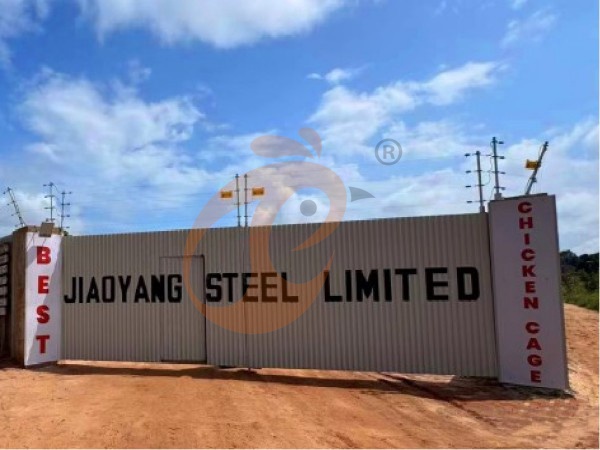
Ethiopia Best Hebei Machinery Manufacturing Plc - One Of Ethiopia Most Famous Layer Cage Manufacturer
Global factory direct sales provide reliable and consistent poultry farm equipment supplies.
We offer high-quality poultry cages designed for durability and efficiency.
Turn-key engineering solutions ensure complete operational readiness for farms.
Our products support solar integration and automated feeding systems.
Professional after-sales service guarantees performance and customer satisfaction.
Contact Us To Received Your Customized Poultry Farm Plan
Headquarters And Branchs

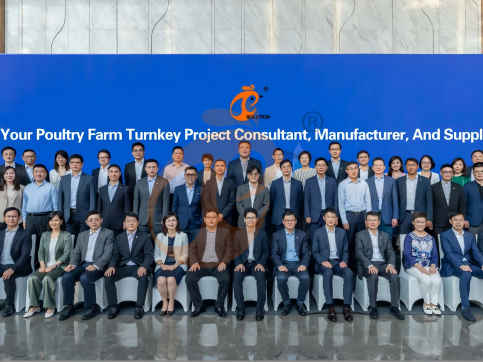
Hong Kong Headquarter Management Team
Hong Kong Headquarter Taiyu Industrial Group CO., LTD
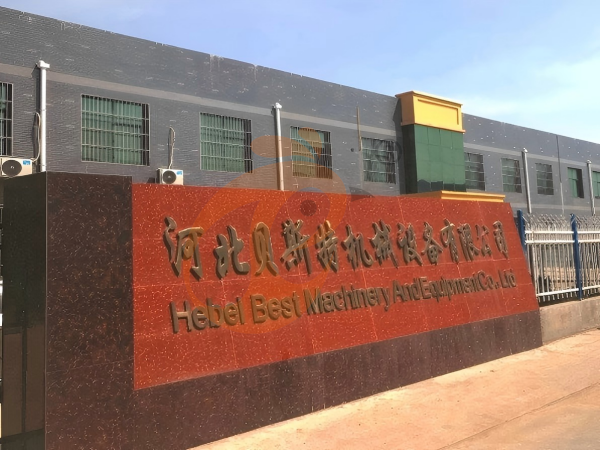
China Hebei Best Machinery And Equipment CO., LTD
Nigeria Vanke Machinery And Equipment CO., LTD
Tanzania Best Machinery And Equipment CO., LTD
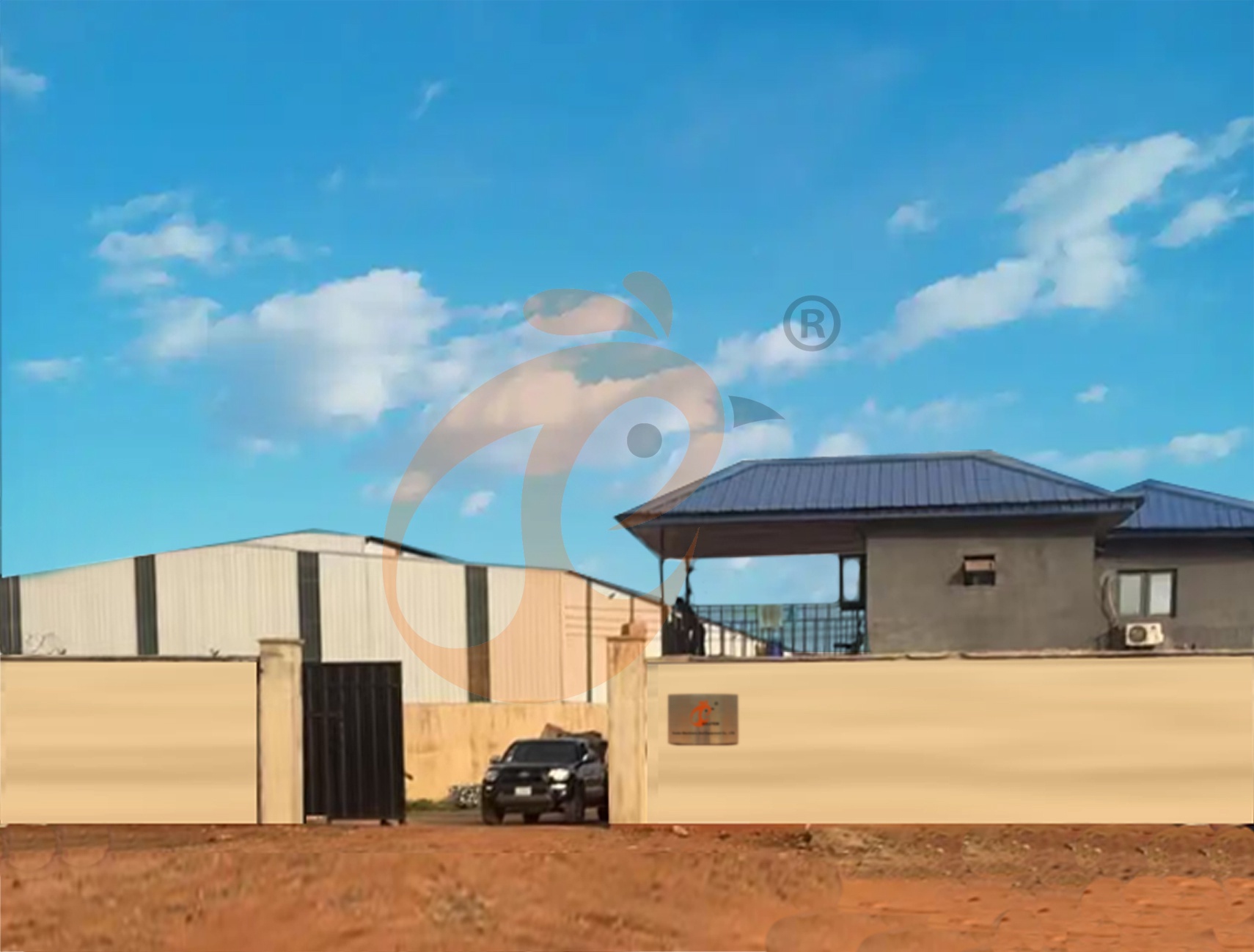
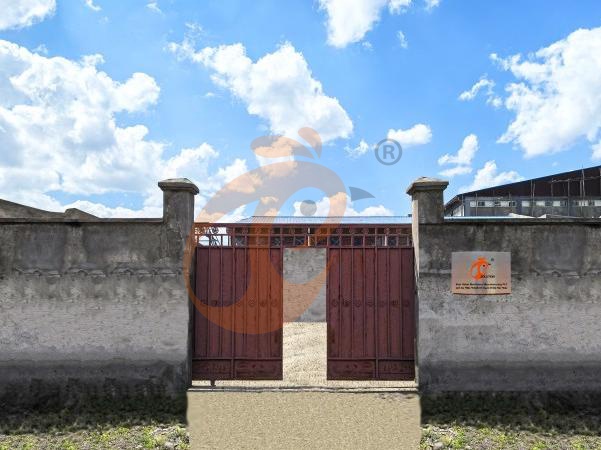
Ethiopia Best Hebei Machinery Manufacturing PLC
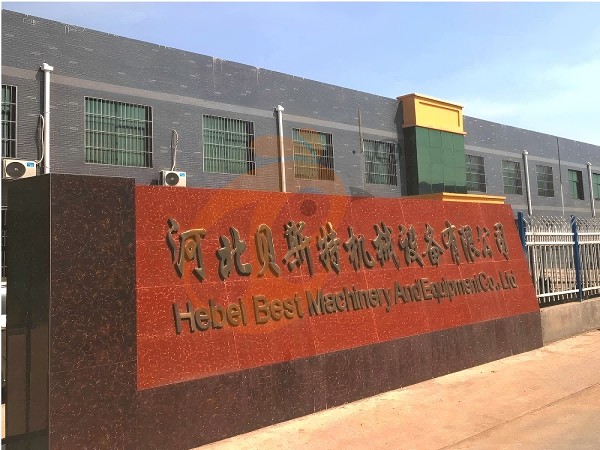
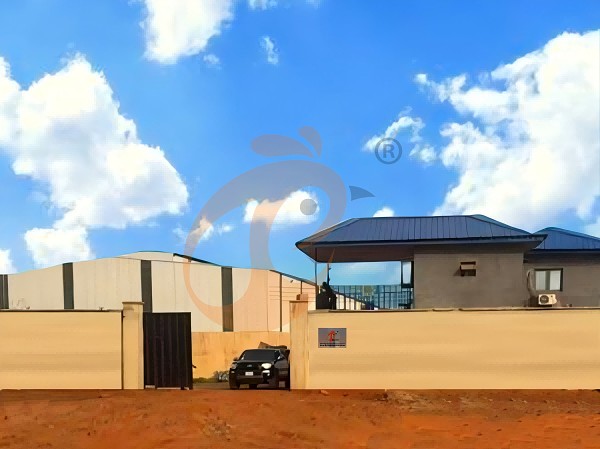
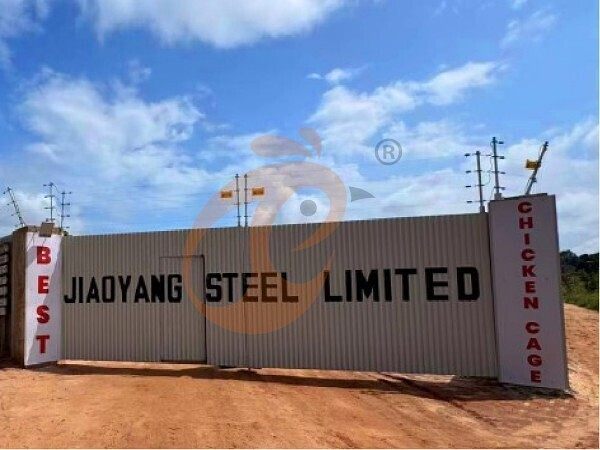
Reception /24 WhatsApp NO. : +8618830120193
FAQ
What Are The Professional Strategies For Optimizing Feed Conversion In Layer Cage Farms?
Zoned feeding reduces competition and waste; FCR maintained at 1.9–2.1.
Combined with lighting and temperature/humidity management, egg production can reach 90–98%.
How To Buy The Top Chicken Cage Supplier For Maximum Farm Efficiency?
Check steel quality, anti-corrosion coating, and durability of egg systems.
Price reference: $10–$18 per bird, ROI payback 24–36 months.
What Are The Ultimate Guidelines For Reducing Stress In Poultry Cage Farms?
Ensure good ventilation, temperature 18–25℃, lighting 16h/day.
Automatic feeding and drinking systems ensure birds access feed and water, reducing stress-induced egg drop.
- poultry farm
- chicken cage
- poultry farmer
- layer cage
- poultry cage
- cage
- poultry farm equipment
- poultry farm construction
- layer cage manufacturer
- chicken cage system
- poultry equipment
- chicken cages
- poultry cages
- chickencage
- bestchickencage
- cage system
- galvanized chicken cage
- cage systems
- Nigeria
- cage design
- cage manufacturer
- poultry farm plan
- Ethiopia
Message
Products recommended
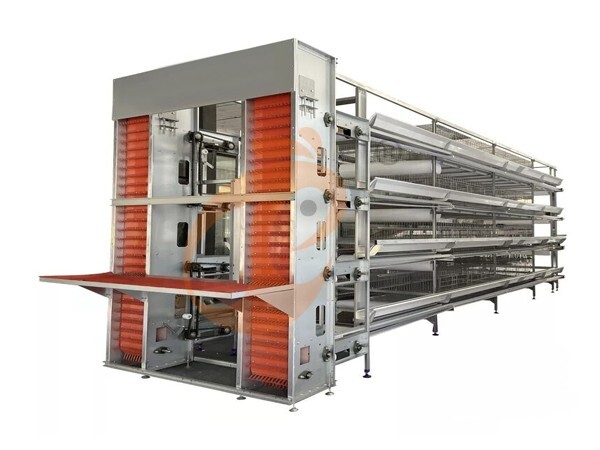
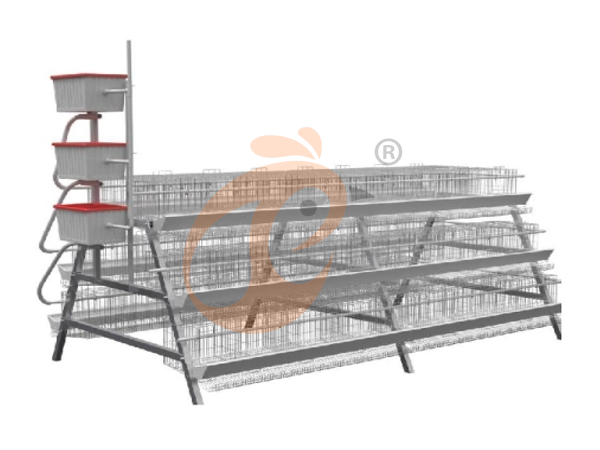
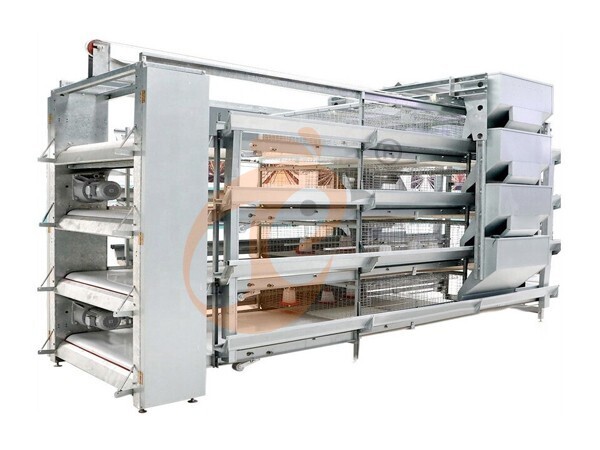
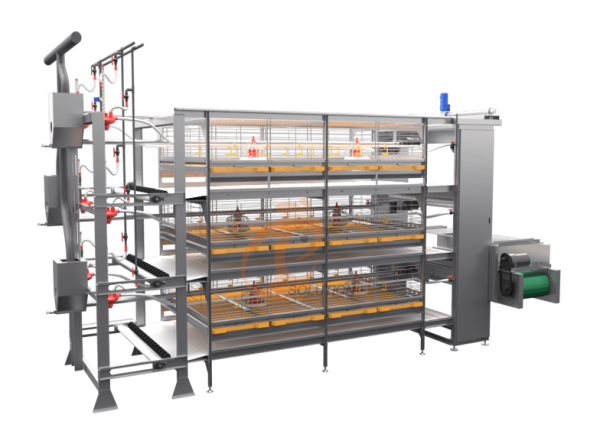
 >30,000 Pullets Automatic H Type Battery Cage1. More than 30,000 pullets a house, choose it.
2. It is designed to rearing older than 1 day old pullets to 12 to 16 weeks old chicken starting laying eggs.
3. Its lifespan is more than 25 years.
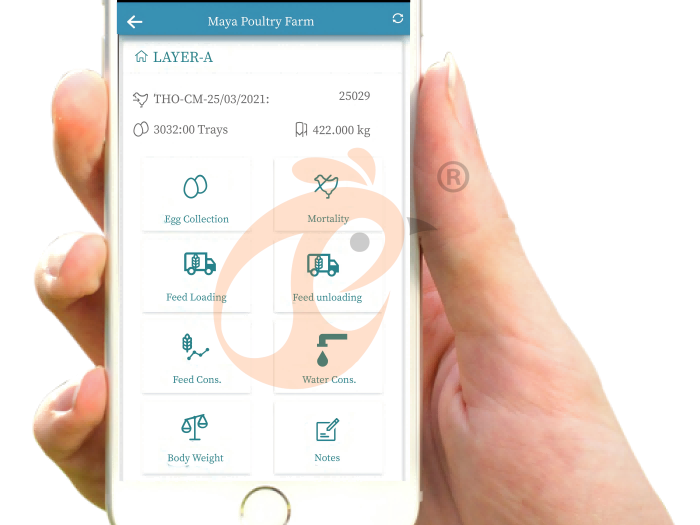
4. Its structure are Vcloud artificial intelligent fusion, electric control cabinet, automatic equipment of drinking, feeding, manure clean, manual harvesting.
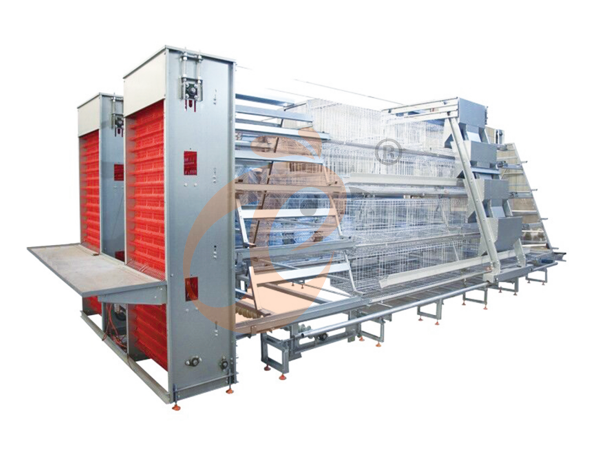
5. Our 24 hour online reception What’sApp NO. is +8618830120193 <30,000 Pullets Automatic A Type Battery Cage1. 10,000 to 30,000 pullets a house, choose it.
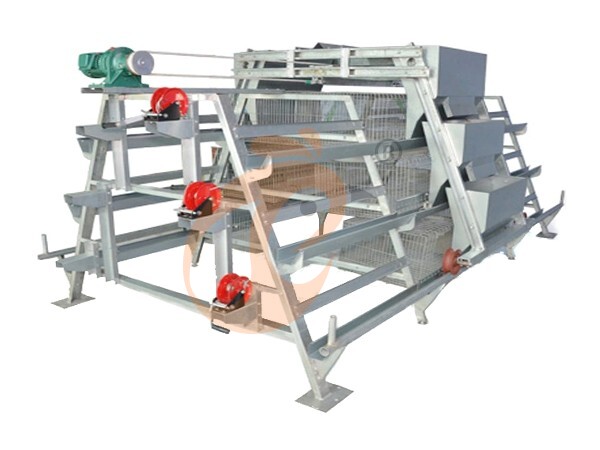
2. It is designed to rearing older than 1 day old pullets to 12 to 16 weeks old chicken starting laying eggs.
3. Its lifespan is more than 25 years.
4. Its structure are Vcloud artificial intelligent fusion, electric control cabinet, automatic equipment of drinking, feeding, manure clean, manual harvesting.
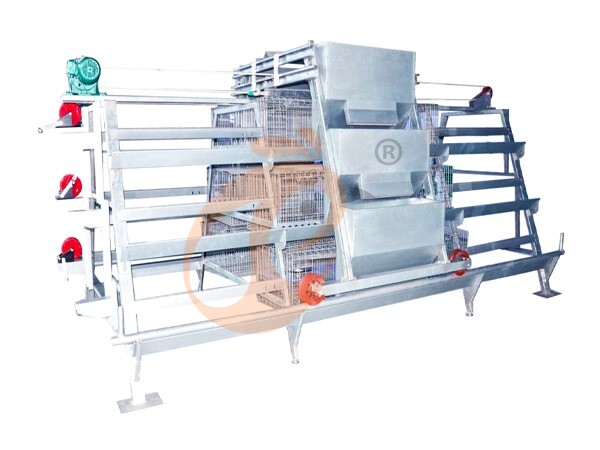
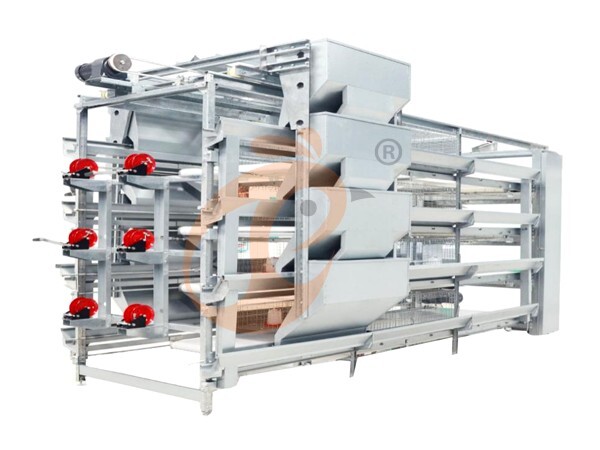
5. Our 24 hour online reception What’sApp NO. is +86 18830120193. >30,000 Broilers Semi-Automatic Harvest H Type Battery Cage1. More than 30,000 broilers a house, choose it.
2. It is designed to rearing 1 to 45 day old adult broiler ready for market.
3. Its lifespan is more than 20 years.
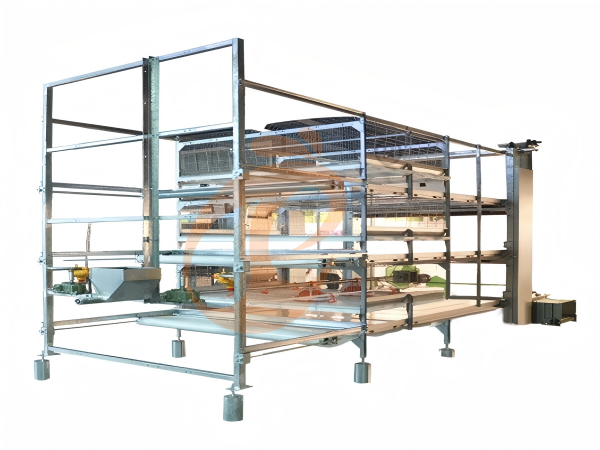
4. Our 24 hour online reception What’sApp NO. is +8618830120193, +234 8111199996. >30,000 Broilers Manual Harvest H Type Battery Cage1. More than 30,000 broilers a house, choose it.
2. It is designed to rearing 1 to 45 day old adult broiler ready for market.
3. Its lifespan is more than 20 years.
4. Its structure are Vcloud artificial intelligent fusion, electric control cabinet, automatic equipment of drinking, feeding and manure clean, manual harvesting.
5. Our 24 hour online reception What’sApp NO. is +8618830120193, +234 8111199996. <30,000 Broilers Manual Harvest A Type Battery Cage1. Less 30,000 broilers a house, choose it.
2. It is designed to rearing 1 to 45 day old adult broiler ready for market.
3. Its lifespan is more than 20 years.
4. Its structure are Vcloud artificial intelligent fusion, electric control cabinet, automatic equipment of drinking, feeding and manure clean, manual harvesting.
5. Our 24 hour online reception What’sApp NO. is +8618830120193, +234 8111199996. HK Headquarter Offers EU-standard Poultry Farm Solutions, Manufacture Poultry Farm Equipment1. Continuous communication with the EU and the US
2. China, Nigeria, Ethiopia, Tanzania branch companies and factories
3. The products’ quality is customized for local poultry farms
4. Poultry cage and poultry farm equipment stock for sale
5. 24 online reception Whatsapp NO. : +8618830120193,contact us to get full information China Branch Offer Poultry Farm Business Plan, Manufacture Poultry Farm Equipment1. Address: Flat/RM 2416, 24/F, Runxing Building, Youyi Nan Street, Shijiazhuang City, Hebei Province, China
2. Poultry cage and poultry farm equipment factory and stock for sale
3. Customized for local poultry farms
4. Quality and design are based on Euro
5. 24 online reception Whatsapp NO. : +8618830120193 Nigeria Branch Offer Poultry Farm Business Plan, Manufacture Poultry Farm Equipment1. Address: After Sinoma Office, 200 Meters Near Danco Filling Station, Lagos/Ibadan Expressway, Lagos State, Nigeria
2. Poultry cage and poultry farm equipment factory and stock for sale
3. Customized for Nigerian poultry farms
4. Quality and design are based on Euro
5. 24 online reception Whatsapp NO. : +8618830120193 Ethiopia Branch Offer Poultry Farm Business Plan, Manufacture Poultry Farm Equipment1. Address: WR93+FQ2, Addis Ababa, Ethiopia
2. Poultry cage and poultry farm equipment stock for sale
3. Customized for Ethiopian poultry farms
4. Quality and design are based on Euro
5. 24 online reception Whatsapp NO. : +8618830120193, contact us to get price list Tanzania Branch Offer Poultry Farm Business Plan, Manufacture Poultry Farm Equipment1. Address: No.8, Sova Road, Msufini, Mlandizi, Kibaha, Pwani, Tanzania
2. Poultry cage and poultry farm equipment factory and stock for sale
3. Customized for Tanzanian poultry farms
4. Quality and design are based on Euro
5. 24 online reception Whatsapp NO. : +8618830120193


Contact
By clicking 'Allow All', you agree to the storage of cookies on your device to enhance site navigation, analyze site usage and assist with our marketing efforts.