


Blog
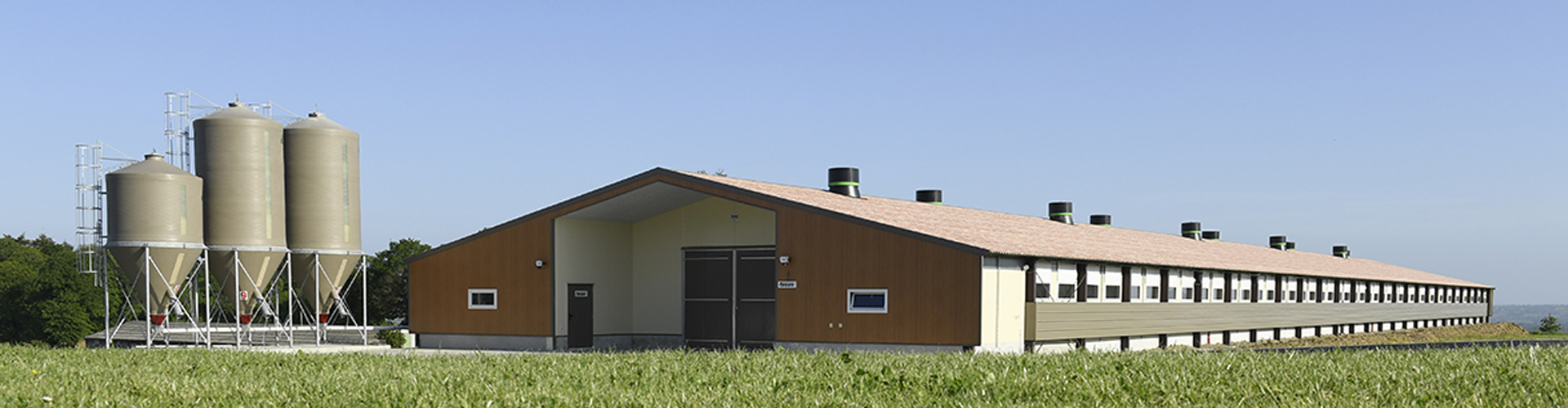
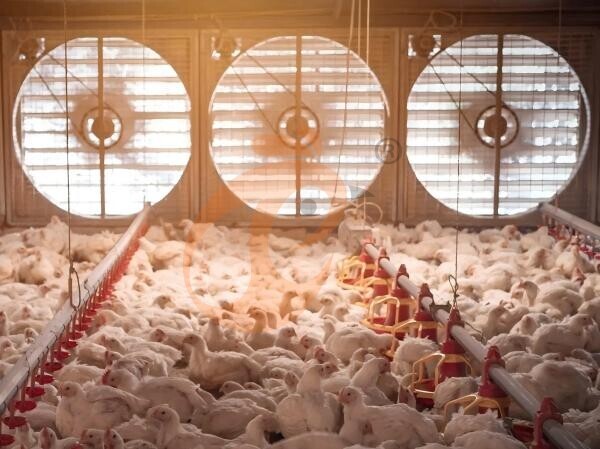
Floor rearing ventilation system engineering regulates airflow, thermal stability, gas dilution, and humidity equilibrium in poultry production buildings.
System performance directly impacts feed conversion ratio, mortality rate, ammonia control efficiency, and flock uniformity index.
Mechanical ventilation integrates exhaust fan pressure control, inlet velocity modulation, and environmental sensor feedback loops.
Air distribution design determines metabolic heat removal efficiency across floor density zones.
Industrial poultry houses require continuous airflow stabilization for production consistency and structural biosecurity control.
Get professional poultry farm construction guidance, equipment selection solutions, and the latest price lists, whatsApp to +8618830120193, click to learn more:
Floor Rearing Ventilation System As Production Infrastructure
A floor rearing ventilation system operates as a precision-controlled air management infrastructure for commercial poultry housing units.
System configuration defines airflow balance, temperature regulation accuracy, and contaminant removal efficiency across production cycles ranging from brooding to finishing stages.
Structural integration of fans, inlets, and controllers determines environmental stability under high-density stocking conditions.
Data is for reference only.Swipe horizontally to view full table.
System stability reduces internal temperature fluctuation to approximately 1.5°C under controlled operating conditions.
Air Exchange Rate Engineering Based On Stocking Density
Air exchange rate calibration is directly correlated with poultry stocking density and metabolic heat generation per bird unit.
A broiler chicken produces approximately 10–12 W heat output at 2.5 kg body weight, requiring progressive ventilation scaling across growth phases.
Floor rearing system ventilation design ensures airflow adaptation from brooding stage to peak biomass load conditions.
Data is for reference only.Swipe horizontally to view full table.
Air exchange capacity increases more than 12 times from day 1 to market weight stage, requiring staged fan activation logic.
Negative Pressure Design Optimization For Floor Systems
Negative pressure ventilation systems maintain controlled airflow direction through regulated exhaust suction and inlet balancing mechanisms.
Pressure differential stabilization ensures uniform air distribution across poultry floor zones while preventing reverse airflow contamination pathways.
This system type is widely adopted in commercial poultry ventilation infrastructure due to predictable airflow geometry.
Data is for reference only.Swipe horizontally to view full table.
Negative pressure stabilization enhances directional airflow precision and reduces internal air stagnation zones.
Gas Accumulation And Poultry Physiological Response Mechanism
Ammonia (NH₃), carbon dioxide (CO₂), and hydrogen sulfide (H₂S) accumulation occurs through litter decomposition under floor rearing conditions.
At 25°C, ammonia emission rates increase significantly under high humidity conditions above 65% relative humidity.
poultry house ventilation system is widely applied in modern livestock engineering design to manage gas dilution efficiency.
Physiological data shows measurable production impact under elevated ammonia exposure.
Respiratory rate stabilizes at 35–45 breaths/min.
Oxygen saturation remains above 93%.
Corticosterone reduction observed at 18–22% under stable airflow.
Airflow regulation directly determines respiratory efficiency and metabolic stress reduction.
Temperature And Humidity Coupling Control Strategy
Thermal and humidity coupling control ensures stable evaporative heat balance across poultry production cycles.
Environmental deviation affects feed efficiency and metabolic energy consumption per kilogram weight gain.
Airflow regulation interacts with moisture evaporation rate to maintain stable microclimate conditions inside floor rearing systems.
Data is for reference only.Swipe horizontally to view full table.
Each 1°C deviation above optimal range reduces feed efficiency by approximately 1.2–1.5%.
Poultry ventilation equipment maintains stable thermal control across all production phases.
Air Distribution Geometry In Floor Rearing Houses
Air distribution geometry defines airflow trajectory uniformity and velocity decay pattern across poultry floor environments.
Inlet spacing, ceiling height, and jet throw distance determine airflow mixing efficiency and dead zone elimination rate.
poultry ventilation equipment supports optimized airflow structural engineering for commercial poultry housing systems.
Data is for reference only.Swipe horizontally to view full table.
Uniform airflow distribution improves flock weight consistency by 6–9%.
Ventilation And Heat Production Balance In Poultry Houses
Full-scale poultry production generates significant metabolic heat load.
A flock of 20,000 broilers produces approximately 180–240 kW thermal energy output during finishing stage.
Without sufficient ventilation, internal temperature can increase by 5–8°C within 90 minutes under sealed conditions.
Poultry farm ventilation system design ensures continuous heat removal and environmental stabilization.
Failure Prevention And System Reliability Design
Ventilation system reliability depends on redundancy design, maintenance scheduling, and sensor calibration accuracy.
Mechanical failure or airflow obstruction directly impacts flock health and production yield stability.
Engineering design integrates emergency response mechanisms to maintain airflow continuity under failure conditions.
Data is for reference only.Swipe horizontally to view full table.
System redundancy reduces operational downtime below 2.5% annually in commercial poultry production facilities.
Energy Optimization In Poultry Ventilation Systems
Energy efficiency optimization reduces operational cost per cubic meter airflow in poultry housing systems.
Variable speed control technology adjusts fan output based on real-time environmental load demand.
poultry house ventilation system integration reduces unnecessary energy consumption while maintaining stable environmental conditions.
Data is for reference only.Swipe horizontally to view full table.
Energy consumption reduction reaches 22–35%.
Sensor Integration And Real-Time Environmental Control
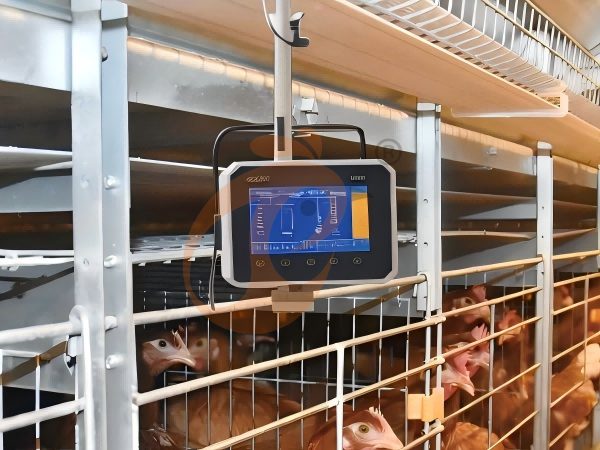
Digital sensor networks provide continuous monitoring of temperature, humidity, ammonia concentration, and CO₂ levels inside poultry housing systems.
Data processing cycles occur every 5–10 seconds, enabling rapid adjustment of ventilation staging and airflow modulation.
poultry ventilation equipment ensures environmental stability through automated feedback control systems.
Data is for reference only.Swipe horizontally to view full table.
Sensor precision directly influences ventilation control stability and flock environmental consistency.
Maintenance Strategy For Long-Term System Stability
Preventive maintenance ensures stable airflow performance across continuous poultry production cycles, especially under high-density floor rearing conditions where ventilation load exceeds 180–240 kW heat removal demand per house.
Fan systems require blade cleaning and belt inspection every 30 days to prevent aerodynamic loss.
Independent field measurements show dust layer thickness of 0.8–1.2 mm increases power consumption by 6–9% without improving airflow output.
Bearing lubrication cycles at 600–800 operating hours reduce mechanical friction and extend fan lifespan beyond 28,000 operational hours.
Sensor recalibration every 90 days ensures control accuracy within ±0.5°C temperature deviation and maintains ammonia monitoring stability below 2 ppm drift.
Proper maintenance directly stabilizes environmental uniformity index above 90% across production cycles.
Frequently Asked Questions
Q1: What is the ideal airflow speed for floor rearing ventilation systems?
Recommended inlet airflow speed generally remains between 2.3–3.8 m/s to maintain oxygen distribution efficiency and prevent bird heat stress during high-density production cycles.
Q2: Why is negative pressure important in poultry house ventilation systems?
Negative pressure stabilizes airflow direction, improves ammonia removal efficiency, and prevents uneven air circulation inside floor rearing houses.
Q3: How often should poultry ventilation equipment receive maintenance service?
Commercial ventilation systems normally require inspection every 30–90 days to maintain airflow accuracy, fan efficiency, and environmental control stability.
Taiyu (HK) Group - One Of China Biggest Floor Rearing System Manufacturer
Floor rearing system ventilation system engineered for commercial poultry house airflow control applications worldwide.
Global factory direct supply supporting poultry equipment production and integrated ventilation engineering solutions.
Turn-key poultry house ventilation system projects covering design, manufacturing, and installation services.
Poultry cage and poultry equipment manufacturing lines supporting automated livestock production infrastructure systems.
Industrial grade ventilation system exporter delivering standardized poultry housing environmental control technology worldwide.
Contact Us To Received Your Customized Poultry Farm Plan
Headquarters And Branchs
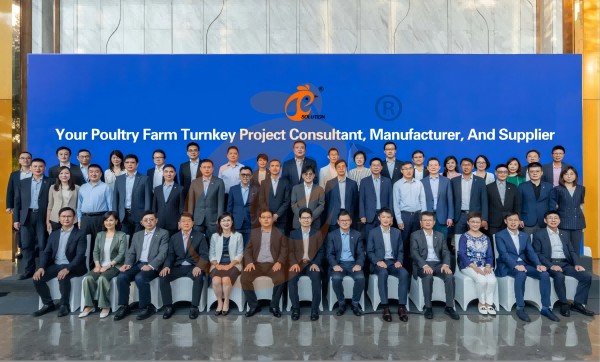
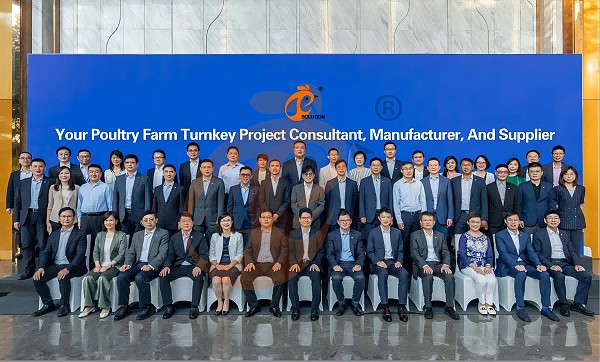
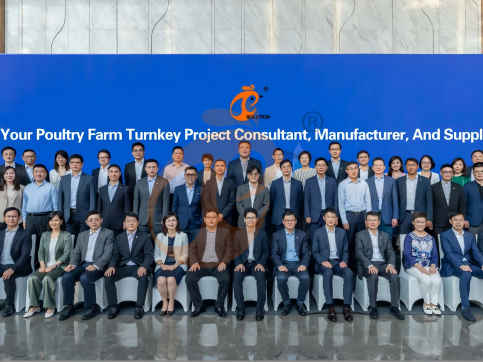
Hong Kong Headquarter Management Team
Hong Kong Headquarter Taiyu Industrial Group CO., LTD
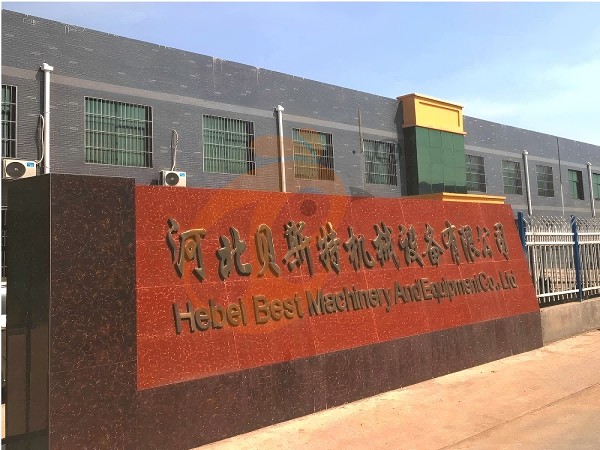
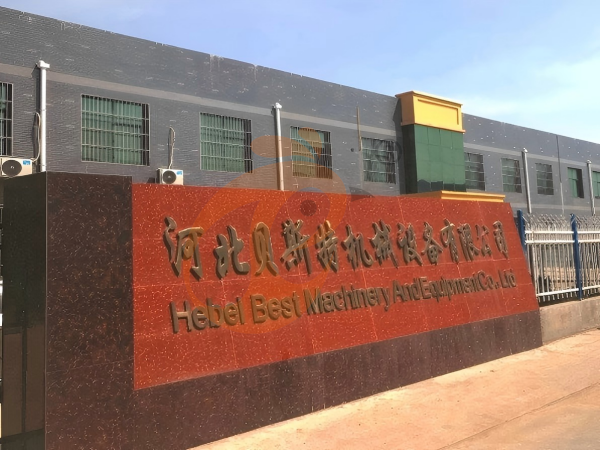
China Hebei Best Machinery And Equipment CO., LTD
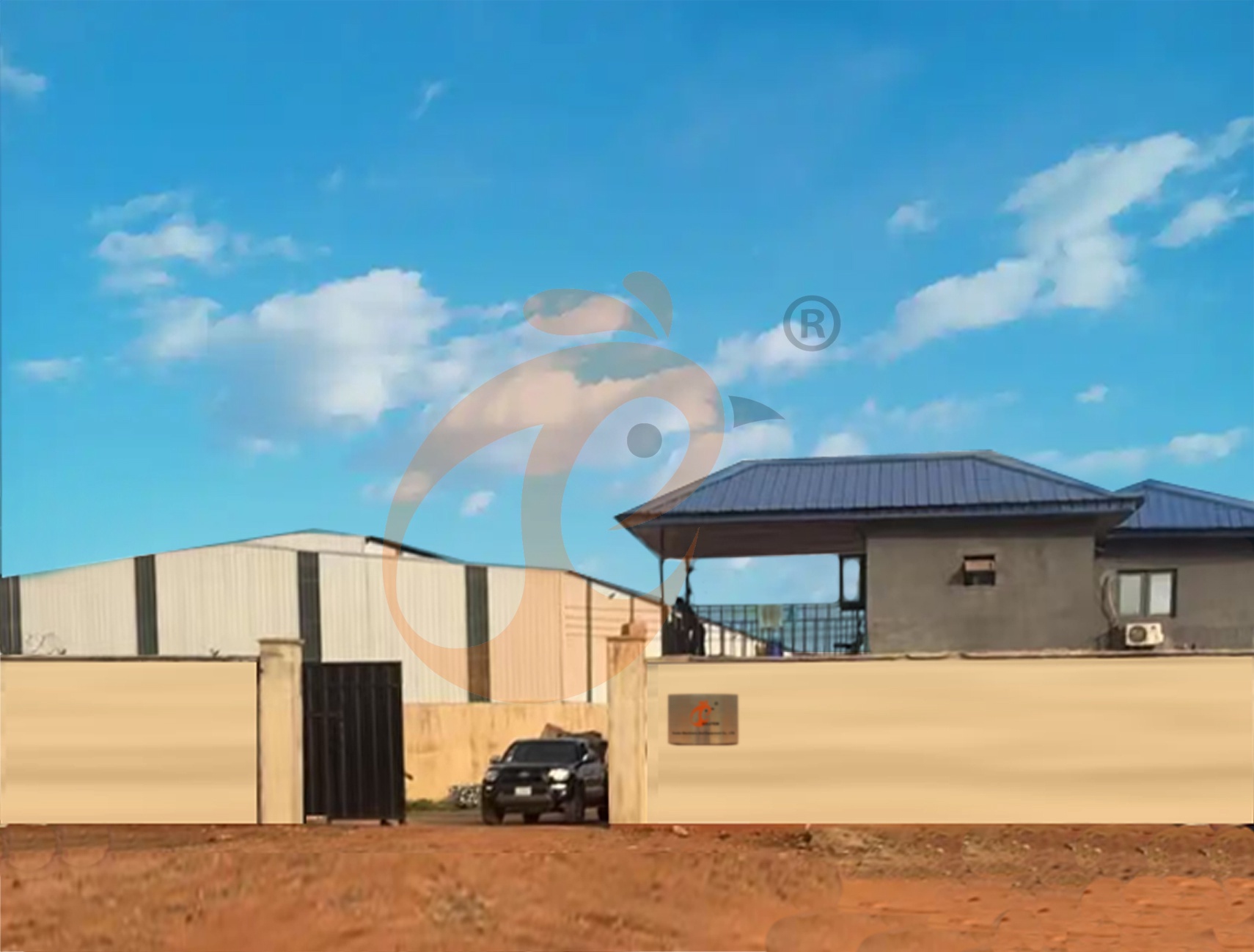
Nigeria Vanke Machinery And Equipment CO., LTD
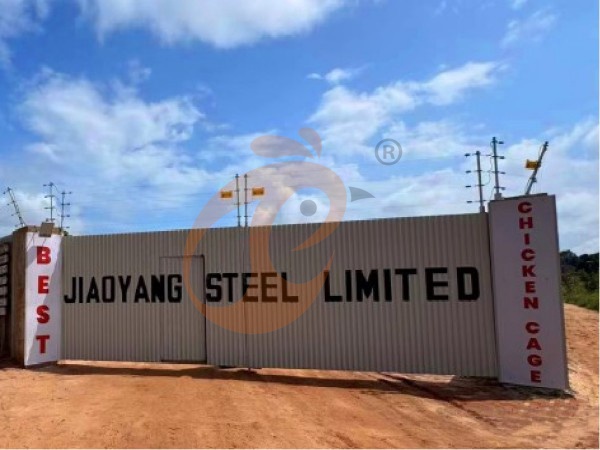
Tanzania Best Machinery And Equipment CO., LTD
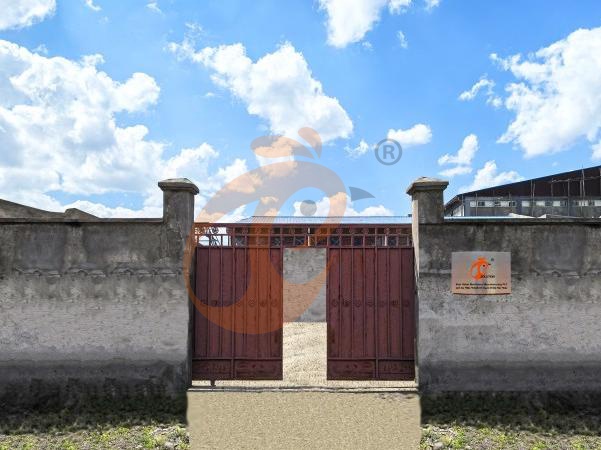
Ethiopia Best Hebei Machinery Manufacturing PLC
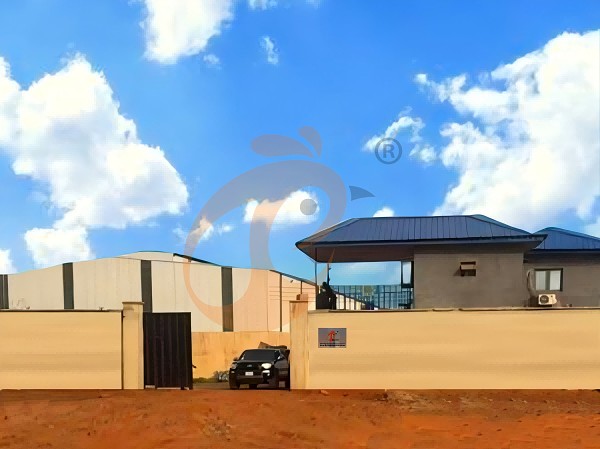
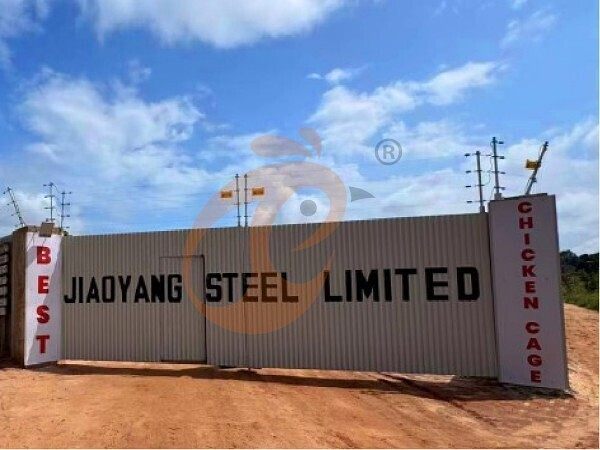
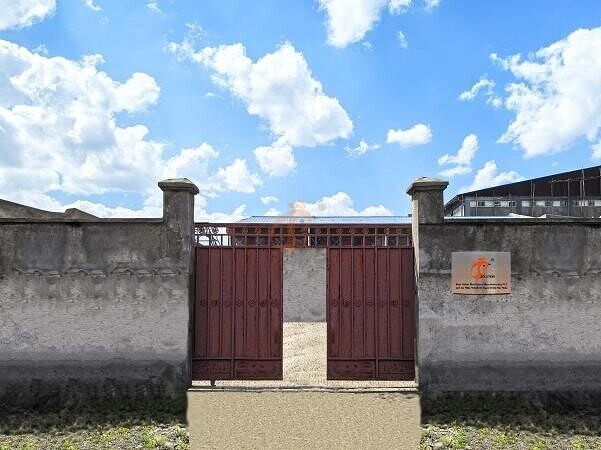
Reception /24 WhatsApp NO. : +8618830120193
FAQ
What Ventilation Requirements Are Needed In Floor Rearing Poultry System For Poultry Chicken Farms?
Tunnel airflow velocity ranges from 1.8–2.5 m/s for heat stress reduction.
Static pressure levels are controlled at 18–28 Pa for uniform air distribution.
What Litter Management Standards Are Used In Floor Rearing Poultry System For Poultry Chicken Production?
Moisture content is controlled below 25% to prevent ammonia buildup.
Replacement cycle occurs every 35–45 days depending on flock density.
What Feeding System Configuration Is Used In Floor Rearing Poultry System For Poultry Chicken Farms?
Feed distribution speed ranges from 12–18 meters per minute in automated lines.
Feed trough height is adjusted between 5–10 cm for chick accessibility.
- poultry farm
- poultry house
- poultry cage
- cage
- poultry farm equipment
- poultry farm construction
- poultry farm ventilation
- poultry house ventilation
- poultry housing system
- poultry house ventilation system
- poultry equipment
- chickencage
- bestchickencage
- Nigeria
- poultry farm ventilation system
- poultry ventilation system
- poultry ventilation equipment
- poultry housing systems
- poultry house ventilation system project
- poultry farm plan
- poultry farm ventilation system design
- Ethiopia
Message
Products recommended
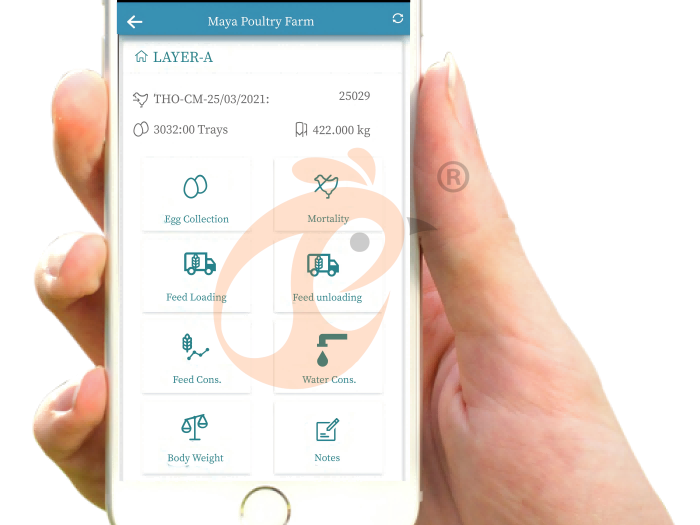
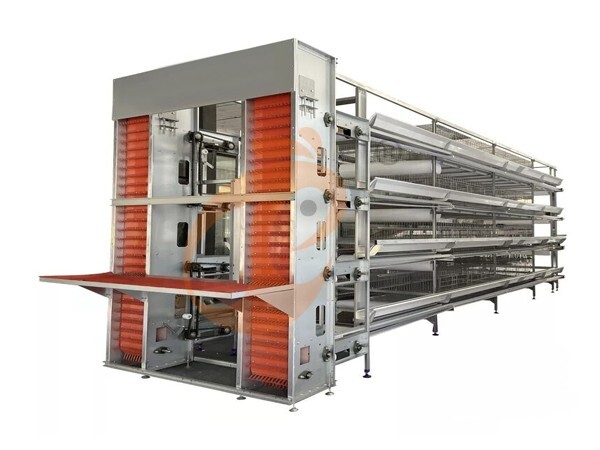
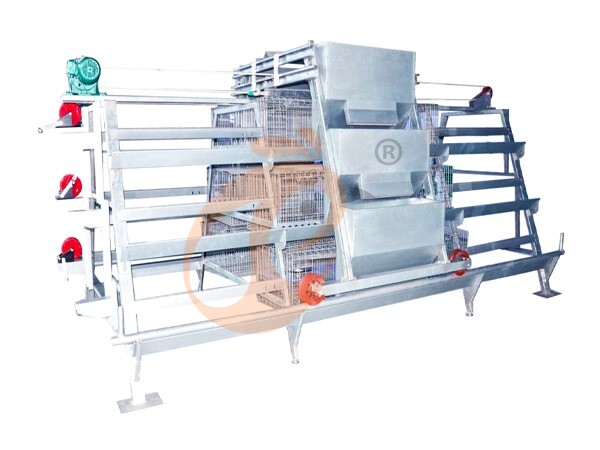
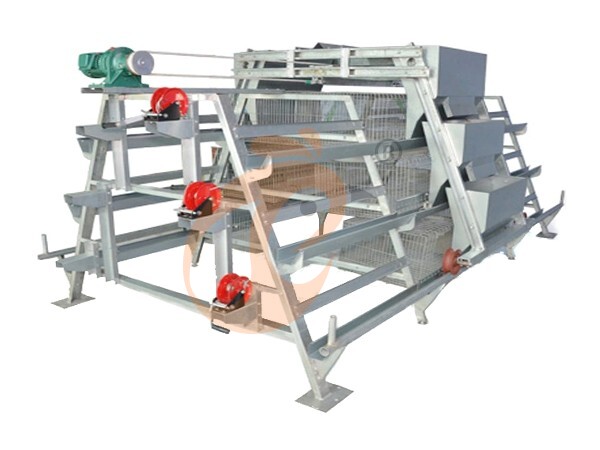
 >30,000 Pullets Automatic H Type Battery Cage1. More than 30,000 pullets a house, choose it.
2. It is designed to rearing older than 1 day old pullets to 12 to 16 weeks old chicken starting laying eggs.
3. Its lifespan is more than 25 years.
4. Its structure are Vcloud artificial intelligent fusion, electric control cabinet, automatic equipment of drinking, feeding, manure clean, manual harvesting.
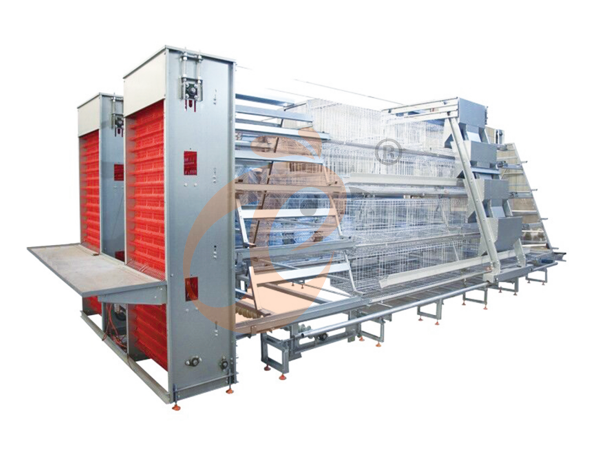
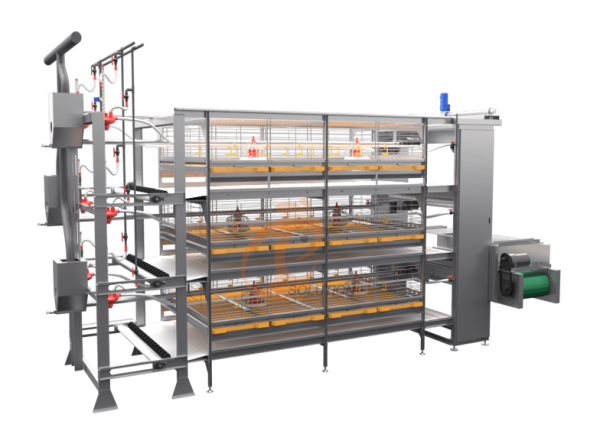
5. Our 24 hour online reception What’sApp NO. is +8618830120193 <30,000 Pullets Automatic A Type Battery Cage1. 10,000 to 30,000 pullets a house, choose it.
2. It is designed to rearing older than 1 day old pullets to 12 to 16 weeks old chicken starting laying eggs.
3. Its lifespan is more than 25 years.
4. Its structure are Vcloud artificial intelligent fusion, electric control cabinet, automatic equipment of drinking, feeding, manure clean, manual harvesting.
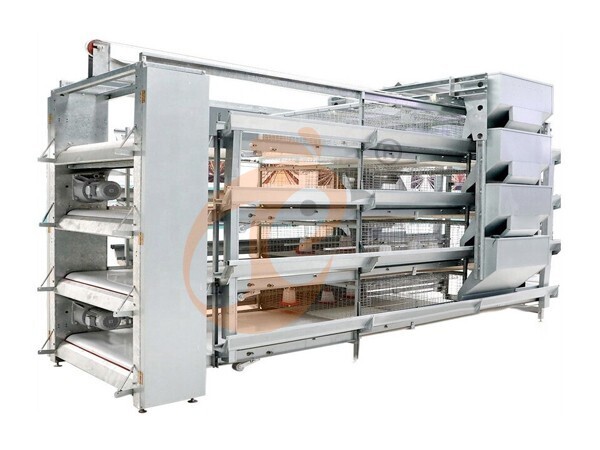
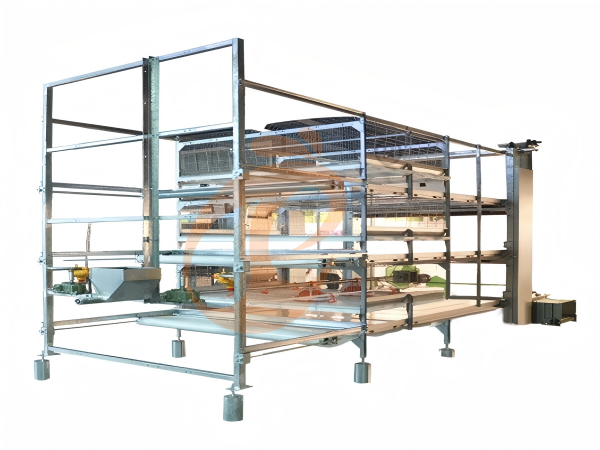
5. Our 24 hour online reception What’sApp NO. is +86 18830120193. >30,000 Broilers Semi-Automatic Harvest H Type Battery Cage1. More than 30,000 broilers a house, choose it.
2. It is designed to rearing 1 to 45 day old adult broiler ready for market.
3. Its lifespan is more than 20 years.
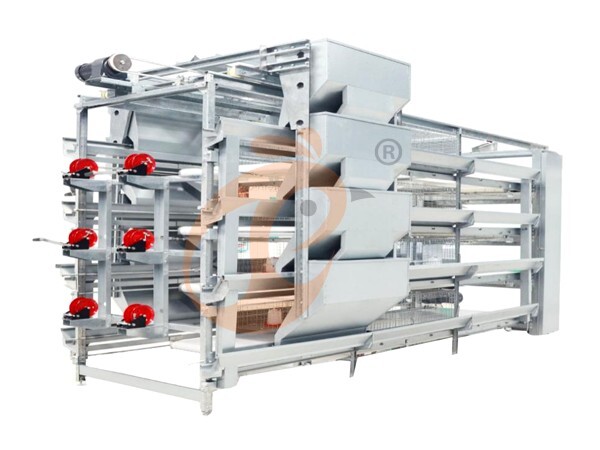
4. Our 24 hour online reception What’sApp NO. is +8618830120193, +234 8111199996. >30,000 Broilers Manual Harvest H Type Battery Cage1. More than 30,000 broilers a house, choose it.
2. It is designed to rearing 1 to 45 day old adult broiler ready for market.
3. Its lifespan is more than 20 years.
4. Its structure are Vcloud artificial intelligent fusion, electric control cabinet, automatic equipment of drinking, feeding and manure clean, manual harvesting.
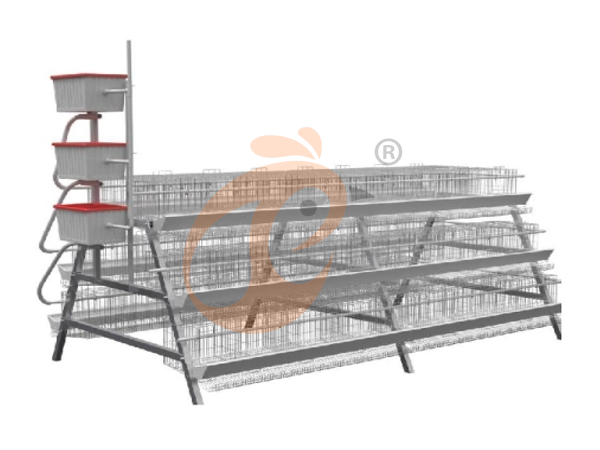
5. Our 24 hour online reception What’sApp NO. is +8618830120193, +234 8111199996. <30,000 Broilers Manual Harvest A Type Battery Cage1. Less 30,000 broilers a house, choose it.
2. It is designed to rearing 1 to 45 day old adult broiler ready for market.
3. Its lifespan is more than 20 years.
4. Its structure are Vcloud artificial intelligent fusion, electric control cabinet, automatic equipment of drinking, feeding and manure clean, manual harvesting.
5. Our 24 hour online reception What’sApp NO. is +8618830120193, +234 8111199996. HK Headquarter Offers EU-standard Poultry Farm Solutions, Manufacture Poultry Farm Equipment1. Continuous communication with the EU and the US
2. China, Nigeria, Ethiopia, Tanzania branch companies and factories
3. The products’ quality is customized for local poultry farms
4. Poultry cage and poultry farm equipment stock for sale
5. 24 online reception Whatsapp NO. : +8618830120193,contact us to get full information China Branch Offer Poultry Farm Business Plan, Manufacture Poultry Farm Equipment1. Address: Flat/RM 2416, 24/F, Runxing Building, Youyi Nan Street, Shijiazhuang City, Hebei Province, China
2. Poultry cage and poultry farm equipment factory and stock for sale
3. Customized for local poultry farms
4. Quality and design are based on Euro
5. 24 online reception Whatsapp NO. : +8618830120193 Nigeria Branch Offer Poultry Farm Business Plan, Manufacture Poultry Farm Equipment1. Address: After Sinoma Office, 200 Meters Near Danco Filling Station, Lagos/Ibadan Expressway, Lagos State, Nigeria
2. Poultry cage and poultry farm equipment factory and stock for sale
3. Customized for Nigerian poultry farms
4. Quality and design are based on Euro
5. 24 online reception Whatsapp NO. : +8618830120193 Ethiopia Branch Offer Poultry Farm Business Plan, Manufacture Poultry Farm Equipment1. Address: WR93+FQ2, Addis Ababa, Ethiopia
2. Poultry cage and poultry farm equipment stock for sale
3. Customized for Ethiopian poultry farms
4. Quality and design are based on Euro
5. 24 online reception Whatsapp NO. : +8618830120193, contact us to get price list Tanzania Branch Offer Poultry Farm Business Plan, Manufacture Poultry Farm Equipment1. Address: No.8, Sova Road, Msufini, Mlandizi, Kibaha, Pwani, Tanzania
2. Poultry cage and poultry farm equipment factory and stock for sale
3. Customized for Tanzanian poultry farms
4. Quality and design are based on Euro
5. 24 online reception Whatsapp NO. : +8618830120193



Contact
By clicking 'Allow All', you agree to the storage of cookies on your device to enhance site navigation, analyze site usage and assist with our marketing efforts.