


Blog
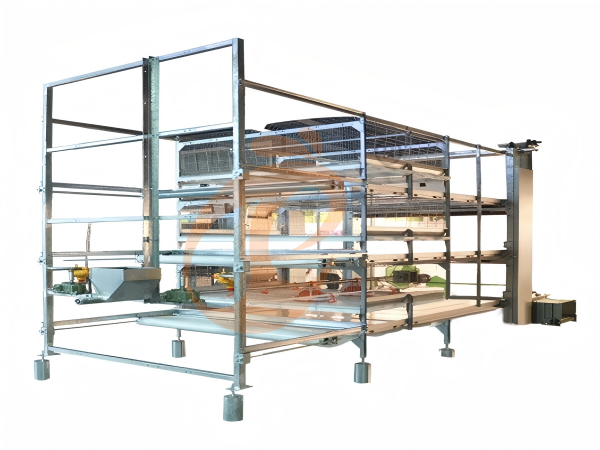
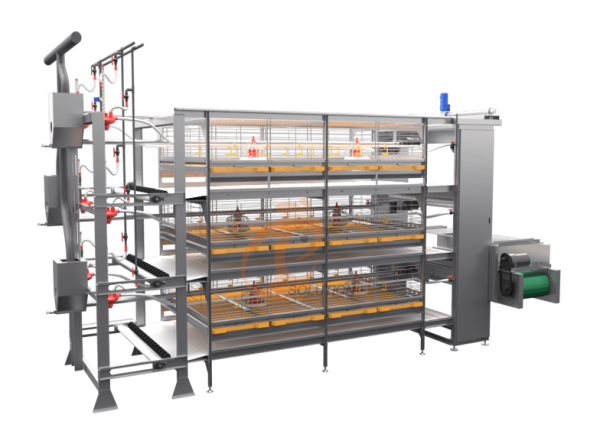
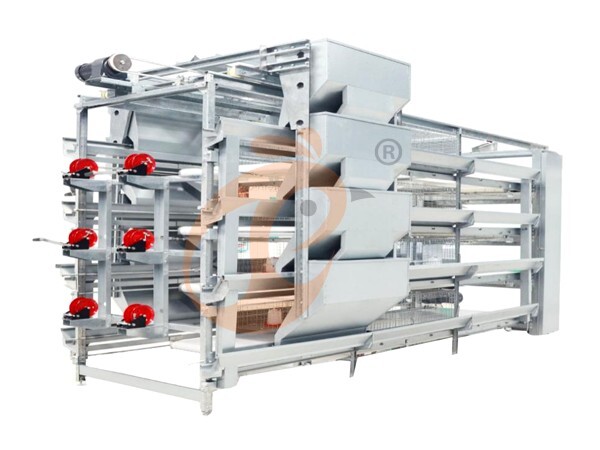
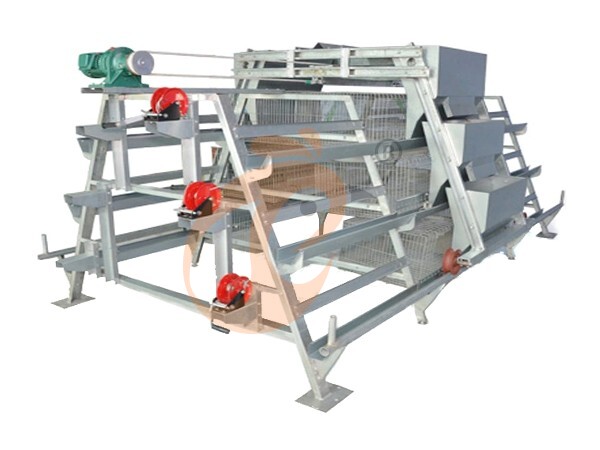
Poultry cage price per set analysis covers four structural configurations including A type, semi automatic H type, fully automatic H type, and industrial battery cage systems.
Investment evaluation integrates steel weight distribution, galvanized coating performance, and mechanical load capacity per bird housing unit.
Automation level determines feeding efficiency, manure discharge stability, and egg collection synchronization across commercial poultry farms.
Capacity design ranges from small scale 120 bird modules to industrial systems exceeding 60000 birds per set structure.
Engineering comparison highlights cost variation driven by material strength, spatial utilization ratio, and production system integration depth.
Get professional poultry farm construction guidance, equipment selection solutions, and the latest price lists, whatsApp to +8618830120193, click to learn more:
Market Overview
Investment evaluation for poultry cage systems requires a full comparison of structural steel consumption, automation depth, and designed stocking density across different farm scales.
Data is for reference only.Swipe horizontally to view full table.
Global poultry production systems define investment structure based on layer cage system price per set, poultry farming equipment cost, and battery cage system capacity planning.
A Type Manual Cage System Technical Configuration
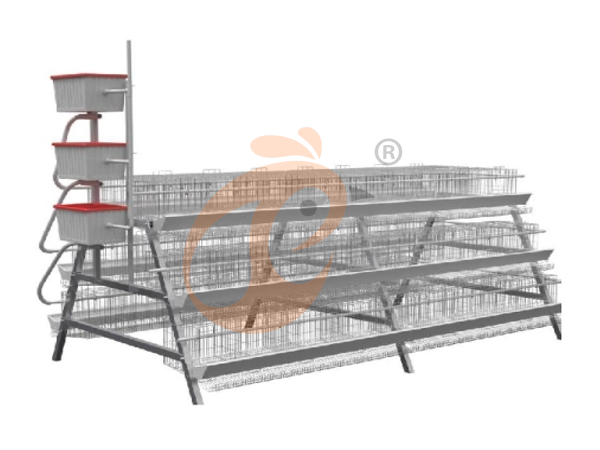
A type cage systems are designed for low complexity poultry environments where structural simplicity and basic feeding architecture dominate engineering selection.
Data is for reference only.Swipe horizontally to view full table.
A type systems operate with minimal mechanical components, making structural load distribution and corrosion resistance the primary design considerations in small poultry installations.
Semi Automatic H Type Cage System Engineering Data
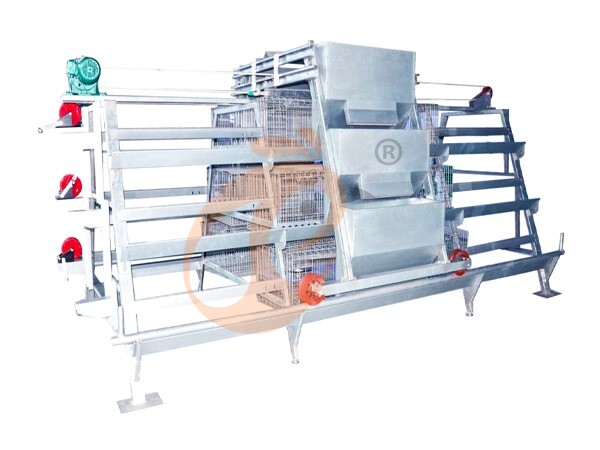
Semi automatic H type systems introduce controlled mechanical feed delivery and partial automation integration for medium density poultry production environments.
Data is for reference only.Swipe horizontally to view full table.
Mid scale poultry operations rely on semi automatic systems to stabilize feed distribution uniformity while reducing manual workload variability across production cycles.
Fully Automatic H Type Cage System Performance Model
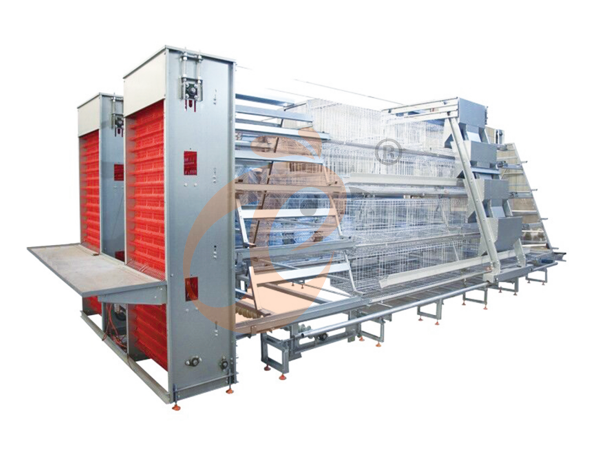
Fully automatic H type cage systems are engineered for continuous production environments requiring synchronized feeding, egg collection, and manure discharge operations.
Data is for reference only.Swipe horizontally to view full table.
Large scale egg production facilities depend on fully automated cage systems to maintain stable production cycles with reduced human intervention and optimized feed conversion consistency.
Industrial Battery Cage System Structural Capacity
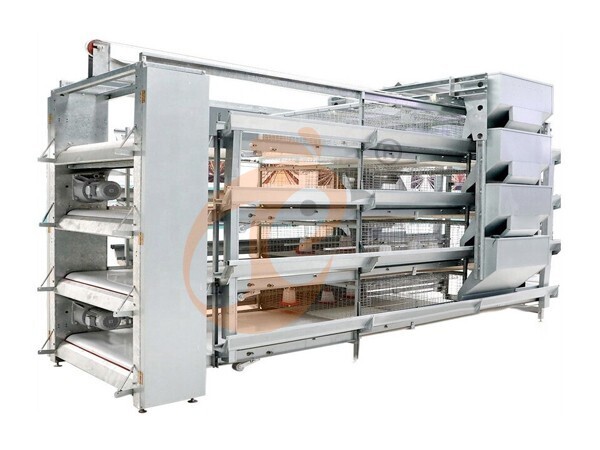
Battery cage systems are developed for intensive poultry production layouts where vertical expansion and land utilization efficiency
determine project scalability.
Data is for reference only.Swipe horizontally to view full table.
High density poultry facilities require battery cage systems to achieve vertical production stacking while maintaining airflow stability and waste removal efficiency.
Poultry Engineering Science And System Efficiency
Poultry housing engineering is defined by material performance standards, environmental gas control thresholds, and structural load optimization per bird unit.
Data is for reference only.Swipe horizontally to view full table.
Structural durability and environmental stability directly influence long term productivity efficiency and flock health outcomes in cage-based poultry systems.
Investment Efficiency And Operational Output
Production efficiency across cage systems is measured through labor utilization ratio, egg output density, and capital recovery cycle.
Data is for reference only.Swipe horizontally to view full table.
Investment efficiency improves significantly when automation level aligns with flock scale and facility management capacity.
Installation Space And Facility Design Parameters
Facility design requirements vary based on cage system density, airflow demand, and vertical structural load distribution across poultry housing units.
Data is for reference only.Swipe horizontally to view full table.
Spatial efficiency increases progressively with system automation and vertical cage engineering depth.
Hidden Operational Cost Structure
Operational expenditure in poultry cage systems includes energy consumption, replacement cycles, labor input, and sanitation management requirements.
Data is for reference only.Swipe horizontally to view full table.
Long term profitability depends on controlling recurring operational costs rather than only initial cage investment value.
Practical Investment Planning Insight For Poultry Cage Systems
A scientifically structured poultry investment should evaluate long-term asset efficiency rather than only initial cage pricing.
Modern farm design often benchmarks feed conversion ratio between 1.85–2.10 kg feed per kg egg mass output and aims to maintain mortality rates below 4% annually under controlled cage environments.
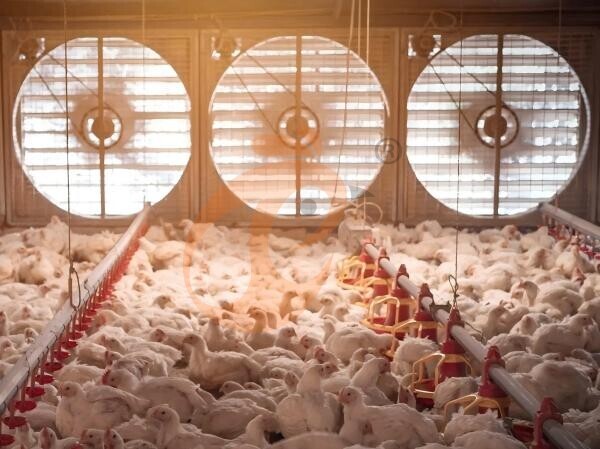
Ventilation design typically requires air exchange frequency of 6–10 cycles per hour in enclosed poultry houses to stabilize ammonia dispersion and thermal comfort.
Electrical load planning for automated systems generally ranges from 0.18–0.35 kWh per bird per year, depending on equipment density and control integration.
When these parameters align with cage configuration selection, overall production stability and capital recovery efficiency improve significantly across full production cycles.
Frequently Asked Questions
Q1: What determines poultry cage price per set in commercial farming systems?
Poultry cage price per set is determined by steel weight per structure, automation modules installed, bird density design, and galvanized coating thickness affecting durability cycles.
Q2: Why do different cage systems show large price variation?
Price variation results from differences in tier height, feeding system integration, manure handling technology, and ventilation compatibility across different production scales.
Q3: Is higher automation always more cost effective in poultry farming?
Higher automation improves labor efficiency and output stability, but cost effectiveness depends on flock size alignment and long term production scale planning.
Taiyu (HK) Group - One Of China Toppest Poultry Cage System Manufacturer
Poultry cage price per set precision engineered for industrial layer cage system and commercial poultry farming equipment integration
Global factory direct supply poultry cage system solutions covering battery cage system and automated poultry equipment projects
Turn-key poultry farm engineering service delivering complete poultry housing system design and installation support worldwide
High capacity layer cage system manufacturing for industrial poultry production facilities with standardized export quality control
- Advanced poultry cage system exporter providing full automation integration and large scale farm implementation services
Contact Us To Received Your Customized Poultry Farm Plan
Headquarters And Branchs

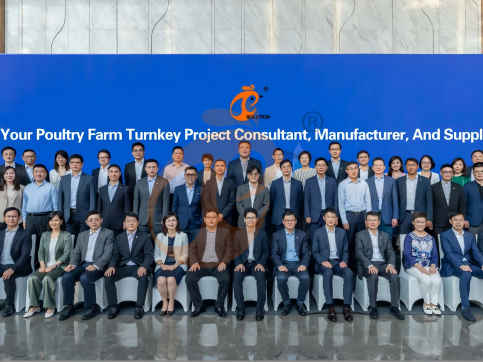
Hong Kong Headquarter Management Team
Hong Kong Headquarter Taiyu Industrial Group CO., LTD
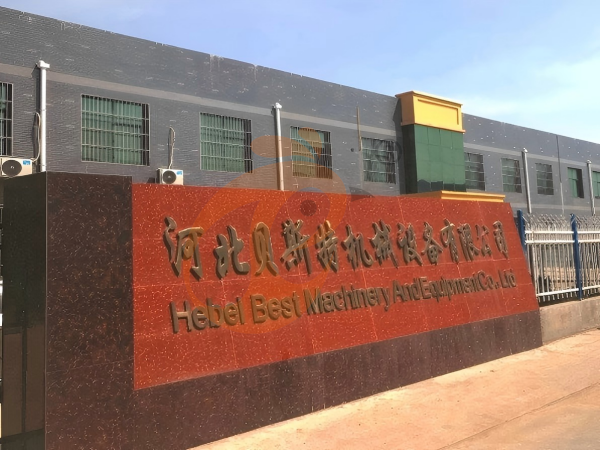
China Hebei Best Machinery And Equipment CO., LTD
Nigeria Vanke Machinery And Equipment CO., LTD
Tanzania Best Machinery And Equipment CO., LTD
Ethiopia Best Hebei Machinery Manufacturing PLC




Reception /24 WhatsApp NO. : +8618830120193
FAQ
How To Choose The Ultimate Layer Cage System For Multi-Tier Farms?
Install automatic feeding, drinking, egg collection, and manure cleaning systems to boost egg production to 90–98%.
Optimized ventilation and temperature/humidity control reduce mortality to 2–3%.
What Are The Professional Guidelines For Optimizing Feed Storage And Usage In Chicken Cage Farms?
Use automatic feeders to allocate feed as needed, reducing waste by 5–10%.
Regularly monitor feed consumption per tier; FCR 1.9–2.1, egg production 90–98%.
What Are The Professional Guidelines For Reducing Labor Costs Using Automation In Chicken Cage Farms?
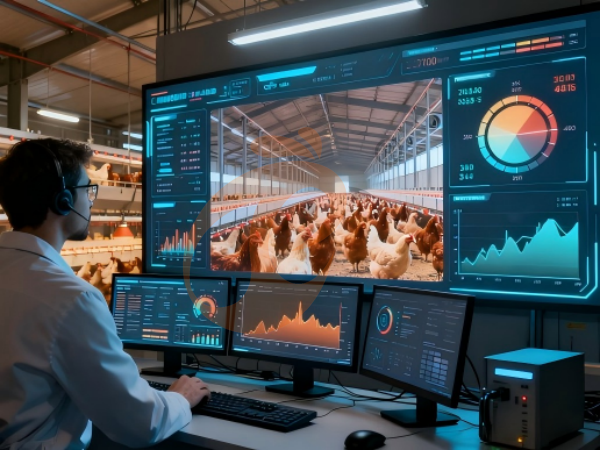
Use real-time monitoring systems to manage flock health and egg production.
ROI can be shortened to 24–36 months, improving overall profitability.
- battery cage
- battery cage system
- poultry farm
- poultry farms
- layer cage
- poultry house
- poultry cage
- cage
- poultry farm construction
- layer cage system
- poultry cage system
- poultry cage price
- poultry farming equipment
- poultry cage system manufacturer
- poultry cage system exporter
- poultry housing system
- poultry equipment
- chickencage
- h type cage
- bestchickencage
- cage system
- h type
- cage systems
- h cage
- Nigeria
- poultry farming equipment cost
- industrial battery cage
- commercial poultry farms
- poultry farming
- automated poultry equipment
- high capacity layer cage
- poultry cage systems
- poultry farm plan
- high capacity layer cage system
- Ethiopia
Message
Products recommended
 >30,000 Pullets Automatic H Type Battery Cage1. More than 30,000 pullets a house, choose it.
2. It is designed to rearing older than 1 day old pullets to 12 to 16 weeks old chicken starting laying eggs.
3. Its lifespan is more than 25 years.
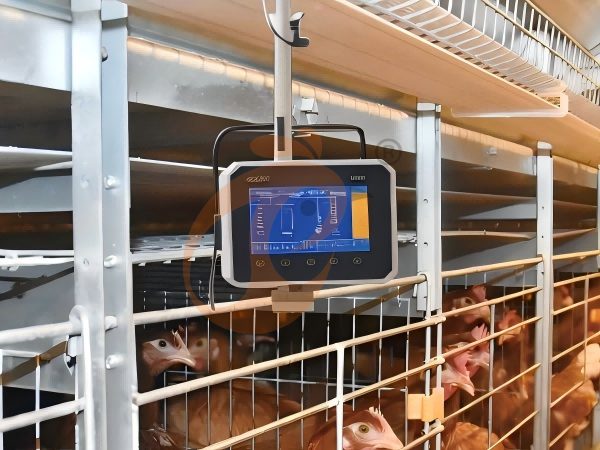
4. Its structure are Vcloud artificial intelligent fusion, electric control cabinet, automatic equipment of drinking, feeding, manure clean, manual harvesting.
5. Our 24 hour online reception What’sApp NO. is +8618830120193 <30,000 Pullets Automatic A Type Battery Cage1. 10,000 to 30,000 pullets a house, choose it.
2. It is designed to rearing older than 1 day old pullets to 12 to 16 weeks old chicken starting laying eggs.
3. Its lifespan is more than 25 years.
4. Its structure are Vcloud artificial intelligent fusion, electric control cabinet, automatic equipment of drinking, feeding, manure clean, manual harvesting.
5. Our 24 hour online reception What’sApp NO. is +86 18830120193. >30,000 Broilers Semi-Automatic Harvest H Type Battery Cage1. More than 30,000 broilers a house, choose it.
2. It is designed to rearing 1 to 45 day old adult broiler ready for market.
3. Its lifespan is more than 20 years.
4. Our 24 hour online reception What’sApp NO. is +8618830120193, +234 8111199996. >30,000 Broilers Manual Harvest H Type Battery Cage1. More than 30,000 broilers a house, choose it.
2. It is designed to rearing 1 to 45 day old adult broiler ready for market.
3. Its lifespan is more than 20 years.
4. Its structure are Vcloud artificial intelligent fusion, electric control cabinet, automatic equipment of drinking, feeding and manure clean, manual harvesting.
5. Our 24 hour online reception What’sApp NO. is +8618830120193, +234 8111199996. <30,000 Broilers Manual Harvest A Type Battery Cage1. Less 30,000 broilers a house, choose it.
2. It is designed to rearing 1 to 45 day old adult broiler ready for market.
3. Its lifespan is more than 20 years.
4. Its structure are Vcloud artificial intelligent fusion, electric control cabinet, automatic equipment of drinking, feeding and manure clean, manual harvesting.
5. Our 24 hour online reception What’sApp NO. is +8618830120193, +234 8111199996. HK Headquarter Offers EU-standard Poultry Farm Solutions, Manufacture Poultry Farm Equipment1. Continuous communication with the EU and the US
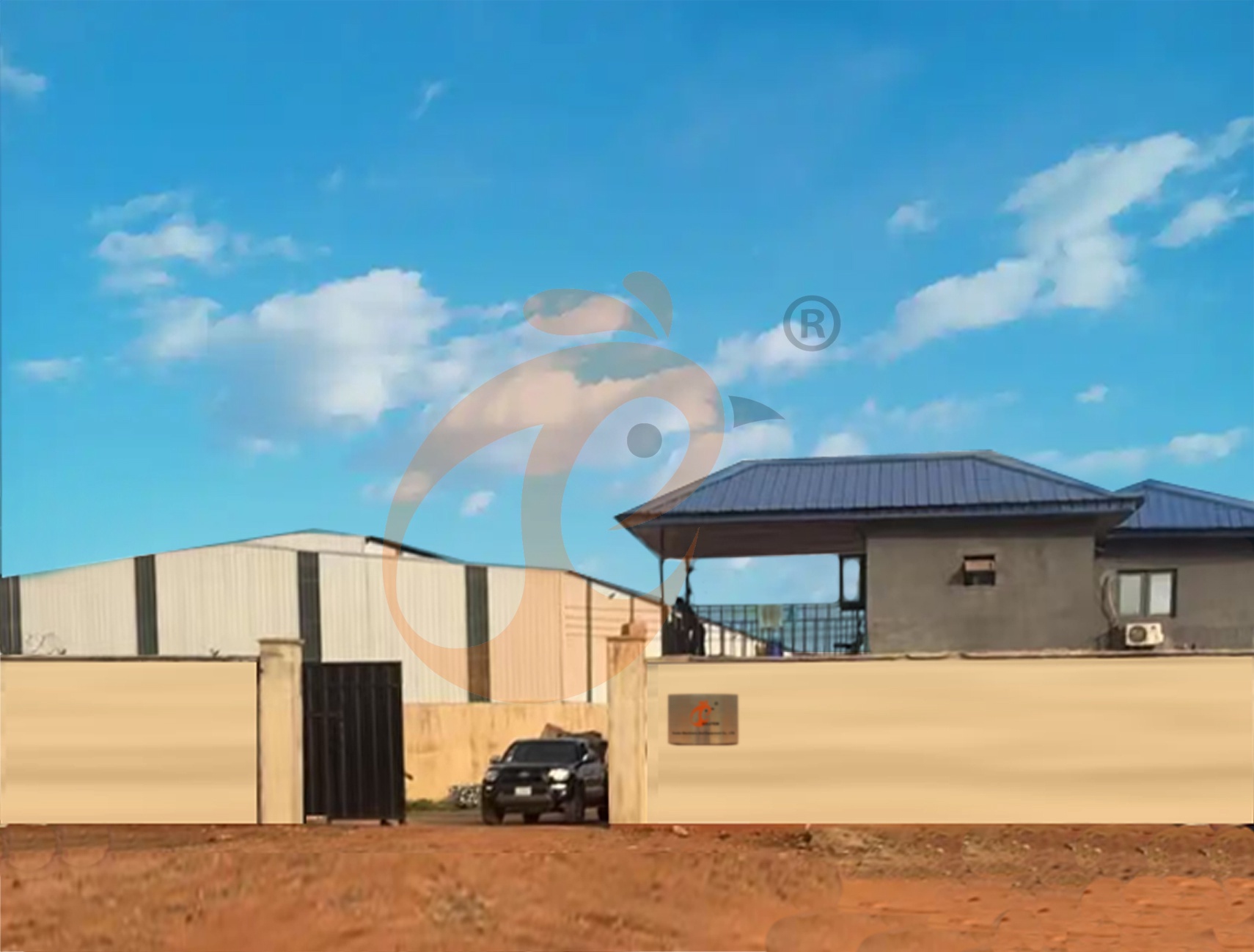
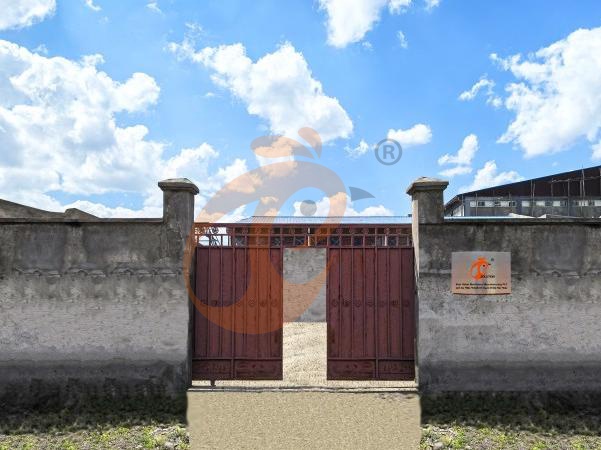
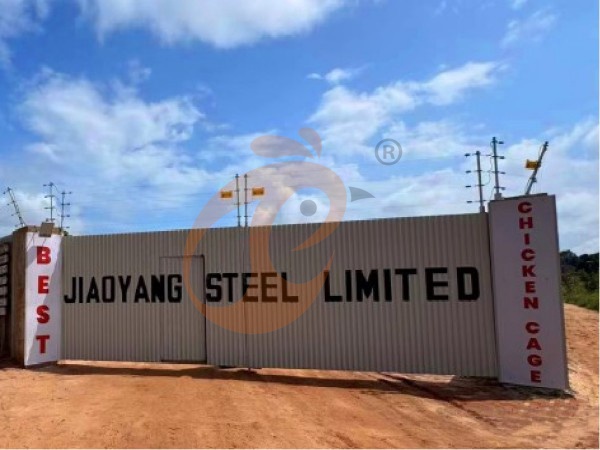
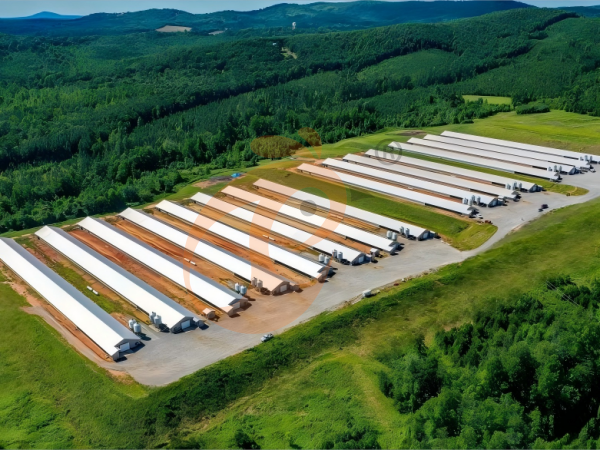
2. China, Nigeria, Ethiopia, Tanzania branch companies and factories
3. The products’ quality is customized for local poultry farms
4. Poultry cage and poultry farm equipment stock for sale
5. 24 online reception Whatsapp NO. : +8618830120193,contact us to get full information China Branch Offer Poultry Farm Business Plan, Manufacture Poultry Farm Equipment1. Address: Flat/RM 2416, 24/F, Runxing Building, Youyi Nan Street, Shijiazhuang City, Hebei Province, China
2. Poultry cage and poultry farm equipment factory and stock for sale
3. Customized for local poultry farms
4. Quality and design are based on Euro
5. 24 online reception Whatsapp NO. : +8618830120193 Nigeria Branch Offer Poultry Farm Business Plan, Manufacture Poultry Farm Equipment1. Address: After Sinoma Office, 200 Meters Near Danco Filling Station, Lagos/Ibadan Expressway, Lagos State, Nigeria
2. Poultry cage and poultry farm equipment factory and stock for sale
3. Customized for Nigerian poultry farms
4. Quality and design are based on Euro
5. 24 online reception Whatsapp NO. : +8618830120193 Ethiopia Branch Offer Poultry Farm Business Plan, Manufacture Poultry Farm Equipment1. Address: WR93+FQ2, Addis Ababa, Ethiopia
2. Poultry cage and poultry farm equipment stock for sale
3. Customized for Ethiopian poultry farms
4. Quality and design are based on Euro
5. 24 online reception Whatsapp NO. : +8618830120193, contact us to get price list Tanzania Branch Offer Poultry Farm Business Plan, Manufacture Poultry Farm Equipment1. Address: No.8, Sova Road, Msufini, Mlandizi, Kibaha, Pwani, Tanzania
2. Poultry cage and poultry farm equipment factory and stock for sale
3. Customized for Tanzanian poultry farms
4. Quality and design are based on Euro
5. 24 online reception Whatsapp NO. : +8618830120193


Contact
By clicking 'Allow All', you agree to the storage of cookies on your device to enhance site navigation, analyze site usage and assist with our marketing efforts.