


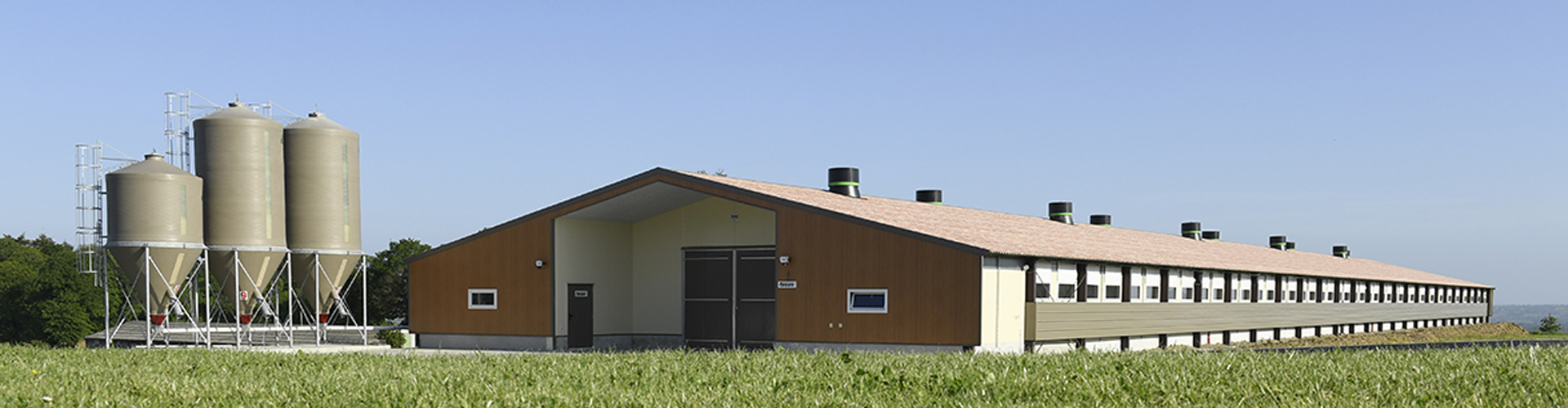
Blog
Commercial poultry feed mill operation determines feed conversion stability, pellet durability, nutrient consistency, and long-term poultry farm profitability.
Advanced poultry feed manufacturing systems improve broiler growth performance, reduce feed waste ratio, and stabilize automated poultry feeding efficiency.
Modern animal feed processing equipment integrates grinding precision, steam conditioning control, intelligent batching, and pellet quality optimization technologies.
Industrial poultry feed production management requires accurate moisture monitoring, preventive equipment maintenance, and energy-efficient feed processing coordination.
Commercial feed mill engineering solutions support large-scale poultry farming systems through stable nutritional delivery and controlled feed manufacturing performance.
Get professional poultry farm construction guidance, equipment selection solutions, and the latest price lists, whatsApp to +8618830120193, click to learn more:
Raw Material Quality Control For Poultry Feed Production
Feed quality stability begins with ingredient inspection before production starts.
Corn with excessive moisture content increases microbial activity during silo storage.
Soybean meal with unstable crude protein percentage reduces broiler growth consistency and worsens FCR performance.
Commercial poultry feed manufacturing systems therefore inspect moisture percentage, protein concentration, contamination level, and
storage temperature before unloading materials into feed silos.
Data is for reference only.Swipe horizontally to view full table.
A commercial poultry farm producing 18,000 tons of poultry feed annually may lose feed value exceeding $18,500 because of excessive ingredient moisture and storage contamination.
European union standard reference only.
Modern poultry feed processing plants install automated moisture analyzers and intelligent ventilation systems to stabilize ingredient quality throughout storage cycles.
Moisture Management Inside Poultry Feed Storage Systems
Moisture control remains one of the most important operational indicators in poultry feed production engineering.
Feed moisture above 14% rapidly increases mold development probability inside bulk feed storage systems.
Warehouse temperature above 28°C combined with environmental humidity above 70% accelerates fungal contamination and mycotoxin generation.
Mycotoxin-contaminated poultry feed may reduce broiler weight gain by 7%–12% and increase mortality ratio by 3%–5% in intensive poultry farming systems.
Data is for reference only.Swipe horizontally to view full table.
Large-scale poultry farming operations therefore continuously monitor feed moisture percentage and warehouse airflow conditions through digital environmental monitoring systems.
Grinding Precision In Animal Feed Processing Equipment
Grinding efficiency directly influences poultry digestion performance and nutrient absorption efficiency.
Particles with excessive size reduce digestive utilization because poultry gastrointestinal systems cannot process oversized feed fragments effectively.
Particles with extremely fine structure increase feed dust ratio and reduce pellet durability during automated feed transportation.
Commercial broiler feed manufacturing systems usually maintain hammer mill particle size between 600 and 900 microns depending on poultry growth stage.
Data is for reference only.Swipe horizontally to view full table.
Commercial poultry farming research demonstrates FCR deterioration between 0.04 and 0.07 when particle variation exceeds 400
microns inside identical feed batches.
Uniform grinding also improves pellet density consistency during pneumatic feed transportation and automated poultry feeding operations.
Scientific Feed Structure And Poultry Digestion Efficiency
Poultry digestion efficiency depends heavily on feed particle surface exposure.
Smaller particles increase digestive enzyme contact area inside poultry intestinal systems.
Extremely fine particles however accelerate intestinal passage speed and weaken gizzard development quality.
Balanced feed particle structure therefore improves nutrient digestibility and pellet mechanical strength simultaneously.
Commercial broiler farming studies demonstrate optimized grinding precision improves nutrient digestibility by approximately 4.6% while reducing poultry feeding waste by nearly 3.2%.
Data is for reference only.Swipe horizontally to view full table.
Poultry feed mills optimizing grinding consistency normally achieve more stable pellet density and improved flock growth uniformity.
Feed Mixing Accuracy In Poultry Feed Manufacturing
After grinding, ingredients enter automated mixing systems where nutritional uniformity becomes critically important.
Inaccurate mixing creates uneven vitamin distribution, amino acid imbalance, and unstable poultry growth performance.
Industrial poultry feed processing plants use computerized batching systems with load-cell precision technology to maintain accurate ingredient inclusion rates.
Even a 1% formulation deviation in lysine concentration may noticeably reduce broiler breast meat yield during finishing stages.
Data is for reference only.Swipe horizontally to view full table.
Commercial poultry feed plants commonly perform salt tracer testing procedures to verify nutrient distribution consistency inside finished feed batches.
Nutritional Stability And Poultry Growth Performance
Nutritional precision strongly affects poultry productivity and metabolic balance.
Broiler chickens require stable protein-energy ratio for efficient muscle deposition and growth performance.
Layer poultry production requires accurate calcium and phosphorus balance to maintain eggshell thickness and shell strength stability.
Feed formulation instability increases uneven poultry growth ratio and metabolic stress probability throughout production cycles.
Data is for reference only.Swipe horizontally to view full table.
Modern poultry feed manufacturing software systems maintain nutritional balance while controlling ingredient procurement expenses efficiently.
Pellet Quality Optimization In Poultry Feed Mill Systems
Pelleting remains one of the most important operational stages inside poultry feed mill engineering systems.
High-durability poultry feed pellets improve feeding efficiency and reduce nutrient separation during transportation.
Steam conditioning softens feed particles before pellet compression while increasing starch gelatinization efficiency.
Commercial broiler poultry farms using high-durability pellets often reduce feed waste ratio between 4% and 9% compared with unstable pellet structures.
Data is for reference only.Swipe horizontally to view full table.
Pellet mills operating with unstable steam pressure frequently generate cracked pellets and excessive feed fines during transportation stages.
Pellet Durability And Automated Poultry Feeding Efficiency
Pellet durability directly influences poultry feeding efficiency inside automated poultry house systems.
Weak pellets break during conveying processes and create excessive dust accumulation inside feed pans.
Feed dust reduces intake consistency and increases respiratory stress under intensive poultry farming density conditions.
Integrated broiler farming studies demonstrate durable pellet structures may improve average daily gain by 5.4% while reducing FCR from 1.71 to 1.64.
Data is for reference only.Swipe horizontally to view full table.
Industrial poultry farming operations therefore prioritize pellet durability optimization inside modern poultry feed production systems.
Preventive Maintenance For Feed Mill Equipment
Feed mill production stability depends heavily on mechanical reliability and maintenance coordination.
Unexpected equipment shutdown interrupts poultry feeding schedules and reduces overall production efficiency.
Preventive maintenance programs therefore remain critical inside commercial poultry feed manufacturing operations.
Important systems include hammer mills, pellet presses, conveyors, bucket elevators, cooling units, and electrical motors.
Data is for reference only.Swipe horizontally to view full table.
A medium-scale poultry feed mill producing 25 tons per hour may lose production value exceeding $12,000 monthly because of unplanned downtime and maintenance failure.
European union standard reference only.
Energy Efficiency In Poultry Feed Processing Plants
Electricity consumption represents one of the largest operational costs inside poultry feed manufacturing facilities.
Grinding systems and pelletizing systems together normally account for more than 70% of total feed mill electricity usage.
Modern feed manufacturing plants therefore optimize motor loading ratio and install variable-frequency drive systems to reduce energy consumption per production ton.
Data is for reference only.Swipe horizontally to view full table.
Energy-efficient poultry feed manufacturing operations may reduce annual electricity expenses by more than $36,000 in large-scale poultry farming systems producing over 40,000 tons annually.
European union standard reference only.
Finished Feed Storage And Distribution Management
Finished poultry feed must maintain stable nutritional quality after production completion.
Poor warehouse ventilation or excessive storage duration rapidly reduces vitamin activity and feed freshness quality.
Commercial poultry farms generally maintain finished feed warehouse temperature below 26°C and relative humidity below 65% to preserve feed nutritional stability.
Automated feed conveying systems also reduce ingredient segregation during transportation from poultry feed mill facilities to poultry houses.
Data is for reference only.Swipe horizontally to view full table.
Stable storage management helps preserve vitamin activity and reduce nutritional oxidation loss during long-term poultry feed storage cycles.
Intelligent Automation In Modern Poultry Feed Mill Engineering
Automation technology has become increasingly important inside industrial poultry farming systems.
Modern poultry feed plants use computerized control systems to improve production consistency, reduce labor dependence, and stabilize feed manufacturing efficiency.
Real-time digital sensors continuously monitor moisture percentage, steam pressure, motor load ratio, and batching accuracy throughout feed production operations.
Data is for reference only.Swipe horizontally to view full table.
Highly automated poultry feed mill systems generally achieve lower production variability and more stable long-term operational efficiency.
Frequently Asked Questions
Q1: What is the most important factor in poultry feed mill operation?
Raw material quality control remains one of the most important operational factors because ingredient instability directly affects nutrient consistency, pellet durability, poultry digestion efficiency, and overall flock growth performance throughout poultry production cycles.
Q2: Why does pellet durability affect poultry farming profitability?
High-durability poultry feed pellets reduce feed waste ratio, improve feed intake consistency, stabilize FCR performance, and reduce dust accumulation inside automated poultry feeding systems used in commercial broiler farming operations.
Q3: How does automation improve poultry feed manufacturing efficiency?
Automated poultry feed manufacturing systems improve batching precision, reduce ingredient deviation, stabilize steam conditioning efficiency, decrease labor costs, and increase operational consistency inside industrial poultry feed processing facilities.
Taiyu (HK) Group - One Of China Largest Feed Mill Manufacturer
Professional poultry feed mill systems support efficient poultry feed manufacturing and stable flock nutrition management.
Global factory-direct poultry equipment supply improves commercial poultry farming investment efficiency and operational stability.
Industrial poultry cage systems support automated poultry feeding and intelligent poultry house management integration.
Professional Turn-key poultry engineering solutions support large-scale poultry farm construction and production coordination.
Automated animal feed processing equipment improves pellet durability, grinding precision, and feed transportation efficiency.
Contact Us To Received Your Customized Poultry Farm Plan
Headquarters And Branchs

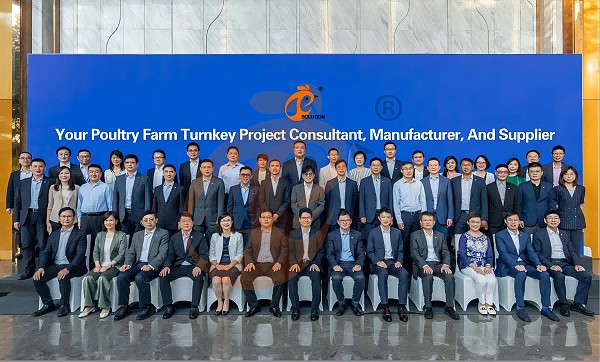
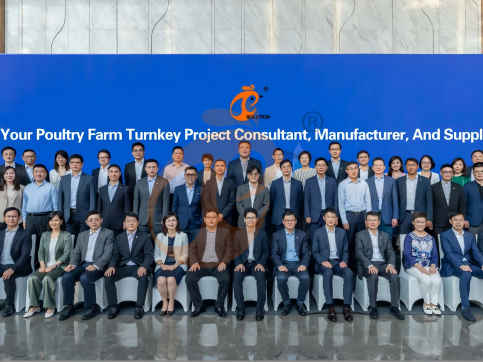
Hong Kong Headquarter Management Team
Hong Kong Headquarter Taiyu Industrial Group CO., LTD
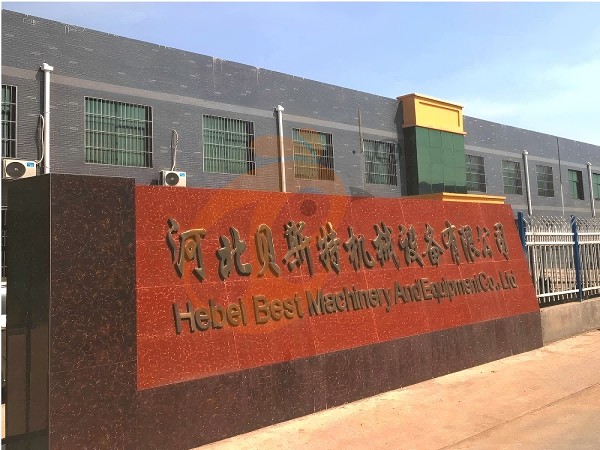
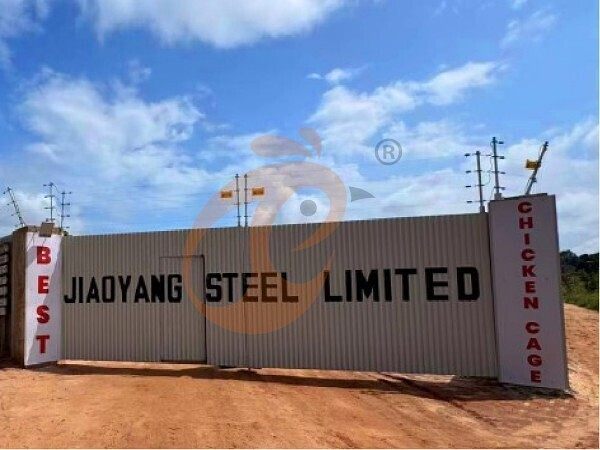
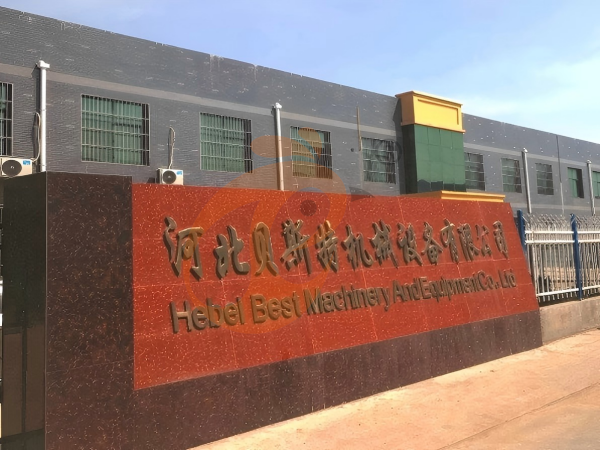
China Hebei Best Machinery And Equipment CO., LTD
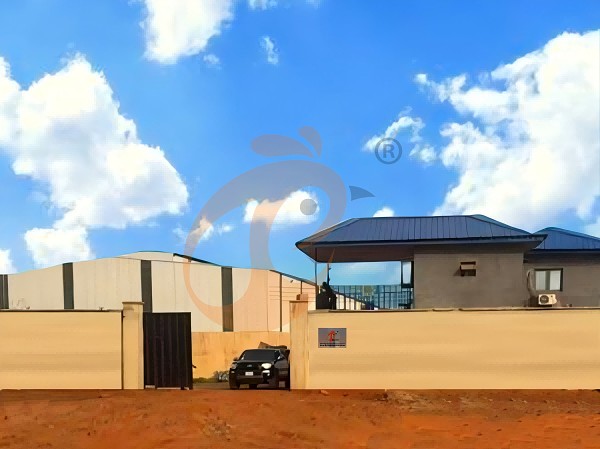
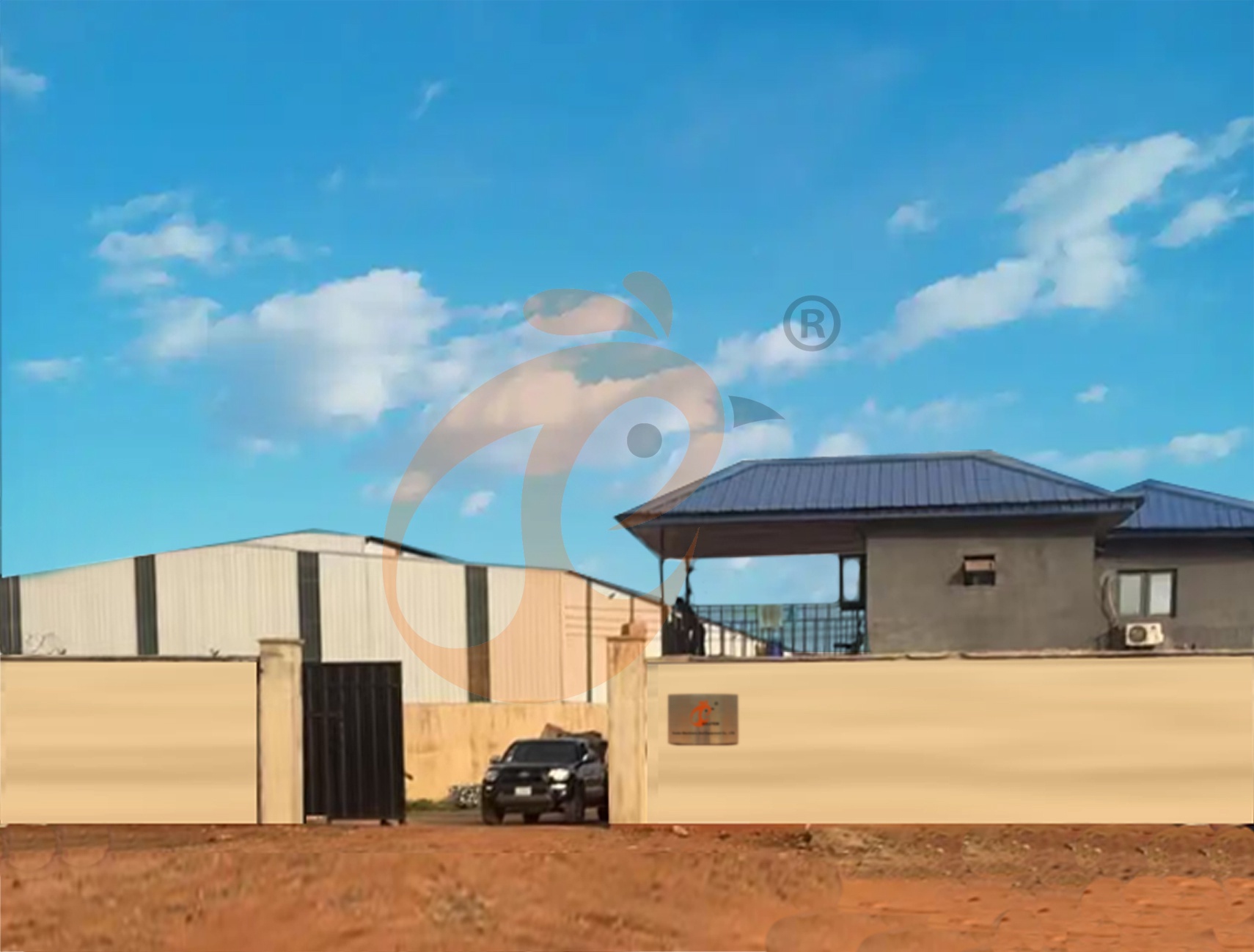
Nigeria Vanke Machinery And Equipment CO., LTD
Tanzania Best Machinery And Equipment CO., LTD
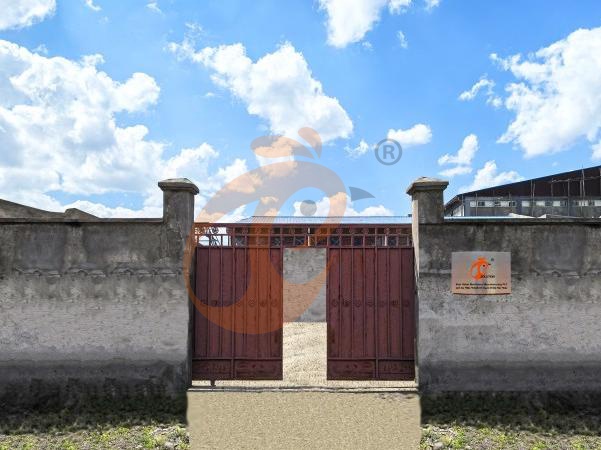
Ethiopia Best Hebei Machinery Manufacturing PLC

Reception /24 WhatsApp NO. : +8618830120193
FAQ
What Is The Typical Capacity Range Of Feed Mill Systems In Poultry Chicken Production?
Medium systems operate at 5–10 tons per hour for commercial poultry complexes above 50,000 birds.
Large industrial mills reach 15–25 tons per hour for integrated feed supply chains.
What Are The Key Mixing Uniformity Standards In Feed Mixer Systems For Poultry Chicken Feed?
Horizontal mixers maintain batch consistency within 3–6 minutes per cycle for complete ingredient integration.
Riboflavin tracer tests confirm homogeneity above 90% for high-performance poultry feed formulation.
What Grinding Particle Size Is Required In Feed Mill Systems For Poultry Chicken Diets?
Grower feed is processed to 1.5–2.0 mm to balance energy intake and gut development.
Finisher feed targets 2.5–3.0 mm to optimize feed conversion rate in broiler production cycles.
- poultry farm
- poultry farms
- poultry house
- poultry cage
- cage
- poultry farm construction
- poultry cage system
- poultry feeding system
- poultry feed storage
- poultry equipment
- chickencage
- bestchickencage
- cage system
- cage systems
- Nigeria
- automated poultry feeding system
- broiler farm
- broiler poultry farms
- commercial poultry farms
- poultry farming
- poultry house management
- poultry house system
- poultry cage systems
- poultry feed storage system
- broiler poultry farm
- poultry feed mill
- poultry feed processing
- poultry farm plan
- poultry farm profit
- poultry farm profitability
- automated poultry feeding
- poultry farming system
- poultry feed
- poultry feed production
- feed silo
- Ethiopia
Message
Products recommended
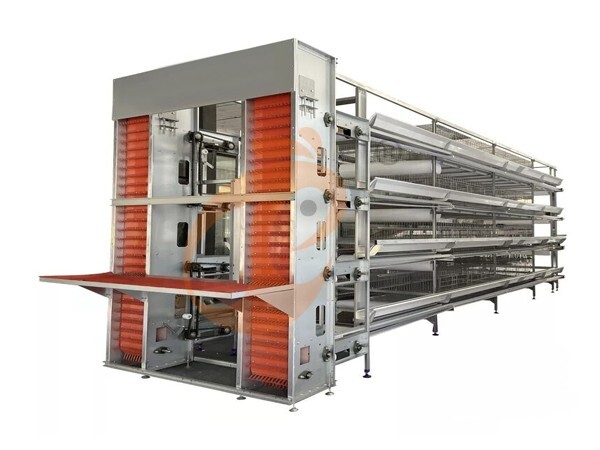
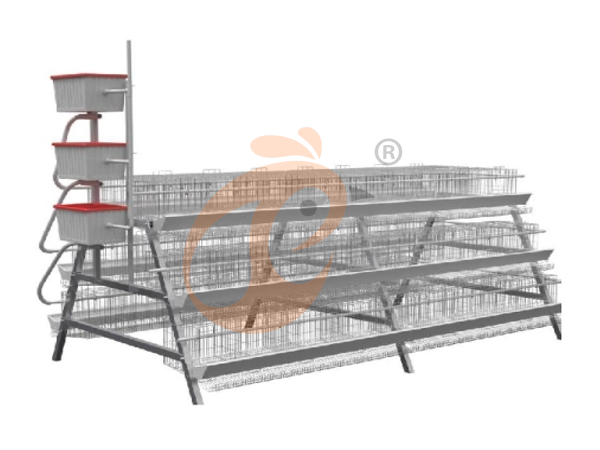
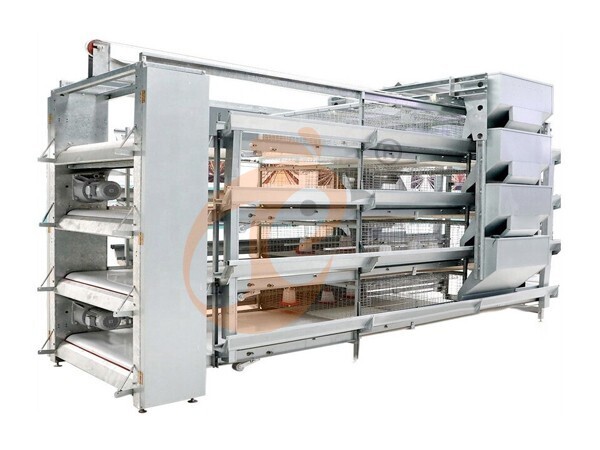
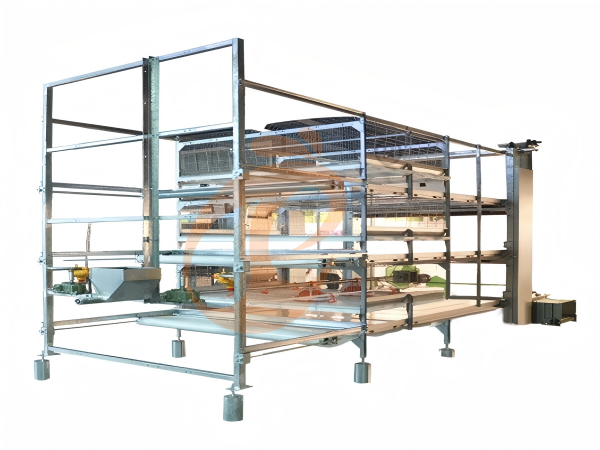
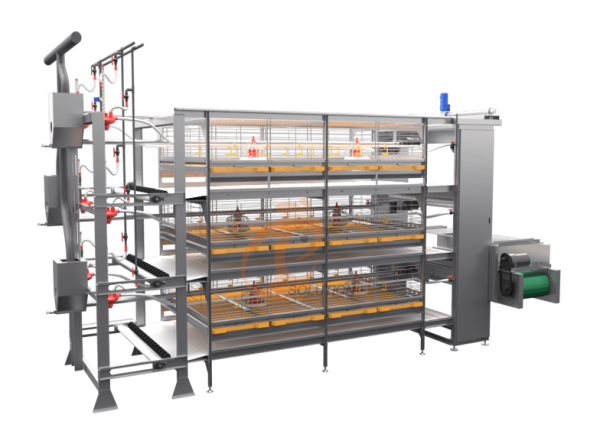
 >30,000 Pullets Automatic H Type Battery Cage1. More than 30,000 pullets a house, choose it.
2. It is designed to rearing older than 1 day old pullets to 12 to 16 weeks old chicken starting laying eggs.
3. Its lifespan is more than 25 years.
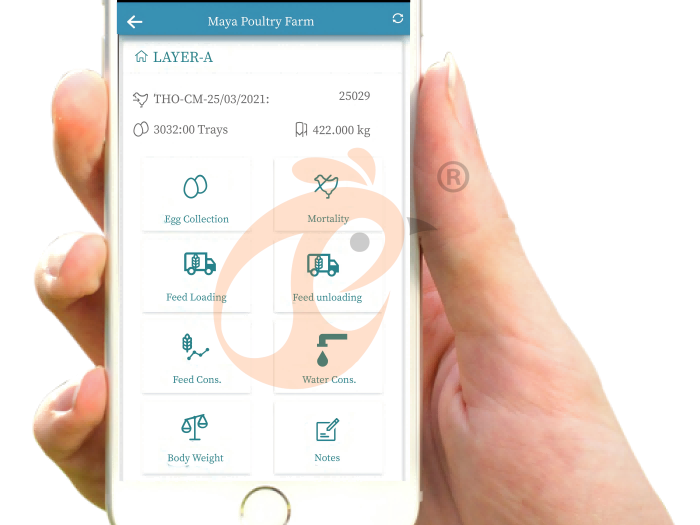
4. Its structure are Vcloud artificial intelligent fusion, electric control cabinet, automatic equipment of drinking, feeding, manure clean, manual harvesting.
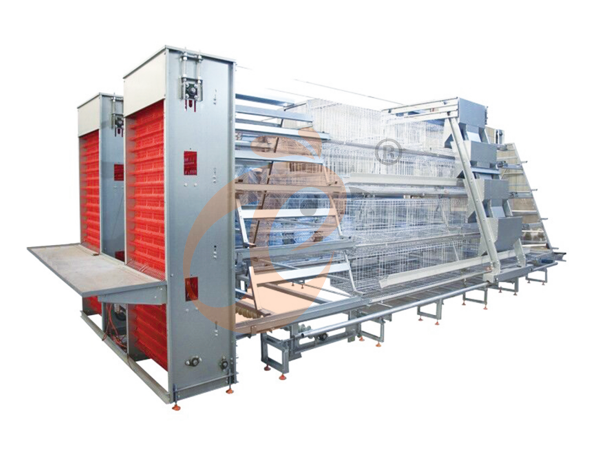
5. Our 24 hour online reception What’sApp NO. is +8618830120193 <30,000 Pullets Automatic A Type Battery Cage1. 10,000 to 30,000 pullets a house, choose it.
2. It is designed to rearing older than 1 day old pullets to 12 to 16 weeks old chicken starting laying eggs.
3. Its lifespan is more than 25 years.
4. Its structure are Vcloud artificial intelligent fusion, electric control cabinet, automatic equipment of drinking, feeding, manure clean, manual harvesting.
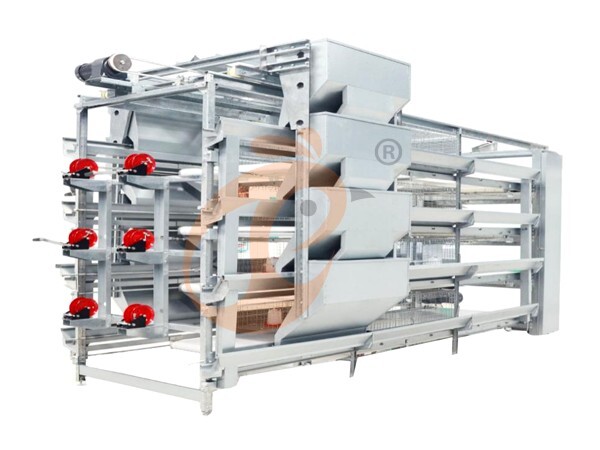
5. Our 24 hour online reception What’sApp NO. is +86 18830120193. >30,000 Broilers Semi-Automatic Harvest H Type Battery Cage1. More than 30,000 broilers a house, choose it.
2. It is designed to rearing 1 to 45 day old adult broiler ready for market.
3. Its lifespan is more than 20 years.
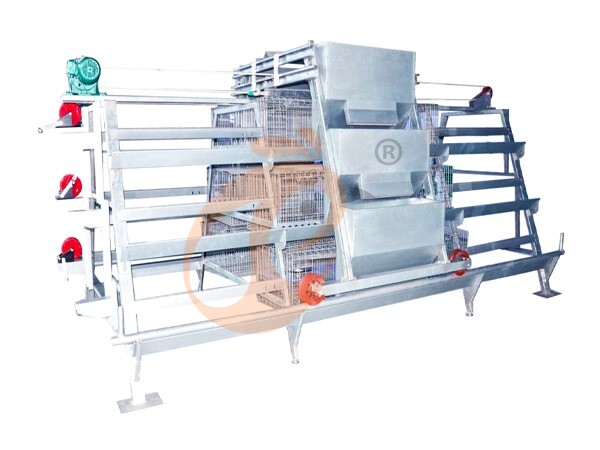
4. Our 24 hour online reception What’sApp NO. is +8618830120193, +234 8111199996. >30,000 Broilers Manual Harvest H Type Battery Cage1. More than 30,000 broilers a house, choose it.
2. It is designed to rearing 1 to 45 day old adult broiler ready for market.
3. Its lifespan is more than 20 years.
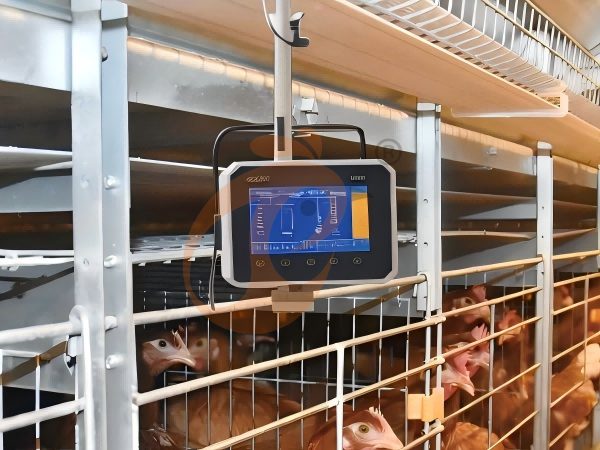
4. Its structure are Vcloud artificial intelligent fusion, electric control cabinet, automatic equipment of drinking, feeding and manure clean, manual harvesting.
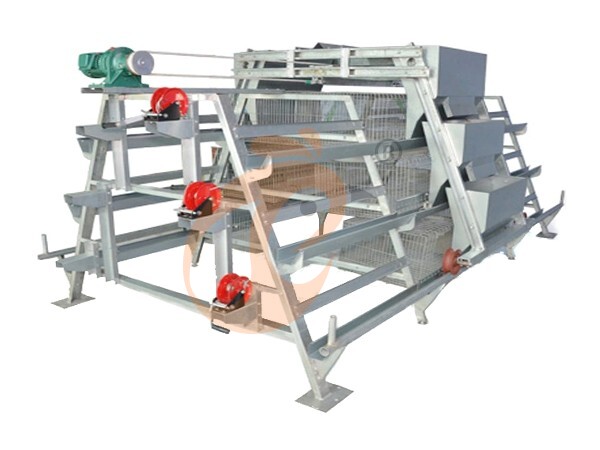
5. Our 24 hour online reception What’sApp NO. is +8618830120193, +234 8111199996. <30,000 Broilers Manual Harvest A Type Battery Cage1. Less 30,000 broilers a house, choose it.
2. It is designed to rearing 1 to 45 day old adult broiler ready for market.
3. Its lifespan is more than 20 years.
4. Its structure are Vcloud artificial intelligent fusion, electric control cabinet, automatic equipment of drinking, feeding and manure clean, manual harvesting.
5. Our 24 hour online reception What’sApp NO. is +8618830120193, +234 8111199996. HK Headquarter Offers EU-standard Poultry Farm Solutions, Manufacture Poultry Farm Equipment1. Continuous communication with the EU and the US
2. China, Nigeria, Ethiopia, Tanzania branch companies and factories
3. The products’ quality is customized for local poultry farms
4. Poultry cage and poultry farm equipment stock for sale
5. 24 online reception Whatsapp NO. : +8618830120193,contact us to get full information China Branch Offer Poultry Farm Business Plan, Manufacture Poultry Farm Equipment1. Address: Flat/RM 2416, 24/F, Runxing Building, Youyi Nan Street, Shijiazhuang City, Hebei Province, China
2. Poultry cage and poultry farm equipment factory and stock for sale
3. Customized for local poultry farms
4. Quality and design are based on Euro
5. 24 online reception Whatsapp NO. : +8618830120193 Nigeria Branch Offer Poultry Farm Business Plan, Manufacture Poultry Farm Equipment1. Address: After Sinoma Office, 200 Meters Near Danco Filling Station, Lagos/Ibadan Expressway, Lagos State, Nigeria
2. Poultry cage and poultry farm equipment factory and stock for sale
3. Customized for Nigerian poultry farms
4. Quality and design are based on Euro
5. 24 online reception Whatsapp NO. : +8618830120193 Ethiopia Branch Offer Poultry Farm Business Plan, Manufacture Poultry Farm Equipment1. Address: WR93+FQ2, Addis Ababa, Ethiopia
2. Poultry cage and poultry farm equipment stock for sale
3. Customized for Ethiopian poultry farms
4. Quality and design are based on Euro
5. 24 online reception Whatsapp NO. : +8618830120193, contact us to get price list Tanzania Branch Offer Poultry Farm Business Plan, Manufacture Poultry Farm Equipment1. Address: No.8, Sova Road, Msufini, Mlandizi, Kibaha, Pwani, Tanzania
2. Poultry cage and poultry farm equipment factory and stock for sale
3. Customized for Tanzanian poultry farms
4. Quality and design are based on Euro
5. 24 online reception Whatsapp NO. : +8618830120193



Contact
By clicking 'Allow All', you agree to the storage of cookies on your device to enhance site navigation, analyze site usage and assist with our marketing efforts.