


Blog
Commercial poultry feed pellet machines improve feed density, pellet durability, and broiler nutrient intake efficiency.
Feed accounts for approximately 68%–73% of total broiler production expenditure in intensive poultry farming systems operating above 25,000 birds per cycle.
Automatic feed processing systems reduce feed fines generation during poultry farm transportation and feeding operations.
Broiler farms using high-efficiency chicken feed pellet machine systems commonly improve final body weight by 120–210 g per bird during standard 42-day production cycles.
Industrial poultry feed manufacturing equipment increases broiler weight gain consistency while reducing operational feed cost losses.
Get professional poultry farm construction guidance, equipment selection solutions, and the latest price lists, whatsApp to +8618830120193, click to learn more:
Why Poultry Farms Lose Large Amounts Of Feed
Feed waste in broiler farms normally occurs during four main production stages: feed transportation, storage, feeder distribution, and bird consumption.
Research from intensive poultry systems shows that feed mills producing pellets below 85% pellet durability index may increase total feed waste by 5.1%–8.6% during a standard 42-day broiler cycle.
Broiler farms operating automatic pan feeding systems commonly lose 14–33 kg feed daily per 10,000 birds when pellet durability remains unstable during summer humidity periods.
Data is for reference only.Swipe horizontally to view full table.
Even moderate pellet quality improvements can significantly reduce these losses.
How Feed Pellet Machines Improve Feed Efficiency
Feed pellet machines compress mixed feed materials into uniform cylindrical pellets using pressure, steam, and controlled temperature conditioning.
The process increases feed density while reducing particle separation during feeding.
Pellet feed also improves nutrient intake consistency because broilers consume complete pellets instead of selectively eating individual ingredients.
Commercial poultry feed pellet machine systems used in modern feed mill operations commonly process 5–12 tons of broiler feed hourly with stable pellet durability above 90%.
Large-scale poultry feed mills equipped with dual-conditioner animal feed pellet mill lines commonly reduce electrical energy consumption by 7–11 kWh per ton compared with conventional single-conditioner systems.
Data is for reference only.Swipe horizontally to view full table.
Dense and stable pellets improve feeding efficiency throughout the poultry growth cycle.
Match Pellet Diameter With Broiler Age
Pellet size directly influences broiler feeding behavior.
Young chicks cannot efficiently consume oversized pellets because beak opening and digestive capacity remain under development.
Larger pellets often fracture during pecking, creating excessive feed fines around feeding trays.
Commercial poultry farms therefore use multiple pellet diameter stages during broiler growth.
Broiler starter feed using properly calibrated crumble particle distribution commonly improves first-week feed intake by 4.3%–6.1% compared with oversized starter pellets.
Data is for reference only.Swipe horizontally to view full table.
Broiler farms using age-matched pellet sizing commonly reduce feeder waste by approximately 2.9 kg per 1,000 birds daily.
Why Incorrect Pellet Size Increases Waste
Broilers consuming oversized pellets frequently peck pellets into fragments before swallowing them.
Broken fragments accumulate near feeder pans and are often rejected later.
Studies from tunnel-ventilated broiler farms showed that using 4 mm pellets during starter stages increased feed fines accumulation from 1.6% to 5.3%.
Commercial broiler integrations monitoring feeder camera systems identified approximately 17% longer feeding activity duration in flocks receiving inconsistent pellet particle sizes.
Data is for reference only.Swipe horizontally to view full table.
Correct pellet sizing therefore improves both feed intake and flock growth uniformity.
Improve Pellet Durability To Reduce Dust Generation
Pellet durability determines how well pellets survive handling, transport, cooling, and automated feeding operations.
Low-durability pellets generate excessive dust particles that broilers usually avoid consuming.
Dust accumulation also increases respiratory irritation inside poultry houses.
Commercial poultry feed mills generally target pellet durability indexes above 90%.
Broiler houses with airborne dust concentrations exceeding 4.5 mg/m³ commonly experience higher respiratory stress and reduced feeding activity during late growth stages.
Data is for reference only.Swipe horizontally to view full table.
Higher pellet durability directly reduces feed losses during transportation and storage.
Steam Conditioning Strongly Influences Pellet Strength
Steam conditioning improves starch gelatinization inside feed ingredients.
This creates stronger binding between particles during compression inside the pellet die.
Conditioning efficiency depends on stable temperature, moisture, and retention time.
Modern animal feed pellet mill systems equipped with automatic steam conditioning valves normally improve pellet durability by 3.2%–5.6%.
Feed mills operating saturated steam systems above 75% steam quality commonly achieve more stable pellet hardness and lower die blockage frequency during continuous production cycles.
Data is for reference only.Swipe horizontally to view full table.
Stable conditioning improves pellet hardness and reduces fracture probability.
Control Moisture Levels During Pellet Production
Moisture instability is one of the largest hidden causes of pellet deformation and microbial spoilage.
Feed pellets containing excessive moisture often crack during cooling or develop mold during storage.
Insufficient moisture creates weak pellets with excessive fines generation.
Commercial poultry feed normally targets final pellet moisture between 11.5% and 12.5%.
Broiler feed stored above 13% moisture under warehouse temperatures exceeding 30°C commonly shows accelerated fungal growth within 9–14 days.
Data is for reference only.Swipe horizontally to view full table.
Stable moisture significantly improves pellet storage stability and feeder performance.
Scientific Insight: Why Pellet Feed Improves Broiler Growth
Pellet feed reduces the physical effort required for broilers to consume nutrients.
Compared with mash feed, pellets allow birds to eat faster while expending less metabolic energy.
Heat conditioning during pelleting also partially breaks down starch structures, improving nutrient digestibility.
Research conducted across commercial broiler systems found that pellet-fed birds consumed approximately 11% less feeding time daily while achieving greater weight gain efficiency.
Digestible energy utilization from pelleted broiler diets commonly increases by 55–96 kcal/kg compared with equivalent mash feed formulations.
Data is for reference only.Swipe horizontally to view full table.
Improved nutrient utilization is one of the main reasons pellet feed dominates intensive poultry production.
Maintain Pellet Machine Components Regularly
Pellet machine wear gradually reduces pellet quality and production stability.
Feed pellet die compression ratios between 1:7 and 1:9 commonly maintain more stable pellet surface quality during continuous broiler feed manufacturing operations.
Data is for reference only.Swipe horizontally to view full table.
Consistent maintenance stabilizes pellet production quality across long operating periods.
Production Indicators That Suggest Pellet Machine Problems
Commercial feed mills monitor several performance indicators to detect declining pellet quality early.
Sudden changes in pellet temperature, motor load, or vibration frequency often indicate developing mechanical problems.
Automated poultry feed manufacturing equipment with digital monitoring systems can reduce unplanned downtime by approximately 12%–18%.
Feed mill operators commonly identify roller slippage problems when pellet output decreases by more than 6% under stable motor amperage conditions.
Data is for reference only.Swipe horizontally to view full table.
Early maintenance intervention reduces expensive downtime and unnecessary feed losses.
Optimize Feed Formula Structure For Pellet Stability
Feed ingredient structure strongly influences pellet durability.
Corn-based diets usually require stronger conditioning because corn contains less natural binding material compared with wheat.
Oil inclusion levels also affect pellet integrity because excessive fat weakens particle bonding inside pellets.
Broiler diets containing excessive fine-ground rice bran commonly increase pellet abrasion rates during pneumatic feed transport systems.
Data is for reference only.Swipe horizontally to view full table.
Balanced formulations improve pellet density and reduce feed fines formation.
Pellet Density Influences Feed Efficiency
Pellet density determines how compact feed particles become after compression.
Low-density pellets fracture more easily during transport and automated feeding.
Commercial poultry pellets generally target densities between 640 and 690 kg/m³.
Feed cost savings from optimized pellet density management may reach $18–$37 per metric ton annually in medium-scale broiler farms. European union standard reference only.
Pellet durability losses during long-distance truck transportation commonly increase when pellet density remains below 620 kg/m³ under high-vibration road conditions.
Data is for reference only.Swipe horizontally to view full table.
Higher-density pellets improve transport stability and feeder performance.
Automation Technology In Modern Poultry Pellet Systems
Modern feed pellet machines increasingly integrate automated monitoring systems for moisture, temperature, steam pressure, and pellet durability.
These systems reduce human error while improving production consistency.
Automated control systems also improve energy efficiency and lower long-term production costs.
Large commercial feed mills using intelligent animal feed pellet mill systems commonly reduce annual maintenance costs by $12,000–$38,000.
European union standard reference only.
Modern PLC-controlled feed pellet machine lines commonly maintain pellet moisture deviation within ±0.4% during continuous 24-hour production periods.
Data is for reference only.Swipe horizontally to view full table.
Automation improves both pellet quality consistency and operational stability.
Environmental Benefits Of Reducing Feed Waste
Feed waste reduction also improves poultry house environmental conditions.
Excessive feed residue increases litter moisture, ammonia concentration, and bacterial growth risk.
Cleaner feeding systems improve bird comfort and respiratory health.
Commercial broiler farms reducing feed waste by 4% commonly decrease annual litter management expenses by $8,500–$21,000.
European union standard reference only.
Broiler houses maintaining litter moisture below 28% commonly reduce footpad dermatitis incidence during high-density production cycles.
Data is for reference only.Swipe horizontally to view full table.
Better pellet quality therefore supports both production efficiency and poultry welfare.
Frequently Asked Questions
Q1: How does pellet diameter affect broiler feed waste?
Incorrect pellet diameter increases feed scattering and pellet fracture around feeding pans.
Starter broilers normally achieve better feed conversion using 1.8–2.2 mm pellets because smaller pellets match early-stage beak development and swallowing capacity.
Commercial broiler farms commonly observe 3%–6% lower feed pan residue after correcting starter pellet diameter distribution.
Q2: What pellet durability index Is recommended for poultry feed?
Commercial broiler feed mills generally target pellet durability indexes above 90%.
Pellet durability below 85% commonly increases transport dust generation and feeder fines accumulation inside poultry houses.
Feed pellet durability above 92% normally improves feed transport stability during silo unloading and automated pan feeding operations.
Q3: How much feed cost can poultry feed pellet machines save?
Optimized poultry feed pellet machine systems commonly reduce total feed waste by 3%–7%.
Medium-scale broiler farms processing 12,000–18,000 tons of feed annually may reduce yearly feed losses by $36,000–$115,000.
Commercial farms improving feed conversion from 1.68 to 1.58 commonly reduce feed consumption by approximately 420–510 tons annually under 1 million broiler production capacity.
Taiyu (HK) Group - One Of China Largest Pellet Machines Manufacturer
Industrial poultry feed pellet machines support stable broiler feed processing and efficient pellet durability control.
Global factory-direct poultry equipment solutions support integrated commercial broiler production expansion projects worldwide.
Automatic poultry cage systems improve feeding management efficiency inside intensive chicken farming operations.
Turn-key poultry feed mill engineering projects provide complete feed production line installation and technical commissioning services.
Professional poultry machinery manufacturing systems support customized poultry farm capacity requirements across international agricultural markets.
Contact Us To Received Your Customized Poultry Farm Plan
Headquarters And Branchs

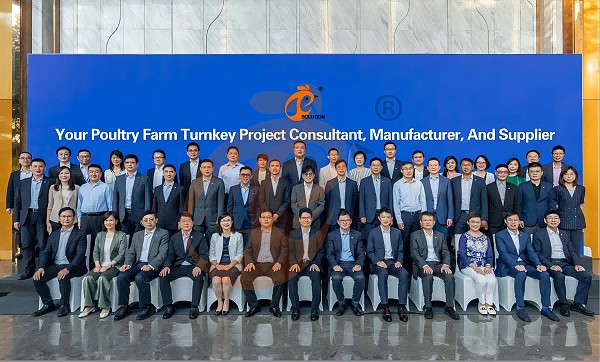
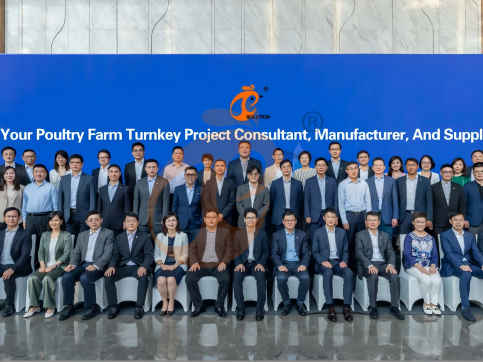
Hong Kong Headquarter Management Team
Hong Kong Headquarter Taiyu Industrial Group CO., LTD
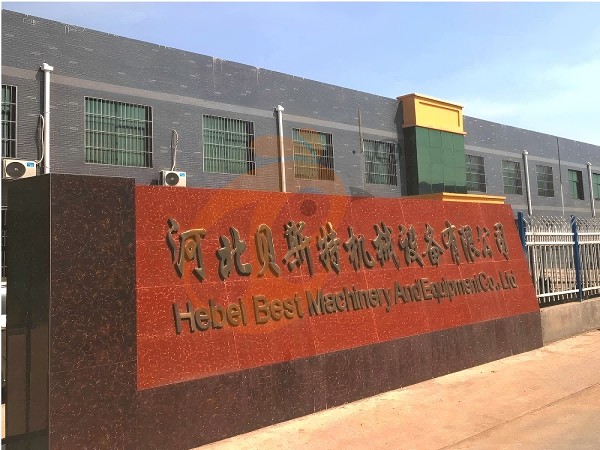
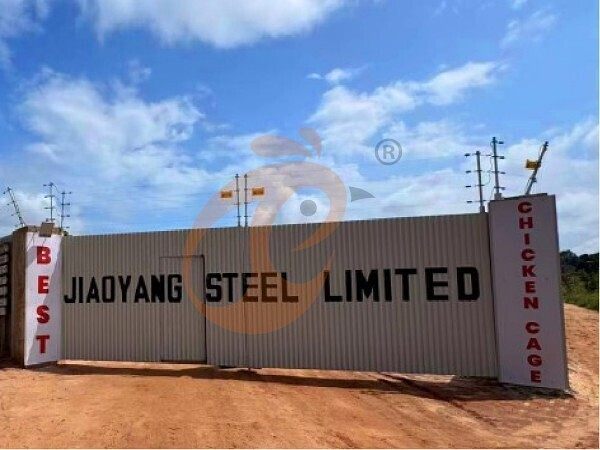
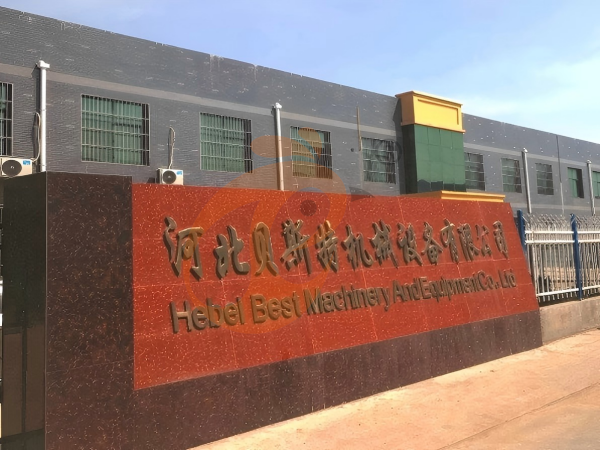
China Hebei Best Machinery And Equipment CO., LTD
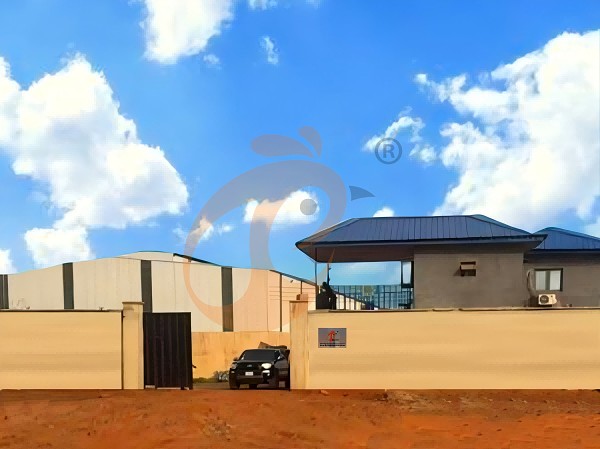
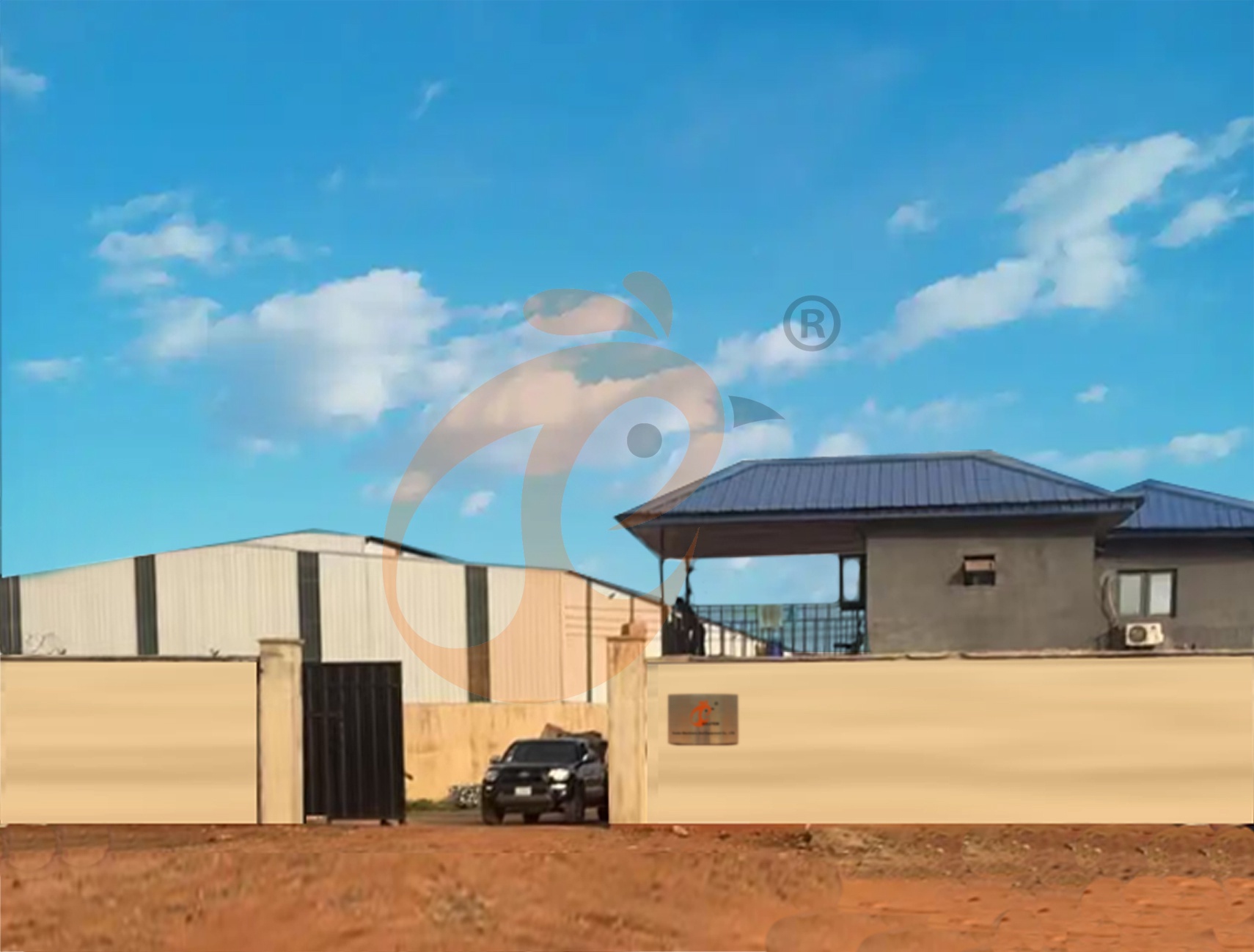
Nigeria Vanke Machinery And Equipment CO., LTD
Tanzania Best Machinery And Equipment CO., LTD
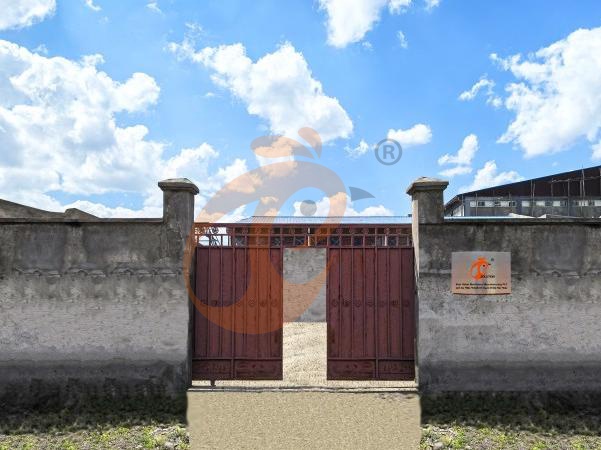
Ethiopia Best Hebei Machinery Manufacturing PLC

Reception /24 WhatsApp NO. : +8618830120193
FAQ
What Is The Production Capacity Range Of Pellet Machine In Poultry Chicken Feed Processing Systems?
Medium systems operate at 800–1500 kg per hour for commercial broiler farms.
Industrial pellet lines reach 3–6 tons per hour for integrated feed mill production.
What Are The Standard Pellet Diameters Produced By Pellet Machine For Poultry Chicken Feed?
Grower feed pellets are produced at 3.0 mm for balanced nutrient intake.
Finisher feed pellets are set at 4.0 mm to optimize growth performance and feed conversion.
What Temperature Range Is Required During Pelletizing Process In Poultry Chicken Feed Production?
Pellet discharge temperature is controlled at 75–85°C for structural stability.
Cooling stage reduces pellet temperature to within 5°C above ambient for storage safety.
- poultry farm
- poultry farms
- pellet machine
- chicken farm
- poultry house
- poultry cage
- cage
- poultry farm construction
- poultry cage system
- automatic poultry cage system
- automatic poultry cage
- poultry equipment
- chickencage
- bestchickencage
- cage system
- cage systems
- Nigeria
- broiler farm
- commercial poultry farms
- poultry farming
- poultry cage systems
- chicken feed pellet machine
- poultry feed mill
- poultry farm plan
- poultry farming system
- poultry feed
- chicken feed
- Ethiopia
Message
Products recommended
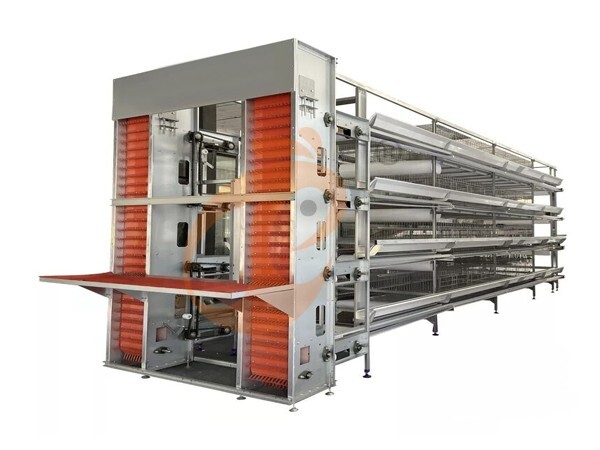
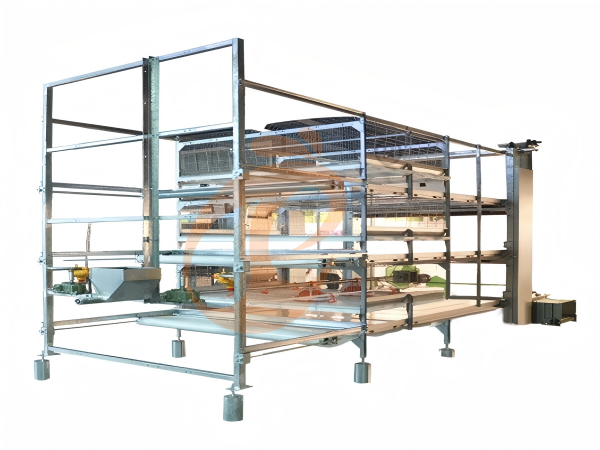
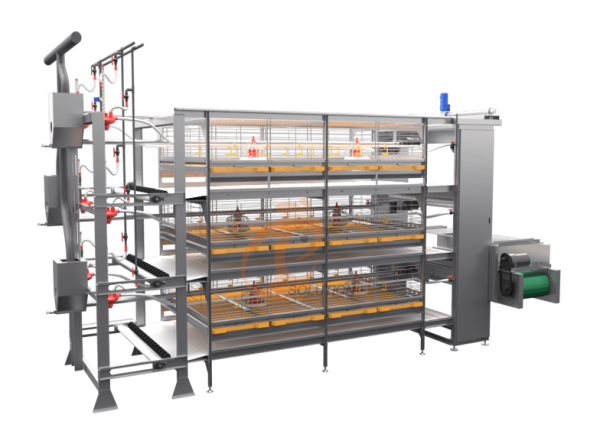
 >30,000 Pullets Automatic H Type Battery Cage1. More than 30,000 pullets a house, choose it.
2. It is designed to rearing older than 1 day old pullets to 12 to 16 weeks old chicken starting laying eggs.
3. Its lifespan is more than 25 years.
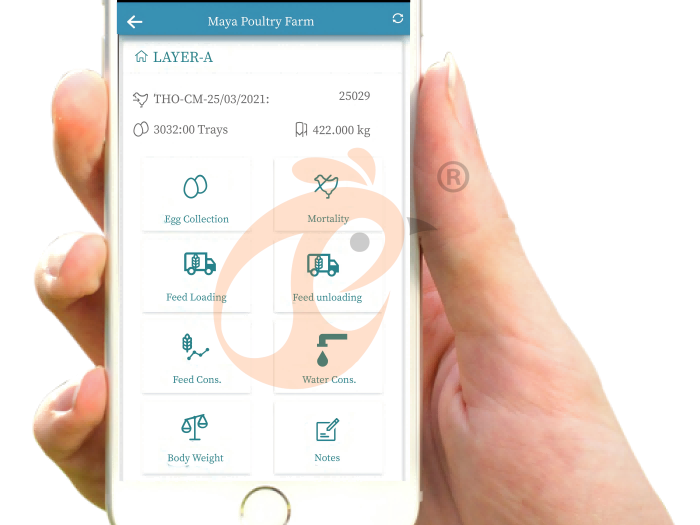
4. Its structure are Vcloud artificial intelligent fusion, electric control cabinet, automatic equipment of drinking, feeding, manure clean, manual harvesting.
5. Our 24 hour online reception What’sApp NO. is +8618830120193 <30,000 Pullets Automatic A Type Battery Cage1. 10,000 to 30,000 pullets a house, choose it.
2. It is designed to rearing older than 1 day old pullets to 12 to 16 weeks old chicken starting laying eggs.
3. Its lifespan is more than 25 years.
4. Its structure are Vcloud artificial intelligent fusion, electric control cabinet, automatic equipment of drinking, feeding, manure clean, manual harvesting.
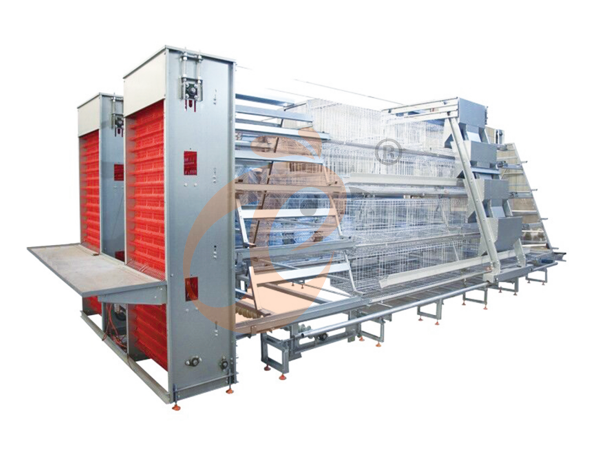
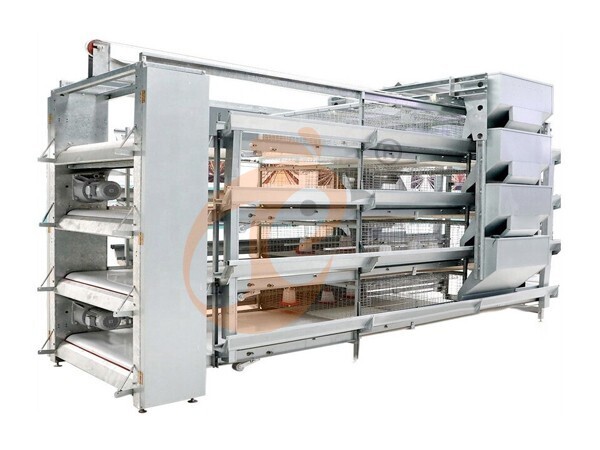
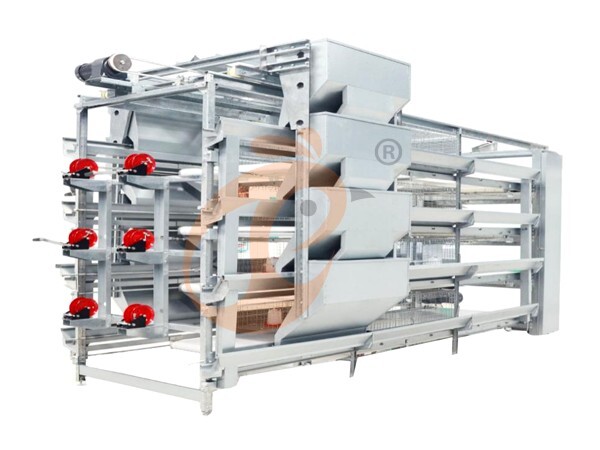
5. Our 24 hour online reception What’sApp NO. is +86 18830120193. >30,000 Broilers Semi-Automatic Harvest H Type Battery Cage1. More than 30,000 broilers a house, choose it.
2. It is designed to rearing 1 to 45 day old adult broiler ready for market.
3. Its lifespan is more than 20 years.
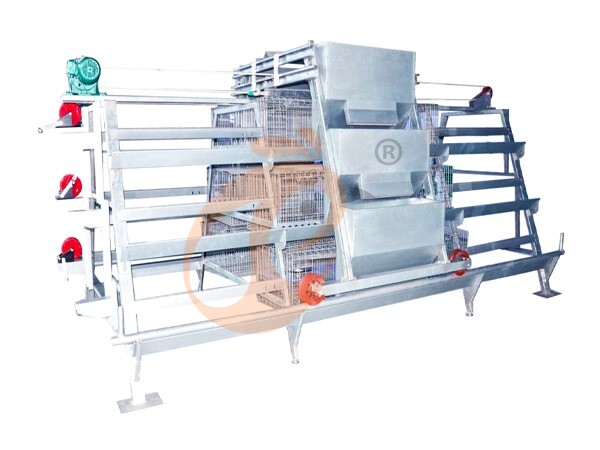
4. Our 24 hour online reception What’sApp NO. is +8618830120193, +234 8111199996. >30,000 Broilers Manual Harvest H Type Battery Cage1. More than 30,000 broilers a house, choose it.
2. It is designed to rearing 1 to 45 day old adult broiler ready for market.
3. Its lifespan is more than 20 years.
4. Its structure are Vcloud artificial intelligent fusion, electric control cabinet, automatic equipment of drinking, feeding and manure clean, manual harvesting.
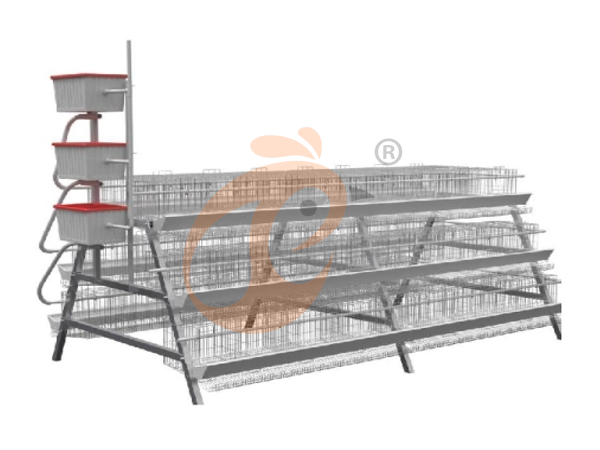
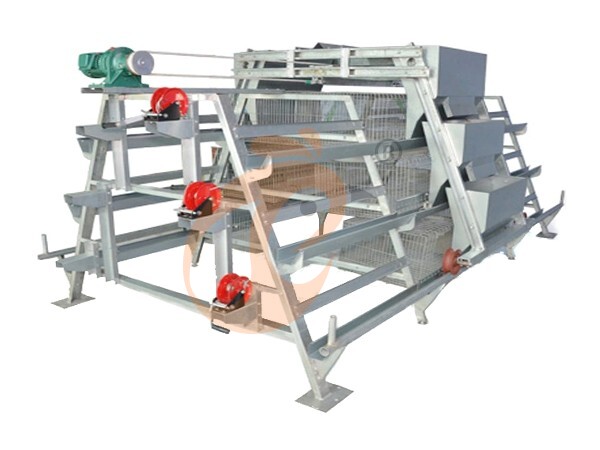
5. Our 24 hour online reception What’sApp NO. is +8618830120193, +234 8111199996. <30,000 Broilers Manual Harvest A Type Battery Cage1. Less 30,000 broilers a house, choose it.
2. It is designed to rearing 1 to 45 day old adult broiler ready for market.
3. Its lifespan is more than 20 years.
4. Its structure are Vcloud artificial intelligent fusion, electric control cabinet, automatic equipment of drinking, feeding and manure clean, manual harvesting.
5. Our 24 hour online reception What’sApp NO. is +8618830120193, +234 8111199996. HK Headquarter Offers EU-standard Poultry Farm Solutions, Manufacture Poultry Farm Equipment1. Continuous communication with the EU and the US
2. China, Nigeria, Ethiopia, Tanzania branch companies and factories
3. The products’ quality is customized for local poultry farms
4. Poultry cage and poultry farm equipment stock for sale
5. 24 online reception Whatsapp NO. : +8618830120193,contact us to get full information China Branch Offer Poultry Farm Business Plan, Manufacture Poultry Farm Equipment1. Address: Flat/RM 2416, 24/F, Runxing Building, Youyi Nan Street, Shijiazhuang City, Hebei Province, China
2. Poultry cage and poultry farm equipment factory and stock for sale
3. Customized for local poultry farms
4. Quality and design are based on Euro
5. 24 online reception Whatsapp NO. : +8618830120193 Nigeria Branch Offer Poultry Farm Business Plan, Manufacture Poultry Farm Equipment1. Address: After Sinoma Office, 200 Meters Near Danco Filling Station, Lagos/Ibadan Expressway, Lagos State, Nigeria
2. Poultry cage and poultry farm equipment factory and stock for sale
3. Customized for Nigerian poultry farms
4. Quality and design are based on Euro
5. 24 online reception Whatsapp NO. : +8618830120193 Ethiopia Branch Offer Poultry Farm Business Plan, Manufacture Poultry Farm Equipment1. Address: WR93+FQ2, Addis Ababa, Ethiopia
2. Poultry cage and poultry farm equipment stock for sale
3. Customized for Ethiopian poultry farms
4. Quality and design are based on Euro
5. 24 online reception Whatsapp NO. : +8618830120193, contact us to get price list Tanzania Branch Offer Poultry Farm Business Plan, Manufacture Poultry Farm Equipment1. Address: No.8, Sova Road, Msufini, Mlandizi, Kibaha, Pwani, Tanzania
2. Poultry cage and poultry farm equipment factory and stock for sale
3. Customized for Tanzanian poultry farms
4. Quality and design are based on Euro
5. 24 online reception Whatsapp NO. : +8618830120193



Contact
By clicking 'Allow All', you agree to the storage of cookies on your device to enhance site navigation, analyze site usage and assist with our marketing efforts.