


Blog
Pralson feeder systems regulate poultry feed discharge through precision mechanical control mechanisms ensuring uniform feed depth stability across production cycles.
Feed distribution accuracy reduces spillage loss rate and improves conversion efficiency under high density housing conditions.
Structural pan geometry maintains controlled bird access pressure and limits aggressive pecking behavior.
Automated feed line synchronization stabilizes intake rhythm and reduces fluctuation in consumption patterns.
Engineering calibration supports measurable reduction in feed waste across broiler and layer production systems.
Get professional poultry farm construction guidance, equipment selection solutions, and the latest price lists, whatsApp to +8618830120193, click to learn more:
Feed Waste Structure In Commercial Poultry Systems
Feed waste in poultry production originates from mechanical loss, environmental degradation, and behavioral inefficiency.
Each loss pathway contributes independently to total feed conversion deviation and financial inefficiency across production cycles.
Data is for reference only.Swipe horizontally to view full table.
Total feed waste accumulation ranges from 6.4%–12.0% per production cycle under standard poultry house conditions.
Pralson Feeder Engineering Structure And Feed Control System
Pralson feeder systems integrate controlled feed delivery architecture with adjustable pan geometry and centralized feed transport tubes.
Mechanical calibration ensures stable feed flow consistency across multiple feeding points in synchronized poultry housing environments.
Data is for reference only.Swipe horizontally to view full table.
Engineering configuration ensures consistent feed availability without overflow accumulation or uneven distribution pressure.
Controlled Feed Depth Calibration
Feed depth calibration determines feed accessibility balance and directly affects spillage rate and consumption efficiency across production stages.
Pralson feeders allow precise adjustment of feed layer thickness for optimized intake control.
Data is for reference only.Swipe horizontally to view full table.
Feed depth optimization reduces mechanical spillage rate by 1.8%–3.2% per production cycle under standard ventilation conditions.
Feed Distribution Uniformity Optimization
Feed distribution uniformity determines consumption equality across poultry populations and reduces localized overfeeding zones that generate mechanical waste accumulation.
Pralson feeder line synchronization maintains equal feed access across all units.
Data is for reference only.Swipe horizontally to view full table.
Uniform feed distribution reduces localized feed loss by 1.2%–2.4% per cycle.
Anti-Spill Geometry Control System
Pralson feeder pan geometry incorporates elevated rim structure and inward feed retention angle design.
Mechanical interaction between bird pecking motion and feed surface is stabilized to reduce feed displacement distance.
Data is for reference only.Swipe horizontally to view full table.
Anti-spill structural improvement reduces physical feed displacement by 2.5%–4.0% per cycle.
Behavioral Feed Consumption Stabilization
Feed consumption behavior affects scattering intensity and intake rhythm stability across poultry populations.
Pralson feeders regulate access frequency and reduce competition-driven feed loss.
Data is for reference only.Swipe horizontally to view full table.
Behavioral stabilization reduces feed scattering loss by 1.0%–2.1% per cycle.
Maintenance Cycle Optimization For Feed Efficiency
Mechanical performance degradation increases feed waste accumulation over time due to residue buildup and structural misalignment.
Pralson feeder maintenance cycles preserve calibrated feed flow conditions.
Data is for reference only.Swipe horizontally to view full table.
Feed loss increases by 0.9%–1.7% per 30 days without scheduled maintenance.
Feed Conversion Ratio Performance Impact
Feed conversion ratio reflects biological efficiency of feed utilization and is directly influenced by mechanical feed waste levels in poultry systems.
Pralson feeders improve conversion efficiency through waste reduction and intake stabilization.
Data is for reference only.Swipe horizontally to view full table.
Pralson feeder systems maintain feed waste range of 2.2%–3.5% under optimized farm operation conditions.
Economic Impact Of Feed Waste Reduction
Feed cost efficiency directly determines poultry farm profitability under large scale production conditions.
Waste reduction improves feed utilization rate and reduces operational expenditure per production cycle.
European union standard reference only.
Data is for reference only.Swipe horizontally to view full table.
Environmental Control Integration With Pralson Systems
Feed stability is strongly influenced by environmental parameters including humidity, temperature, airflow, and gas concentration.
Pralson feeders operate within controlled environmental ranges to maintain feed integrity and reduce spoilage risk.
Data is for reference only.Swipe horizontally to view full table.
Industry Application Scope Of Pralson Feeders
Pralson feeder systems are widely applied in commercial poultry production environments where feed consistency and automation precision directly affect output efficiency.
Broiler production houses typically operate at stocking densities of 12–18 birds/m², requiring stable feed delivery to maintain uniform weight gain curves and reduce feed deviation below 3.0% across feeding lines.
Layer farms depend on synchronized feed access across multi-tier cage structures, supporting egg production stability of 280–320 eggs per hen per cycle while maintaining controlled feed intake balance.
Integrated poultry industrial parks utilize centralized feed distribution networks with automated monitoring systems, improving operational continuity and reducing manual intervention frequency by over 40% per production cycle.
Frequently Asked Questions
Q1: Why do Pralson feeders reduce feed waste more effectively than conventional systems?
Pralson feeders combine feed depth control, anti-spill geometry, and synchronized feed delivery, reducing mechanical overflow and scattering loss across production lines.
Q2: Can Pralson feeders operate in both broiler and layer farms?
System configuration supports adjustable suspension height and feed depth range, enabling stable operation in broiler, layer, and breeder production environments.
Q3: What is the most important factor affecting feed waste reduction performance?
Feed depth calibration accuracy combined with environmental stability determines final feed loss reduction efficiency in poultry systems.
Taiyu (HK) Group - One Of China Biggest Pralson Feeders Manufacturer
Pralson feeder system delivers precision feed depth control 2–12 mm range ensuring stable poultry intake regulation and reduced feed spillage loss.
Global factory direct supply poultry equipment manufacturing capacity exceeds 50000 units monthly supporting large scale automated poultry farm deployment systems.
Turn-key poultry engineering solutions include house design installation feed line automation and environmental control system integration for commercial farms.
Export coverage supports broiler layer and breeder poultry production systems across Asia Europe Africa with standardized equipment configuration models.
Industrial grade poultry feeding equipment engineered for corrosion resistance long service life and compatibility with automated feeding infrastructure systems.
Contact Us To Received Your Customized Poultry Farm Plan
Headquarters And Branchs

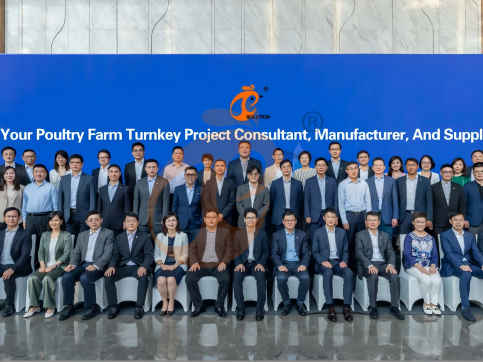
Hong Kong Headquarter Management Team
Hong Kong Headquarter Taiyu Industrial Group CO., LTD
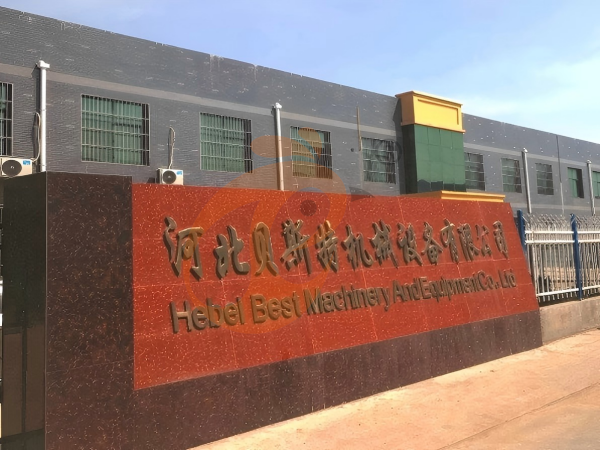
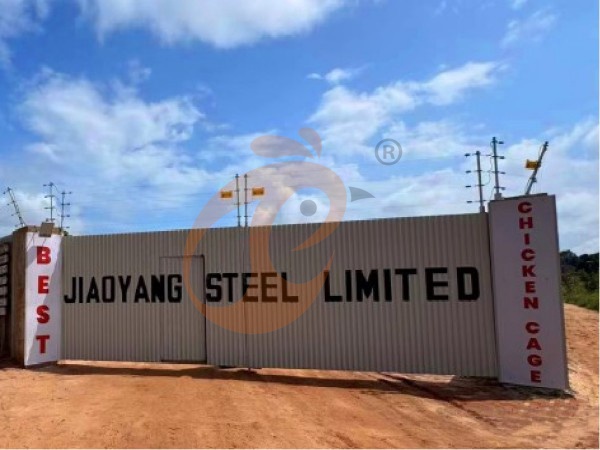
China Hebei Best Machinery And Equipment CO., LTD
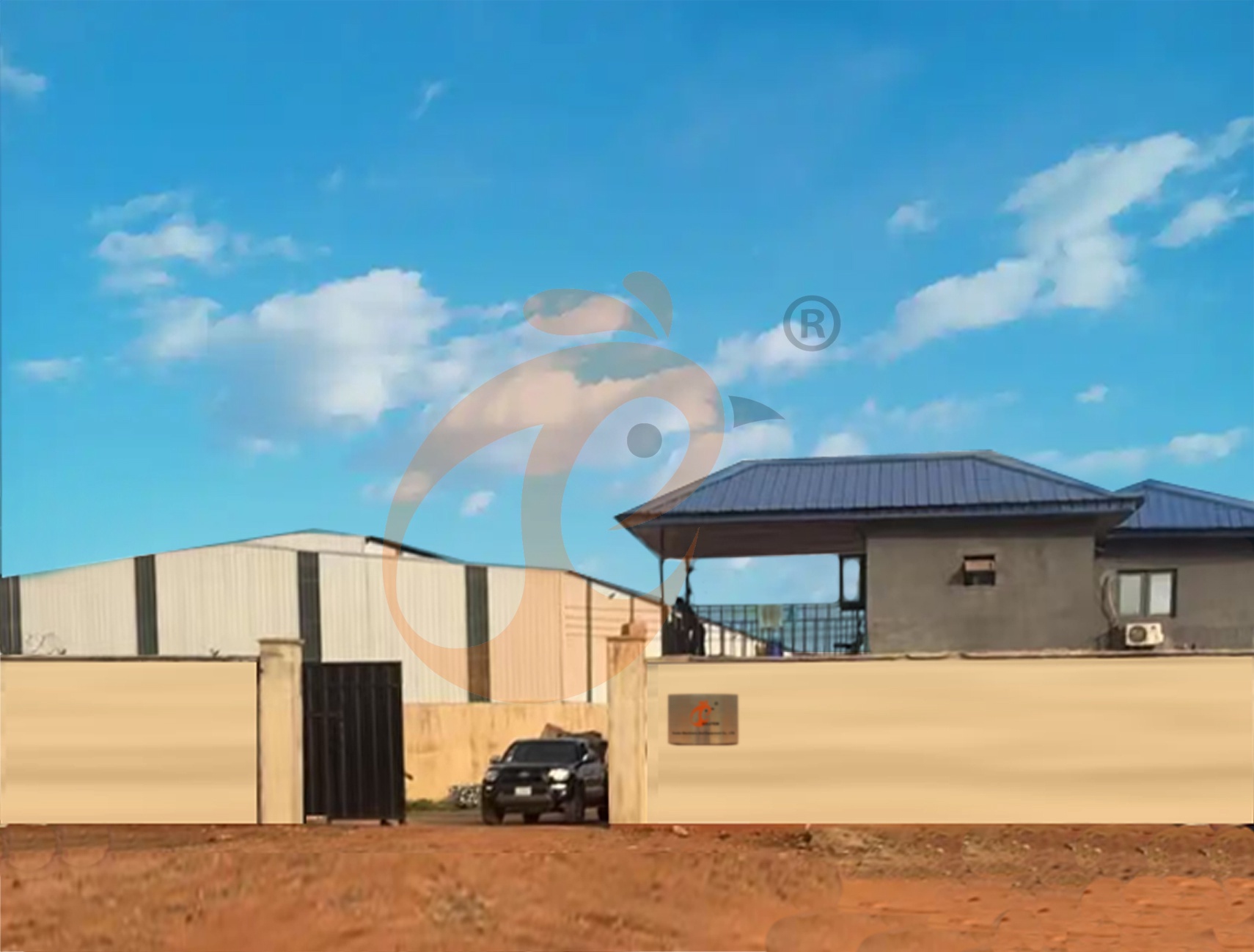
Nigeria Vanke Machinery And Equipment CO., LTD
Tanzania Best Machinery And Equipment CO., LTD
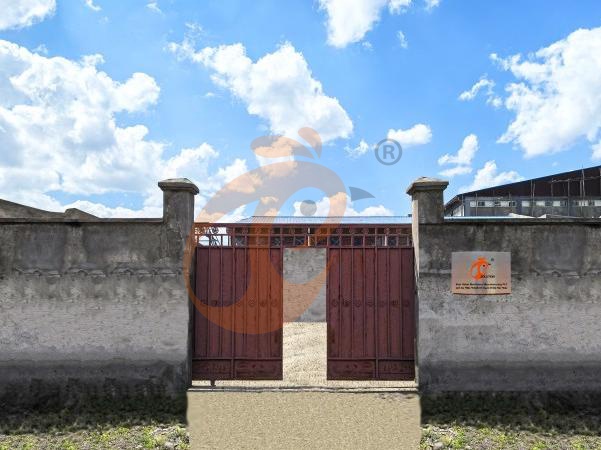
Ethiopia Best Hebei Machinery Manufacturing PLC




Reception /24 WhatsApp NO. : +8618830120193
FAQ
What Performance Advantages Does Plasson Poultry Equipment Provide In Poultry Chicken Farming Efficiency?
Labor requirement decreases by 50%–65% through automated water delivery systems.
Disease transmission risk is reduced by 35%–55% due to closed drinking environment design.
What Are The Installation Standards For Plasson Poultry Equipment In Poultry Chicken Farms?
Pipeline slope is maintained at 0.3%–0.5% for effective drainage and hygiene control.
Spacing between drinkers is configured at 25–35 cm to ensure equal water access distribution.
What Maintenance Requirements Apply To Plasson Poultry Equipment In Poultry Chicken Production Systems?
Seal inspection intervals are set at 20–30 days to prevent leakage and pressure loss.
Cleaning solution concentration is maintained at 0.03%–0.06% for effective system sanitation.
Message
Products recommended
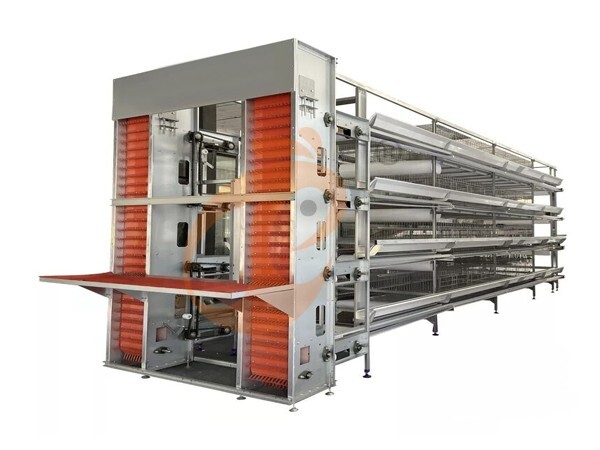
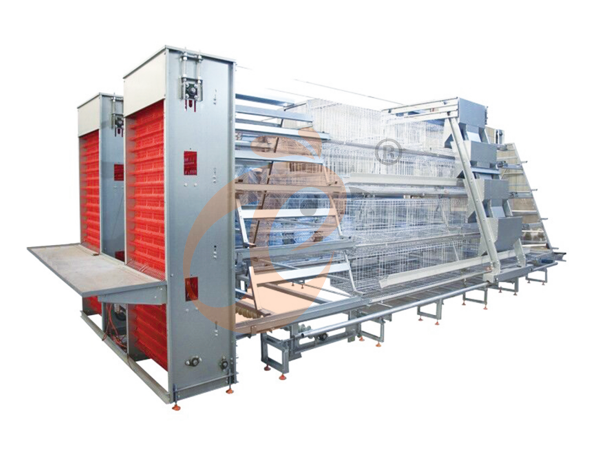
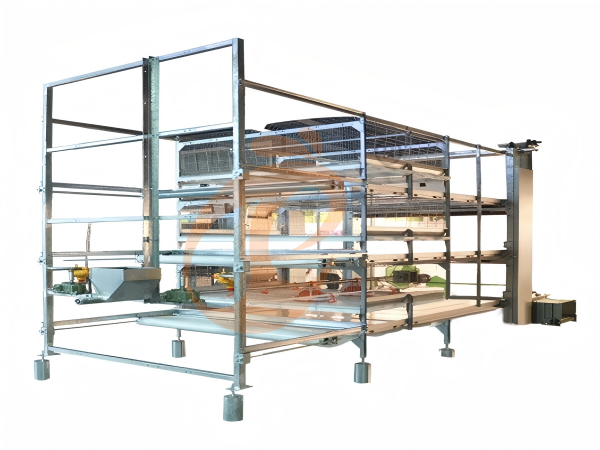
 >30,000 Pullets Automatic H Type Battery Cage1. More than 30,000 pullets a house, choose it.
2. It is designed to rearing older than 1 day old pullets to 12 to 16 weeks old chicken starting laying eggs.
3. Its lifespan is more than 25 years.
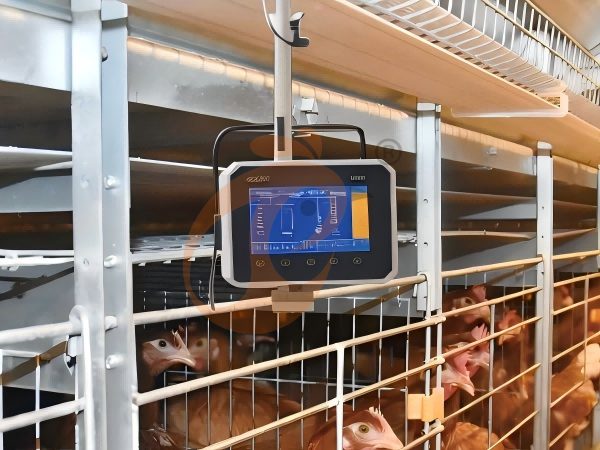
4. Its structure are Vcloud artificial intelligent fusion, electric control cabinet, automatic equipment of drinking, feeding, manure clean, manual harvesting.
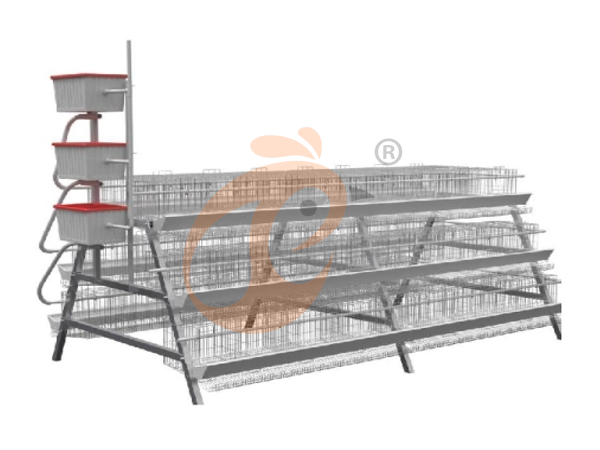
5. Our 24 hour online reception What’sApp NO. is +8618830120193 <30,000 Pullets Automatic A Type Battery Cage1. 10,000 to 30,000 pullets a house, choose it.
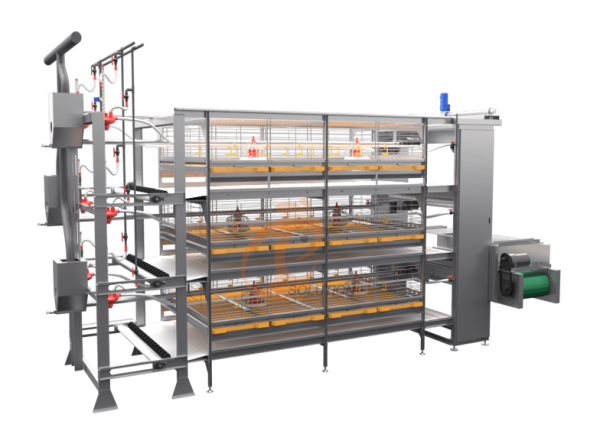
2. It is designed to rearing older than 1 day old pullets to 12 to 16 weeks old chicken starting laying eggs.
3. Its lifespan is more than 25 years.
4. Its structure are Vcloud artificial intelligent fusion, electric control cabinet, automatic equipment of drinking, feeding, manure clean, manual harvesting.
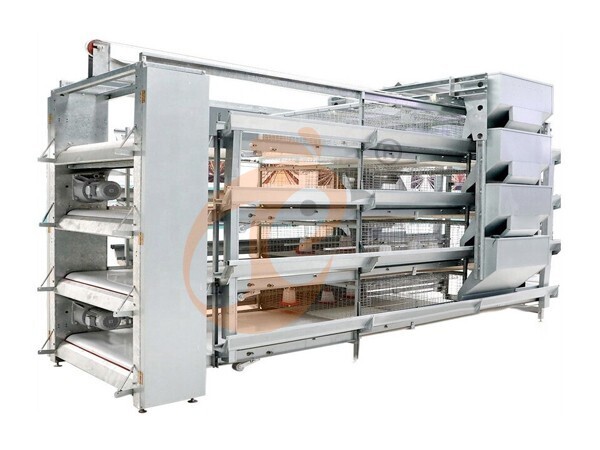
5. Our 24 hour online reception What’sApp NO. is +86 18830120193. >30,000 Broilers Semi-Automatic Harvest H Type Battery Cage1. More than 30,000 broilers a house, choose it.
2. It is designed to rearing 1 to 45 day old adult broiler ready for market.
3. Its lifespan is more than 20 years.
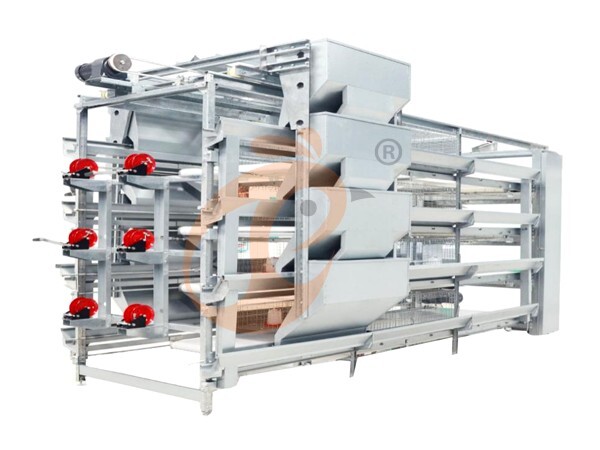
4. Our 24 hour online reception What’sApp NO. is +8618830120193, +234 8111199996. >30,000 Broilers Manual Harvest H Type Battery Cage1. More than 30,000 broilers a house, choose it.
2. It is designed to rearing 1 to 45 day old adult broiler ready for market.
3. Its lifespan is more than 20 years.
4. Its structure are Vcloud artificial intelligent fusion, electric control cabinet, automatic equipment of drinking, feeding and manure clean, manual harvesting.
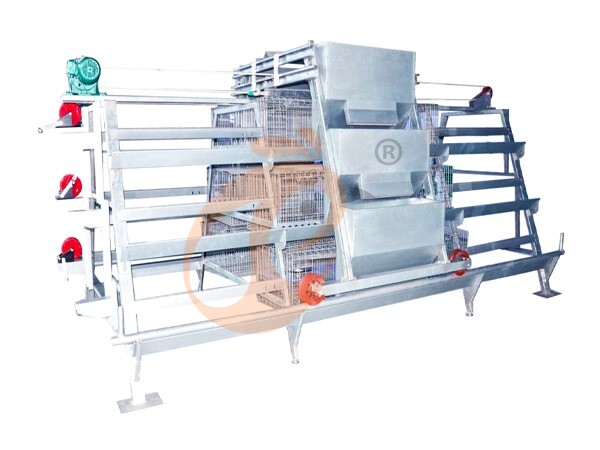
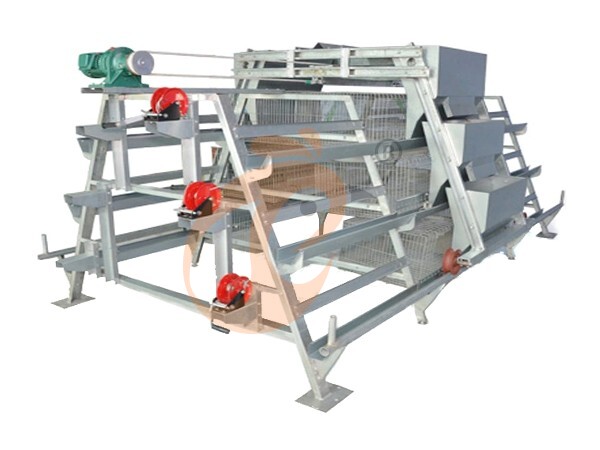
5. Our 24 hour online reception What’sApp NO. is +8618830120193, +234 8111199996. <30,000 Broilers Manual Harvest A Type Battery Cage1. Less 30,000 broilers a house, choose it.
2. It is designed to rearing 1 to 45 day old adult broiler ready for market.
3. Its lifespan is more than 20 years.
4. Its structure are Vcloud artificial intelligent fusion, electric control cabinet, automatic equipment of drinking, feeding and manure clean, manual harvesting.
5. Our 24 hour online reception What’sApp NO. is +8618830120193, +234 8111199996. HK Headquarter Offers EU-standard Poultry Farm Solutions, Manufacture Poultry Farm Equipment1. Continuous communication with the EU and the US
2. China, Nigeria, Ethiopia, Tanzania branch companies and factories
3. The products’ quality is customized for local poultry farms
4. Poultry cage and poultry farm equipment stock for sale
5. 24 online reception Whatsapp NO. : +8618830120193,contact us to get full information China Branch Offer Poultry Farm Business Plan, Manufacture Poultry Farm Equipment1. Address: Flat/RM 2416, 24/F, Runxing Building, Youyi Nan Street, Shijiazhuang City, Hebei Province, China
2. Poultry cage and poultry farm equipment factory and stock for sale
3. Customized for local poultry farms
4. Quality and design are based on Euro
5. 24 online reception Whatsapp NO. : +8618830120193 Nigeria Branch Offer Poultry Farm Business Plan, Manufacture Poultry Farm Equipment1. Address: After Sinoma Office, 200 Meters Near Danco Filling Station, Lagos/Ibadan Expressway, Lagos State, Nigeria
2. Poultry cage and poultry farm equipment factory and stock for sale
3. Customized for Nigerian poultry farms
4. Quality and design are based on Euro
5. 24 online reception Whatsapp NO. : +8618830120193 Ethiopia Branch Offer Poultry Farm Business Plan, Manufacture Poultry Farm Equipment1. Address: WR93+FQ2, Addis Ababa, Ethiopia
2. Poultry cage and poultry farm equipment stock for sale
3. Customized for Ethiopian poultry farms
4. Quality and design are based on Euro
5. 24 online reception Whatsapp NO. : +8618830120193, contact us to get price list Tanzania Branch Offer Poultry Farm Business Plan, Manufacture Poultry Farm Equipment1. Address: No.8, Sova Road, Msufini, Mlandizi, Kibaha, Pwani, Tanzania
2. Poultry cage and poultry farm equipment factory and stock for sale
3. Customized for Tanzanian poultry farms
4. Quality and design are based on Euro
5. 24 online reception Whatsapp NO. : +8618830120193



Contact
By clicking 'Allow All', you agree to the storage of cookies on your device to enhance site navigation, analyze site usage and assist with our marketing efforts.