


Blog
Nipple drinker systems control poultry water delivery through sealed mechanical valves ensuring precise discharge regulation and reduced environmental loss.
Poultry hydration efficiency improves through pressure stabilization within pipeline networks and optimized nipple positioning geometry.
Water consumption variability decreases across production stages in broiler and layer operations.
Hydraulic control prevents uncontrolled leakage and microbial contamination accumulation inside open trough systems.
Integrated filtration and monitoring improve operational consistency and reduce maintenance cost exposure.
Get professional poultry farm construction guidance, equipment selection solutions, and the latest price lists, whatsApp to +8618830120193, click to learn more:
Baseline Water Use Structure In Commercial Poultry Systems
Before optimization of nipple drinker infrastructure, baseline hydraulic demand profiling is required to establish reference consumption curves across poultry growth stages and identify deviation points in system efficiency behavior.
Data is for reference only.Swipe horizontally to view full table.
Hydration demand curve reflects metabolic scaling progression across poultry growth phases, directly influencing nipple system hydraulic load distribution and consumption stability patterns.
Precision Optimization Of Nipple Height (Mechanical Access Control)
Vertical nipple alignment directly governs activation frequency and reduces abnormal triggering events caused by mismatch between bird posture geometry and drinking interface positioning.
Data is for reference only.Swipe horizontally to view full table.
Height calibration aligned with growth trajectory reduces mechanical over-activation cycles and stabilizes hydration efficiency across production lifecycle stages.
Water Pressure Calibration For Nipple Drinkers
Hydraulic pressure regulation determines discharge velocity, droplet formation behavior, and valve rebound stability within nipple drinking systems.
Data is for reference only.Swipe horizontally to view full table.
Hydraulic imbalance at elevated pressure levels generates micro-spray dispersion at outlet points, increasing floor moisture accumulation and system inefficiency metrics.
Anti-Drip Nipple Technology Deployment
Valve sealing architecture determines residual discharge behavior after activation cycles, directly influencing cumulative system water loss accumulation across production periods.
Data is for reference only.Swipe horizontally to view full table.
Anti-drip valve systems reduce micro-leak accumulation across high-frequency activation cycles in intensive poultry housing environments.
Maintenance And Leakage Control
Mechanical wear in nipple drinker systems is primarily driven by mineral deposition, water hardness index variation, and micro-abrasion at sealing interfaces.
Data is for reference only.Swipe horizontally to view full table.
Calcium carbonate accumulation modifies valve seating geometry and reduces sealing efficiency across extended operational cycles.
Scientific Insight: Fluid Dynamics In Nipple Drinkers
Nipple drinker systems operate through controlled pressure equilibrium disruption where water remains static until mechanical activation force exceeds threshold resistance between 0.03–0.12 Newton.
Hydraulic behavior depends on pipeline friction coefficient, elevation head variation, and activation frequency distribution ranging 18–35 cycles per bird per day.
These variables define volumetric discharge stability across large-scale poultry infrastructure systems.
Water Line Segmentation For Pressure Stability
Pipeline segmentation architecture reduces cumulative pressure decay and ensures uniform hydraulic distribution across all drinking nodes in poultry housing systems.
Data is for reference only.Swipe horizontally to view full table.
Segmented hydraulic architecture reduces end-line pressure distortion caused by friction losses and elevation imbalance across long pipeline networks.
This structural configuration is widely used in commercial poultry facilities exceeding 20,000 birds per house unit.
Filtration Quality And Nipple Longevity
Water filtration quality directly affects valve contamination rate and long-term degradation speed of nipple drinker assemblies under continuous operation conditions.
Data is for reference only.Swipe horizontally to view full table.
Fine particulate removal reduces biofilm formation and stabilizes mechanical response behavior of nipple valve components.
Behavioral Influence On Water Consumption Efficiency
Bird behavioral variability significantly affects activation frequency and total water intake volume under different environmental stress conditions.
Data is for reference only.Swipe horizontally to view full table.
Behavioral stabilization reduces non-physiological drinking cycles and improves hydraulic system efficiency consistency.
Data-Driven Monitoring Systems For Nipple Drinkers
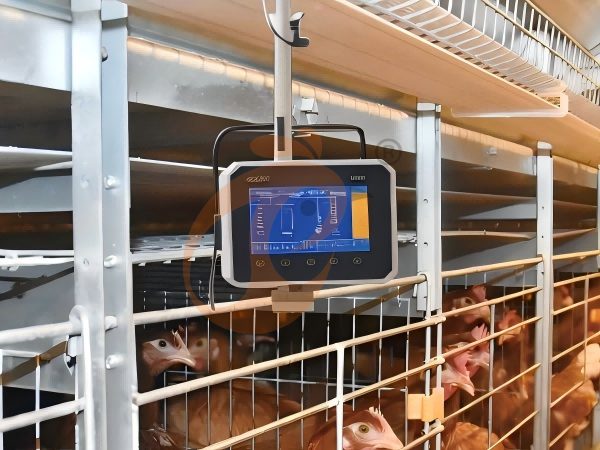
Digital monitoring architecture integrates real-time hydraulic feedback systems for detecting abnormal flow deviation and pressure instability in poultry water distribution networks.
Data is for reference only.Swipe horizontally to view full table.
High-frequency telemetry enables early detection of leakage onset conditions before cumulative loss exceeds operational tolerance thresholds.
System Efficiency Optimization Parameters For Poultry Water Lines
Operational efficiency of nipple drinker systems depends on multiple secondary engineering variables that are not limited to pressure or height calibration.
These parameters influence long-term stability, water purity retention, and mechanical fatigue behavior across distribution networks.
- Pipeline inclination control: 0.3%–0.8% gradient ensures uniform gravity-assisted flow stability.
- Water temperature range: 18°C–24°C maintains consistent viscosity and reduces valve sticking probability.
- Maximum dissolved iron content: below 0.3 mg/L prevents internal corrosion of nipple housing.
- Daily flushing duration: 2–4 minutes per line removes sediment accumulation without pressure shock events.
- Recommended pipe material tolerance: PVC schedule 40 or stainless steel 304 for reduced deformation under thermal load.
These parameters collectively stabilize hydraulic consistency and extend system service life beyond standard poultry production cycles.
Frequently Asked Questions
Q1: How does nipple drinkers reduce water waste in poultry houses?
Nipple systems eliminate open water exposure and restrict discharge to mechanical activation events only.
Evaporation loss and spillage accumulation are significantly reduced.
System performance depends on pressure calibration and mechanical alignment accuracy.
Q2: What is the ideal pressure range for stable nipple operation?
Operational stability is achieved between 10–14 psi depending on pipeline configuration and stocking density.
Outside this range, discharge irregularities increase due to valve rebound instability and spray formation at outlet points.
Q3: How often should maintenance be performed on nipple drinking systems?
Maintenance intervals between 7–14 days maintain sealing integrity and hydraulic stability.
Extended intervals beyond 30 days increase mineral scaling accumulation and reduce valve closure reliability across pipeline networks.
Taiyu (HK) Group - One Of China Biggest Nipple Drinkers Manufacturer
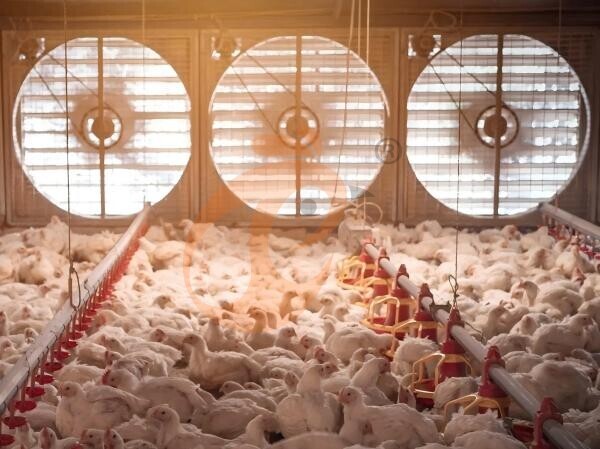
Nipple drinker system provides precision-controlled poultry hydration delivery for commercial poultry farms with engineered hydraulic stability and uniform output distribution.
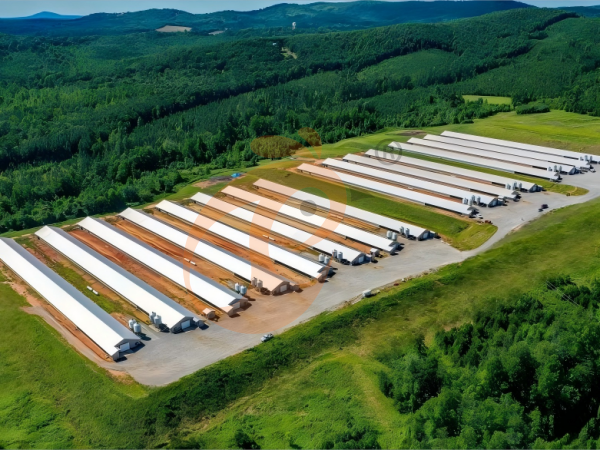
Global factory direct production supports poultry equipment integration including cage systems and full poultry house infrastructure engineering solutions.
Industrial-grade poultry cage and watering line systems manufactured under standardized quality control for large-scale livestock production environments.
Turn-key poultry engineering solutions include automated water lines, feeding systems, and environmental control integration for modern farm construction projects.
International export manufacturing network delivers poultry equipment supply chain coverage for industrial livestock production facilities worldwide.
Contact Us To Received Your Customized Poultry Farm Plan
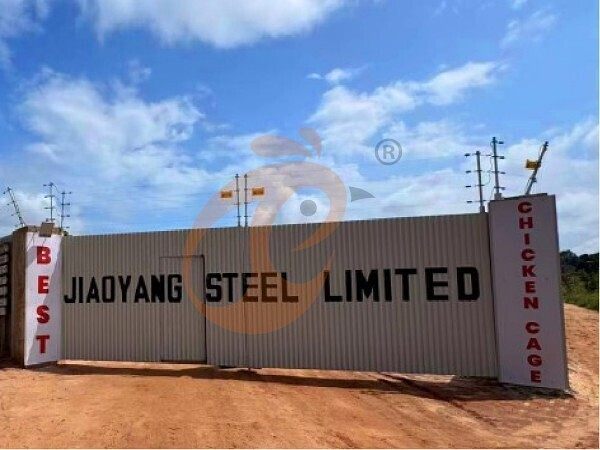
Headquarters And Branchs

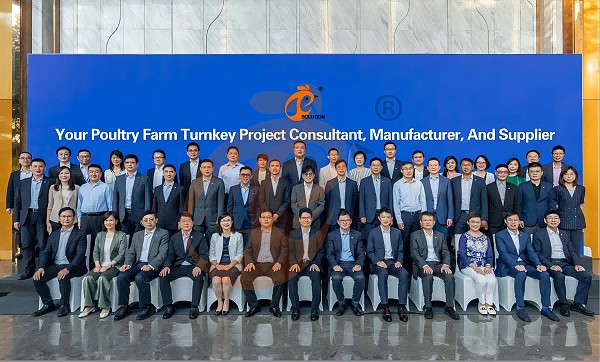
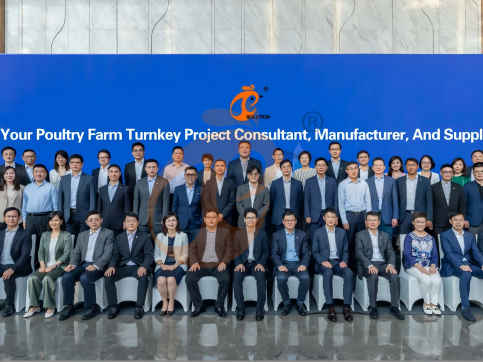
Hong Kong Headquarter Management Team
Hong Kong Headquarter Taiyu Industrial Group CO., LTD
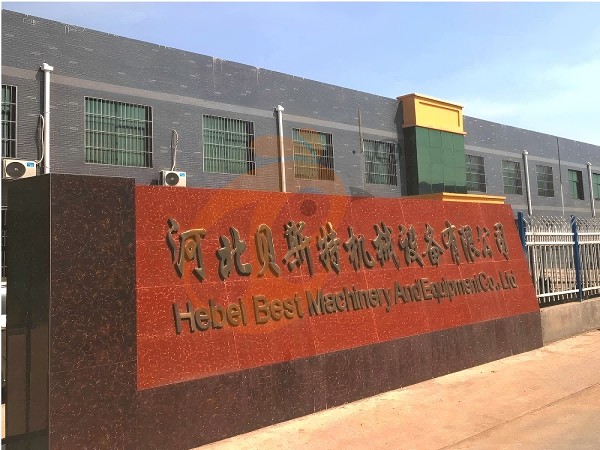
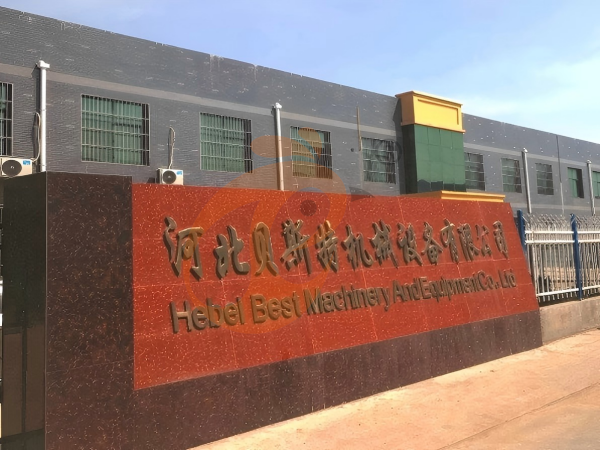
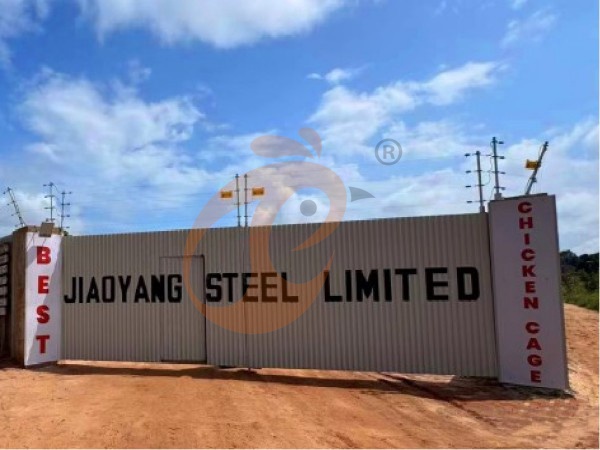
China Hebei Best Machinery And Equipment CO., LTD
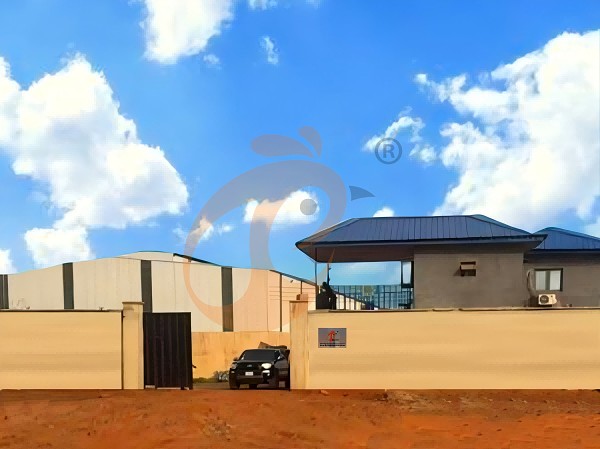
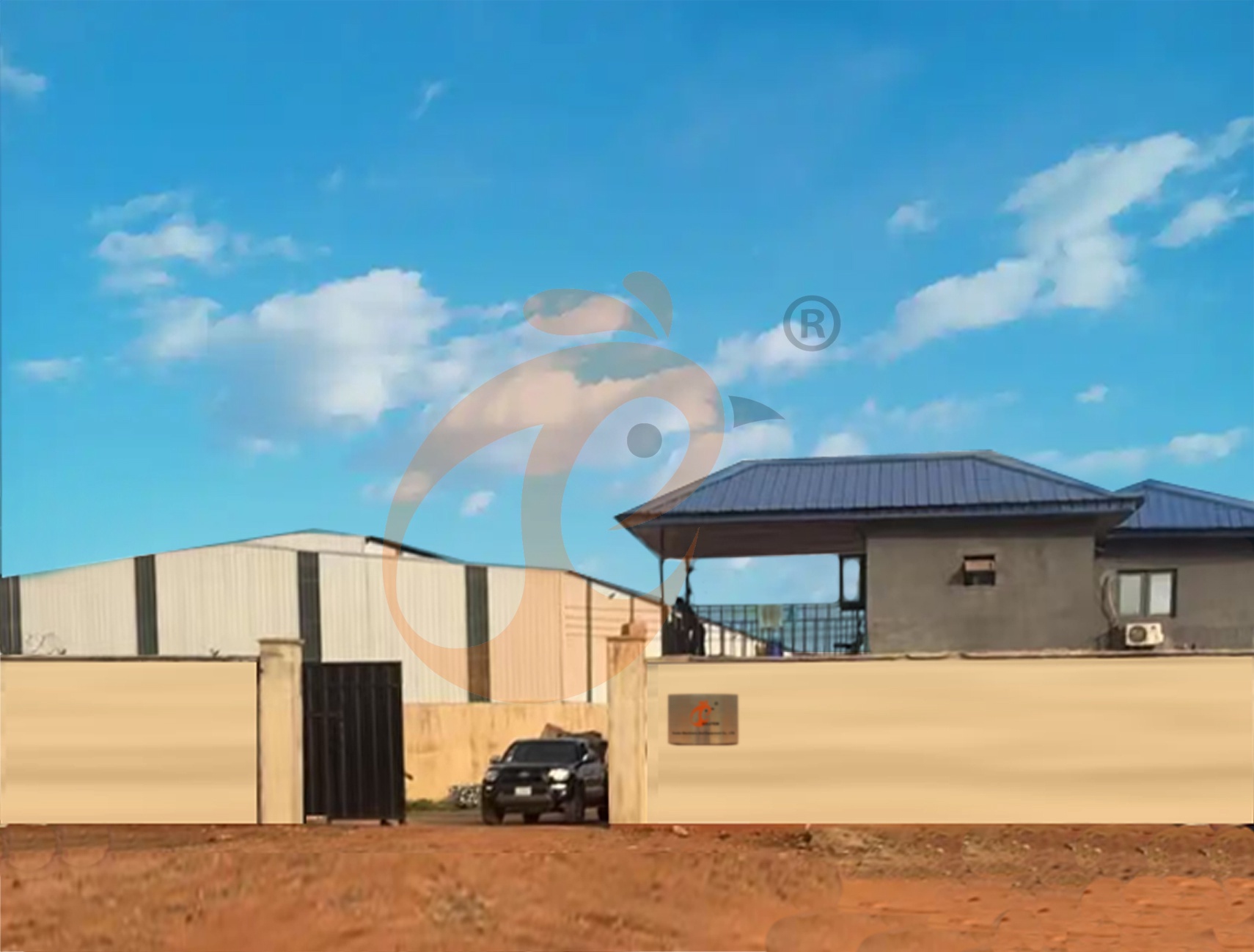
Nigeria Vanke Machinery And Equipment CO., LTD
Tanzania Best Machinery And Equipment CO., LTD
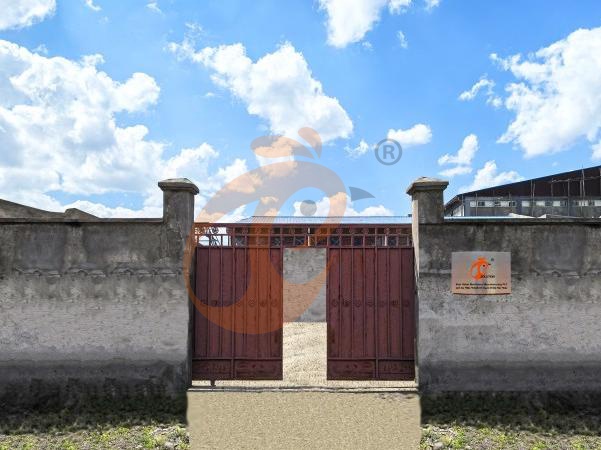
Ethiopia Best Hebei Machinery Manufacturing PLC
Reception /24 WhatsApp NO. : +8618830120193
FAQ
What Water Quality Requirements Are Necessary For Nipple Drinkers In Poultry Chicken Cage Systems?
Water hardness is maintained within 100–150 mg/L CaCO₃ equivalent for valve protection.
Microbial load is controlled under 100 CFU/mL for safe poultry consumption standards.
What Is The Recommended Stocking Ratio For Nipple Drinkers In Poultry Chicken Cage Systems?
Drinker spacing is typically set at 25–30 cm to reduce competition stress.
Water demand allocation is calculated at 180–220 ml per bird daily in intensive production.
How Is Water Flow Regulated In Nipple Drinkers For Poultry Chicken Cage Farming Systems?
Pressure stability is maintained within 0.18–0.22 MPa across drinking lines.
Drop formation interval is adjusted at 1–2 seconds per activation for efficient intake.
Message
Products recommended
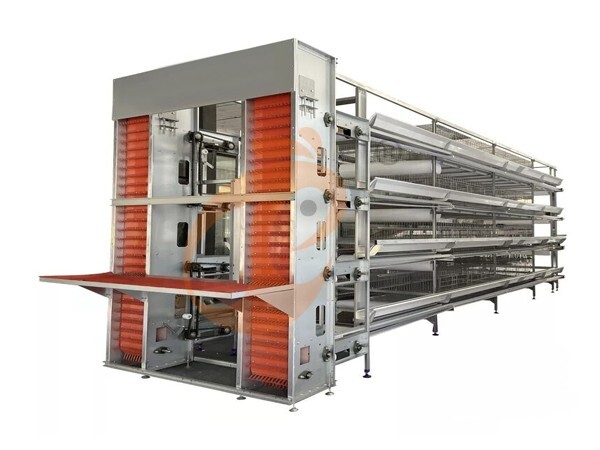
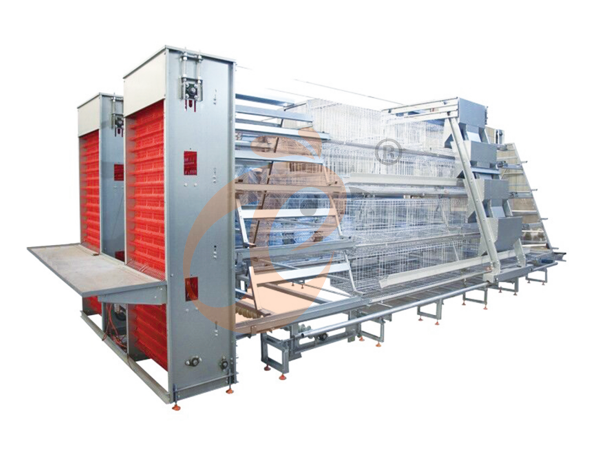
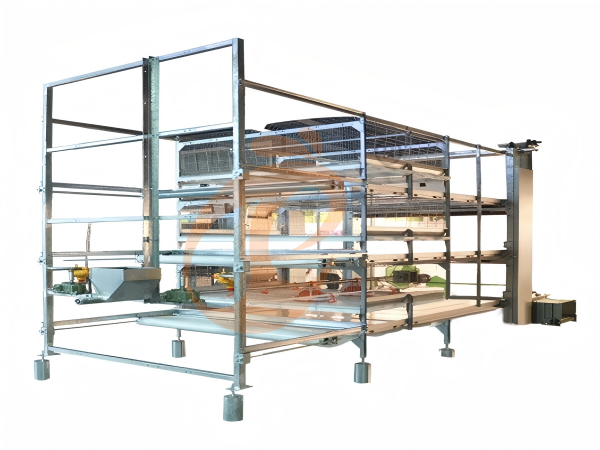
 >30,000 Pullets Automatic H Type Battery Cage1. More than 30,000 pullets a house, choose it.
2. It is designed to rearing older than 1 day old pullets to 12 to 16 weeks old chicken starting laying eggs.
3. Its lifespan is more than 25 years.
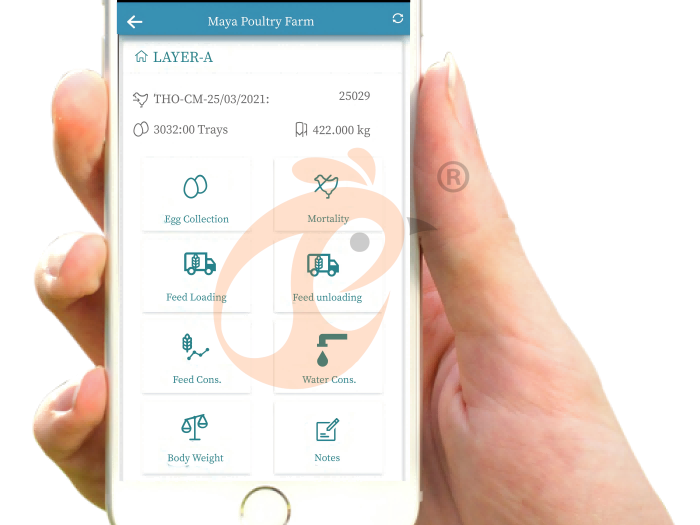
4. Its structure are Vcloud artificial intelligent fusion, electric control cabinet, automatic equipment of drinking, feeding, manure clean, manual harvesting.
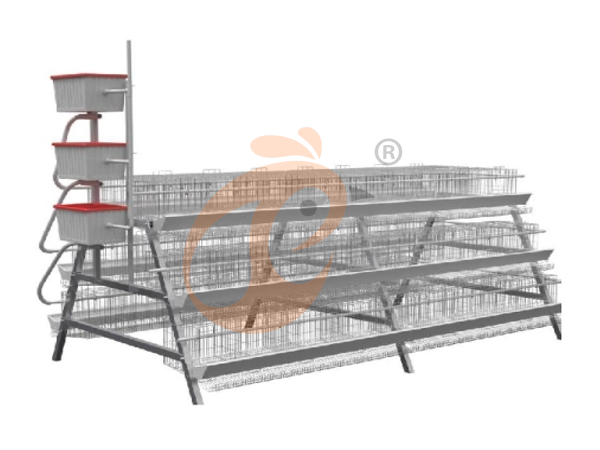
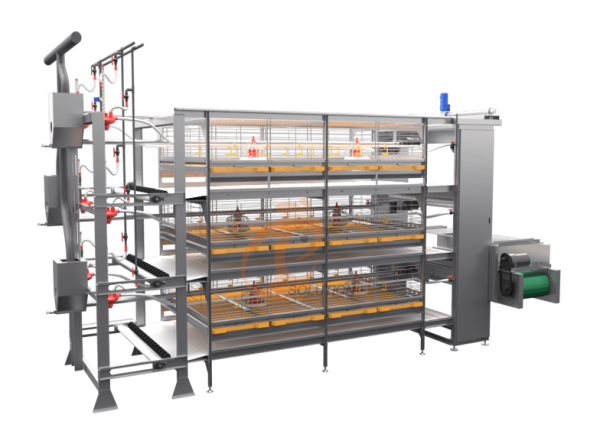
5. Our 24 hour online reception What’sApp NO. is +8618830120193 <30,000 Pullets Automatic A Type Battery Cage1. 10,000 to 30,000 pullets a house, choose it.
2. It is designed to rearing older than 1 day old pullets to 12 to 16 weeks old chicken starting laying eggs.
3. Its lifespan is more than 25 years.
4. Its structure are Vcloud artificial intelligent fusion, electric control cabinet, automatic equipment of drinking, feeding, manure clean, manual harvesting.
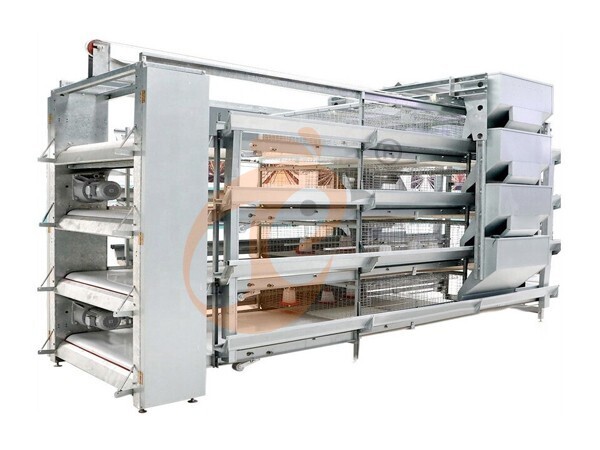
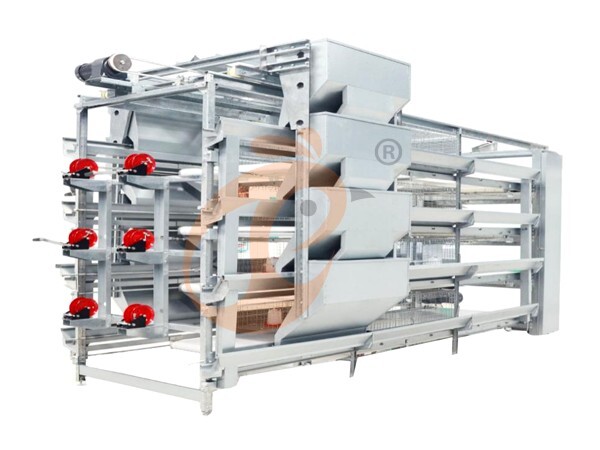
5. Our 24 hour online reception What’sApp NO. is +86 18830120193. >30,000 Broilers Semi-Automatic Harvest H Type Battery Cage1. More than 30,000 broilers a house, choose it.
2. It is designed to rearing 1 to 45 day old adult broiler ready for market.
3. Its lifespan is more than 20 years.
4. Our 24 hour online reception What’sApp NO. is +8618830120193, +234 8111199996. >30,000 Broilers Manual Harvest H Type Battery Cage1. More than 30,000 broilers a house, choose it.
2. It is designed to rearing 1 to 45 day old adult broiler ready for market.
3. Its lifespan is more than 20 years.
4. Its structure are Vcloud artificial intelligent fusion, electric control cabinet, automatic equipment of drinking, feeding and manure clean, manual harvesting.
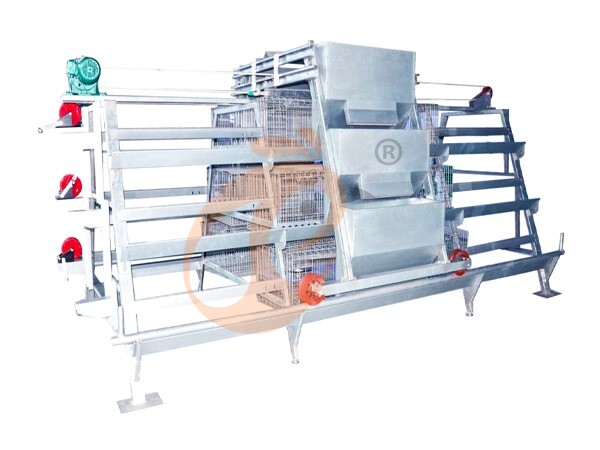
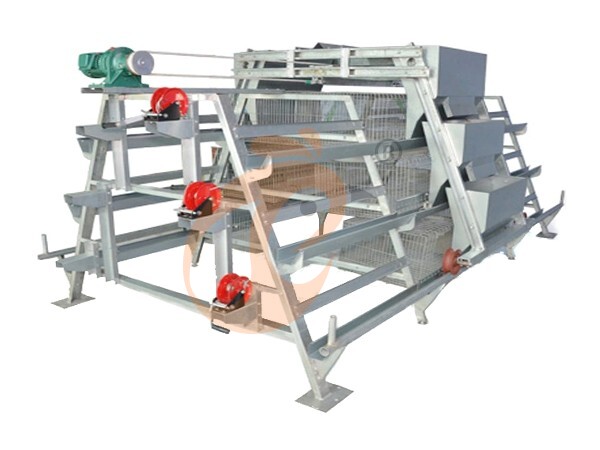
5. Our 24 hour online reception What’sApp NO. is +8618830120193, +234 8111199996. <30,000 Broilers Manual Harvest A Type Battery Cage1. Less 30,000 broilers a house, choose it.
2. It is designed to rearing 1 to 45 day old adult broiler ready for market.
3. Its lifespan is more than 20 years.
4. Its structure are Vcloud artificial intelligent fusion, electric control cabinet, automatic equipment of drinking, feeding and manure clean, manual harvesting.
5. Our 24 hour online reception What’sApp NO. is +8618830120193, +234 8111199996. HK Headquarter Offers EU-standard Poultry Farm Solutions, Manufacture Poultry Farm Equipment1. Continuous communication with the EU and the US
2. China, Nigeria, Ethiopia, Tanzania branch companies and factories
3. The products’ quality is customized for local poultry farms
4. Poultry cage and poultry farm equipment stock for sale
5. 24 online reception Whatsapp NO. : +8618830120193,contact us to get full information China Branch Offer Poultry Farm Business Plan, Manufacture Poultry Farm Equipment1. Address: Flat/RM 2416, 24/F, Runxing Building, Youyi Nan Street, Shijiazhuang City, Hebei Province, China
2. Poultry cage and poultry farm equipment factory and stock for sale
3. Customized for local poultry farms
4. Quality and design are based on Euro
5. 24 online reception Whatsapp NO. : +8618830120193 Nigeria Branch Offer Poultry Farm Business Plan, Manufacture Poultry Farm Equipment1. Address: After Sinoma Office, 200 Meters Near Danco Filling Station, Lagos/Ibadan Expressway, Lagos State, Nigeria
2. Poultry cage and poultry farm equipment factory and stock for sale
3. Customized for Nigerian poultry farms
4. Quality and design are based on Euro
5. 24 online reception Whatsapp NO. : +8618830120193 Ethiopia Branch Offer Poultry Farm Business Plan, Manufacture Poultry Farm Equipment1. Address: WR93+FQ2, Addis Ababa, Ethiopia
2. Poultry cage and poultry farm equipment stock for sale
3. Customized for Ethiopian poultry farms
4. Quality and design are based on Euro
5. 24 online reception Whatsapp NO. : +8618830120193, contact us to get price list Tanzania Branch Offer Poultry Farm Business Plan, Manufacture Poultry Farm Equipment1. Address: No.8, Sova Road, Msufini, Mlandizi, Kibaha, Pwani, Tanzania
2. Poultry cage and poultry farm equipment factory and stock for sale
3. Customized for Tanzanian poultry farms
4. Quality and design are based on Euro
5. 24 online reception Whatsapp NO. : +8618830120193



Contact
By clicking 'Allow All', you agree to the storage of cookies on your device to enhance site navigation, analyze site usage and assist with our marketing efforts.