


Blog
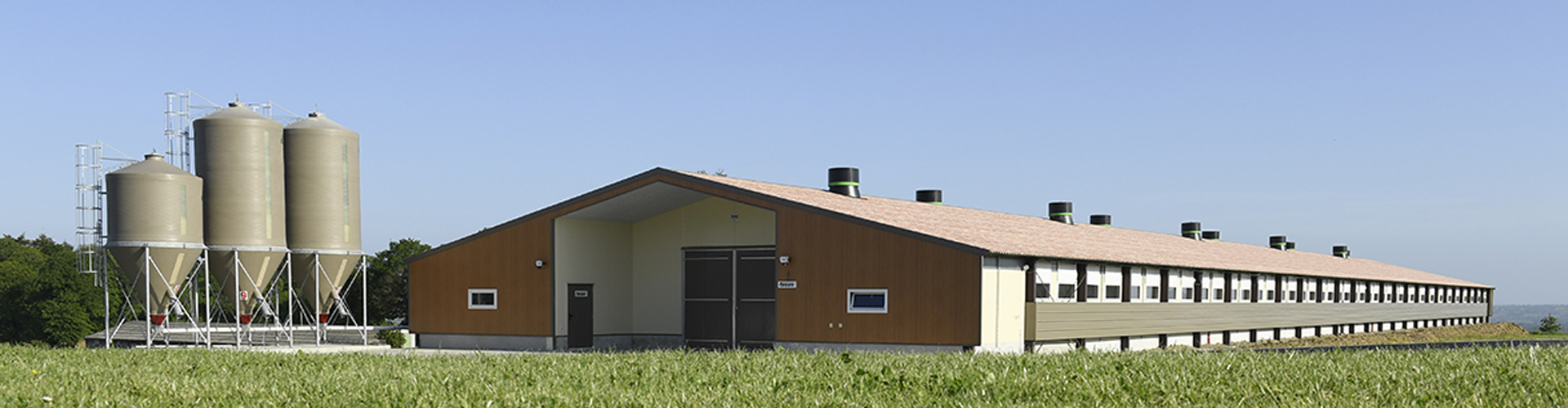
Broiler house equipment can improve free-range profitability through automated feeding, controlled ventilation, and precise water delivery, with 2.0–4.0 kg market weights supporting commercial production planning.
Automatic poultry feeding systems reduce repetitive handling while maintaining controlled feed distribution, with 35–56 day production cycles supporting predictable farm scheduling.
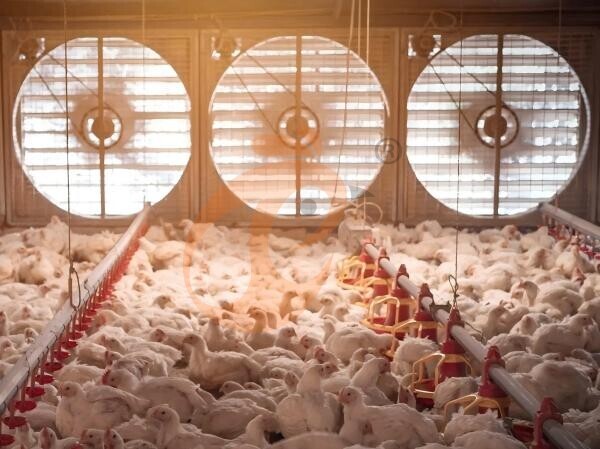
Poultry ventilation systems regulate airflow, temperature, humidity, and air quality, while 50–54 inch tunnel fans provide scalable environmental management for commercial broiler houses.
Integrated broiler house equipment connects feeding, drinking, cooling, heating, and environmental controls, helping farms reduce operational complexity across multiple production cycles.
- Professional poultry equipment design converts house dimensions, climate data, bird capacity, and management targets into an engineered system focused on measurable production efficiency.
Get professional poultry farm construction guidance, equipment selection solutions, and the latest price lists, whatsApp to +8618830120193, click to learn more:
Stocking Density And Space Planning
Data is for reference only.Swipe horizontally to view full table.
Free-range production requires coordinated indoor and outdoor space, while broiler house equipment supports controlled brooding during the earliest growth stage.
A commercial layout should provide chicks with immediate access to essential systems, with 24–48 hour adaptation periods helping stabilize flock movement.
Professional poultry equipment layouts can transition feeding and drinking systems from concentrated brooding zones toward full-house operation without
repeated reconstruction.
Feed Cost: Control The Daily Leak
Feed efficiency directly affects recurring production expenditure, making an automatic poultry feeding system a major component of commercial broiler house equipment.
A properly designed conveying system can support consistent feed delivery, while 30–45 kg/h conveying performance provides a measurable engineering reference.
Data is for reference only.Swipe horizontally to view full table.
Automatic pan feeding reduces manual handling while broiler house equipment maintains controlled distribution along the house.
Suspension adjustment keeps feeding equipment aligned as birds grow, while 2–4 adjustment cycles during a flock can support practical equipment management.
Integrated poultry equipment can connect feed storage, conveying, pan distribution, and controller operation into one automated feeding sequence.
Water Management Protects Performance
Water availability directly influences feed consumption and flock performance, making a reliable poultry drinking system essential within complete broiler house equipment.
Hot-weather management requires additional water planning, with peak demand potentially increasing by 20–30% during severe heat periods.
Data is for reference only.Swipe horizontally to view full table.
A reliable nipple system maintains stable delivery across the house, while broiler house equipment should include accessible flushing points for routine maintenance.
Independent water zones can simplify troubleshooting, with 2–4 zones commonly supporting practical monitoring across larger commercial buildings.
Filtration and flushing protect poultry equipment from sediment accumulation, helping maintain consistent hydraulic performance throughout the production cycle.
Ventilation Turns Equipment Into Production Capacity
Ventilation is an engineering control system, not simply air movement.
A commercial poultry ventilation system should calculate airflow from house volume, bird biomass, fan capacity, and external climate conditions.
Target air velocity can reach 2.0 m/s or higher, while broiler house equipment must maintain adequate air exchange across the occupied area.
Data is for reference only.Swipe horizontally to view full table.
Fans remove heat, moisture, dust, and contaminated air while poultry equipment provides controlled fresh-air replacement.
Airflow design should consider fan staging and inlet interaction, with 4–8 ventilation stages supporting progressive environmental adjustment.
Integrated broiler house equipment combines fans, air inlets, cooling pads, sensors, and controllers into one coordinated environmental system.
Environmental Control Protects Early Growth
Early brooding requires precise response rather than manual guesswork.
Forced-air brooding commonly begins around 34°C, while broiler house equipment gradually adjusts environmental conditions as chicks develop.
Data is for reference only.Swipe horizontally to view full table.
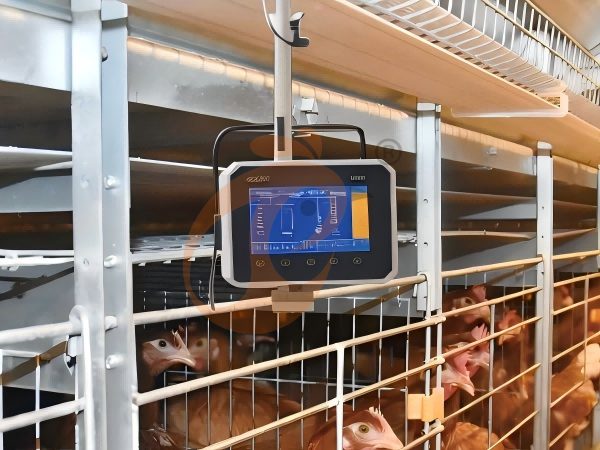
Automated sensors provide continuous measurement, while poultry ventilation systems respond to changing house conditions without relying entirely on manual inspection.
Sensor placement should represent bird-level conditions, with 2–6 monitoring points providing practical coverage for larger commercial houses.
A coordinated poultry equipment controller can activate heating, ventilation, and cooling according to programmed environmental thresholds.
Labor Efficiency Determines Scalability
Ask one operational question: Can flock capacity increase without matching labor growth?
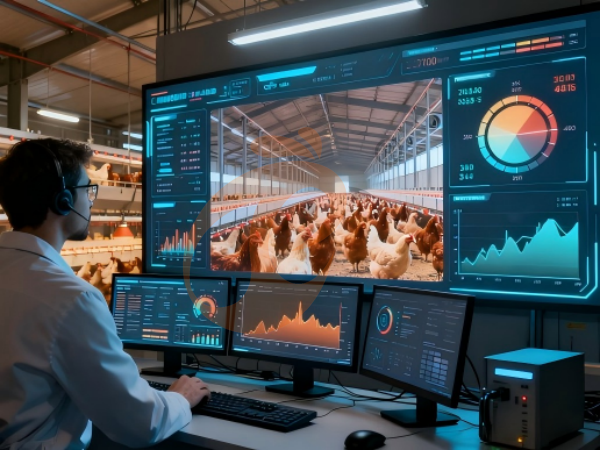
Automation allows broiler house equipment to handle repetitive feeding, watering, ventilation, and environmental monitoring through centralized controls.
Data is for reference only.Swipe horizontally to view full table.
Centralized automation reduces repetitive operator actions, while automatic poultry feeding systems can coordinate multiple production functions from one control point.
Remote monitoring can shorten response time, with 5–15 minute inspection intervals supporting routine commercial supervision.
Integrated poultry equipment becomes increasingly valuable as farm capacity expands because one control architecture can manage multiple house systems.
Build The House Around Six Profit Drivers
Use six engineering questions before equipment procurement:
1. How many birds will the house carry?
2. What is the target market weight?
3. What is the local summer temperature?
4. What ventilation configuration will be used?
5. How much automation does the farm require?
6. How will outdoor access connect with indoor management?
A house designed for 20,000 birds requires different broiler house equipment quantities from a 5,000-bird project.
Fan quantity, feed lines, drinking lines, cooling systems, controllers, and electrical loads should be calculated from actual project dimensions.
Professional poultry equipment suppliers should therefore begin with house drawings, climate information, bird capacity, and production objectives before
generating the equipment layout.
Equipment Return On Investment: Measure The Investment Per Cycle
Equipment value should be evaluated across production cycles, with 5–10 years serving as a practical service-life reference for durable commercial systems.
Data is for reference only.Swipe horizontally to view full table.
Return on investment calculations should include installation, maintenance, electricity, spare parts, depreciation, and production frequency for complete broiler house equipment evaluation.
A commercial farm operating 6–8 cycles annually can evaluate equipment investment against repeated labor and operating requirements.
Professional poultry equipment should therefore be compared through total cost of ownership rather than purchase price alone.
Free Range Does Not Mean Low Technology
Free-range production changes access requirements, not the need for precision equipment.
Modern broiler house equipment can combine outdoor access with automated indoor feeding, drinking, ventilation, heating, and cooling.
Feed delivery can operate through timed cycles, while automatic poultry feeding systems reduce repeated manual handling during daily management.
Environmental controllers can sample conditions at 5-minute intervals, allowing poultry ventilation systems to respond to changing environmental conditions.
What Should A Complete Broiler Equipment Supplier Provide?
Data is for reference only.Swipe horizontally to view full table.
A complete poultry equipment supplier should calculate equipment quantities, prepare installation drawings, and coordinate system compatibility before delivery.
Technical documentation should cover wiring, assembly, commissioning, and maintenance, with 12-month spare-parts planning supporting continuous operation.
For international projects, integrated broiler house equipment support reduces installation uncertainty and simplifies future expansion.
The Profit Strategy: Invest In Repeating Processes
Profit depends on recurring production controls, while broiler house equipment influences feeding, drinking, ventilation, environmental management, and labor
throughout every flock.
Data is for reference only.Swipe horizontally to view full table.
Feed, water, airflow, and environmental conditions operate continuously, making reliable poultry equipment essential for repeatable flock management.
A complete automatic poultry feeding system should work with ventilation and climate controls rather than operate as an isolated machine.
The commercial objective is measurable efficiency across multiple cycles, with 6–8 annual cycles providing a practical framework for long-term equipment evaluation.
Frequently Asked Questions
Q1: How does broiler house equipment improve free-range farm profit?
Broiler house equipment improves operational control by automating feeding, drinking, ventilation, and climate management, while 35–56 day cycles allow
performance comparison between successive flocks.
Q2: What equipment is most important for a free-range broiler house?
An automatic poultry feeding system, reliable drinking system, and poultry ventilation system form the core equipment package, while environmental controllers
coordinate daily operation.
Q3: How should poultry equipment be selected for a new project?
Equipment should be calculated from bird capacity, house dimensions, climate, target weight, and production schedule, with 20,000-bird projects requiring
different system sizing from smaller houses.
Taiyu (HK) Group - One Of China Largest Broiler Equipment Manufacturer
Broiler equipment integrates automatic feeding, nipple drinking, ventilation, cooling, heating, and control systems, with project engineering based on house dimensions and commercial flock capacity.
Global factory-direct poultry equipment supply covers system manufacturing, technical documentation, component matching, and international project coordination for commercial broiler farms.
Turn-key engineering combines layout design, equipment configuration, installation guidance, commissioning, and operational documentation within one project execution structure.
Poultry equipment solutions support new-house construction, existing-house upgrades, and capacity expansion, with system specifications calculated from regional climate and production requirements.
Factory-direct manufacturing provides centralized equipment coordination, spare-parts planning, technical support, and project-based delivery for international poultry production facilities.
Contact Us To Received Your Customized Poultry Farm Plan
Headquarters And Branchs

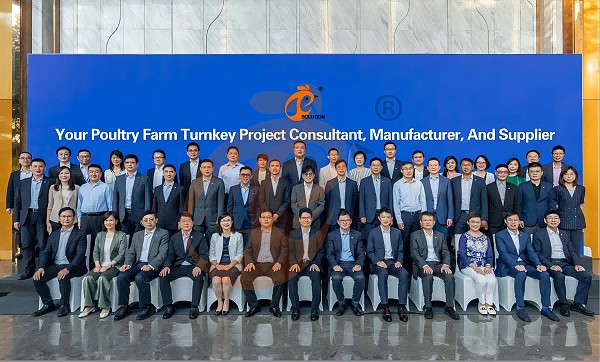
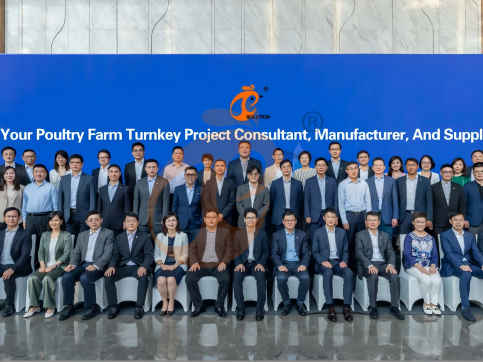
Hong Kong Headquarter Management Team
Hong Kong Headquarter Taiyu Industrial Group CO., LTD
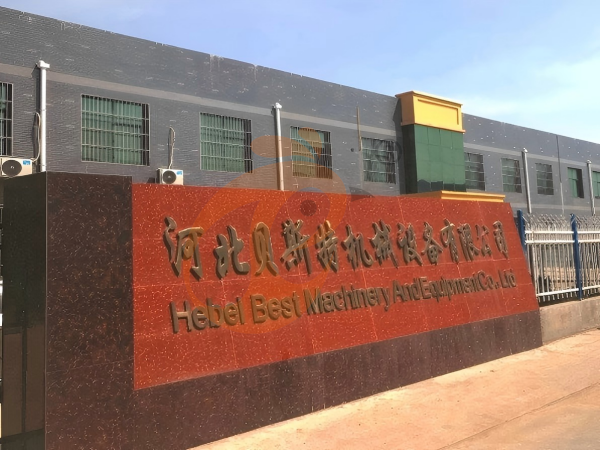
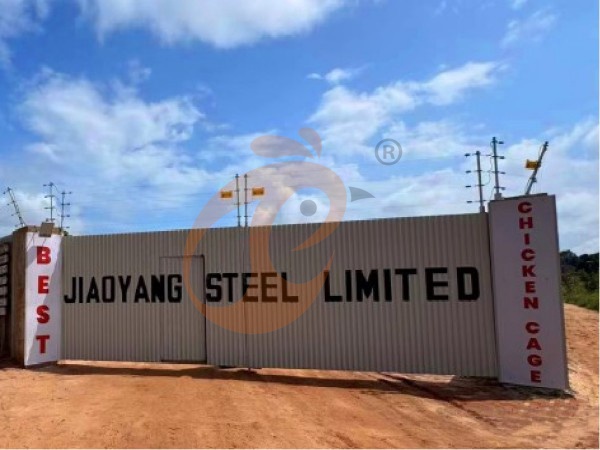
China Hebei Best Machinery And Equipment CO., LTD
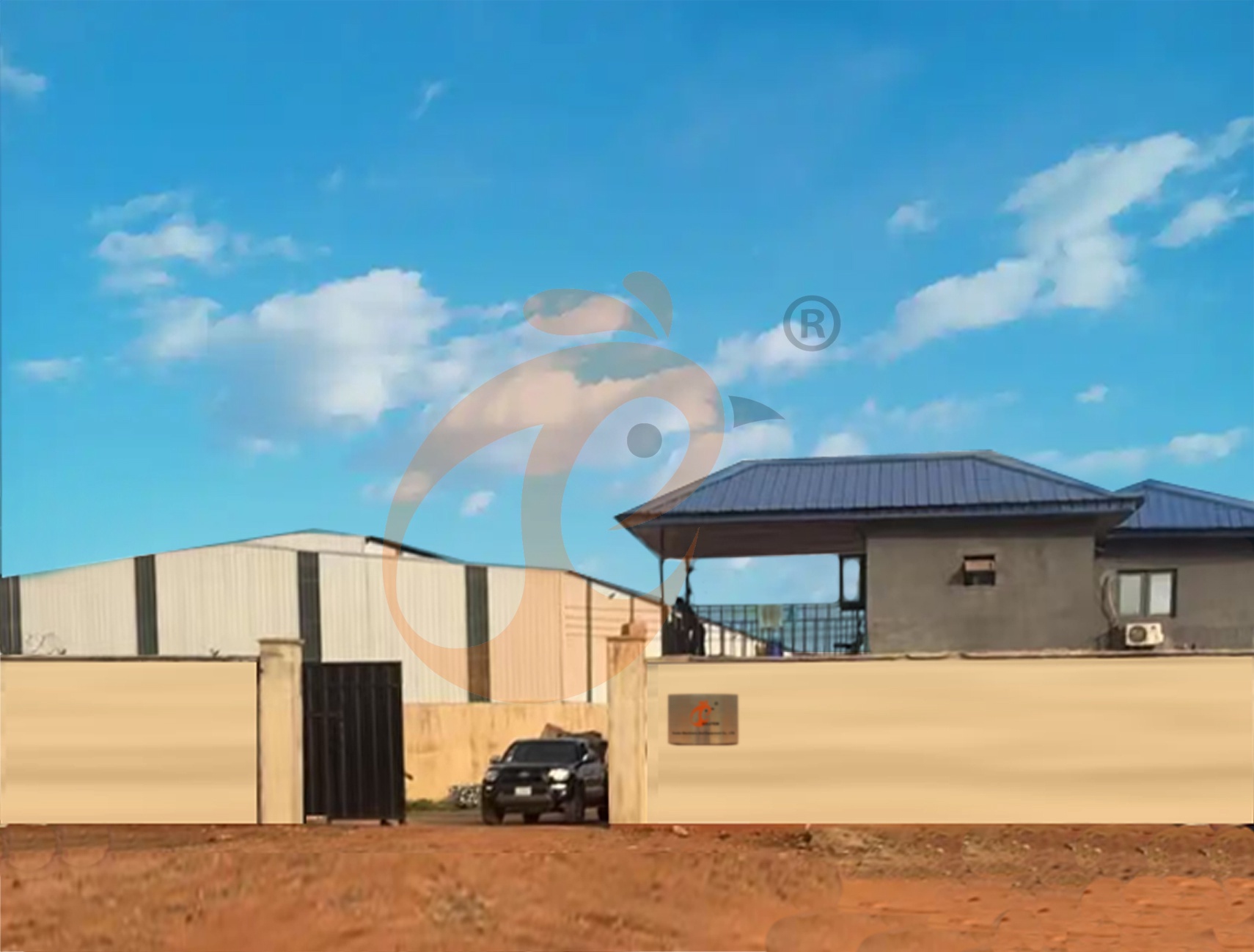
Nigeria Vanke Machinery And Equipment CO., LTD
Tanzania Best Machinery And Equipment CO., LTD
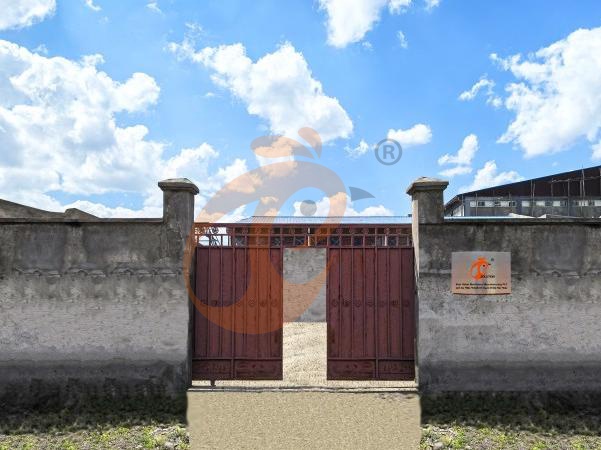
Ethiopia Best Hebei Machinery Manufacturing PLC




Reception /24 WhatsApp NO. : +8618830120193
FAQ
How Does Free Range System Affect Feed Consumption?
Energy expenditure increases daily intake variation by 15%–22% across seasons.
Feed conversion efficiency ranges from 1.9–2.3 depending on grazing intensity.
What Are The Housing Transition Management Standards In Free Range Poultry System?
Indoor-outdoor transition time is controlled within 10–15 minutes per flock movement cycle.
Lighting guidance systems operate at 5–8 lux to direct flock movement behavior.
What Are The Seasonal Adaptation Strategies In Free Range Poultry System?
Summer shade coverage is increased to 60%–80% of grazing area for heat stress reduction.
Rainfall drainage capacity handles 25–40 mm per hour precipitation levels for land usability.
- poultry farm
- cage
- poultry farm construction
- poultry drinking system
- poultry feeding system
- automatic poultry feeding system
- poultry equipment
- chickencage
- bestchickencage
- Nigeria
- broiler farm
- broiler equipment
- poultry equipment supplier
- broiler equipment manufacturer
- broiler equipment supplier
- poultry ventilation system
- poultry equipment layout
- broiler house equipment
- poultry farm plan
- poultry equipment suppliers
- poultry feed
- feed silo
- Ethiopia
Message
Products recommended
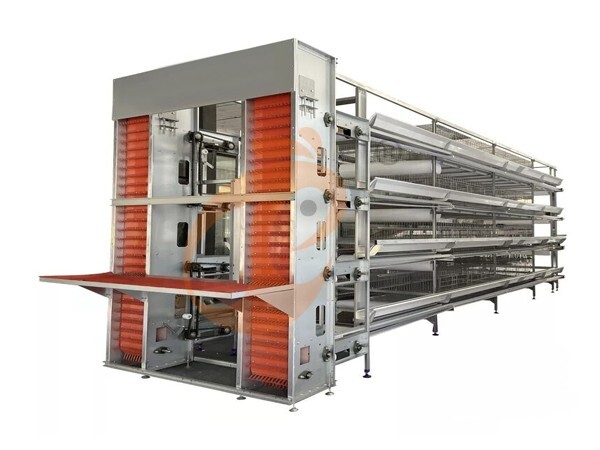
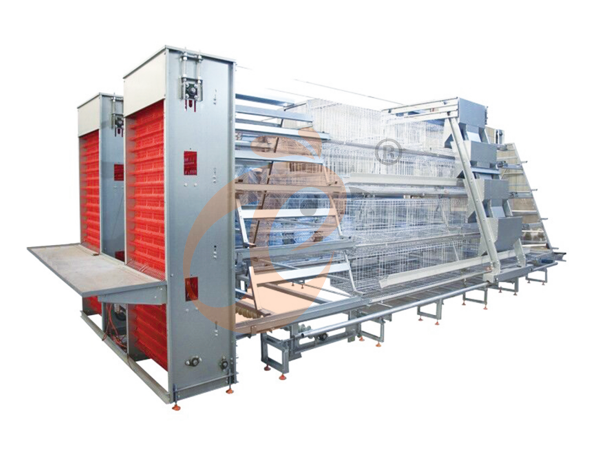
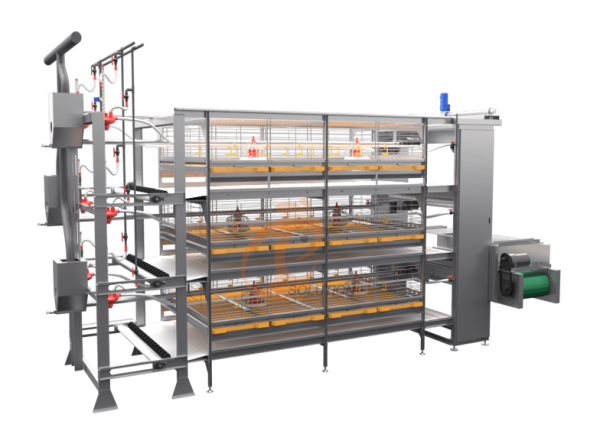
 >30,000 Pullets Automatic H Type Battery Cage1. More than 30,000 pullets a house, choose it.
2. It is designed to rearing older than 1 day old pullets to 12 to 16 weeks old chicken starting laying eggs.
3. Its lifespan is more than 25 years.
4. Its structure are Vcloud artificial intelligent fusion, electric control cabinet, automatic equipment of drinking, feeding, manure clean, manual harvesting.
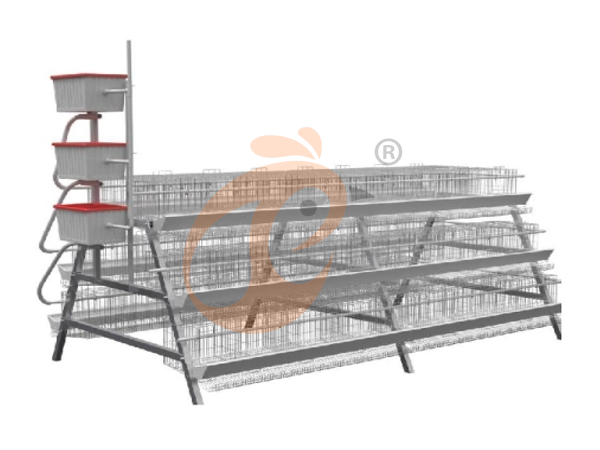
5. Our 24 hour online reception What’sApp NO. is +8618830120193 <30,000 Pullets Automatic A Type Battery Cage1. 10,000 to 30,000 pullets a house, choose it.
2. It is designed to rearing older than 1 day old pullets to 12 to 16 weeks old chicken starting laying eggs.
3. Its lifespan is more than 25 years.
4. Its structure are Vcloud artificial intelligent fusion, electric control cabinet, automatic equipment of drinking, feeding, manure clean, manual harvesting.
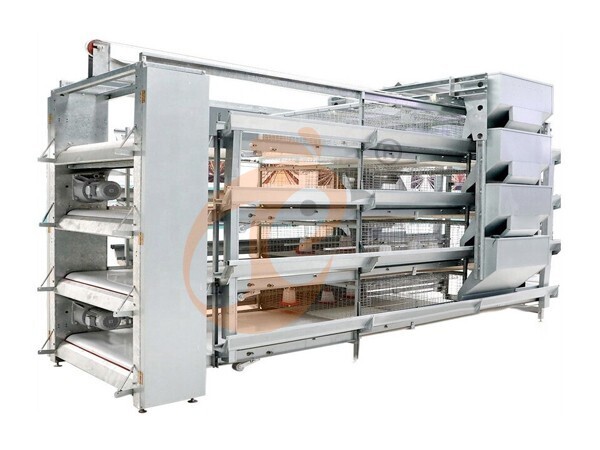
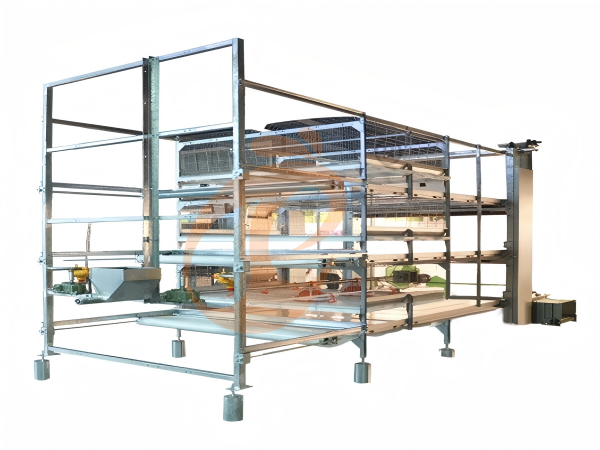
5. Our 24 hour online reception What’sApp NO. is +86 18830120193. >30,000 Broilers Semi-Automatic Harvest H Type Battery Cage1. More than 30,000 broilers a house, choose it.
2. It is designed to rearing 1 to 45 day old adult broiler ready for market.
3. Its lifespan is more than 20 years.
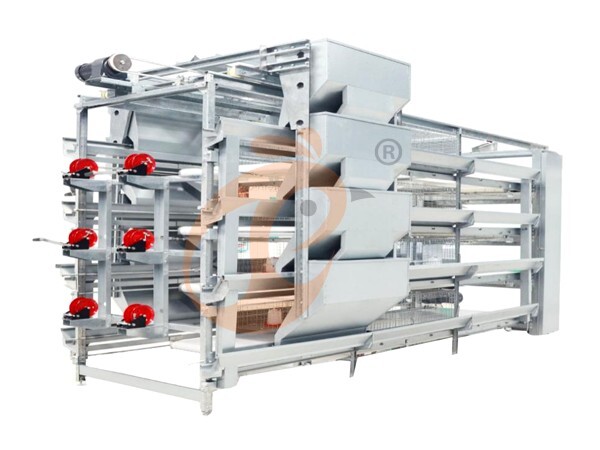
4. Our 24 hour online reception What’sApp NO. is +8618830120193, +234 8111199996. >30,000 Broilers Manual Harvest H Type Battery Cage1. More than 30,000 broilers a house, choose it.
2. It is designed to rearing 1 to 45 day old adult broiler ready for market.
3. Its lifespan is more than 20 years.
4. Its structure are Vcloud artificial intelligent fusion, electric control cabinet, automatic equipment of drinking, feeding and manure clean, manual harvesting.
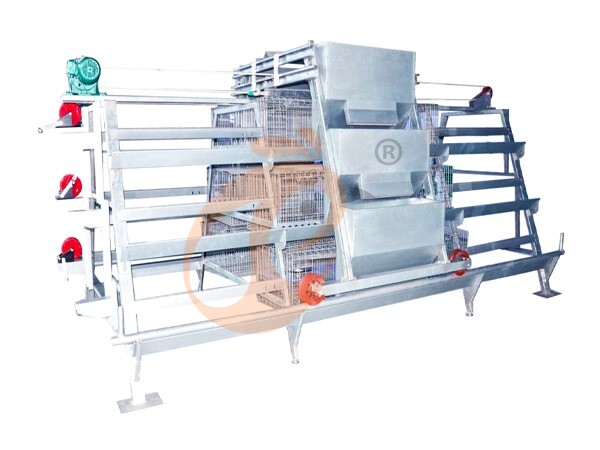
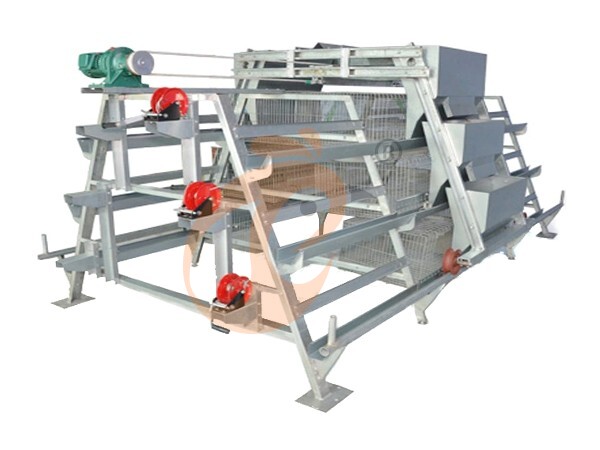
5. Our 24 hour online reception What’sApp NO. is +8618830120193, +234 8111199996. <30,000 Broilers Manual Harvest A Type Battery Cage1. Less 30,000 broilers a house, choose it.
2. It is designed to rearing 1 to 45 day old adult broiler ready for market.
3. Its lifespan is more than 20 years.
4. Its structure are Vcloud artificial intelligent fusion, electric control cabinet, automatic equipment of drinking, feeding and manure clean, manual harvesting.
5. Our 24 hour online reception What’sApp NO. is +8618830120193, +234 8111199996. HK Headquarter Offers EU-standard Poultry Farm Solutions, Manufacture Poultry Farm Equipment1. Continuous communication with the EU and the US
2. China, Nigeria, Ethiopia, Tanzania branch companies and factories
3. The products’ quality is customized for local poultry farms
4. Poultry cage and poultry farm equipment stock for sale
5. 24 online reception Whatsapp NO. : +8618830120193,contact us to get full information China Branch Offer Poultry Farm Business Plan, Manufacture Poultry Farm Equipment1. Address: Flat/RM 2416, 24/F, Runxing Building, Youyi Nan Street, Shijiazhuang City, Hebei Province, China
2. Poultry cage and poultry farm equipment factory and stock for sale
3. Customized for local poultry farms
4. Quality and design are based on Euro
5. 24 online reception Whatsapp NO. : +8618830120193 Nigeria Branch Offer Poultry Farm Business Plan, Manufacture Poultry Farm Equipment1. Address: After Sinoma Office, 200 Meters Near Danco Filling Station, Lagos/Ibadan Expressway, Lagos State, Nigeria
2. Poultry cage and poultry farm equipment factory and stock for sale
3. Customized for Nigerian poultry farms
4. Quality and design are based on Euro
5. 24 online reception Whatsapp NO. : +8618830120193 Ethiopia Branch Offer Poultry Farm Business Plan, Manufacture Poultry Farm Equipment1. Address: Gelan Gura, Akaki-kaliti Sub City, Addis Ababa, Ethiopia
2. Poultry cage and poultry farm equipment stock for sale
3. Customized for Ethiopian poultry farms
4. Quality and design are based on Euro
5. 24 online reception Whatsapp NO. : +8618830120193, contact us to get price list Tanzania Branch Offer Poultry Farm Business Plan, Manufacture Poultry Farm Equipment1. Address: No.8, Sova Road, Msufini, Mlandizi, Kibaha, Pwani, Tanzania
2. Poultry cage and poultry farm equipment factory and stock for sale
3. Customized for Tanzanian poultry farms
4. Quality and design are based on Euro
5. 24 online reception Whatsapp NO. : +8618830120193


Contact