


Blog
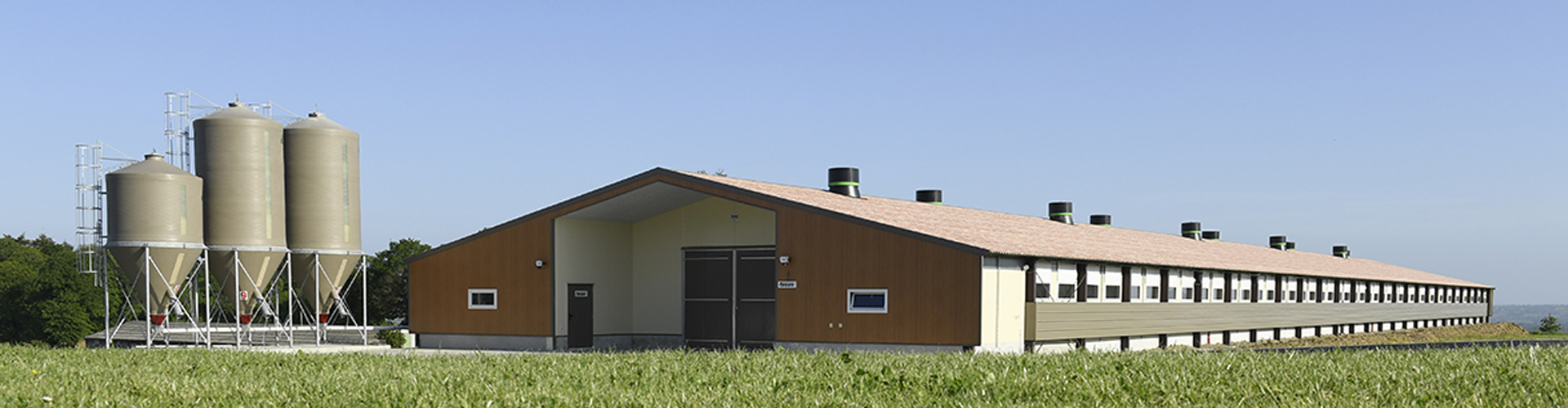
Deep litter broiler farming profit depends on coordinated poultry house equipment, with 42-day cycles and disciplined operating control.
Broiler house equipment connects feeding, drinking, ventilation, heating, and automation through practical commercial engineering, with 24-hour monitoring capability.
Automatic poultry feeding system design can reduce repetitive handling, while 6-month maintenance planning supports reliable operation across multiple flocks.
Poultry ventilation system engineering manages airflow, moisture, and house conditions, with sensor-based control responding within defined operating intervals.
- Integrated poultry house equipment turns technical specifications into measurable farm economics, supporting scalable projects from single houses to multi-house facilities.
Get professional poultry farm construction guidance, equipment selection solutions, and the latest price lists, whatsApp to +8618830120193, click to learn more:
Start With A Profit Model, Not An Equipment Shopping List
Before selecting poultry house equipment, establish the production model through live weight, feed consumption, mortality, energy demand, labor input, and
equipment depreciation.
A 42-day production program producing 2.2 kg birds creates a different equipment load from shorter production programs.
These figures serve as design references rather than universal guarantees, while local climate and genetics can alter requirements by 5–15%.
Six Profit Factors Connect Directly To Equipment
Six operating factors shape profitability: feed efficiency, water management, ventilation, temperature control, litter condition, and labor productivity.
Poultry house equipment connects those factors through integrated controls, while a commercial installation can support multi-zone operation across 8–12
production areas.
Integrated poultry house equipment performs more effectively when electrical control, mechanical layout, and service access are planned before installation, with
commissioning commonly requiring 1–2 structured inspection stages.
Equipment Selection: A Better Investment Framework
Instead of asking for the cheapest poultry house equipment, evaluate four commercial questions:
Capacity — Can the system support the planned house dimensions and bird inventory?
Reliability — Can components operate through repeated production cycles?
Automation — How much repetitive labor can be removed?
Integration — Can feeding, drinking, ventilation, heating, and environmental control communicate effectively?
A properly configured broiler house equipment package should also allow component replacement without dismantling adjacent systems, with service access
planned around approximately 600 mm working clearance.
Feed Equipment: Convert Feed Into Saleable Weight
Feed remains one of the largest controllable costs, making an automatic poultry feeding system a central component of poultry house equipment.
A 100-meter feed line can distribute feed along the house with automated auger delivery, while a calibrated inspection schedule every 7 days helps identify
abnormal mechanical wear.
Automatic poultry feeding system adjustment should follow bird growth and feed behavior, with inspection of feeder wear performed at least once per production cycle.
Water Equipment: Control The Source Of Wet Litter
Water management affects both flock performance and litter quality, so poultry house equipment should combine nipple lines with filtration, pressure regulation,
metering, and flushing components.
A DN25 main connection can supply multiple zones, while scheduled line flushing every 24–48 hours can support consistent water delivery.
A properly configured broiler house equipment drinking system should maintain stable pressure throughout the house, while water-line inspection can be
scheduled twice during each production week.
Ventilation: Engineer Air Movement Instead Of Guessing Fan Numbers
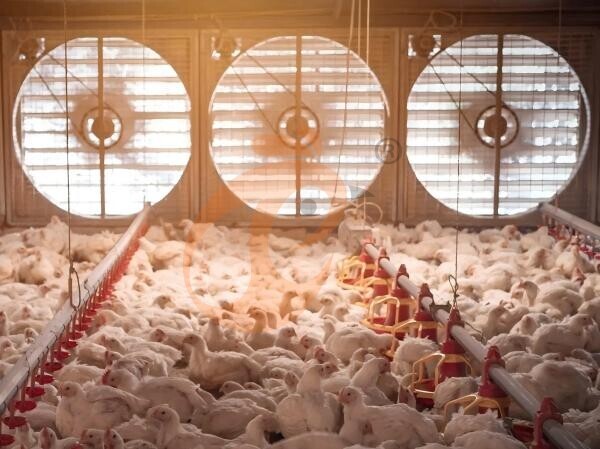
Ventilation requires engineering around house volume, biomass, inlet area, fan capacity, and outside conditions, making the poultry ventilation system a core part
of poultry house equipment.
Tunnel ventilation can combine exhaust fans and controlled inlets, while automatic staging can coordinate equipment according to sensor readings at intervals
below 30 seconds.
A poultry ventilation system should be selected according to calculated airflow demand rather than fan quantity alone, while emergency ventilation planning
should include independent backup power capacity.
Temperature Control: Automate The Brooding Environment
Young broilers require controlled environmental management, making heating, sensors, and controllers important elements of poultry house equipment.
Whole-house brooding can use approximately 30°C placement air temperature, while controller programming may divide the first week into several temperature
stages.
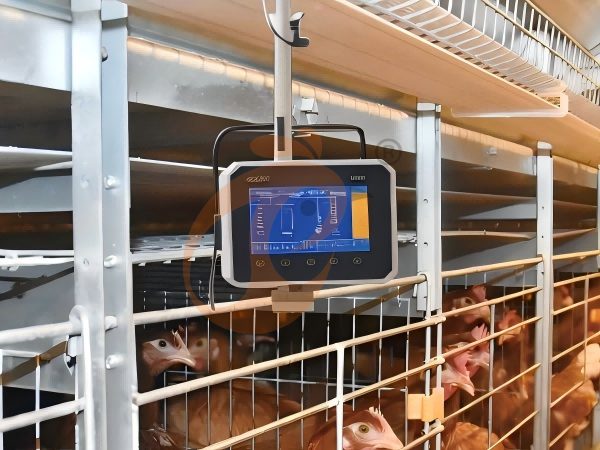
A broiler house equipment controller can coordinate heaters, fans, and cooling equipment through programmable stages, while alarm verification should be
completed before every new flock.
Litter Management: Protect The Floor And The Flock
Deep litter depends on moisture control, so poultry house equipment must coordinate drinking performance and ventilation to reduce unnecessary wet zones.
A practical inspection routine can examine drinker areas twice daily, with corrective action completed within the same working shift when abnormal moisture appears.
A properly installed poultry ventilation system helps remove moisture from the house, while litter turning can be integrated into a weekly maintenance schedule.
Automation: Measure Labor As An Operating Cost
Automation should be measured by repetitive operations removed from daily workflows, making poultry house equipment an operating-efficiency investment
rather than a simple capital purchase.
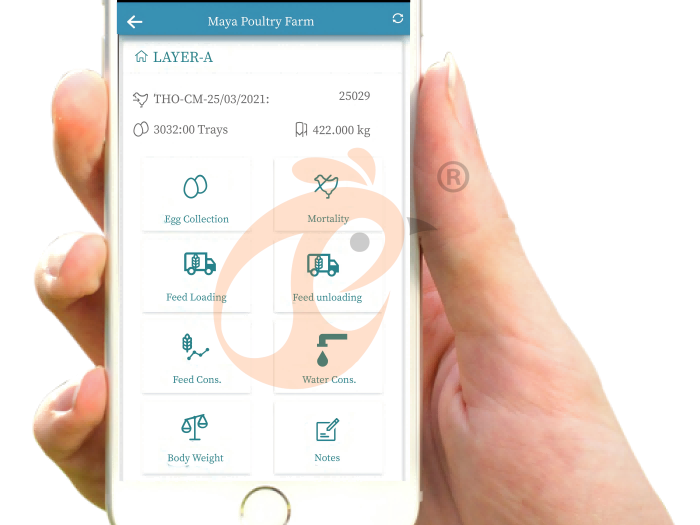
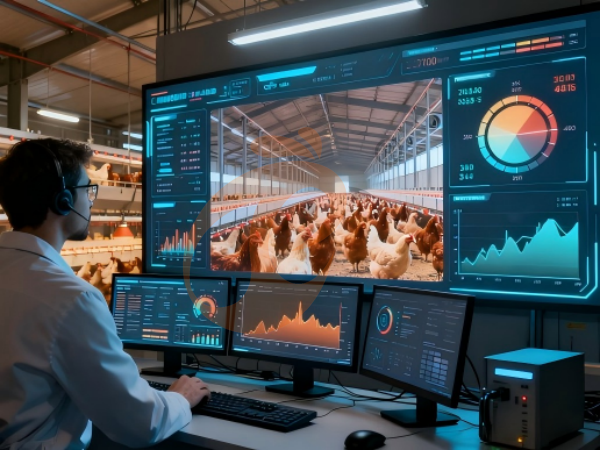
For a 20,000-bird house, automated feed delivery can reduce routine manual handling, while remote alarm notification can provide operational awareness outside the house.
An automatic poultry feeding system can shift workers from repetitive feed handling toward flock observation and equipment inspection, with daily monitoring
consolidated into structured records.
KPIs Turn Equipment Performance Into Business Data
Equipment should be evaluated through measurable production indicators rather than product quantity alone, allowing poultry house equipment performance to connect with flock economics.
Daily water and feed records can be compared with production data, while a 24-hour trend review can expose abnormal consumption before visible flock problems develop.
Actual targets vary with genetics, feed formulation, climate, and management, while equipment records should ideally be retained for at least 12 months for year-on-year comparison.
Total Cost Of Ownership Is More Important Than Purchase Price
A low quotation does not guarantee low operating cost, because poultry house equipment also carries electricity, maintenance, spare-parts, labor, and replacement expenses.
A ventilation fan operating at 1.5 kW for 10 hours consumes approximately 15 kWh daily, while annual operating schedules can expose substantial differences between equipment configurations.
European union standard reference only.
Equipment comparison should therefore include motor efficiency, spare-parts availability, maintenance frequency, and service support, with preventive inspection commonly scheduled every 6 months.
Design The House Before Purchasing The Equipment
House length, width, bird capacity, climate, target weight, and ventilation strategy determine the correct configuration of poultry house equipment.
A 120 m × 15 m house provides 1,800 m² of floor area, while a 3 m internal height creates a 5,400 m³ building volume.
Stocking density must follow applicable welfare requirements, while equipment layout should reserve sufficient technical access for installation and future
replacement.
Build Profitability Through An Integrated Poultry Equipment System
Deep litter profitability comes from coordinated control of feed, water, air, temperature, litter, labor, and bird growth, with poultry house equipment providing the physical infrastructure.
A complete package can combine automatic poultry feeding system components, nipple drinking lines, poultry ventilation system equipment, cooling, heating, controllers, sensors, and alarms.
For commercial projects, equipment should be sized according to house dimensions and production targets, while electrical and mechanical drawings should be confirmed before manufacturing.
Supplier evaluation should cover feeder capacity, motor power, airflow data, nipple specifications, controller functions, sensor accuracy, installation drawings, spare-parts planning, and commissioning support.
The commercial objective remains measurable: reduce operating waste, stabilize house conditions, simplify daily management, and improve return on invested capital through properly engineered poultry house equipment.
Frequently Asked Questions
Q1: What equipment has the greatest effect on deep litter broiler profit?
Poultry house equipment with direct influence on feed delivery, water control, and ventilation generally has the strongest operational impact, while preventive maintenance every 6 months protects long-term reliability.
Q2: Why is an automatic feeding system important for broiler houses?
An automatic poultry feeding system provides controlled feed distribution and reduces repetitive manual work, while feed-line inspection every 7 days helps
maintain mechanical accuracy.
Q3: How should ventilation equipment be selected?
A poultry ventilation system should be calculated from house volume, bird biomass, climate, and airflow demand, with fan performance verified under actual
installation conditions.
Taiyu (HK) Group - One Of China Most Famous Poultry House Equipment Manufacturer
Poultry house equipment integrates automatic feeding, nipple drinking, ventilation, cooling, heating, and environmental control, with commercial systems engineered for 220–240 V power input and continuous production operation
Global factory-direct supply covers complete poultry equipment packages, with standardized component production, technical documentation, and export-oriented quality control for international poultry projects
Poultry equipment engineering supports Turn-key project delivery, including house layout, equipment configuration, electrical planning, installation guidance, commissioning, and operator training for commercial farm development
Project solutions can be configured for individual broiler houses or multi-house facilities, with centralized environmental control and modular equipment architecture supporting phased capacity expansion
Factory-direct technical coordination connects equipment manufacturing with project engineering, spare-parts planning, installation support, and after-sales service for international poultry production customers
Contact Us To Received Your Customized Poultry Farm Plan
Headquarters And Branchs
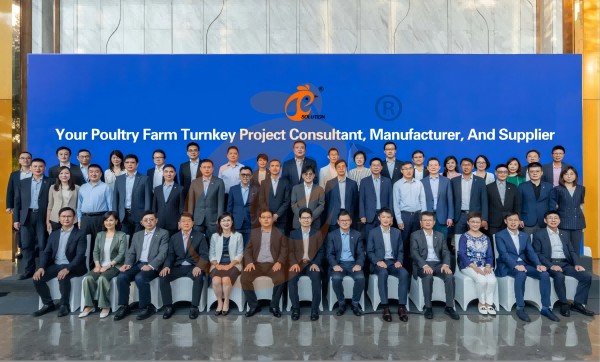
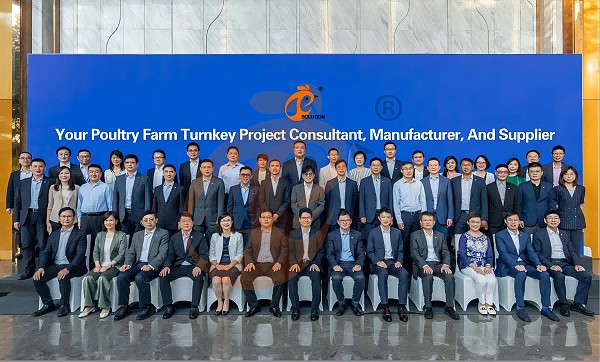
Hong Kong Headquarter Management Team
Hong Kong Headquarter Taiyu Industrial Group CO., LTD
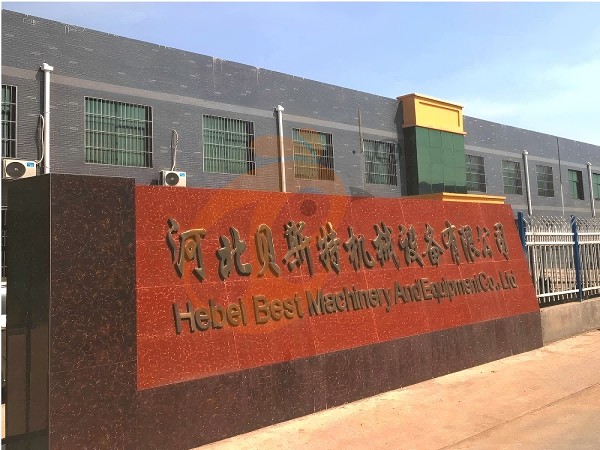
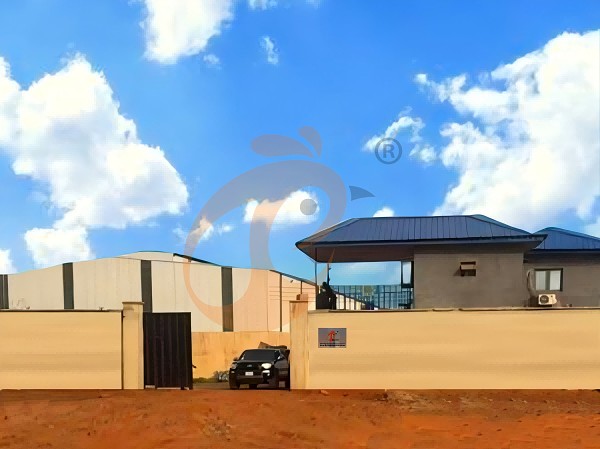
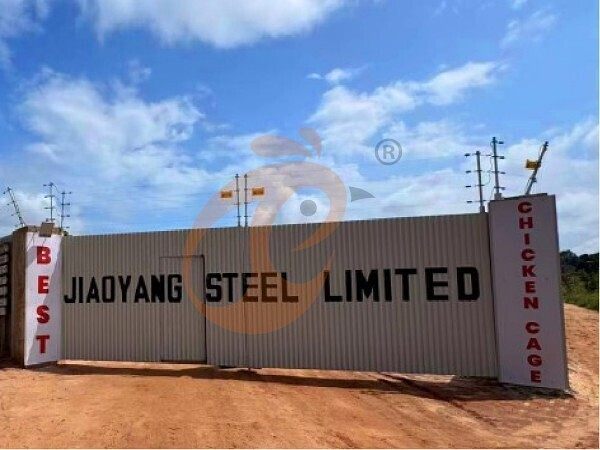
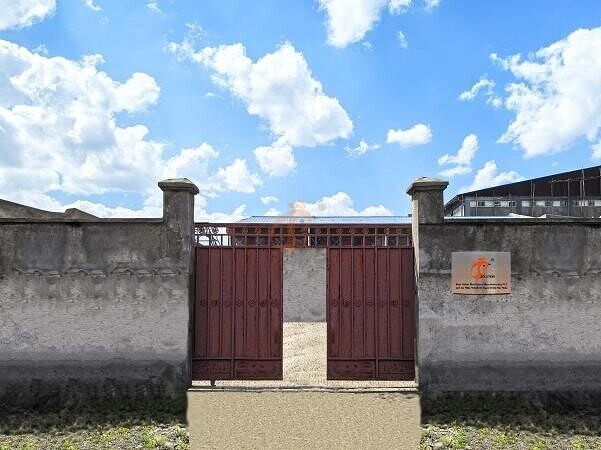
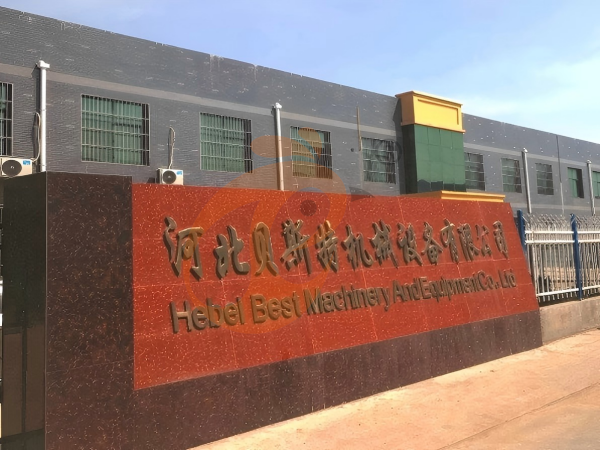
China Hebei Best Machinery And Equipment CO., LTD
Nigeria Vanke Machinery And Equipment CO., LTD
Tanzania Best Machinery And Equipment CO., LTD
Ethiopia Best Hebei Machinery Manufacturing PLC
Reception /24 WhatsApp NO. : +8618830120193
FAQ
What Are The Growth Performance Benefits In Deep Litter Poultry System?
Feed conversion ratio improves to 1.55–1.78 due to thermal comfort and reduced stress.
Market uniformity rate exceeds 85%–92% within target slaughter weight range.
What Are The Litter Turning And Management Frequency Standards In Deep Litter Poultry System?
Surface leveling is maintained every 3–5 days to prevent compaction zones.
Full litter replacement cycle occurs every 2–3 production batches depending on load intensity.
What Are The Energy Efficiency And Cost Advantages In Deep Litter Poultry System?
Construction cost savings reach 25%–40% compared with fully caged housing systems.
Operational labor demand decreases by 30%–50% through simplified floor-based management.
- poultry farm
- poultry house
- cage
- poultry farm construction
- poultry house equipment
- poultry feeding system
- automatic feeding system
- automatic poultry feeding system
- poultry equipment
- chickencage
- bestchickencage
- Nigeria
- broiler farm
- poultry ventilation system
- broiler house equipment
- poultry farm plan
- poultry feed
- Ethiopia
Message
Products recommended
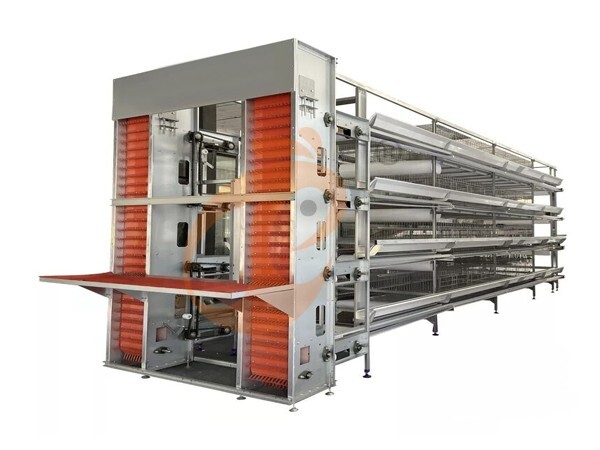
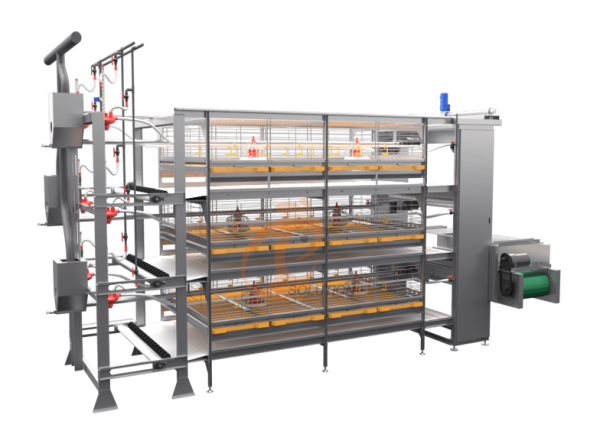
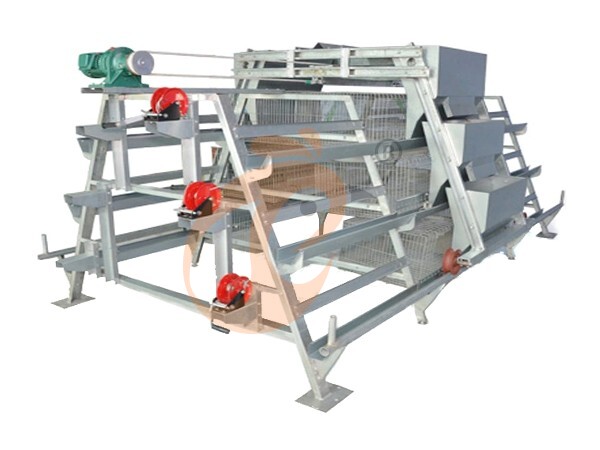
 >30,000 Pullets Automatic H Type Battery Cage1. More than 30,000 pullets a house, choose it.
2. It is designed to rearing older than 1 day old pullets to 12 to 16 weeks old chicken starting laying eggs.
3. Its lifespan is more than 25 years.
4. Its structure are Vcloud artificial intelligent fusion, electric control cabinet, automatic equipment of drinking, feeding, manure clean, manual harvesting.
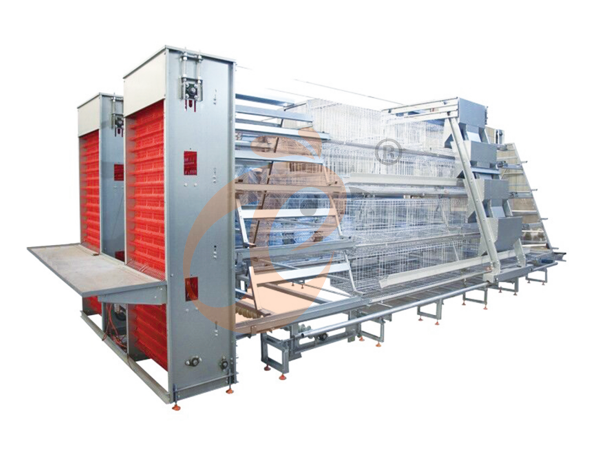
5. Our 24 hour online reception What’sApp NO. is +8618830120193 <30,000 Pullets Automatic A Type Battery Cage1. 10,000 to 30,000 pullets a house, choose it.
2. It is designed to rearing older than 1 day old pullets to 12 to 16 weeks old chicken starting laying eggs.
3. Its lifespan is more than 25 years.
4. Its structure are Vcloud artificial intelligent fusion, electric control cabinet, automatic equipment of drinking, feeding, manure clean, manual harvesting.
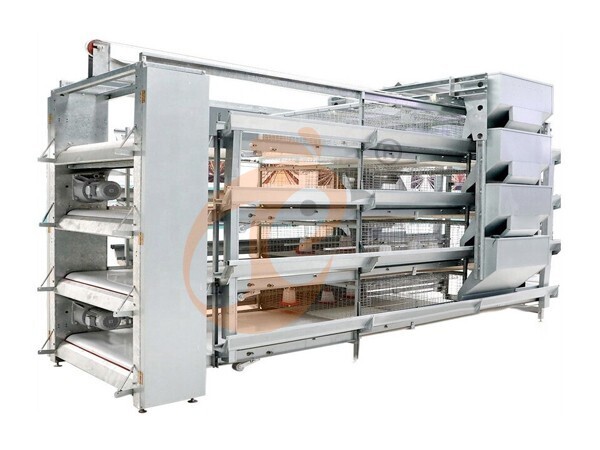
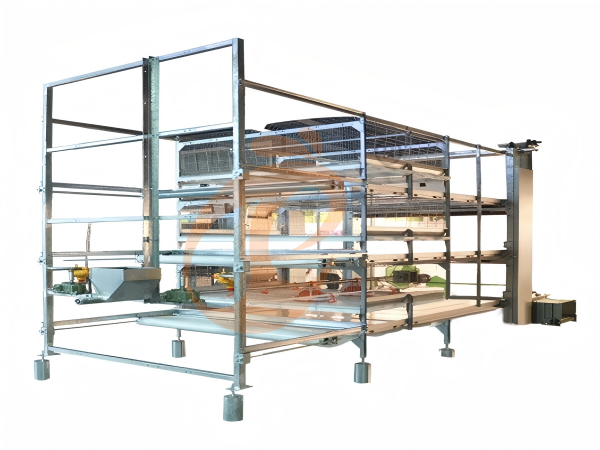
5. Our 24 hour online reception What’sApp NO. is +86 18830120193. >30,000 Broilers Semi-Automatic Harvest H Type Battery Cage1. More than 30,000 broilers a house, choose it.
2. It is designed to rearing 1 to 45 day old adult broiler ready for market.
3. Its lifespan is more than 20 years.
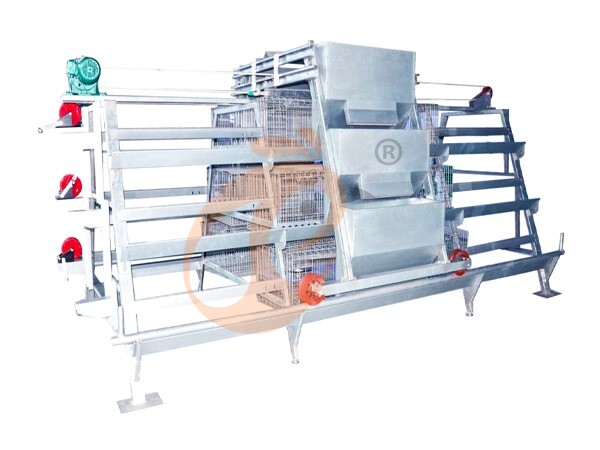
4. Our 24 hour online reception What’sApp NO. is +8618830120193, +234 8111199996. >30,000 Broilers Manual Harvest H Type Battery Cage1. More than 30,000 broilers a house, choose it.
2. It is designed to rearing 1 to 45 day old adult broiler ready for market.
3. Its lifespan is more than 20 years.
4. Its structure are Vcloud artificial intelligent fusion, electric control cabinet, automatic equipment of drinking, feeding and manure clean, manual harvesting.
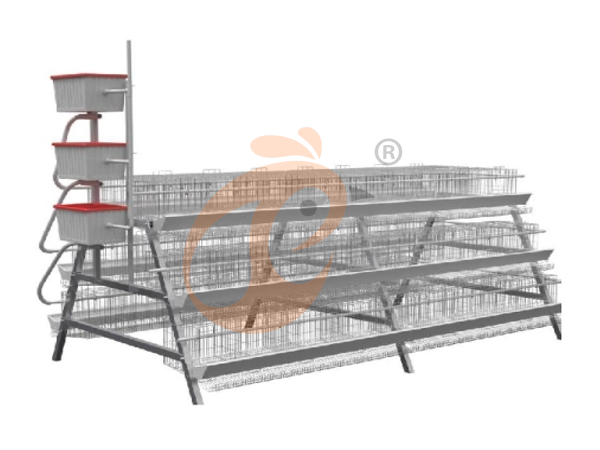
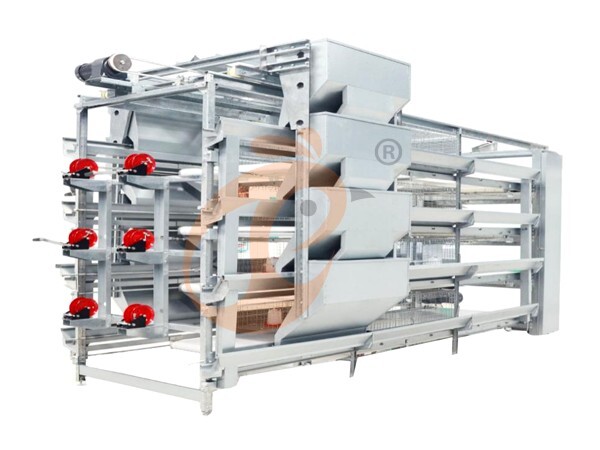
5. Our 24 hour online reception What’sApp NO. is +8618830120193, +234 8111199996. <30,000 Broilers Manual Harvest A Type Battery Cage1. Less 30,000 broilers a house, choose it.
2. It is designed to rearing 1 to 45 day old adult broiler ready for market.
3. Its lifespan is more than 20 years.
4. Its structure are Vcloud artificial intelligent fusion, electric control cabinet, automatic equipment of drinking, feeding and manure clean, manual harvesting.
5. Our 24 hour online reception What’sApp NO. is +8618830120193, +234 8111199996. HK Headquarter Offers EU-standard Poultry Farm Solutions, Manufacture Poultry Farm Equipment1. Continuous communication with the EU and the US
2. China, Nigeria, Ethiopia, Tanzania branch companies and factories
3. The products’ quality is customized for local poultry farms
4. Poultry cage and poultry farm equipment stock for sale
5. 24 online reception Whatsapp NO. : +8618830120193,contact us to get full information China Branch Offer Poultry Farm Business Plan, Manufacture Poultry Farm Equipment1. Address: Flat/RM 2416, 24/F, Runxing Building, Youyi Nan Street, Shijiazhuang City, Hebei Province, China
2. Poultry cage and poultry farm equipment factory and stock for sale
3. Customized for local poultry farms
4. Quality and design are based on Euro
5. 24 online reception Whatsapp NO. : +8618830120193 Nigeria Branch Offer Poultry Farm Business Plan, Manufacture Poultry Farm Equipment1. Address: After Sinoma Office, 200 Meters Near Danco Filling Station, Lagos/Ibadan Expressway, Lagos State, Nigeria
2. Poultry cage and poultry farm equipment factory and stock for sale
3. Customized for Nigerian poultry farms
4. Quality and design are based on Euro
5. 24 online reception Whatsapp NO. : +8618830120193 Ethiopia Branch Offer Poultry Farm Business Plan, Manufacture Poultry Farm Equipment1. Address: Gelan Gura, Akaki-kaliti Sub City, Addis Ababa, Ethiopia
2. Poultry cage and poultry farm equipment stock for sale
3. Customized for Ethiopian poultry farms
4. Quality and design are based on Euro
5. 24 online reception Whatsapp NO. : +8618830120193, contact us to get price list Tanzania Branch Offer Poultry Farm Business Plan, Manufacture Poultry Farm Equipment1. Address: No.8, Sova Road, Msufini, Mlandizi, Kibaha, Pwani, Tanzania
2. Poultry cage and poultry farm equipment factory and stock for sale
3. Customized for Tanzanian poultry farms
4. Quality and design are based on Euro
5. 24 online reception Whatsapp NO. : +8618830120193


Contact