


Blog
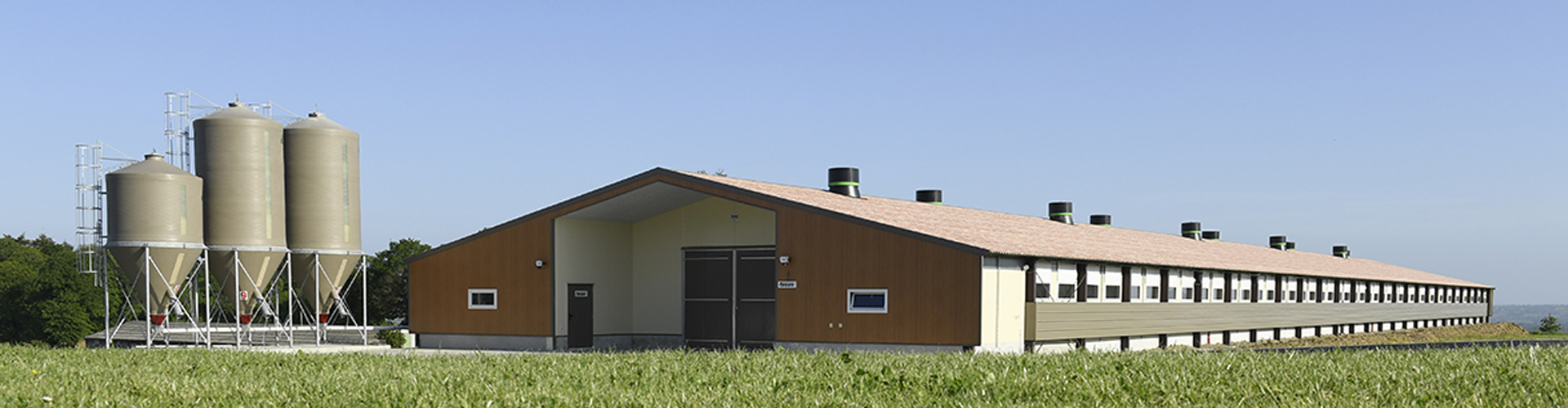
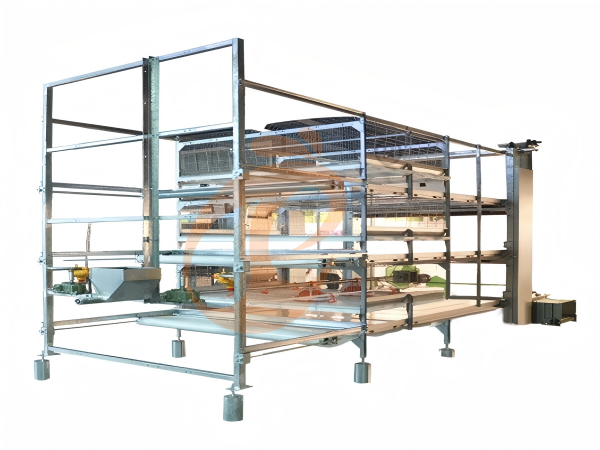
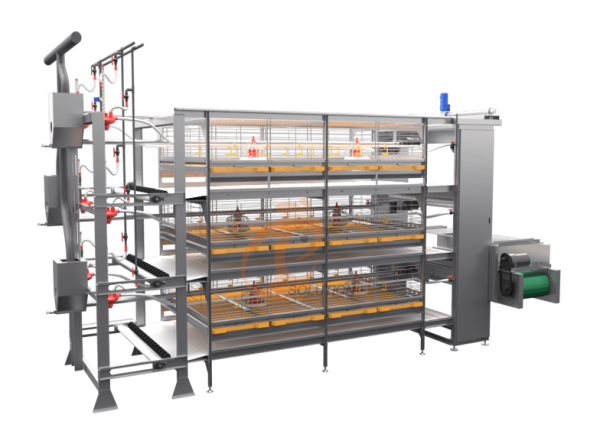
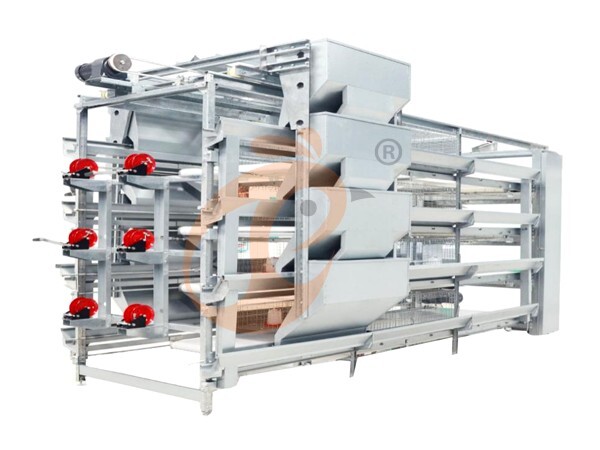
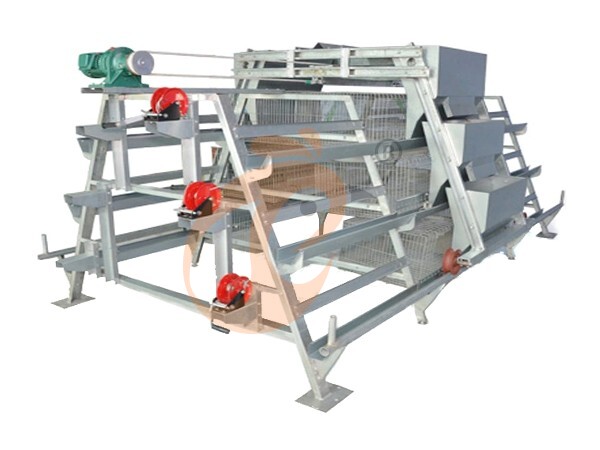
High-density poultry housing engineering framework integrates H type layer cage system for commercial egg production optimization.
Vertical stacking architecture improves land utilization efficiency and supports automated feeding, egg collection, and manure removal systems.
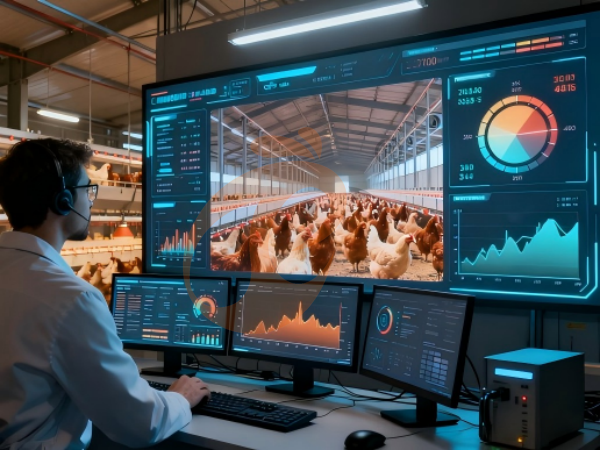
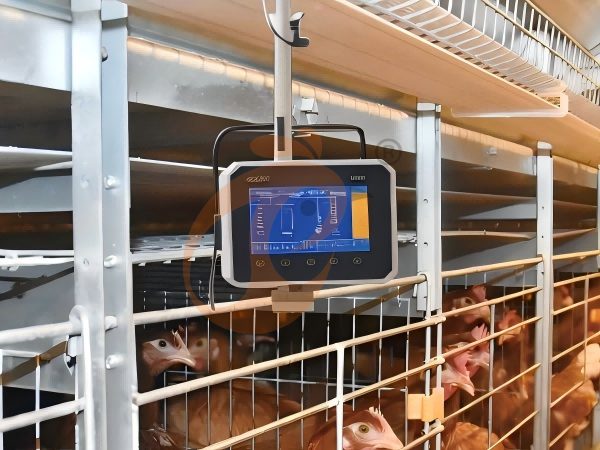
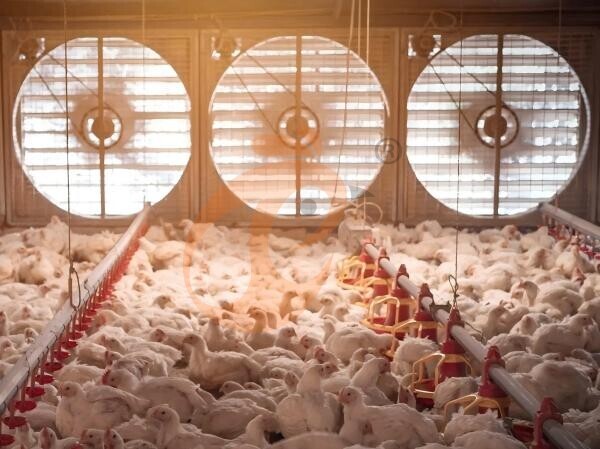
Environmental control engineering stabilizes temperature, humidity, and airflow distribution across multi-tier poultry production modules.
Mechanical automation reduces labor dependency while maintaining consistent biological performance and standardized production output parameters.
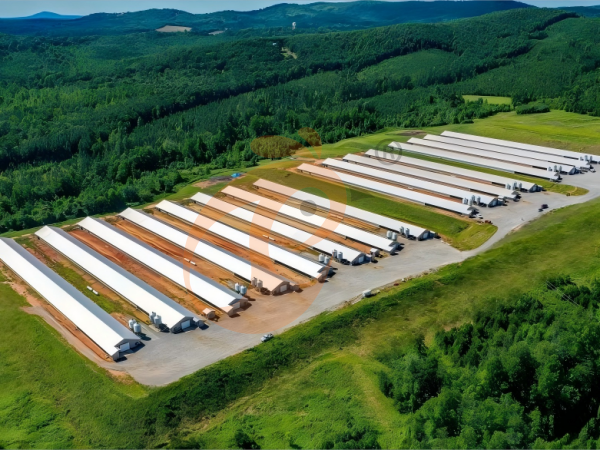
Structural modular design enables scalable expansion, high stocking density management, and industrial poultry production system integration.
Get professional poultry farm construction guidance, equipment selection solutions, and the latest price lists, whatsApp to +8618830120193, click to learn more:
Layer Cage System Structural Engineering Overview
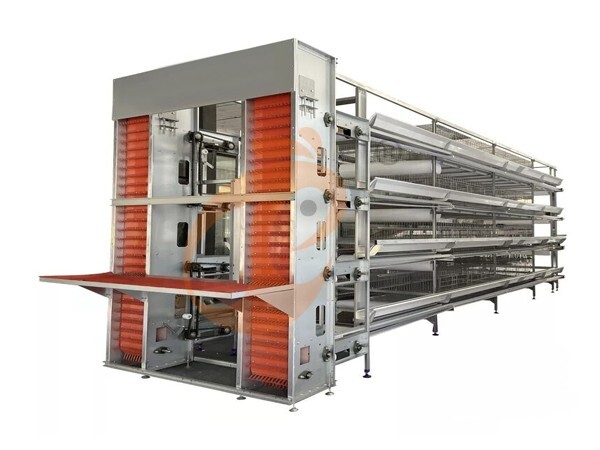
The H type layer cage system is widely recognized as a high-efficiency poultry housing architecture designed for commercial egg production.
In modern layer cage system for poultry farming, vertical stacking modules optimize spatial engineering utilization while maintaining mechanical stability and service accessibility.
Data is for reference only.Swipe horizontally to view full table.
Stocking Density Optimization In Layer Cage System For Poultry Farming
Modern commercial farms implement high-density biological allocation within controlled cage geometry.
The layer cage system for poultry farming enhances per-unit-area production throughput while maintaining structured movement limitation and feed access optimization.
Data is for reference only.Swipe horizontally to view full table.
Production Efficiency In Layer Cage System For Poultry Farming
Egg production efficiency is governed by environmental stabilization, feeding precision, and stress reduction engineering.
The layer cage system for poultry farming maintains consistent laying cycles through controlled photoperiod and feed distribution synchronization.
Data is for reference only.Swipe horizontally to view full table.
Automated Feeding Engineering In Layer Cage System For Poultry Farming
Automated feeding integration ensures uniform nutrient delivery across multiple cage tiers.
The layer cage system for poultry farming applies mechanical feed conveyance systems with calibrated distribution intervals and minimized feed wastage coefficients.
Data is for reference only.Swipe horizontally to view full table.
Manure Removal Engineering In Poultry Cage System
The poultry cage system for poultry farm integrates mechanical manure belt systems designed for scheduled waste extraction and environmental ammonia
stabilization.
Vertical separation ensures controlled waste descent and hygiene maintenance.
Data is for reference only.Swipe horizontally to view full table.
Environmental Control Science In Poultry Cage System
Thermal regulation, humidity stabilization, and gas concentration management are essential in high-density poultry housing.
The poultry cage system for poultry farm utilizes engineered ventilation ducts and tier-based airflow channels.
Controlled airflow reduces thermal accumulation differences between upper and lower cage layers, ensuring uniform metabolic activity and stable egg production cycles.
Labor Efficiency In Layer Cage System
Labor optimization is achieved through automation integration in feeding, egg collection, and manure removal systems.
The layer cage system for poultry farming reduces manual intervention requirements across operational cycles.
Data is for reference only.Swipe horizontally to view full table.
Egg Handling Engineering In Poultry Cage System
Mechanical egg collection belts reduce human contact and improve product integrity.
The poultry cage system for poultry farm ensures controlled transfer velocity and minimal mechanical shock during transportation.
Data is for reference only.Swipe horizontally to view full table.
Biosecurity Engineering And Disease Control
Vertical isolation design reduces direct fecal contact and limits pathogen transmission pathways.
The layer cage system for poultry farming integrates controlled access zones and structured cleaning cycles to maintain microbial balance stability.
Reduced cross-contamination frequency supports flock survival consistency and minimizes antibiotic intervention dependency.
Economic Performance Analysis Of Poultry Cage System For Poultry Farm
Capital investment structures in modern poultry facilities are balanced by operational efficiency gains and output scaling capacity.
The poultry cage system for poultry farm improves cost distribution efficiency across feed, labor, and infrastructure amortization.
Data is for reference only.Swipe horizontally to view full table.
European union standard reference only
Sustainability Engineering And Waste Utilization
Manure collection integration supports fertilizer processing and bioenergy conversion applications.
The layer cage system for poultry farming contributes to circular agricultural resource utilization through controlled waste extraction cycles.
Energy recovery potential and organic fertilizer production improve environmental engineering sustainability metrics.
Frequently Asked Questions
Q1: What is the recommended stocking capacity in H type layer cage system?
Standard configuration is based on H1 4-tier 128 birds, H2 8-tier 256 birds, H3 12-tier 384 birds, H4 16-tier 512 birds per set depending on cage tier design.
A 10000-bird facility typically requires modular combination of these units with automated feeding integration.
Q2: How does layer cage system for poultry farming improve egg production rate?
Controlled photoperiod systems combined with automated feed delivery increase laying rate to approximately 90–96 eggs per 100 hens per day under optimized environmental conditions.
Q3: What is the average return period for poultry cage system for poultry farm investment?
Typical return on investment cycle ranges from 18 to 30 months depending on feed pricing, egg market value, and automation level integration in commercial poultry operations.
Taiyu (HK) Group - One Of China Largest Layer Cage System Manufacturer
H type layer cage system provides high-density poultry housing engineering solution for commercial egg production facilities
Global factory direct supply supports poultry equipment integration for automated feeding and manure removal systems
Poultry equipment manufacturing covers cage system design, ventilation control, and egg collection automation modules
Turn-key engineering projects include farm design, installation, and commissioning for industrial poultry production lines
International poultry cage exporter delivering standardized structural systems for scalable egg production operations
Contact Us To Received Your Customized Poultry Farm Plan
Headquarters And Branchs

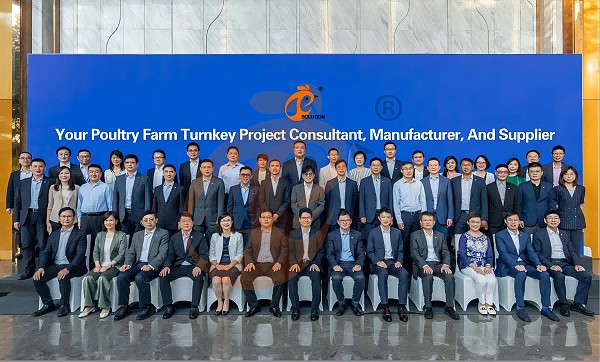
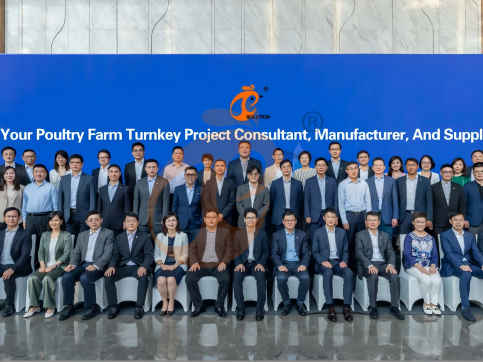
Hong Kong Headquarter Management Team
Hong Kong Headquarter Taiyu Industrial Group CO., LTD
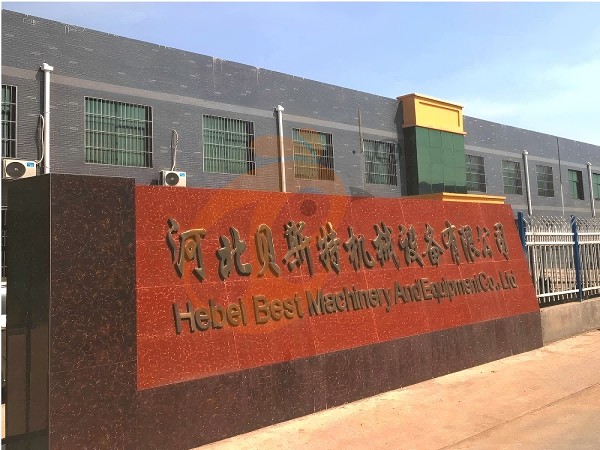
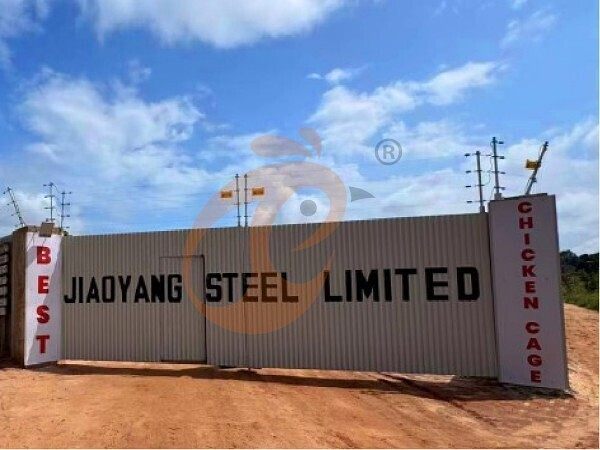
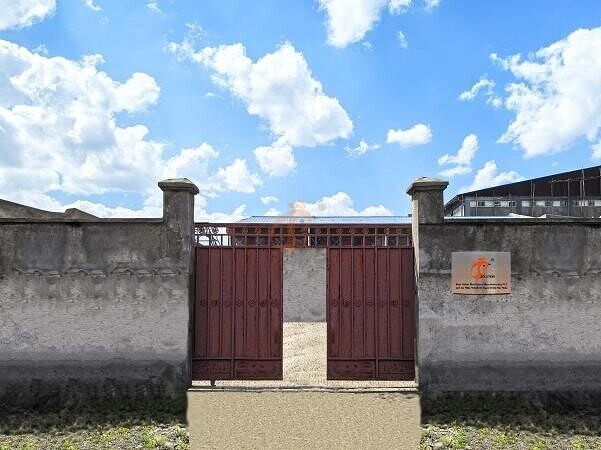
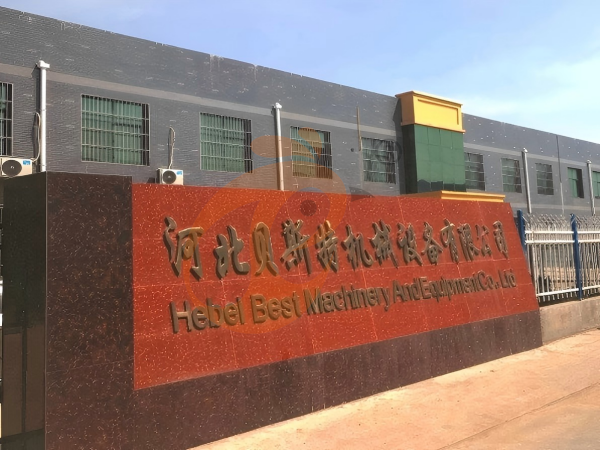
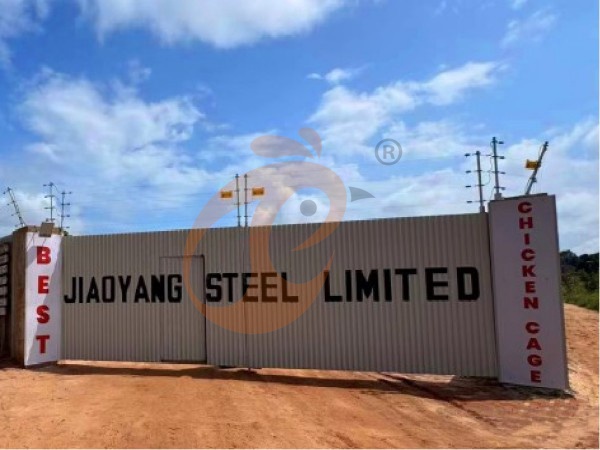
China Hebei Best Machinery And Equipment CO., LTD
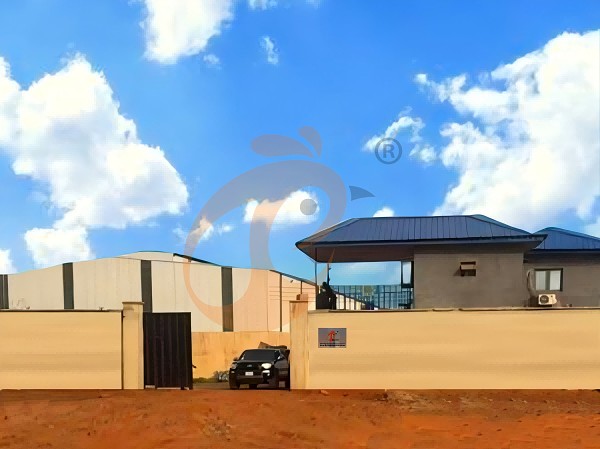
Nigeria Vanke Machinery And Equipment CO., LTD
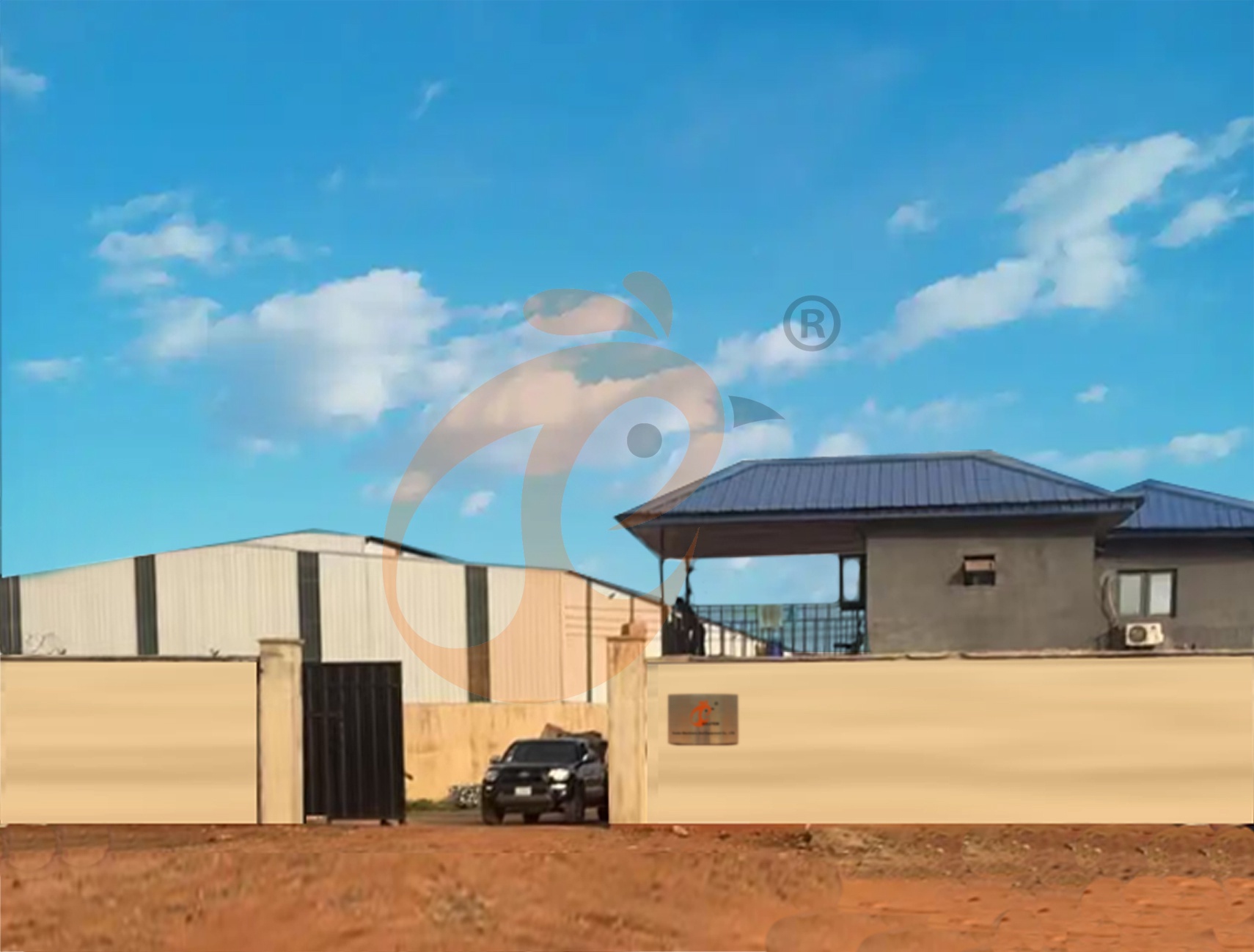
Tanzania Best Machinery And Equipment CO., LTD
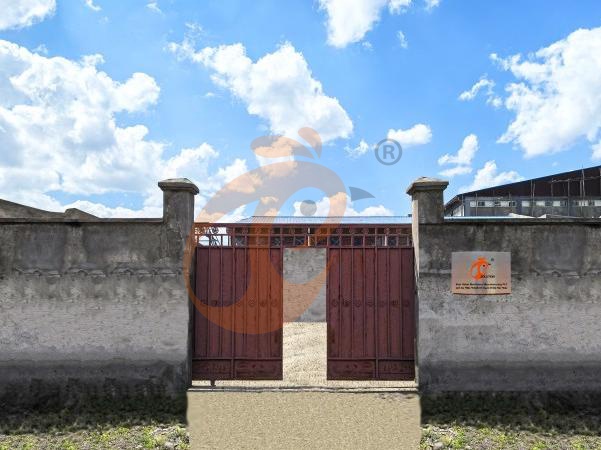
Ethiopia Best Hebei Machinery Manufacturing PLC
Reception /24 WhatsApp NO. : +8618830120193
FAQ
How To Manage Lighting Programs In H-Type Layer Cage Houses?
Ensure even light distribution
Promotes laying rhythm
Egg production rate: 90-98%
FCR 1.9–2.1
What Are The Cleaning Procedures For H-Type Battery Cage System?
Use environmentally safe disinfectants
Clean manure troughs
Reduce pathogen spread
Egg production rate: 90-98%
How To Expand H-Type Chicken Cage Farm Without Reducing Efficiency?
Maintain automated feeding and drinking systems
Ensure uniform ventilation and lighting
Farm capacity per house: 30,000 - 100,000+0 birds
Labor savings: 70-90%
- poultry farm
- layer cage
- poultry cage
- cage
- poultry farm construction
- layer cage system
- poultry cage exporter
- poultry cage system
- poultry cage system for poultry farm
- poultry farm investment
- poultry cage expo
- layer cage system manufacturer
- poultry equipment
- manure removal system
- h type layer cage
- chickencage
- h type cage
- bestchickencage
- cage system
- cage layer
- h type
- Nigeria
- poultry farming
- layer cage system for poultry
- cage exporter
- poultry farm plan
- Ethiopia
Message
Products recommended
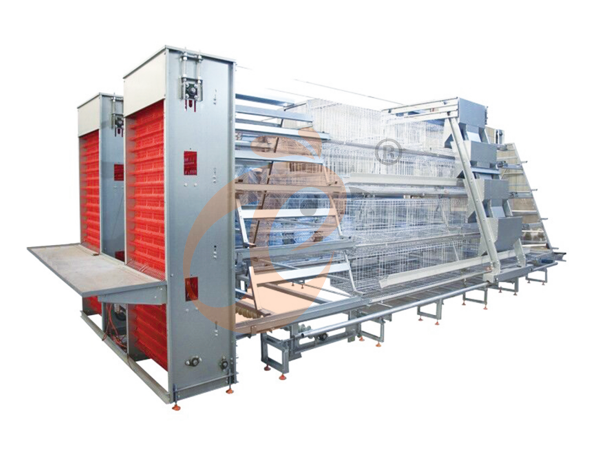
 >30,000 Pullets Automatic H Type Battery Cage1. More than 30,000 pullets a house, choose it.
2. It is designed to rearing older than 1 day old pullets to 12 to 16 weeks old chicken starting laying eggs.
3. Its lifespan is more than 25 years.
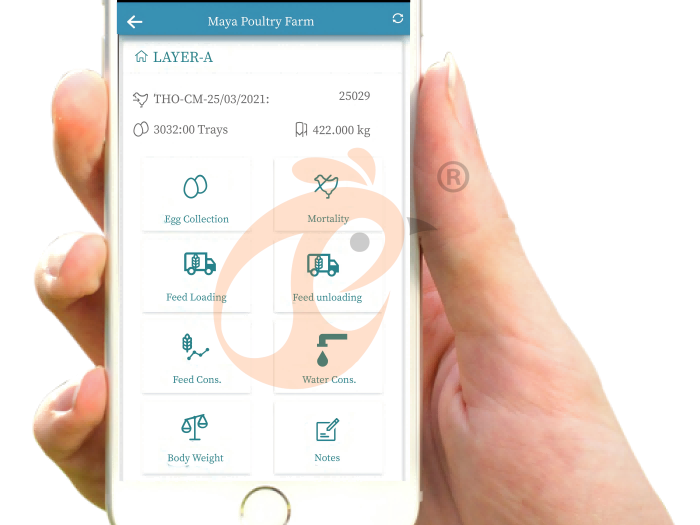
4. Its structure are Vcloud artificial intelligent fusion, electric control cabinet, automatic equipment of drinking, feeding, manure clean, manual harvesting.
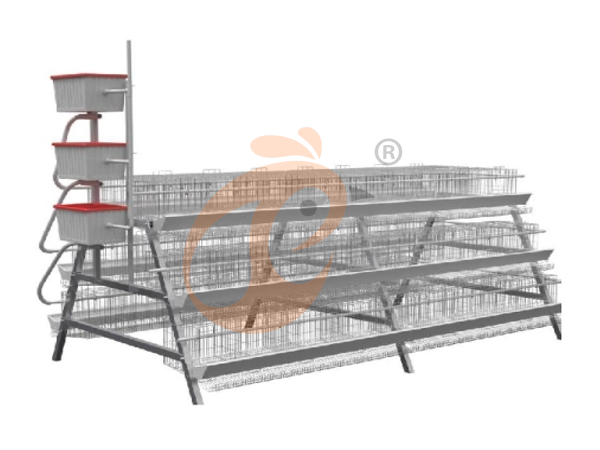
5. Our 24 hour online reception What’sApp NO. is +8618830120193 <30,000 Pullets Automatic A Type Battery Cage1. 10,000 to 30,000 pullets a house, choose it.
2. It is designed to rearing older than 1 day old pullets to 12 to 16 weeks old chicken starting laying eggs.
3. Its lifespan is more than 25 years.
4. Its structure are Vcloud artificial intelligent fusion, electric control cabinet, automatic equipment of drinking, feeding, manure clean, manual harvesting.
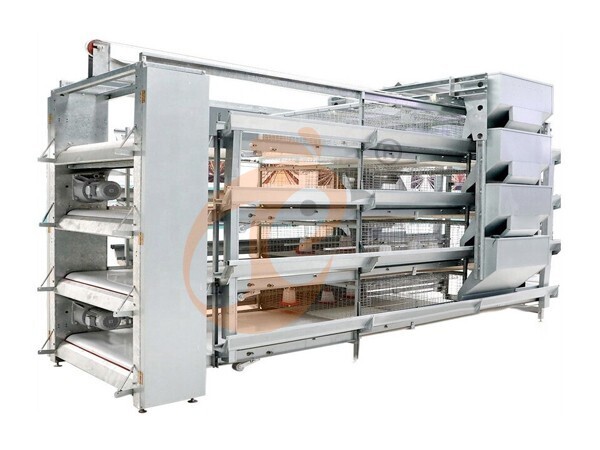
5. Our 24 hour online reception What’sApp NO. is +86 18830120193. >30,000 Broilers Semi-Automatic Harvest H Type Battery Cage1. More than 30,000 broilers a house, choose it.
2. It is designed to rearing 1 to 45 day old adult broiler ready for market.
3. Its lifespan is more than 20 years.
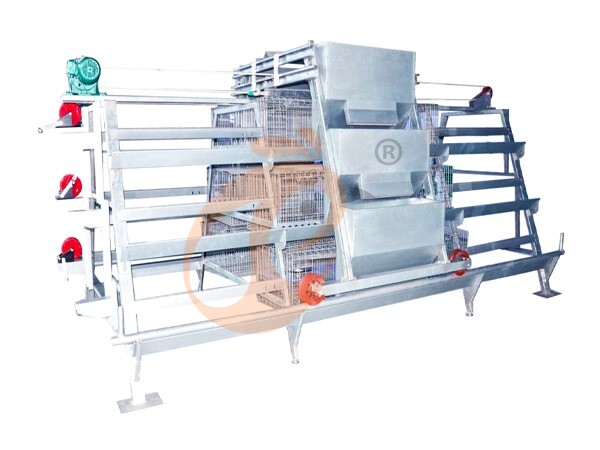
4. Our 24 hour online reception What’sApp NO. is +8618830120193, +234 8111199996. >30,000 Broilers Manual Harvest H Type Battery Cage1. More than 30,000 broilers a house, choose it.
2. It is designed to rearing 1 to 45 day old adult broiler ready for market.
3. Its lifespan is more than 20 years.
4. Its structure are Vcloud artificial intelligent fusion, electric control cabinet, automatic equipment of drinking, feeding and manure clean, manual harvesting.
5. Our 24 hour online reception What’sApp NO. is +8618830120193, +234 8111199996. <30,000 Broilers Manual Harvest A Type Battery Cage1. Less 30,000 broilers a house, choose it.
2. It is designed to rearing 1 to 45 day old adult broiler ready for market.
3. Its lifespan is more than 20 years.
4. Its structure are Vcloud artificial intelligent fusion, electric control cabinet, automatic equipment of drinking, feeding and manure clean, manual harvesting.
5. Our 24 hour online reception What’sApp NO. is +8618830120193, +234 8111199996. HK Headquarter Offers EU-standard Poultry Farm Solutions, Manufacture Poultry Farm Equipment1. Continuous communication with the EU and the US
2. China, Nigeria, Ethiopia, Tanzania branch companies and factories
3. The products’ quality is customized for local poultry farms
4. Poultry cage and poultry farm equipment stock for sale
5. 24 online reception Whatsapp NO. : +8618830120193,contact us to get full information China Branch Offer Poultry Farm Business Plan, Manufacture Poultry Farm Equipment1. Address: Flat/RM 2416, 24/F, Runxing Building, Youyi Nan Street, Shijiazhuang City, Hebei Province, China
2. Poultry cage and poultry farm equipment factory and stock for sale
3. Customized for local poultry farms
4. Quality and design are based on Euro
5. 24 online reception Whatsapp NO. : +8618830120193 Nigeria Branch Offer Poultry Farm Business Plan, Manufacture Poultry Farm Equipment1. Address: After Sinoma Office, 200 Meters Near Danco Filling Station, Lagos/Ibadan Expressway, Lagos State, Nigeria
2. Poultry cage and poultry farm equipment factory and stock for sale
3. Customized for Nigerian poultry farms
4. Quality and design are based on Euro
5. 24 online reception Whatsapp NO. : +8618830120193 Ethiopia Branch Offer Poultry Farm Business Plan, Manufacture Poultry Farm Equipment1. Address: Gelan Gura, Akaki-kaliti Sub City, Addis Ababa, Ethiopia
2. Poultry cage and poultry farm equipment stock for sale
3. Customized for Ethiopian poultry farms
4. Quality and design are based on Euro
5. 24 online reception Whatsapp NO. : +8618830120193, contact us to get price list Tanzania Branch Offer Poultry Farm Business Plan, Manufacture Poultry Farm Equipment1. Address: No.8, Sova Road, Msufini, Mlandizi, Kibaha, Pwani, Tanzania
2. Poultry cage and poultry farm equipment factory and stock for sale
3. Customized for Tanzanian poultry farms
4. Quality and design are based on Euro
5. 24 online reception Whatsapp NO. : +8618830120193


Contact