


Blog
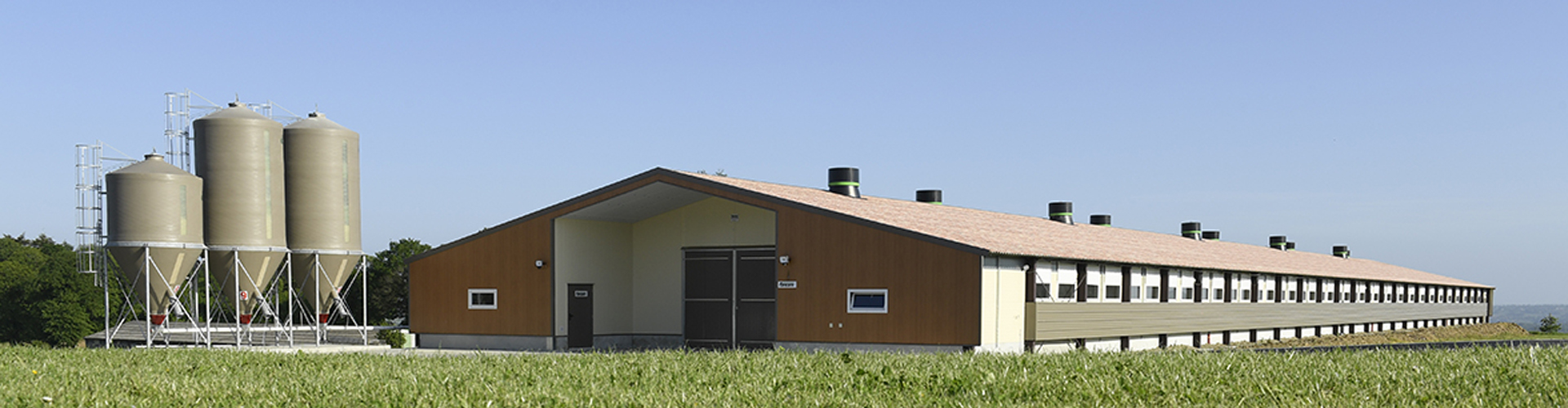
Free range poultry farming requires integrated management of housing systems, bird welfare, environmental control, nutrition programs, and production monitoring.
Free range chicken farming performance depends on effective predator prevention, pasture utilization efficiency, and disease control strategies.
Pasture raised poultry operations require accurate stocking density planning, water management, and seasonal adaptation measures to maintain productivity.
Free range egg production systems must balance outdoor access with biosecurity protocols, feed formulation, and egg quality management.
Commercial profitability is influenced by mortality rates, production efficiency, labor allocation, infrastructure investment, and long-term sustainability planning.
Get professional poultry farm construction guidance, equipment selection solutions, and the latest price lists, whatsApp to +8618830120193, click to learn more:
Understanding The Free Range Production System
The definition of free range poultry varies by country, but most systems require birds to have regular daytime access to outdoor areas.
Outdoor access improves bird welfare, but it also exposes flocks to environmental variables that do not exist in fully enclosed poultry houses.
Data is for reference only.Swipe horizontally to view full table.
Free range chicken farming systems require more management attention because birds interact with weather, wildlife, soil conditions, and changing forage availability.
Challenge 1: Predator Attacks
Predator losses are among the most common causes of mortality in free range poultry farming.
Birds moving freely across fields are more visible to both aerial and ground predators.
Even a single attack can result in substantial financial losses.
Common predators vary by region but frequently include foxes, coyotes, raccoons, hawks, eagles, and stray dogs.
Data is for reference only.Swipe horizontally to view full table.
The most effective solution combines multiple layers of protection.
Secure perimeter fencing should extend at least 30 cm underground to discourage digging predators.
Mobile shelters allow birds to retreat quickly, while automatic coop doors can secure flocks at sunset.
Challenge 2: Disease Exposure
Outdoor access increases contact with wild birds, rodents, insects, and contaminated soil.
As a result, free range flocks face additional disease challenges compared with fully enclosed systems.
Many disease outbreaks begin when pathogens are introduced through wild bird droppings, standing water, or infected equipment.
Data is for reference only.Swipe horizontally to view full table.
Vaccination programs, biosecurity protocols, and routine health monitoring remain essential.
Restricting visitor access and regularly disinfecting equipment can significantly reduce disease transmission.
Challenge 3: Nutritional Imbalance
A common misconception is that free range birds can meet all nutritional requirements through natural foraging.
While insects, grass, seeds, and weeds contribute valuable nutrients, natural forage rarely provides enough energy, protein, calcium, and minerals to support optimal production.
Data is for reference only.Swipe horizontally to view full table.
Birds receiving inadequate nutrition often produce fewer eggs, thinner shells, and lower body weights.
A balanced commercial ration should remain the primary feed source, while pasture serves as a supplementary nutrient resource.
Challenge 4: Heat Stress And Extreme Weather
Weather conditions can have a direct impact on bird welfare and performance.
Heat stress is particularly dangerous because poultry cannot sweat and rely heavily on respiration to regulate body temperature.
Production losses often begin before visible symptoms appear.
Data is for reference only.Swipe horizontally to view full table.
Providing shade structures, ventilation, cool drinking water, and emergency weather shelters can help birds maintain normal production during challenging environmental conditions.
Challenge 5: Egg Loss And Nesting Problems
Free range hens often seek secluded locations for egg laying.
Bushes, tall grass, and hidden corners may become unofficial nesting sites, leading to egg losses that directly reduce farm revenue.
Farmers frequently underestimate how many eggs disappear before collection.
Data is for reference only.Swipe horizontally to view full table.
Providing comfortable nesting areas encourages hens to lay in designated locations.
Clean nest boxes and regular egg collection also help reduce losses.
Challenge 6: Pasture Degradation
Continuous grazing without proper planning can quickly damage outdoor areas.
Overused pasture becomes muddy, compacted, and less productive, creating conditions that increase disease pressure and reduce forage availability.
Healthy pasture is one of the most valuable assets in a pasture raised poultry operation.
Data is for reference only.Swipe horizontally to view full table.
Rotational grazing systems allow vegetation to recover while reducing parasite buildup.
This practice also improves soil structure and long-term pasture productivity.
Water Management: An Often Overlooked Challenge
Many poultry producers focus heavily on feed but underestimate the importance of water quality.
Water intake can be nearly twice feed intake by weight, particularly during hot weather.
Data is for reference only.Swipe horizontally to view full table.
Dirty water systems contribute to disease outbreaks and lower feed efficiency.
Routine cleaning and water testing should be part of every farm management plan.
Economic Considerations For Free Range Farms
The financial success of a free range poultry farm depends on balancing increased production costs with premium product pricing.
Although free range products often sell at higher prices, labor and infrastructure requirements are also greater.
European union standard reference only.
Data is for reference only.Swipe horizontally to view full table.
A farm producing 10,000 eggs weekly may experience production costs ranging from $0.10 to $0.18 per egg depending on feed prices, labor efficiency, and local operating conditions.
Careful budgeting and production monitoring help ensure premium pricing translates into actual profitability.
Building A Sustainable Free Range Operation
Successful free range farming is not achieved through outdoor access alone.
Effective management requires planning, daily observation, production recording, and continuous improvement.
Monitoring mortality rates, egg output, feed conversion, pasture condition, and water quality provides valuable information for operational decisions.
Strong management systems create healthier flocks, improved production consistency, and better long-term financial performance.
Frequently Asked Questions
Q1: What is the recommended outdoor space for free range chickens?
Most commercial systems allocate 4-10 m² of outdoor area per bird.
Adequate space reduces stress, minimizes pasture damage, and improves bird welfare.
Q2: How often should pasture areas be rotated?
Most farms rotate grazing areas every 14-30 days.
Rotation frequency depends on stocking density, rainfall, vegetation growth, and soil condition.
Q3: Which factor has the greatest impact on production costs?
Feed generally represents 55-70% of total production costs.
Feed quality, feed conversion efficiency, and waste reduction significantly influence overall profitability.
Taiyu (HK) Group - One Of China Largest Free Range System Equipment Manufacturer
Professional solutions for free range poultry farming equipment, automatic feeding systems, drinking systems, nesting systems, ventilation systems, and poultry house infrastructure.
Global factory-direct supply with competitive pricing and stable manufacturing capacity.
Comprehensive poultry equipment and poultry cage solutions for layers, broilers, breeders, and pullets.
Turn-key poultry farm engineering services including design, production, installation, and technical support.
Export experience covering multiple international markets with customized project solutions and long-term after-sales service.
Contact Us To Received Your Customized Poultry Farm Plan
Headquarters And Branchs
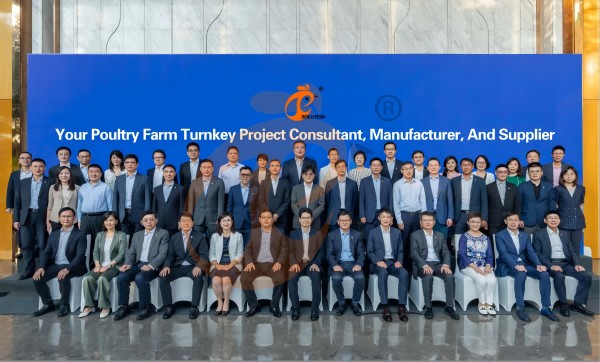
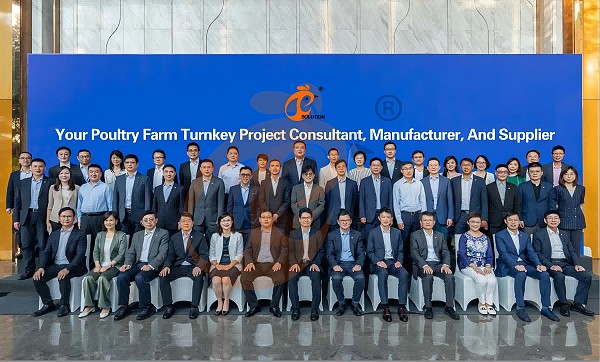
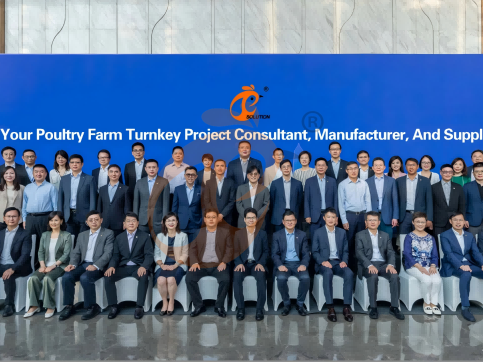
Hong Kong Headquarter Management Team
Hong Kong Headquarter Taiyu Industrial Group CO., LTD
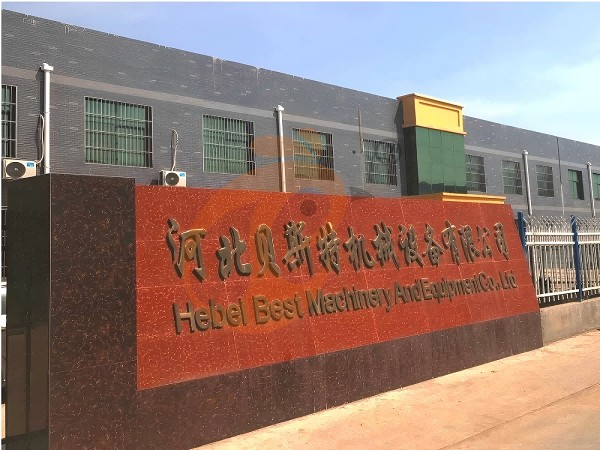
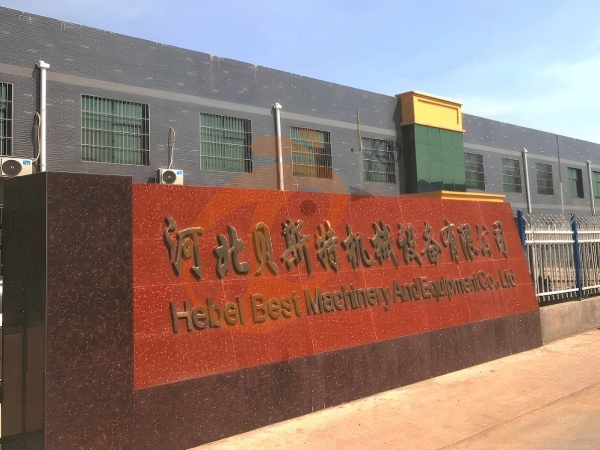
China Hebei Best Machinery And Equipment CO., LTD
Nigeria Vanke Machinery And Equipment CO., LTD
Tanzania Best Machinery And Equipment CO., LTD
Ethiopia Best Hebei Machinery Manufacturing PLC
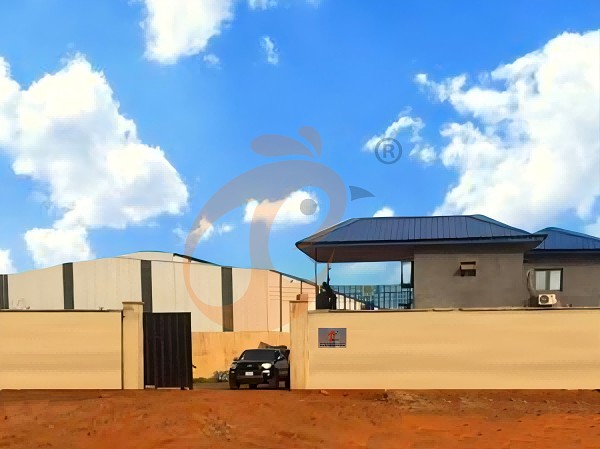
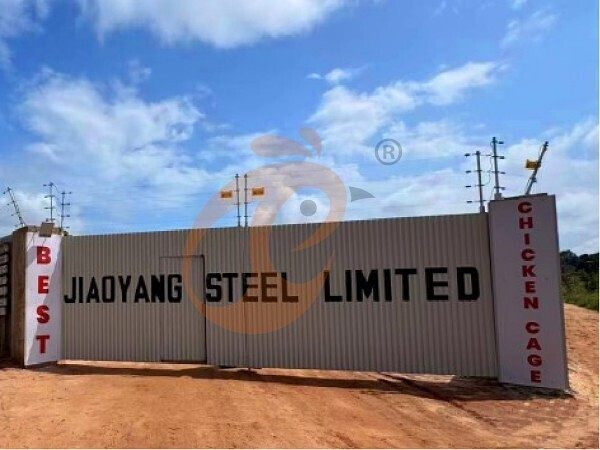
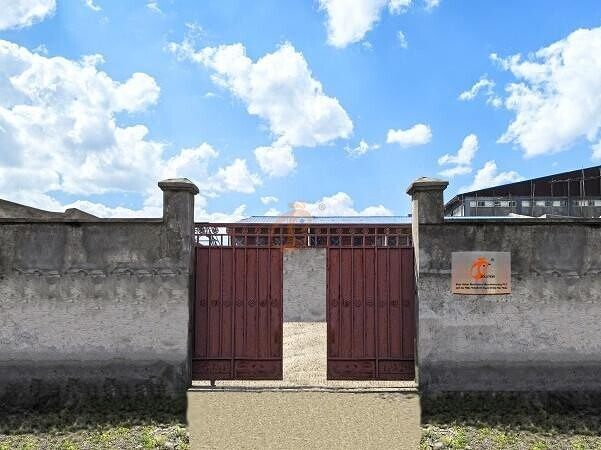
Reception /24 WhatsApp NO. : +8618830120193
FAQ
How Does Free Range System Affect Feed Consumption?
Energy expenditure increases daily intake variation by 15%–22% across seasons.
Feed conversion efficiency ranges from 1.9–2.3 depending on grazing intensity.
What Are The Housing Transition Management Standards In Free Range Poultry System?
Indoor-outdoor transition time is controlled within 10–15 minutes per flock movement cycle.
Lighting guidance systems operate at 5–8 lux to direct flock movement behavior.
What Are The Seasonal Adaptation Strategies In Free Range Poultry System?
Summer shade coverage is increased to 60%–80% of grazing area for heat stress reduction.
Rainfall drainage capacity handles 25–40 mm per hour precipitation levels for land usability.
- poultry farm
- chicken farm
- poultry house
- poultry cage
- cage
- poultry farm construction
- poultry farming equipment
- poultry cage solution
- automatic feeding system
- poultry equipment
- chickencage
- bestchickencage
- Nigeria
- egg production system
- chicken farming system
- poultry farming
- poultry equipment manufacturer
- poultry cage solutions
- poultry farm plan
- Ethiopia
Message
Products recommended
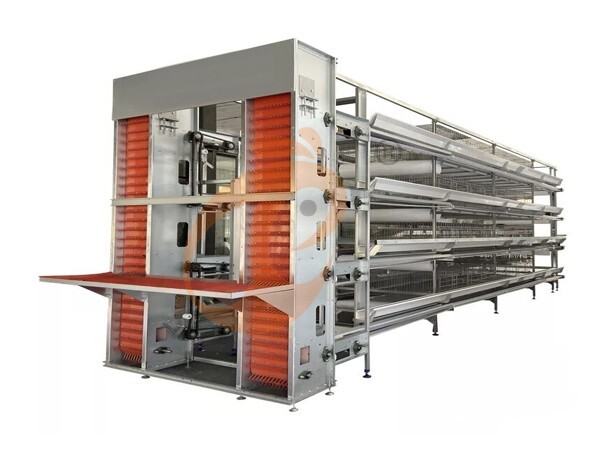
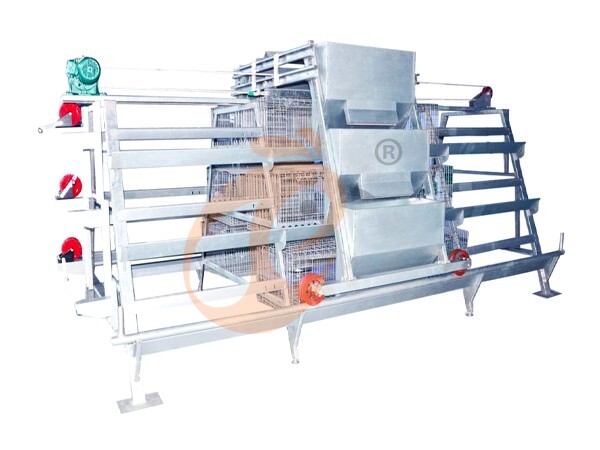
 >30,000 Pullets Automatic H Type Battery Cage1. More than 30,000 pullets a house, choose it.
2. It is designed to rearing older than 1 day old pullets to 12 to 16 weeks old chicken starting laying eggs.
3. Its lifespan is more than 25 years.
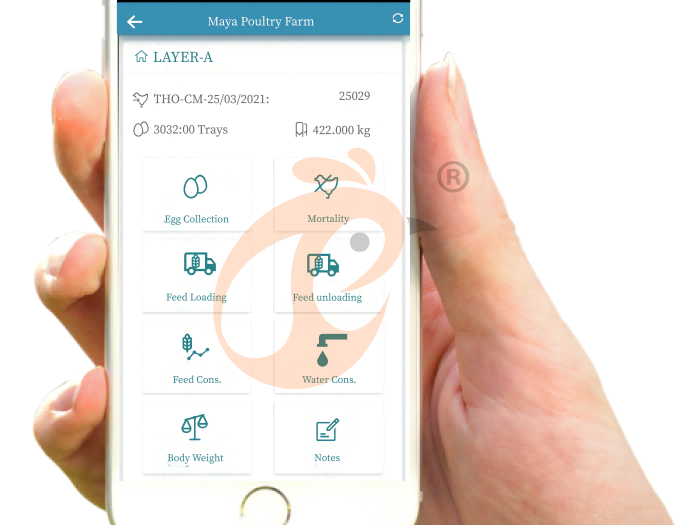
4. Its structure are Vcloud artificial intelligent fusion, electric control cabinet, automatic equipment of drinking, feeding, manure clean, manual harvesting.
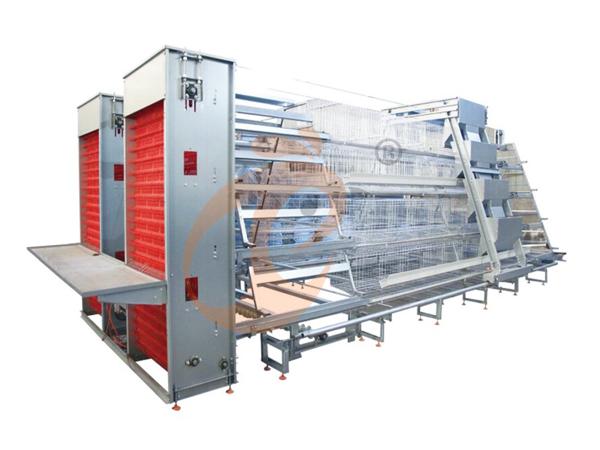
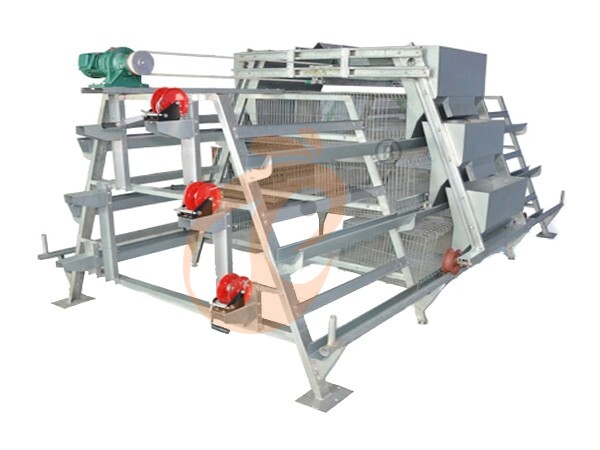
5. Our 24 hour online reception What’sApp NO. is +8618830120193 <30,000 Pullets Automatic A Type Battery Cage1. 10,000 to 30,000 pullets a house, choose it.
2. It is designed to rearing older than 1 day old pullets to 12 to 16 weeks old chicken starting laying eggs.
3. Its lifespan is more than 25 years.
4. Its structure are Vcloud artificial intelligent fusion, electric control cabinet, automatic equipment of drinking, feeding, manure clean, manual harvesting.
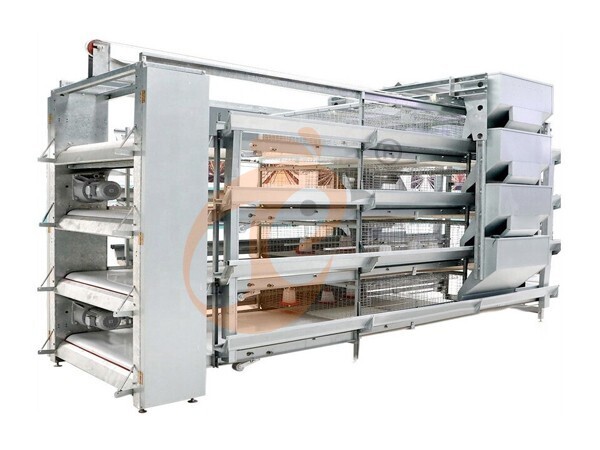
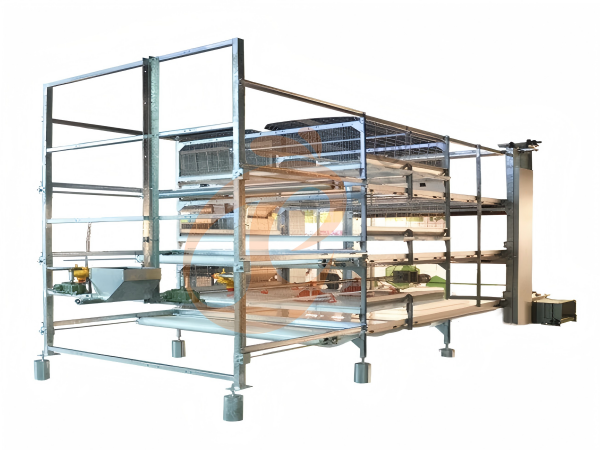
5. Our 24 hour online reception What’sApp NO. is +86 18830120193. >30,000 Broilers Semi-Automatic Harvest H Type Battery Cage1. More than 30,000 broilers a house, choose it.
2. It is designed to rearing 1 to 45 day old adult broiler ready for market.
3. Its lifespan is more than 20 years.
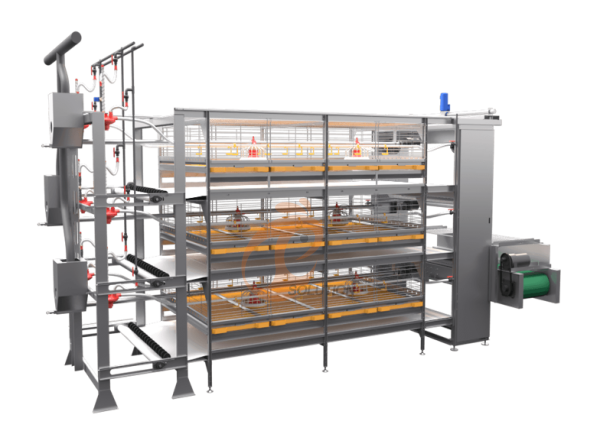
4. Our 24 hour online reception What’sApp NO. is +8618830120193, +234 8111199996. >30,000 Broilers Manual Harvest H Type Battery Cage1. More than 30,000 broilers a house, choose it.
2. It is designed to rearing 1 to 45 day old adult broiler ready for market.
3. Its lifespan is more than 20 years.
4. Its structure are Vcloud artificial intelligent fusion, electric control cabinet, automatic equipment of drinking, feeding and manure clean, manual harvesting.
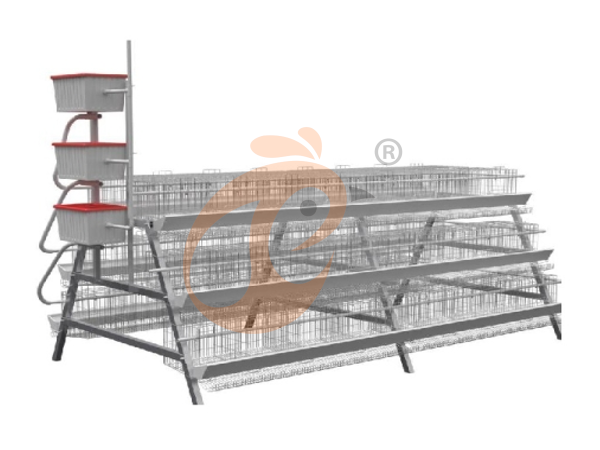
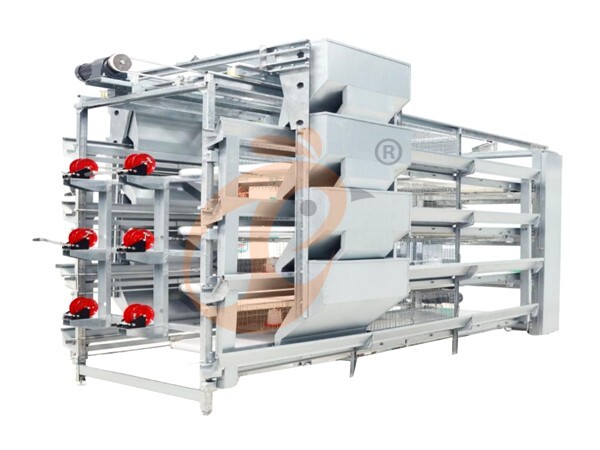
5. Our 24 hour online reception What’sApp NO. is +8618830120193, +234 8111199996. <30,000 Broilers Manual Harvest A Type Battery Cage1. Less 30,000 broilers a house, choose it.
2. It is designed to rearing 1 to 45 day old adult broiler ready for market.
3. Its lifespan is more than 20 years.
4. Its structure are Vcloud artificial intelligent fusion, electric control cabinet, automatic equipment of drinking, feeding and manure clean, manual harvesting.
5. Our 24 hour online reception What’sApp NO. is +8618830120193, +234 8111199996. HK Headquarter Offers EU-standard Poultry Farm Solutions, Manufacture Poultry Farm Equipment1. Continuous communication with the EU and the US
2. China, Nigeria, Ethiopia, Tanzania branch companies and factories
3. The products’ quality is customized for local poultry farms
4. Poultry cage and poultry farm equipment stock for sale
5. 24 online reception Whatsapp NO. : +8618830120193,contact us to get full information China Branch Offer Poultry Farm Business Plan, Manufacture Poultry Farm Equipment1. Address: Flat/RM 2416, 24/F, Runxing Building, Youyi Nan Street, Shijiazhuang City, Hebei Province, China
2. Poultry cage and poultry farm equipment factory and stock for sale
3. Customized for local poultry farms
4. Quality and design are based on Euro
5. 24 online reception Whatsapp NO. : +8618830120193 Nigeria Branch Offer Poultry Farm Business Plan, Manufacture Poultry Farm Equipment1. Address: After Sinoma Office, 200 Meters Near Danco Filling Station, Lagos/Ibadan Expressway, Lagos State, Nigeria
2. Poultry cage and poultry farm equipment factory and stock for sale
3. Customized for Nigerian poultry farms
4. Quality and design are based on Euro
5. 24 online reception Whatsapp NO. : +8618830120193 Ethiopia Branch Offer Poultry Farm Business Plan, Manufacture Poultry Farm Equipment1. Address: Gelan Gura, Akaki-kaliti Sub City, Addis Ababa, Ethiopia
2. Poultry cage and poultry farm equipment stock for sale
3. Customized for Ethiopian poultry farms
4. Quality and design are based on Euro
5. 24 online reception Whatsapp NO. : +8618830120193, contact us to get price list Tanzania Branch Offer Poultry Farm Business Plan, Manufacture Poultry Farm Equipment1. Address: No.8, Sova Road, Msufini, Mlandizi, Kibaha, Pwani, Tanzania
2. Poultry cage and poultry farm equipment factory and stock for sale
3. Customized for Tanzanian poultry farms
4. Quality and design are based on Euro
5. 24 online reception Whatsapp NO. : +8618830120193


Contact