


Blog
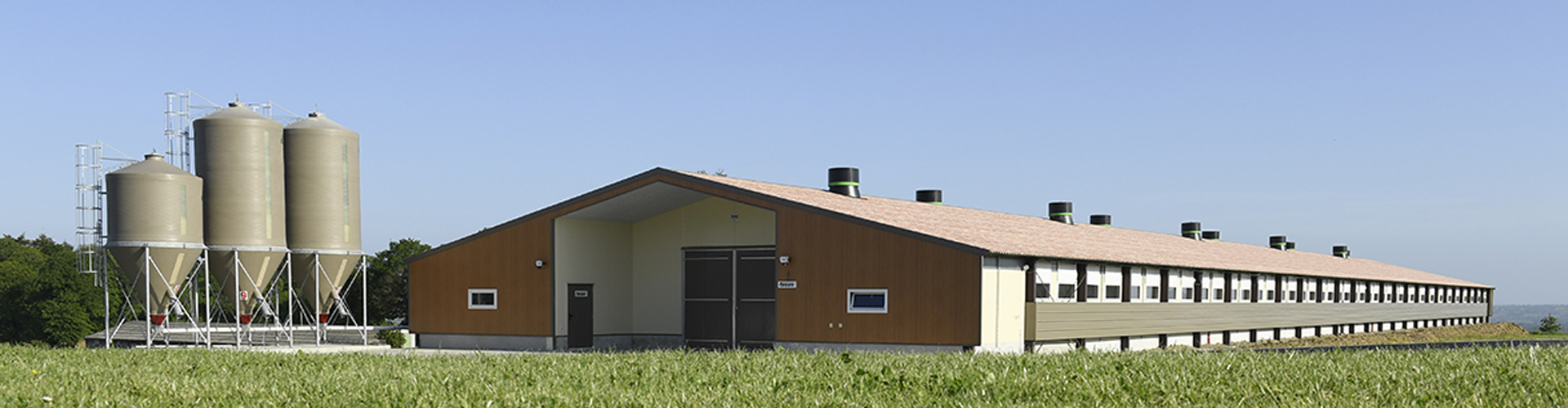
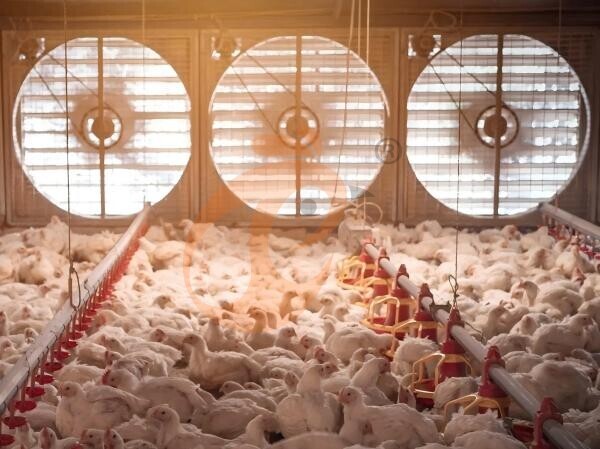
Deep litter poultry farming problems define critical environmental and biological constraints in intensive poultry housing systems.
Poultry house ammonia control requires precise ventilation engineering, gas exchange optimization, and moisture regulation across bedding layers for commercial scale farms.
Litter management in poultry farming stabilizes microbial activity, reduces pathogen load, and improves feed conversion efficiency under controlled conditions.
Structural ventilation balance, thermal stability, and waste decomposition kinetics determine flock health outcomes in deep litter systems and long term sustainability metrics.
Engineering interventions integrating airflow control, substrate chemistry, and automated monitoring enhance productivity and biosecurity performance globally within commercial operations worldwide.
Get professional poultry farm construction guidance, equipment selection solutions, and the latest price lists, whatsApp to +8618830120193, click to learn more:
Excessive Ammonia Build-Up And Poor Air Quality
Ammonia gas generation is an inherent byproduct of deep litter systems.
When nitrogen-rich poultry droppings mix with moisture in bedding, microbial decomposition releases volatile gases that accumulate rapidly in poorly ventilated houses.
The Science Behind Ammonia Release
Microbial ammonification converts uric acid into ammonium compounds that break down into ammonia and carbon dioxide under high moisture and temperature conditions.
Data is for reference only.Swipe horizontally to view full table.
Engineering Solution For Poultry House Ammonia Control
Advanced poultry house ammonia control requires negative pressure ventilation systems and variable speed exhaust fans.
Airflow uniformity reduces moisture accumulation and prevents gas formation at the litter interface.
Automated cage systems eliminate direct bird contact with manure, significantly stabilizing indoor air quality.
Litter Caking And Moisture Instability
Litter caking occurs when bedding materials lose porosity and form compact anaerobic layers.
Water leakage, condensation, and poor ventilation accelerate surface sealing and microbial imbalance.
Data is for reference only.Swipe horizontally to view full table.
Mechanical Correction Strategy
Drinking line inspection must be performed daily to prevent leakage accumulation in localized zones.
Mechanical litter tilling restores oxygen penetration and improves microbial balance across bedding surfaces.
Chemical litter amendments such as acidifying agents reduce moisture binding and stabilize pH conditions.
Severely compacted zones require full removal and replacement with dry bedding material.
High Disease Transmission And Parasite Pressure
Continuous contact between birds and litter creates a high-risk microbial transmission environment.
Warm and humid substrates accelerate parasite lifecycle completion and increase infection probability across the flock.
Coccidiosis Risk Dynamics
Coccidiosis development intensifies when oocysts sporulate in moisture-rich bedding and are ingested during natural foraging behavior.
Data is for reference only.Swipe horizontally to view full table.
Biosecurity Optimization Strategy
Strict entry disinfection systems reduce pathogen introduction into controlled poultry environments.
Pest control programs eliminate beetle and mite population expansion within litter layers.
High density operations benefit from structured cage systems that physically separate birds from manure exposure.
Egg Breakage And Contamination Losses
Egg quality degradation increases significantly when birds lay eggs directly on contaminated litter surfaces.
Floor laying behavior increases microbial contamination and reduces marketable egg output.
Data is for reference only.Swipe horizontally to view full table.
Egg cuticle damage accelerates bacterial penetration and reduces shelf stability.
Moist litter contact significantly increases shell contamination risk and product rejection rates.
Feed Wastage And Pest Infestation Pressure
Feed exposure in open litter systems increases rodent and wild bird access to nutritional resources.
Pest activity increases disease transmission and reduces feed conversion efficiency across production cycles.
Data is for reference only.Swipe horizontally to view full table.
Elevated feed lines reduce spillage into litter and improve feed utilization efficiency.
External sealed silos prevent rodent access and maintain feed hygiene integrity.
Labor Demand And Scaling Constraints
Manual management in deep litter systems increases operational complexity and reduces scalability.
Tasks such as bedding turnover, egg collection, and feeding require continuous labor input.
Data is for reference only.Swipe horizontally to view full table.
High stocking density operations experience exponential labor cost increases under manual systems.
Automation stabilizes production cycles and reduces dependency on human intervention.
Technical System Comparison Overview
Data is for reference only.Swipe horizontally to view full table.
Frequently Asked Questions
Q1: What are the main risks in deep litter poultry systems?
Deep litter systems present environmental instability due to moisture accumulation, ammonia generation, and microbial proliferation.
Poor litter management increases respiratory stress, reduces feed efficiency, and elevates mortality risk.
Controlled ventilation and substrate management remain essential for maintaining biological balance across production cycles.
Q2: How does ammonia affect poultry productivity?
Ammonia exposure damages respiratory tissue and reduces oxygen uptake efficiency in poultry.
Long-term exposure decreases feed intake and increases susceptibility to secondary infections.
Maintaining low moisture litter conditions significantly reduces ammonia formation and stabilizes flock performance outcomes.
Q3: Why does litter management affect disease control?
Improper litter management accelerates pathogen survival and transmission within poultry environments.
High moisture conditions enable parasite lifecycle completion and increase infection rates.
Effective litter control reduces microbial load and strengthens overall biosecurity performance.
Taiyu (HK) Group - One Of China Biggest Deep Litter System Manufacturer
Deep litter poultry farming problems integrated poultry cage equipment designed for intensive production optimization.
Global factory direct supply with poultry equipment systems supporting large scale automated farming infrastructure.
Full poultry cage production lines with turn-key engineering solutions for commercial poultry houses.
Advanced environmental control systems improving litter management in poultry farming and biosecurity stability.
International export capability delivering high efficiency poultry housing systems for modern farms worldwide.
Contact Us To Received Your Customized Poultry Farm Plan
Headquarters And Branchs

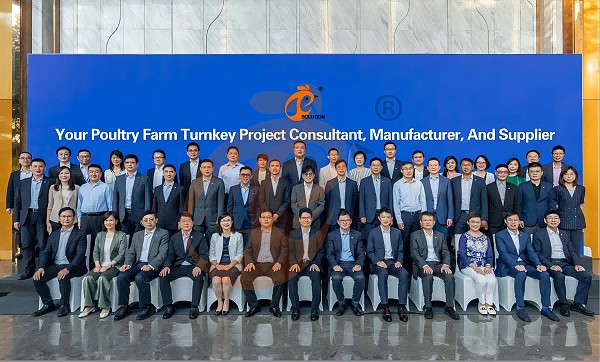
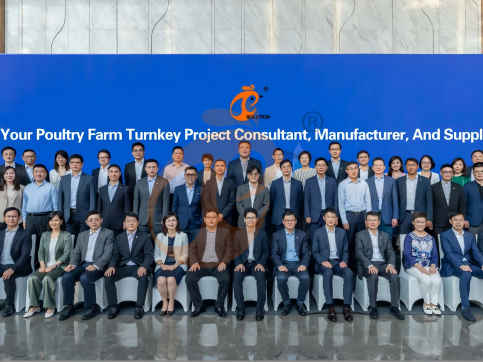
Hong Kong Headquarter Management Team
Hong Kong Headquarter Taiyu Industrial Group CO., LTD
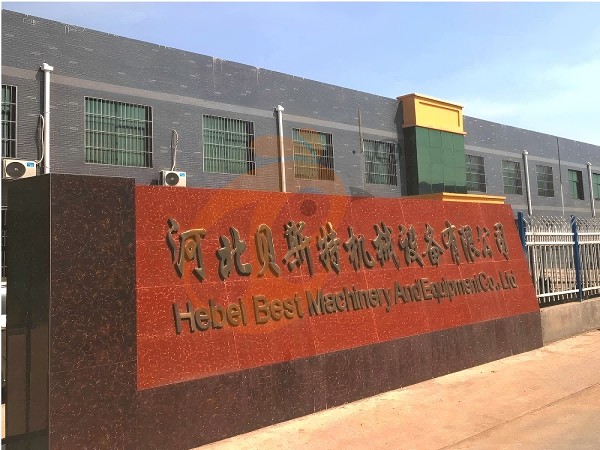
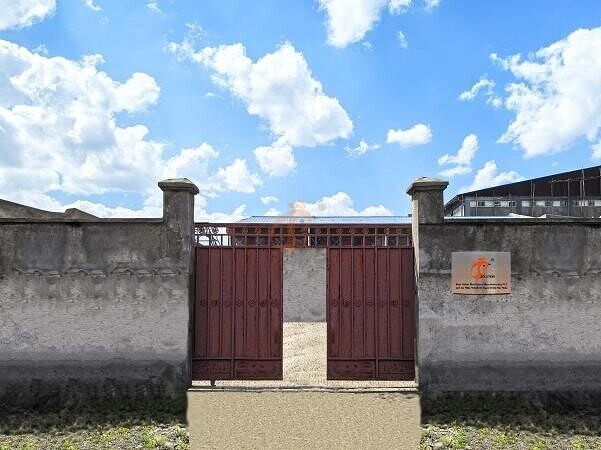
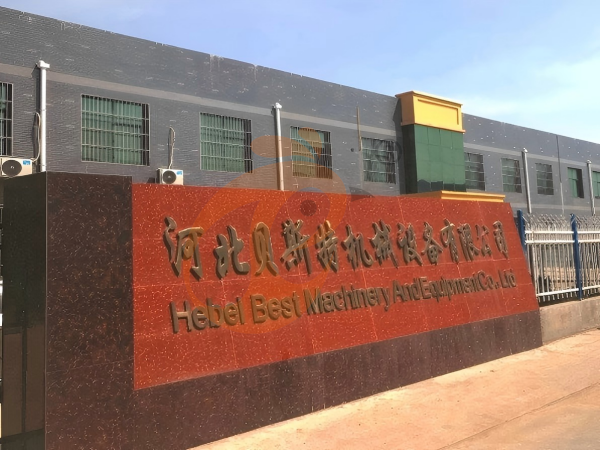
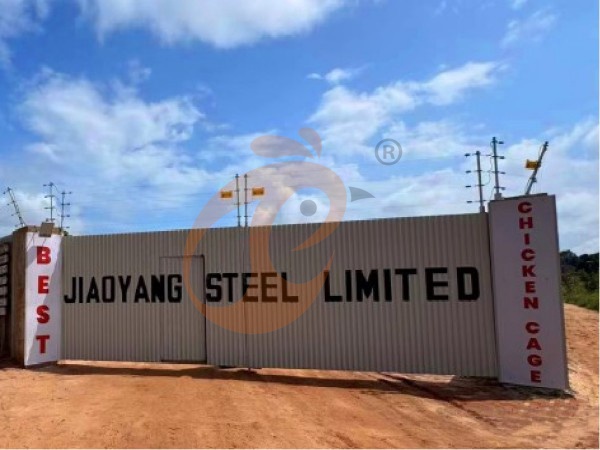
China Hebei Best Machinery And Equipment CO., LTD
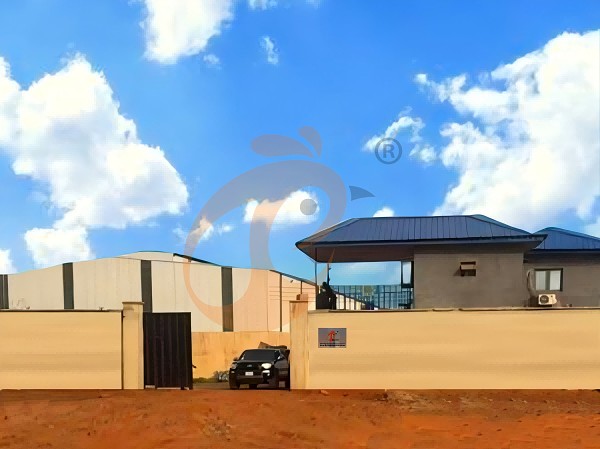
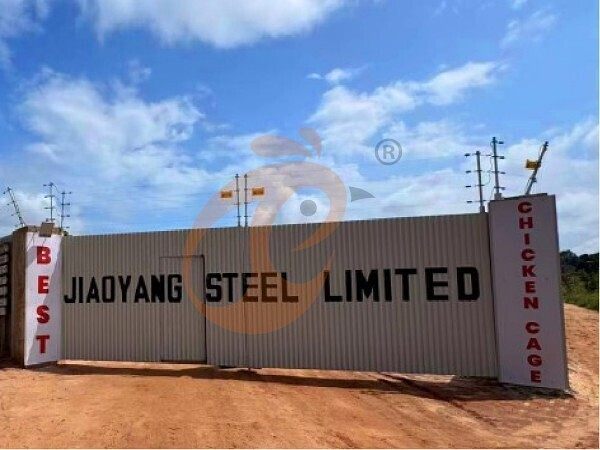
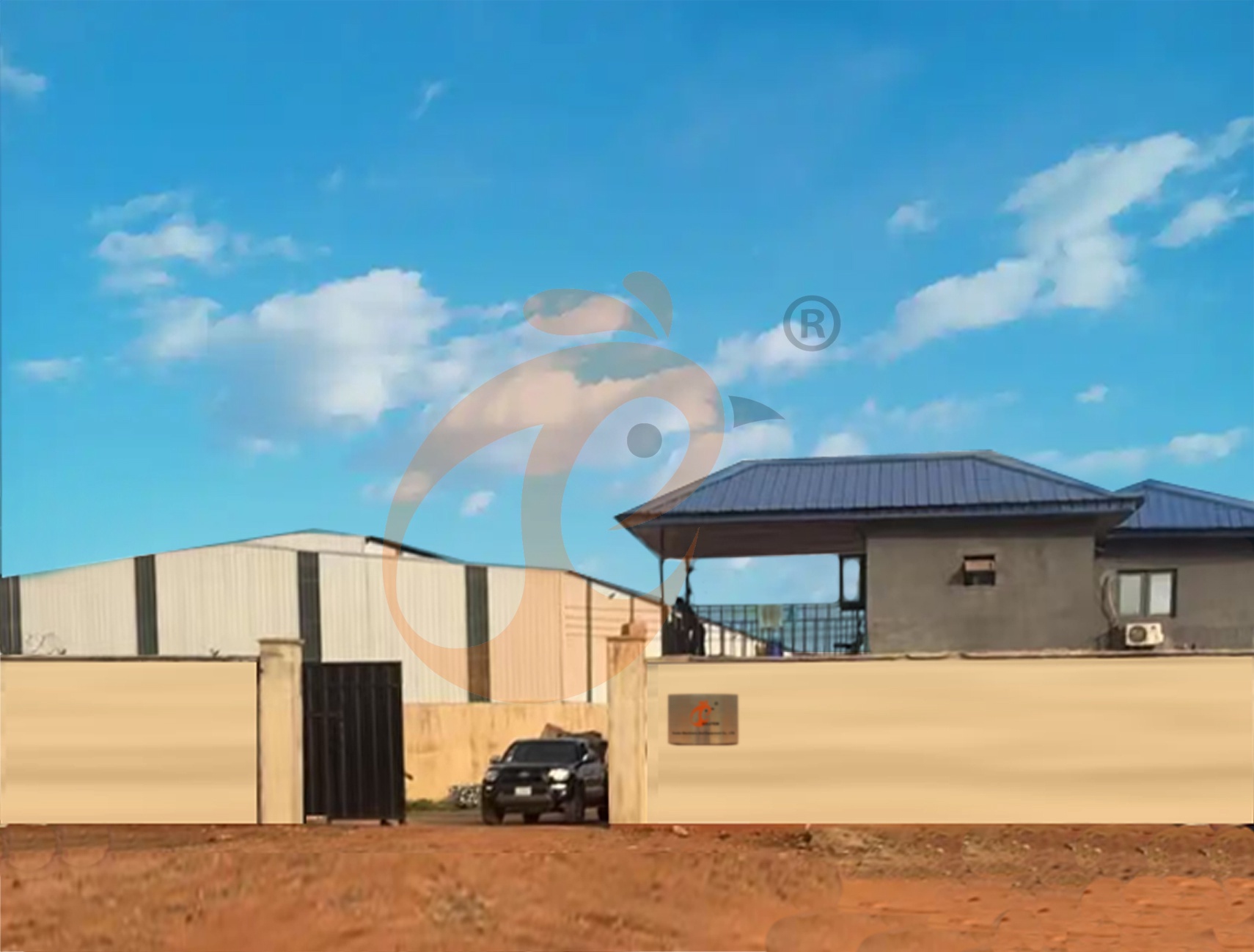
Nigeria Vanke Machinery And Equipment CO., LTD
Tanzania Best Machinery And Equipment CO., LTD
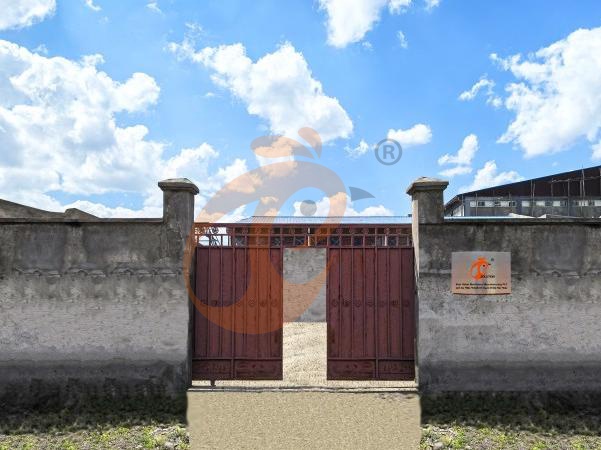
Ethiopia Best Hebei Machinery Manufacturing PLC
Reception /24 WhatsApp NO. : +8618830120193
FAQ
What Are The Growth Performance Benefits In Deep Litter Poultry System?
Feed conversion ratio improves to 1.55–1.78 due to thermal comfort and reduced stress.
Market uniformity rate exceeds 85%–92% within target slaughter weight range.
What Are The Litter Turning And Management Frequency Standards In Deep Litter Poultry System?
Surface leveling is maintained every 3–5 days to prevent compaction zones.
Full litter replacement cycle occurs every 2–3 production batches depending on load intensity.
What Are The Energy Efficiency And Cost Advantages In Deep Litter Poultry System?
Construction cost savings reach 25%–40% compared with fully caged housing systems.
Operational labor demand decreases by 30%–50% through simplified floor-based management.
- battery cage
- battery cage system
- poultry farm
- poultry house
- poultry cage
- cage
- poultry farm construction
- poultry cage manufacturer
- poultry cage equipment
- modern battery cage system
- modern battery cage
- poultry cage production
- poultry housing system
- deep litter system
- poultry equipment
- chickencage
- bestchickencage
- cage system
- cage systems
- Nigeria
- deep litter poultry farming
- poultry farming
- poultry housing systems
- cage manufacturer
- deep litter poultry system
- poultry house ammonia control
- poultry farm plan
- Ethiopia
Message
Products recommended
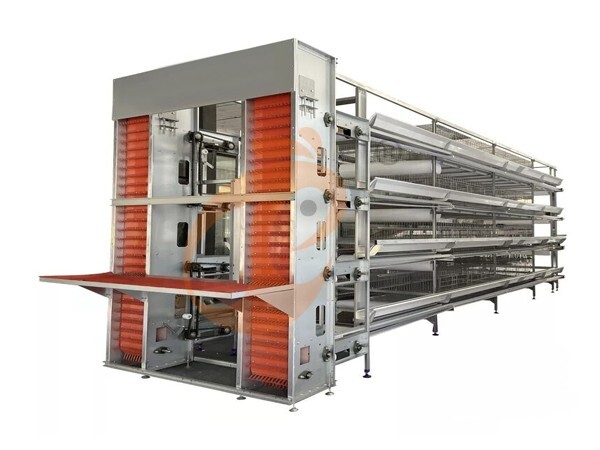
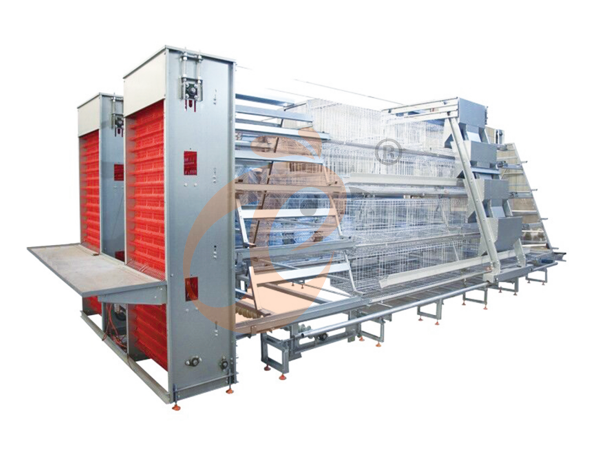
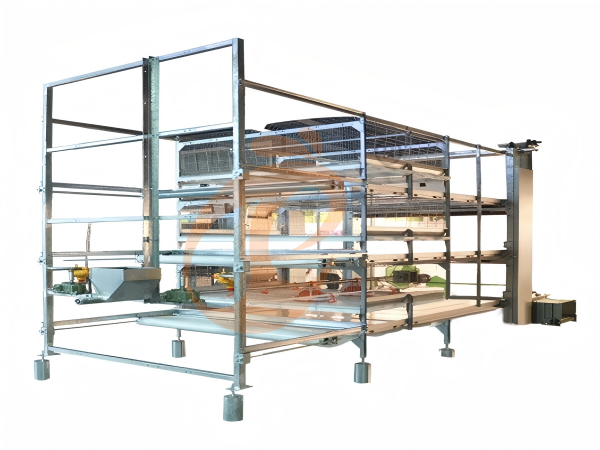
 >30,000 Pullets Automatic H Type Battery Cage1. More than 30,000 pullets a house, choose it.
2. It is designed to rearing older than 1 day old pullets to 12 to 16 weeks old chicken starting laying eggs.
3. Its lifespan is more than 25 years.
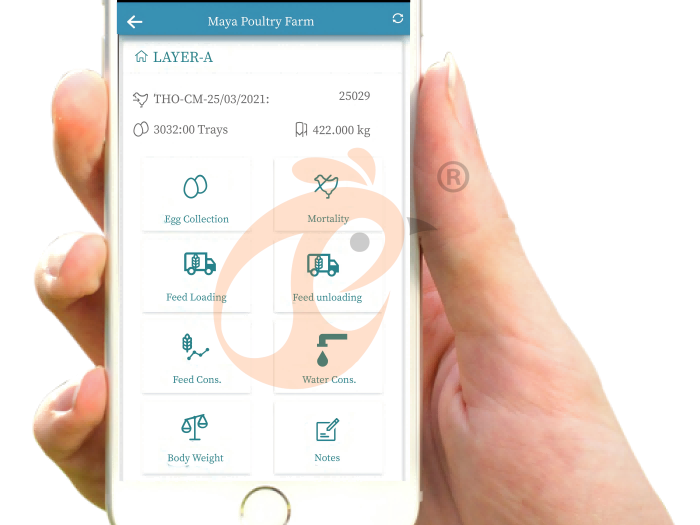
4. Its structure are Vcloud artificial intelligent fusion, electric control cabinet, automatic equipment of drinking, feeding, manure clean, manual harvesting.
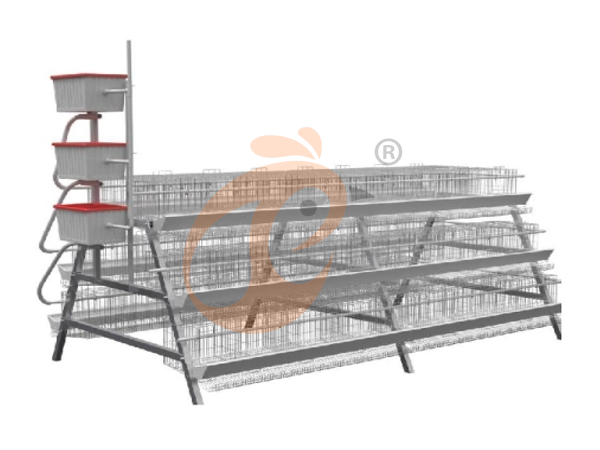
5. Our 24 hour online reception What’sApp NO. is +8618830120193 <30,000 Pullets Automatic A Type Battery Cage1. 10,000 to 30,000 pullets a house, choose it.
2. It is designed to rearing older than 1 day old pullets to 12 to 16 weeks old chicken starting laying eggs.
3. Its lifespan is more than 25 years.
4. Its structure are Vcloud artificial intelligent fusion, electric control cabinet, automatic equipment of drinking, feeding, manure clean, manual harvesting.
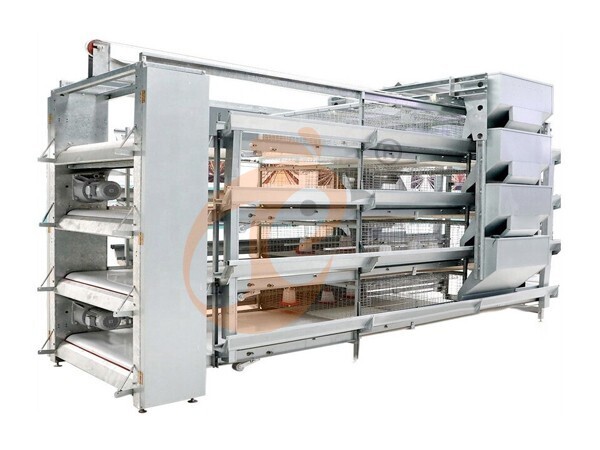
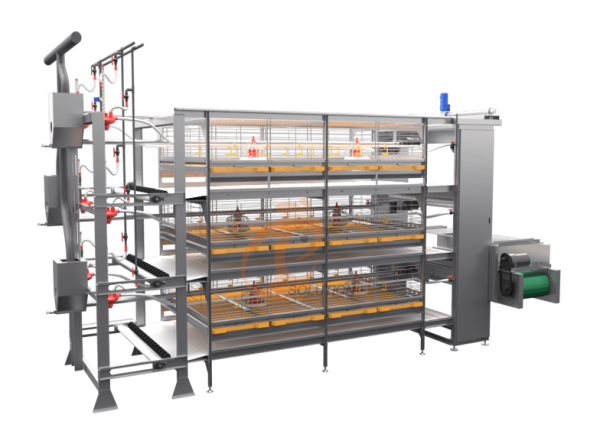
5. Our 24 hour online reception What’sApp NO. is +86 18830120193. >30,000 Broilers Semi-Automatic Harvest H Type Battery Cage1. More than 30,000 broilers a house, choose it.
2. It is designed to rearing 1 to 45 day old adult broiler ready for market.
3. Its lifespan is more than 20 years.
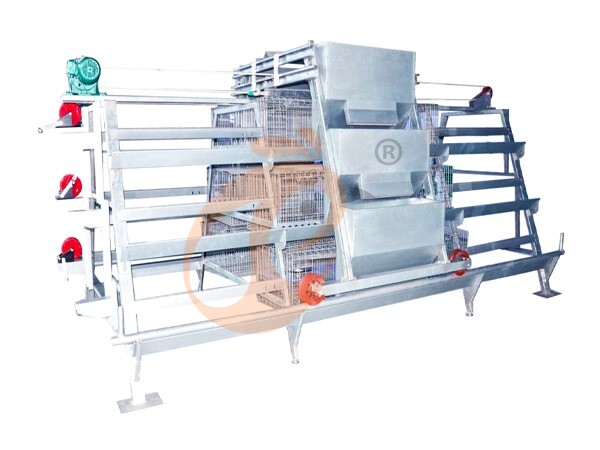
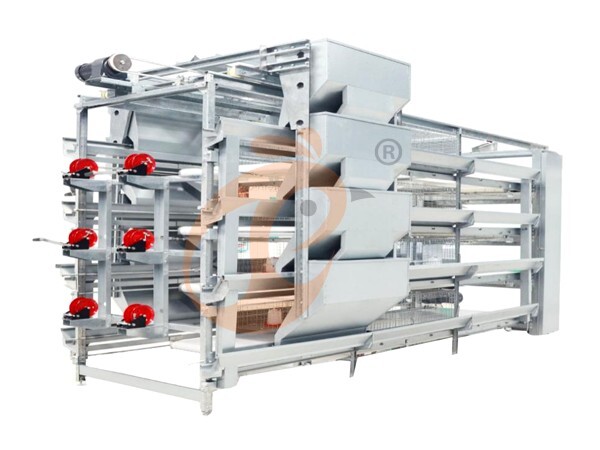
4. Our 24 hour online reception What’sApp NO. is +8618830120193, +234 8111199996. >30,000 Broilers Manual Harvest H Type Battery Cage1. More than 30,000 broilers a house, choose it.
2. It is designed to rearing 1 to 45 day old adult broiler ready for market.
3. Its lifespan is more than 20 years.
4. Its structure are Vcloud artificial intelligent fusion, electric control cabinet, automatic equipment of drinking, feeding and manure clean, manual harvesting.
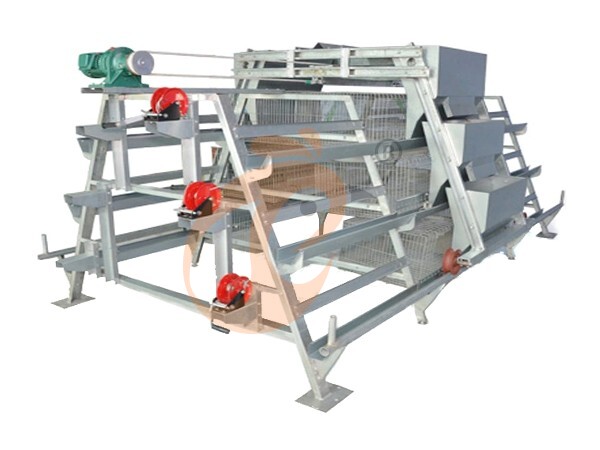
5. Our 24 hour online reception What’sApp NO. is +8618830120193, +234 8111199996. <30,000 Broilers Manual Harvest A Type Battery Cage1. Less 30,000 broilers a house, choose it.
2. It is designed to rearing 1 to 45 day old adult broiler ready for market.
3. Its lifespan is more than 20 years.
4. Its structure are Vcloud artificial intelligent fusion, electric control cabinet, automatic equipment of drinking, feeding and manure clean, manual harvesting.
5. Our 24 hour online reception What’sApp NO. is +8618830120193, +234 8111199996. HK Headquarter Offers EU-standard Poultry Farm Solutions, Manufacture Poultry Farm Equipment1. Continuous communication with the EU and the US
2. China, Nigeria, Ethiopia, Tanzania branch companies and factories
3. The products’ quality is customized for local poultry farms
4. Poultry cage and poultry farm equipment stock for sale
5. 24 online reception Whatsapp NO. : +8618830120193,contact us to get full information China Branch Offer Poultry Farm Business Plan, Manufacture Poultry Farm Equipment1. Address: Flat/RM 2416, 24/F, Runxing Building, Youyi Nan Street, Shijiazhuang City, Hebei Province, China
2. Poultry cage and poultry farm equipment factory and stock for sale
3. Customized for local poultry farms
4. Quality and design are based on Euro
5. 24 online reception Whatsapp NO. : +8618830120193 Nigeria Branch Offer Poultry Farm Business Plan, Manufacture Poultry Farm Equipment1. Address: After Sinoma Office, 200 Meters Near Danco Filling Station, Lagos/Ibadan Expressway, Lagos State, Nigeria
2. Poultry cage and poultry farm equipment factory and stock for sale
3. Customized for Nigerian poultry farms
4. Quality and design are based on Euro
5. 24 online reception Whatsapp NO. : +8618830120193 Ethiopia Branch Offer Poultry Farm Business Plan, Manufacture Poultry Farm Equipment1. Address: Gelan Gura, Akaki-kaliti Sub City, Addis Ababa, Ethiopia
2. Poultry cage and poultry farm equipment stock for sale
3. Customized for Ethiopian poultry farms
4. Quality and design are based on Euro
5. 24 online reception Whatsapp NO. : +8618830120193, contact us to get price list Tanzania Branch Offer Poultry Farm Business Plan, Manufacture Poultry Farm Equipment1. Address: No.8, Sova Road, Msufini, Mlandizi, Kibaha, Pwani, Tanzania
2. Poultry cage and poultry farm equipment factory and stock for sale
3. Customized for Tanzanian poultry farms
4. Quality and design are based on Euro
5. 24 online reception Whatsapp NO. : +8618830120193


Contact