


Blog
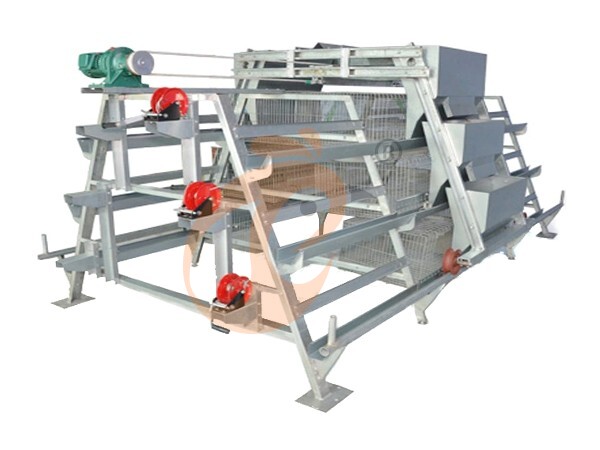
A type chicken cage maintenance for egg laying defines structural stability, environmental control, and mechanical reliability in intensive poultry systems.
Engineering integrity depends on corrosion resistance, ventilation uniformity, and automated feed-water synchronization across multi-tier cage architecture.
Operational performance is influenced by ammonia diffusion rate, thermal gradient balance, and egg conveyance friction coefficient.
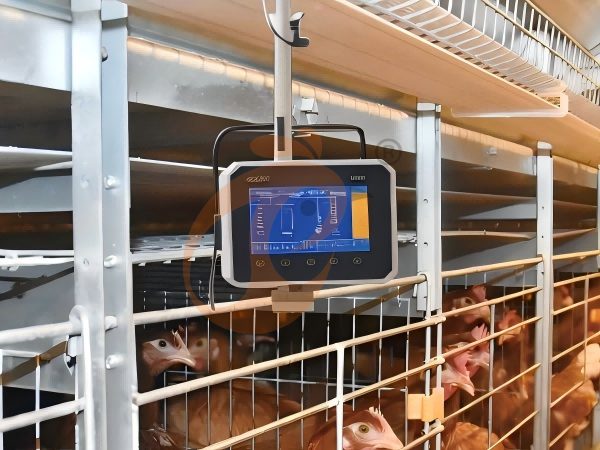
System efficiency relies on scheduled sanitation cycles, load-bearing calibration, and precision-controlled lighting duration.
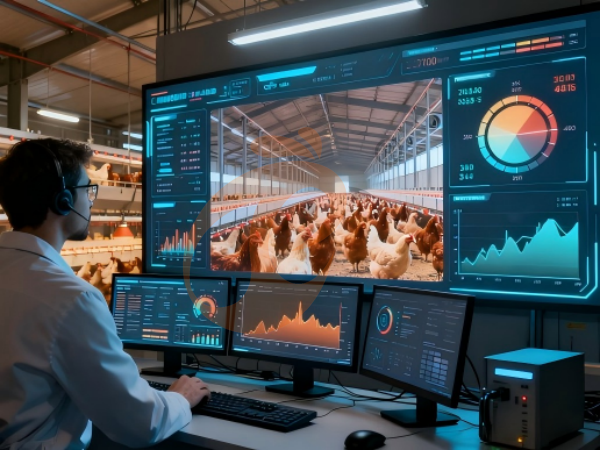
Production stability requires integrated monitoring of mechanical wear, bio-aerosol concentration, and metabolic stress response in laying hens.
Get professional poultry farm construction guidance, equipment selection solutions, and the latest price lists, whatsApp to +8618830120193, click to learn more:
Daily Inspection For Operational Stability
Daily inspection ensures mechanical synchronization and prevents structural drift in A type chicken cage systems.
Micro-failure detection improves cage lifespan and stabilizes egg output consistency.
Data is for reference only.Swipe horizontally to view full table.
Routine monitoring supports A type chicken cage maintenance for egg laying system reliability.
Cleaning Procedures For Egg Quality
Hygienic control determines microbial load balance and egg surface integrity in cage environments.
Sanitation efficiency directly affects bacterial suppression and egg contamination probability.
Data is for reference only.Swipe horizontally to view full table.
A type chicken cage maintenance for egg laying improves microbial stability across production cycles.
Ventilation And Air Quality Management
Air exchange dynamics regulate ammonia dispersion and thermal equilibrium in poultry housing systems.
Controlled airflow reduces respiratory burden and stabilizes metabolic efficiency.
Data is for reference only.Swipe horizontally to view full table.
Poultry equipment efficiency depends on ventilation precision and airflow consistency.
Feed And Water System Maintenance
Nutrient delivery accuracy determines eggshell mineralization and production output stability.
Hydration and feed consistency regulate metabolic energy conversion efficiency.
Data is for reference only.Swipe horizontally to view full table.
Egg production stability increases under precision-controlled A type chicken cage systems.
Egg Collection And Handling Optimization
Egg transport dynamics influence breakage ratio and marketable yield percentage.
Mechanical alignment reduces impact stress during egg rolling and transfer stages.
Data is for reference only.Swipe horizontally to view full table.
A type chicken cage maintenance for egg laying reduces mechanical egg loss during handling cycles.
Scientific Explanation Of Hen Stress And Productivity
Physiological stress response regulates ovulation frequency and eggshell mineral deposition rate.
Endocrine disruption occurs under thermal overload and atmospheric ammonia accumulation.
Data is for reference only.Swipe horizontally to view full table.
Poultry equipment performance depends on physiological stress regulation efficiency.
Cage Structure And Hardware Checks
Structural calibration ensures mechanical stability and prevents deformation under long-term load cycles.
Corrosion control extends service life of steel mesh and supporting frames.
Data is for reference only.Swipe horizontally to view full table.
A type chicken cage maintenance for egg laying ensures structural longevity and production continuity.
Cost-Effective Optimization Techniques
Resource efficiency improves output stability without increasing operational expenditure.
Engineering adjustments optimize environmental and mechanical performance balance.
Data is for reference only.Swipe horizontally to view full table.
A type chicken cage maintenance for egg laying reduces lifecycle cost variance and improves system ROI stability.
Preventive Maintenance Schedule
Maintenance scheduling standardizes operational workflow and reduces failure probability across cage modules.
Data is for reference only.Swipe horizontally to view full table.
A type chicken cage maintenance for egg laying ensures continuous production efficiency above baseline system capacity.
Scientific Explanation Of Egg Production Mechanism
Egg production efficiency is controlled by physiological mineral transfer, reproductive tract activity, and nutrient absorption kinetics in laying hens.
Calcium deposition rate in shell gland directly determines shell structural strength and crack resistance during handling.
Egg Formation Biological Parameters
Data is for reference only.Swipe horizontally to view full table.
These parameters indicate that precise metabolic coordination is essential for stable egg output and shell quality consistency.
Frequently Asked Questions
Q1: What is the recommended daily maintenance for A type chicken cage systems?
Daily inspection includes feed line verification, water nipple flow testing, manure belt operation check, and cage wire corrosion observation.
These actions ensure stable mechanical performance and reduce production interruption risks across laying cycles.
Q2: How does ventilation affect egg production in multi-tier cages?
Ventilation controls ammonia dispersion, temperature balance, and CO2 concentration.
Stable airflow improves respiratory efficiency and feed conversion, supporting consistent laying rate and stronger eggshell formation across all cage tiers.
Q3: What preventive measures reduce structural damage in A type cages?
Regular bolt torque calibration, corrosion coating maintenance, and floor slope adjustment prevent deformation.
Scheduled inspections reduce mechanical fatigue accumulation and extend cage service life under continuous production load conditions.
Taiyu (HK) Group - One Of China Largest A Type Chicken Cage Manufacturer
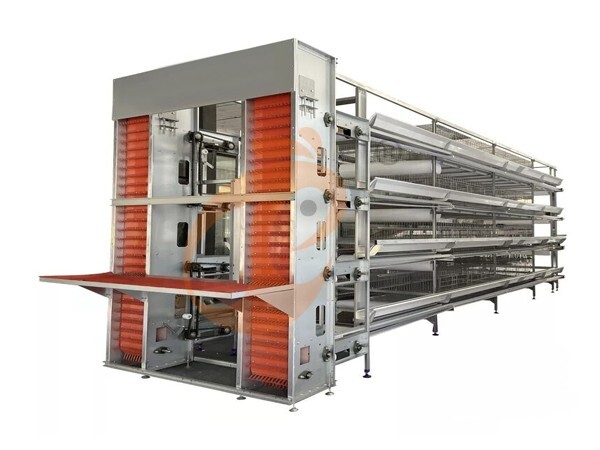
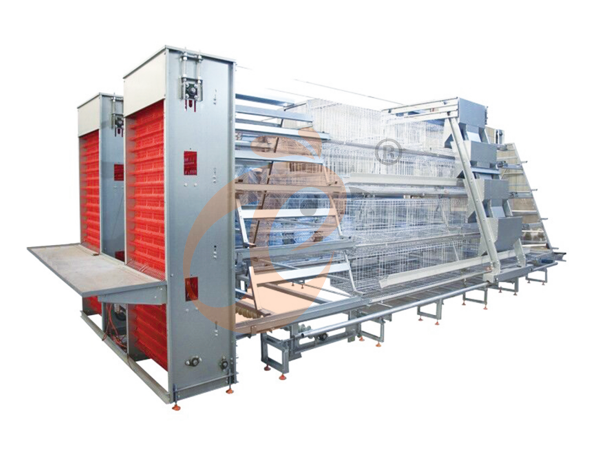
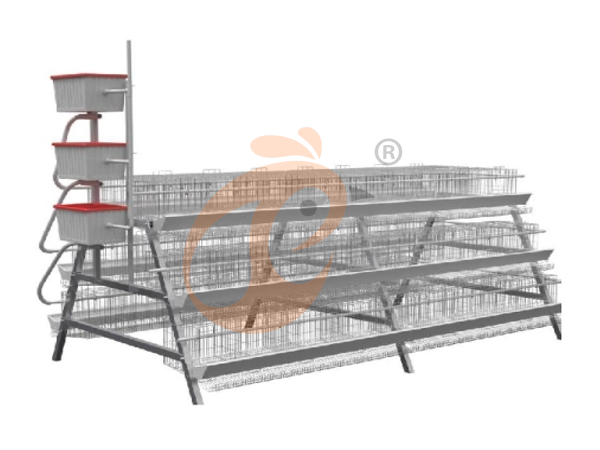
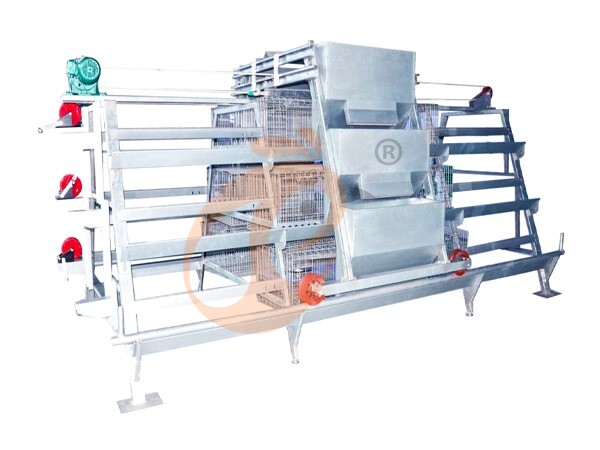
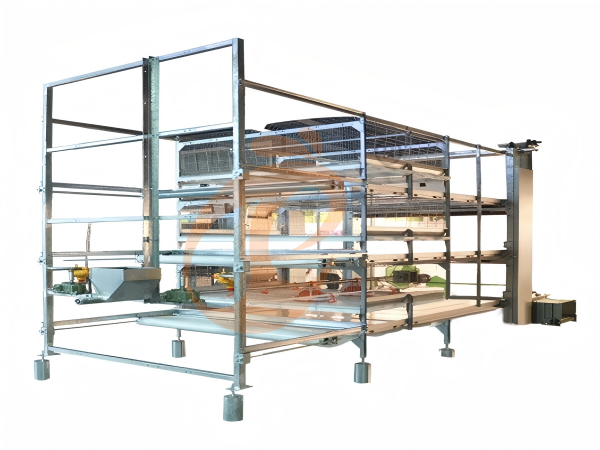
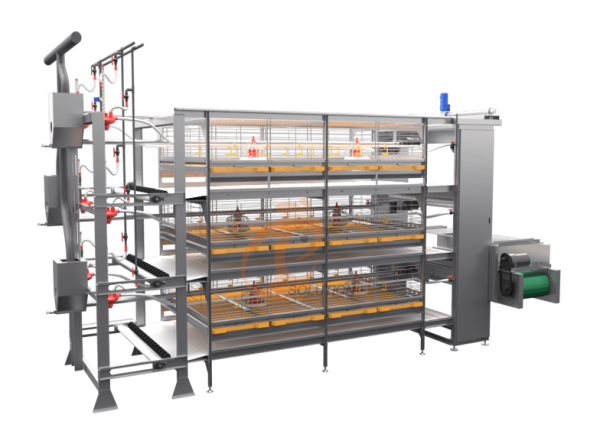
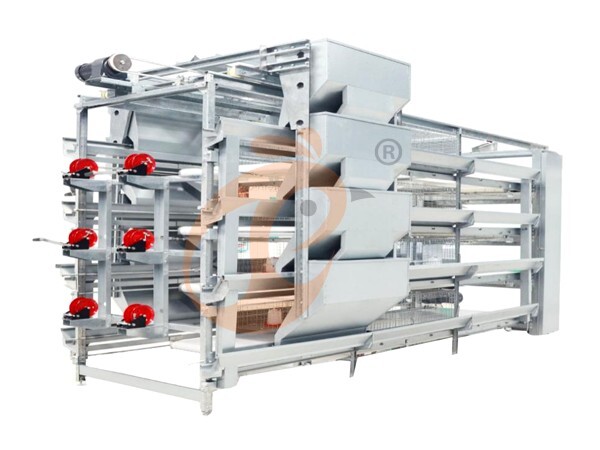
A type chicken cage system designed for high-efficiency egg production with automated feeding, watering, and egg collection modules.
Global factory direct supply ensures consistent quality and cost efficiency for commercial poultry farms.
Turn-key engineering solutions provide complete installation and operational guidance for large-scale layer operations.
Advanced poultry equipment integration enhances environmental control, manure management, and ventilation uniformity.
Customized production lines and technical support optimize performance and reduce operational downtime for clients worldwide.
Contact Us To Received Your Customized Poultry Farm Plan
Headquarters And Branchs
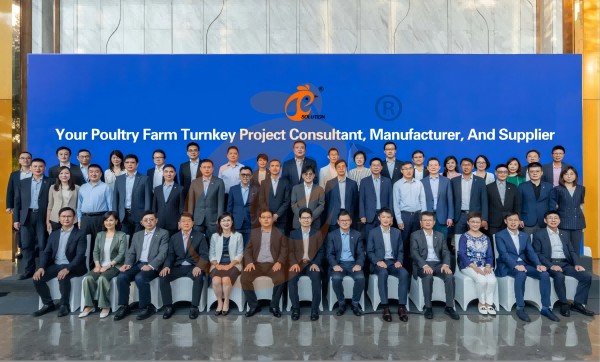
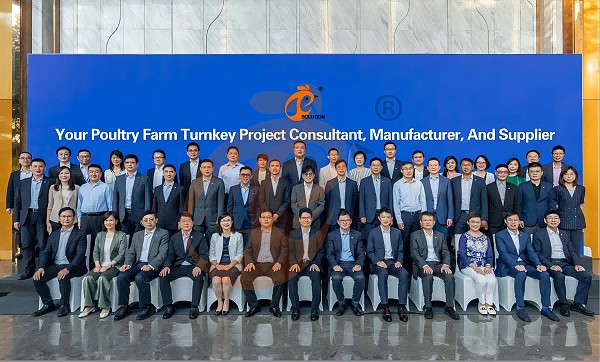
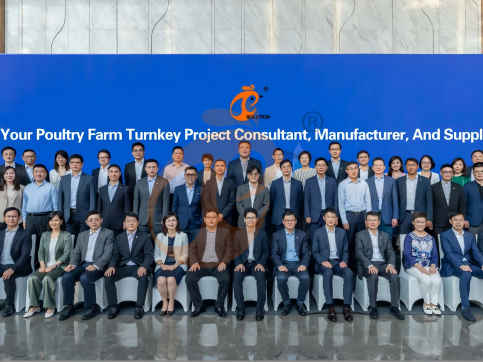
Hong Kong Headquarter Management Team
Hong Kong Headquarter Taiyu Industrial Group CO., LTD
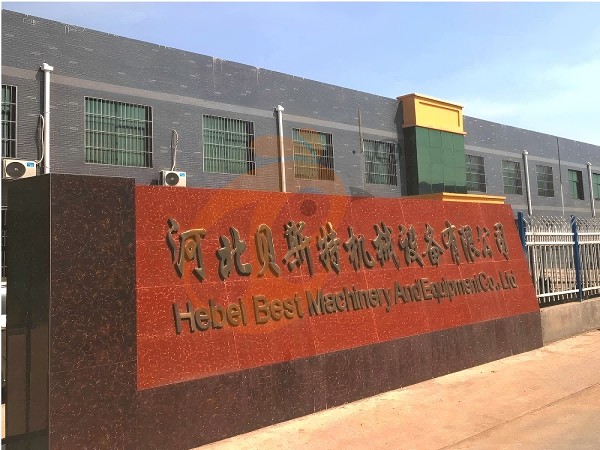
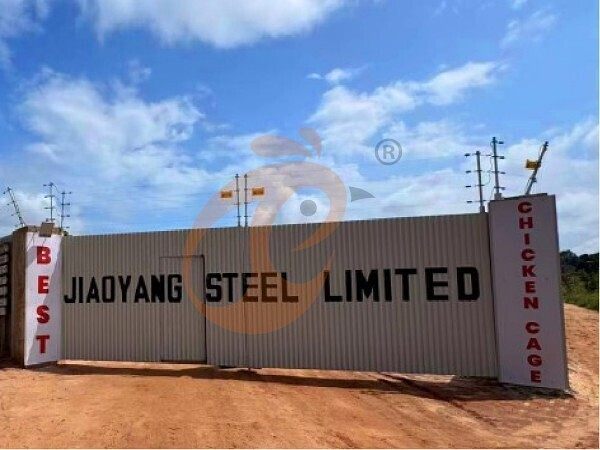
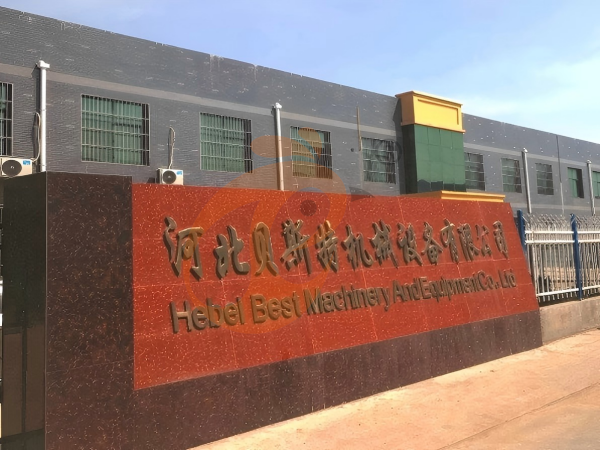
China Hebei Best Machinery And Equipment CO., LTD
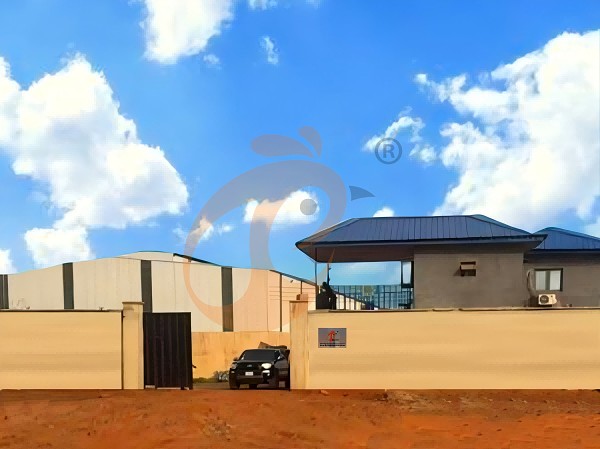
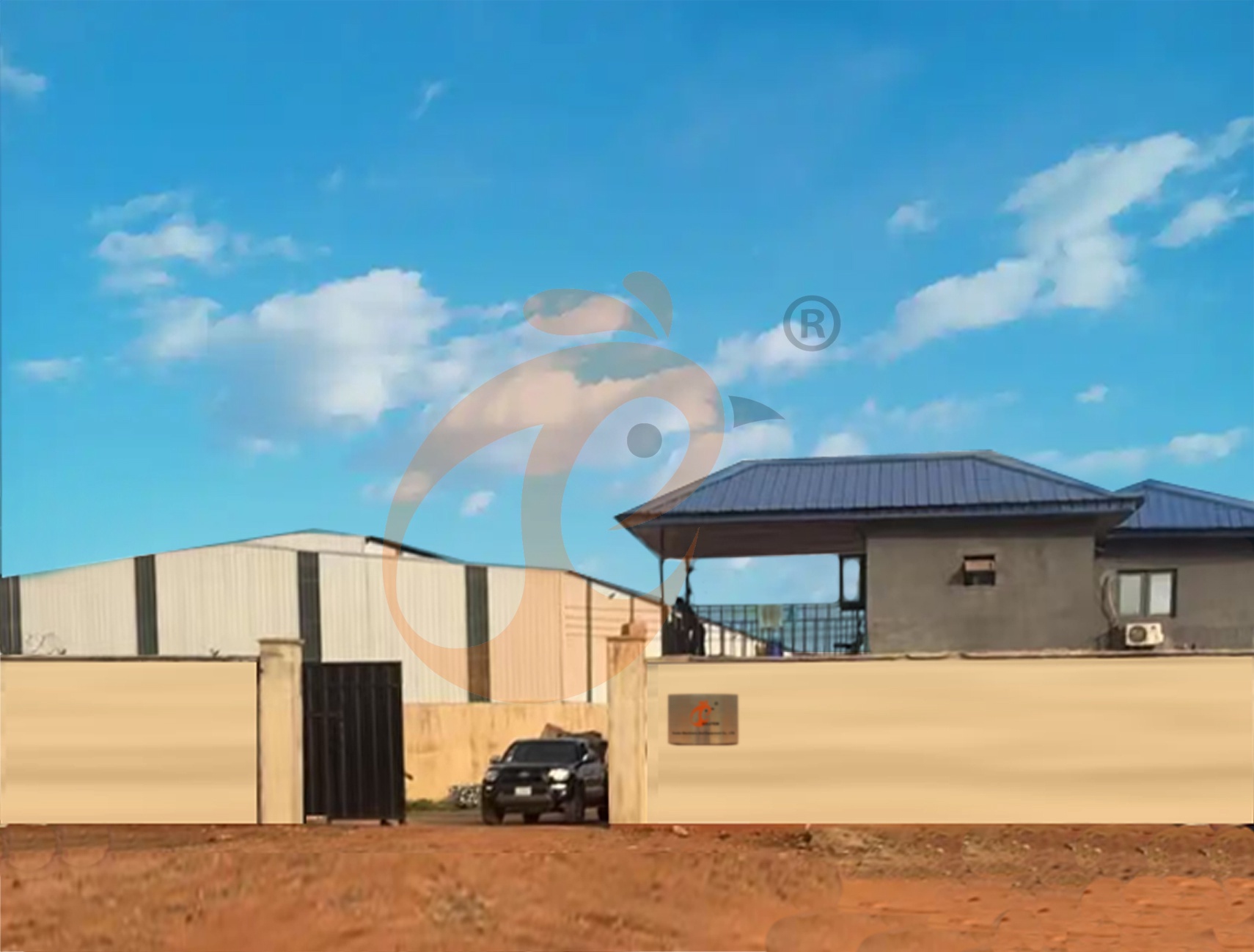
Nigeria Vanke Machinery And Equipment CO., LTD
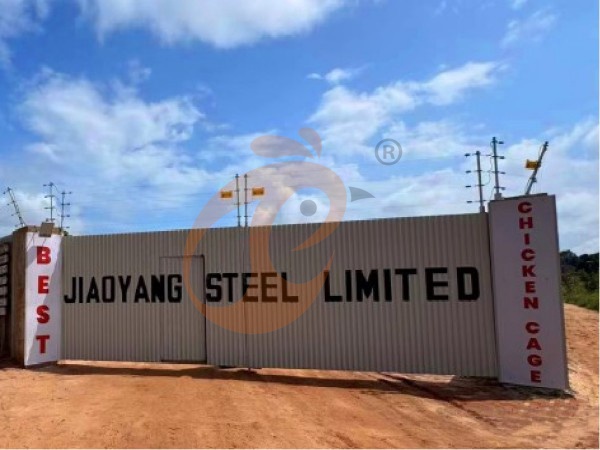
Tanzania Best Machinery And Equipment CO., LTD
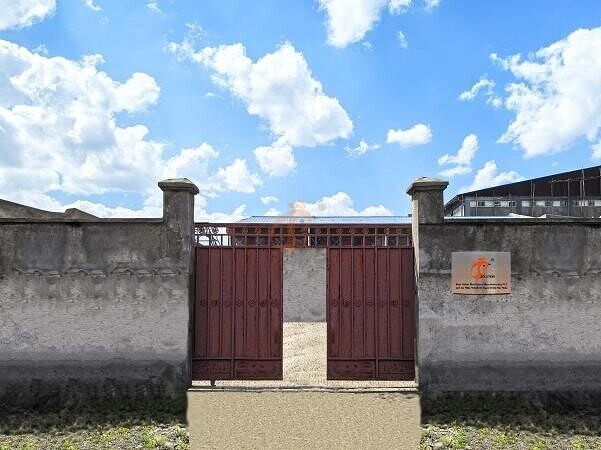
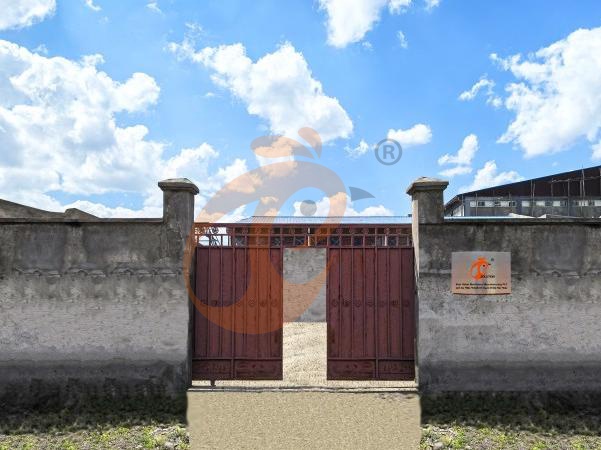
Ethiopia Best Hebei Machinery Manufacturing PLC
Reception /24 WhatsApp NO. : +8618830120193
FAQ
How To Reduce Pecking And Aggression In A-Type Chicken Cage Layers?
Even lighting and good ventilation
Provide supplemental feed and water
Mortality rate: 2–3%
Egg production rate: 90–96%
What Are The Recommended Aisle Widths In A-Type Chicken Cage Houses?
Facilitates manual operation and equipment access
Farm capacity per house: 10,000–50,000 birds
Egg production rate: 90–96%
How To Ensure Proper Airflow In A-Type Layer Cage Farm?
Roof vents and air ducts designed properly
Reduce heat stress and humidity
Egg production rate: 90–96%
FCR: 1.9–2.2
- poultry farm
- chicken cage
- poultry farms
- cage
- poultry farm construction
- chicken cage manufacturer
- chicken cage system
- chicken cage system design
- poultry housing system
- poultry equipment
- chickencage
- bestchickencage
- cage system
- a type chicken cage
- cage systems
- Nigeria
- chicken cage maintenance
- commercial poultry farms
- poultry housing systems
- cage manufacturer
- poultry farm plan
- Ethiopia
Message
Products recommended
 >30,000 Pullets Automatic H Type Battery Cage1. More than 30,000 pullets a house, choose it.
2. It is designed to rearing older than 1 day old pullets to 12 to 16 weeks old chicken starting laying eggs.
3. Its lifespan is more than 25 years.
4. Its structure are Vcloud artificial intelligent fusion, electric control cabinet, automatic equipment of drinking, feeding, manure clean, manual harvesting.
5. Our 24 hour online reception What’sApp NO. is +8618830120193 <30,000 Pullets Automatic A Type Battery Cage1. 10,000 to 30,000 pullets a house, choose it.
2. It is designed to rearing older than 1 day old pullets to 12 to 16 weeks old chicken starting laying eggs.
3. Its lifespan is more than 25 years.
4. Its structure are Vcloud artificial intelligent fusion, electric control cabinet, automatic equipment of drinking, feeding, manure clean, manual harvesting.
5. Our 24 hour online reception What’sApp NO. is +86 18830120193. >30,000 Broilers Semi-Automatic Harvest H Type Battery Cage1. More than 30,000 broilers a house, choose it.
2. It is designed to rearing 1 to 45 day old adult broiler ready for market.
3. Its lifespan is more than 20 years.
4. Our 24 hour online reception What’sApp NO. is +8618830120193, +234 8111199996. >30,000 Broilers Manual Harvest H Type Battery Cage1. More than 30,000 broilers a house, choose it.
2. It is designed to rearing 1 to 45 day old adult broiler ready for market.
3. Its lifespan is more than 20 years.
4. Its structure are Vcloud artificial intelligent fusion, electric control cabinet, automatic equipment of drinking, feeding and manure clean, manual harvesting.
5. Our 24 hour online reception What’sApp NO. is +8618830120193, +234 8111199996. <30,000 Broilers Manual Harvest A Type Battery Cage1. Less 30,000 broilers a house, choose it.
2. It is designed to rearing 1 to 45 day old adult broiler ready for market.
3. Its lifespan is more than 20 years.
4. Its structure are Vcloud artificial intelligent fusion, electric control cabinet, automatic equipment of drinking, feeding and manure clean, manual harvesting.
5. Our 24 hour online reception What’sApp NO. is +8618830120193, +234 8111199996. HK Headquarter Offers EU-standard Poultry Farm Solutions, Manufacture Poultry Farm Equipment1. Continuous communication with the EU and the US
2. China, Nigeria, Ethiopia, Tanzania branch companies and factories
3. The products’ quality is customized for local poultry farms
4. Poultry cage and poultry farm equipment stock for sale
5. 24 online reception Whatsapp NO. : +8618830120193,contact us to get full information China Branch Offer Poultry Farm Business Plan, Manufacture Poultry Farm Equipment1. Address: Flat/RM 2416, 24/F, Runxing Building, Youyi Nan Street, Shijiazhuang City, Hebei Province, China
2. Poultry cage and poultry farm equipment factory and stock for sale
3. Customized for local poultry farms
4. Quality and design are based on Euro
5. 24 online reception Whatsapp NO. : +8618830120193 Nigeria Branch Offer Poultry Farm Business Plan, Manufacture Poultry Farm Equipment1. Address: After Sinoma Office, 200 Meters Near Danco Filling Station, Lagos/Ibadan Expressway, Lagos State, Nigeria
2. Poultry cage and poultry farm equipment factory and stock for sale
3. Customized for Nigerian poultry farms
4. Quality and design are based on Euro
5. 24 online reception Whatsapp NO. : +8618830120193 Ethiopia Branch Offer Poultry Farm Business Plan, Manufacture Poultry Farm Equipment1. Address: Gelan Gura, Akaki-kaliti Sub City, Addis Ababa, Ethiopia
2. Poultry cage and poultry farm equipment stock for sale
3. Customized for Ethiopian poultry farms
4. Quality and design are based on Euro
5. 24 online reception Whatsapp NO. : +8618830120193, contact us to get price list Tanzania Branch Offer Poultry Farm Business Plan, Manufacture Poultry Farm Equipment1. Address: No.8, Sova Road, Msufini, Mlandizi, Kibaha, Pwani, Tanzania
2. Poultry cage and poultry farm equipment factory and stock for sale
3. Customized for Tanzanian poultry farms
4. Quality and design are based on Euro
5. 24 online reception Whatsapp NO. : +8618830120193


Contact