


Blog
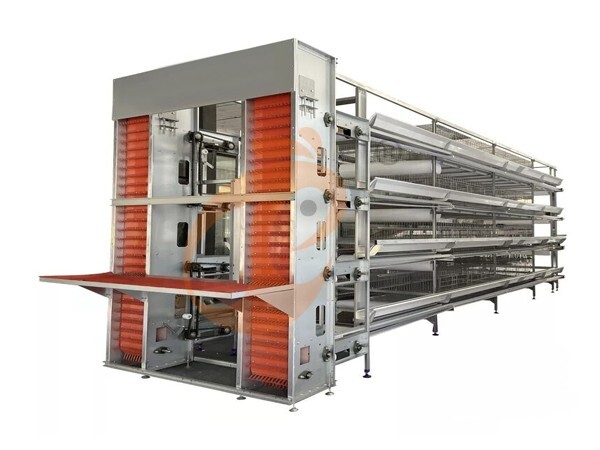
Industrial H type layer chicken battery cages are engineered steel poultry production systems designed for high-density egg production, structural load distribution, and automated manure removal integration.
H type layer chicken battery cage lifespan analysis involves corrosion mechanics, galvanized coating thickness performance, and long-term structural fatigue resistance under continuous poultry load cycles.
System durability evaluation includes environmental ammonia exposure between 8–30 ppm, humidity regulation at 55–80 percent, and steel wire diameter configurations ranging from 2.3 mm to 4.2 mm.
Lifecycle engineering assessment considers frame deformation rate per 10,000 operational hours, zinc coating depletion rate per year, and automated feeding line vibration frequency impact.
Operational lifespan optimization integrates ventilation airflow rate of 0.8–1.5 m³/min per bird, manure belt cycle frequency every 24 hours, and structural maintenance intervals under controlled production environments.
Get professional poultry farm construction guidance, equipment selection solutions, and the latest price lists, whatsApp to +8618830120193, click to learn more:
Structural Materials And Engineering Configuration
Industrial H type layer cages are constructed using Q235 carbon steel and Q345 reinforced steel alloys with multi-layer electro-galvanization treatment systems.
Wire mesh geometry is designed for uniform stress dispersion across vertical stacking systems ranging from 3-tier to 8-tier configurations.
Steel deformation tolerance is engineered within 0.15 mm per meter under static load conditions of 12–18 kg per cage unit.
Zinc coating density ranges from 120 g/m² to 275 g/m² depending on corrosion resistance grade selection.
Data is for reference only.Swipe horizontally to view full table.
Environmental Corrosion Mechanics In Poultry Systems
Ammonia gas reacts with zinc coating layers forming zinc hydroxide compounds accelerating surface degradation.
Micro-crack propagation begins at stress concentration points near welded joints after approximately 45,000–60,000 operational hours.
Data is for reference only.Swipe horizontally to view full table.
Mechanical Load Distribution In H Type Cage Systems
H type layer cages utilize vertical load transfer columns allowing uniform stress distribution across stacked tiers.
Each hen exerts an average static load of 1.85 kg with dynamic movement force peaks reaching 2.4 kg during feeding cycles.
Structural engineering design maintains safety factor ratio of 1.8–2.4 under continuous production conditions.
Load transmission efficiency reduces deformation concentration at lower tiers compared to A-frame cage architecture.
Data is for reference only.Swipe horizontally to view full table.
Corrosion Rate And Material Degradation Science
Zinc coating depletion occurs at a rate of 0.03–0.11 mm per year depending on ventilation and manure management efficiency.
Aluminum-zinc alloy coatings demonstrate extended resistance under ammonia concentration below 15 ppm.
Microbial activity in manure increases localized acidity levels accelerating steel oxidation reactions.
Surface oxidation begins at welded junction points before propagating across wire mesh intersections.
Data is for reference only.Swipe horizontally to view full table.
Maintenance Engineering And Lifecycle Extension
Scheduled mechanical inspection intervals significantly influence operational lifespan of H type cage systems.
Anti-corrosion recoating procedures are recommended every 12–18 months under European union standard reference only.
Manure belt replacement intervals typically range between 6–8 years depending on ammonia exposure levels.
Data is for reference only.Swipe horizontally to view full table.
Economic Lifecycle And Investment Analysis
Industrial H type layer cages are capital-intensive assets with depreciation cycles typically calculated over 10–15 years.
Initial installation cost per 100 birds ranges between 850 and 1,050 USD depending on automation configuration level.
Return on investment is strongly correlated with egg production rate of 290–320 eggs per hen per year.
Automation integration reduces labor cost by approximately 35–55 percent compared with manual systems.
Data is for reference only.Swipe horizontally to view full table.
System Comparison With Alternative Poultry Housing
H type cage systems outperform floor-based poultry housing in structural lifespan and production efficiency consistency.
A-frame cage systems exhibit earlier fatigue at joint connection points compared to vertical load distribution H type systems.
Long-term operational stability is strongly linked to corrosion resistance grade and ventilation engineering precision.
Data is for reference only.Swipe horizontally to view full table.
Scientific Explanation Of Poultry Cage Lifespan Behavior
The biological environment of poultry directly influences structural degradation rate through ammonia emission cycles and moisture accumulation patterns.
Metabolic waste conversion produces nitrogen-based compounds that accelerate galvanic corrosion on steel surfaces.
Thermal equilibrium fluctuations between day and night cycles induce micro-expansion fatigue across welded joints.
Engineering design optimization reduces kinetic stress transfer by distributing load across multi-axis support structures.
Frequently Asked Questions
Q1: What is the average lifespan of industrial H type layer chicken battery cages?
The average lifespan ranges from 15 to 20 years depending on steel grade, coating density, ventilation efficiency, and maintenance frequency.
Higher zinc coating levels above 220 g/m² significantly extend structural durability under continuous production cycles.
Q2: What factors most strongly reduce cage lifespan?
High ammonia concentration above 25 ppm, humidity exceeding 80 percent, and poor manure removal systems accelerate corrosion and structural fatigue.
Welded joint stress points are typically the first failure locations under these conditions.
Q3: Can maintenance extend cage lifespan beyond 20 years?
Yes, systematic maintenance including recoating every 12 months, ventilation calibration, and timely component replacement can extend operational lifespan beyond 20 years in controlled environments with stable temperature and airflow regulation.
Taiyu (HK) Group - One Of China Biggest Poultry Equipment Exporter
Industrial H type layer chicken battery cages engineered for 15–20 years lifecycle performance and corrosion resistance structure design.
Global factory direct sales of poultry equipment with automated feeding, egg collection, and manure removal integration systems.
Turn-key poultry farm engineering solutions covering layout design, installation, and production optimization services.
Export-oriented manufacturing with standardized steel frame processing and precision galvanized coating technology systems.
Large-scale poultry equipment supply chain covering cage systems, environmental control units, and farm automation modules.
Contact Us To Received Your Customized Poultry Farm Plan
Headquarters And Branchs

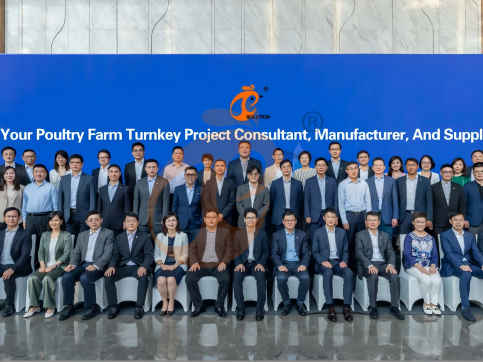
Hong Kong Headquarter Management Team
Hong Kong Headquarter Taiyu Industrial Group CO., LTD
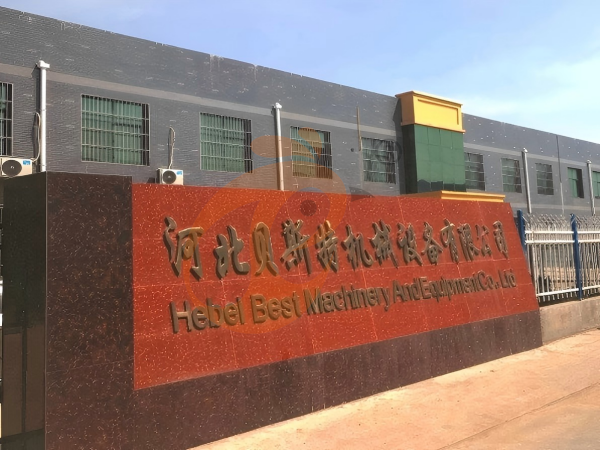
China Hebei Best Machinery And Equipment CO., LTD
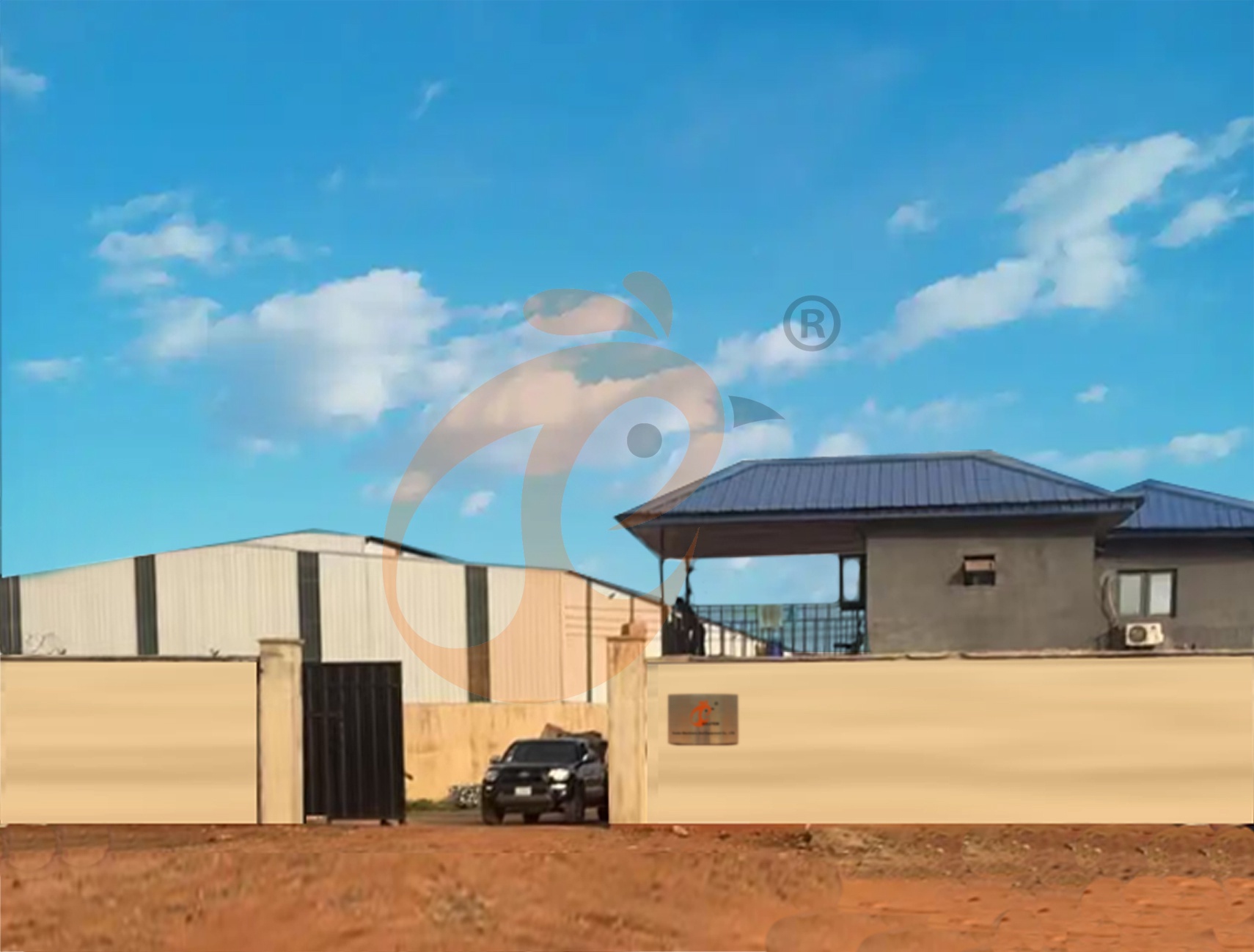
Nigeria Vanke Machinery And Equipment CO., LTD
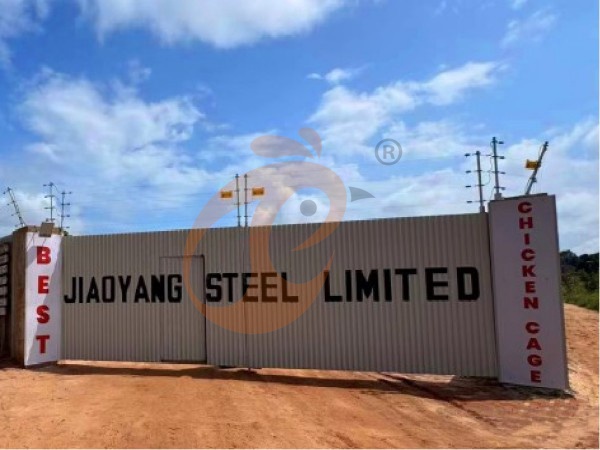
Tanzania Best Machinery And Equipment CO., LTD
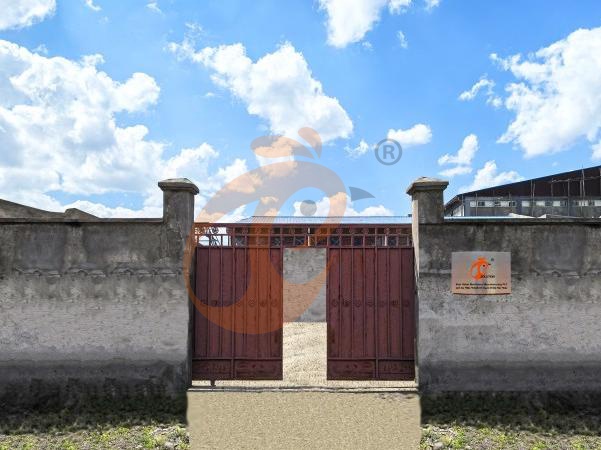
Ethiopia Best Hebei Machinery Manufacturing PLC




Reception /24 WhatsApp NO. : +8618830120193
FAQ
How To Implement Biosecurity Measures In H-Type Battery Cage Farm?
Restrict access to outsiders
Isolate sick birds
Mortality rate: 2–3%
Egg production rate: 90-98%
What Is The Average Feed Cost Per Bird In H-Type Layer Cage?
FCR 1.9–2.1
Feed cost: $0.15–0.20 per bird per day
Daily egg yield: 900–980 eggs/1,000 birds
Labor savings: 70-90%
How To Prevent Cannibalism In H-Type Poultry Cage System?
Provide sufficient feed and water
Install anti-pecking devices
Egg production rate: 90-98%
Mortality rate <3%
- battery cage
- poultry farm
- layer cages
- chicken cage
- chicken battery cage
- layer cage
- poultry cage
- cage
- poultry farm construction
- layer battery cage
- poultry housing system
- poultry equipment
- manure removal system
- battery cages
- h type layer cage
- h type chicken cage
- chickencage
- h type cage
- chicken battery
- bestchickencage
- cage system
- chicken battery cages
- h type
- cage systems
- Nigeria
- poultry housing systems
- poultry equipment exporter
- automated manure removal
- poultry farm plan
- Ethiopia
Message
Products recommended
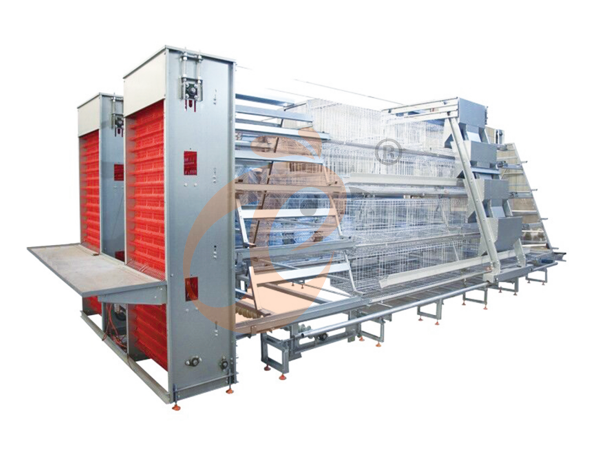
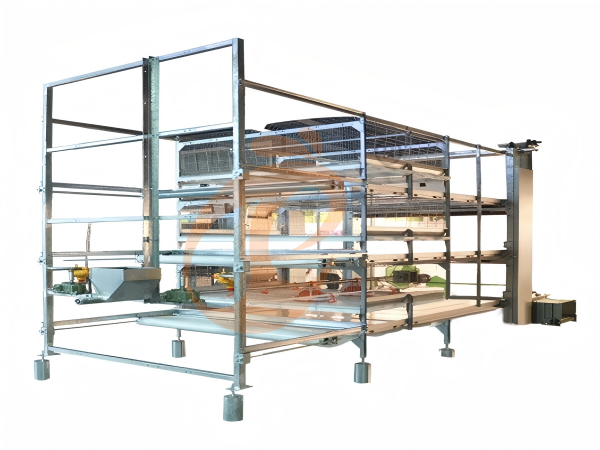
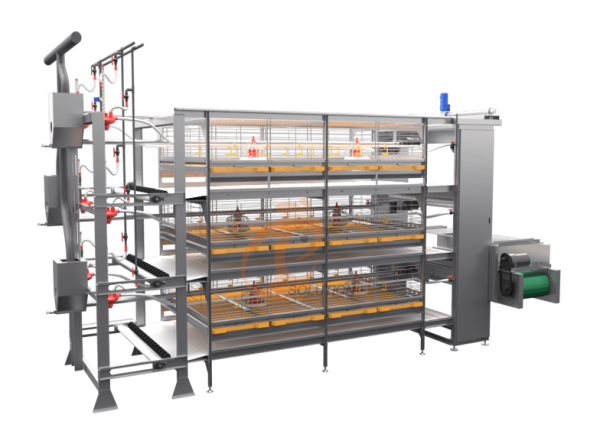
 >30,000 Pullets Automatic H Type Battery Cage1. More than 30,000 pullets a house, choose it.
2. It is designed to rearing older than 1 day old pullets to 12 to 16 weeks old chicken starting laying eggs.
3. Its lifespan is more than 25 years.
4. Its structure are Vcloud artificial intelligent fusion, electric control cabinet, automatic equipment of drinking, feeding, manure clean, manual harvesting.
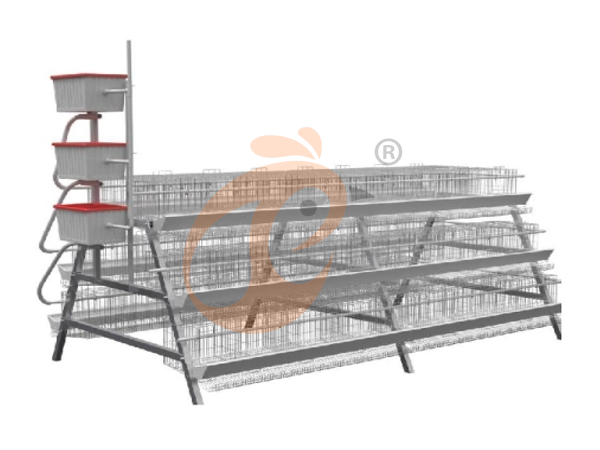
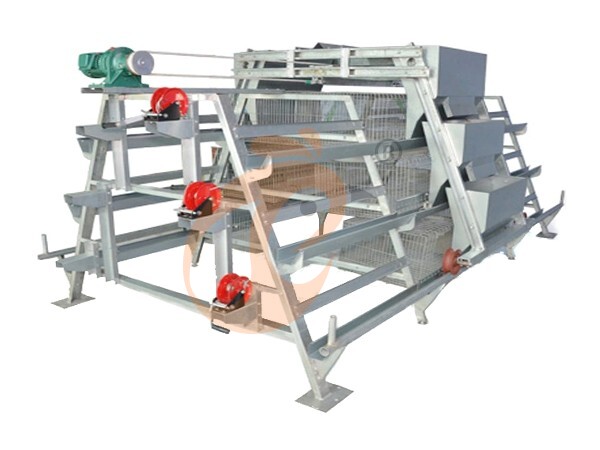
5. Our 24 hour online reception What’sApp NO. is +8618830120193 <30,000 Pullets Automatic A Type Battery Cage1. 10,000 to 30,000 pullets a house, choose it.
2. It is designed to rearing older than 1 day old pullets to 12 to 16 weeks old chicken starting laying eggs.
3. Its lifespan is more than 25 years.
4. Its structure are Vcloud artificial intelligent fusion, electric control cabinet, automatic equipment of drinking, feeding, manure clean, manual harvesting.
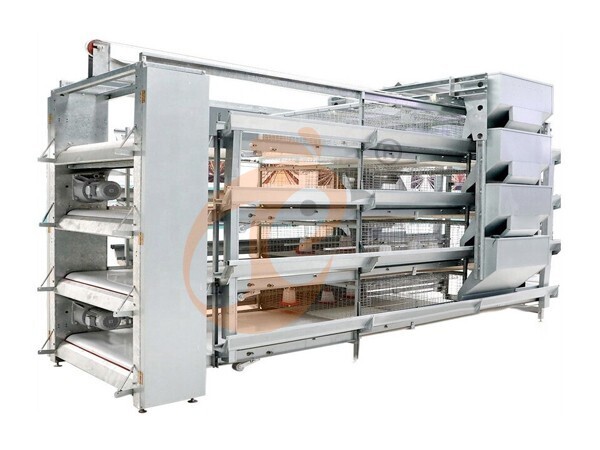
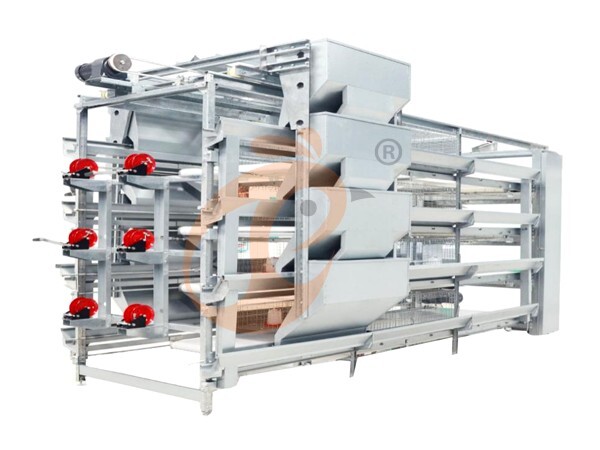
5. Our 24 hour online reception What’sApp NO. is +86 18830120193. >30,000 Broilers Semi-Automatic Harvest H Type Battery Cage1. More than 30,000 broilers a house, choose it.
2. It is designed to rearing 1 to 45 day old adult broiler ready for market.
3. Its lifespan is more than 20 years.
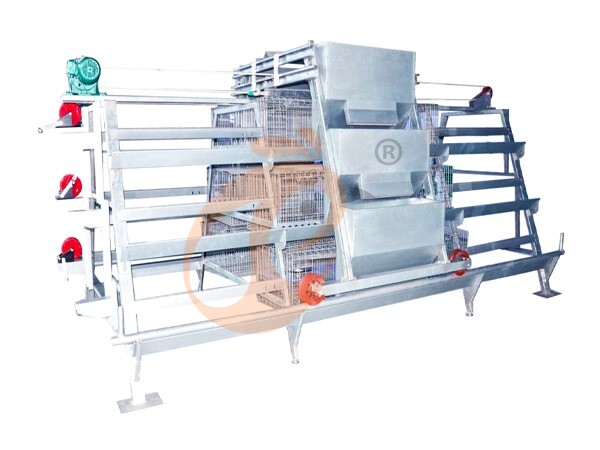
4. Our 24 hour online reception What’sApp NO. is +8618830120193, +234 8111199996. >30,000 Broilers Manual Harvest H Type Battery Cage1. More than 30,000 broilers a house, choose it.
2. It is designed to rearing 1 to 45 day old adult broiler ready for market.
3. Its lifespan is more than 20 years.
4. Its structure are Vcloud artificial intelligent fusion, electric control cabinet, automatic equipment of drinking, feeding and manure clean, manual harvesting.
5. Our 24 hour online reception What’sApp NO. is +8618830120193, +234 8111199996. <30,000 Broilers Manual Harvest A Type Battery Cage1. Less 30,000 broilers a house, choose it.
2. It is designed to rearing 1 to 45 day old adult broiler ready for market.
3. Its lifespan is more than 20 years.
4. Its structure are Vcloud artificial intelligent fusion, electric control cabinet, automatic equipment of drinking, feeding and manure clean, manual harvesting.
5. Our 24 hour online reception What’sApp NO. is +8618830120193, +234 8111199996. HK Headquarter Offers EU-standard Poultry Farm Solutions, Manufacture Poultry Farm Equipment1. Continuous communication with the EU and the US
2. China, Nigeria, Ethiopia, Tanzania branch companies and factories
3. The products’ quality is customized for local poultry farms
4. Poultry cage and poultry farm equipment stock for sale
5. 24 online reception Whatsapp NO. : +8618830120193,contact us to get full information China Branch Offer Poultry Farm Business Plan, Manufacture Poultry Farm Equipment1. Address: Flat/RM 2416, 24/F, Runxing Building, Youyi Nan Street, Shijiazhuang City, Hebei Province, China
2. Poultry cage and poultry farm equipment factory and stock for sale
3. Customized for local poultry farms
4. Quality and design are based on Euro
5. 24 online reception Whatsapp NO. : +8618830120193 Nigeria Branch Offer Poultry Farm Business Plan, Manufacture Poultry Farm Equipment1. Address: After Sinoma Office, 200 Meters Near Danco Filling Station, Lagos/Ibadan Expressway, Lagos State, Nigeria
2. Poultry cage and poultry farm equipment factory and stock for sale
3. Customized for Nigerian poultry farms
4. Quality and design are based on Euro
5. 24 online reception Whatsapp NO. : +8618830120193 Ethiopia Branch Offer Poultry Farm Business Plan, Manufacture Poultry Farm Equipment1. Address: Gelan Gura, Akaki-kaliti Sub City, Addis Ababa, Ethiopia
2. Poultry cage and poultry farm equipment stock for sale
3. Customized for Ethiopian poultry farms
4. Quality and design are based on Euro
5. 24 online reception Whatsapp NO. : +8618830120193, contact us to get price list Tanzania Branch Offer Poultry Farm Business Plan, Manufacture Poultry Farm Equipment1. Address: No.8, Sova Road, Msufini, Mlandizi, Kibaha, Pwani, Tanzania
2. Poultry cage and poultry farm equipment factory and stock for sale
3. Customized for Tanzanian poultry farms
4. Quality and design are based on Euro
5. 24 online reception Whatsapp NO. : +8618830120193


Contact