


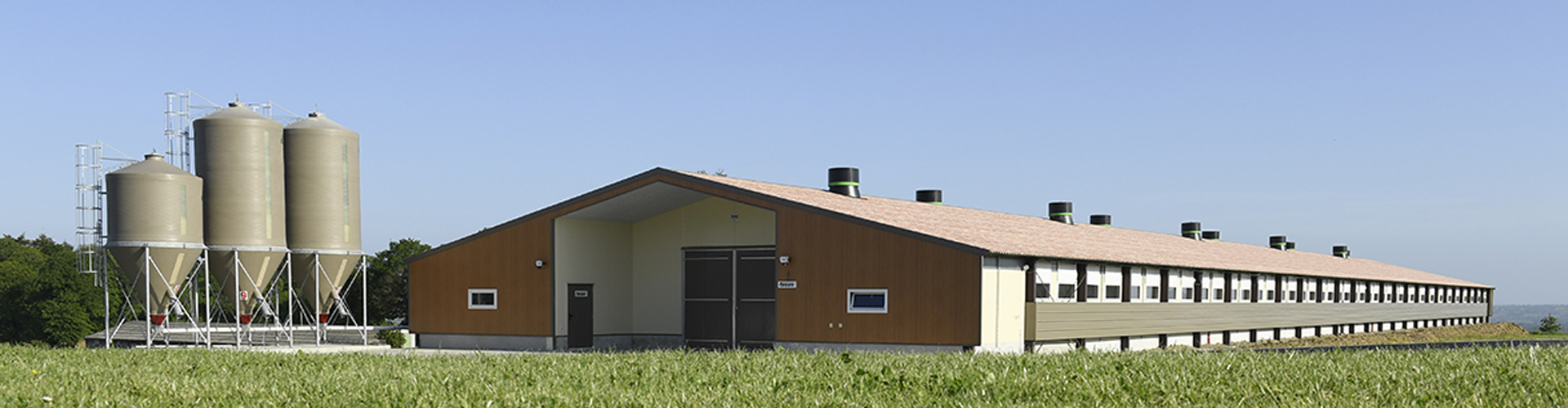
Blog
The factory price of poultry battery cage systems defines industrial cost architecture across automated poultry production lines in 2026 export engineering.
Steel mass allocation, galvanization density, and automation module integration determine unit pricing across layered cage structures.
Battery cage configurations influence stocking density, feed conversion ratio (FCR), and structural load distribution per square meter.
Manufacturing cost modeling includes welding precision, corrosion resistance testing, and modular assembly standardization for export systems compliant with European union standards.
Industrial poultry equipment pricing reflects lifecycle durability, production scalability, and mechanical integration efficiency across farming operations.
Get professional poultry farm construction guidance, equipment selection solutions, and the latest price lists, whatsApp to +8618830120193, click to learn more:
Poultry Battery Cage Factory Price Structure And Engineering Scope
Battery cage systems represent engineered poultry housing units designed for high-density egg production under controlled environmental conditions.
Factory price variations originate from structural steel consumption, automation integration, and production batch scale optimization.
Primary manufacturing zones include standardized cage geometry, corrosion-resistant coating, and mechanized feeding line integration.
Data is for reference only.Swipe horizontally to view full table.
Poultry Battery Cage Price Range And System Classification
The industrial pricing model for poultry battery cage systems is segmented by structural complexity and automation density.
This section integrates poultry battery cage price, automatic chicken cage system, and layer cage factory price as core market reference expressions.
Each system type corresponds to different mechanical configurations and production output capabilities in large-scale farming environments.
Data is for reference only.Swipe horizontally to view full table.
Poultry Battery Cage Material Cost Engineering Breakdown
Steel coil processing, galvanization treatment, and welding assembly define the internal cost structure of poultry battery cage production.
Cost allocation is calculated per ton of finished structural output with standardized industrial benchmarking.
Automation module integration contributes significantly to final pricing variance across different configurations.
Data is for reference only.Swipe horizontally to view full table.
Poultry Battery Cage Spatial Efficiency And Farming Density
Poultry battery cage systems optimize land utilization through vertical stacking and modular arrangement engineering.
Stocking density is directly correlated with feed conversion ratio (FCR) and controlled environmental exposure.
System layout configuration determines production capacity per square meter in industrial poultry farms.
Data is for reference only.Swipe horizontally to view full table.
Poultry Production Science And Environmental Control Logic
Poultry production efficiency is strongly influenced by thermal stability, ventilation rate, and photoperiod regulation inside cage systems.
Temperature stability between 18°C and 24°C increases laying consistency and reduces metabolic stress in layer hens.
Humidity control between 50% and 70% stabilizes shell formation and reduces egg deformation rate in industrial environments.
Energy conversion efficiency improves when locomotion energy demand is minimized within structured cage systems.
Controlled feeding distribution enhances nutrient absorption efficiency and improves long-term production sustainability in commercial farms.
Poultry Battery Cage Automation Modules Pricing Structure
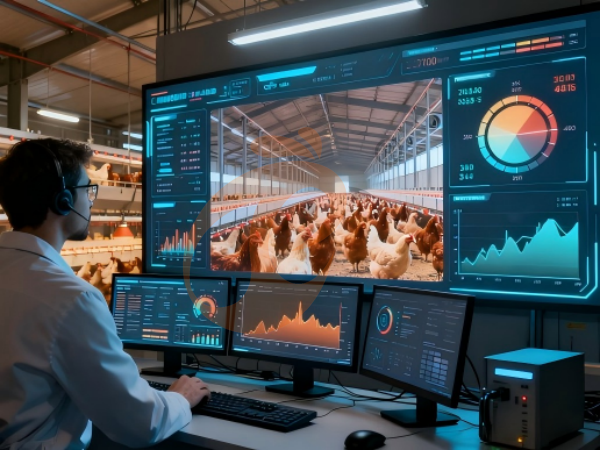
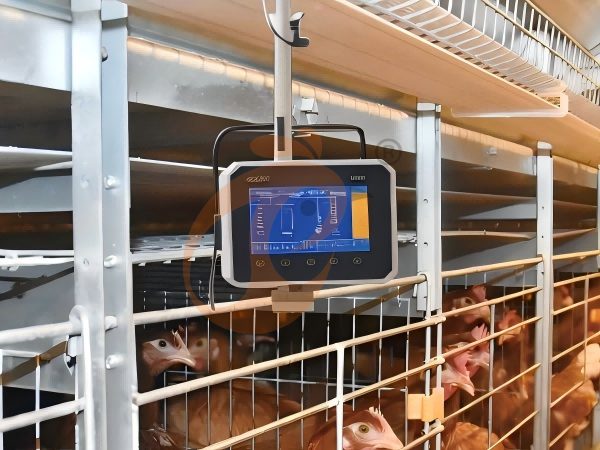
Automation systems define mechanical efficiency and long-term operational stability in poultry battery cage installations.
Modules include feeding lines, manure removal systems, egg collection conveyors, and ventilation control mechanisms.
Each component contributes independently to total system engineering cost and operational energy demand.
Data is for reference only.Swipe horizontally to view full table.
Poultry Battery Cage Capacity Scaling And Investment Efficiency
Investment efficiency in poultry battery cage systems increases with production scale due to shared structural and automation resources.
Per-bird equipment cost decreases as total installed capacity expands across modular cage frameworks.
Lifecycle performance depends on system durability and maintenance cycle optimization.
Data is for reference only.Swipe horizontally to view full table.
Poultry Battery Cage Steel Consumption And Structural Strength
Steel consumption per cage system directly determines structural load capacity and corrosion resistance performance.
Higher material density correlates with extended operational lifespan under industrial farming conditions.
Mechanical strength parameters are validated through tensile and corrosion resistance testing protocols.
Data is for reference only.Swipe horizontally to view full table.
Poultry Battery Cage Export Packaging And Logistics Efficiency
Export packaging design affects container utilization efficiency and corrosion protection performance during international transportation.
Modular disassembly structure improves loading density and reduces shipping volume per unit system.
Anti-rust wrapping ensures material integrity during long-distance ocean freight transportation cycles.
Data is for reference only.Swipe horizontally to view full table.
Poultry Battery Cage Direct Supply Economic Advantages
Direct factory supply reduces intermediate margin layers and stabilizes engineering communication across production cycles.
Technical modification cycles are shortened through direct engineering coordination with manufacturing facilities.
Spare parts supply chains maintain higher consistency under integrated factory distribution systems.
Data is for reference only.Swipe horizontally to view full table.
Frequently Asked Questions
Q1: What determines factory price of poultry battery cage?
Factory price is determined by steel consumption, automation integration, galvanization thickness, and system design complexity.
Each parameter directly influences production cost per unit weight and final system configuration.
Q2: Why do automated systems cost more than manual ones?
Automated systems include feeding lines, manure removal, and egg collection modules that increase mechanical complexity.
These components require motors, electrical systems, and control units that raise total manufacturing input cost.
Q3: How does factory direct supply affect total investment?
Direct supply reduces intermediate markups and shortens engineering modification cycles during installation.
It also improves spare parts availability and stabilizes long-term operational maintenance planning.
Taiyu (HK) Group - One Of China Biggest Poultry Battery Cage Manufacturer
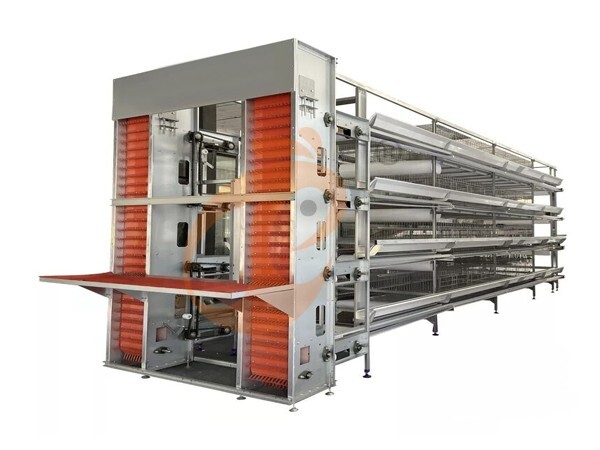
Poultry battery cage system covering layer cage, automatic chicken cage, and full farm equipment integration.
Global factory direct supply with standardized poultry equipment manufacturing and export engineering.
Turn-Key poultry farming project design, installation, and technical support services.
Large-scale production capacity supporting industrial poultry automation systems worldwide.
Export-oriented manufacturing with consistent quality control and cost-efficient supply chain structure.
Contact Us To Received Your Customized Poultry Farm Plan
Headquarters And Branchs

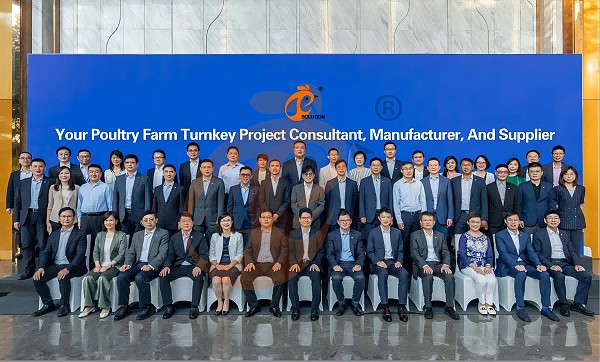
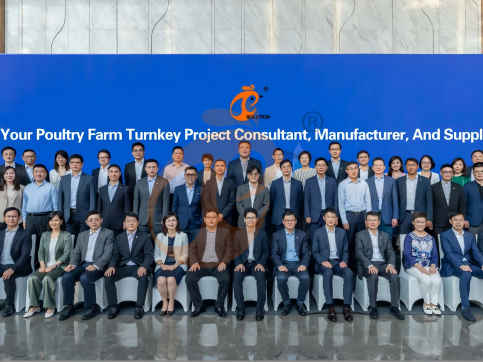
Hong Kong Headquarter Management Team
Hong Kong Headquarter Taiyu Industrial Group CO., LTD
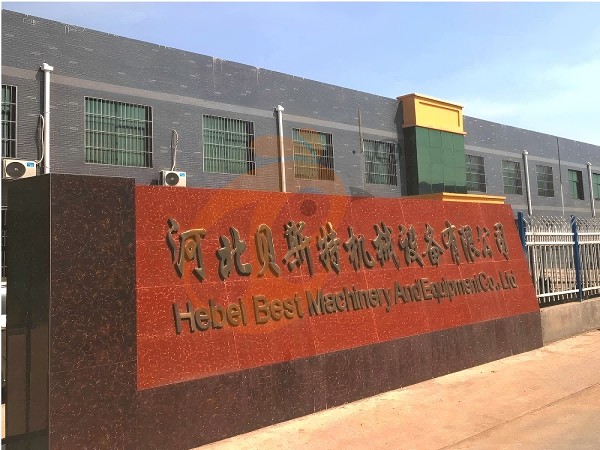
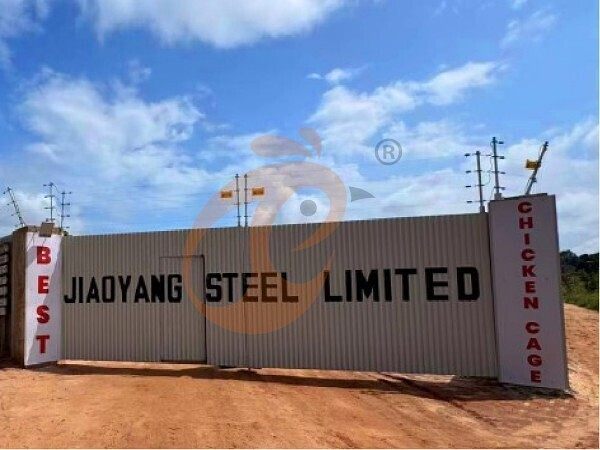
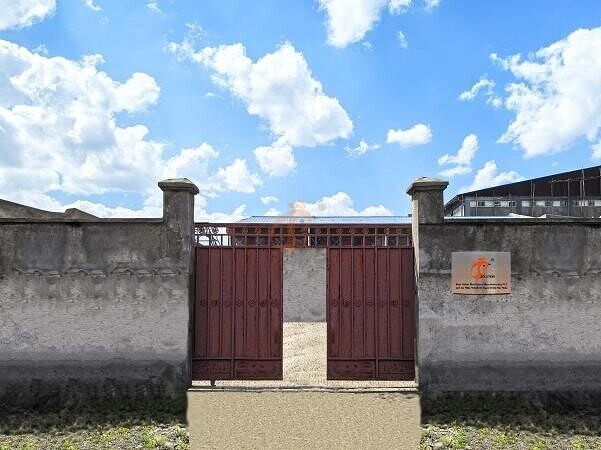
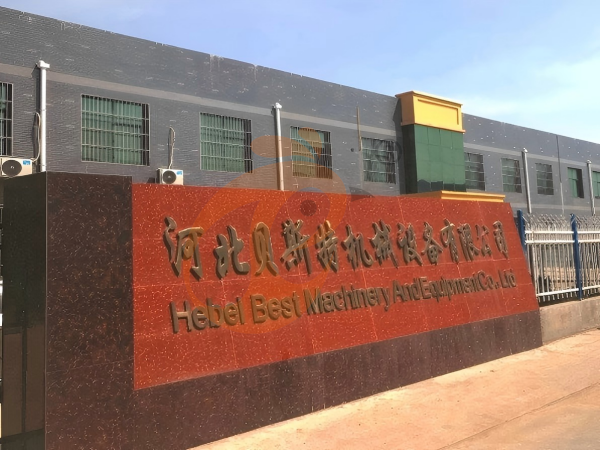
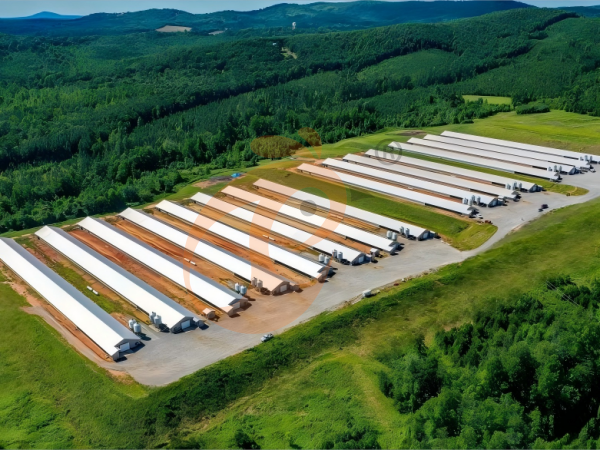
China Hebei Best Machinery And Equipment CO., LTD
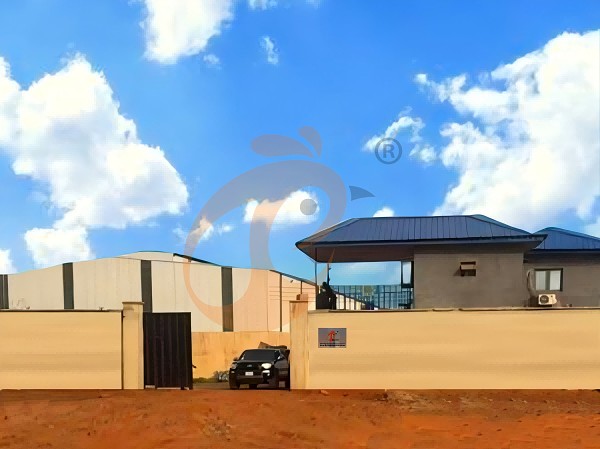
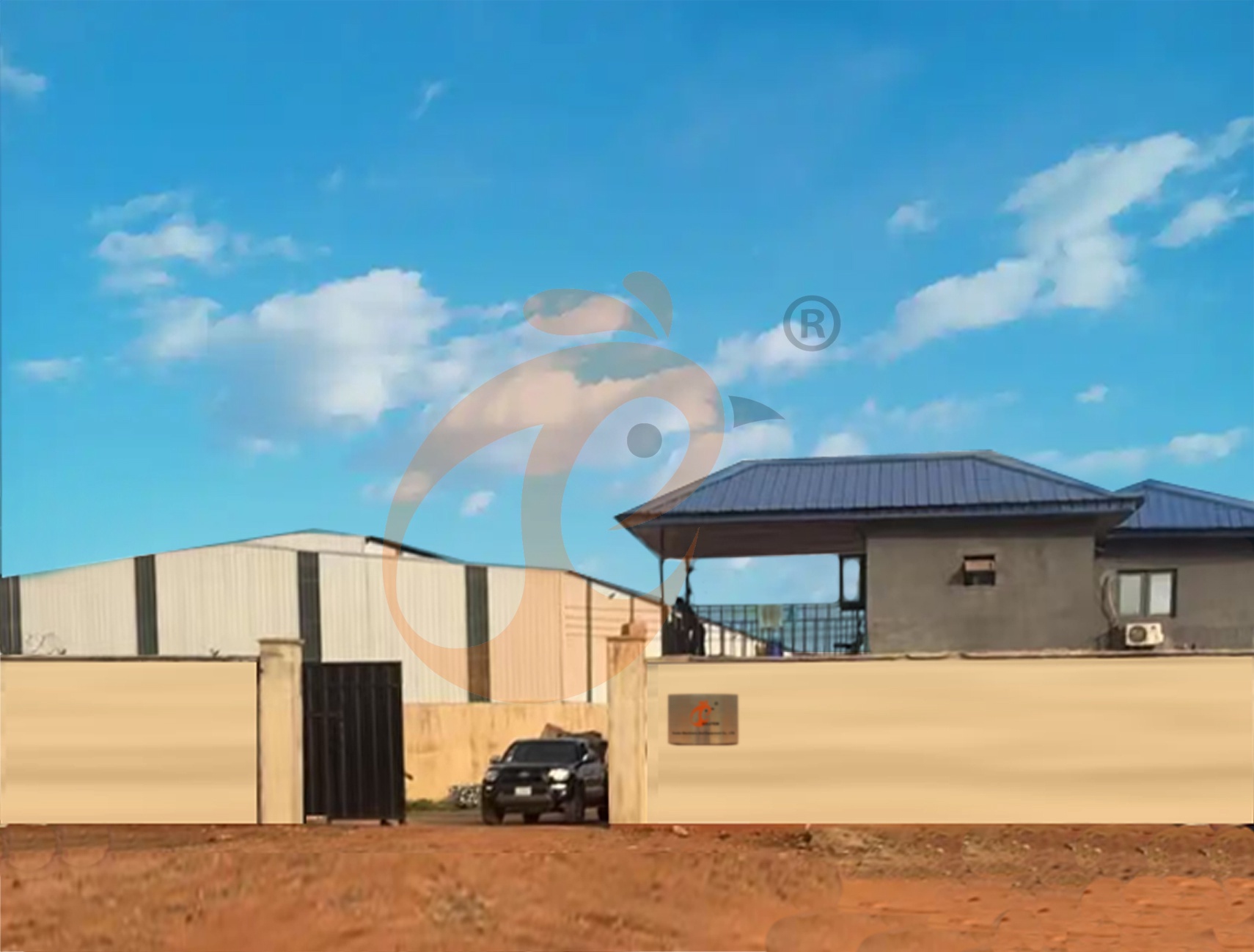
Nigeria Vanke Machinery And Equipment CO., LTD
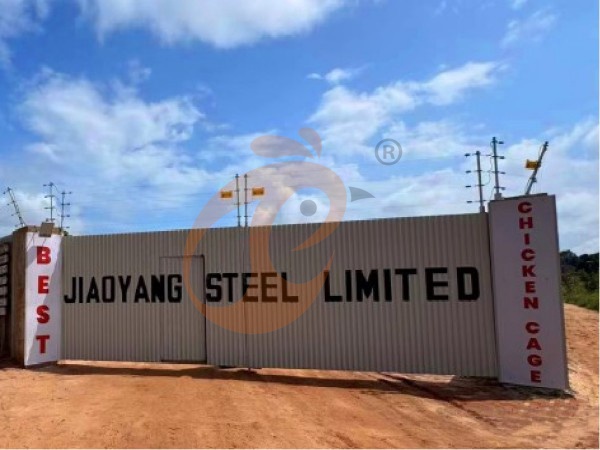
Tanzania Best Machinery And Equipment CO., LTD
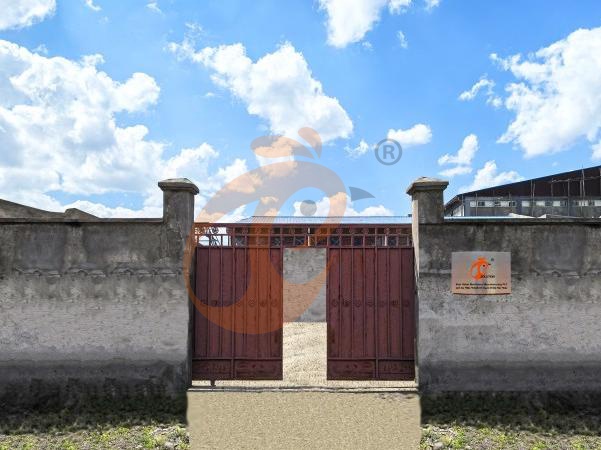
Ethiopia Best Hebei Machinery Manufacturing PLC
Reception /24 WhatsApp NO. : +8618830120193
FAQ
- battery cage
- battery cage system
- poultry battery cage
- poultry farm
- chicken cage
- poultry farms
- layer cage
- automatic chicken cage
- cage
- poultry farm construction
- battery cage manufacturer
- battery cage price
- battery cage installation
- battery cage factory
- layer cage factory
- chicken cage system
- poultry battery cage system
- poultry battery cage manufacturer
- poultry battery cage factory
- poultry battery cage price
- battery cage automation
- battery cage capacity
- battery cage material
- poultry equipment
- manure removal system
- price of poultry battery cage
- chickencage
- bestchickencage
- automatic chicken cage system
- cage system
- poultry battery
- cage systems
- Nigeria
- poultry farming
- cage manufacturer
- cage factory
- egg collection conveyor
- poultry farm plan
- Ethiopia
Message
Products recommended
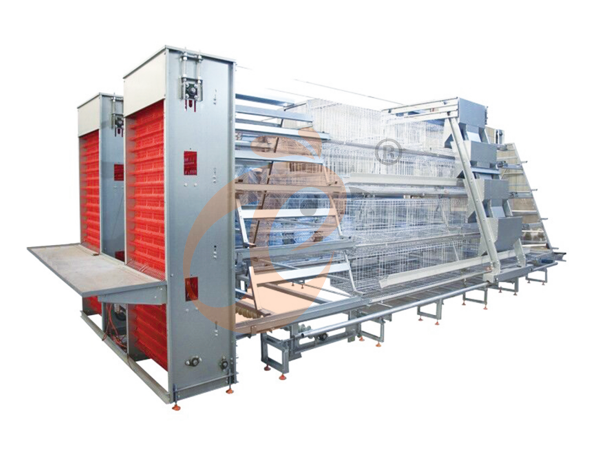
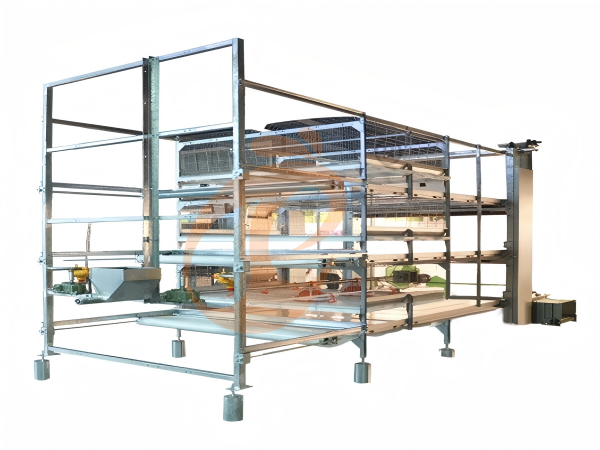
 >30,000 Pullets Automatic H Type Battery Cage1. More than 30,000 pullets a house, choose it.
2. It is designed to rearing older than 1 day old pullets to 12 to 16 weeks old chicken starting laying eggs.
3. Its lifespan is more than 25 years.
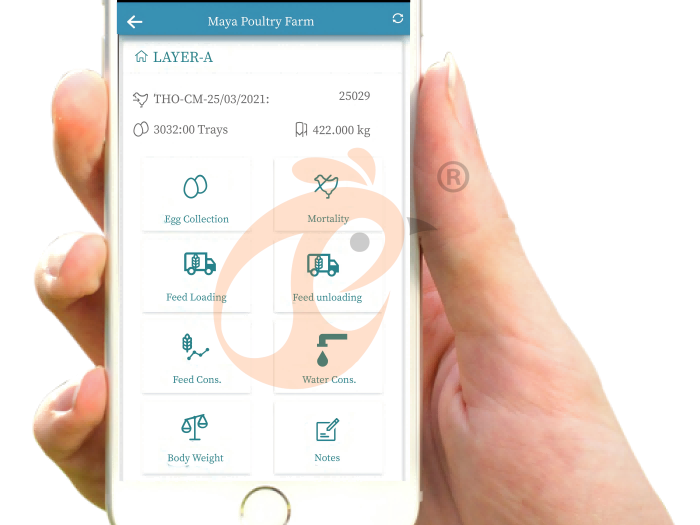
4. Its structure are Vcloud artificial intelligent fusion, electric control cabinet, automatic equipment of drinking, feeding, manure clean, manual harvesting.
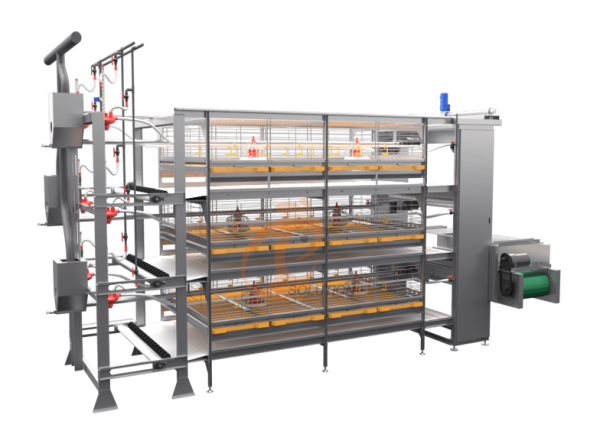
5. Our 24 hour online reception What’sApp NO. is +8618830120193 <30,000 Pullets Automatic A Type Battery Cage1. 10,000 to 30,000 pullets a house, choose it.
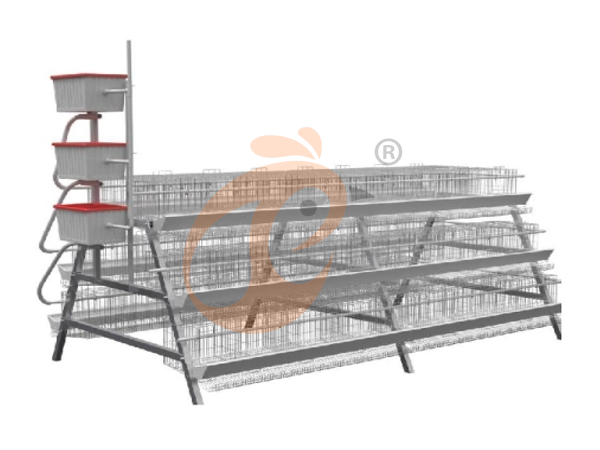
2. It is designed to rearing older than 1 day old pullets to 12 to 16 weeks old chicken starting laying eggs.
3. Its lifespan is more than 25 years.
4. Its structure are Vcloud artificial intelligent fusion, electric control cabinet, automatic equipment of drinking, feeding, manure clean, manual harvesting.
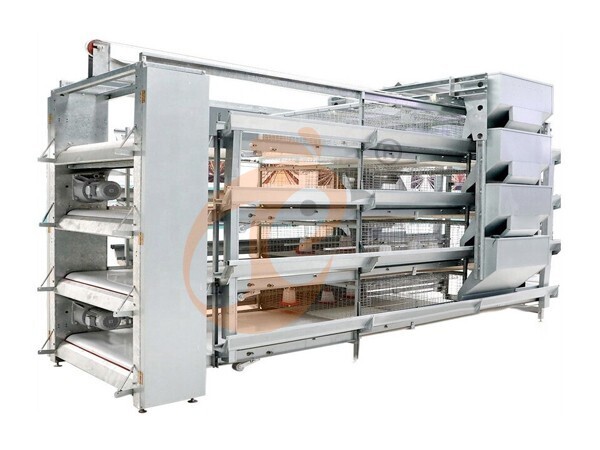
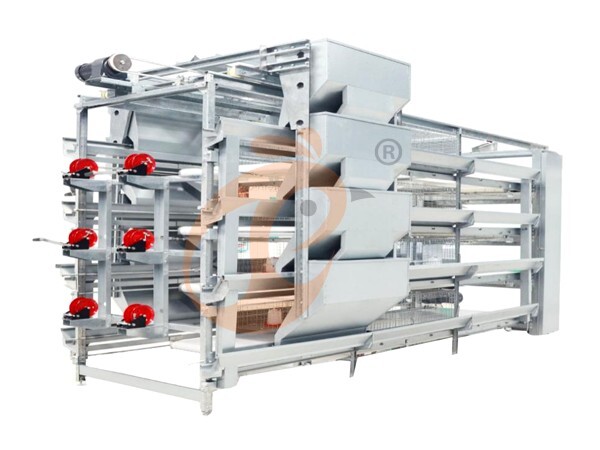
5. Our 24 hour online reception What’sApp NO. is +86 18830120193. >30,000 Broilers Semi-Automatic Harvest H Type Battery Cage1. More than 30,000 broilers a house, choose it.
2. It is designed to rearing 1 to 45 day old adult broiler ready for market.
3. Its lifespan is more than 20 years.
4. Our 24 hour online reception What’sApp NO. is +8618830120193, +234 8111199996. >30,000 Broilers Manual Harvest H Type Battery Cage1. More than 30,000 broilers a house, choose it.
2. It is designed to rearing 1 to 45 day old adult broiler ready for market.
3. Its lifespan is more than 20 years.
4. Its structure are Vcloud artificial intelligent fusion, electric control cabinet, automatic equipment of drinking, feeding and manure clean, manual harvesting.
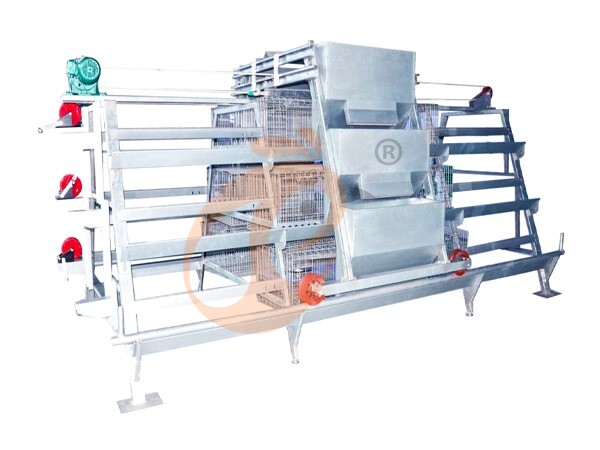
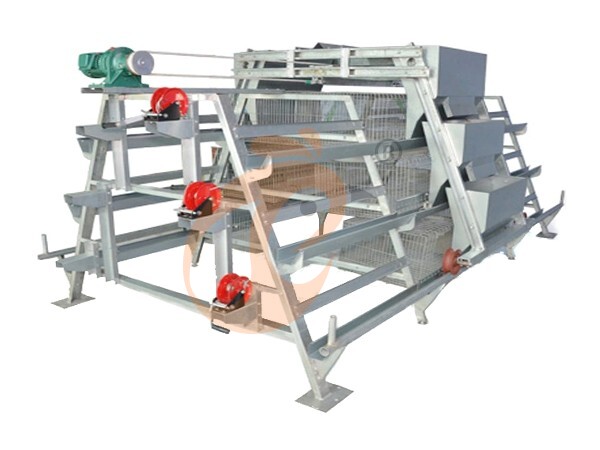
5. Our 24 hour online reception What’sApp NO. is +8618830120193, +234 8111199996. <30,000 Broilers Manual Harvest A Type Battery Cage1. Less 30,000 broilers a house, choose it.
2. It is designed to rearing 1 to 45 day old adult broiler ready for market.
3. Its lifespan is more than 20 years.
4. Its structure are Vcloud artificial intelligent fusion, electric control cabinet, automatic equipment of drinking, feeding and manure clean, manual harvesting.
5. Our 24 hour online reception What’sApp NO. is +8618830120193, +234 8111199996. HK Headquarter Offers EU-standard Poultry Farm Solutions, Manufacture Poultry Farm Equipment1. Continuous communication with the EU and the US
2. China, Nigeria, Ethiopia, Tanzania branch companies and factories
3. The products’ quality is customized for local poultry farms
4. Poultry cage and poultry farm equipment stock for sale
5. 24 online reception Whatsapp NO. : +8618830120193,contact us to get full information China Branch Offer Poultry Farm Business Plan, Manufacture Poultry Farm Equipment1. Address: Flat/RM 2416, 24/F, Runxing Building, Youyi Nan Street, Shijiazhuang City, Hebei Province, China
2. Poultry cage and poultry farm equipment factory and stock for sale
3. Customized for local poultry farms
4. Quality and design are based on Euro
5. 24 online reception Whatsapp NO. : +8618830120193 Nigeria Branch Offer Poultry Farm Business Plan, Manufacture Poultry Farm Equipment1. Address: After Sinoma Office, 200 Meters Near Danco Filling Station, Lagos/Ibadan Expressway, Lagos State, Nigeria
2. Poultry cage and poultry farm equipment factory and stock for sale
3. Customized for Nigerian poultry farms
4. Quality and design are based on Euro
5. 24 online reception Whatsapp NO. : +8618830120193 Ethiopia Branch Offer Poultry Farm Business Plan, Manufacture Poultry Farm Equipment1. Address: Gelan Gura, Akaki-kaliti Sub City, Addis Ababa, Ethiopia
2. Poultry cage and poultry farm equipment stock for sale
3. Customized for Ethiopian poultry farms
4. Quality and design are based on Euro
5. 24 online reception Whatsapp NO. : +8618830120193, contact us to get price list Tanzania Branch Offer Poultry Farm Business Plan, Manufacture Poultry Farm Equipment1. Address: No.8, Sova Road, Msufini, Mlandizi, Kibaha, Pwani, Tanzania
2. Poultry cage and poultry farm equipment factory and stock for sale
3. Customized for Tanzanian poultry farms
4. Quality and design are based on Euro
5. 24 online reception Whatsapp NO. : +8618830120193


Contact