


Blog
Feed mixer efficiency optimization enables livestock operations to control ration losses, stabilize nutrient delivery systems, optimize mechanical blending accuracy, and improve dry matter retention efficiency.
Feed formulation consistency governs ingredient dispersion uniformity, particle adhesion behavior, and metabolic nutrient intake stability across herd populations.
Mechanical feed mixing systems regulate density segregation, moisture integration kinetics, and micro-ingredient distribution homogeneity under industrial load conditions.
Operational feed management reduces spillage ratio, airborne particulate loss coefficient, and ration refusal index during consumption cycles.
Engineering-based mixing architecture enhances throughput efficiency, batch repeatability, and total cost per ton feed utilization performance.
Get professional poultry farm construction guidance, equipment selection solutions, and the latest price lists, whatsApp to +8618830120193, click to learn more:
Understanding Where Feed Waste Occurs
Data is for reference only.Swipe horizontally to view full table.
Feed waste distribution varies according to housing system design, feeding frequency cycle, and ration physical stability index.
Loss concentration typically increases when particle density variance exceeds acceptable engineering thresholds in mechanical blending systems.
Method Feed Mixer Uniform Distribution Control
Data is for reference only.Swipe horizontally to view full table.
Uniform distribution architecture stabilizes nutrient concentration gradient across batch mass.
Mechanical agitation force regulates particle suspension equilibrium and prevents gravitational stratification during mixing cycles.
Scientific Mechanism Of Feed Sorting Behavior
Livestock feed selection behavior is driven by sensory preference mapping and particle energy density recognition systems.
Animals preferentially consume high-energy fractions when ration homogeneity is not mechanically stabilized.
Data is for reference only.Swipe horizontally to view full table.
Sorting frequency increases exponentially with particle size deviation amplitude across ration composition structure.
Ingredient Utilization Optimization
Data is for reference only.Swipe horizontally to view full table.
High-value additive dispersion requires precision micro-dosing synchronization and mechanical homogenization stability control.
Improper distribution leads to nutrient clustering and reduced metabolic absorption efficiency across livestock populations.
Dust Suppression Engineering
Data is for reference only.Swipe horizontally to view full table.
Moisture integration modifies particle adhesion coefficient and reduces aerodynamic dispersion during mechanical transfer stages.
Dust suppression improves respiratory environment stability and feed mass retention efficiency.
Batch Precision Control System
Data is for reference only.Swipe horizontally to view full table.
Precision dosing systems reduce cumulative formulation drift across repeated batching cycles.
Digital integration enhances calibration stability and reduces operator-dependent variability factors.
Transport Stability Mechanism
Data is for reference only.Swipe horizontally to view full table.
Mechanical cohesion strength maintains ration structural integrity during vibration and displacement exposure phases.
Reduced segregation improves nutrient delivery consistency at feeding point endpoints.
Capacity Selection Engineering
Data is for reference only.Swipe horizontally to view full table.
Capacity matching aligns mechanical throughput with herd demand cycle and labor allocation structure.
Oversized systems increase energy consumption per batch cycle while undersized systems create operational bottlenecks.
Farm Operational Performance Case Analysis
Data is for reference only.Swipe horizontally to view full table.
System integration improves production throughput stability and reduces total lifecycle feeding inefficiencies.
Feed Mixer Operational Optimization Practices
Routine mechanical calibration ensures sustained mixing uniformity across operational cycles.
Blade wear inspection maintains shear force consistency and prevents uneven particle breakdown.
Batch sequencing control stabilizes ingredient layering dynamics within mixing chamber architecture.
Cleaning cycles prevent cross-contamination accumulation and preserve ration purity index.
Load balancing prevents motor torque overload and maintains energy efficiency stability.
Economic Impact Of Feed Waste Reduction
Data is for reference only.Swipe horizontally to view full table.
Feed optimization directly improves capital retention ratio and operational expenditure efficiency across livestock production systems.
Random Operational Feed Mixer Control Parameters
Mixing chamber volume: 6.5–12 m³ range for medium livestock farms
Rotation speed stability: 18–28 rpm screw system for uniform blending kinetics
Load cycle efficiency: 7.2–9.5 tons processed per hour depending on feed density
Energy consumption range: 3.9–5.6 kWh per ton under standard operating load
Particle retention variance: controlled within 1.2–2.4% across multi-batch processing
This configuration stabilizes mechanical feed homogenization behavior under continuous farm production environments.
Structural consistency reduces segregation probability during discharge transfer and improves nutrient delivery accuracy at feeding endpoints.
Frequently Asked Questions
Q1: How does a feed mixer reduce feed waste in livestock operations?
A feed mixer reduces waste by improving ingredient uniformity and controlling particle dispersion within a controlled mixing range of 3–8 minutes per batch.
This stabilizes ration structure and limits selective feeding behavior.
When nutrient deviation is reduced from around 12% to below 3%, animals consume more complete rations, lowering refusal rate and improving overall feed utilization efficiency across production cycles.
Q2: What mixing factors most strongly affect feed quality consistency?
Key factors include mixing time, blade rotation speed typically between 250–420 rpm, and particle size distribution ranging from 2–10 mm.
Improper balance among these variables leads to nutrient clustering and inconsistent intake.
When optimized, coefficient of variation in feed composition can be reduced to below 5%, ensuring stable nutrient delivery and uniform herd performance outcomes.
Q3: Can feed mixer optimization improve farm profitability long term?
Yes.
When feed waste is reduced by 3–7% annually and conversion efficiency improves by approximately 0.1–0.2 in FCR equivalent performance, total feed cost per ton of output decreases significantly.
Over a full production cycle, this can translate into thousands of dollars in savings depending on herd size, making feed mixer optimization a key driver of long-term operational profitability.
Taiyu (HK) Group - One Of China Largest Feed Mixer Manufacturer
Feed mixer systems designed for livestock feed homogenization with horizontal and vertical configurations for cattle, poultry, and swine operations
Global factory direct supply ensuring stable pricing and consistent industrial delivery across international agricultural projects
Poultry equipment integration covering automated feeding lines and bulk ration preparation systems for large-scale farms
Turn-key engineering solutions provided for complete feed production plant design, installation, and commissioning services
Export-oriented manufacturing supporting customized mixer capacity, blade configuration, and farm-scale production requirements
Contact Us To Received Your Customized Poultry Farm Plan
Headquarters And Branchs
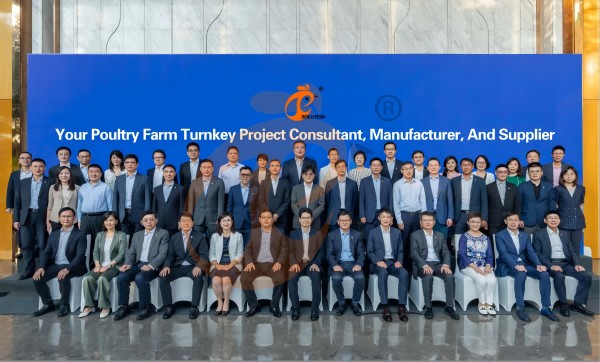
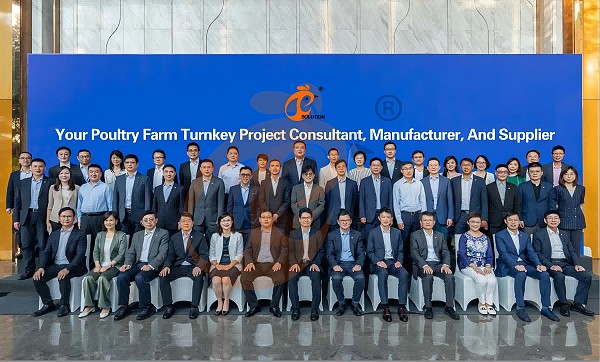
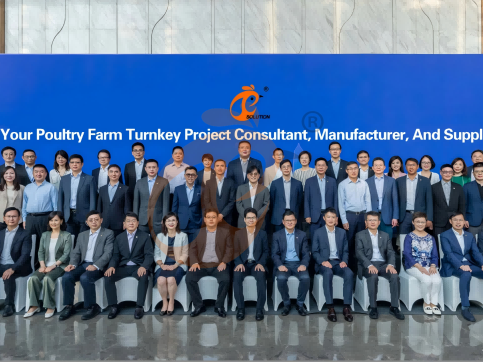
Hong Kong Headquarter Management Team
Hong Kong Headquarter Taiyu Industrial Group CO., LTD
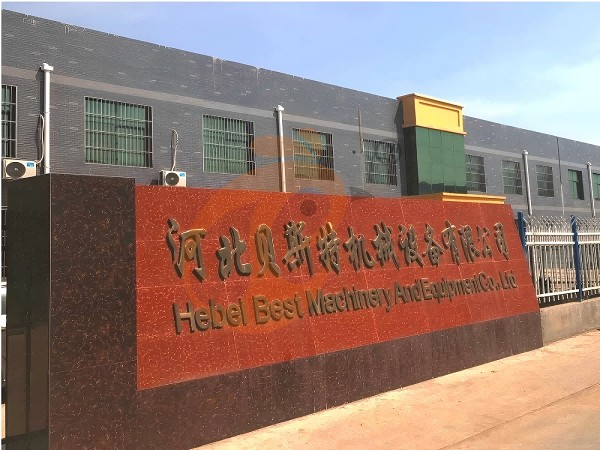
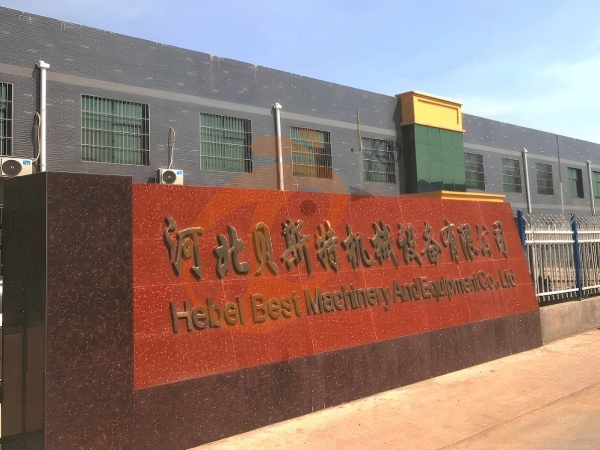
China Hebei Best Machinery And Equipment CO., LTD
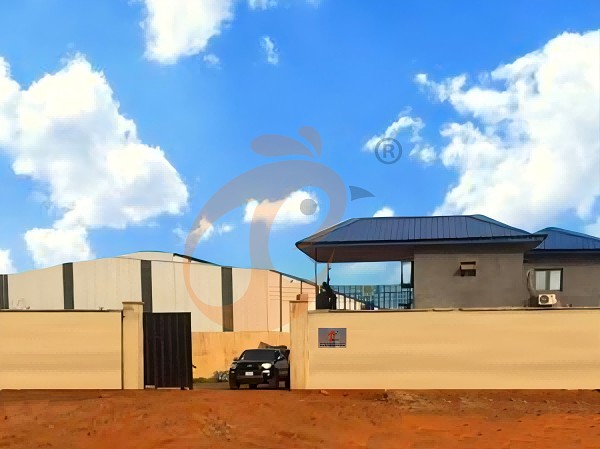
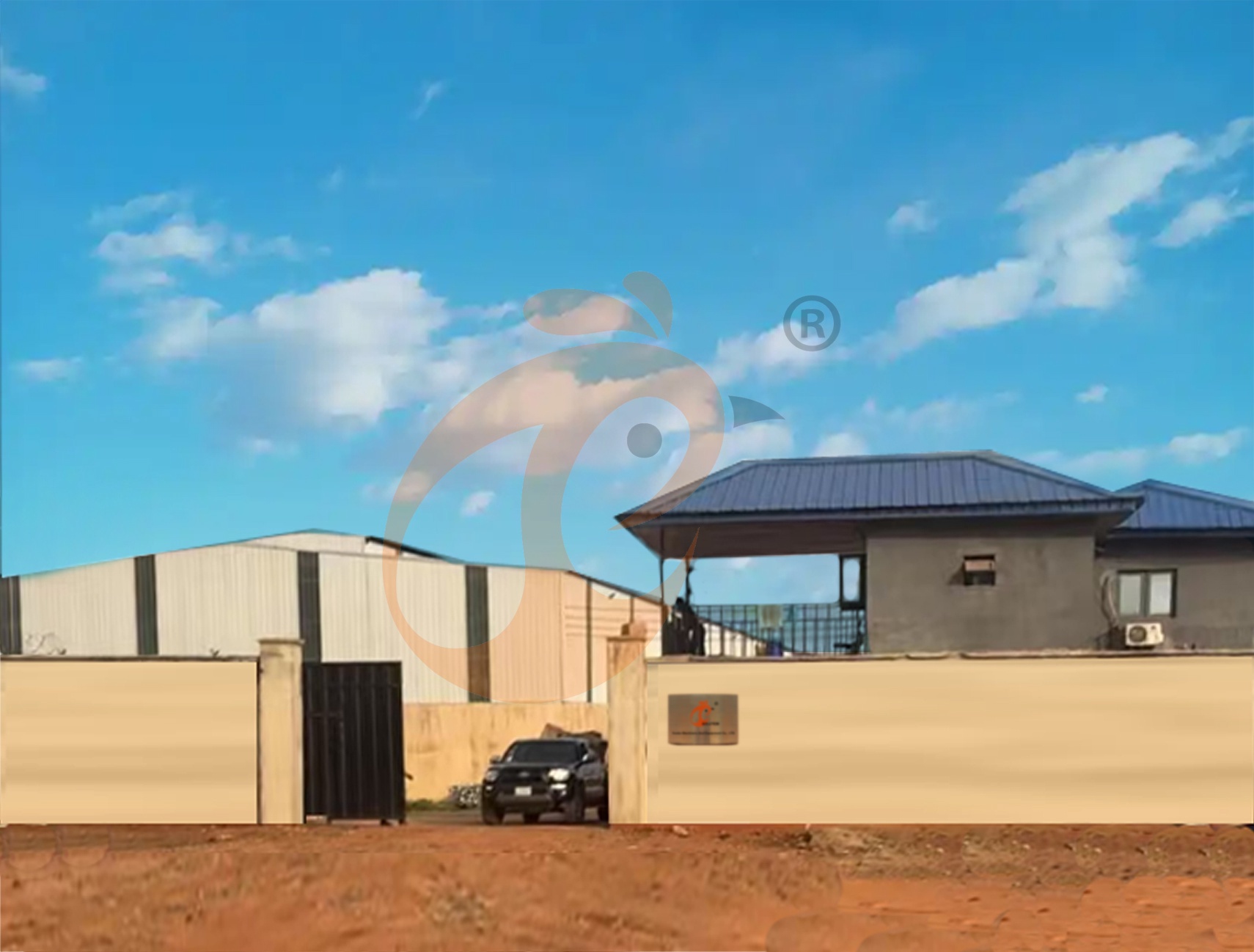
Nigeria Vanke Machinery And Equipment CO., LTD
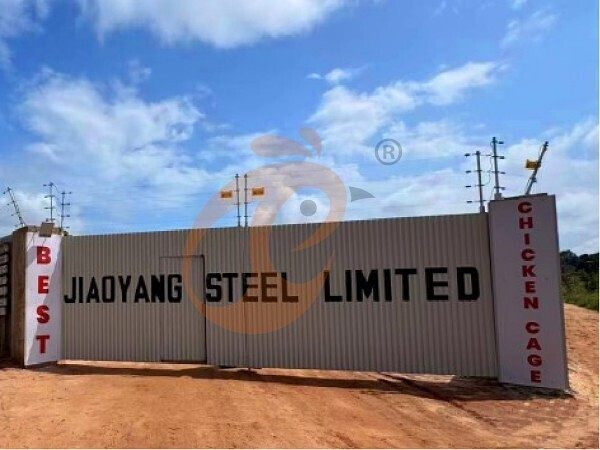
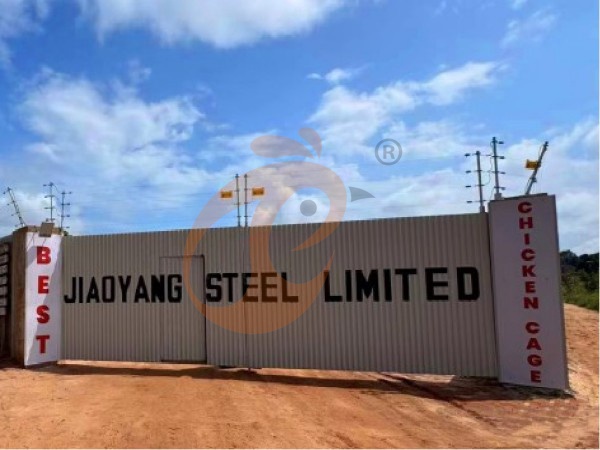
Tanzania Best Machinery And Equipment CO., LTD
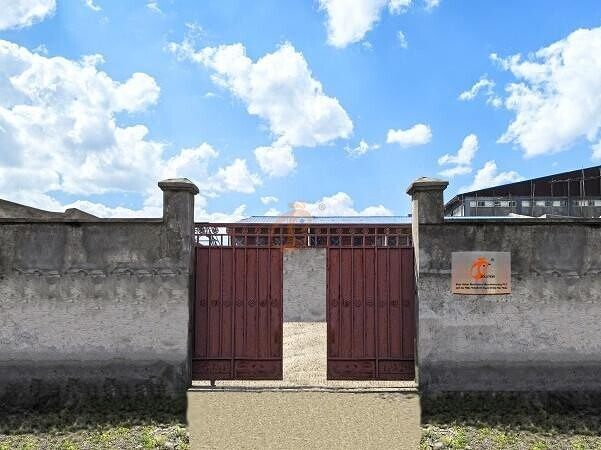
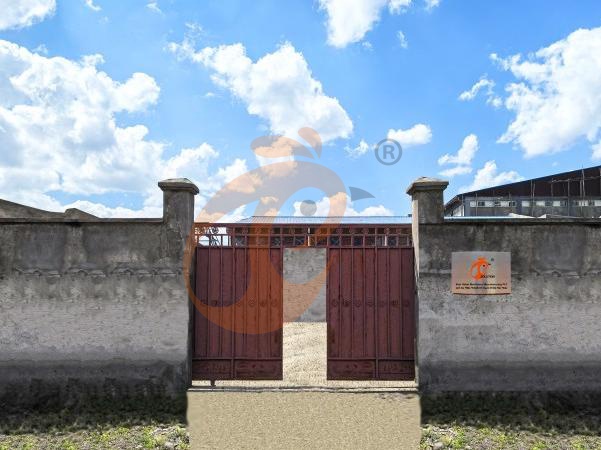
Ethiopia Best Hebei Machinery Manufacturing PLC
Reception /24 WhatsApp NO. : +8618830120193
FAQ
What Are The Main Equipment Components In Feed Mill And Feed Mixer Systems For Poultry Chicken Production?
Hammer mill units operate with rotor speeds of 2800–3600 rpm for efficient grain size reduction.
Twin-shaft mixers achieve batch capacities of 500–2000 kg per cycle for uniform poultry feed blending.
What Dust Control Requirements Are Needed In Feed Mill Operations For Poultry Chicken Farms?
Cyclone separators remove 85%–92% of airborne particles during grinding and conveying processes.
Negative pressure systems maintain airflow velocity between 0.8–1.2 m/s to prevent dust leakage.
What Temperature Parameters Are Used In Feed Mill Processing For Poultry Chicken Feed?
Conditioning temperature reaches 75–85°C to improve pellet durability and pathogen reduction.
Cooling stage reduces pellet temperature to within 5°C of ambient conditions for safe storage.
Message
Products recommended
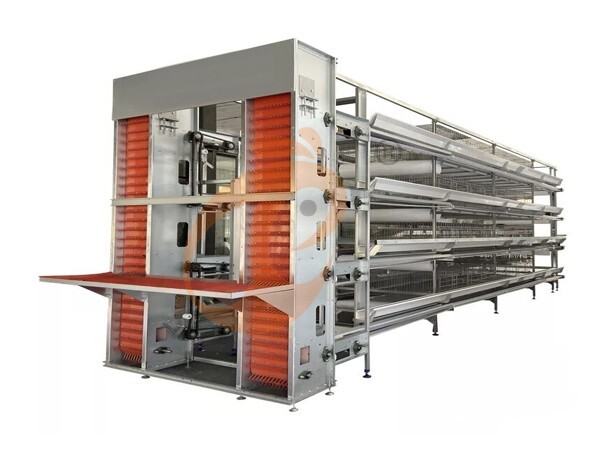
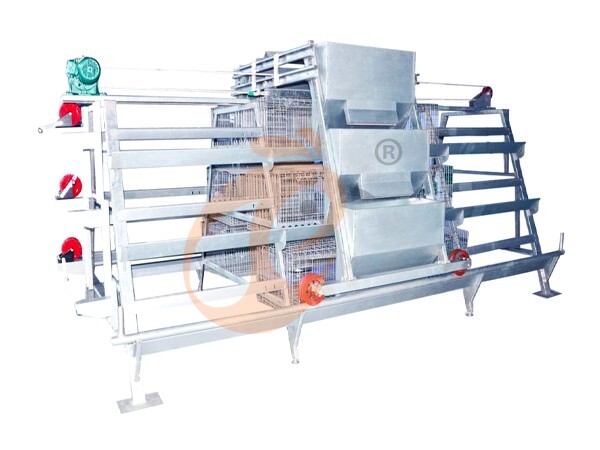
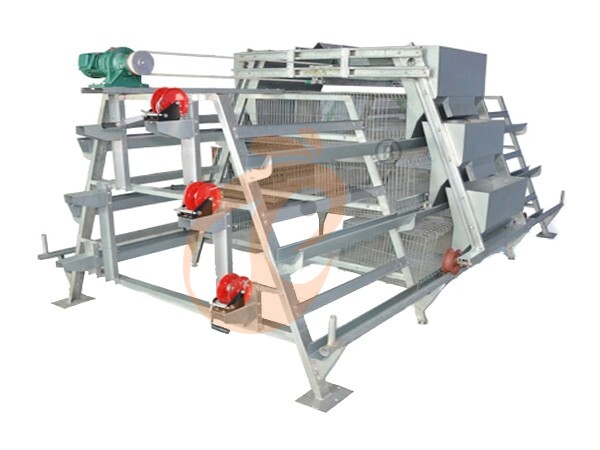
 >30,000 Pullets Automatic H Type Battery Cage1. More than 30,000 pullets a house, choose it.
2. It is designed to rearing older than 1 day old pullets to 12 to 16 weeks old chicken starting laying eggs.
3. Its lifespan is more than 25 years.
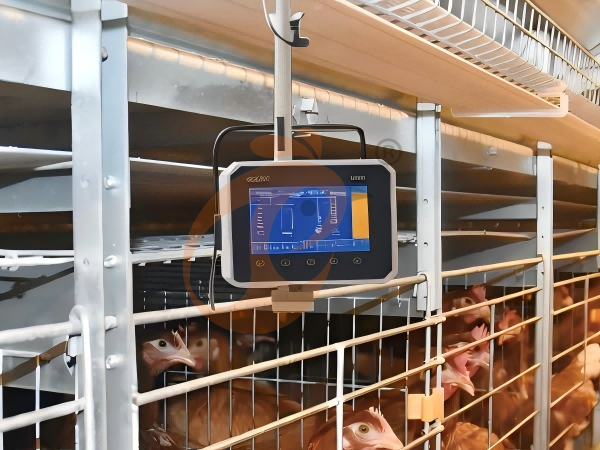
4. Its structure are Vcloud artificial intelligent fusion, electric control cabinet, automatic equipment of drinking, feeding, manure clean, manual harvesting.
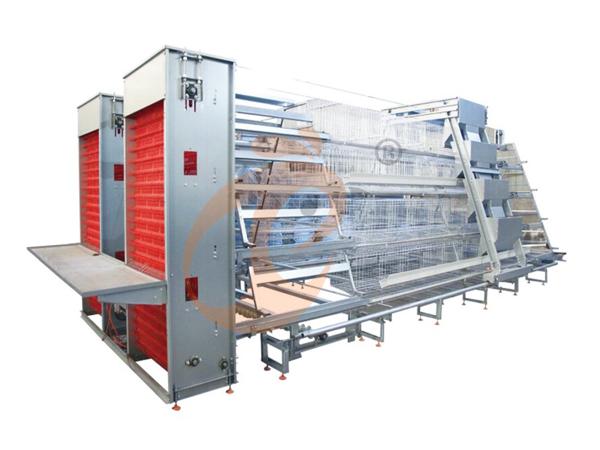
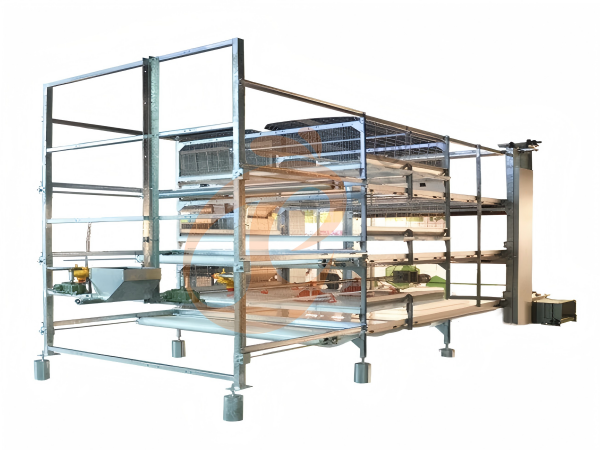
5. Our 24 hour online reception What’sApp NO. is +8618830120193 <30,000 Pullets Automatic A Type Battery Cage1. 10,000 to 30,000 pullets a house, choose it.
2. It is designed to rearing older than 1 day old pullets to 12 to 16 weeks old chicken starting laying eggs.
3. Its lifespan is more than 25 years.
4. Its structure are Vcloud artificial intelligent fusion, electric control cabinet, automatic equipment of drinking, feeding, manure clean, manual harvesting.
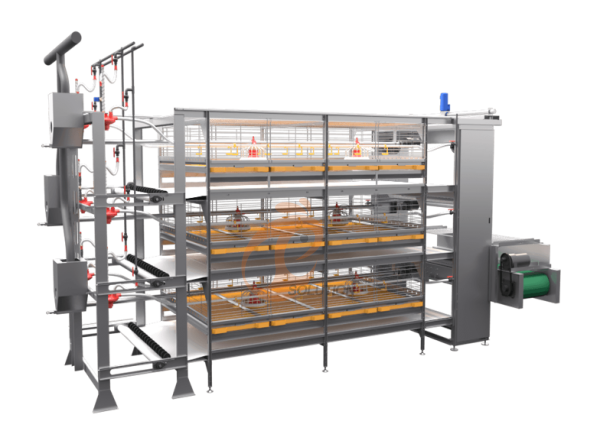
5. Our 24 hour online reception What’sApp NO. is +86 18830120193. >30,000 Broilers Semi-Automatic Harvest H Type Battery Cage1. More than 30,000 broilers a house, choose it.
2. It is designed to rearing 1 to 45 day old adult broiler ready for market.
3. Its lifespan is more than 20 years.
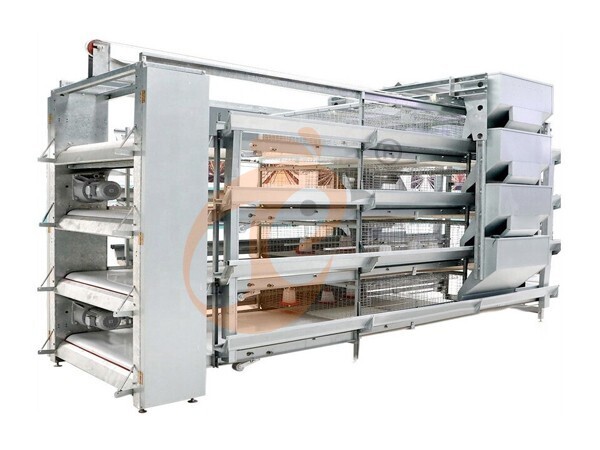
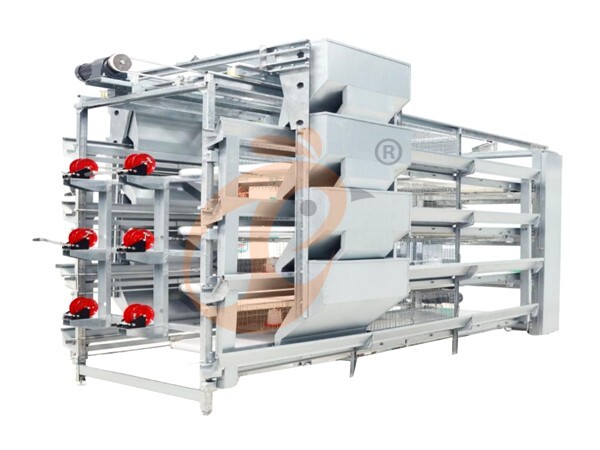
4. Our 24 hour online reception What’sApp NO. is +8618830120193, +234 8111199996. >30,000 Broilers Manual Harvest H Type Battery Cage1. More than 30,000 broilers a house, choose it.
2. It is designed to rearing 1 to 45 day old adult broiler ready for market.
3. Its lifespan is more than 20 years.
4. Its structure are Vcloud artificial intelligent fusion, electric control cabinet, automatic equipment of drinking, feeding and manure clean, manual harvesting.
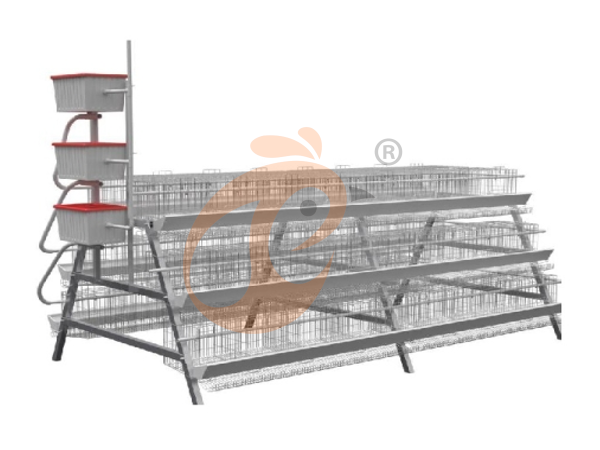
5. Our 24 hour online reception What’sApp NO. is +8618830120193, +234 8111199996. <30,000 Broilers Manual Harvest A Type Battery Cage1. Less 30,000 broilers a house, choose it.
2. It is designed to rearing 1 to 45 day old adult broiler ready for market.
3. Its lifespan is more than 20 years.
4. Its structure are Vcloud artificial intelligent fusion, electric control cabinet, automatic equipment of drinking, feeding and manure clean, manual harvesting.
5. Our 24 hour online reception What’sApp NO. is +8618830120193, +234 8111199996. HK Headquarter Offers EU-standard Poultry Farm Solutions, Manufacture Poultry Farm Equipment1. Continuous communication with the EU and the US
2. China, Nigeria, Ethiopia, Tanzania branch companies and factories
3. The products’ quality is customized for local poultry farms
4. Poultry cage and poultry farm equipment stock for sale
5. 24 online reception Whatsapp NO. : +8618830120193,contact us to get full information China Branch Offer Poultry Farm Business Plan, Manufacture Poultry Farm Equipment1. Address: Flat/RM 2416, 24/F, Runxing Building, Youyi Nan Street, Shijiazhuang City, Hebei Province, China
2. Poultry cage and poultry farm equipment factory and stock for sale
3. Customized for local poultry farms
4. Quality and design are based on Euro
5. 24 online reception Whatsapp NO. : +8618830120193 Nigeria Branch Offer Poultry Farm Business Plan, Manufacture Poultry Farm Equipment1. Address: After Sinoma Office, 200 Meters Near Danco Filling Station, Lagos/Ibadan Expressway, Lagos State, Nigeria
2. Poultry cage and poultry farm equipment factory and stock for sale
3. Customized for Nigerian poultry farms
4. Quality and design are based on Euro
5. 24 online reception Whatsapp NO. : +8618830120193 Ethiopia Branch Offer Poultry Farm Business Plan, Manufacture Poultry Farm Equipment1. Address: Gelan Gura, Akaki-kaliti Sub City, Addis Ababa, Ethiopia
2. Poultry cage and poultry farm equipment stock for sale
3. Customized for Ethiopian poultry farms
4. Quality and design are based on Euro
5. 24 online reception Whatsapp NO. : +8618830120193, contact us to get price list Tanzania Branch Offer Poultry Farm Business Plan, Manufacture Poultry Farm Equipment1. Address: No.8, Sova Road, Msufini, Mlandizi, Kibaha, Pwani, Tanzania
2. Poultry cage and poultry farm equipment factory and stock for sale
3. Customized for Tanzanian poultry farms
4. Quality and design are based on Euro
5. 24 online reception Whatsapp NO. : +8618830120193



Contact