


Blog
Pellet machine efficiency directly determines biomass pellet production stability across continuous industrial cycles.
Industrial pellet optimization requires precise coordination of mechanical torque, thermal field distribution, and material rheology behavior under compression.
Modern pellet machines operate within 45–110 kW drive power range depending on throughput class and die configuration.
Die surface temperature stabilization between 78–92°C improves lignin activation efficiency and reduces structural cracking rate below 3.5%.
Continuous operation systems typically maintain 18–22 hours daily duty cycles with vibration thresholds controlled under 2.5 mm/s RMS.
Get professional poultry farm construction guidance, equipment selection solutions, and the latest price lists, whatsApp to +8618830120193, click to learn more:
Core Mechanical Structure Analysis
Data is for reference only.Swipe horizontally to view full table.
Additional engineering parameters show die compressive stress distribution typically ranges between 180–260 MPa under full load conditions.
Roller shaft eccentricity tolerance is maintained within 0.02 mm to avoid uneven pressure zones during continuous extrusion cycles in pellet machines.
Raw Material Geometry Optimization
Data is for reference only.Swipe horizontally to view full table.
Moisture equilibrium point for biomass feedstock generally stabilizes at 11.5%–14.8% depending on lignocellulosic composition.
Bulk density variation before compression ranges from 85–140 kg/m³ influencing die feeding uniformity and friction coefficient stability in
pellet machines.
Feeding Mechanism Dynamics
Data is for reference only.Swipe horizontally to view full table.
Feeder synchronization delay is typically maintained below 0.35 seconds to prevent pressure fluctuation inside conditioning chamber.
Material bridging probability decreases significantly when auger fill rate exceeds 92% of designed capacity in pellet machine systems.
Operating Parameter Calibration
Data is for reference only.Swipe horizontally to view full table.
Torque ripple coefficient during stable operation is typically controlled below 6% to ensure uniform pellet extrusion length in Pellet Machines.
Heat generation rate in die channel reaches approximately 0.42–0.58 kJ/s under continuous biomass compression.
Lubrication System Engineering
Data is for reference only.Swipe horizontally to view full table.
Bearing surface temperature reduction after lubrication typically reaches 12°C–18°C under continuous 8-hour operation cycles.
Friction coefficient reduction range is measured between 0.08–0.12 depending on lubricant grade consistency in Pellet Machines.
Scientific Mechanism Of Pellet Formation
Pellet formation is governed by viscoelastic deformation of lignocellulosic fibers under combined thermal and mechanical loading.
Lignin softening occurs within 85–95°C range enabling natural polymer bonding without chemical additives.
Radial compression force inside die chamber can exceed 120 kN depending on feedstock resistance.
Microscopic fiber interlocking density increases significantly when shear stress exceeds 2.8 MPa threshold, improving pellet machine output quality.
Energy Efficiency Optimization Model
Data is for reference only.Swipe horizontally to view full table.
Motor efficiency curve peaks around 89% at 360–420 rpm operational band depending on load inertia distribution.
Reactive power loss can account for up to 6–9% of total consumption in unstable grid conditions in pellet machine facilities.
Routine Maintenance Optimization
Data is for reference only.Swipe horizontally to view full table.
Main shaft radial deviation maintained within 0.03 mm ensures stable torque transmission under continuous 24-hour operation cycles.
Gearbox oil viscosity stability at ISO VG 320 grade reduces internal friction and extends lubrication film durability across load variations.
Vibration amplitude below 2.0 mm/s minimizes fatigue stress accumulation in structural joints and supports consistent pellet extrusion density in pellet machines.
Advanced Control System Enhancement
Data is for reference only.Swipe horizontally to view full table.
PLC synchronization stability ensures coordinated operation between pellet machine subsystems under continuous load conditions.
Sensor network sampling precision at 10 Hz supports real-time thermal balance adjustment inside conditioning zones.
Hydraulic response delay controlled within 22 ms reduces pressure fluctuation during high-density biomass compression cycles.
Troubleshooting Performance Deviation
Vibration frequency above 18 Hz often indicates misalignment between roller and main shaft assembly.
Material backflow occurrence increases when die hole blockage exceeds 7–9% of total channel area.
Voltage fluctuation beyond ±5% leads to inconsistent compression force distribution across die surface in pellet machines.
Industrial Performance Case Study
Data is for reference only.Swipe horizontally to view full table.
Post-optimization energy fluctuation range reduced from ±11% to ±6% under stabilized load conditions.
European union standard reference only.
Frequently Asked Questions
Q1: What is the optimal compression environment for pellet formation?
Stable compression requires 5–7 MPa pressure range combined with controlled 80–90°C thermal field for lignin activation and fiber bonding stability in pellet machines.
Q2: What causes sudden drop in pellet output rate?
Common causes include die hole clogging above 8%, feeder torque imbalance exceeding 12%, or moisture deviation beyond 2.5% range.
Q3: How does mechanical wear influence long-term efficiency?
Wear increases friction coefficient, reduces torque efficiency by up to 14%, and destabilizes Pellet Machine output density across production cycles.
Taiyu (HK) Group - One Of China Largest Pellet Machine Manufacturer
Pellet machine systems are the core product designed for biomass pellet production lines with high efficiency and stable industrial performance.
Global factory direct supply ensures competitive pricing and consistent production quality across international markets.
Turn-key engineering projects cover complete pellet plant design, installation, commissioning, and operator training services.
Advanced poultry equipment integration supports multi-industry applications including feed processing and agricultural automation systems.
Professional manufacturing capability enables customized pellet machine solutions for different capacity requirements and raw materials.
Contact Us To Received Your Customized Poultry Farm Plan
Headquarters And Branchs

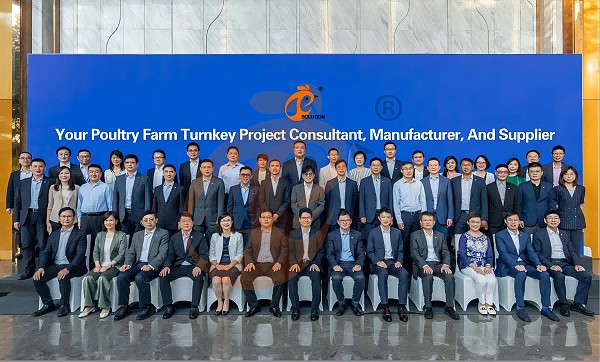
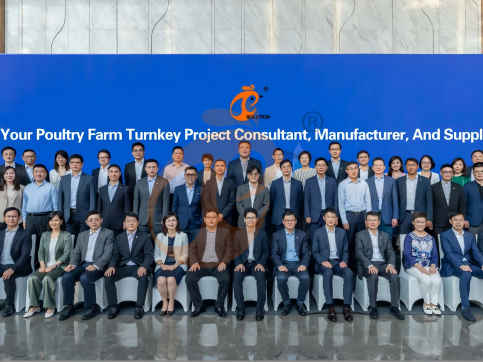
Hong Kong Headquarter Management Team
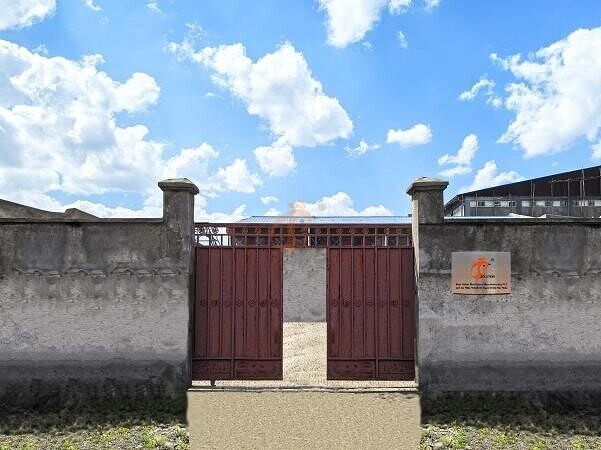
Hong Kong Headquarter Taiyu Industrial Group CO., LTD
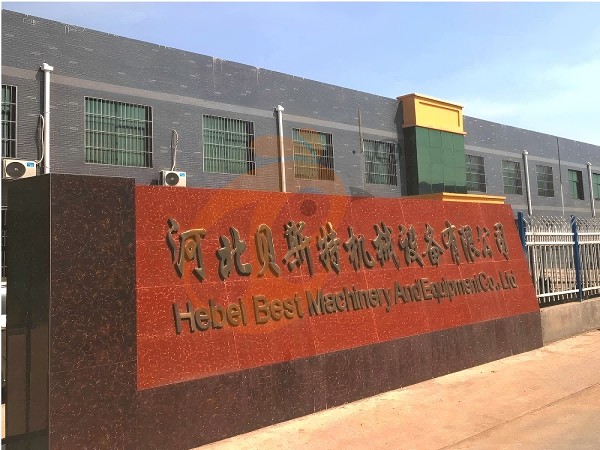
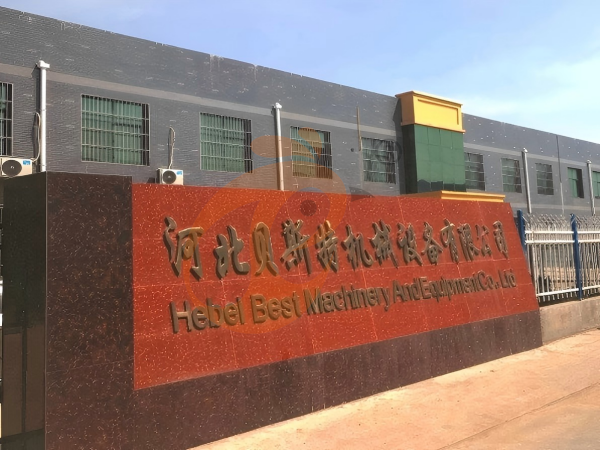
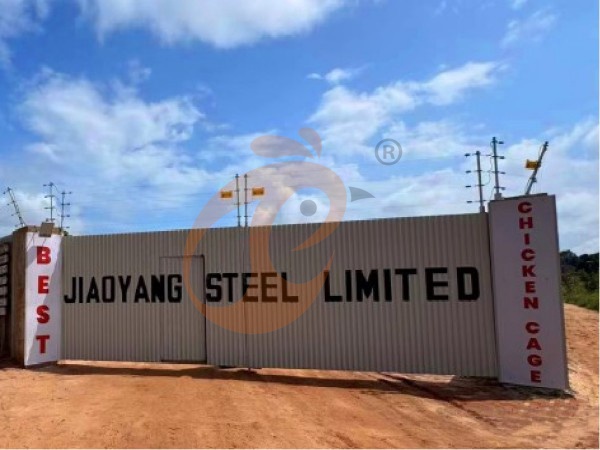
China Hebei Best Machinery And Equipment CO., LTD
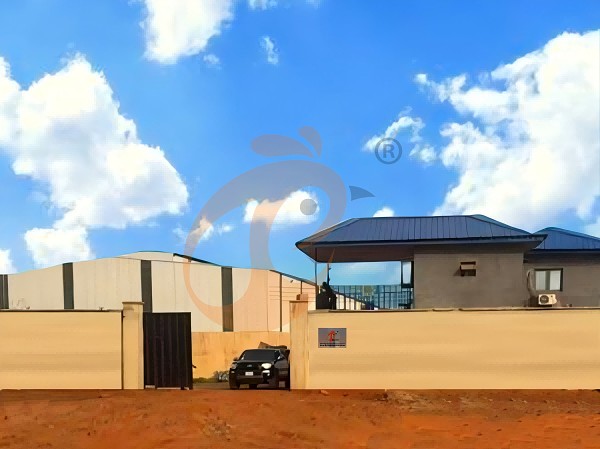
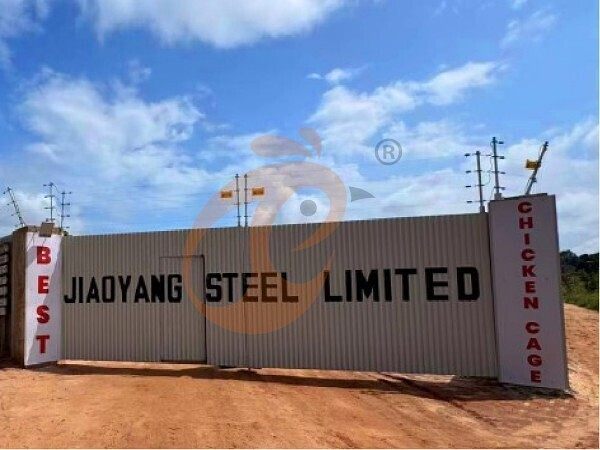
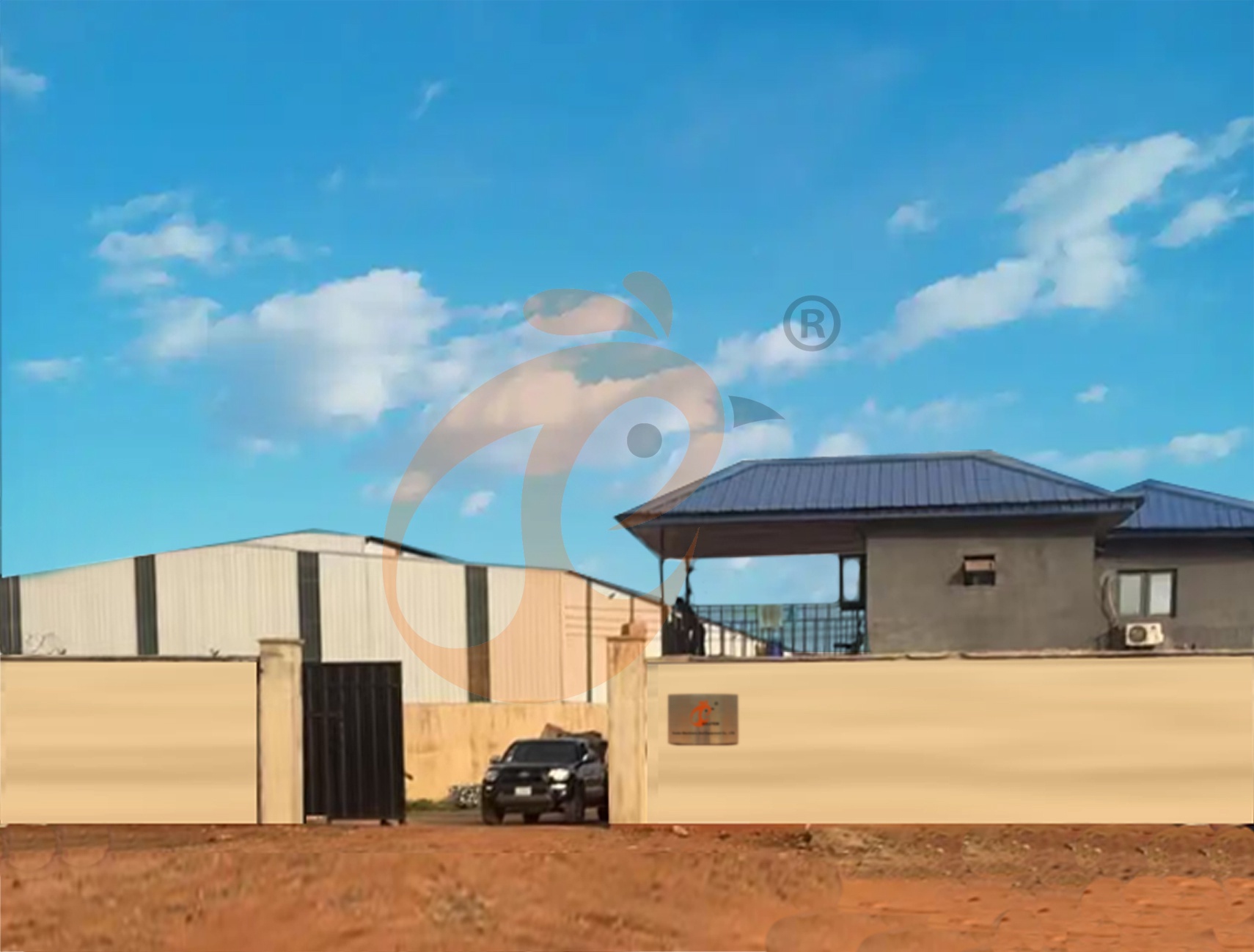
Nigeria Vanke Machinery And Equipment CO., LTD
Tanzania Best Machinery And Equipment CO., LTD
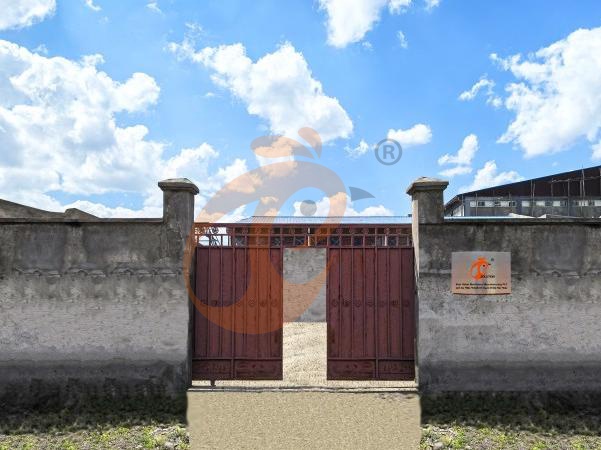
Ethiopia Best Hebei Machinery Manufacturing PLC
Reception /24 WhatsApp NO. : +8618830120193
FAQ
What Feeding System Standards Are Required For Pellet Machine In Poultry Chicken Feed Production Lines?
Feeder capacity is designed at 1.2–2.5 tons per hour depending on raw material density.
Flow consistency deviation is maintained within ±2% for uniform pellet quality output.
What Maintenance And Wear Part Replacement Standards Apply To Pellet Machine?
Bearing replacement intervals typically occur every 12–18 months under continuous operation.
Gearbox oil change frequency is maintained at 1000–1500 operating hours for system reliability.
What Safety Protection Systems Are Integrated In Pellet Machine For Poultry Chicken Feed Production?
Emergency stop response time is maintained within 0.5–1.0 seconds for operational safety.
Vibration monitoring limits are set at 4.5–6.0 mm/s to prevent mechanical failure.
Message
Products recommended
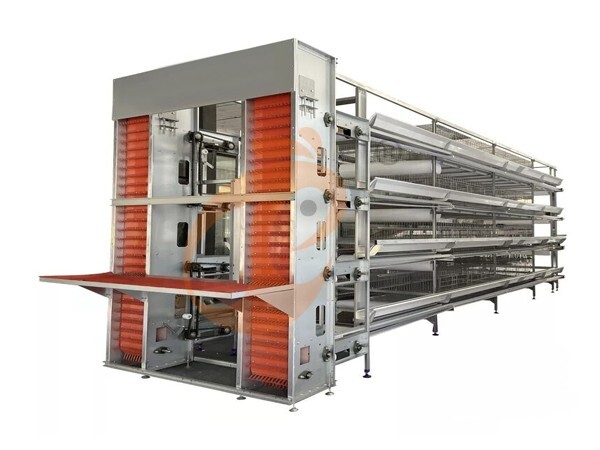
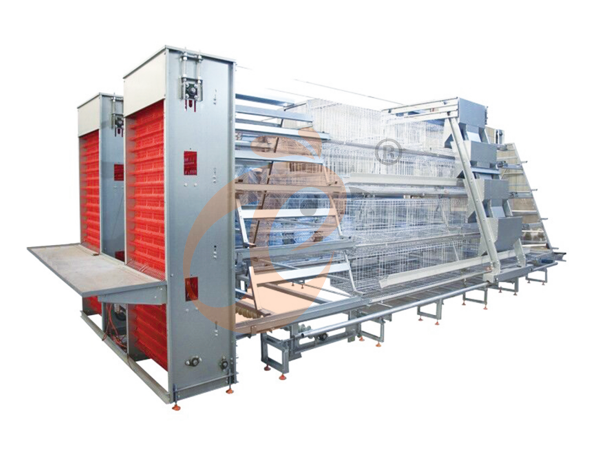
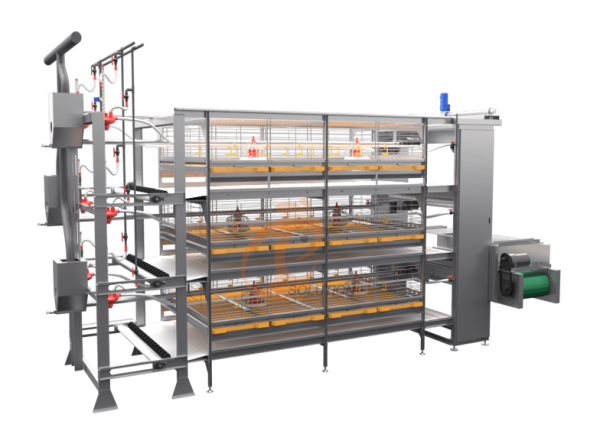
 >30,000 Pullets Automatic H Type Battery Cage1. More than 30,000 pullets a house, choose it.
2. It is designed to rearing older than 1 day old pullets to 12 to 16 weeks old chicken starting laying eggs.
3. Its lifespan is more than 25 years.
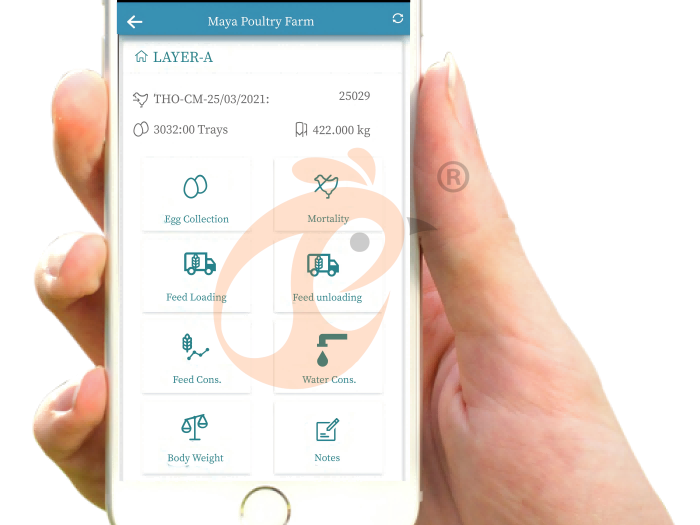
4. Its structure are Vcloud artificial intelligent fusion, electric control cabinet, automatic equipment of drinking, feeding, manure clean, manual harvesting.
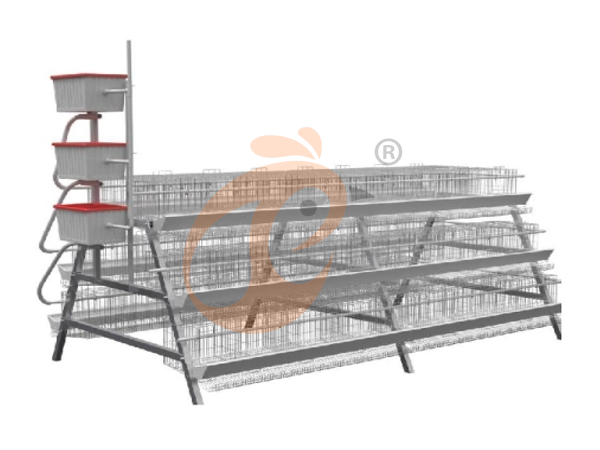
5. Our 24 hour online reception What’sApp NO. is +8618830120193 <30,000 Pullets Automatic A Type Battery Cage1. 10,000 to 30,000 pullets a house, choose it.
2. It is designed to rearing older than 1 day old pullets to 12 to 16 weeks old chicken starting laying eggs.
3. Its lifespan is more than 25 years.
4. Its structure are Vcloud artificial intelligent fusion, electric control cabinet, automatic equipment of drinking, feeding, manure clean, manual harvesting.
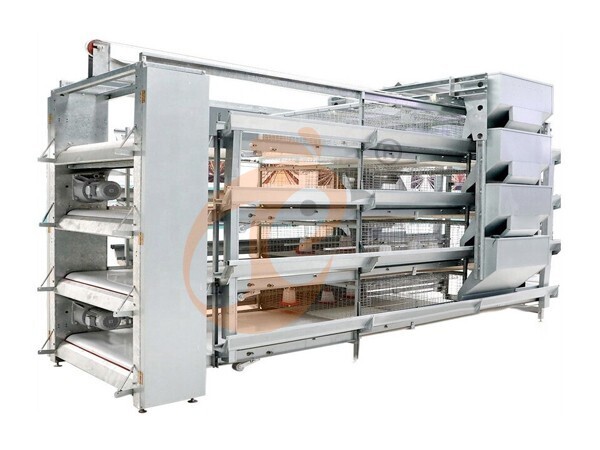
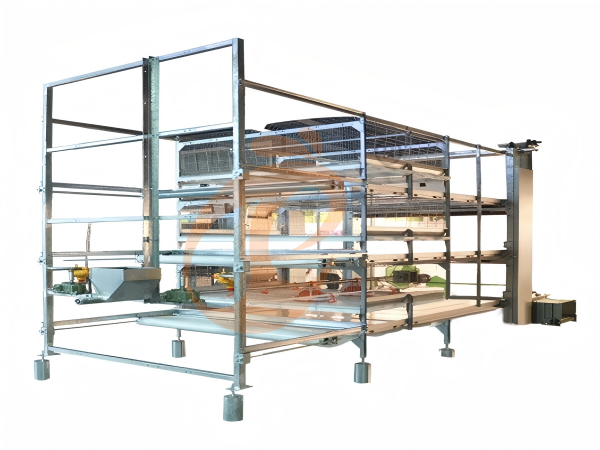
5. Our 24 hour online reception What’sApp NO. is +86 18830120193. >30,000 Broilers Semi-Automatic Harvest H Type Battery Cage1. More than 30,000 broilers a house, choose it.
2. It is designed to rearing 1 to 45 day old adult broiler ready for market.
3. Its lifespan is more than 20 years.
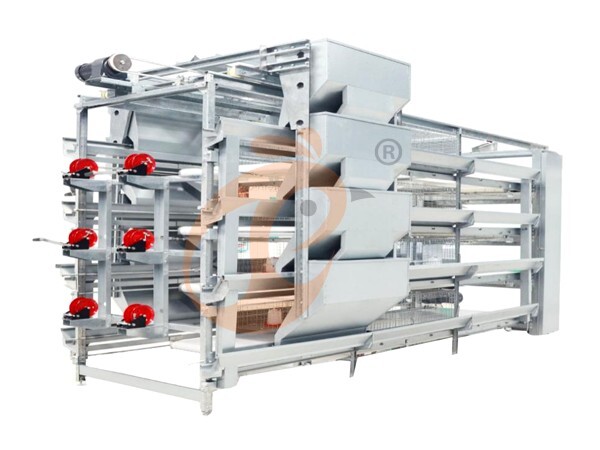
4. Our 24 hour online reception What’sApp NO. is +8618830120193, +234 8111199996. >30,000 Broilers Manual Harvest H Type Battery Cage1. More than 30,000 broilers a house, choose it.
2. It is designed to rearing 1 to 45 day old adult broiler ready for market.
3. Its lifespan is more than 20 years.
4. Its structure are Vcloud artificial intelligent fusion, electric control cabinet, automatic equipment of drinking, feeding and manure clean, manual harvesting.
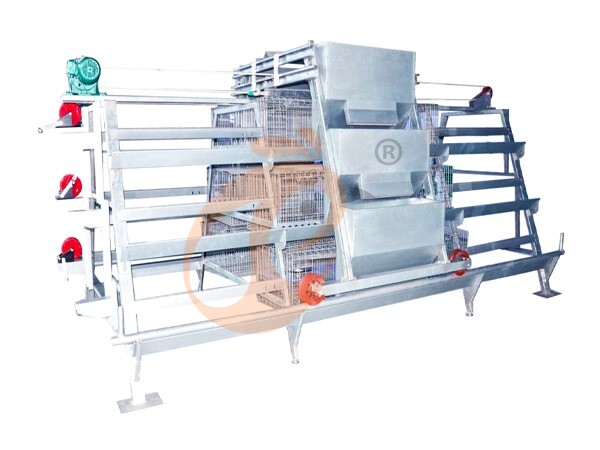
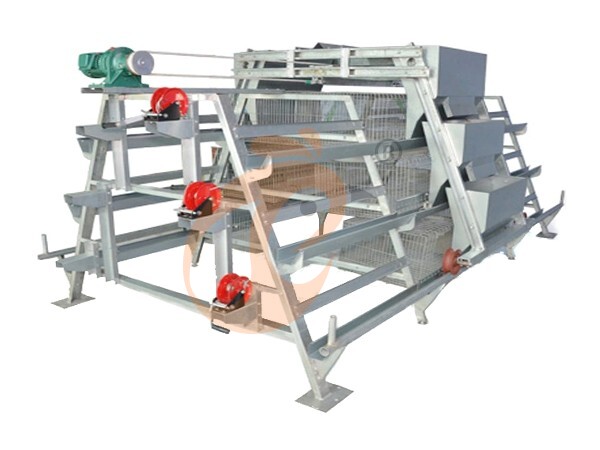
5. Our 24 hour online reception What’sApp NO. is +8618830120193, +234 8111199996. <30,000 Broilers Manual Harvest A Type Battery Cage1. Less 30,000 broilers a house, choose it.
2. It is designed to rearing 1 to 45 day old adult broiler ready for market.
3. Its lifespan is more than 20 years.
4. Its structure are Vcloud artificial intelligent fusion, electric control cabinet, automatic equipment of drinking, feeding and manure clean, manual harvesting.
5. Our 24 hour online reception What’sApp NO. is +8618830120193, +234 8111199996. HK Headquarter Offers EU-standard Poultry Farm Solutions, Manufacture Poultry Farm Equipment1. Continuous communication with the EU and the US
2. China, Nigeria, Ethiopia, Tanzania branch companies and factories
3. The products’ quality is customized for local poultry farms
4. Poultry cage and poultry farm equipment stock for sale
5. 24 online reception Whatsapp NO. : +8618830120193,contact us to get full information China Branch Offer Poultry Farm Business Plan, Manufacture Poultry Farm Equipment1. Address: Flat/RM 2416, 24/F, Runxing Building, Youyi Nan Street, Shijiazhuang City, Hebei Province, China
2. Poultry cage and poultry farm equipment factory and stock for sale
3. Customized for local poultry farms
4. Quality and design are based on Euro
5. 24 online reception Whatsapp NO. : +8618830120193 Nigeria Branch Offer Poultry Farm Business Plan, Manufacture Poultry Farm Equipment1. Address: After Sinoma Office, 200 Meters Near Danco Filling Station, Lagos/Ibadan Expressway, Lagos State, Nigeria
2. Poultry cage and poultry farm equipment factory and stock for sale
3. Customized for Nigerian poultry farms
4. Quality and design are based on Euro
5. 24 online reception Whatsapp NO. : +8618830120193 Ethiopia Branch Offer Poultry Farm Business Plan, Manufacture Poultry Farm Equipment1. Address: Gelan Gura, Akaki-kaliti Sub City, Addis Ababa, Ethiopia
2. Poultry cage and poultry farm equipment stock for sale
3. Customized for Ethiopian poultry farms
4. Quality and design are based on Euro
5. 24 online reception Whatsapp NO. : +8618830120193, contact us to get price list Tanzania Branch Offer Poultry Farm Business Plan, Manufacture Poultry Farm Equipment1. Address: No.8, Sova Road, Msufini, Mlandizi, Kibaha, Pwani, Tanzania
2. Poultry cage and poultry farm equipment factory and stock for sale
3. Customized for Tanzanian poultry farms
4. Quality and design are based on Euro
5. 24 online reception Whatsapp NO. : +8618830120193



Contact