


Blog
Free range poultry farming system integrates controlled housing structure outdoor grazing management feeding automation veterinary prevention systems.
Production cycle depends on feed conversion ratio laying rate mortality control labor allocation.
Capital investment concentrates infrastructure fencing ventilation watering systems.
Operational expenditure dominated by feed procurement labor deployment health management.
Revenue generation linked egg yield market pricing distribution logistics efficiency.
Get professional poultry farm construction guidance, equipment selection solutions, and the latest price lists, whatsApp to +8618830120193, click to learn more:
Core Infrastructure And Setup Investment
Free range poultry farming requires structured capital deployment for land development housing engineering and perimeter protection systems.
Data is for reference only.Swipe horizontally to view full table.
Organic egg production system integration requires reinforced housing geometry to maintain flock density stability and environmental resistance.
Feed Cost Structure And Consumption Model
Feed procurement represents highest recurring expenditure in free range poultry farming cost structure.
Poultry farming cost efficiency depends on nutrient balance protein concentration energy density.
Data is for reference only.Swipe horizontally to view full table.
Feed conversion efficiency directly influences egg mass output and metabolic energy utilization rate across flock cycles.
Labor Cost And Operational Workforce
Labor deployment in free range poultry farming cost system requires distributed workforce structure for feeding supervision environmental control and predator
protection.
Data is for reference only.Swipe horizontally to view full table.
Labor productivity ratio determines operational scalability across increasing flock population units.
Veterinary Biosecurity And Health Control Costs
Biosecurity framework stabilizes disease resistance within free range poultry farming cost environment.
Poultry farming cost variability increases under pathogen exposure conditions.
Data is for reference only.Swipe horizontally to view full table.
Pathogen suppression efficiency correlates directly with mortality rate reduction and production cycle stability.
Equipment Maintenance And Utility Costs
Equipment infrastructure supports feeding automation watering systems lighting regulation and egg handling logistics.
Data is for reference only.Swipe horizontally to view full table.
System automation level determines labor substitution efficiency and energy utilization stability.
Revenue Structure And Egg Production Output
Free range poultry farming revenue model depends on egg output scale market price structure and distribution efficiency.
Data is for reference only.Swipe horizontally to view full table.
Supply chain efficiency directly influences final realized revenue per production cycle unit.
Cost Aggregation And Financial Balance Model
Poultry farming cost aggregation integrates feed labor health equipment operational variability into consolidated monthly expenditure structure.
Data is for reference only.Swipe horizontally to view full table.
Cost-to-output ratio determines financial sustainability threshold across production cycles.
System Efficiency And Optimization Factors
Organic egg production system optimization depends on feed efficiency ratio 2.1 kg feed per dozen eggs, mortality rate 3.8% per production cycle, automation
coverage 72% feeding and drinking lines, and environmental control stability maintaining 18°C–28°C housing temperature range.
Water consumption benchmark is 0.28 liters per bird per day, ammonia concentration control maintained at 12 ppm maximum threshold, and lighting cycle regulation set at 16 hours light and 8 hours dark to stabilize laying rhythm.
Poultry farming cost reduction is achieved through structural layout spacing 0.18 m² per bird and energy consumption reduction from 1,380 USD annual electricity baseline to 1,050 USD after ventilation scheduling optimization.
Feed storage loss rate reduced from 4.6% to 1.9% through sealed silo implementation and humidity control maintained at 55% relative humidity inside feed warehouse.
Risk Engineering And Operational Stability
Free range poultry farming risk profile includes pathogen exposure rate 12 cases per 1,000 birds annually, climatic fluctuation range 5°C–38°C seasonal variation, predator interaction loss 2.5% flock reduction, and feed price volatility 0.36–0.58 USD per kg raw material variation.
Mortality spike events recorded at 6.2% during extreme weather weeks with rainfall above 120 mm per month, while heat stress index exceeds 32°C body
temperature threshold affecting egg output reduction of 9–14%.
Engineering mitigation strategies include fencing reinforcement height 1.8 m galvanized steel system, vaccination scheduling 6 cycles per year, and automated
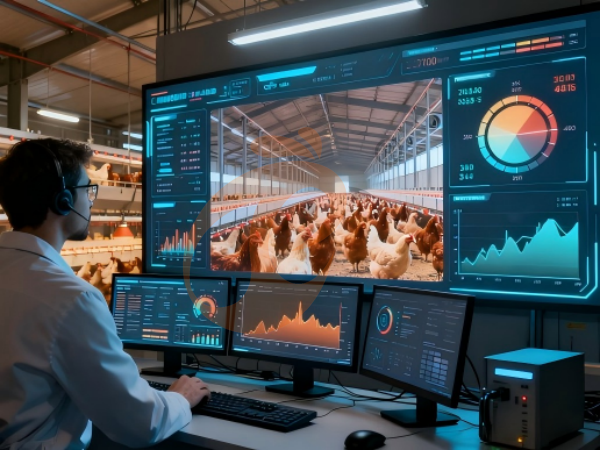
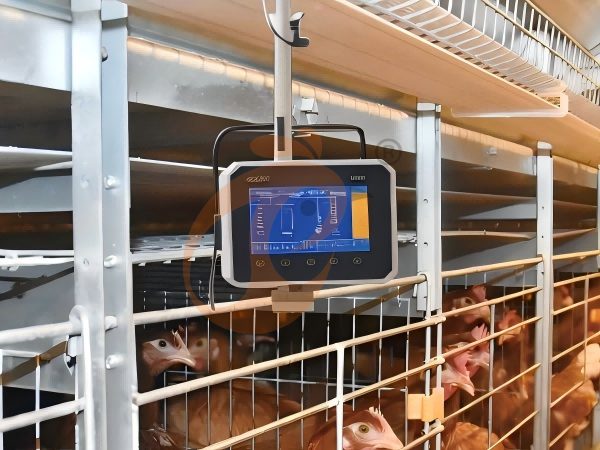
monitoring system with 24 sensor nodes per 1,000 bird unit for movement and temperature detection.
Emergency isolation capacity designed for 5% of total flock with 50 independent quarantine cages per production unit for rapid disease containment.
Sustainability Engineering And Resource Utilization
Sustainability framework integrates manure recycling output 18 tons per 1,000 birds annually, soil nutrient regeneration nitrogen return rate 62 kg per hectare,
land rotation planning 3-cycle grazing system, and renewable energy integration 6.5 kW solar power unit per farm module.
Biogas conversion efficiency reaches 3.4 m³ methane per ton manure processed, reducing external fuel consumption by 420 liters diesel equivalent per
production cycle.
System efficiency depends on ecological load balancing at 0.25 livestock units per m² and production density optimization reaching 820 eggs per 1,000 hens per
day operational peak capacity.
Water recycling system reuses 68% of washing and cleaning discharge after sediment filtration reaching 0.05 mg/L suspended solid output standard.
Frequently Asked Questions
Q1: What is the main cost driver in free range poultry farming?
Feed procurement represents dominant expenditure reaching approximately 1,627.35 USD per 1,000 birds monthly under structured formulation model.
Q2: How many eggs can 1,000 free range hens produce monthly?
Production output reaches approximately 24,600 eggs monthly under 0.82 eggs per day laying rate baseline.
Q3: What is the typical startup investment level?
Infrastructure engineering requires approximately 40,380 USD including housing fencing water systems and initial stock deployment.
Taiyu (HK) Group - One Of China Toppest Poultry Equipment Manufacturer
Free range poultry farming equipment production system integrates precision feeding automation and housing engineering modules for 1,000 to 100,000 bird scale farms industrial deployment.
Global factory direct supply chain delivers poultry equipment systems including automated feeders drinkers ventilation cages structure fabrication export packaging logistics support.
Poultry equipment engineering solutions support turn-key poultry farm construction covering design manufacturing installation commissioning lifecycle maintenance service framework integration.
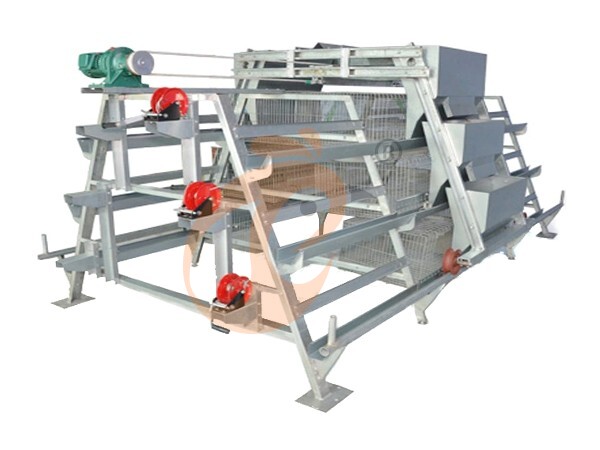
Poultry cage system production utilizes galvanized steel structure corrosion resistance engineering high density durability standardized modular assembly export grade configuration.
Turn-key poultry farming project integration includes site planning equipment installation training system optimization and long-term operational technical support worldwide deployment network.
Contact Us To Received Your Customized Poultry Farm Plan
Headquarters And Branchs
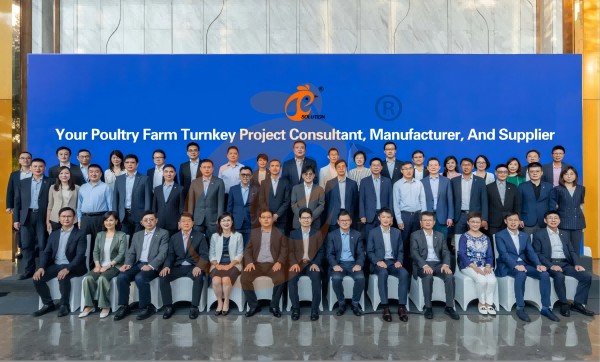
Hong Kong Headquarter Management Team
Hong Kong Headquarter Taiyu Industrial Group CO., LTD
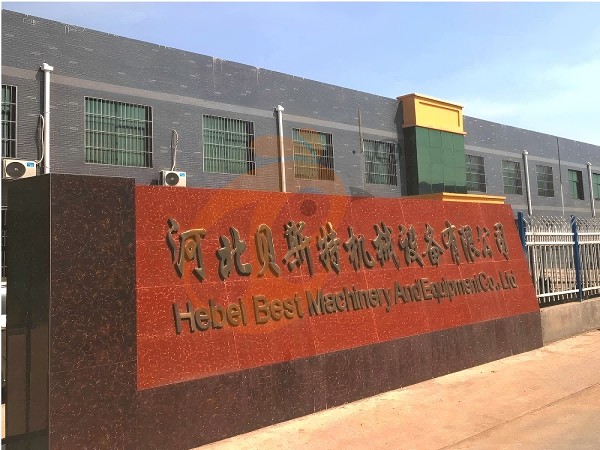
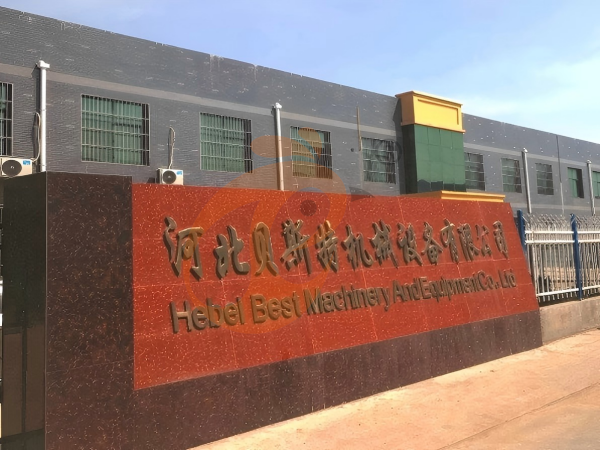
China Hebei Best Machinery And Equipment CO., LTD
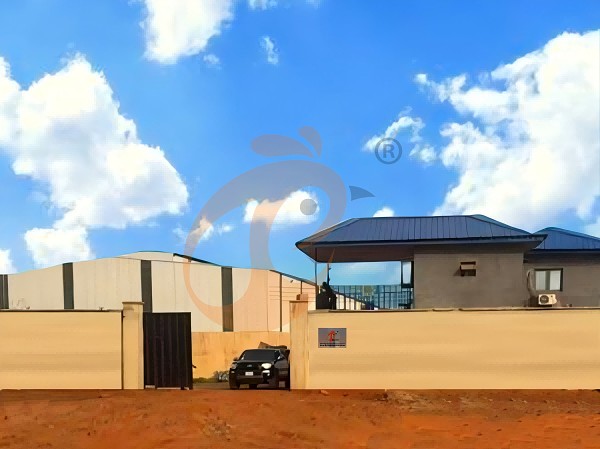
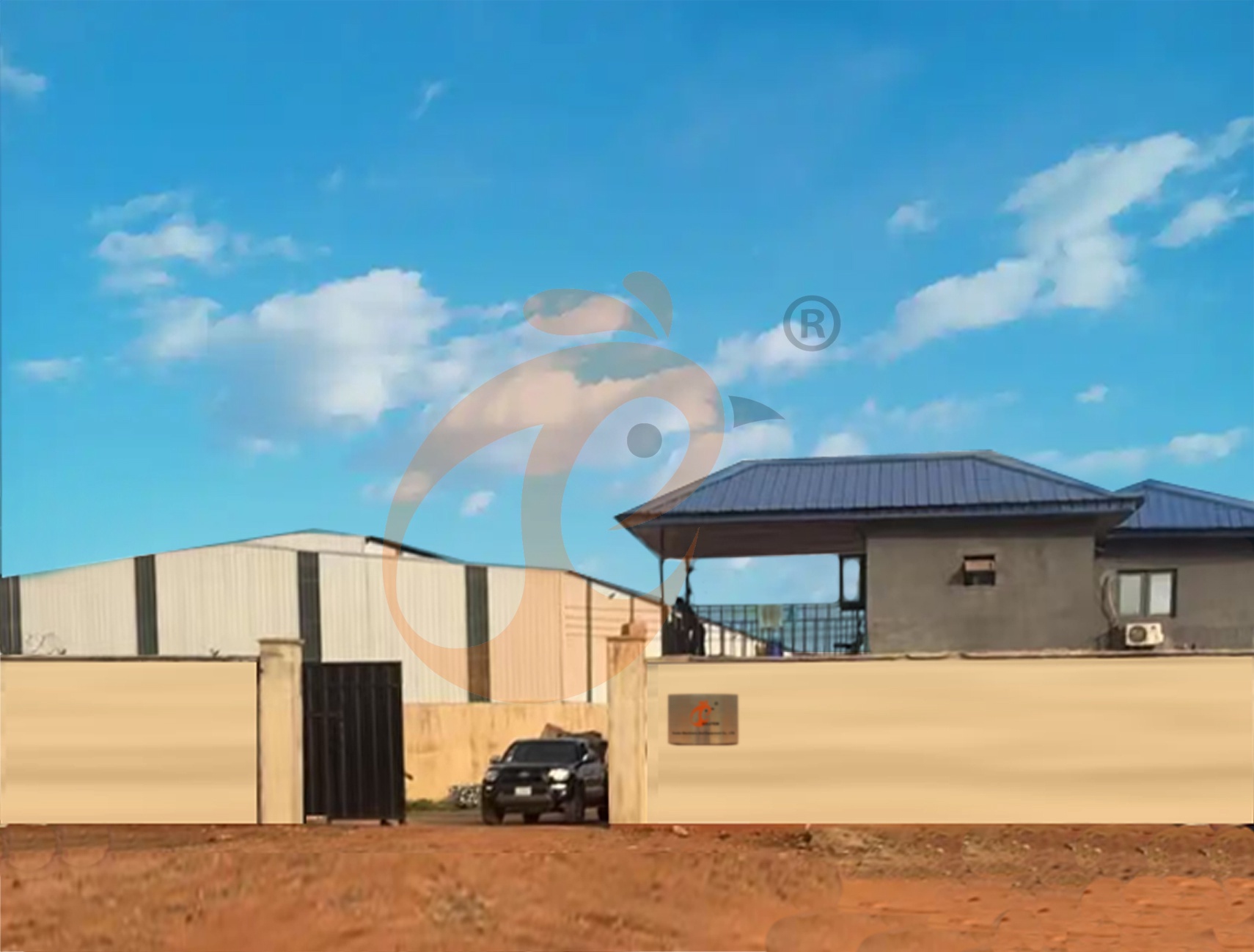
Nigeria Vanke Machinery And Equipment CO., LTD
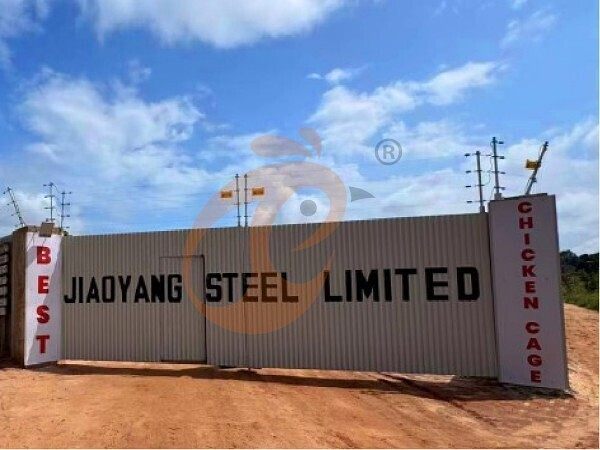
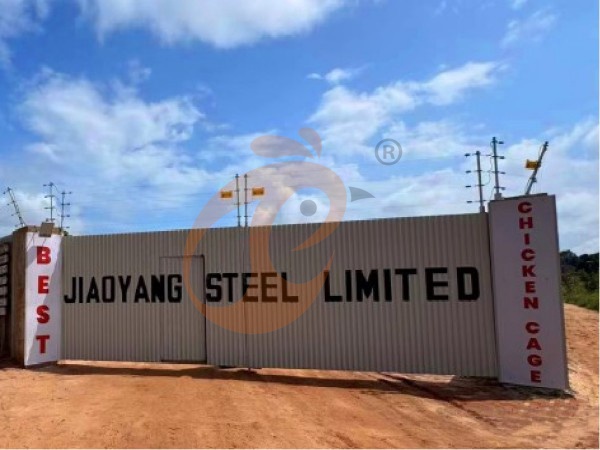
Tanzania Best Machinery And Equipment CO., LTD
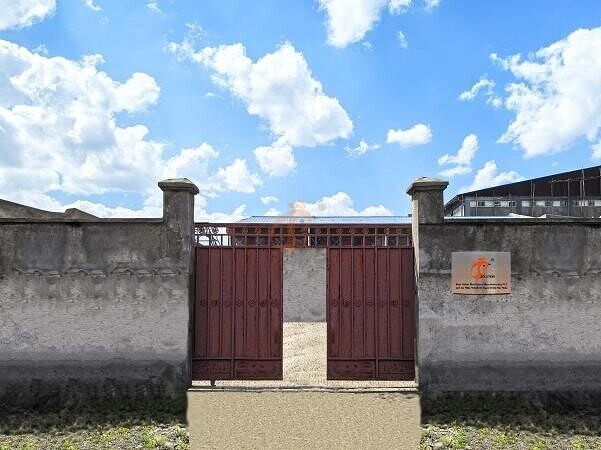
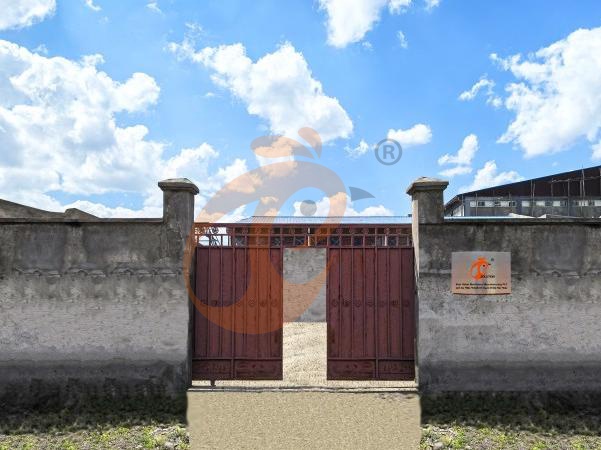
Ethiopia Best Hebei Machinery Manufacturing PLC
Reception /24 WhatsApp NO. : +8618830120193
FAQ
How Does Free Range Poultry System Enhance Natural Behavior In Poultry Chicken Production?
Foraging behavior accounts for 30%–45% of daily time under open grazing conditions.
Social interaction frequency increases by 20%–35% compared with confined systems.
What Are The Movement And Activity Space Standards In Free Range Poultry System For Poultry Chicken Production?
Activity zone radius is maintained at 15–25 meters from shelter to ensure return habit formation.
Daily roaming distance reaches 300–600 meters per bird under open grazing conditions.
What Are The Foraging Nutrition Contribution Levels In Free Range Poultry System For Poultry Chicken Diets?
Green plant consumption accounts for 18%–25% of daily fiber and micronutrients.
Soil mineral ingestion provides 3%–6% of trace element supplementation naturally.
- poultry farm
- poultry house
- poultry cage
- cage
- poultry farm construction
- poultry cage system
- poultry farming equipment
- poultry house construction
- poultry equipment
- chickencage
- bestchickencage
- cage system
- Nigeria
- egg production system
- poultry farming
- poultry equipment manufacturer
- poultry farm plan
- poultry farming system
- Ethiopia
Message
Products recommended
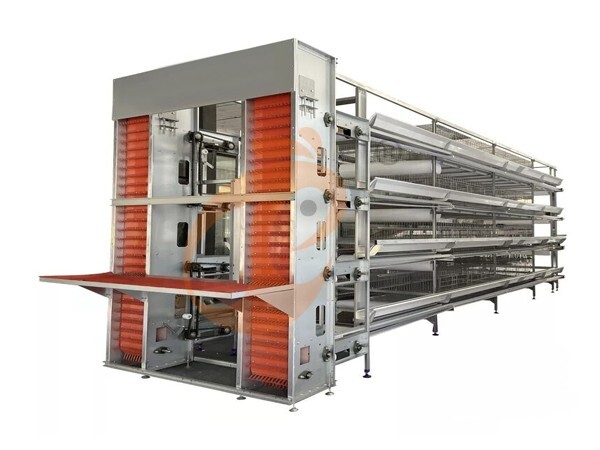
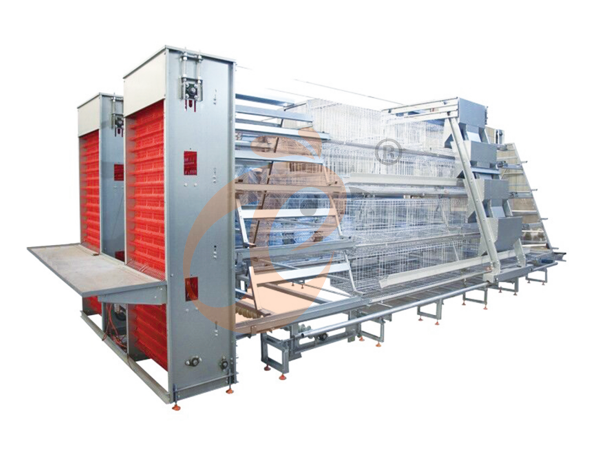
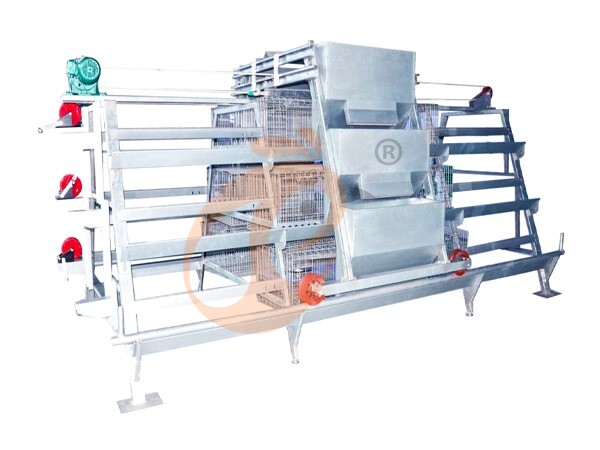
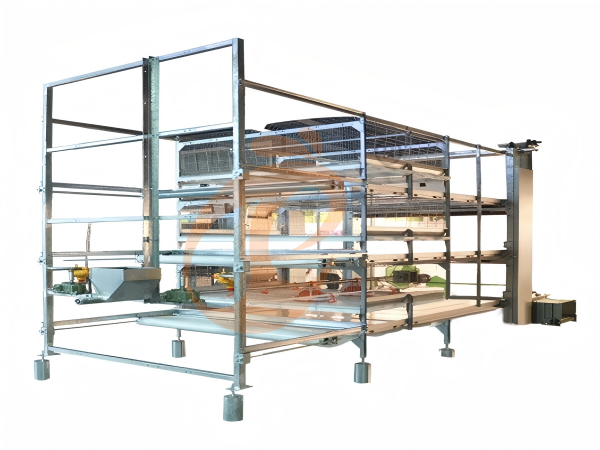
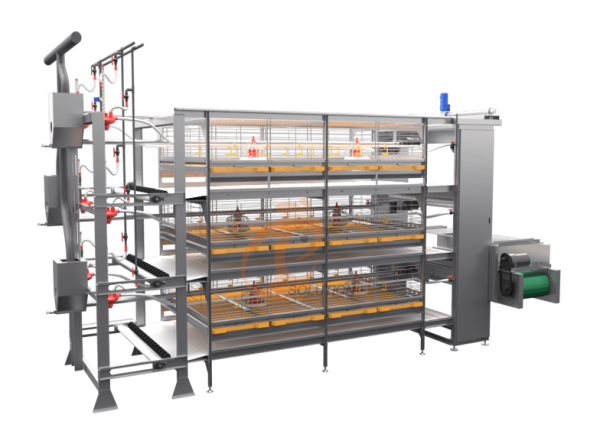
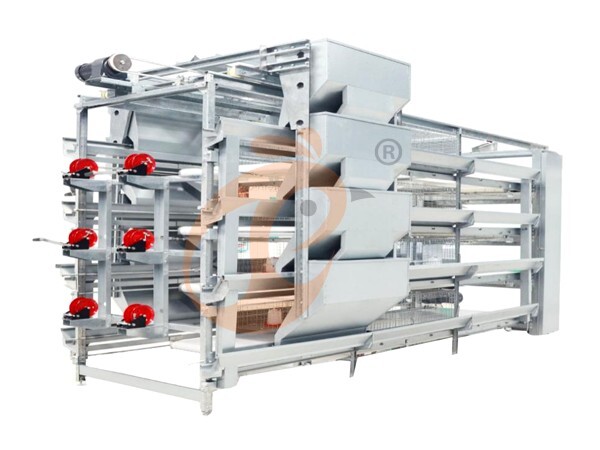
 >30,000 Pullets Automatic H Type Battery Cage1. More than 30,000 pullets a house, choose it.
2. It is designed to rearing older than 1 day old pullets to 12 to 16 weeks old chicken starting laying eggs.
3. Its lifespan is more than 25 years.
4. Its structure are Vcloud artificial intelligent fusion, electric control cabinet, automatic equipment of drinking, feeding, manure clean, manual harvesting.
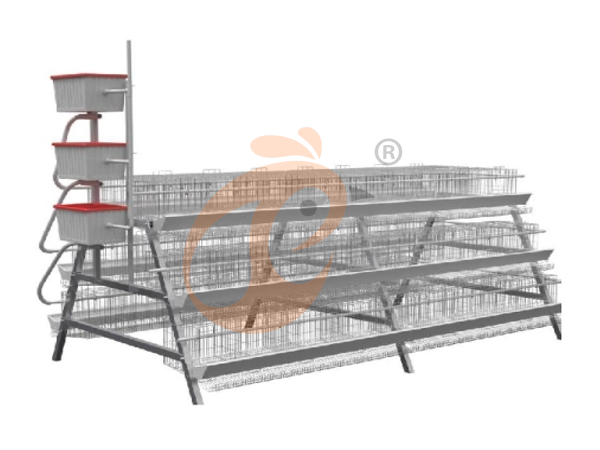
5. Our 24 hour online reception What’sApp NO. is +8618830120193 <30,000 Pullets Automatic A Type Battery Cage1. 10,000 to 30,000 pullets a house, choose it.
2. It is designed to rearing older than 1 day old pullets to 12 to 16 weeks old chicken starting laying eggs.
3. Its lifespan is more than 25 years.
4. Its structure are Vcloud artificial intelligent fusion, electric control cabinet, automatic equipment of drinking, feeding, manure clean, manual harvesting.
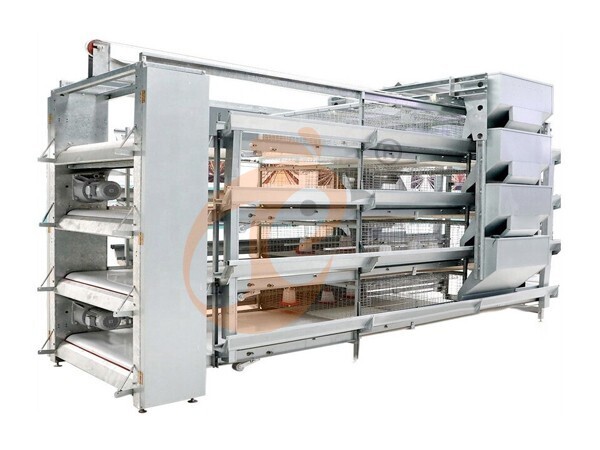
5. Our 24 hour online reception What’sApp NO. is +86 18830120193. >30,000 Broilers Semi-Automatic Harvest H Type Battery Cage1. More than 30,000 broilers a house, choose it.
2. It is designed to rearing 1 to 45 day old adult broiler ready for market.
3. Its lifespan is more than 20 years.
4. Our 24 hour online reception What’sApp NO. is +8618830120193, +234 8111199996. >30,000 Broilers Manual Harvest H Type Battery Cage1. More than 30,000 broilers a house, choose it.
2. It is designed to rearing 1 to 45 day old adult broiler ready for market.
3. Its lifespan is more than 20 years.
4. Its structure are Vcloud artificial intelligent fusion, electric control cabinet, automatic equipment of drinking, feeding and manure clean, manual harvesting.
5. Our 24 hour online reception What’sApp NO. is +8618830120193, +234 8111199996. <30,000 Broilers Manual Harvest A Type Battery Cage1. Less 30,000 broilers a house, choose it.
2. It is designed to rearing 1 to 45 day old adult broiler ready for market.
3. Its lifespan is more than 20 years.
4. Its structure are Vcloud artificial intelligent fusion, electric control cabinet, automatic equipment of drinking, feeding and manure clean, manual harvesting.
5. Our 24 hour online reception What’sApp NO. is +8618830120193, +234 8111199996. HK Headquarter Offers EU-standard Poultry Farm Solutions, Manufacture Poultry Farm Equipment1. Continuous communication with the EU and the US
2. China, Nigeria, Ethiopia, Tanzania branch companies and factories
3. The products’ quality is customized for local poultry farms
4. Poultry cage and poultry farm equipment stock for sale
5. 24 online reception Whatsapp NO. : +8618830120193,contact us to get full information China Branch Offer Poultry Farm Business Plan, Manufacture Poultry Farm Equipment1. Address: Flat/RM 2416, 24/F, Runxing Building, Youyi Nan Street, Shijiazhuang City, Hebei Province, China
2. Poultry cage and poultry farm equipment factory and stock for sale
3. Customized for local poultry farms
4. Quality and design are based on Euro
5. 24 online reception Whatsapp NO. : +8618830120193 Nigeria Branch Offer Poultry Farm Business Plan, Manufacture Poultry Farm Equipment1. Address: After Sinoma Office, 200 Meters Near Danco Filling Station, Lagos/Ibadan Expressway, Lagos State, Nigeria
2. Poultry cage and poultry farm equipment factory and stock for sale
3. Customized for Nigerian poultry farms
4. Quality and design are based on Euro
5. 24 online reception Whatsapp NO. : +8618830120193 Ethiopia Branch Offer Poultry Farm Business Plan, Manufacture Poultry Farm Equipment1. Address: Gelan Gura, Akaki-kaliti Sub City, Addis Ababa, Ethiopia
2. Poultry cage and poultry farm equipment stock for sale
3. Customized for Ethiopian poultry farms
4. Quality and design are based on Euro
5. 24 online reception Whatsapp NO. : +8618830120193, contact us to get price list Tanzania Branch Offer Poultry Farm Business Plan, Manufacture Poultry Farm Equipment1. Address: No.8, Sova Road, Msufini, Mlandizi, Kibaha, Pwani, Tanzania
2. Poultry cage and poultry farm equipment factory and stock for sale
3. Customized for Tanzanian poultry farms
4. Quality and design are based on Euro
5. 24 online reception Whatsapp NO. : +8618830120193


Contact