


Blog
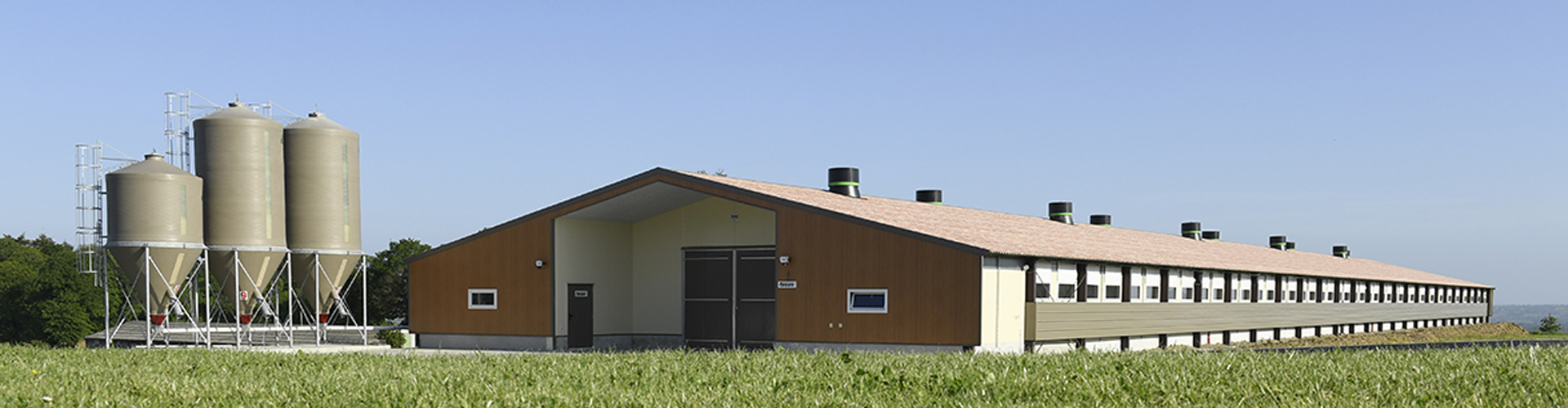
Deep litter system integrates poultry housing engineering with biological waste conversion process.
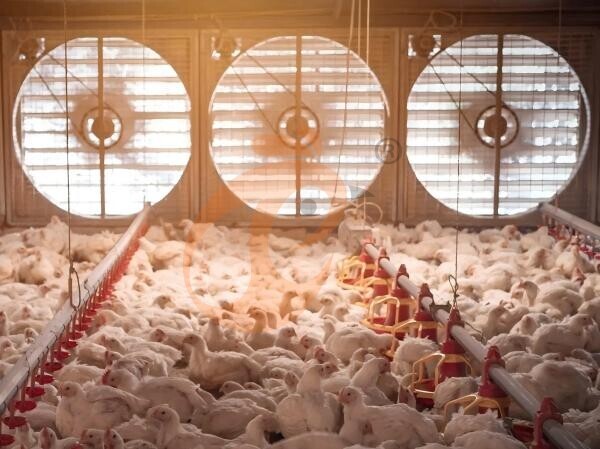
Floor-based poultry production model supports broiler and layer density optimization control.
Organic bedding substrate enables continuous manure decomposition and ammonia mitigation process.
Capital structure combines fixed construction assets and cyclic operational input expenditure model.
Financial assessment requires segmentation of housing, consumables, labor, and biosecurity cost layers.
Get professional poultry farm construction guidance, equipment selection solutions, and the latest price lists, whatsApp to +8618830120193, click to learn more:
Introduction
The deep litter system is a floor-based poultry production model widely applied in broiler and layer farming.
Birds are raised on a thick organic bedding layer that continuously absorbs manure and undergoes partial microbial decomposition.
This system is valued for its relatively simple infrastructure, reduced reliance on cages, and compatibility with medium-to-large scale poultry operations.
Deep litter poultry farming system design improves operational density efficiency and environmental stability in controlled livestock units.
However, describing it as ''low-cost'' can be misleading.
In commercial practice, the system involves a structured capital investment phase followed by continuous operational expenditures.
A realistic financial model must separate fixed assets, recurring inputs, and biological risk-related costs.
This article breaks down the system into five major expense components and provides quantified cost structures suitable for farm planning.
Housing Construction Cost Structure
Housing is the primary fixed investment in a deep litter poultry farm.
It includes shed construction, ventilation design, flooring, and protective structures.
The design must support stocking density typically ranging from 6 to 10 birds per square meter in broiler systems.
Broiler farming cost analysis is directly influenced by structural engineering density configuration and airflow design efficiency.
Data is for reference only.Swipe horizontally to view full table.
Total housing construction cost: 8,200 USD per 1000 birds capacity.
Bedding Material Cost Structure
Bedding is a core consumable input in the deep litter system.
It directly affects moisture control, ammonia emission levels, and microbial balance.
A full production cycle typically requires one initial load and partial replenishment every 18–25 days depending on stocking density.
Poultry bedding cost per cycle is a major variable in operational expenditure forecasting.
Data is for reference only.Swipe horizontally to view full table.
Average bedding cost per cycle: 538 USD per 1000 birds.
Equipment And Infrastructure Cost Structure
Although less mechanized than cage systems, deep litter farms still require feeding, watering, heating, and ventilation systems.
Equipment costs are largely dependent on automation level.
Poultry farm equipment cost breakdown determines capital recovery speed and production cycle efficiency.
Data is for reference only.Swipe horizontally to view full table.
Total equipment cost: 3,170 USD per 1000 birds.
Labor Cost Structure
Labor is a recurring operational expense and is influenced by automation level and farm size.
Deep litter systems require daily feeding, water system monitoring, litter turning, and mortality removal.
Commercial poultry labor cost management directly impacts feed conversion efficiency and mortality ratio control.
Labor Cost Table
Data is for reference only.Swipe horizontally to view full table.
Total labor cost per cycle: 1,000 USD per 1000 birds.
Health And Biosecurity Cost Structure
Health management is a critical financial variable in deep litter systems due to continuous contact between birds and litter.
Vaccination schedules, disinfectants, and veterinary interventions are mandatory operational expenses.
Poultry disease prevention cost structure determines survival rate stability across production cycles.
Health Management Cost Table
Data is for reference only.Swipe horizontally to view full table.
Total health cost per cycle: 426.4 USD per 1000 birds.
Maintenance And Operational Cost Structure
Maintenance includes litter replacement, structural repair, equipment servicing, and waste removal logistics.
These costs ensure long-term operational stability and environmental compliance.
Poultry farm maintenance cost model ensures lifecycle stability of production infrastructure.
Data is for reference only.Swipe horizontally to view full table.
Total maintenance cost: 1,550 USD per year per 1000 birds capacity.
Scientific Explanation Of Deep Litter Function
The deep litter system is not merely a flooring method but a controlled biological fermentation environment.
The bedding layer acts as a carbon source, while poultry manure provides nitrogen.
Together, they create microbial activity that stabilizes waste and reduces pathogenic load under aerobic conditions.
Data is for reference only.Swipe horizontally to view full table.
This biological mechanism reduces external waste handling requirements and contributes to fertilizer production.
Total Cost Summary Model
To evaluate full system economics, all five components must be integrated into a single production cycle model.
Data is for reference only.Swipe horizontally to view full table.
Total production cost per cycle: 3,204.4 USD per 1000 birds.
Cost Efficiency Interpretation
From a financial modeling perspective, housing and labor dominate cost structure.
Bedding and health costs fluctuate based on environmental control and management precision.
Equipment cost is largely front-loaded but becomes economically efficient when spread across multiple production cycles.
A properly managed system improves cost efficiency through reduced mortality rates.
Stable feed conversion ratio (FCR) performance improves production output consistency.
Lower veterinary intervention frequency reduces emergency expenditure volatility.
Reuse of composted litter as fertilizer input creates secondary revenue stream potential.
Risk-Adjusted Cost Factors
Deep litter systems carry biological and environmental risk variables that can alter cost structure significantly.
These include humidity imbalance, ammonia accumulation, and disease outbreaks such as coccidiosis.
Data is for reference only.Swipe horizontally to view full table.
These values demonstrate why biosecurity investment is economically justified.
Optimization Strategy For Commercial Farms
Cost reduction in deep litter systems is achieved primarily through system design and operational discipline rather than reduction in input quality.
Key optimization variables include stocking density calibration (birds/m²).
Litter turning frequency (days) affects ammonia stabilization rate.
Ventilation rate (m³/hour airflow control) stabilizes thermal balance.
Feed conversion efficiency control systems improve production economics.
Proper optimization can reduce total cost per cycle by 8–15% without structural changes.
Frequently Asked Questions
Q1: What is deep litter system cost per 1000 birds cycle?
Average operational cost is approximately 3,204 USD excluding feed cost.
Housing amortization and labor represent largest cost segments.
Q2: Which factor has highest cost impact in deep litter system?
Labor and housing depreciation dominate cost structure, accounting for more than 50% of total non-feed expenditure.
Q3: How often must bedding be replaced in poultry deep litter system?
Partial bedding replacement occurs every 18–25 days depending on humidity and stocking density control parameters.
Taiyu (HK) Group - One Of China Largest Deep Litter System Manufacturer
Deep litter system poultry equipment engineering solution integrated manufacturing platform.
Industrial scale poultry farm automation equipment supply with global factory direct pricing model.
Poultry cage and deep litter hybrid housing system engineering and turnkey project execution capability.
Export oriented poultry equipment production covering feeders, drinkers, ventilation, and climate control systems.
Turn-key poultry farm installation service covering design, construction, and commissioning stages worldwide.
Contact Us To Received Your Customized Poultry Farm Plan
Headquarters And Branchs

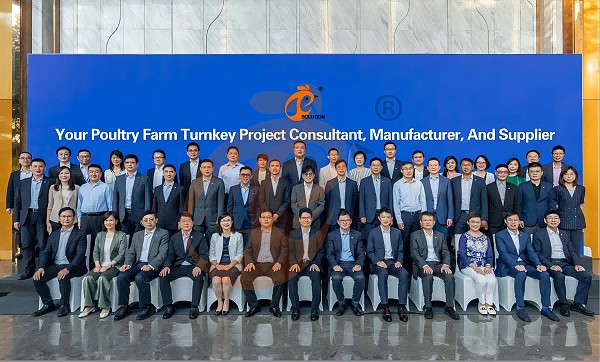
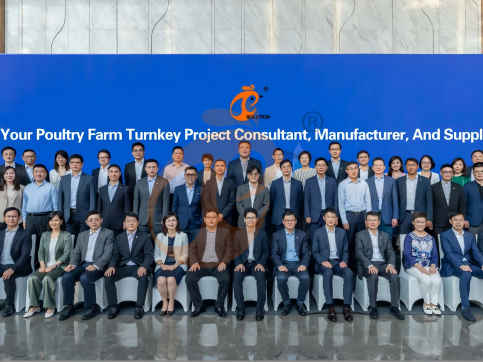
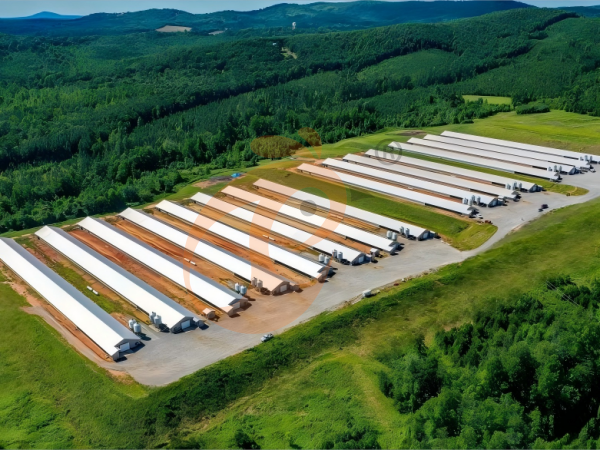
Hong Kong Headquarter Management Team
Hong Kong Headquarter Taiyu Industrial Group CO., LTD
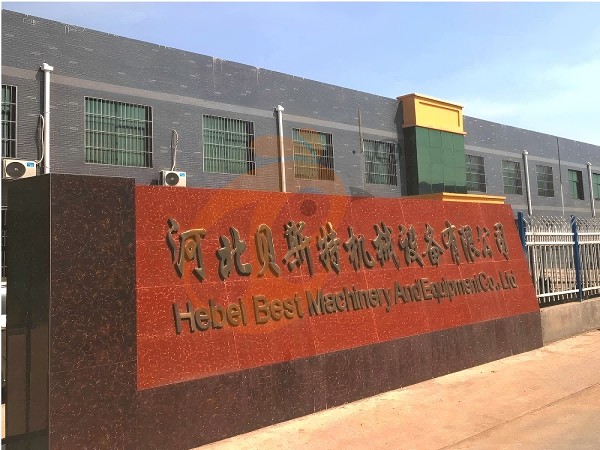
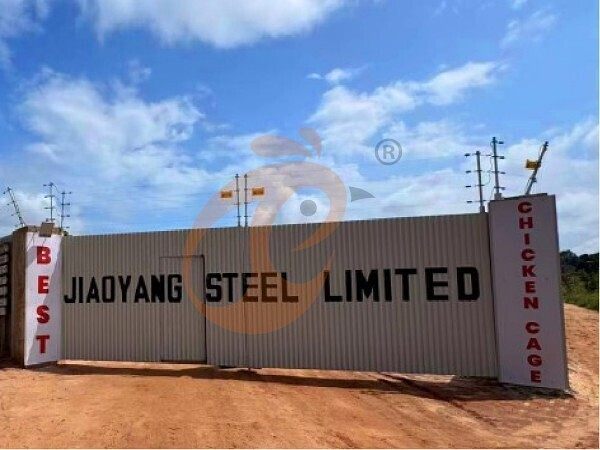
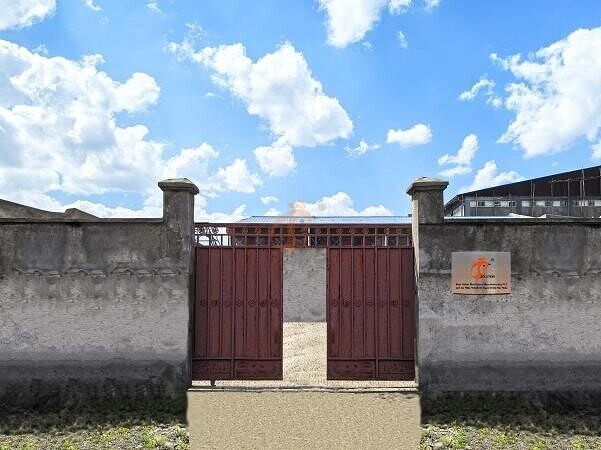
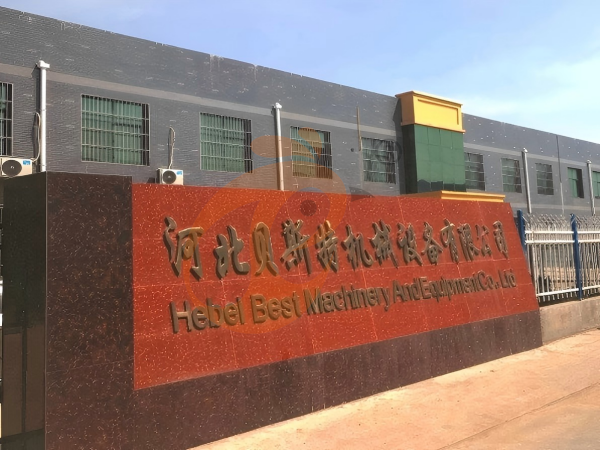
China Hebei Best Machinery And Equipment CO., LTD
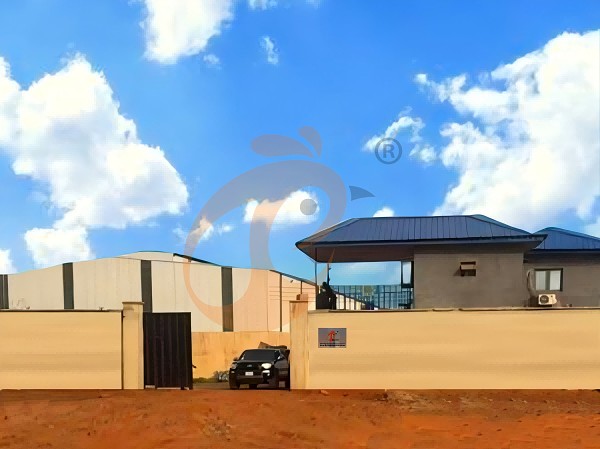
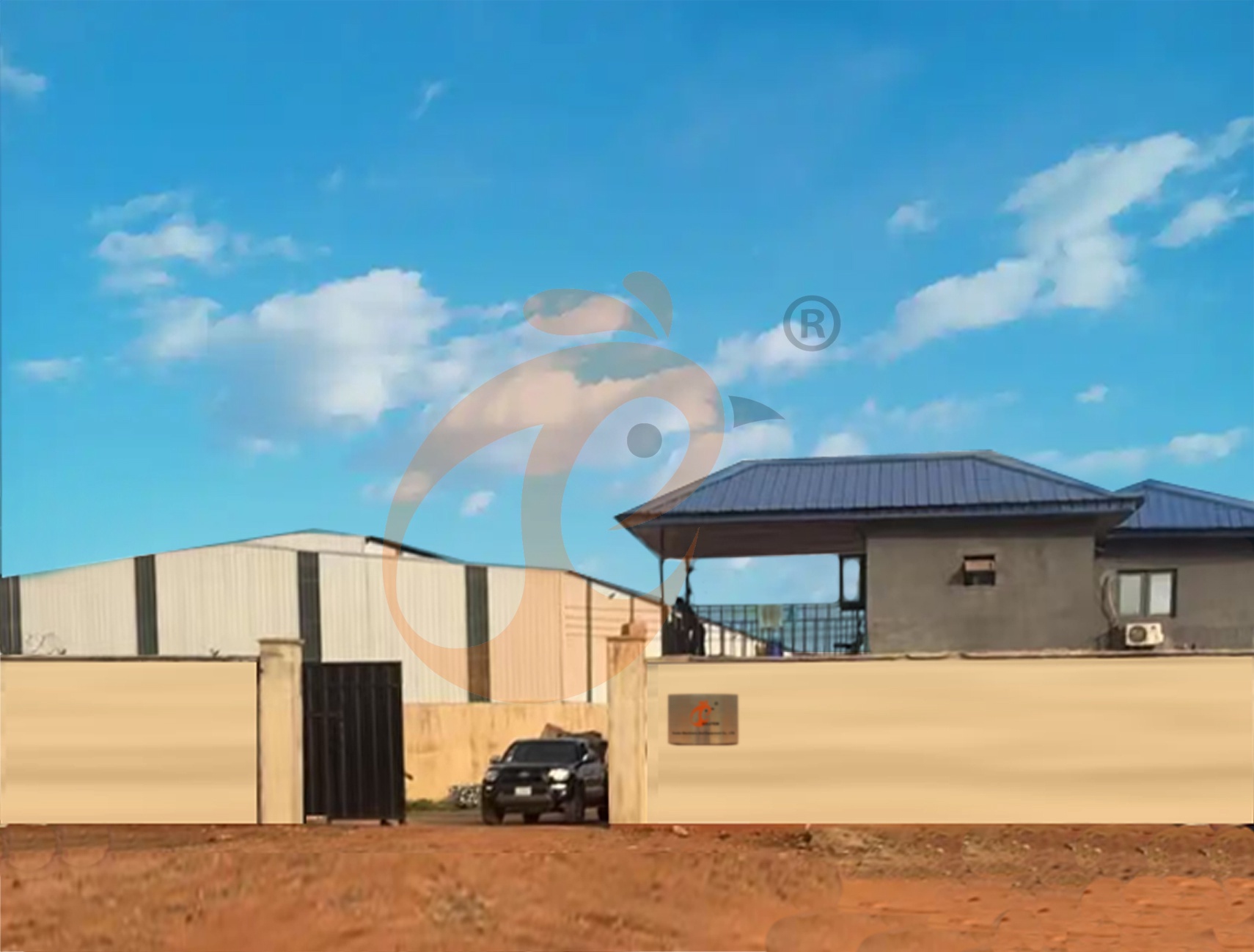
Nigeria Vanke Machinery And Equipment CO., LTD
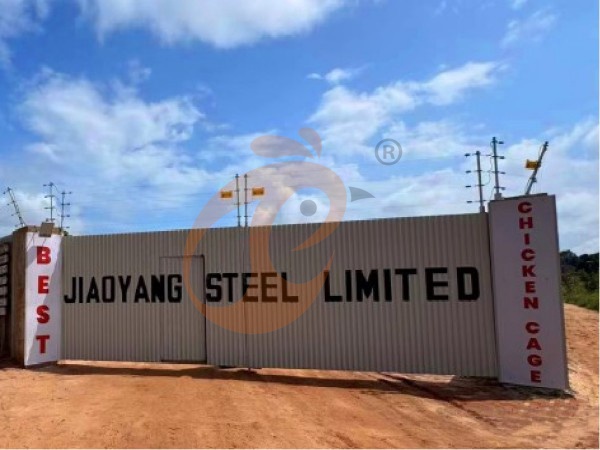
Tanzania Best Machinery And Equipment CO., LTD
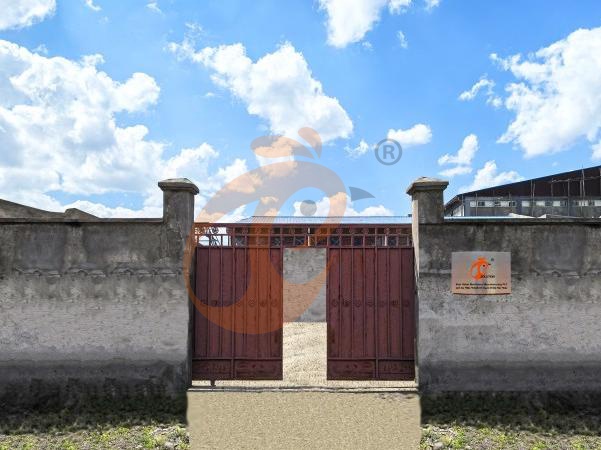
Ethiopia Best Hebei Machinery Manufacturing PLC
Reception /24 WhatsApp NO. : +8618830120193
FAQ
What Are The Litter Material Specifications In Deep Litter Poultry System For Poultry Chicken Production?
Rice husk usage ratio is set at 40%–60% of total bedding material mix.
Moisture absorption capacity reaches 250%–300% of dry litter weight.
What Are The Disease Control Measures In Deep Litter Poultry System For Poultry Chicken Houses?
Pathogen reduction efficiency reaches 70%–85% through fermentation and microbial activity.
Biosecurity entry concentration uses 0.08%–0.12% disinfectant solution for contamination control.
How Does Deep Litter System Affect Growth Efficiency In Poultry Chicken Farming?
Average daily gain increases by 8%–14% compared with bare floor systems.
Stress reduction improves uniformity rate to 86%–93% across production batches.
- poultry farm
- poultry cage
- cage
- poultry farm equipment
- poultry farm construction
- poultry farm automation
- deep litter system
- poultry deep litter system
- poultry equipment
- chickencage
- bestchickencage
- cage system
- cage systems
- Nigeria
- deep litter poultry farming
- deep litter system cost
- layer farm
- broiler farm
- poultry farming system design
- poultry farming
- poultry farm equipment cost
- deep litter system poultry equipment
- deep litter system poultry
- poultry farm maintenance
- deep litter system equipment
- poultry farm plan
- poultry farming system
- Ethiopia
Message
Products recommended
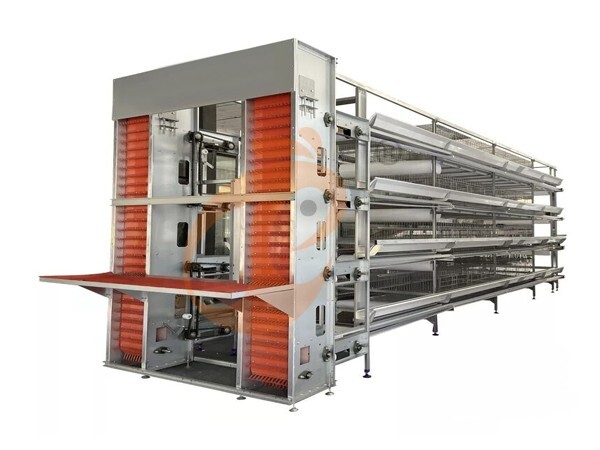
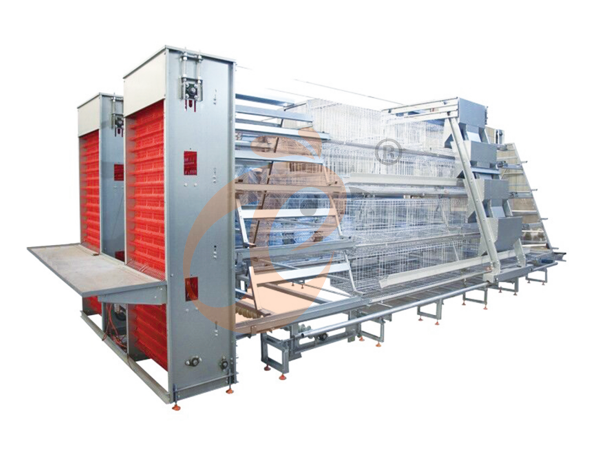
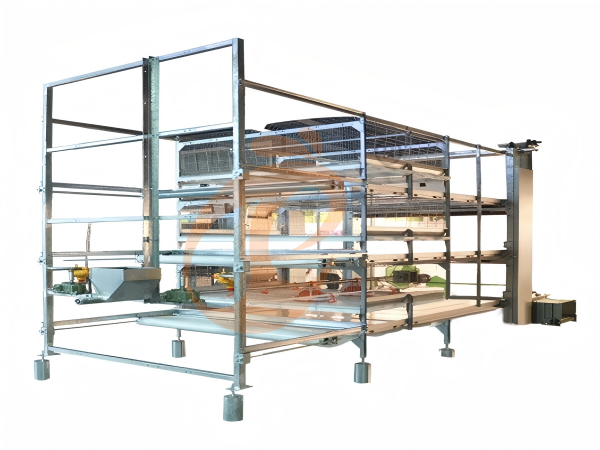
 >30,000 Pullets Automatic H Type Battery Cage1. More than 30,000 pullets a house, choose it.
2. It is designed to rearing older than 1 day old pullets to 12 to 16 weeks old chicken starting laying eggs.
3. Its lifespan is more than 25 years.
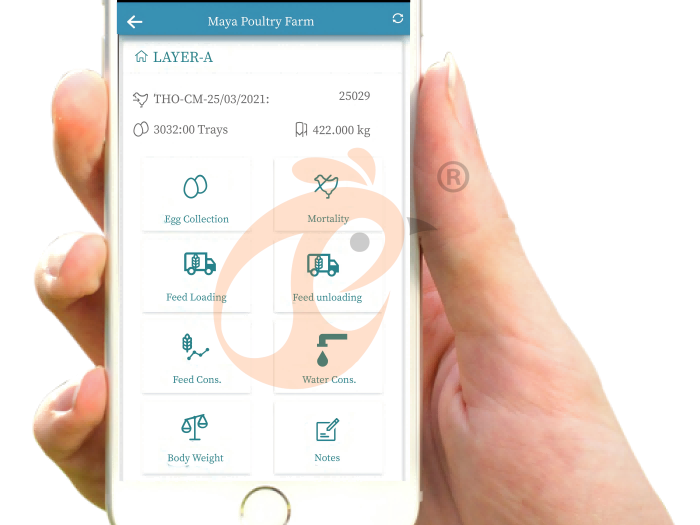
4. Its structure are Vcloud artificial intelligent fusion, electric control cabinet, automatic equipment of drinking, feeding, manure clean, manual harvesting.
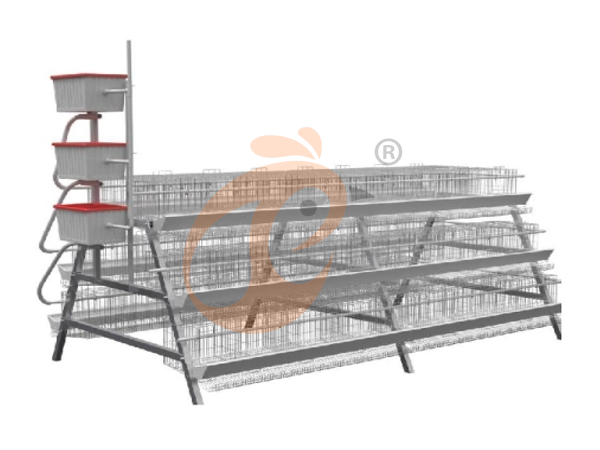
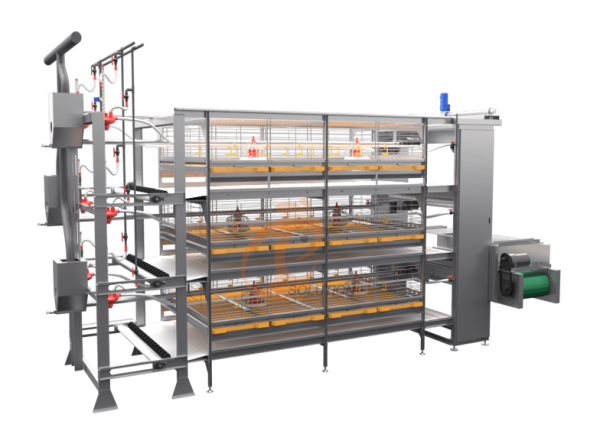
5. Our 24 hour online reception What’sApp NO. is +8618830120193 <30,000 Pullets Automatic A Type Battery Cage1. 10,000 to 30,000 pullets a house, choose it.
2. It is designed to rearing older than 1 day old pullets to 12 to 16 weeks old chicken starting laying eggs.
3. Its lifespan is more than 25 years.
4. Its structure are Vcloud artificial intelligent fusion, electric control cabinet, automatic equipment of drinking, feeding, manure clean, manual harvesting.
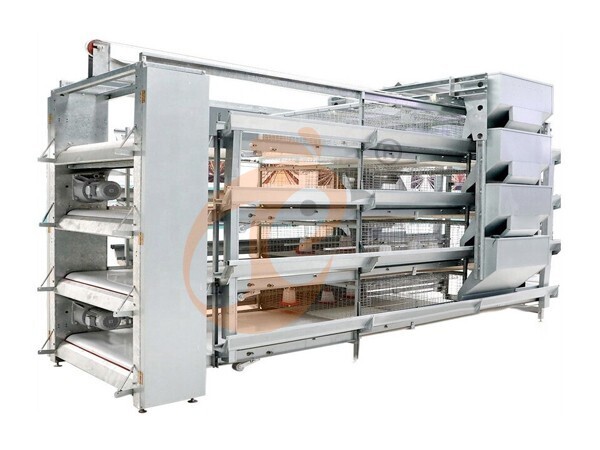
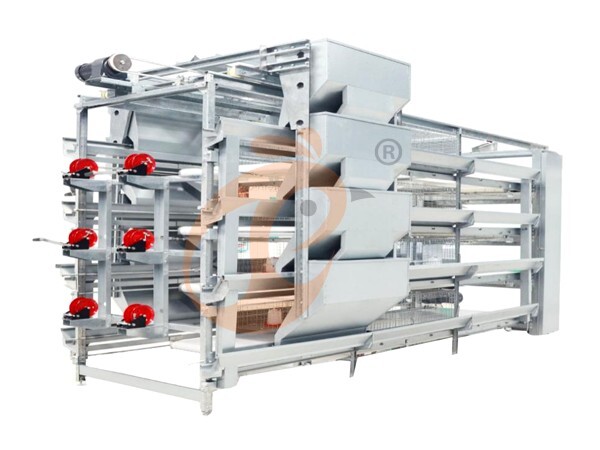
5. Our 24 hour online reception What’sApp NO. is +86 18830120193. >30,000 Broilers Semi-Automatic Harvest H Type Battery Cage1. More than 30,000 broilers a house, choose it.
2. It is designed to rearing 1 to 45 day old adult broiler ready for market.
3. Its lifespan is more than 20 years.
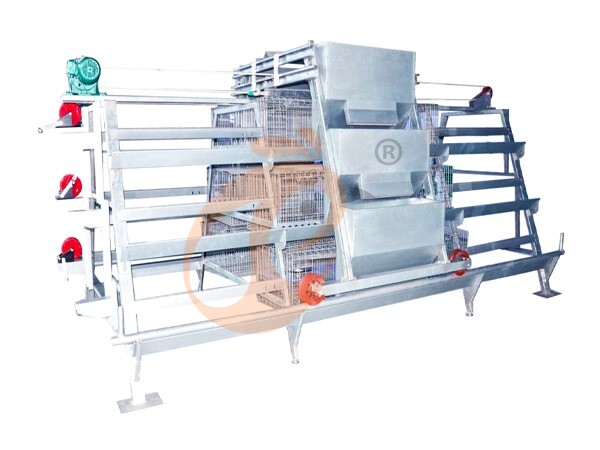
4. Our 24 hour online reception What’sApp NO. is +8618830120193, +234 8111199996. >30,000 Broilers Manual Harvest H Type Battery Cage1. More than 30,000 broilers a house, choose it.
2. It is designed to rearing 1 to 45 day old adult broiler ready for market.
3. Its lifespan is more than 20 years.
4. Its structure are Vcloud artificial intelligent fusion, electric control cabinet, automatic equipment of drinking, feeding and manure clean, manual harvesting.
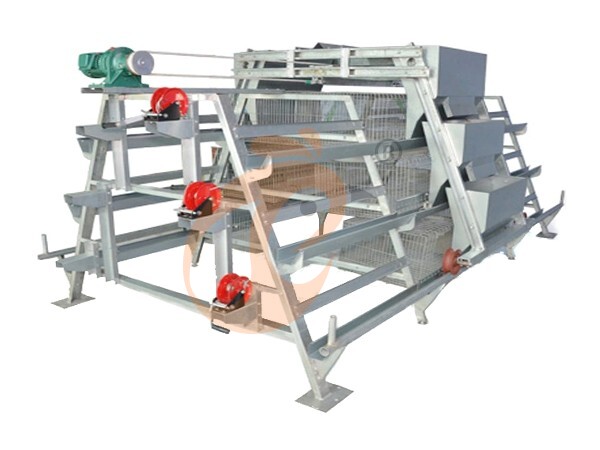
5. Our 24 hour online reception What’sApp NO. is +8618830120193, +234 8111199996. <30,000 Broilers Manual Harvest A Type Battery Cage1. Less 30,000 broilers a house, choose it.
2. It is designed to rearing 1 to 45 day old adult broiler ready for market.
3. Its lifespan is more than 20 years.
4. Its structure are Vcloud artificial intelligent fusion, electric control cabinet, automatic equipment of drinking, feeding and manure clean, manual harvesting.
5. Our 24 hour online reception What’sApp NO. is +8618830120193, +234 8111199996. HK Headquarter Offers EU-standard Poultry Farm Solutions, Manufacture Poultry Farm Equipment1. Continuous communication with the EU and the US
2. China, Nigeria, Ethiopia, Tanzania branch companies and factories
3. The products’ quality is customized for local poultry farms
4. Poultry cage and poultry farm equipment stock for sale
5. 24 online reception Whatsapp NO. : +8618830120193,contact us to get full information China Branch Offer Poultry Farm Business Plan, Manufacture Poultry Farm Equipment1. Address: Flat/RM 2416, 24/F, Runxing Building, Youyi Nan Street, Shijiazhuang City, Hebei Province, China
2. Poultry cage and poultry farm equipment factory and stock for sale
3. Customized for local poultry farms
4. Quality and design are based on Euro
5. 24 online reception Whatsapp NO. : +8618830120193 Nigeria Branch Offer Poultry Farm Business Plan, Manufacture Poultry Farm Equipment1. Address: After Sinoma Office, 200 Meters Near Danco Filling Station, Lagos/Ibadan Expressway, Lagos State, Nigeria
2. Poultry cage and poultry farm equipment factory and stock for sale
3. Customized for Nigerian poultry farms
4. Quality and design are based on Euro
5. 24 online reception Whatsapp NO. : +8618830120193 Ethiopia Branch Offer Poultry Farm Business Plan, Manufacture Poultry Farm Equipment1. Address: Gelan Gura, Akaki-kaliti Sub City, Addis Ababa, Ethiopia
2. Poultry cage and poultry farm equipment stock for sale
3. Customized for Ethiopian poultry farms
4. Quality and design are based on Euro
5. 24 online reception Whatsapp NO. : +8618830120193, contact us to get price list Tanzania Branch Offer Poultry Farm Business Plan, Manufacture Poultry Farm Equipment1. Address: No.8, Sova Road, Msufini, Mlandizi, Kibaha, Pwani, Tanzania
2. Poultry cage and poultry farm equipment factory and stock for sale
3. Customized for Tanzanian poultry farms
4. Quality and design are based on Euro
5. 24 online reception Whatsapp NO. : +8618830120193


Contact