


Blog
Commercial poultry waterer systems support stable hydration management across high-density poultry farming environments.
Automatic poultry drinkers improve water distribution efficiency, pipeline sanitation performance, and litter moisture control.
Nipple drinker systems reduce contamination exposure, bacterial accumulation, and unnecessary water consumption losses.
Gravity-fed poultry waterers provide simplified installation structures for backyard farms and medium-scale operations.
Engineering technical language within this guide explains equipment capacity, pressure regulation, material durability, maintenance scheduling, and commercial poultry farm integration requirements.
Get professional poultry farm construction guidance, equipment selection solutions, and the latest price lists, whatsApp to +8618830120193, click to learn more:
Why Poultry Water Systems Matter
Water consumption directly affects poultry productivity.
Birds typically consume 1.6 to 2.2 times more water than feed by weight.
During summer conditions, intake can increase by 40% to 60%.
Poor-quality watering systems often lead to wet litter, bacterial contamination, ammonia accumulation, and uneven flock performance.
Commercial poultry operations increasingly invest in efficient water delivery systems because water access influences feed conversion ratio, mortality rate, and daily weight gain.
Clean water systems also reduce labor requirements for manual cleaning and refilling.
Data is for reference only.Swipe horizontally to view full table.
Gravity-Fed Poultry Waterers
Gravity-fed poultry waterers remain one of the most commonly purchased products for backyard farms and small chicken operations.
These systems use a top-mounted reservoir that slowly refills a circular drinking tray through gravity pressure.
Most gravity-fed drinkers are manufactured from food-grade plastic or galvanized metal.
Typical capacities range from 1 gallon to 8 gallons.
Smaller farms prefer these units because installation requires no plumbing or electrical system.
The main advantage of gravity drinkers is operational simplicity.
Farmers can move equipment easily during coop cleaning or rotational grazing.
However, because the drinking tray remains open, feed particles, feathers, and litter may contaminate the water throughout the day.
Data is for reference only.Swipe horizontally to view full table.
Backyard poultry keepers often place gravity-fed waterers on elevated platforms to reduce litter contamination.
Nipple Watering Systems
Nipple watering systems are among the fastest-growing poultry watering products in commercial farming.
On these systems, birds peck stainless steel nipple valves to release water directly into the beak.
Because the water remains enclosed inside PVC pipelines or water tanks, contamination levels are significantly lower than open-tray systems.
Nipple drinkers also reduce water spillage, which helps maintain dry litter conditions.
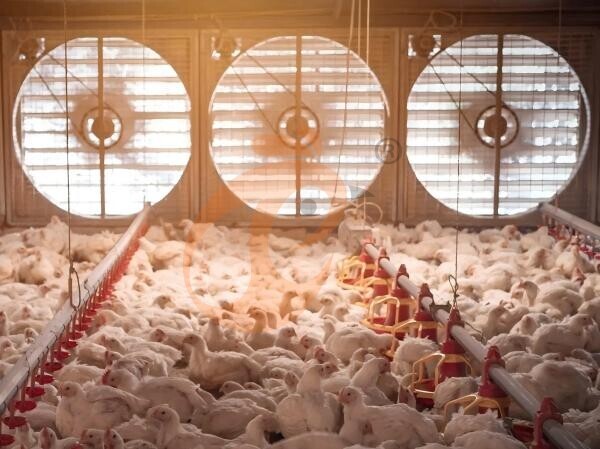
Commercial broiler farms frequently install nipple lines suspended from ceiling winch systems.
Automatic poultry drinkers with stainless steel valves allow height adjustment as birds grow.
Data is for reference only.Swipe horizontally to view full table.
These systems require routine flushing because mineral deposits may restrict water flow over time.
Bell Drinkers For Poultry Farms
Bell drinkers are widely used in medium and large poultry houses.
These suspended units automatically refill through low-pressure water pipelines and distribute water through a circular trough surrounding the bell structure.
Bell drinkers are common in broiler production because one unit can serve a relatively large group of birds.
Hanging installation also keeps the drinking area cleaner than floor-level containers.
Farm managers often adjust bell height weekly to match flock growth stages.
Data is for reference only.Swipe horizontally to view full table.
Bell systems are commonly connected to central overhead water lines with inline pressure regulators.
Cup Waterers For Small And Medium Farms
Cup waterers combine features from nipple systems and open drinkers.
Small trigger mechanism fills a compact drinking cup whenever birds peck or apply pressure.
Many hobby poultry keepers choose cup waterers because birds adapt quickly to the design.
Compared with nipple systems, cups require less bird training while still reducing contamination levels.
Cup waterers are commonly attached to buckets, rain barrels, or low-pressure PVC systems.
Data is for reference only.Swipe horizontally to view full table.
Cup systems are especially useful for free-range poultry where pipeline installation may not be practical.
Automatic Poultry Watering Systems
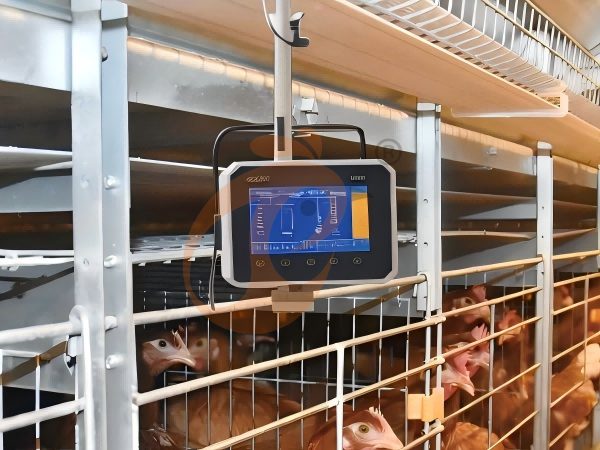
Large poultry farms increasingly rely on fully automatic watering systems integrated with pressure regulators, medicators, inline filters, and monitoring sensors.
These systems distribute water uniformly across thousands of birds while minimizing manual labor.
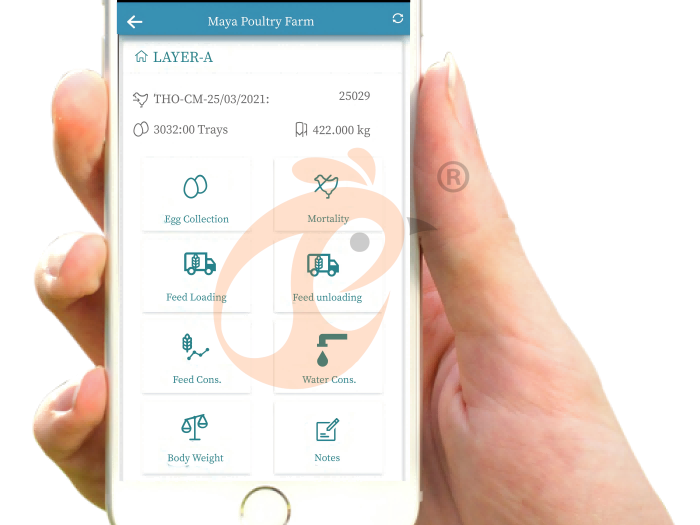
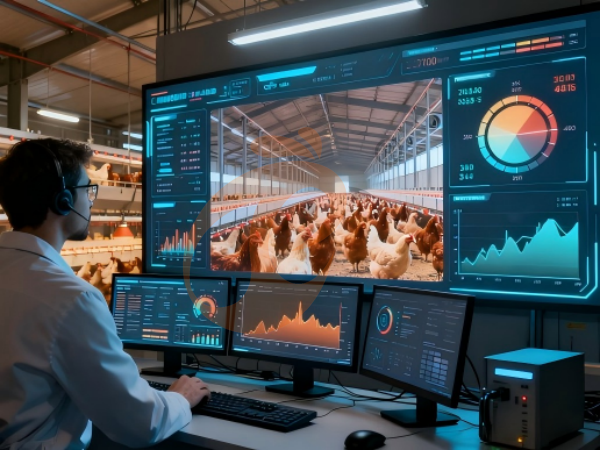
Advanced systems may include automatic flushing valves and water consumption monitoring devices connected to digital farm management software.
Commercial poultry operations value automation because sudden changes in water consumption can indicate health or environmental problems before visible symptoms appear.
Data is for reference only.Swipe horizontally to view full table.
These systems generally require stable water pressure and routine technical inspection.
Plastic Vs Metal Poultry Waterers
Material selection significantly affects product lifespan and cleaning efficiency.
Plastic poultry waterers dominate the consumer market because products remain lightweight and inexpensive.
Most systems are manufactured from polyethylene or polypropylene.
Metal waterers are usually constructed from galvanized steel or stainless steel.
Stainless steel models are preferred in humid regions because surfaces resist corrosion more effectively.
Farmers operating in areas with freezing winters often prefer metal systems because low temperatures can crack thin plastic reservoirs.
Stainless steel chicken waterer systems also support longer commercial operation cycles.
Data is for reference only.Swipe horizontally to view full table.
Food-grade materials are strongly recommended because poultry consume water continuously throughout the day.
Scientific Perspective: Poultry Water Quality And Bird Health
Water quality directly affects intestinal health, feed digestion, and immune stability.
Poultry drinking systems can accumulate biofilm layers containing bacteria, algae, fungi, and mineral deposits if not cleaned regularly.
Research in poultry science indicates that water temperature strongly influences drinking behavior.
Chickens generally consume more water when temperatures remain between 10°C and 20°C.
Farm stagnant water may reduce intake while accelerating microbial growth.
Mineral content also matters.
Excessive dissolved solids can interfere with nutrient absorption and damage watering equipment.
Data is for reference only.Swipe horizontally to view full table.
Routine laboratory testing helps commercial farms identify contamination before productivity declines.
Heated Waterers For Winter Poultry Farming
Cold-climate poultry farms often face frozen water systems during winter.
Heated poultry waterers solve this problem using low-wattage heating elements integrated into the base or reservoir.
These products are especially common in northern regions where outdoor temperatures remain below freezing for extended periods.
Some heated units include thermostatic controls that activate only when water temperature approaches 0°C.
Data is for reference only.Swipe horizontally to view full table.
Electrical safety protection is essential when using heated systems around livestock.
Waterer Placement And Farm Layout
Correct positioning improves bird access and reduces contamination.
Poultry waterers should be elevated slightly above litter level while remaining accessible to smaller birds.
In large poultry houses, water lines are normally installed parallel to feeding lines to encourage uniform flock distribution.
Farm managers also calculate total watering space to prevent competition during high-temperature periods.
Data is for reference only.Swipe horizontally to view full table.
Proper distribution reduces crowding and supports consistent flock growth.
Cleaning And Maintenance Procedures
Maintenance frequency depends on waterer design, environmental temperature, and flock density.
Open systems generally require more frequent cleaning because feed particles and litter contamination accumulate quickly.
Commercial poultry farms often use chlorine-based sanitizers or hydrogen peroxide flushing solutions to clean pipelines.
Farm workers should inspect water flow rates regularly because clogged nipples may restrict access for weaker birds.
Data is for reference only.Swipe horizontally to view full table.
Preventive maintenance extends equipment lifespan and improves flock hygiene.
Common Purchasing Mistakes
Many poultry farmers underestimate future flock expansion when buying watering systems.
Purchasing undersized equipment usually increases refill labor and causes crowding around water points.
Another common mistake involves selecting low-quality plastic products exposed to direct sunlight.
UV radiation weakens thin plastic surfaces and increases cracking risk.
Farmers also frequently overlook spare parts availability.
Commercial systems should support replacement nipples, regulators, valves, and filters.
Data is for reference only.Swipe horizontally to view full table.
Long-term durability should be considered alongside purchase price.
Equipment investment for medium farms generally ranges from 20 to $350 depending on material configuration and pipeline complexity.
European union standard reference only.
Recommended Poultry Waterers By Farm Type
Different poultry operations require different watering strategies.
Backyard hobby farms prioritize convenience and low cost, while commercial farms focus on labor efficiency and water consistency.
Free-range poultry farms often prefer portable systems because birds move between grazing areas.
Data is for reference only.Swipe horizontally to view full table.
Selecting the proper system improves labor efficiency and bird welfare simultaneously.
Emerging Trends In Poultry Watering Technology
Poultry watering equipment continues evolving toward automation and data monitoring.
Smart poultry farms increasingly use digital water meters connected to mobile applications.
These systems help detect leaks, monitor consumption patterns, and identify flock stress earlier than visual observation alone.
Manufacturers are also developing antimicrobial materials and low-waste dispensing technologies to improve sustainability.
Data is for reference only.Swipe horizontally to view full table.
Data-driven poultry management is expected to become increasingly common in large-scale poultry production.
Frequently Asked Questions
Q1: What is the recommended water pressure for nipple drinker systems?
Commercial nipple drinker systems generally operate between 10 PSI and 22 PSI depending on bird age and poultry species.
Broiler farms commonly maintain 15–20 PSI for stable water delivery and reduced leakage.
Q2: How often should poultry water pipelines be sanitized?
Commercial poultry farms usually perform complete pipeline flushing every 7 days and deep sanitation every 30 days.
Hydrogen peroxide concentrations between 0.5% and 1% are commonly used during maintenance cycles.
Q3: Which poultry waterer material supports the longest service life?
Stainless steel watering systems typically support 8–15 years of commercial operation under controlled maintenance conditions.
Standard plastic systems generally operate for 2–4 years before replacement becomes necessary.
Taiyu (HK) Group - One Of China Largest Poultry Waterers Supplier
Commercial poultry waterers support stable flock hydration across multiple farm environments
Global factory direct supply supports competitive equipment pricing and shipment efficiency
Poultry equipment production includes feeding systems ventilation systems and manure removal solutions
Poultry cage manufacturing supports layer broiler and breeder farm installation requirements
Turn-key poultry engineering projects support automated farm construction and technical commissioning
Contact Us To Received Your Customized Poultry Farm Plan
Headquarters And Branchs

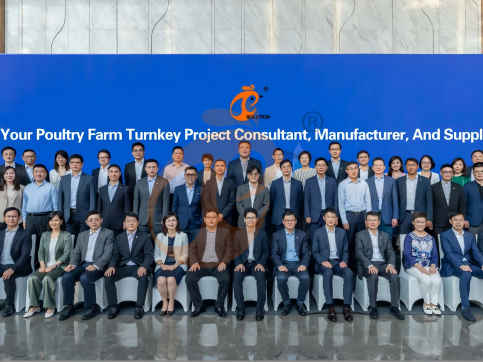
Hong Kong Headquarter Management Team
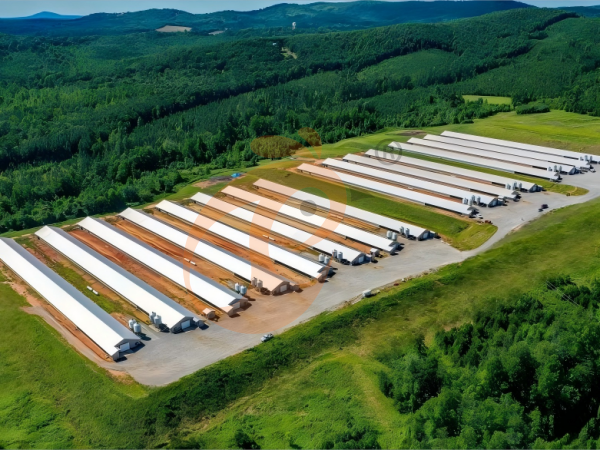
Hong Kong Headquarter Taiyu Industrial Group CO., LTD
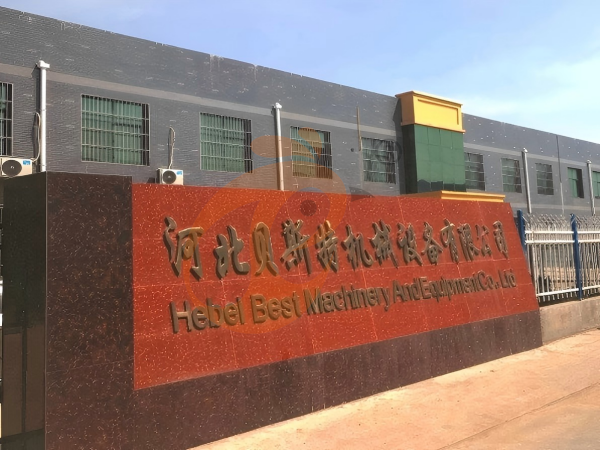
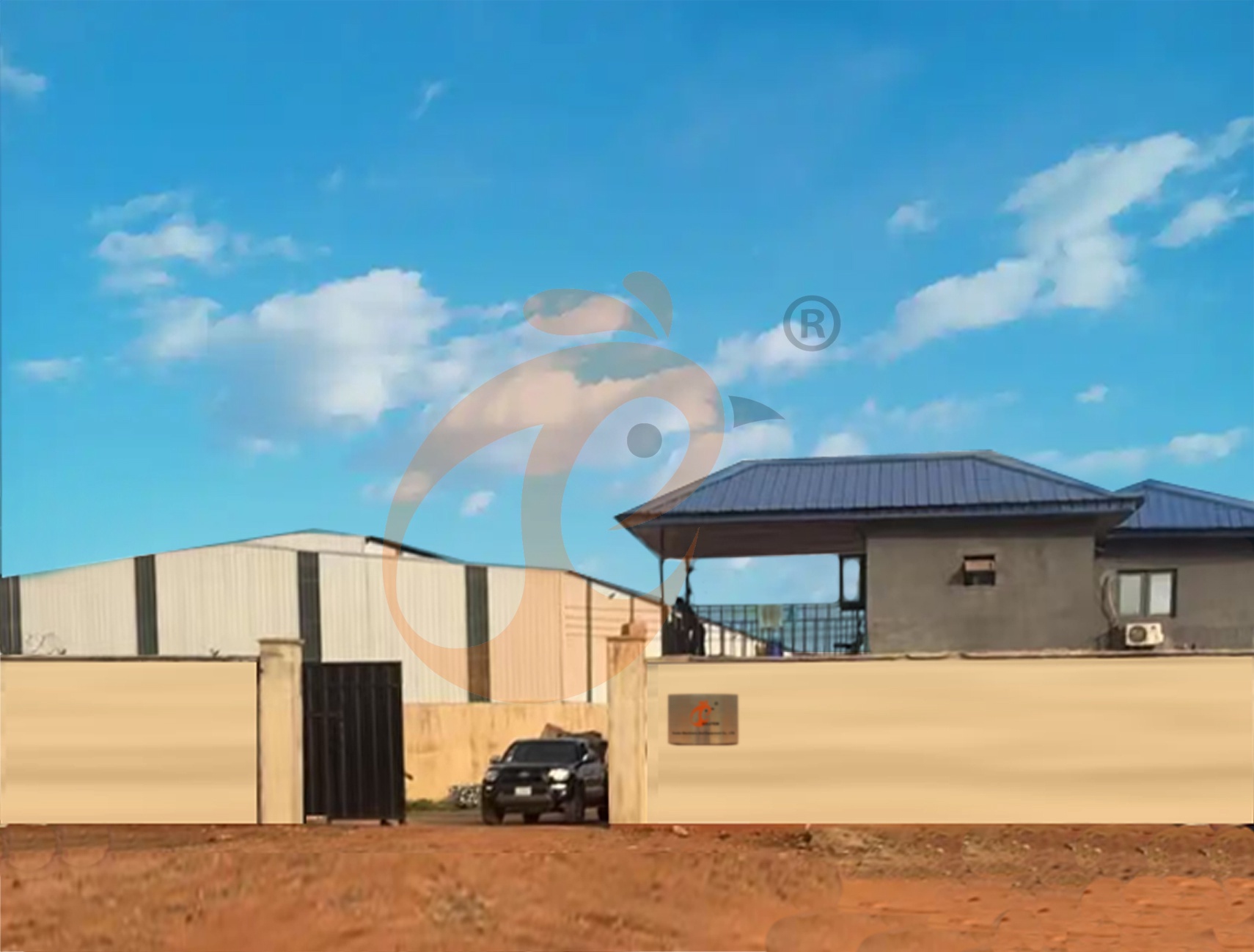
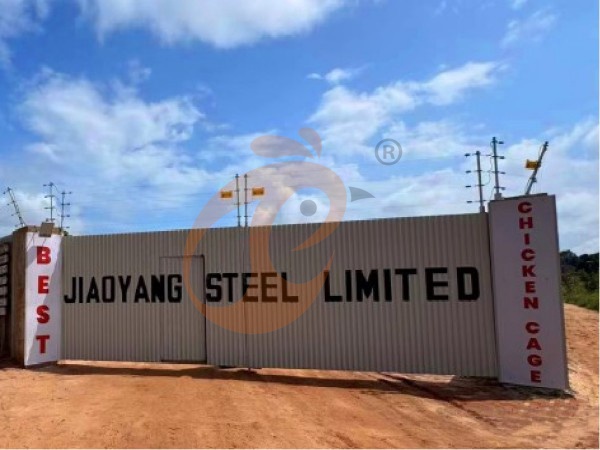
China Hebei Best Machinery And Equipment CO., LTD
Nigeria Vanke Machinery And Equipment CO., LTD
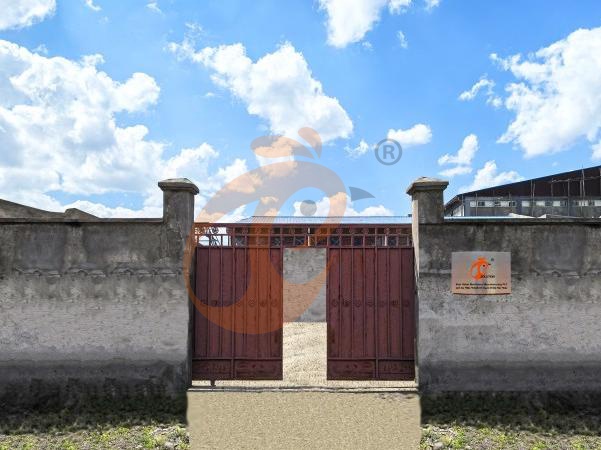
Tanzania Best Machinery And Equipment CO., LTD
Ethiopia Best Hebei Machinery Manufacturing PLC




Reception /24 WhatsApp NO. : +8618830120193
FAQ
How To Maintain And Clean Poultry Watering Systems Efficiently?
Disinfection solutions are usually applied at concentrations of 0.02%–0.05% and require a minimum contact time of 30 minutes.
Water quality should be controlled with suspended solids below 50 mg per liter, using filtration systems of 80–120 mesh.
What Factors Affect Water Intake In Poultry Farms?
High-protein feed formulations can increase water demand by about 10%–15%, influencing system capacity planning.
Younger birds consume significantly less water, typically only 20%–30% of adult intake, requiring stage-specific adjustments.
How To Optimize Water Pressure In A Poultry Drinking System?
Pressure regulators are typically installed every 30–50 meters along the pipeline to stabilize system performance.
Water line height should align with bird back height within a tolerance of plus or minus 2 centimeters to maximize access.
- poultry farmers
- poultry farm
- poultry farms
- poultry farmer
- layer cage
- poultry house
- poultry cage
- cage
- poultry farm construction
- layer cage system
- poultry equipment
- chickencage
- bestchickencage
- cage system
- Nigeria
- broiler farm
- chicken coop
- commercial poultry farms
- large poultry farms
- poultry farming
- poultry water system
- chicken waterer
- automatic poultry drinker
- poultry waterer system
- poultry waterer
- poultry farm plan
- chicken waterer system
- Ethiopia
Message
Products recommended
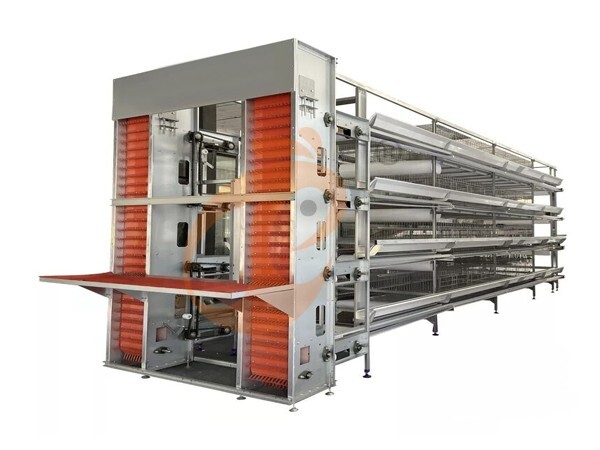
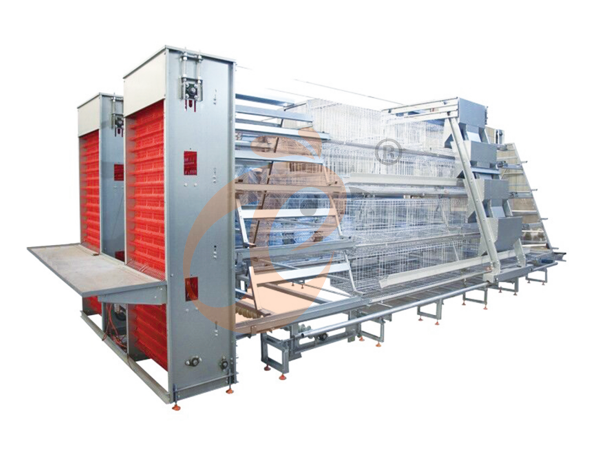
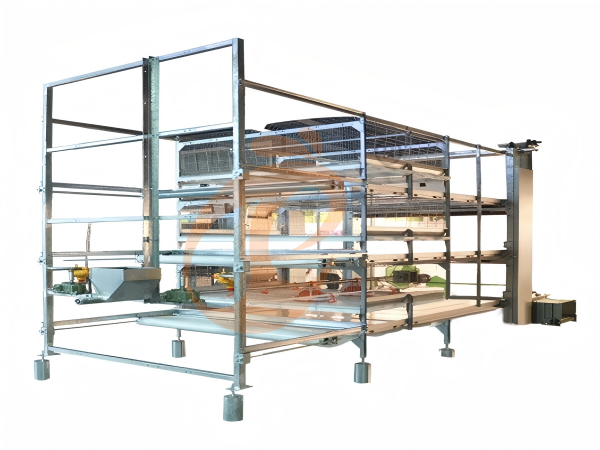
 >30,000 Pullets Automatic H Type Battery Cage1. More than 30,000 pullets a house, choose it.
2. It is designed to rearing older than 1 day old pullets to 12 to 16 weeks old chicken starting laying eggs.
3. Its lifespan is more than 25 years.
4. Its structure are Vcloud artificial intelligent fusion, electric control cabinet, automatic equipment of drinking, feeding, manure clean, manual harvesting.
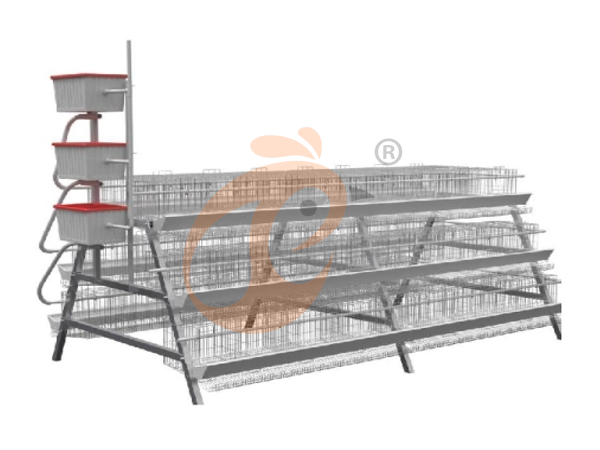
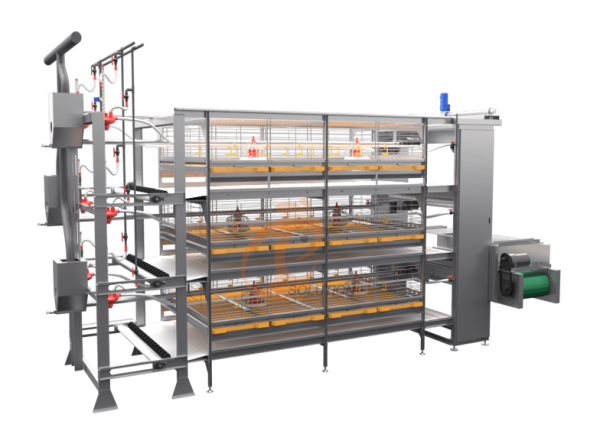
5. Our 24 hour online reception What’sApp NO. is +8618830120193 <30,000 Pullets Automatic A Type Battery Cage1. 10,000 to 30,000 pullets a house, choose it.
2. It is designed to rearing older than 1 day old pullets to 12 to 16 weeks old chicken starting laying eggs.
3. Its lifespan is more than 25 years.
4. Its structure are Vcloud artificial intelligent fusion, electric control cabinet, automatic equipment of drinking, feeding, manure clean, manual harvesting.
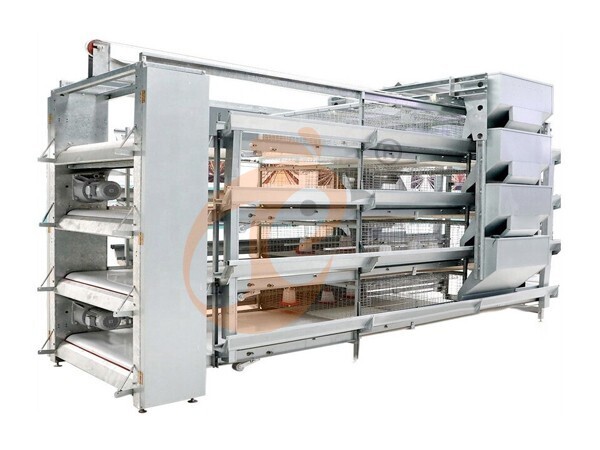
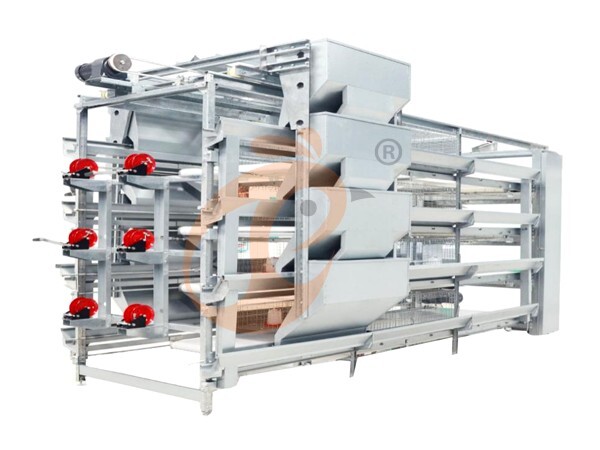
5. Our 24 hour online reception What’sApp NO. is +86 18830120193. >30,000 Broilers Semi-Automatic Harvest H Type Battery Cage1. More than 30,000 broilers a house, choose it.
2. It is designed to rearing 1 to 45 day old adult broiler ready for market.
3. Its lifespan is more than 20 years.
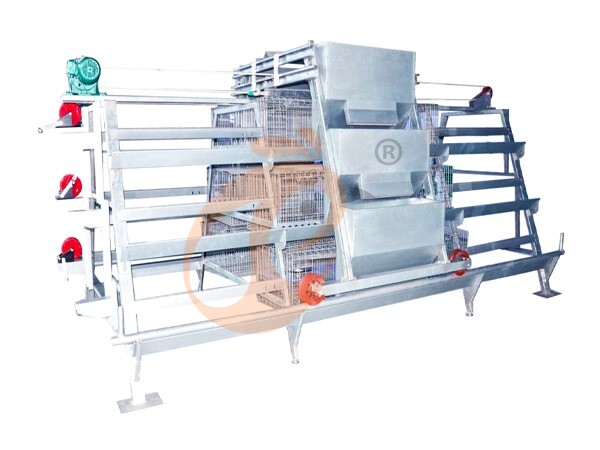
4. Our 24 hour online reception What’sApp NO. is +8618830120193, +234 8111199996. >30,000 Broilers Manual Harvest H Type Battery Cage1. More than 30,000 broilers a house, choose it.
2. It is designed to rearing 1 to 45 day old adult broiler ready for market.
3. Its lifespan is more than 20 years.
4. Its structure are Vcloud artificial intelligent fusion, electric control cabinet, automatic equipment of drinking, feeding and manure clean, manual harvesting.
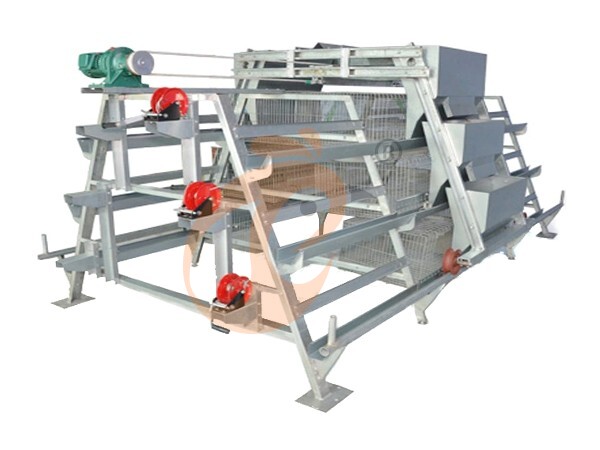
5. Our 24 hour online reception What’sApp NO. is +8618830120193, +234 8111199996. <30,000 Broilers Manual Harvest A Type Battery Cage1. Less 30,000 broilers a house, choose it.
2. It is designed to rearing 1 to 45 day old adult broiler ready for market.
3. Its lifespan is more than 20 years.
4. Its structure are Vcloud artificial intelligent fusion, electric control cabinet, automatic equipment of drinking, feeding and manure clean, manual harvesting.
5. Our 24 hour online reception What’sApp NO. is +8618830120193, +234 8111199996. HK Headquarter Offers EU-standard Poultry Farm Solutions, Manufacture Poultry Farm Equipment1. Continuous communication with the EU and the US
2. China, Nigeria, Ethiopia, Tanzania branch companies and factories
3. The products’ quality is customized for local poultry farms
4. Poultry cage and poultry farm equipment stock for sale
5. 24 online reception Whatsapp NO. : +8618830120193,contact us to get full information China Branch Offer Poultry Farm Business Plan, Manufacture Poultry Farm Equipment1. Address: Flat/RM 2416, 24/F, Runxing Building, Youyi Nan Street, Shijiazhuang City, Hebei Province, China
2. Poultry cage and poultry farm equipment factory and stock for sale
3. Customized for local poultry farms
4. Quality and design are based on Euro
5. 24 online reception Whatsapp NO. : +8618830120193 Nigeria Branch Offer Poultry Farm Business Plan, Manufacture Poultry Farm Equipment1. Address: After Sinoma Office, 200 Meters Near Danco Filling Station, Lagos/Ibadan Expressway, Lagos State, Nigeria
2. Poultry cage and poultry farm equipment factory and stock for sale
3. Customized for Nigerian poultry farms
4. Quality and design are based on Euro
5. 24 online reception Whatsapp NO. : +8618830120193 Ethiopia Branch Offer Poultry Farm Business Plan, Manufacture Poultry Farm Equipment1. Address: Gelan Gura, Akaki-kaliti Sub City, Addis Ababa, Ethiopia
2. Poultry cage and poultry farm equipment stock for sale
3. Customized for Ethiopian poultry farms
4. Quality and design are based on Euro
5. 24 online reception Whatsapp NO. : +8618830120193, contact us to get price list Tanzania Branch Offer Poultry Farm Business Plan, Manufacture Poultry Farm Equipment1. Address: No.8, Sova Road, Msufini, Mlandizi, Kibaha, Pwani, Tanzania
2. Poultry cage and poultry farm equipment factory and stock for sale
3. Customized for Tanzanian poultry farms
4. Quality and design are based on Euro
5. 24 online reception Whatsapp NO. : +8618830120193


Contact