


Blog
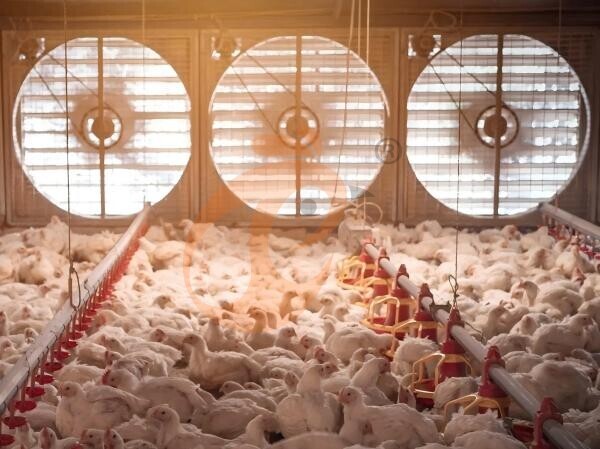
High-density poultry production facilities generate continuous manure discharge streams under controlled environmental conditions and fixed stocking density parameters.
Engineering manure handling infrastructure integrates belt conveyor assemblies, chain scraper drive systems, hydraulic flushing networks, solid-liquid separation modules, thermal drying equipment, and anaerobic digestion reactors.
Industrial manure treatment architecture stabilizes organic waste streams through mechanical transport, phase separation, and biochemical conversion processes.
System configuration determines mass throughput capacity, energy consumption intensity, nutrient retention ratio, and emission control performance under commercial poultry production loads.
Integrated manure management engineering stabilizes operational continuity, reduces ammonia emission concentration typically within 15–40 ppm indoor range, and improves fertilizer recovery yield across large-scale chicken housing structures.
Get professional poultry farm construction guidance, equipment selection solutions, and the latest price lists, whatsApp to +8618830120193, click to learn more:
Poultry Manure System Categories
Data is for reference only.Swipe horizontally to view full table.
Industrial configuration selection depends on manure physical state, hydraulic availability, and energy allocation structure within poultry production systems.
Belt Manure Removal Systems
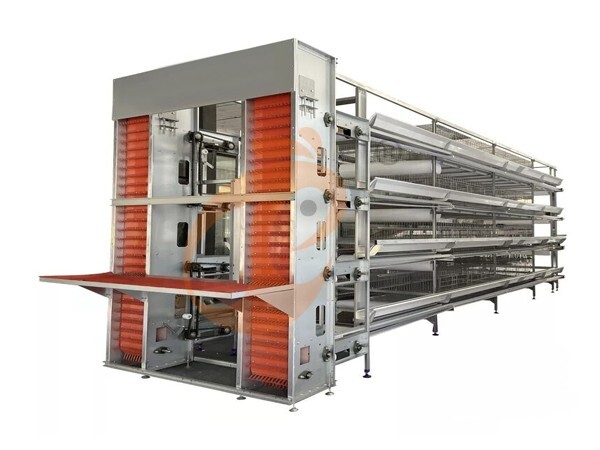
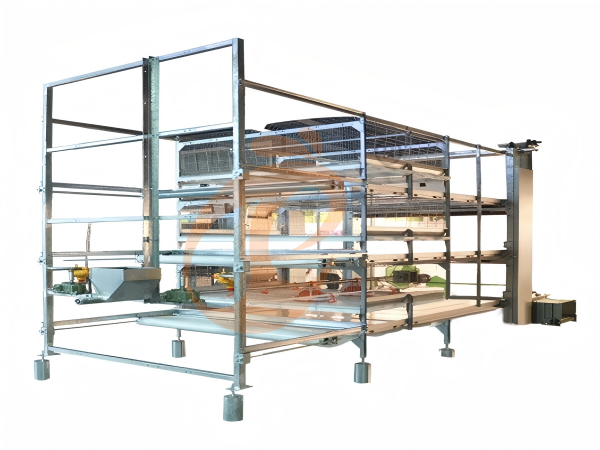
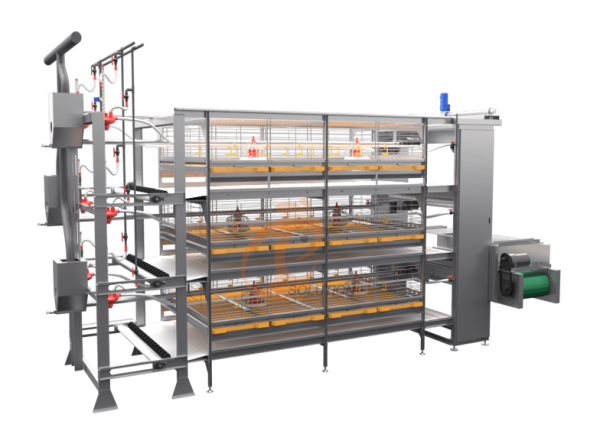
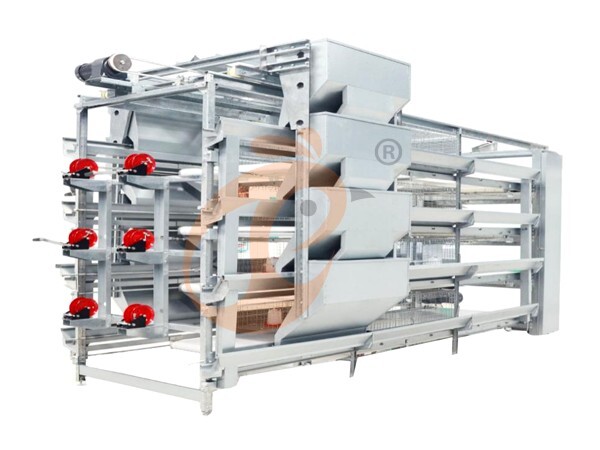
Belt conveyor manure removal systems operate through polypropylene conveyor layers installed beneath multi-tier cage structures.
Manure discharge occurs through continuous mechanical transport toward centralized collection shafts.
System integration synchronizes feeding lines, egg collection conveyors, and environmental ventilation controls within unified production automation architecture.
Operational moisture content of fresh manure on belt surface typically ranges between 70–78%, decreasing by 6–10 percentage points after 24-hour passive aeration.
Collected manure volume stabilization reduces ammonia volatilization rate by approximately 20–35% compared with floor accumulation systems.
Data is for reference only.Swipe horizontally to view full table.
System performance depends on conveyor velocity stability, discharge frequency control, and mechanical load distribution across drive units.
Chain Scraper Manure Removal Systems
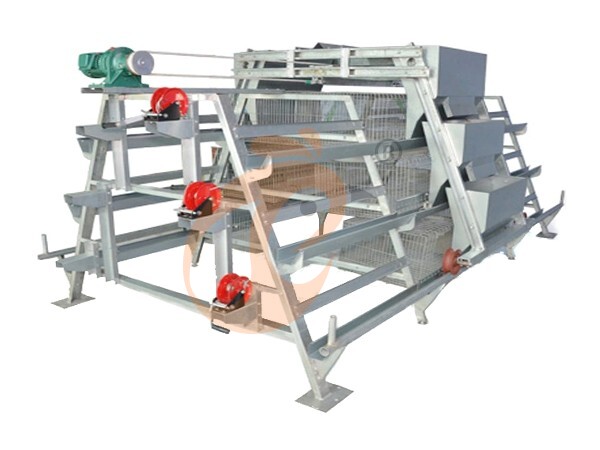
Chain scraper systems utilize steel chain drive assemblies coupled with rigid scraper blades installed along poultry house alley floors.
Mechanical traction displacement transfers manure toward collection pits through linear motion cycles.
System installation requires reinforced concrete alley foundations with compressive strength typically above 30 MPa to withstand repeated abrasion loading.
Operational manure thickness accumulation before scraping cycle generally ranges from 3–8 cm depending on stocking density and ventilation rate.
System abrasion rate increases under litter sand contamination exceeding 12–18% dry mass fraction.
Data is for reference only.Swipe horizontally to view full table.
Water Flush Poultry Manure Systems
Hydraulic flush systems transport manure using pressurized water flow through sealed underground pipeline networks.
System architecture includes pump stations, flow regulators, sedimentation basins, and wastewater recirculation units.
Hydraulic transport velocity typically ranges from 1.2–2.8 m/s depending on pipe diameter and pump head configuration.
Daily wastewater recirculation ratio in optimized designs reaches 60–85% after sedimentation and filtration stages.
System deployment requires downstream biochemical oxygen demand reduction below 200 mg/L for discharge compliance.
Data is for reference only.Swipe horizontally to view full table.
Screw Press Solid-Liquid Separation Systems
Screw press separation equipment processes poultry manure slurry through compression and filtration mechanics using helical screw geometry.
Applied pressure typically ranges from 0.3–0.8 MPa depending on feed concentration and screw configuration.
Solid fraction dry matter content after separation increases to 28–42% depending on inlet slurry composition.
Liquid fraction nitrogen concentration ranges between 800–1800 mg/L requiring downstream nutrient recovery or dilution.
Separation efficiency directly influences drying energy demand reduction by 25–45% in integrated systems.
Data is for reference only.Swipe horizontally to view full table.
Belt Drying Systems For Poultry Manure
Thermal belt drying systems reduce moisture content through staged airflow distribution and controlled thermal energy input across conveyor drying layers.
Drying air temperature stability is maintained within ±3°C to prevent nitrogen volatilization losses.
Moisture reduction kinetics typically follow 0.8–1.5% per hour depending on airflow velocity and layer thickness.
System integration with waste heat recovery units reduces external energy demand by approximately 18–30%.
Drying output stabilizes pathogen reduction rate above 90% under continuous operation cycles.
Data is for reference only.Swipe horizontally to view full table.
Poultry Manure Biogas Digestion Systems
Anaerobic digestion reactors convert poultry manure into methane-rich biogas through controlled microbial degradation pathways under oxygen-free conditions.
Methane concentration in biogas output typically ranges between 55–65% under stable carbon-to-nitrogen ratio control.
Hydraulic retention time stability directly influences gas yield fluctuation range within ±10–18% variation band.
Gas desulfurization systems reduce hydrogen sulfide concentration below 200 ppm for generator compatibility.
Energy recovery systems convert waste organic load into electrical and thermal energy outputs.
Data is for reference only.Swipe horizontally to view full table.
Scientific Overview: Poultry Manure Composition And Transformation
Chicken manure composition includes uric acid nitrogen compounds, ammonium salts, phosphate minerals, potassium ions, and microbial biomass fractions.
Uric acid hydrolysis produces ammonia release under aerobic exposure conditions, influencing emission concentration levels in poultry housing environments.
Ammonia volatilization rate increases significantly when ambient humidity exceeds 75% and ventilation velocity drops below 0.5 m/s.
Anaerobic microbial metabolism converts organic carbon into methane under sealed reactor conditions.
Material rheology determines transport system selection between slurry pumping systems and dry conveyor transport systems.
Nutrient retention efficiency depends on processing interval control, oxygen exposure limitation, and thermal stabilization rate.
Engineering Selection Parameters For Poultry Farms
Data is for reference only.Swipe horizontally to view full table.
Cost Structure And Lifecycle Engineering Value
Poultry manure system lifecycle spans 10–15 years under industrial operating conditions.
Belt systems require minimal civil modification and support modular installation.
Biogas systems require reinforced concrete reactors, gas sealing structures, and combustion safety systems.
Capital structure includes mechanical procurement, pipeline engineering, electrical control systems, and scheduled preventive maintenance cycles.
Revenue streams include fertilizer commercialization, electricity export, and carbon emission credit allocation under environmental regulation frameworks.
Frequently Asked Questions
Q1: What defines belt system suitability for layer poultry houses?
Belt conveyor systems process 8000–25000 kg/day per production line and integrate directly with cage stacking structures.
Q2: What output scale is achievable from biogas digestion systems?
3000 m³ digestion systems generate 900–1800 m³/day biogas with electricity output up to 3500 kWh/day.
Q3: What determines selection between scraper and flush systems?
Scraper systems require mechanical traction infrastructure, flush systems require 30–120 m³/day hydraulic flow capacity and wastewater treatment integration.
Taiyu (HK) Group - One Of China Largest Belt Conveyor Manure Removal Systems Manufacturer
Belt conveyor manure removal system engineered for industrial poultry cage production with continuous discharge automation architecture.
Global manufacturing supply chain supports standardized poultry equipment integration and large-scale livestock facility deployment.
Poultry cage system production integrates manure belt transport, feeding automation, and environmental control synchronization engineering.
Turn-key poultry farm engineering covers structural design, equipment installation, commissioning, and full operational integration delivery.
Industrial manufacturing capacity supports large-scale poultry production modernization with standardized engineering execution systems.
Contact Us To Received Your Customized Poultry Farm Plan
Headquarters And Branchs

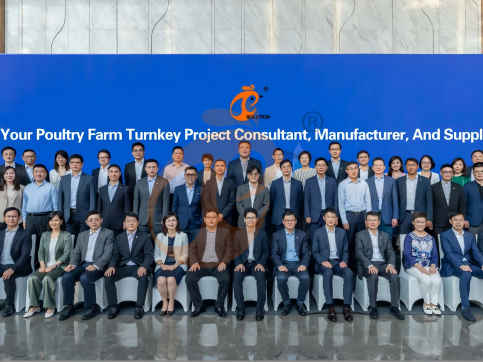
Hong Kong Headquarter Management Team
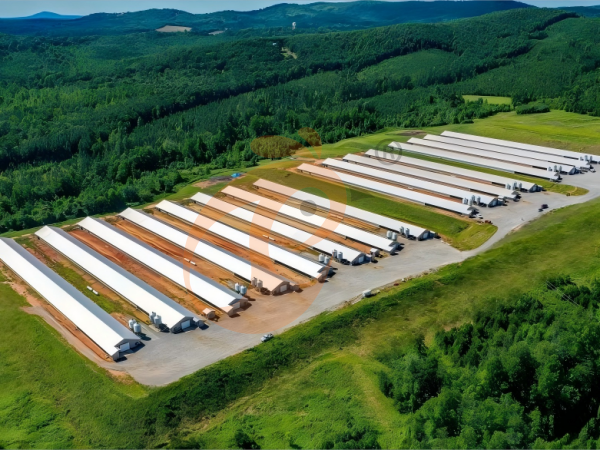
Hong Kong Headquarter Taiyu Industrial Group CO., LTD
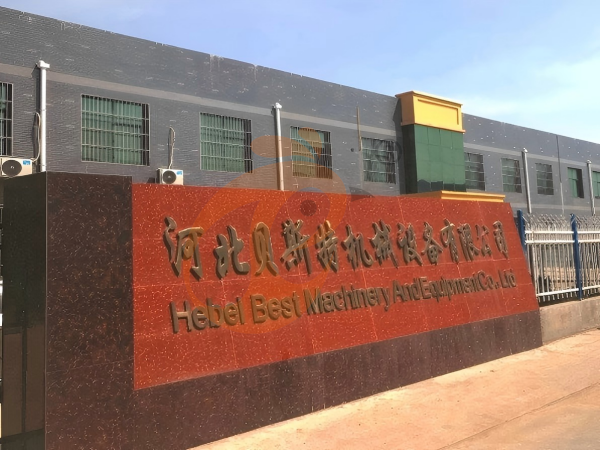
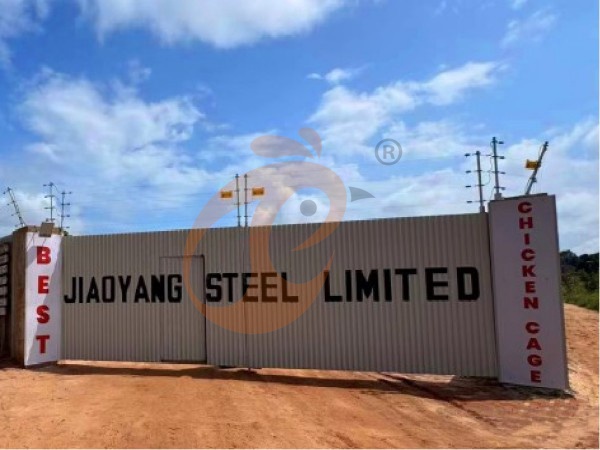
China Hebei Best Machinery And Equipment CO., LTD
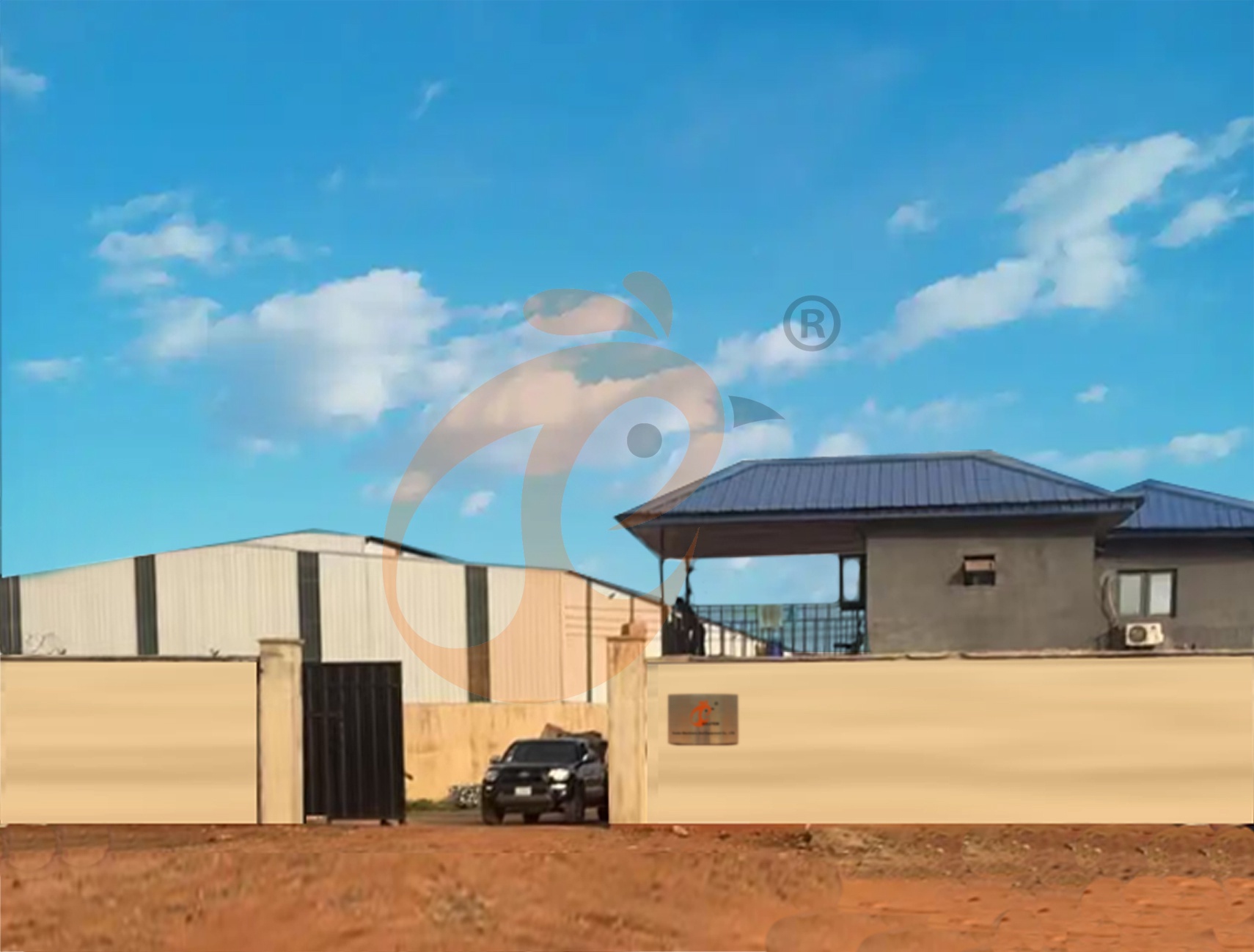
Nigeria Vanke Machinery And Equipment CO., LTD
Tanzania Best Machinery And Equipment CO., LTD
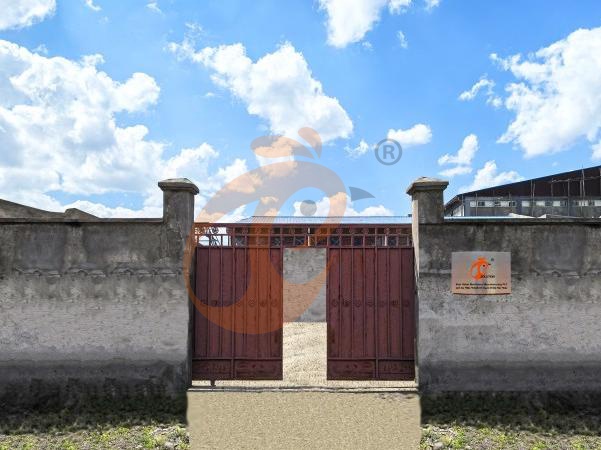
Ethiopia Best Hebei Machinery Manufacturing PLC




Reception /24 WhatsApp NO. : +8618830120193
FAQ
What Maintenance Intervals Are Required For Poultry Manure Removal Equipment?
Lubrication of drive components every 200 hours reduces mechanical wear rates by 30–45%, extending gearbox lifespan beyond 15,000 operational hours under continuous poultry house conditions.
Full system inspection every 30 days identifies corrosion levels under 5% surface degradation, ensuring structural integrity in high humidity environments exceeding 70% relative humidity.
What Are The Environmental Benefits Of Efficient Manure Hygiene Equipment In Poultry Farms?
Dry matter recovery rates increase to 65–75%, enabling manure reuse as fertilizer with nutrient retention of 2.5–3.5% nitrogen content in processed poultry waste streams.
Greenhouse gas emissions decrease by 20–35% through reduced anaerobic decomposition, lowering methane output from manure storage areas across farms managing over 50,000 chickens.
What Is The Optimal Belt Width For Manure Removal Systems In Poultry Chicken Houses?
Wider belts above 100 cm reduce overflow risk by 25–30%, ensuring stable transport in multi-tier cage systems exceeding 4 vertical levels.
Material thickness of 1.2–2.0 mm enhances tensile strength up to 1800 N/m, maintaining durability across 10,000–12,000 operating cycles annually.
- poultry farm
- poultry farms
- poultry house
- poultry cage
- cage
- poultry farm construction
- poultry cage system
- poultry cage production
- poultry equipment
- manure removal system
- chickencage
- bestchickencage
- cage system
- h cage
- Nigeria
- layer farm
- broiler farm
- poultry manure management system
- poultry manure management
- egg collection conveyor
- poultry farm plan
- poultry manure system
- Ethiopia
Message
Products recommended
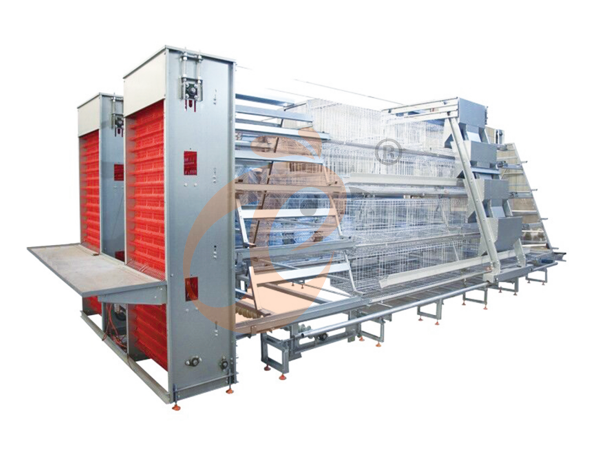
 >30,000 Pullets Automatic H Type Battery Cage1. More than 30,000 pullets a house, choose it.
2. It is designed to rearing older than 1 day old pullets to 12 to 16 weeks old chicken starting laying eggs.
3. Its lifespan is more than 25 years.
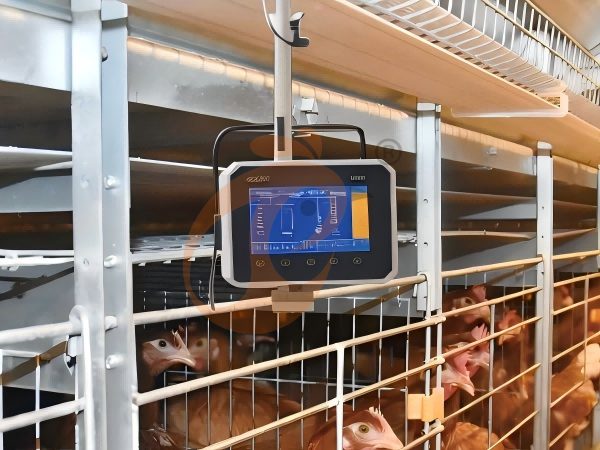
4. Its structure are Vcloud artificial intelligent fusion, electric control cabinet, automatic equipment of drinking, feeding, manure clean, manual harvesting.
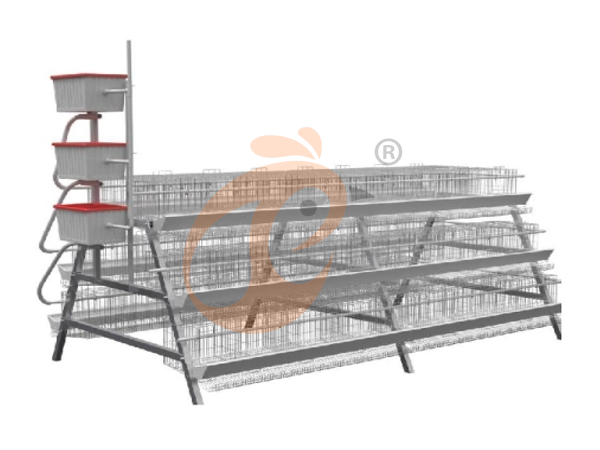
5. Our 24 hour online reception What’sApp NO. is +8618830120193 <30,000 Pullets Automatic A Type Battery Cage1. 10,000 to 30,000 pullets a house, choose it.
2. It is designed to rearing older than 1 day old pullets to 12 to 16 weeks old chicken starting laying eggs.
3. Its lifespan is more than 25 years.
4. Its structure are Vcloud artificial intelligent fusion, electric control cabinet, automatic equipment of drinking, feeding, manure clean, manual harvesting.
5. Our 24 hour online reception What’sApp NO. is +86 18830120193. >30,000 Broilers Semi-Automatic Harvest H Type Battery Cage1. More than 30,000 broilers a house, choose it.
2. It is designed to rearing 1 to 45 day old adult broiler ready for market.
3. Its lifespan is more than 20 years.
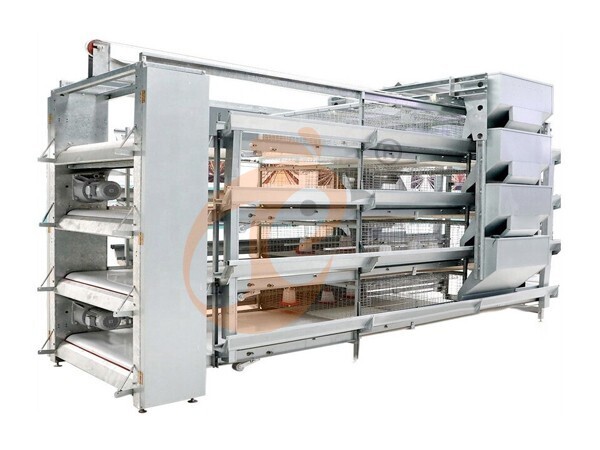
4. Our 24 hour online reception What’sApp NO. is +8618830120193, +234 8111199996. >30,000 Broilers Manual Harvest H Type Battery Cage1. More than 30,000 broilers a house, choose it.
2. It is designed to rearing 1 to 45 day old adult broiler ready for market.
3. Its lifespan is more than 20 years.
4. Its structure are Vcloud artificial intelligent fusion, electric control cabinet, automatic equipment of drinking, feeding and manure clean, manual harvesting.
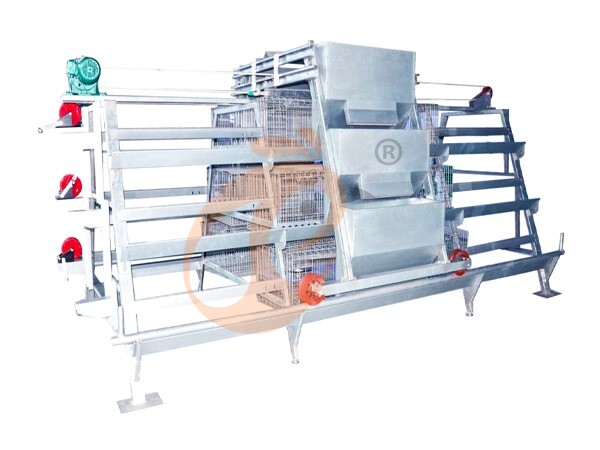
5. Our 24 hour online reception What’sApp NO. is +8618830120193, +234 8111199996. <30,000 Broilers Manual Harvest A Type Battery Cage1. Less 30,000 broilers a house, choose it.
2. It is designed to rearing 1 to 45 day old adult broiler ready for market.
3. Its lifespan is more than 20 years.
4. Its structure are Vcloud artificial intelligent fusion, electric control cabinet, automatic equipment of drinking, feeding and manure clean, manual harvesting.
5. Our 24 hour online reception What’sApp NO. is +8618830120193, +234 8111199996. HK Headquarter Offers EU-standard Poultry Farm Solutions, Manufacture Poultry Farm Equipment1. Continuous communication with the EU and the US
2. China, Nigeria, Ethiopia, Tanzania branch companies and factories
3. The products’ quality is customized for local poultry farms
4. Poultry cage and poultry farm equipment stock for sale
5. 24 online reception Whatsapp NO. : +8618830120193,contact us to get full information China Branch Offer Poultry Farm Business Plan, Manufacture Poultry Farm Equipment1. Address: Flat/RM 2416, 24/F, Runxing Building, Youyi Nan Street, Shijiazhuang City, Hebei Province, China
2. Poultry cage and poultry farm equipment factory and stock for sale
3. Customized for local poultry farms
4. Quality and design are based on Euro
5. 24 online reception Whatsapp NO. : +8618830120193 Nigeria Branch Offer Poultry Farm Business Plan, Manufacture Poultry Farm Equipment1. Address: After Sinoma Office, 200 Meters Near Danco Filling Station, Lagos/Ibadan Expressway, Lagos State, Nigeria
2. Poultry cage and poultry farm equipment factory and stock for sale
3. Customized for Nigerian poultry farms
4. Quality and design are based on Euro
5. 24 online reception Whatsapp NO. : +8618830120193 Ethiopia Branch Offer Poultry Farm Business Plan, Manufacture Poultry Farm Equipment1. Address: Gelan Gura, Akaki-kaliti Sub City, Addis Ababa, Ethiopia
2. Poultry cage and poultry farm equipment stock for sale
3. Customized for Ethiopian poultry farms
4. Quality and design are based on Euro
5. 24 online reception Whatsapp NO. : +8618830120193, contact us to get price list Tanzania Branch Offer Poultry Farm Business Plan, Manufacture Poultry Farm Equipment1. Address: No.8, Sova Road, Msufini, Mlandizi, Kibaha, Pwani, Tanzania
2. Poultry cage and poultry farm equipment factory and stock for sale
3. Customized for Tanzanian poultry farms
4. Quality and design are based on Euro
5. 24 online reception Whatsapp NO. : +8618830120193


Contact