


Blog
Free range poultry farming cost analysis supports accurate budgeting and long-term production planning.
Maintenance expenditure affects profitability, flock performance, and resource allocation throughout production cycles.
Infrastructure durability influences operational continuity, equipment lifespan, and annual repair requirements.
Health management programs contribute to disease prevention, productivity stability, and economic efficiency.
Practical cost-control strategies assist producers in balancing welfare standards with commercial performance.
Get professional poultry farm construction guidance, equipment selection solutions, and the latest price lists, whatsApp to +8618830120193, click to learn more:
Understanding Free-Range Poultry Systems
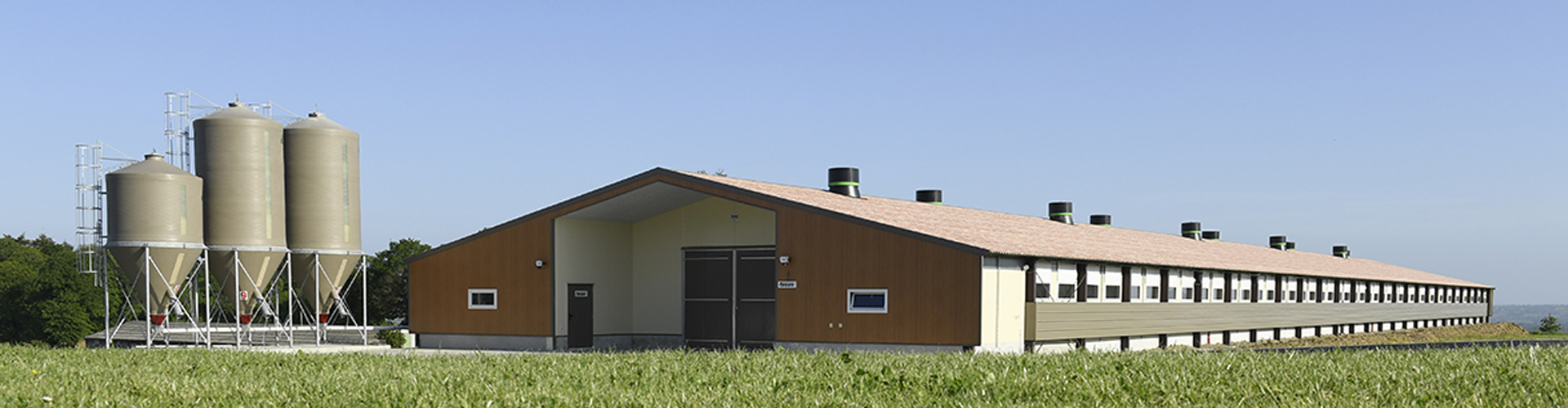
A free-range poultry system allows birds to move within designated outdoor areas during daytime periods while returning to protected
shelters for feeding, egg laying, and overnight security.
Data is for reference only. Swipe horizontally to view full table.
Commercial operations commonly use rotational outdoor areas to improve land utilization and reduce environmental pressure.
Natural forage can supplement nutrition, but formulated feed remains the primary dietary component in most production systems.
Why Maintenance Costs Matter
Understanding poultry farm operating expenses is essential for maintaining healthy profit margins.
Many producers focus heavily on initial investment while underestimating annual maintenance expenditure.
Daily operational costs directly influence long-term business performance and determine economic sustainability.
Data is for reference only. Swipe horizontally to view full table.
Feed remains the dominant cost component in most commercial operations.
Infrastructure maintenance, labor efficiency, and health management also contribute significantly to annual expenditure.
Feed Management Costs
Free-range birds are generally more active than confined flocks.
Increased movement creates additional energy requirements and influences overall feed consumption.
Data is for reference only. Swipe horizontally to view full table.
European union standard reference only.
Although birds consume insects, grass, and seeds during outdoor access periods, formulated feed remains responsible for most nutrient intake.
Feed efficiency therefore has a major influence on annual production costs.
Feed Efficiency Improvement
Feed utilization directly affects profitability.
Small improvements in feed management often generate substantial annual savings.
Recommended practices include
- Using anti-spill feeding systems.
- Protecting feed from moisture contamination.
- Monitoring feed conversion performance.
- Adjusting feeding schedules according to age groups.
- Maintaining accurate feed inventory records.
Consistent feed monitoring helps producers identify inefficiencies before they affect overall production economics.
Housing Maintenance Expenses
Housing infrastructure protects flocks from predators, rainfall, excessive heat, and seasonal weather variation.
Proper shelter maintenance supports animal welfare and production stability.
Data is for reference only. Swipe horizontally to view full table.
Well-maintained housing reduces stress, improves egg production performance, and minimizes emergency repair costs.
Preventive Housing Maintenance
Preventive maintenance programs generally cost less than emergency structural repairs.
Advantages include
- Extended building lifespan.
- Reduced annual repair expenditure.
- Improved environmental control.
- Better flock comfort.
- Lower operational interruptions.
Maintenance records should be updated regularly to support long-term asset management.
Fencing And Range Management Costs
Outdoor access areas require durable fencing systems capable of reducing predator pressure and maintaining flock security.
Range management also influences pasture quality and environmental sustainability.
Data is for reference only. Swipe horizontally to view full table.
Regular inspections help identify damaged sections before security risks increase.
Weather conditions, wildlife activity, and vegetation growth can all affect fence performance.
Rotational Grazing Management
Rotational grazing is widely used in modern free range chicken management systems.
Benefits include
- Improved pasture recovery.
- Better vegetation utilization.
- Reduced soil compaction.
- Lower parasite exposure.
- Enhanced environmental sustainability.
Data is for reference only. Swipe horizontally to view full table.
Effective pasture rotation supports both flock health and long-term land productivity.
Labor Costs In Free Range Systems
Operational labor structures require continuous monitoring, environmental management, and biological cycle supervision.
Labor productivity benchmarks indicate that one trained worker can manage approximately 1,500–2,500 birds depending on automation level and housing layout.
Data is for reference only. Swipe horizontally to view full table.
Labor costs significantly influence total operational expenditure, especially in systems with manual egg collection and rotational grazing.
Automation systems can reduce workload intensity and stabilize long-term staffing requirements.
Veterinary And Health Management Costs
Disease pressure in free-range systems is generally higher due to soil exposure and wildlife interaction.
Preventive health programs reduce outbreak probability and improve flock survival rates.
Data is for reference only. Swipe horizontally to view full table.
Structured health control reduces mortality variation and stabilizes production cycles across seasonal conditions.
Preventive Health Management
Recommended operational measures include
Scheduled vaccination programs
Controlled visitor access systems
Clean water sanitation protocols
Early isolation procedures
Routine parasite monitoring
Utility And Equipment Maintenance Costs
Utility systems and mechanical equipment require continuous servicing to maintain stable farm operations.
Data is for reference only. Swipe horizontally to view full table.
Regular maintenance reduces breakdown frequency and improves long-term equipment lifecycle efficiency.
Data is for reference only. Swipe horizontally to view full table.
Energy optimization strategies can reduce operational variability and improve cost predictability.
Educational Insight: Why Free-Range Birds Cost More To Raise
Outdoor production systems require larger land allocation, higher labor input, and additional infrastructure investment.
Bird mobility increases metabolic energy demand, resulting in higher feed consumption per production cycle.
Data is for reference only. Swipe horizontally to view full table.
Economic structure differences explain pricing variation between production systems in commercial markets.
Environmental Maintenance Costs
Environmental control directly impacts pasture sustainability and long-term operational stability.
Data is for reference only. Swipe horizontally to view full table.
Environmental maintenance includes vegetation control, drainage optimization, and manure handling systems.
Annual Maintenance Planning
Structured planning improves financial predictability and infrastructure lifecycle performance.
Data is for reference only. Swipe horizontally to view full table.
Preventive strategies consistently outperform reactive repair models in long-term cost control.
Frequently Asked Questions
Q1: What is the average annual maintenance cost per bird?
Annual maintenance expenditure typically ranges from $6.00 to $12.00 per bird depending on climate, stocking density, and infrastructure quality.
Q2: How often should free-range fencing be inspected?
Inspection cycles are commonly performed every 7 to 14 days to ensure structural integrity and predator protection.
Q3: Does rotational grazing reduce operating expenses?
Rotational grazing improves pasture recovery efficiency by approximately 15%–25% and reduces parasite management costs over time.
Taiyu (HK) Group - One Of China Largest Free Range Poultry System Manufacturer
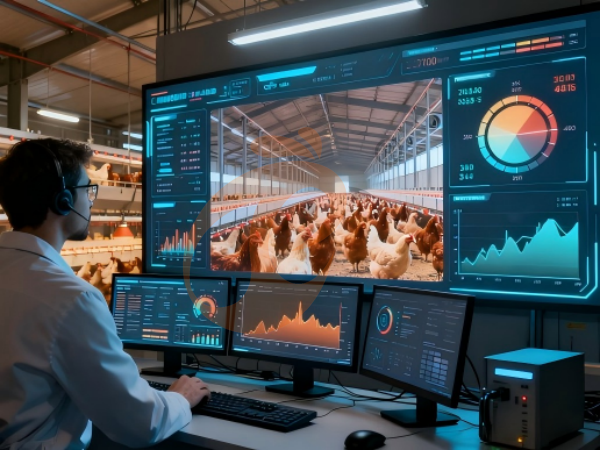
Free-range production projects require integrated systems covering housing, feeding, watering, ventilation, and land rotation management for stable output.
Factory-direct manufacturing supports standardized production control, scalable capacity, and consistent engineering quality for global projects.
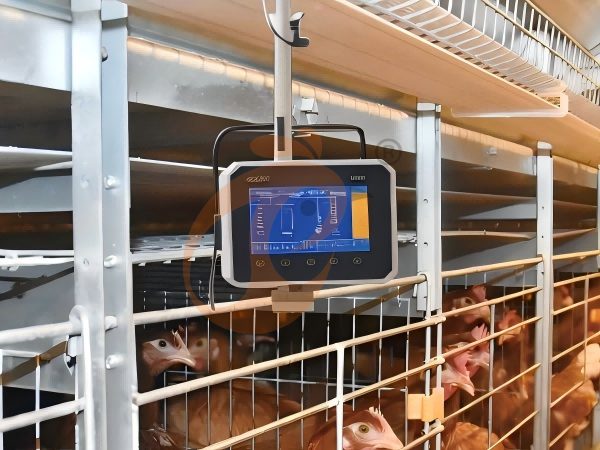
Poultry equipment systems include automated feeding lines, drinking systems, ventilation units, and manure handling modules for commercial operations.
Turn-key engineering services provide design consultation, equipment integration, installation guidance, and commissioning support for full project execution.
Export supply capability supports large-scale agricultural deployments across multiple international markets with technical documentation and system training.
Contact Us To Received Your Customized Poultry Farm Plan
Headquarters And Branchs

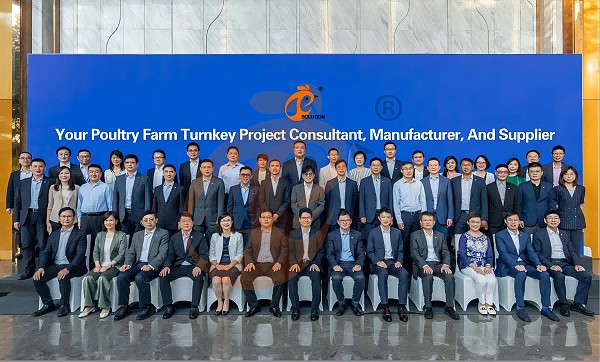
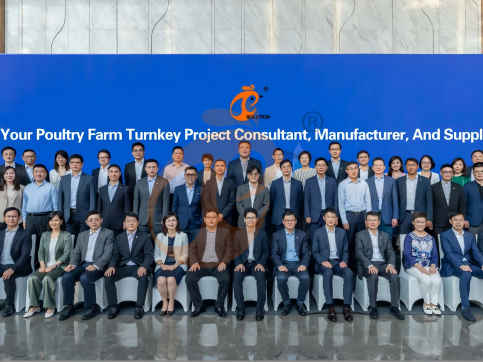
Hong Kong Headquarter Management Team
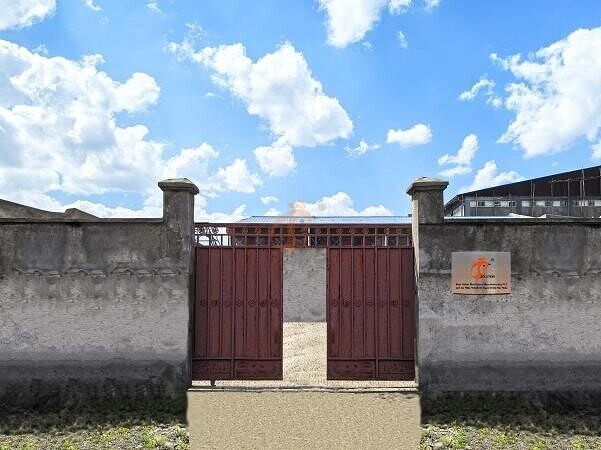
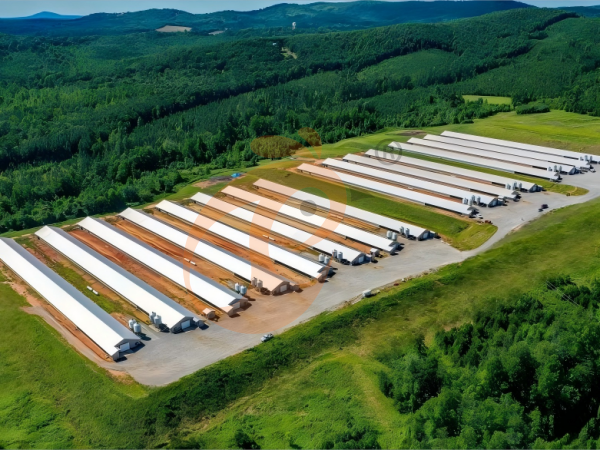
Hong Kong Headquarter Taiyu Industrial Group CO., LTD
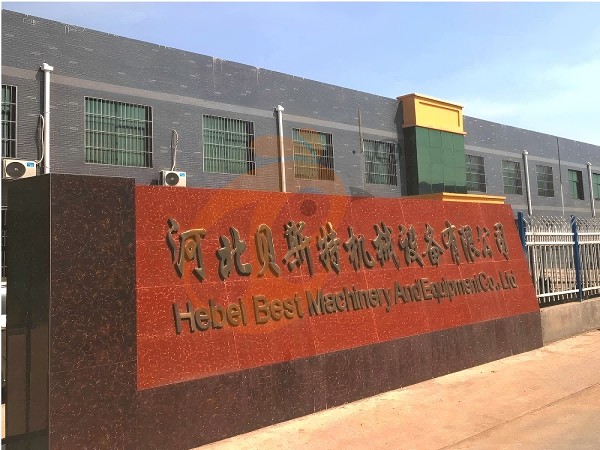
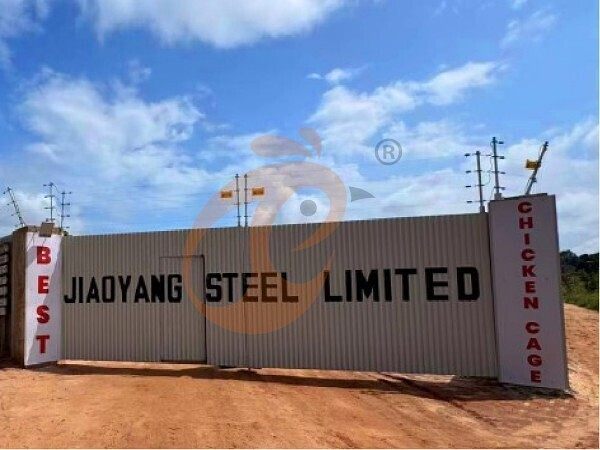
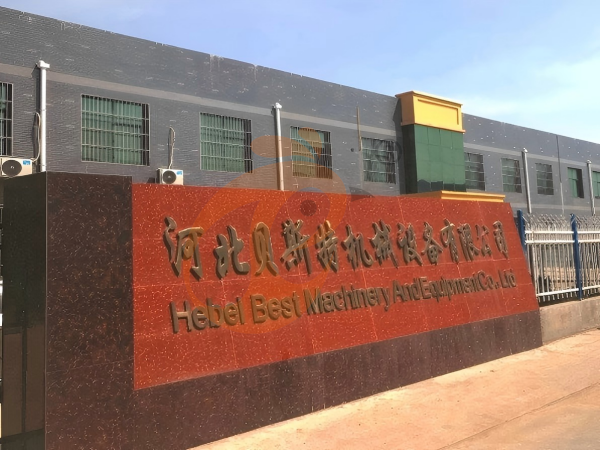
China Hebei Best Machinery And Equipment CO., LTD
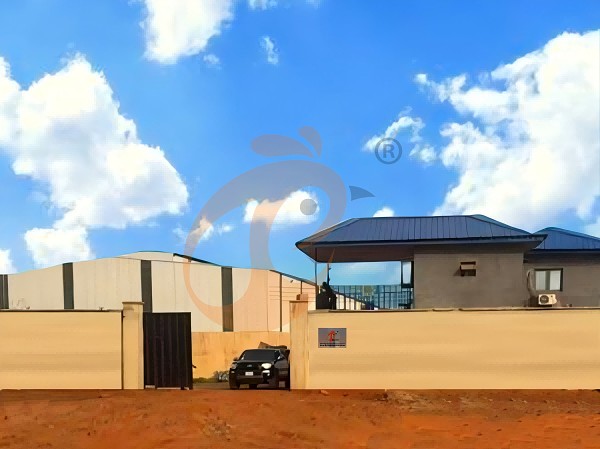
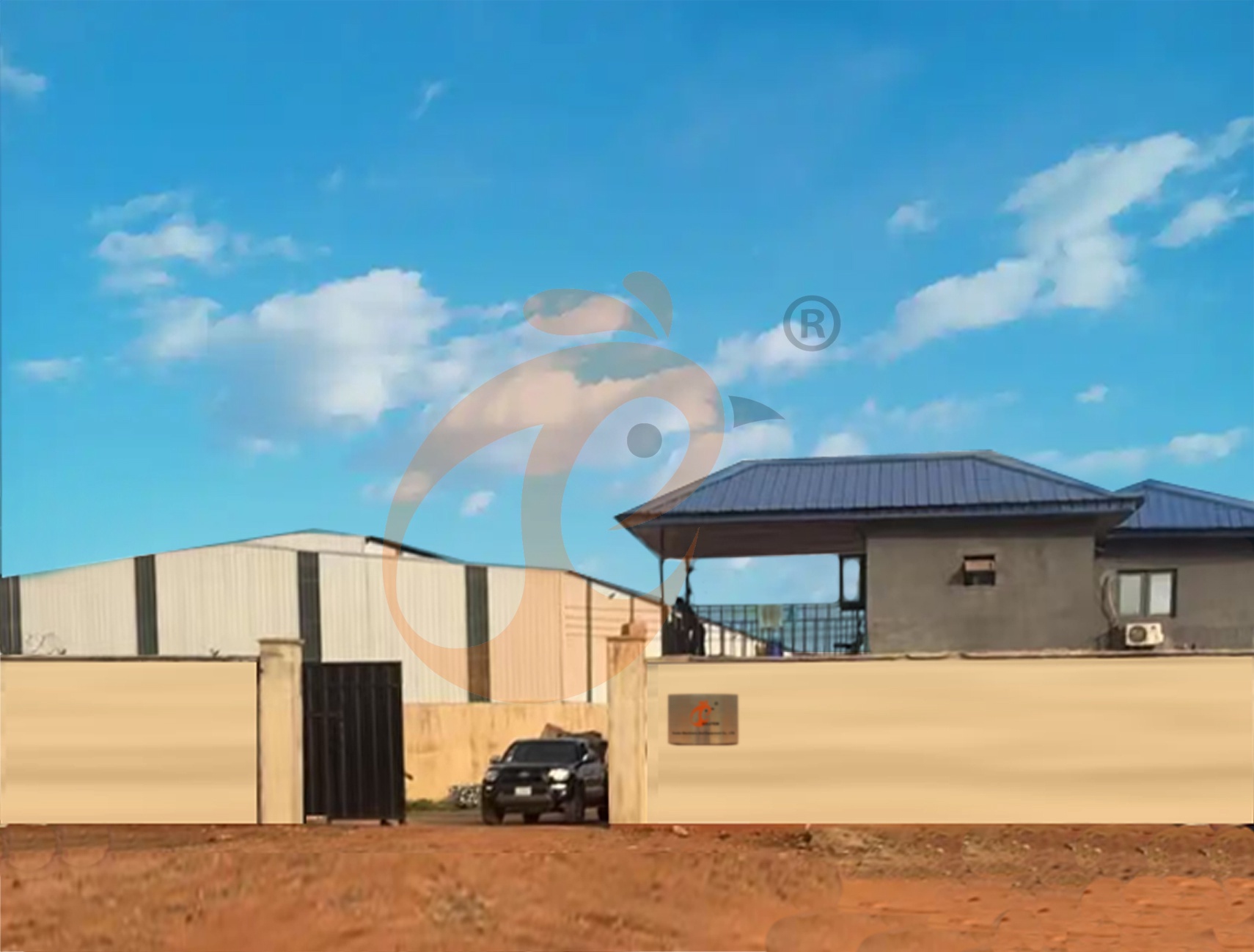
Nigeria Vanke Machinery And Equipment CO., LTD
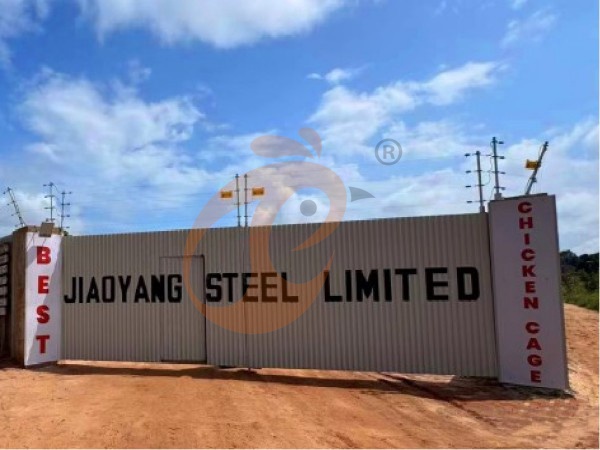
Tanzania Best Machinery And Equipment CO., LTD
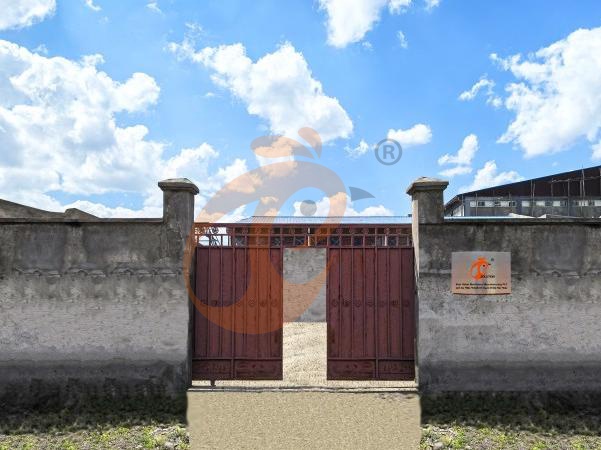
Ethiopia Best Hebei Machinery Manufacturing PLC
Reception /24 WhatsApp NO. : +8618830120193
FAQ
Message
Products recommended
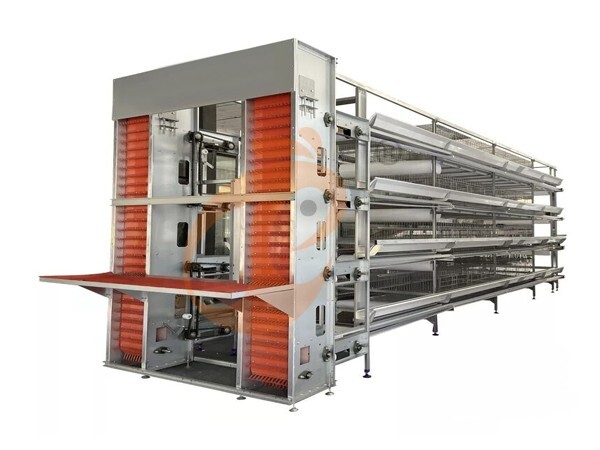
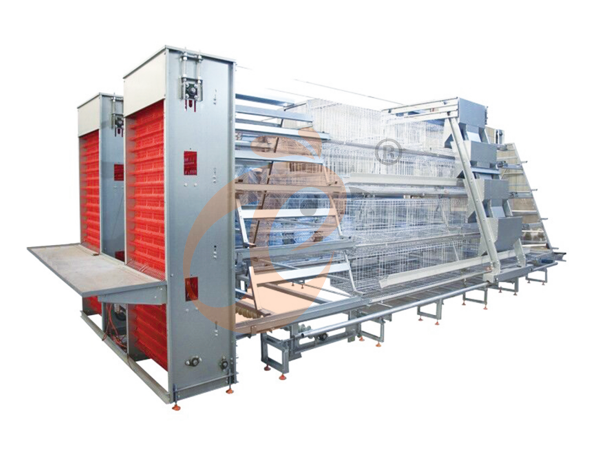
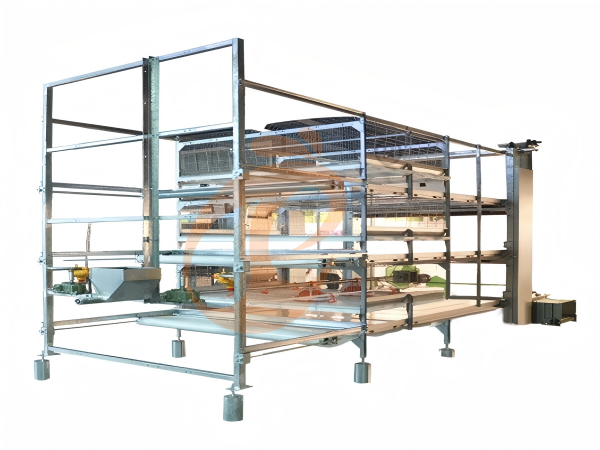
 >30,000 Pullets Automatic H Type Battery Cage1. More than 30,000 pullets a house, choose it.
2. It is designed to rearing older than 1 day old pullets to 12 to 16 weeks old chicken starting laying eggs.
3. Its lifespan is more than 25 years.
4. Its structure are Vcloud artificial intelligent fusion, electric control cabinet, automatic equipment of drinking, feeding, manure clean, manual harvesting.
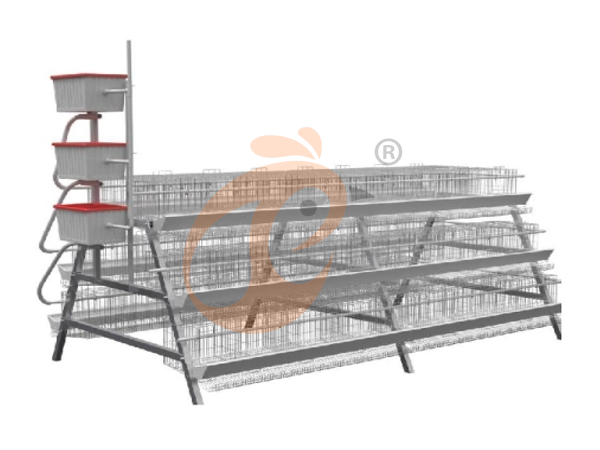
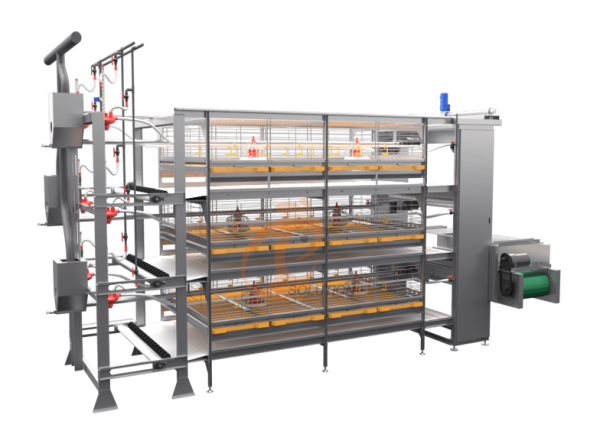
5. Our 24 hour online reception What’sApp NO. is +8618830120193 <30,000 Pullets Automatic A Type Battery Cage1. 10,000 to 30,000 pullets a house, choose it.
2. It is designed to rearing older than 1 day old pullets to 12 to 16 weeks old chicken starting laying eggs.
3. Its lifespan is more than 25 years.
4. Its structure are Vcloud artificial intelligent fusion, electric control cabinet, automatic equipment of drinking, feeding, manure clean, manual harvesting.
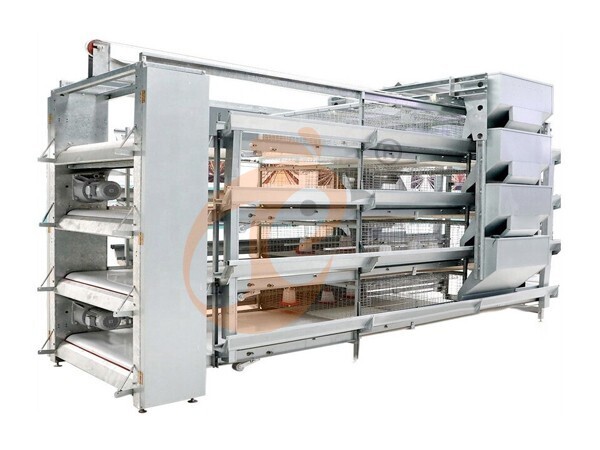
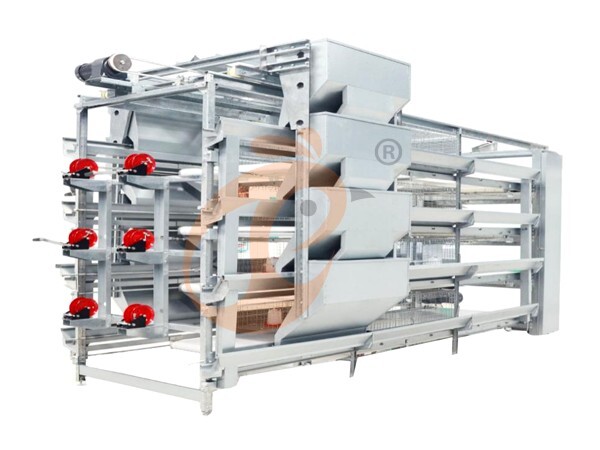
5. Our 24 hour online reception What’sApp NO. is +86 18830120193. >30,000 Broilers Semi-Automatic Harvest H Type Battery Cage1. More than 30,000 broilers a house, choose it.
2. It is designed to rearing 1 to 45 day old adult broiler ready for market.
3. Its lifespan is more than 20 years.
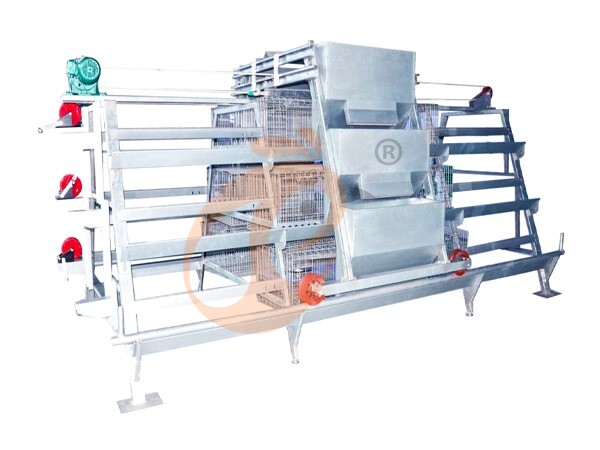
4. Our 24 hour online reception What’sApp NO. is +8618830120193, +234 8111199996. >30,000 Broilers Manual Harvest H Type Battery Cage1. More than 30,000 broilers a house, choose it.
2. It is designed to rearing 1 to 45 day old adult broiler ready for market.
3. Its lifespan is more than 20 years.
4. Its structure are Vcloud artificial intelligent fusion, electric control cabinet, automatic equipment of drinking, feeding and manure clean, manual harvesting.
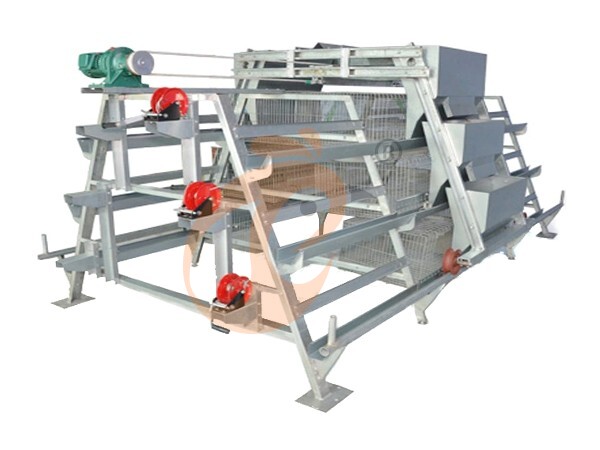
5. Our 24 hour online reception What’sApp NO. is +8618830120193, +234 8111199996. <30,000 Broilers Manual Harvest A Type Battery Cage1. Less 30,000 broilers a house, choose it.
2. It is designed to rearing 1 to 45 day old adult broiler ready for market.
3. Its lifespan is more than 20 years.
4. Its structure are Vcloud artificial intelligent fusion, electric control cabinet, automatic equipment of drinking, feeding and manure clean, manual harvesting.
5. Our 24 hour online reception What’sApp NO. is +8618830120193, +234 8111199996. HK Headquarter Offers EU-standard Poultry Farm Solutions, Manufacture Poultry Farm Equipment1. Continuous communication with the EU and the US
2. China, Nigeria, Ethiopia, Tanzania branch companies and factories
3. The products’ quality is customized for local poultry farms
4. Poultry cage and poultry farm equipment stock for sale
5. 24 online reception Whatsapp NO. : +8618830120193,contact us to get full information China Branch Offer Poultry Farm Business Plan, Manufacture Poultry Farm Equipment1. Address: Flat/RM 2416, 24/F, Runxing Building, Youyi Nan Street, Shijiazhuang City, Hebei Province, China
2. Poultry cage and poultry farm equipment factory and stock for sale
3. Customized for local poultry farms
4. Quality and design are based on Euro
5. 24 online reception Whatsapp NO. : +8618830120193 Nigeria Branch Offer Poultry Farm Business Plan, Manufacture Poultry Farm Equipment1. Address: After Sinoma Office, 200 Meters Near Danco Filling Station, Lagos/Ibadan Expressway, Lagos State, Nigeria
2. Poultry cage and poultry farm equipment factory and stock for sale
3. Customized for Nigerian poultry farms
4. Quality and design are based on Euro
5. 24 online reception Whatsapp NO. : +8618830120193 Ethiopia Branch Offer Poultry Farm Business Plan, Manufacture Poultry Farm Equipment1. Address: WR93+FQ2, Addis Ababa, Ethiopia
2. Poultry cage and poultry farm equipment stock for sale
3. Customized for Ethiopian poultry farms
4. Quality and design are based on Euro
5. 24 online reception Whatsapp NO. : +8618830120193, contact us to get price list Tanzania Branch Offer Poultry Farm Business Plan, Manufacture Poultry Farm Equipment1. Address: No.8, Sova Road, Msufini, Mlandizi, Kibaha, Pwani, Tanzania
2. Poultry cage and poultry farm equipment factory and stock for sale
3. Customized for Tanzanian poultry farms
4. Quality and design are based on Euro
5. 24 online reception Whatsapp NO. : +8618830120193


Contact
By clicking 'Allow All', you agree to the storage of cookies on your device to enhance site navigation, analyze site usage and assist with our marketing efforts.