


Blog
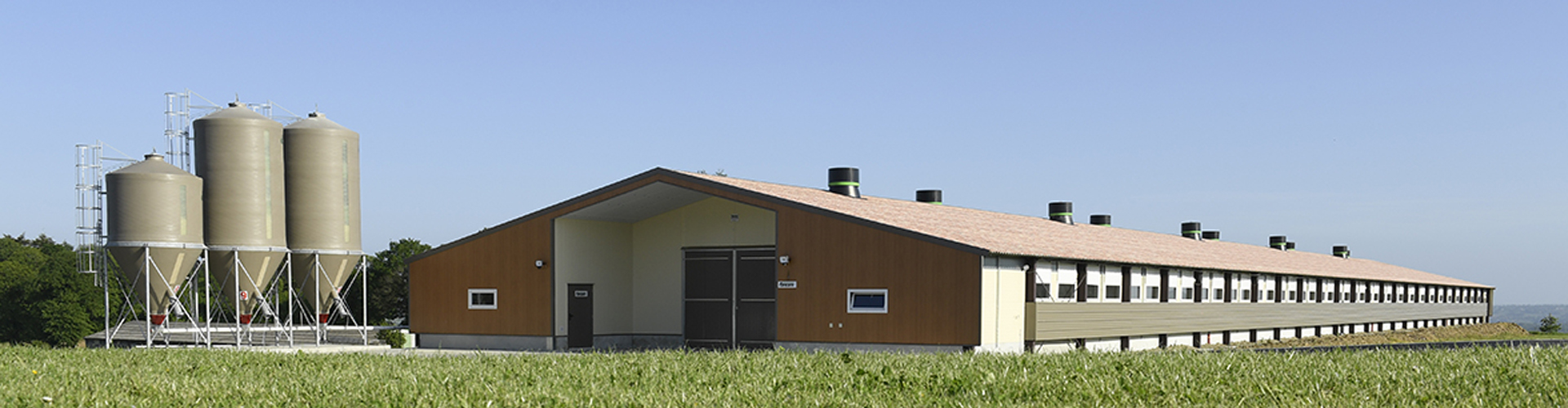
Floor rearing system profitability depends on poultry housing design, cage free poultry management, and poultry farm investment planning across different production scales.
Production efficiency is influenced by stocking density, feed utilization, labor allocation, ventilation performance, and flock health management.
Capital expenditure and operating expenses should be evaluated together to determine long-term financial sustainability and payback potential.
Premium egg and poultry markets increasingly favor welfare-oriented production systems, creating additional revenue opportunities for producers.
Practical operational strategies, technical planning, and equipment optimization can significantly improve return on investment throughout the production cycle.
Get professional poultry farm construction guidance, equipment selection solutions, and the latest price lists, whatsApp to +8618830120193, click to learn more:
What Is A Floor Rearing System?
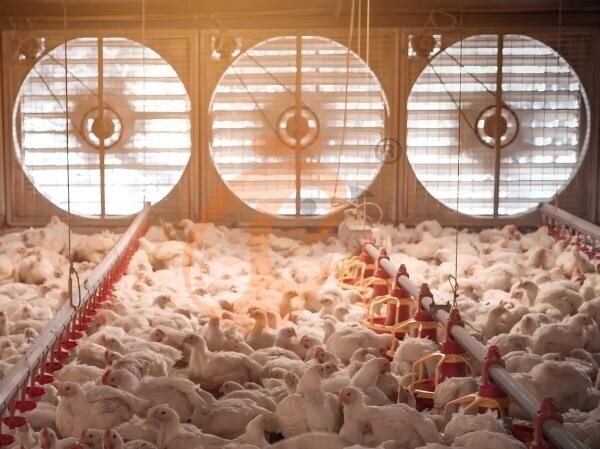
A floor rearing system is a poultry production method in which birds are raised directly on a litter-covered floor rather than inside cages.
Birds can move freely, access feed and water stations, express natural behaviors, and interact with the surrounding environment.
The system is commonly used in cage free poultry production, layer farming, broiler operations, pullet development houses, and breeder facilities.
Growing consumer demand for welfare-oriented products has accelerated adoption of floor rearing systems across many regions.
Data is for reference only.Swipe horizontally to view full table.
Understanding Profitability In Poultry Farming
Profitability involves much more than bird numbers or egg output.
Successful projects balance investment cost, operating expenses, biological performance, and market value.
Producers should evaluate all operational indicators before making expansion decisions.
Data is for reference only.Swipe horizontally to view full table.
A well-managed facility can maintain stable cash flow while reducing operational risks.
Initial Investment Comparison
One advantage of floor rearing systems is reduced equipment investment compared with traditional cage installations.
Large cage structures require significant steel fabrication, automated transportation systems, and specialized maintenance.
Floor systems generally provide greater flexibility for future expansion and equipment upgrades.
European union standard reference only.
Data is for reference only.Swipe horizontally to view full table.
Projects with limited startup budgets often select floor rearing systems because capital recovery periods can be shorter.
Profit Advantage: Lower Equipment Costs
Removing cage structures reduces both initial investment and long-term maintenance requirements.
Equipment layouts are generally simpler and easier to modify according to future production needs.
European union standard reference only.
Data is for reference only.Swipe horizontally to view full table.
Investment savings may be redirected toward biosecurity infrastructure, environmental control systems, or production automation.
Profit Advantage: Access To Premium Markets
Demand for cage free poultry products continues to increase in many commercial markets.
Retailers, food service providers, and food processing companies frequently seek suppliers capable of meeting welfare-oriented sourcing requirements.
Premium positioning can improve overall project profitability without increasing flock size.
Data is for reference only.Swipe horizontally to view full table.
Producers entering premium segments should also focus on certification compliance, traceability, and product consistency.
Consumer Awareness And Market Trends
Consumer purchasing decisions increasingly reflect concerns regarding animal welfare, sustainability, and food transparency.
Many food brands now establish procurement policies favoring cage free poultry production.
As a result, producers operating modern Floor Rearing Systems can gain access to commercial opportunities that may not be available to conventional housing systems.
Long-term market development suggests continued demand growth for welfare-oriented poultry products.
Profit Challenge: Higher Feed Consumption
Bird activity levels are generally higher in floor rearing systems than in conventional cage operations.
Additional movement requires greater energy expenditure, which can increase daily feed intake.
Feed management therefore becomes one of the most important factors affecting project profitability.
Poor feeder adjustment, uneven feed distribution, and inadequate nutritional planning can increase production costs over time.
Data is for reference only.Swipe horizontally to view full table.
Although feed consumption may increase, proper nutritional management can offset much of the additional expense.
Nutrition programs should be aligned with bird age, environmental conditions, and production objectives.
Why Feed Efficiency Matters
Feed expenses frequently account for more than half of total operating costs.
Even small improvements in feed conversion performance can create significant financial gains.
Data is for reference only.Swipe horizontally to view full table.
Improved feed utilization directly contributes to better production economics and more predictable operating results.
Profit Challenge: Labor Requirements
Floor systems require greater human involvement in daily flock management activities.
Personnel are responsible for litter maintenance, bird observation, equipment inspection, environmental monitoring, and egg collection procedures.
Labor efficiency can therefore influence both operating expenses and production performance.
Data is for reference only.Swipe horizontally to view full table.
Effective staff training helps improve operational consistency and reduce management-related losses.
The Human Factor In Floor Rearing
Experienced workers often identify health or behavioral issues before measurable performance declines occur.
Routine flock observation provides valuable information regarding
- Feed consumption patterns
- Water intake trends
- Air quality conditions
- Litter moisture levels
- Bird activity distribution
Management quality remains one of the strongest predictors of long-term profitability.
Facilities with standardized operating procedures generally achieve more stable production results.
Practical Return On Investment Tip: Optimize Stocking Density
Stocking density has a direct impact on welfare, productivity, ventilation efficiency, and disease pressure.
Overcrowding can reduce feed access, increase stress levels, and elevate mortality risks.
Excessively low stocking densities may also reduce economic efficiency by underutilizing housing space.
Data is for reference only.Swipe horizontally to view full table.
Balanced stocking density supports better flock uniformity and overall economic performance.
Additional Considerations For Space Allocation
Housing design should account for
- Ventilation capacity
- Feeding line arrangement
- Drinking line placement
- Climate conditions
- Bird genetics
Producers should periodically review performance indicators and adjust stocking strategies according to operational requirements.
Adequate space allocation improves movement patterns and helps maintain flock health throughout the production cycle.
Practical Return On Investment Tip: Improve Feed Efficiency
Feed efficiency remains one of the fastest methods for improving return on investment.
Small reductions in feed waste can generate meaningful annual savings, especially in large commercial operations.
Management strategies include
- Automated feed delivery
- Feed intake monitoring
- Nutritional balancing
- Regular feeder calibration
- Performance benchmarking
Data is for reference only.Swipe horizontally to view full table.
Well-designed feeding systems help maintain consistent bird performance while controlling operating costs.
Nutritional Management
Bird nutritional requirements change throughout the production cycle.
Feed formulations should be adjusted according to age, body weight, environmental temperature, and production stage.
Key nutritional objectives include
- Supporting skeletal development
- Maintaining immune function
- Improving egg production performance
- Optimizing body weight uniformity
- Reducing nutrient waste
Nutritional planning should be integrated with broader farm management objectives to maximize production efficiency.
Practical Return On Investment Tip: Strengthen Biosecurity
Disease prevention is generally less expensive than disease treatment.
A comprehensive biosecurity strategy reduces operational risk and protects long-term profitability.
Key measures include
- Controlled visitor access
- Vehicle disinfection
- Vaccination programs
- Rodent management
- Litter quality monitoring
- Water sanitation
Data is for reference only.Swipe horizontally to view full table.
Strong biosecurity programs help minimize production disruptions and support consistent financial performance.
Understanding Disease Risks
Floor-based production environments increase contact between birds and litter material.
Environmental management therefore plays an important role in disease prevention.
Critical management factors include
- Dry litter maintenance
- Proper ventilation rates
- Water system sanitation
- Waste removal procedures
- Temperature consistency
Effective disease prevention programs protect productivity while reducing treatment expenses.
Practical Return On Investment Tip: Invest In Automation
Automation improves operational consistency while reducing dependence on manual labor.
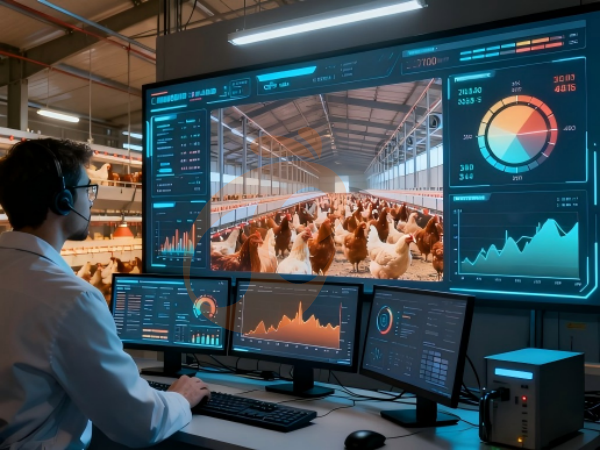
Modern poultry houses increasingly utilize automated systems to maintain stable production conditions and improve management efficiency.
Common automation solutions include
Automatic feeding systems
- Nipple drinking systems
- Egg collection conveyors
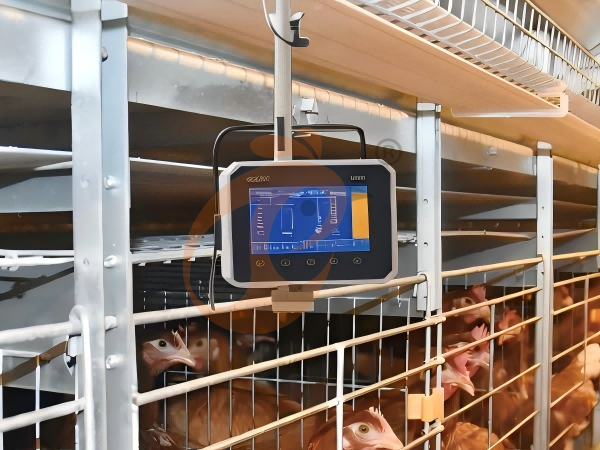
- Environmental controllers
- Ventilation monitoring systems
Although automation requires additional capital expenditure, long-term operational savings can significantly improve project economics.
European union standard reference only.
Data is for reference only.Swipe horizontally to view full table.
Automation also improves management accuracy by reducing variability associated with manual operations.
Balancing Investment And Efficiency
Not every poultry farm requires a fully automated facility.
Many successful operations gradually introduce equipment upgrades based on production requirements and budget planning.
Priority areas for automation often include
- Feed distribution
- Water delivery
- Environmental monitoring
- Egg collection
- Production data recording
A phased investment strategy frequently produces better financial outcomes than large-scale equipment replacement projects.
Data is for reference only.Swipe horizontally to view full table.
Careful planning helps ensure that investment decisions align with operational goals and expected production improvements.
Practical Return On Investment Tip: Focus On Premium Product Positioning
Product differentiation provides an additional pathway toward profitability.
Many poultry producers focus solely on increasing production volume, while premium market positioning can improve revenue without increasing flock size.
Potential product categories include
- Cage free eggs
- Welfare certified eggs
- Free range poultry products
- Sustainable poultry products
- Specialty egg products
European union standard reference only.
Data is for reference only.Swipe horizontally to view full table.
Higher-value products generally require stronger management standards, quality control systems, and supply chain traceability.
Building A Premium Brand
Modern consumers increasingly evaluate food products based on production practices, sustainability standards, and animal welfare considerations.
Producers capable of maintaining consistent quality and certification compliance often secure stronger commercial relationships with distributors and retailers.
Long-term brand development may include
Product traceability systems
- Welfare certification programs
- Farm quality audits
- Production record management
- Consumer transparency initiatives
Premium positioning should be supported by measurable production standards rather than marketing claims alone.
Frequently Asked Questions
Q1: Is a floor rearing system suitable for large commercial farms?
Yes.
Modern floor rearing systems can accommodate more than 50,000 birds within a single production complex.
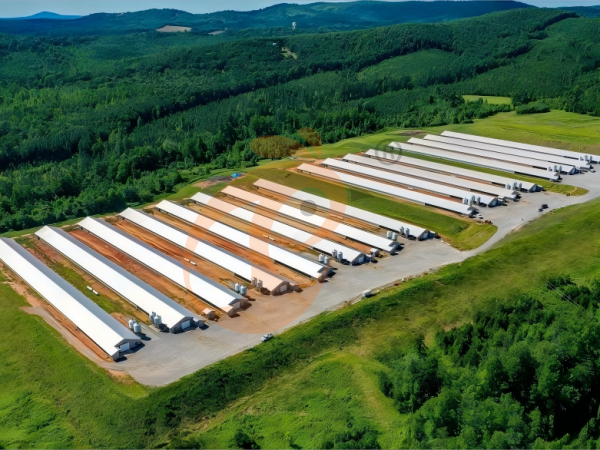
Proper ventilation design, automated feeding equipment, and biosecurity management are critical factors for maintaining productivity at large scale.
Q2: How much additional feed do floor-reared birds consume?
Daily feed intake is typically 5 g to 10 g per bird higher than comparable cage systems.
Actual consumption depends on genetics, environmental conditions, management quality, and activity levels.
Improved feed management can offset much of the additional feed expense.
Q3: What is the typical investment payback period?
Commercial projects commonly achieve investment recovery within 2.5 to 5 years.
Payback duration depends on flock size, equipment selection, market pricing, labor costs, and production performance.
Projects supplying premium egg markets often achieve stronger long-term returns.
Taiyu (HK) Group - One Of China Largest Floor Rearing System Manufacturer
Floor rrearing system projects are widely applied in commercial layer farms, pullet rearing facilities, breeder farms, and cage free poultry production complexes requiring scalable and welfare-oriented housing solutions.
Global factory-direct supply capability supports poultry equipment manufacturing, quality control management, engineering integration, and international project delivery across multiple production environments.
Comprehensive poultry equipment portfolios include feeding systems, drinking systems, ventilation systems, environmental controllers, manure handling equipment, and structural house components.
Turn-key engineering services cover project planning, equipment configuration, installation supervision, commissioning support, operational training, and production startup assistance.
Technical project solutions are developed according to flock capacity, climatic conditions, production objectives, and local infrastructure requirements to support long-term operational efficiency.
Contact Us To Received Your Customized Poultry Farm Plan
Headquarters And Branchs
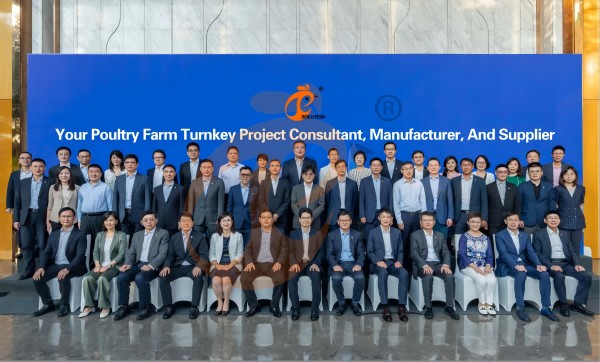
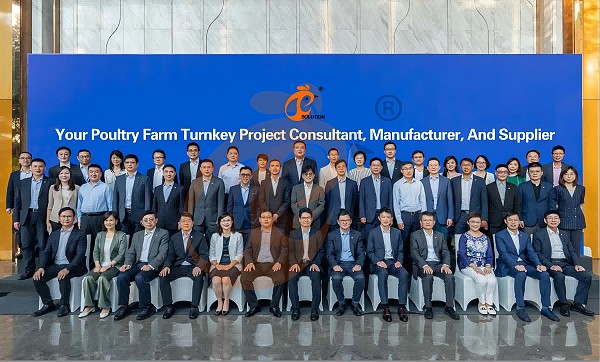
Hong Kong Headquarter Management Team
Hong Kong Headquarter Taiyu Industrial Group CO., LTD
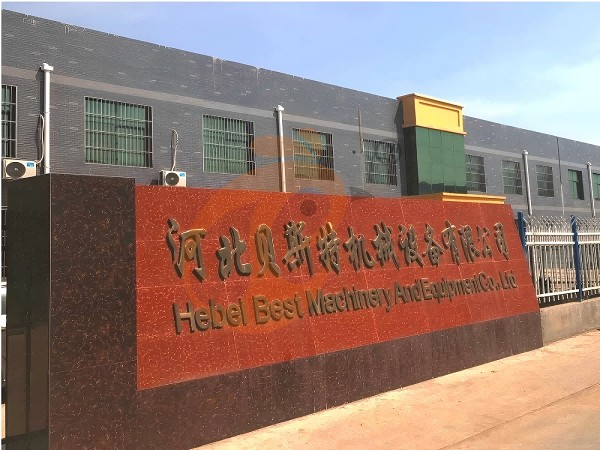
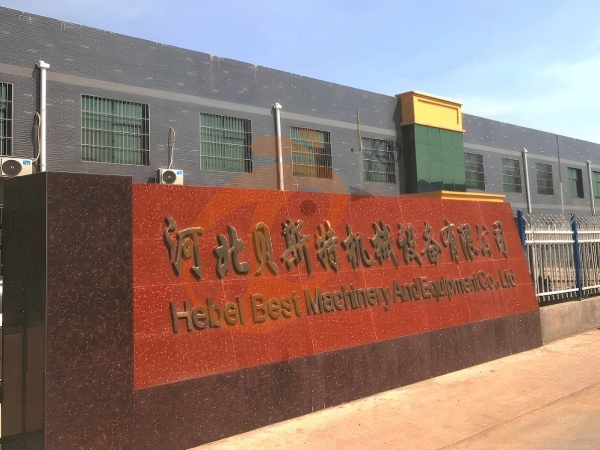
China Hebei Best Machinery And Equipment CO., LTD
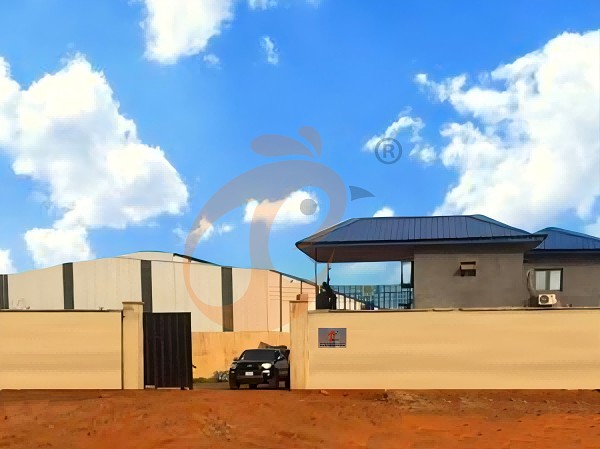
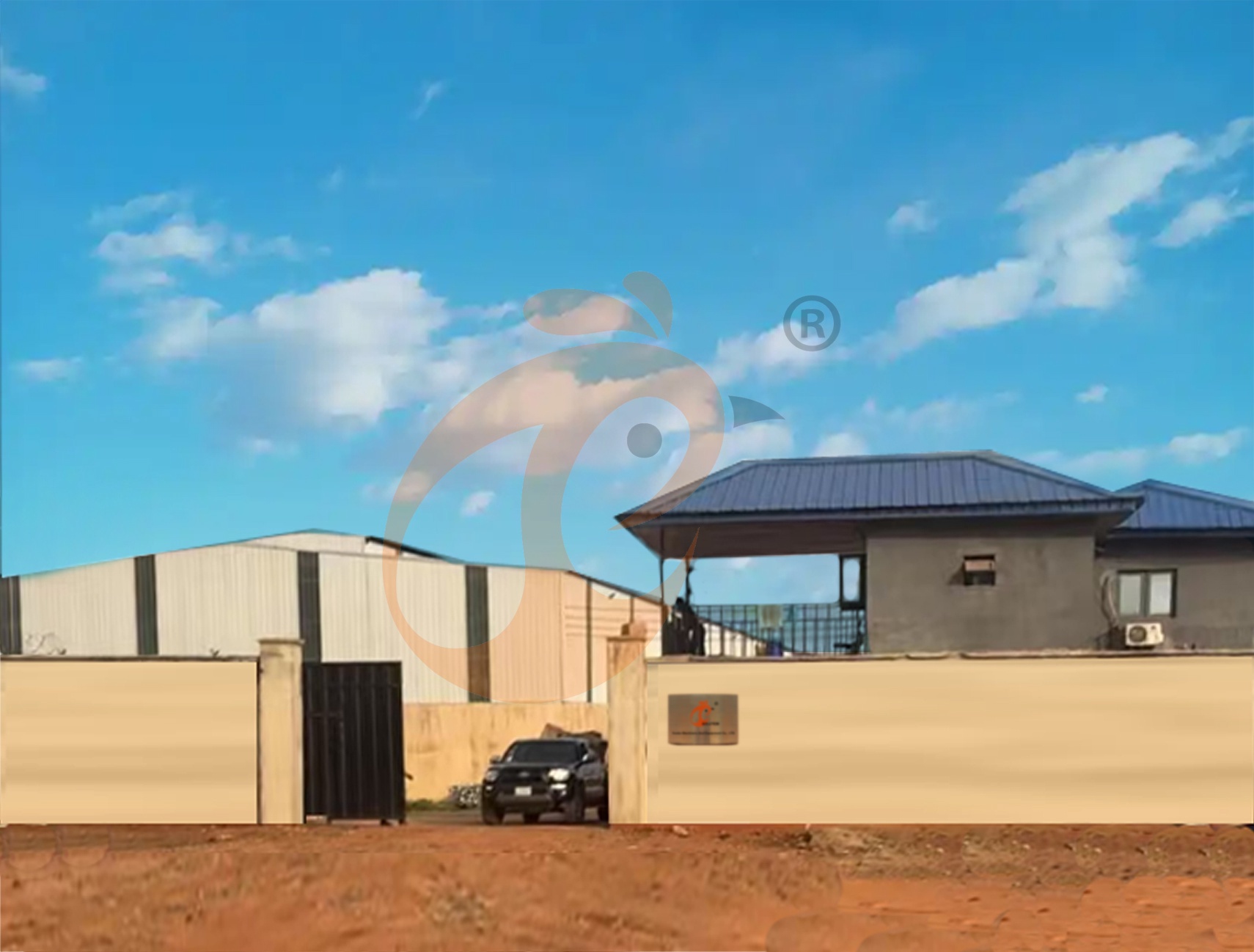
Nigeria Vanke Machinery And Equipment CO., LTD
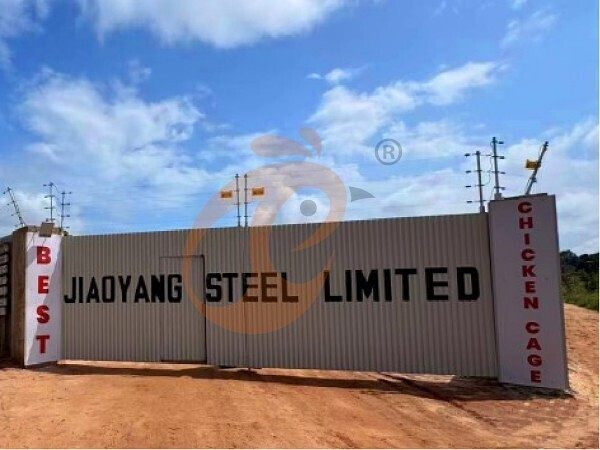
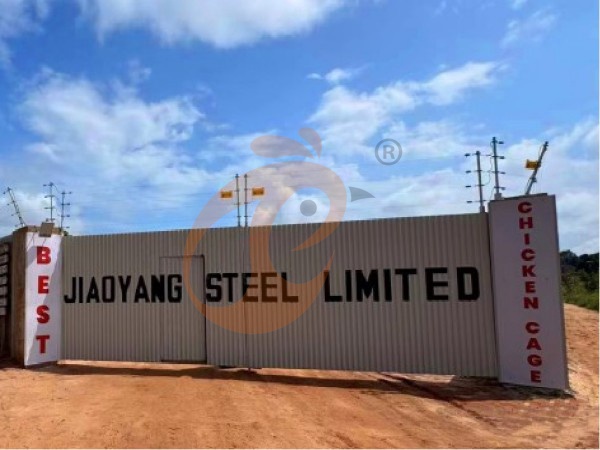
Tanzania Best Machinery And Equipment CO., LTD
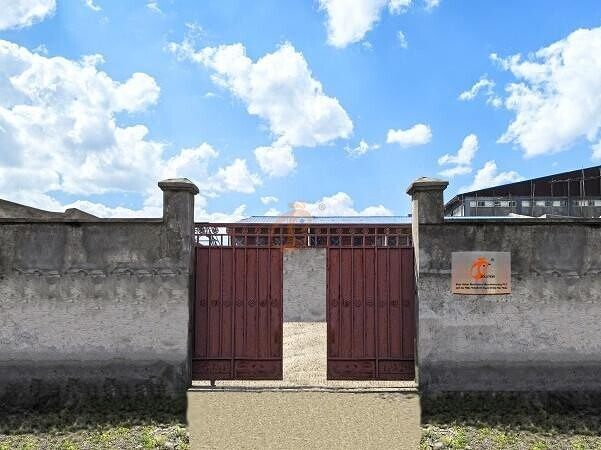
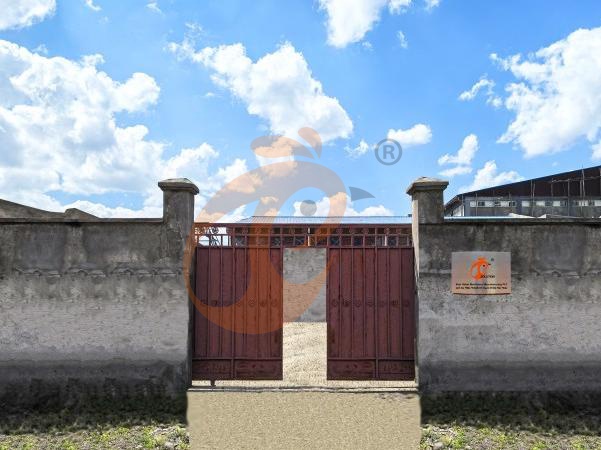
Ethiopia Best Hebei Machinery Manufacturing PLC
Reception /24 WhatsApp NO. : +8618830120193
FAQ
What Growth Performance Indicators Are Expected In Floor Rearing Poultry System?
Feed conversion ratio is maintained at 1.65–1.85 for commercial broilers.
Market slaughter age ranges from 38–45 days depending on breed selection.
What Disease Control Standards Apply In Floor Rearing Poultry System?
Flock vaccination coverage reaches 90%–98% depending on disease prevention program.
Pathogen reduction targets aim for 80%–90% decrease in bacterial load.
What Are The Manure Management Requirements In Floor Rearing Poultry System?
Ammonia emission control targets remain below 15 ppm through regular cleaning cycles.
Dry matter content is maintained above 65% to improve composting efficiency.
- poultry farm
- poultry house
- cage
- poultry farm construction
- poultry farm investment
- poultry housing design
- automatic feeding system
- poultry equipment
- chickencage
- bestchickencage
- cage system
- cage systems
- Nigeria
- layer farm
- poultry farming
- modern poultry house
- egg collection conveyor
- poultry farm plan
- Ethiopia
Message
Products recommended
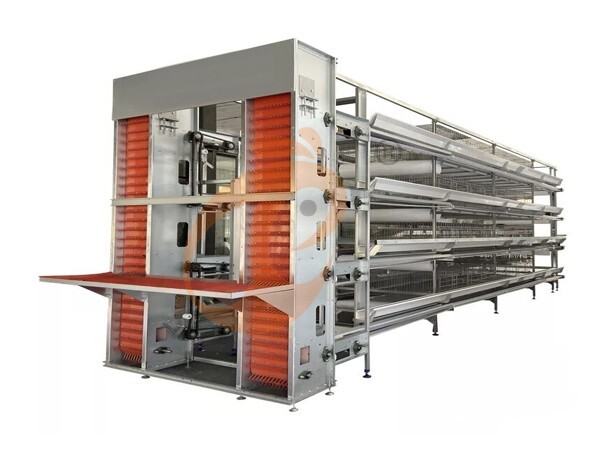
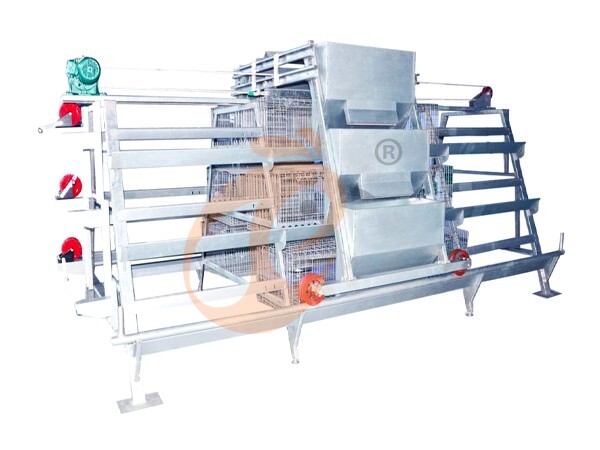
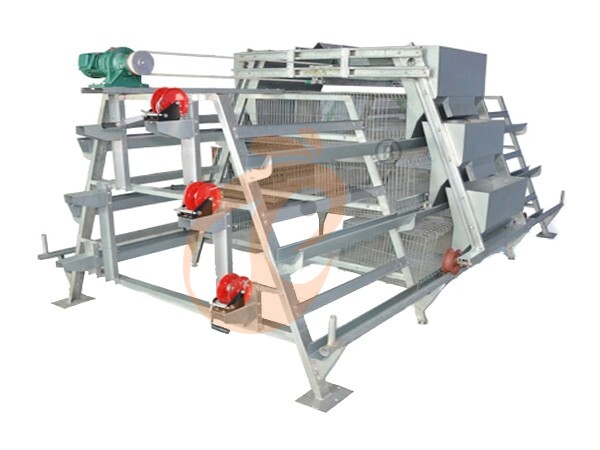
 >30,000 Pullets Automatic H Type Battery Cage1. More than 30,000 pullets a house, choose it.
2. It is designed to rearing older than 1 day old pullets to 12 to 16 weeks old chicken starting laying eggs.
3. Its lifespan is more than 25 years.
4. Its structure are Vcloud artificial intelligent fusion, electric control cabinet, automatic equipment of drinking, feeding, manure clean, manual harvesting.
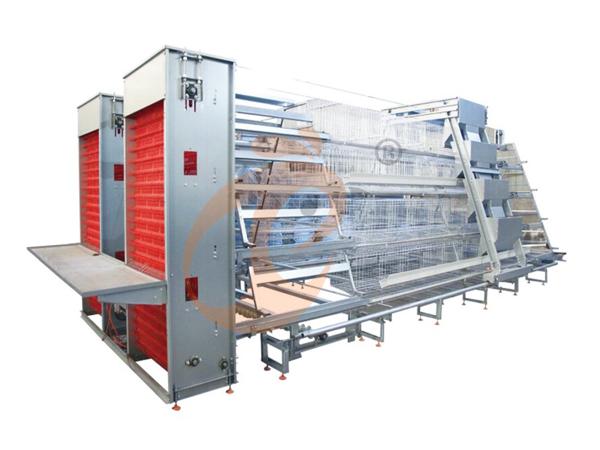
5. Our 24 hour online reception What’sApp NO. is +8618830120193 <30,000 Pullets Automatic A Type Battery Cage1. 10,000 to 30,000 pullets a house, choose it.
2. It is designed to rearing older than 1 day old pullets to 12 to 16 weeks old chicken starting laying eggs.
3. Its lifespan is more than 25 years.
4. Its structure are Vcloud artificial intelligent fusion, electric control cabinet, automatic equipment of drinking, feeding, manure clean, manual harvesting.
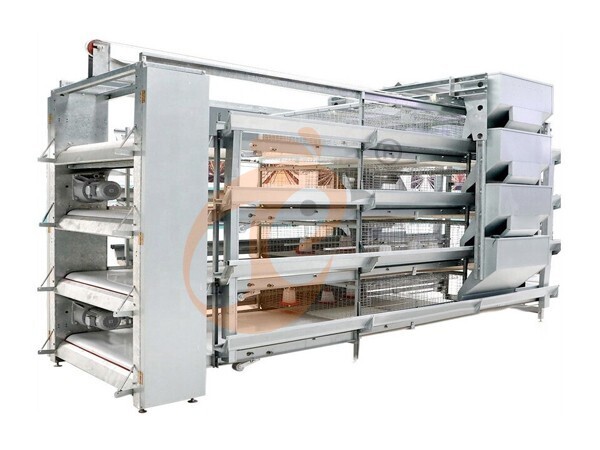
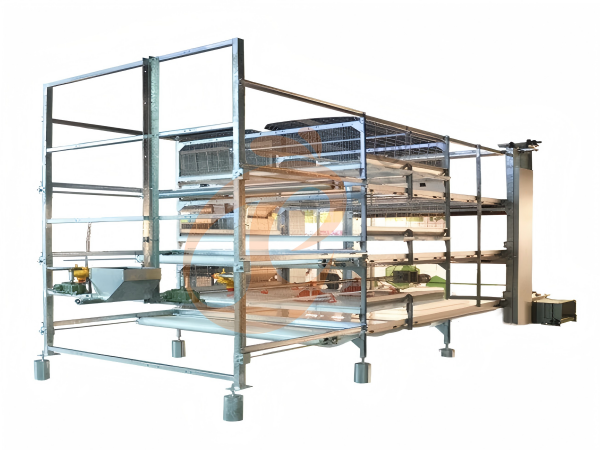
5. Our 24 hour online reception What’sApp NO. is +86 18830120193. >30,000 Broilers Semi-Automatic Harvest H Type Battery Cage1. More than 30,000 broilers a house, choose it.
2. It is designed to rearing 1 to 45 day old adult broiler ready for market.
3. Its lifespan is more than 20 years.
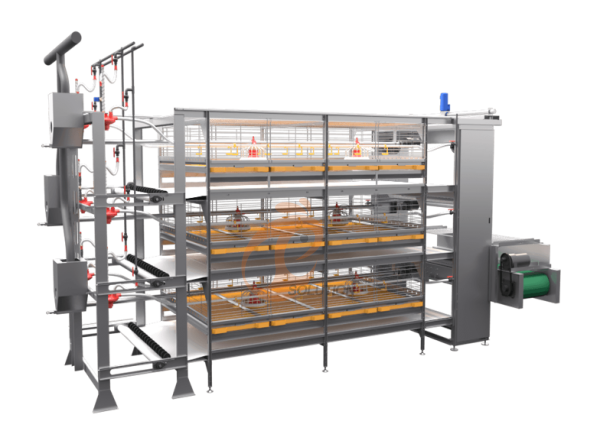
4. Our 24 hour online reception What’sApp NO. is +8618830120193, +234 8111199996. >30,000 Broilers Manual Harvest H Type Battery Cage1. More than 30,000 broilers a house, choose it.
2. It is designed to rearing 1 to 45 day old adult broiler ready for market.
3. Its lifespan is more than 20 years.
4. Its structure are Vcloud artificial intelligent fusion, electric control cabinet, automatic equipment of drinking, feeding and manure clean, manual harvesting.
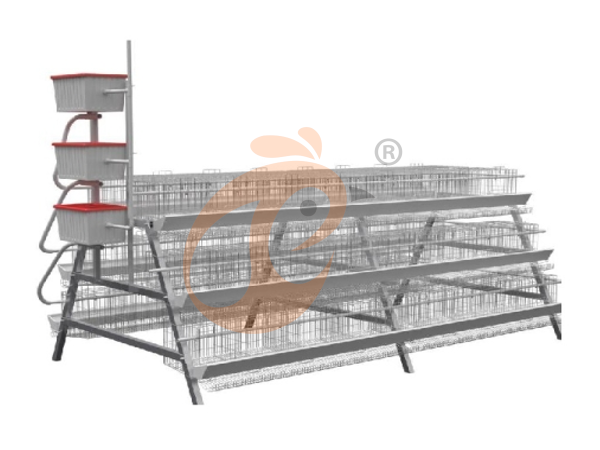
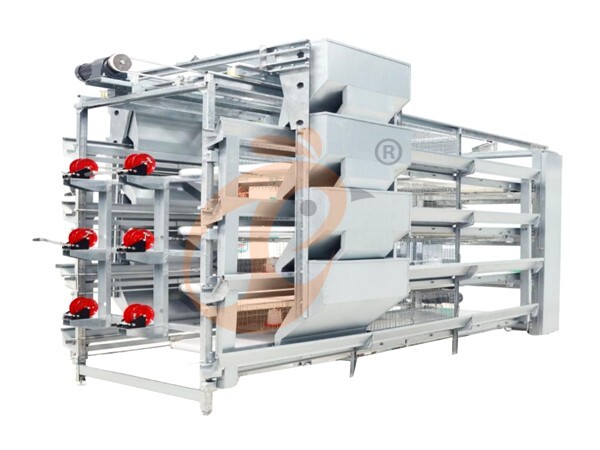
5. Our 24 hour online reception What’sApp NO. is +8618830120193, +234 8111199996. <30,000 Broilers Manual Harvest A Type Battery Cage1. Less 30,000 broilers a house, choose it.
2. It is designed to rearing 1 to 45 day old adult broiler ready for market.
3. Its lifespan is more than 20 years.
4. Its structure are Vcloud artificial intelligent fusion, electric control cabinet, automatic equipment of drinking, feeding and manure clean, manual harvesting.
5. Our 24 hour online reception What’sApp NO. is +8618830120193, +234 8111199996. HK Headquarter Offers EU-standard Poultry Farm Solutions, Manufacture Poultry Farm Equipment1. Continuous communication with the EU and the US
2. China, Nigeria, Ethiopia, Tanzania branch companies and factories
3. The products’ quality is customized for local poultry farms
4. Poultry cage and poultry farm equipment stock for sale
5. 24 online reception Whatsapp NO. : +8618830120193,contact us to get full information China Branch Offer Poultry Farm Business Plan, Manufacture Poultry Farm Equipment1. Address: Flat/RM 2416, 24/F, Runxing Building, Youyi Nan Street, Shijiazhuang City, Hebei Province, China
2. Poultry cage and poultry farm equipment factory and stock for sale
3. Customized for local poultry farms
4. Quality and design are based on Euro
5. 24 online reception Whatsapp NO. : +8618830120193 Nigeria Branch Offer Poultry Farm Business Plan, Manufacture Poultry Farm Equipment1. Address: After Sinoma Office, 200 Meters Near Danco Filling Station, Lagos/Ibadan Expressway, Lagos State, Nigeria
2. Poultry cage and poultry farm equipment factory and stock for sale
3. Customized for Nigerian poultry farms
4. Quality and design are based on Euro
5. 24 online reception Whatsapp NO. : +8618830120193 Ethiopia Branch Offer Poultry Farm Business Plan, Manufacture Poultry Farm Equipment1. Address: Gelan Gura, Akaki-kaliti Sub City, Addis Ababa, Ethiopia
2. Poultry cage and poultry farm equipment stock for sale
3. Customized for Ethiopian poultry farms
4. Quality and design are based on Euro
5. 24 online reception Whatsapp NO. : +8618830120193, contact us to get price list Tanzania Branch Offer Poultry Farm Business Plan, Manufacture Poultry Farm Equipment1. Address: No.8, Sova Road, Msufini, Mlandizi, Kibaha, Pwani, Tanzania
2. Poultry cage and poultry farm equipment factory and stock for sale
3. Customized for Tanzanian poultry farms
4. Quality and design are based on Euro
5. 24 online reception Whatsapp NO. : +8618830120193


Contact