


Blog
Poultry equipment, automatic poultry feeding system, and poultry farm equipment play critical roles in maintaining stable production efficiency, flock welfare, and operational reliability across modern poultry facilities.
Daily management procedures involve equipment inspection, feed delivery verification, water system monitoring, environmental control assessment, and preventive maintenance planning throughout production cycles.
Reliable operation standards support consistent flock performance by reducing equipment downtime, improving resource utilization, and maintaining controlled housing conditions for birds.
Technical management practices combine sanitation programs, calibration routines, emergency preparedness measures, and operational recordkeeping to support sustainable commercial production.
- Comprehensive operational discipline helps poultry enterprises improve productivity, extend equipment service life, control operating expenses, and maintain long-term farm performance objectives.
Get professional poultry farm construction guidance, equipment selection solutions, and the latest price lists, whatsApp to +8618830120193, click to learn more:
Conduct A Complete Morning Equipment Inspection
Every working day should begin with a full inspection of all major equipment systems.
Operators should walk through the poultry house before birds become highly active.
Daily inspections help identify minor issues before they become expensive breakdowns.
Preventive maintenance is widely recognized as one of the most effective management strategies in poultry production.
Daily inspection routines are widely recommended because early detection reduces unexpected equipment failures and production interruptions.
Data is for reference only. Swipe horizontally to view full table.
Maintain Accurate Feed Distribution
Feeders must deliver feed evenly throughout the house.
Uneven feed access can create bird competition and inconsistent growth rates.
Operators should verify
- Feed pans are filled uniformly
- Feed chains move smoothly
- Motors operate without interruption
- Feed residue does not accumulate
Commercial feeding systems commonly operate with specific feed delivery capacities to ensure uniform bird access.
A properly configured automatic poultry feeding system improves feed accessibility and reduces feed wastage throughout commercial poultry houses.
Feed and feeder management remain important factors influencing flock performance.
Data is for reference only. Swipe horizontally to view full table.
Ensure Continuous Water Availability
Water is often called the most important nutrient in poultry production.
Birds can tolerate temporary feed interruptions better than water shortages.
Daily tasks include
Checking nipple functionality
- Flushing water lines
- Monitoring pressure regulators
- Inspecting storage tanks
- Removing sediment accumulation
Water systems should always remain operational because even short disruptions may affect bird performance and welfare.
Daily inspection of watering systems is recommended to ensure birds maintain continuous access to clean water supplies.
Scientific Insight
Birds typically consume more water than feed by weight.
Water intake is closely linked to growth, digestion, nutrient absorption, and temperature regulation.
A malfunctioning drinking system can rapidly reduce feed consumption and flock performance.
Data is for reference only. Swipe horizontally to view full table.
Optimize Ventilation System Performance
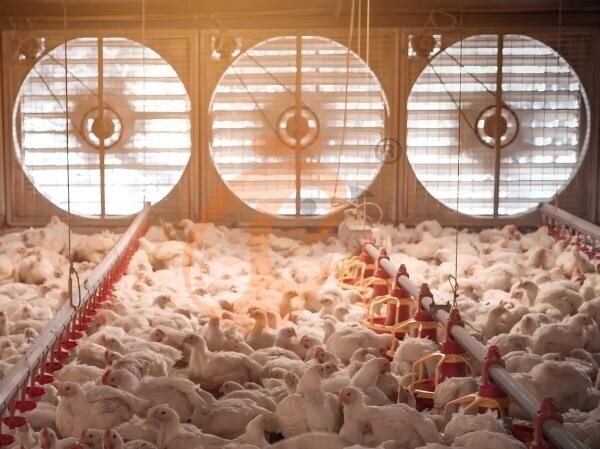
Ventilation removes moisture, dust, carbon dioxide, and ammonia while maintaining comfortable temperatures.
Operators should verify
- Fan belts remain intact
- Louvers open correctly
- Air inlets are unobstructed
- Exhaust fans reach full speed
- Sensors report correctly
Ventilation systems are essential for maintaining indoor air quality and bird comfort.
Improper airflow can increase stress and disease risk.
Ventilation management directly affects environmental quality, moisture control, and bird comfort within poultry facilities.
Data is for reference only. Swipe horizontally to view full table.
Monitor Environmental Conditions Continuously
Environmental control systems must be checked several times per day.
Automated controllers improve precision, but manual verification remains necessary because sensor drift may occur over time.
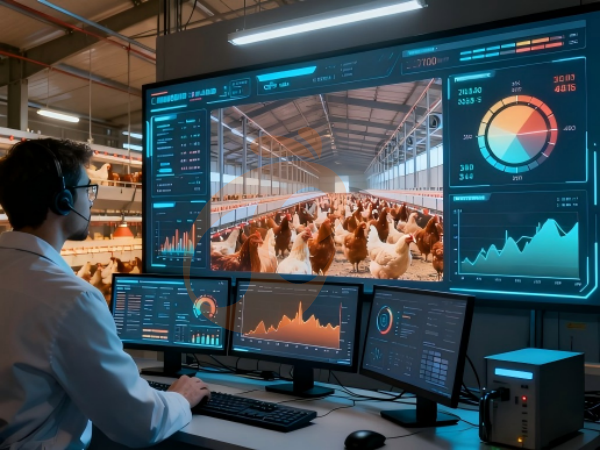
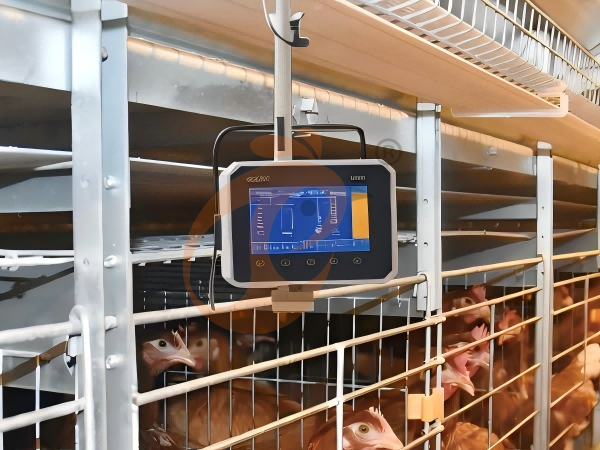
Modern poultry farm equipment increasingly integrates environmental monitoring technologies that support real-time management decisions and operational consistency.
Data is for reference only. Swipe horizontally to view full table.
Implement Daily Cleaning Procedures
Equipment cleanliness directly affects flock health.
Daily sanitation should include
- Feeder cleaning
- Drinker rinsing
- Dust removal from control panels
- Waste collection around motors
- Floor debris removal
Routine cleaning helps prevent bacterial growth and mechanical wear.
Feed contamination and dirty water sources are common causes of production challenges.
Scientific Insight
Organic matter serves as an ideal environment for microbial growth.
When feed residues accumulate inside feeding equipment, moisture can encourage mold development.
Regular cleaning significantly reduces contamination risks and improves equipment longevity.
Daily cleaning and sanitation procedures are widely recommended to maintain equipment reliability and reduce contamination risks.
Verify Lighting System Consistency
Lighting influences feeding behavior, movement patterns, and production performance.
Uniform illumination promotes more consistent flock activity and reduces behavioral stress.
Proper light duration and illumination consistency remain important operational factors in poultry house management.
Data is for reference only. Swipe horizontally to view full table.
Test Emergency Backup Systems
Power failures represent one of the most significant operational risks on poultry farms.
Daily verification should include
- Generator fuel level
- Battery condition
- Alarm functionality
- Automatic transfer switches
- Emergency ventilation activation
Backup systems should support ventilation, feeding, watering, and lighting equipment whenever primary power is unavailable.
Emergency readiness planning helps minimize flock losses and operational disruption during unexpected power outages.
Data is for reference only. Swipe horizontally to view full table.
Maintain Equipment Calibration Accuracy
Sensors and controllers gradually lose accuracy over time.
Daily operators should verify
- Temperature sensors
- Humidity probes
- Pressure gauges
- Water meters
- Feed weighing systems
Even small measurement errors can cause environmental deviations that affect flock performance.
Calibration records should be maintained and reviewed regularly to ensure operational consistency.
Accurate calibration helps maintain stable operational parameters and supports more reliable environmental management throughout production cycles.
Record Operational Data Every Day
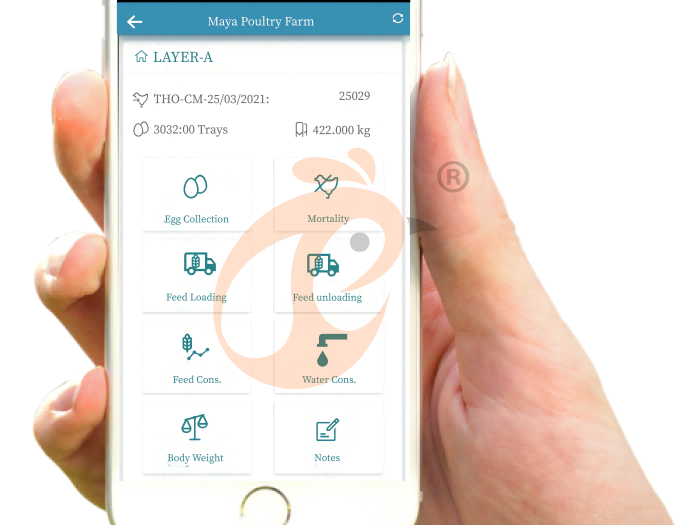
Good record keeping transforms equipment management from reactive maintenance into proactive management.
Recommended records include
- Feed consumption
- Water consumption
- Mortality
- Energy usage
- Equipment downtime
Historical records help managers identify trends and optimize future decisions.
Accurate documentation is a cornerstone of successful poultry management.
Scientific Insight
Data-driven management enables earlier detection of abnormalities.
For example, unexpected increases in water consumption often occur before visible signs of health issues appear within a flock.
Operational records also assist management teams in evaluating equipment performance, maintenance efficiency, and long-term investment planning.
For example, a ventilation system upgrade valued at $3,500 (European union standard reference only) can be evaluated more accurately when historical energy consumption records are available.
Train Staff On Equipment Operation
Even advanced automation cannot compensate for inadequate staff training.
Training topics should include
- Equipment startup procedures
- Emergency response actions
- Safety requirements
- Cleaning protocols
- Troubleshooting methods
Well-trained operators identify abnormalities faster and reduce accidental equipment damage.
Regular refresher training also helps maintain operational consistency among different work shifts.
Training programs should combine practical equipment operation with routine maintenance procedures to improve workforce competency and operational reliability.
Establish A Preventive Maintenance Culture
The most successful poultry farms treat maintenance as a daily responsibility rather than an occasional repair activity.
A preventive maintenance culture includes
- Scheduled inspections
- Replacement planning
- Spare parts inventory management
- Continuous staff education
- Performance reviews
Industry experience consistently shows that farms following preventive maintenance programs experience fewer interruptions and longer equipment service life.
Preventive planning also improves budgeting accuracy by allowing farms to schedule component replacement before unexpected failures occur.
Frequently Asked Questions
Q1: What is the recommended inspection frequency for poultry equipment?
Core operational equipment should be inspected every morning before bird activity reaches peak levels.
Critical systems such as feed delivery, ventilation, water supply, and environmental controllers should also receive additional visual checks during working hours.
Q2: How often should water lines be flushed?
Many commercial poultry houses perform water line flushing once per day.
A flushing duration of approximately 4 minutes can help remove sediment accumulation and maintain stable water quality throughout the system.
Q3: Why is equipment calibration important?
Environmental sensors gradually experience measurement deviation over time.
A temperature sensor error of only 2°C may affect ventilation decisions, bird comfort, and overall production consistency.
Taiyu (HK) Group - One Of China Largest Poultry Equipment Manufacturer
Poultry house projects require integrated solutions covering feeding, drinking, ventilation, environmental control, manure removal, and automation systems for broiler, layer, and breeder farm applications.
Factory-direct manufacturing supports global project delivery with standardized production management, engineering documentation, and equipment quality control procedures.
Poultry equipment systems are supplied according to project capacity, climate conditions, bird type, and operational management requirements.
Turn-key engineering solutions include equipment design, layout planning, manufacturing, container loading coordination, installation guidance, and commissioning support.
International project execution combines equipment integration, technical specifications, operational training, spare parts management, and long-term production support services.
Contact Us To Received Your Customized Poultry Farm Plan
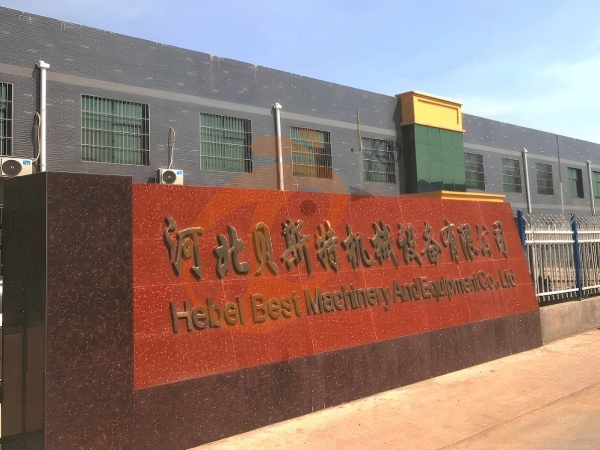
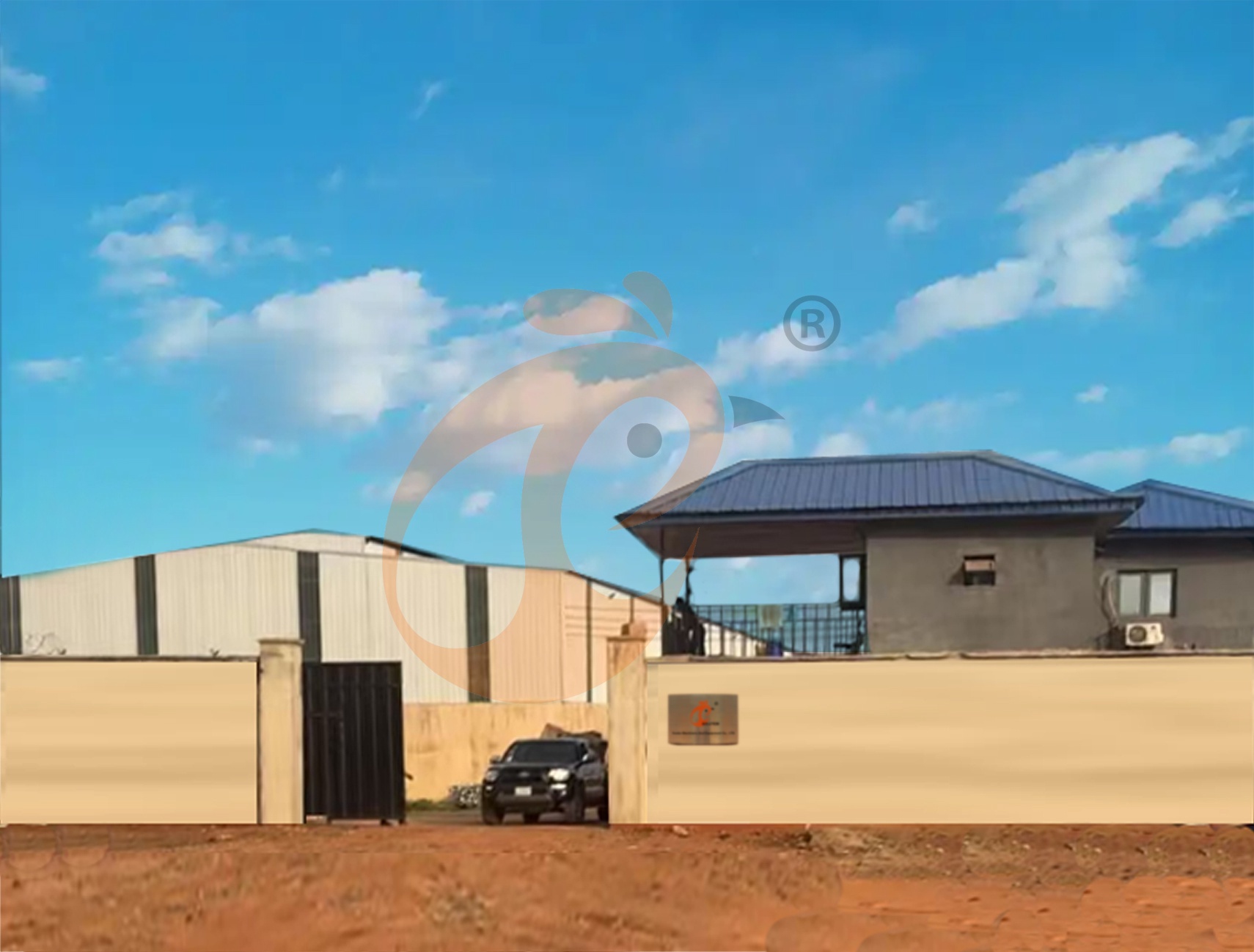
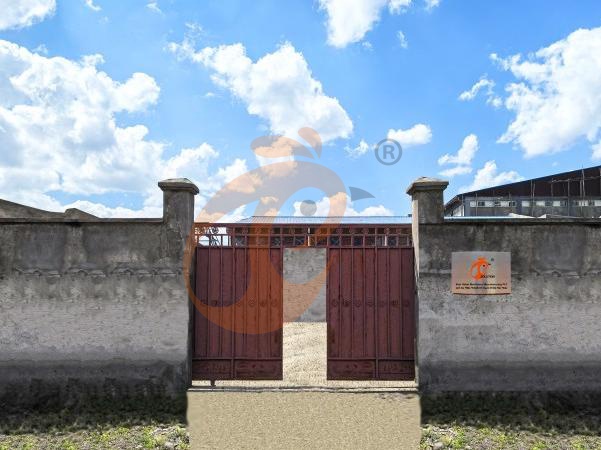
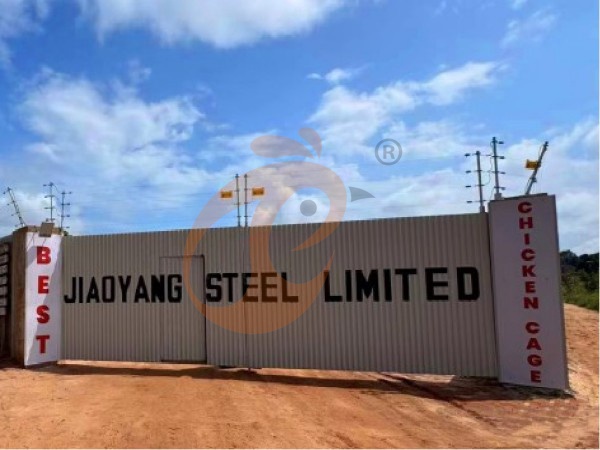
Headquarters And Branchs
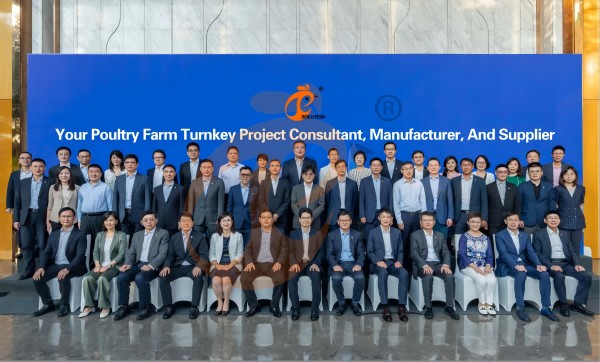
Hong Kong Headquarter Management Team
Hong Kong Headquarter Taiyu Industrial Group CO., LTD
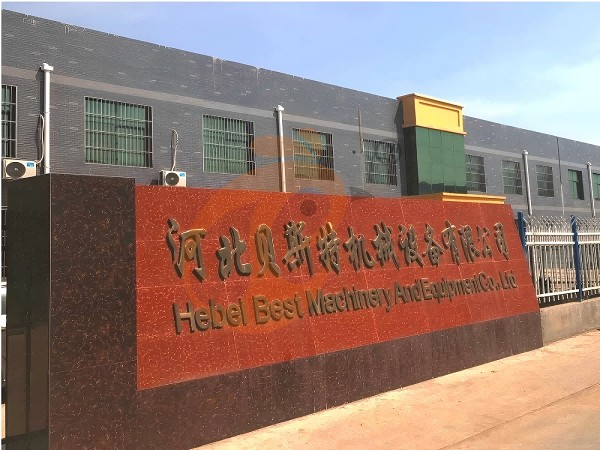
China Hebei Best Machinery And Equipment CO., LTD
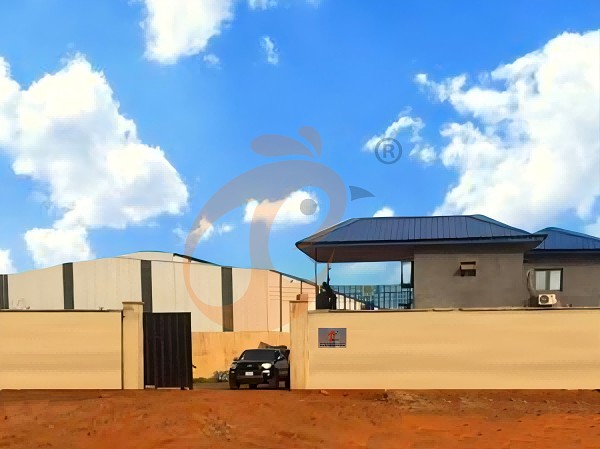
Nigeria Vanke Machinery And Equipment CO., LTD
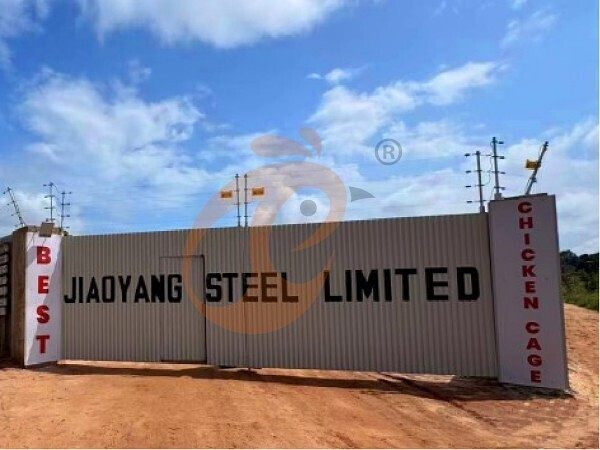
Tanzania Best Machinery And Equipment CO., LTD
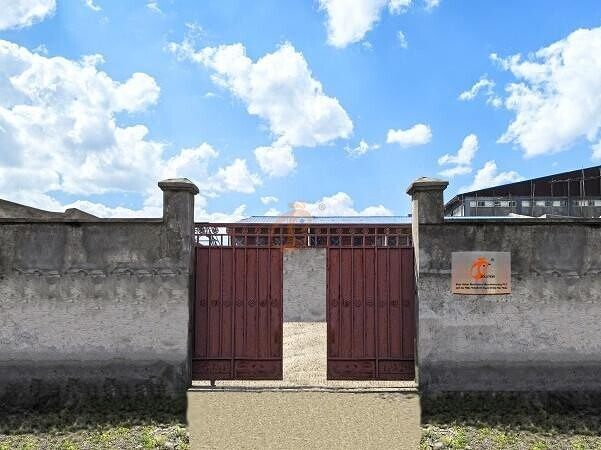
Ethiopia Best Hebei Machinery Manufacturing PLC
Reception /24 WhatsApp NO. : +8618830120193
FAQ
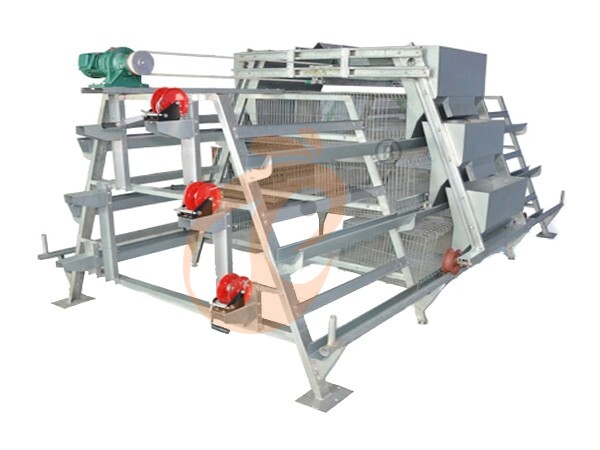
What Equipment Modules Are Included In Automatic Chicken Cage Poultry Equipment For Poultry Chicken Cage Systems?
Watering modules integrate pipelines rated for 16–20 mm diameter supporting stable distribution.
Manure belts utilize 1.0–1.2 mm thickness materials for continuous waste removal durability.
Which Structural Equipment Specifications Define Automatic Chicken Cage Poultry Equipment In Poultry Chicken Cage Systems?
Wire mesh spacing is maintained at 20–25 mm to support bird stability and waste separation.
Galvanization coating reaches 90–130 g/m² for corrosion resistance in high humidity environments.
What Drive System Equipment Parameters Are Used In Automatic Chicken Cage Poultry Equipment For Poultry Chicken Cage Farms?
Gear reducer ratio is configured between 1:20–1:40 for controlled mechanical output speed.
Transmission efficiency reaches 85%–92% minimizing energy loss during continuous operation.
- poultry farm
- poultry farms
- poultry house
- cage
- poultry farm equipment
- poultry farm construction
- poultry feeding system
- automatic poultry feeding system
- poultry equipment
- chickencage
- bestchickencage
- Nigeria
- poultry house management
- poultry equipment manufacturer
- modern poultry farm
- poultry farm plan
- poultry feed
- Ethiopia
Message
Products recommended
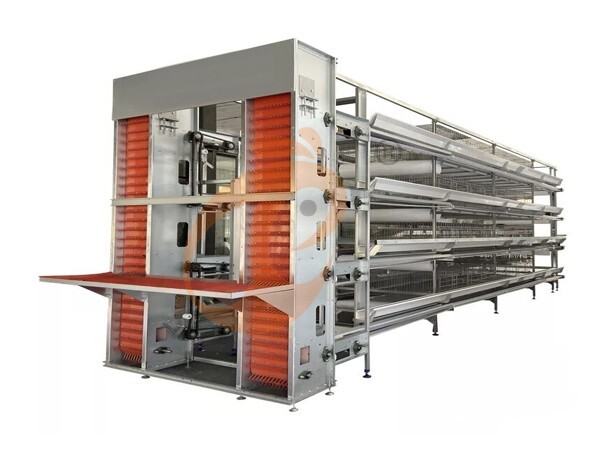
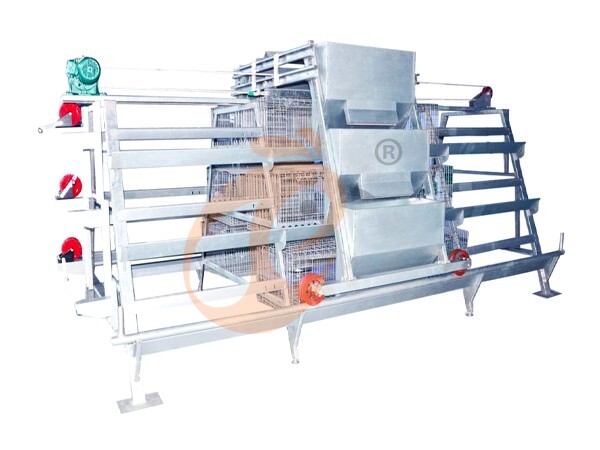
 >30,000 Pullets Automatic H Type Battery Cage1. More than 30,000 pullets a house, choose it.
2. It is designed to rearing older than 1 day old pullets to 12 to 16 weeks old chicken starting laying eggs.
3. Its lifespan is more than 25 years.
4. Its structure are Vcloud artificial intelligent fusion, electric control cabinet, automatic equipment of drinking, feeding, manure clean, manual harvesting.
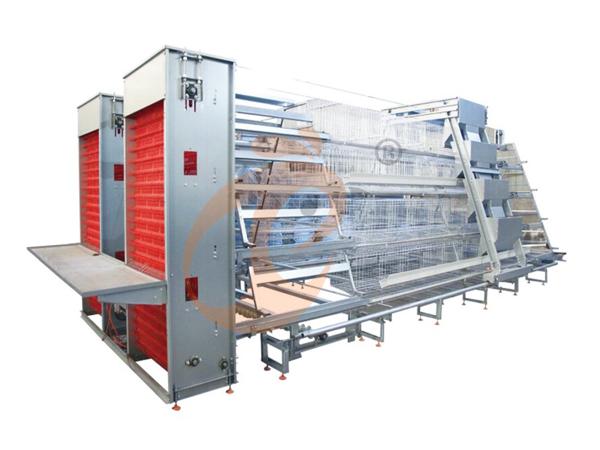
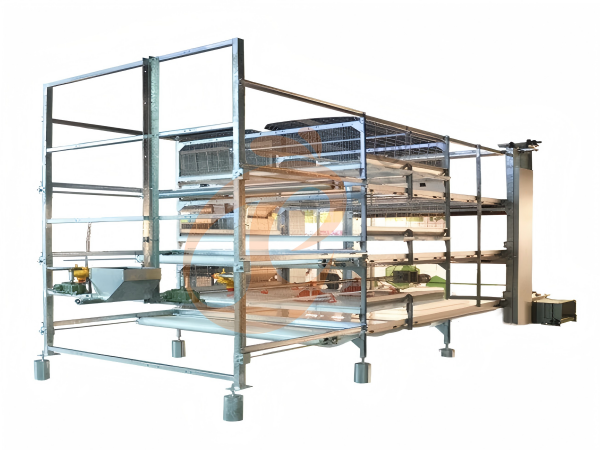
5. Our 24 hour online reception What’sApp NO. is +8618830120193 <30,000 Pullets Automatic A Type Battery Cage1. 10,000 to 30,000 pullets a house, choose it.
2. It is designed to rearing older than 1 day old pullets to 12 to 16 weeks old chicken starting laying eggs.
3. Its lifespan is more than 25 years.
4. Its structure are Vcloud artificial intelligent fusion, electric control cabinet, automatic equipment of drinking, feeding, manure clean, manual harvesting.
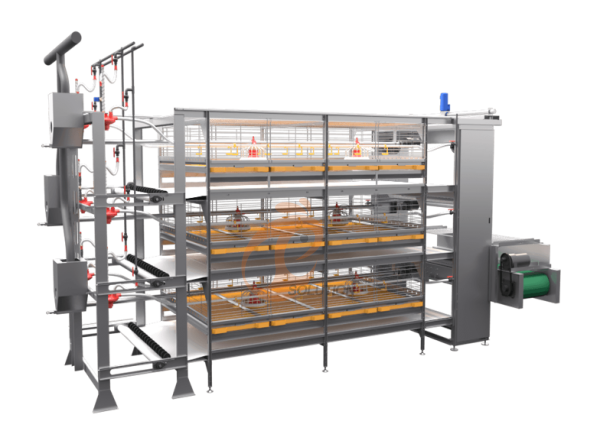
5. Our 24 hour online reception What’sApp NO. is +86 18830120193. >30,000 Broilers Semi-Automatic Harvest H Type Battery Cage1. More than 30,000 broilers a house, choose it.
2. It is designed to rearing 1 to 45 day old adult broiler ready for market.
3. Its lifespan is more than 20 years.
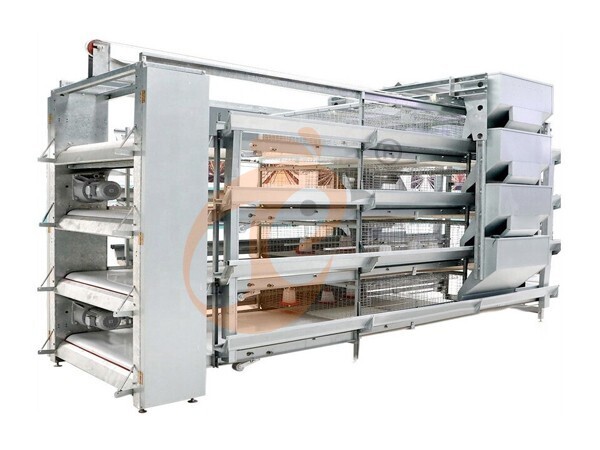
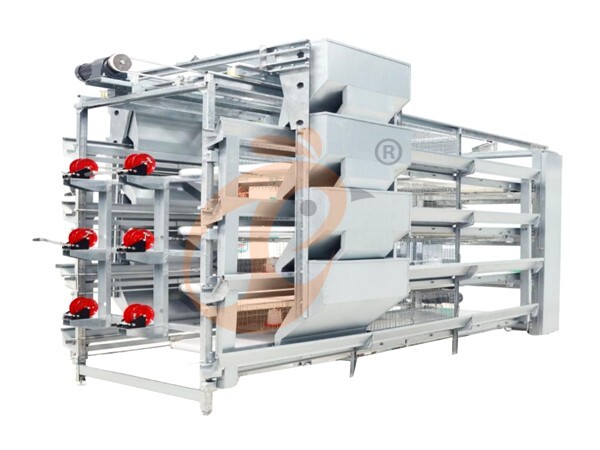
4. Our 24 hour online reception What’sApp NO. is +8618830120193, +234 8111199996. >30,000 Broilers Manual Harvest H Type Battery Cage1. More than 30,000 broilers a house, choose it.
2. It is designed to rearing 1 to 45 day old adult broiler ready for market.
3. Its lifespan is more than 20 years.
4. Its structure are Vcloud artificial intelligent fusion, electric control cabinet, automatic equipment of drinking, feeding and manure clean, manual harvesting.
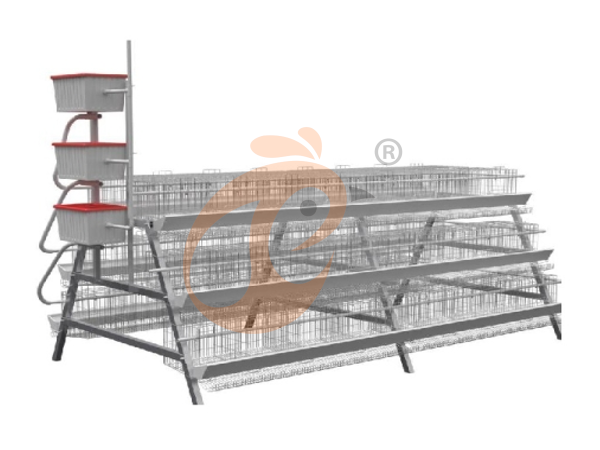
5. Our 24 hour online reception What’sApp NO. is +8618830120193, +234 8111199996. <30,000 Broilers Manual Harvest A Type Battery Cage1. Less 30,000 broilers a house, choose it.
2. It is designed to rearing 1 to 45 day old adult broiler ready for market.
3. Its lifespan is more than 20 years.
4. Its structure are Vcloud artificial intelligent fusion, electric control cabinet, automatic equipment of drinking, feeding and manure clean, manual harvesting.
5. Our 24 hour online reception What’sApp NO. is +8618830120193, +234 8111199996. HK Headquarter Offers EU-standard Poultry Farm Solutions, Manufacture Poultry Farm Equipment1. Continuous communication with the EU and the US
2. China, Nigeria, Ethiopia, Tanzania branch companies and factories
3. The products’ quality is customized for local poultry farms
4. Poultry cage and poultry farm equipment stock for sale
5. 24 online reception Whatsapp NO. : +8618830120193,contact us to get full information China Branch Offer Poultry Farm Business Plan, Manufacture Poultry Farm Equipment1. Address: Flat/RM 2416, 24/F, Runxing Building, Youyi Nan Street, Shijiazhuang City, Hebei Province, China
2. Poultry cage and poultry farm equipment factory and stock for sale
3. Customized for local poultry farms
4. Quality and design are based on Euro
5. 24 online reception Whatsapp NO. : +8618830120193 Nigeria Branch Offer Poultry Farm Business Plan, Manufacture Poultry Farm Equipment1. Address: After Sinoma Office, 200 Meters Near Danco Filling Station, Lagos/Ibadan Expressway, Lagos State, Nigeria
2. Poultry cage and poultry farm equipment factory and stock for sale
3. Customized for Nigerian poultry farms
4. Quality and design are based on Euro
5. 24 online reception Whatsapp NO. : +8618830120193 Ethiopia Branch Offer Poultry Farm Business Plan, Manufacture Poultry Farm Equipment1. Address: Gelan Gura, Akaki-kaliti Sub City, Addis Ababa, Ethiopia
2. Poultry cage and poultry farm equipment stock for sale
3. Customized for Ethiopian poultry farms
4. Quality and design are based on Euro
5. 24 online reception Whatsapp NO. : +8618830120193, contact us to get price list Tanzania Branch Offer Poultry Farm Business Plan, Manufacture Poultry Farm Equipment1. Address: No.8, Sova Road, Msufini, Mlandizi, Kibaha, Pwani, Tanzania
2. Poultry cage and poultry farm equipment factory and stock for sale
3. Customized for Tanzanian poultry farms
4. Quality and design are based on Euro
5. 24 online reception Whatsapp NO. : +8618830120193


Contact