


Blog
Layer chicken cage flooring design influences foot condition, movement stability, environmental cleanliness, and long-term laying performance throughout commercial egg production cycles.
Battery cage system engineering determines manure separation efficiency, cage durability, and operational management requirements across different farm scales.
Automatic layer cage structures affect egg collection consistency, labor allocation, and equipment utilization in modern poultry houses.
Floor wire specifications, mesh geometry, coating technology, and ventilation performance contribute to welfare outcomes and flock productivity.
Technical evaluation of flooring characteristics helps producers optimize operational efficiency, maintenance planning, and investment returns under commercial production conditions.
Get professional poultry farm construction guidance, equipment selection solutions, and the latest price lists, whatsApp to +8618830120193, click to learn more:
Why Flooring Deserves More Attention
Cage flooring remains one of the most frequently contacted components within a poultry house.
Every standing, feeding, drinking, and egg-laying activity occurs on the floor surface.
Continuous interaction between footpads and flooring materials influences comfort, locomotion, and health conditions throughout the laying cycle.
Research involving poultry flooring systems has demonstrated that surface conditions and moisture management can influence foot health and welfare performance.
Data is for reference only.Swipe horizontally to view full table.
Because nearly all body weight is transferred through the feet during standing, flooring quality directly affects long-term flock management outcomes.
Wire Diameter Selection
Wire diameter determines the contact surface between the hen's feet and the cage floor.
Insufficient diameter may increase localized pressure concentrations, while oversized wire may affect floor flexibility and manufacturing costs.
Commercial cage manufacturers generally match wire diameter to bird age, stocking density, and production duration.
Data is for reference only.Swipe horizontally to view full table.
Proper wire sizing creates a balanced relationship between structural strength and animal comfort.
Understanding Footpad Pressure
Footpads contain soft tissue, blood vessels, and sensory structures that continuously respond to mechanical loads.
When pressure remains concentrated in a small contact area for extended periods, birds may alter walking behavior and standing posture.
Scientific studies on poultry flooring have shown that flooring design can influence foot health indicators and overall welfare performance.
Healthy movement patterns support feed access, water consumption, and stable production performance throughout the laying period.
Mesh Opening Geometry
Mesh opening dimensions affect both manure passage and foot support.
Openings that are too narrow may restrict waste removal.
Openings that are too large may increase the probability of toe entrapment.
Floor geometry therefore requires careful engineering evaluation.
Data is for reference only.Swipe horizontally to view full table.
Proper geometry supports hygiene management while maintaining adequate support for hens during daily movement.
Surface Friction Performance
Surface texture influences grip performance and movement stability.
A properly engineered surface allows birds to walk confidently while reducing unnecessary stress on joints and claws.
Modern flooring systems often utilize galvanized or alloy-coated materials to maintain consistent surface characteristics throughout service life.
Data is for reference only.Swipe horizontally to view full table.
Surface friction contributes to standing confidence, movement efficiency, and overall flock behavior.
Relationship Between Flooring And Egg Quality
Flooring performance affects more than foot health.
Movement comfort influences feeding frequency and water intake.
Stable positioning during egg laying can also influence shell handling before collection.
Producers frequently monitor egg cleanliness, crack rate, and collection efficiency when evaluating cage floor performance.
Engineering improvements in flooring systems often create indirect benefits that become visible through production indicators rather than immediate health observations.
Floor Slope Design
A controlled floor slope allows eggs to move smoothly toward the collection area after laying.
Insufficient slope may reduce collection efficiency.
Excessive slope may increase forward weight transfer during standing.
Engineering calculations normally consider bird weight, wire deformation, and rolling resistance when determining slope configuration.
Data is for reference only.Swipe horizontally to view full table.
Proper slope selection supports egg integrity while maintaining comfortable standing conditions.
Material And Coating Technology
Corrosion protection remains a critical design factor because poultry houses contain moisture, manure gases, and airborne particles throughout production cycles.
Surface deterioration may increase maintenance requirements and shorten equipment lifespan.
Modern layer chicken cage systems commonly utilize zinc-based coating technologies to improve durability under commercial operating conditions.
Data is for reference only.Swipe horizontally to view full table.
Higher coating mass generally contributes to longer service life under identical environmental conditions.
Manure Management Efficiency
Effective manure separation contributes to environmental control and flock health management.
Floor openings, ventilation layout, and manure removal schedules collectively influence air quality performance.
Accumulated manure may increase moisture levels and ammonia generation within the poultry house.
Data is for reference only.Swipe horizontally to view full table.
Proper manure management supports stable environmental conditions throughout the laying cycle.
Economic Considerations
Flooring selection influences operating expenditure beyond initial equipment investment.
Longer service life, reduced maintenance frequency, and improved production consistency may contribute to overall financial performance.
For medium-scale projects containing 20,000 to 50,000 birds, flooring replacement costs may range from USD $0.35 to USD $1.10 per bird depending on coating specification and service conditions.
European union standard reference only.
Engineering evaluation should consider total lifecycle cost rather than purchase price alone.
Frequently Asked Questions
Q1: What floor wire diameter is commonly used for commercial layers?
Commercial layer houses typically utilize floor wire diameters between 2.6 mm and 3.0 mm.
Selection depends on bird weight, cage dimensions, and expected production duration.
Q2: What floor slope is frequently applied in layer housing?
Many commercial systems operate within a range of 6.5° to 8.0°.
Such values generally support effective egg collection while maintaining comfortable standing conditions.
Q3: How often should cage flooring be inspected?
Visual inspection is commonly performed every production cycle.
Detailed structural assessment is often conducted every 12 months to identify deformation, coating wear, and connection-point damage.
Taiyu (HK) Group - One Of China Largest Layer Chicken Cage Manufacturer
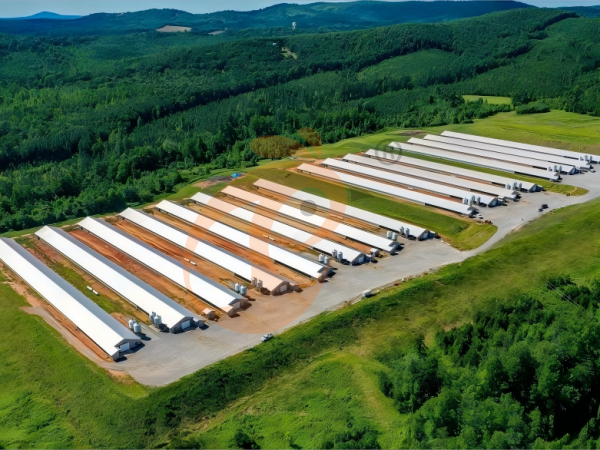
Layer chicken cage solutions are applied in commercial egg farms, breeding facilities, and integrated poultry production projects requiring controlled housing environments and scalable management systems.
Factory-direct manufacturing supports global project supply with standardized production processes, dimensional consistency control, and batch traceability management.
Poultry equipment portfolios include cage systems, automatic feeding units, drinking lines, manure removal systems, egg collection equipment, and environmental control solutions.
Turn-key engineering services cover layout planning, equipment integration, installation guidance, commissioning support, and operational training for new poultry facilities.
International project execution focuses on technical specifications, lifecycle performance evaluation, spare parts planning, and long-term operational reliability across different climatic regions.
Contact Us To Received Your Customized Poultry Farm Plan
Headquarters And Branchs

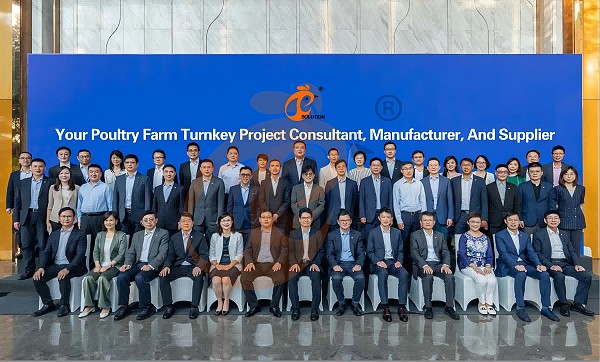
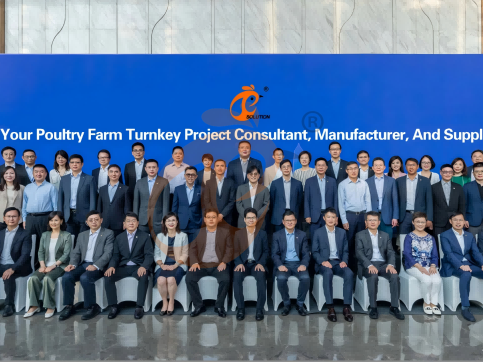
Hong Kong Headquarter Management Team
Hong Kong Headquarter Taiyu Industrial Group CO., LTD
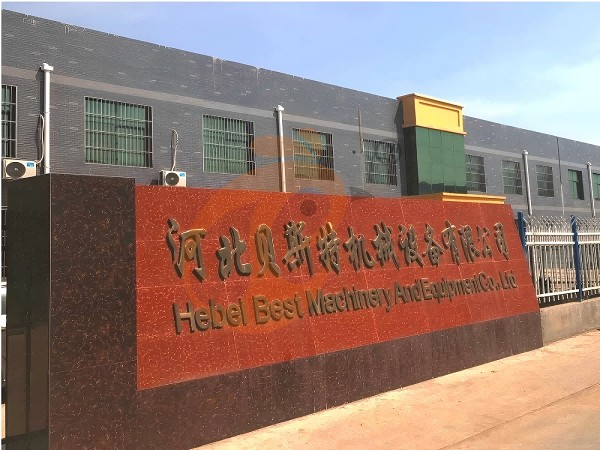
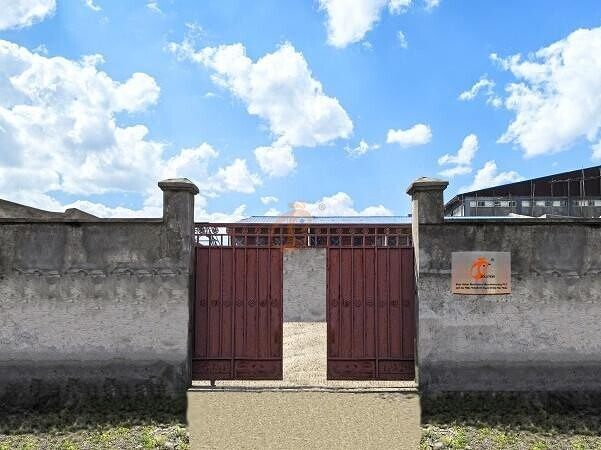
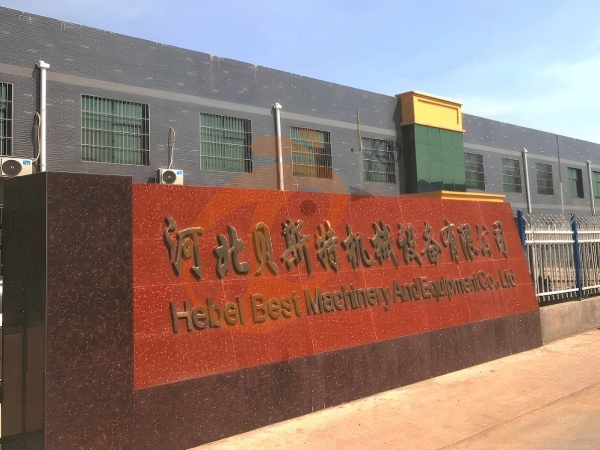
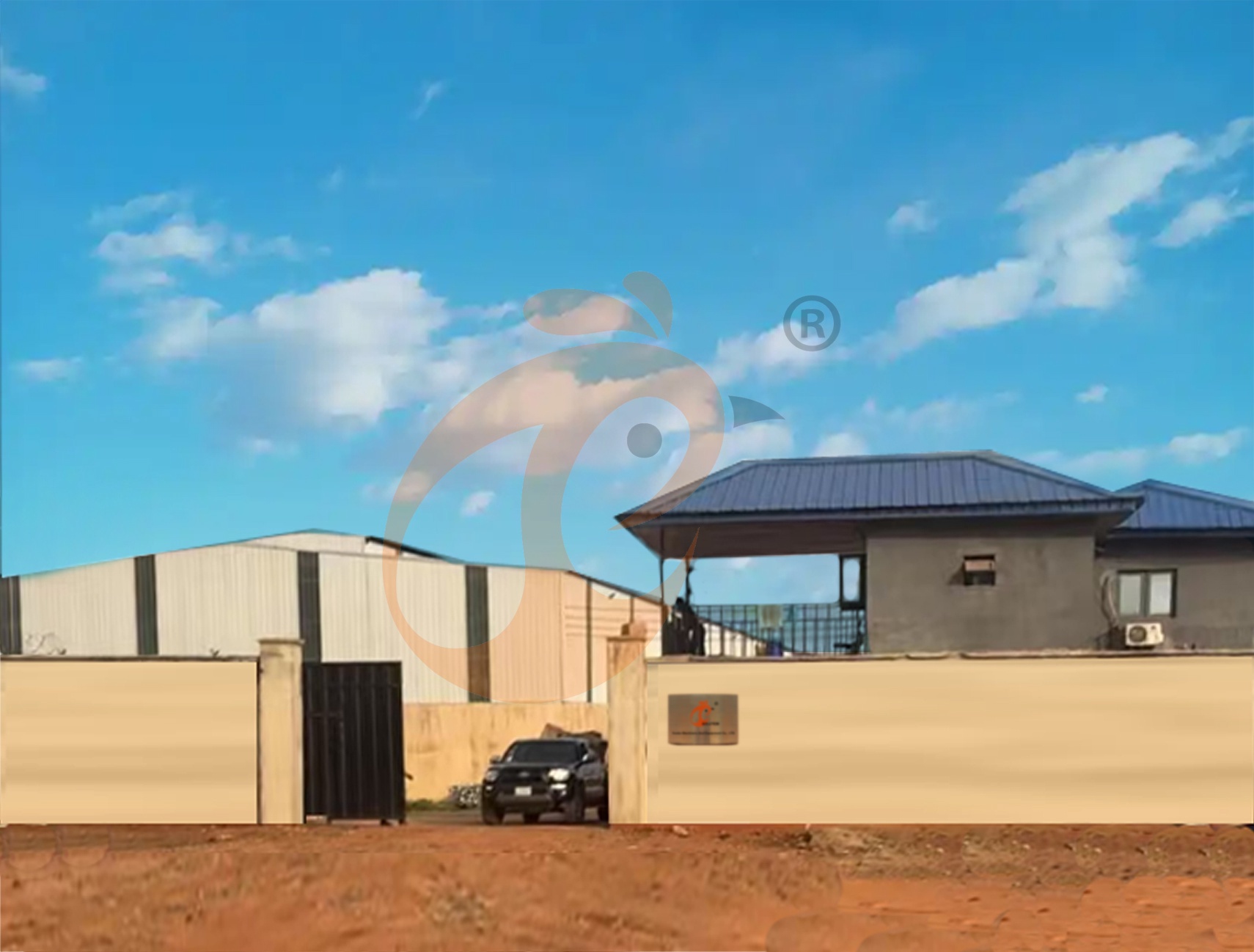
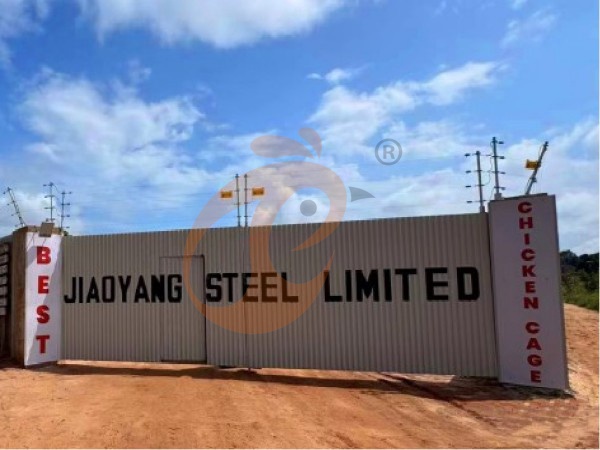
China Hebei Best Machinery And Equipment CO., LTD
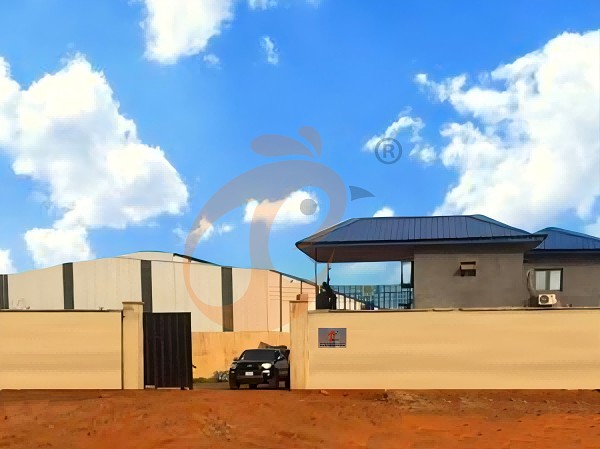
Nigeria Vanke Machinery And Equipment CO., LTD
Tanzania Best Machinery And Equipment CO., LTD
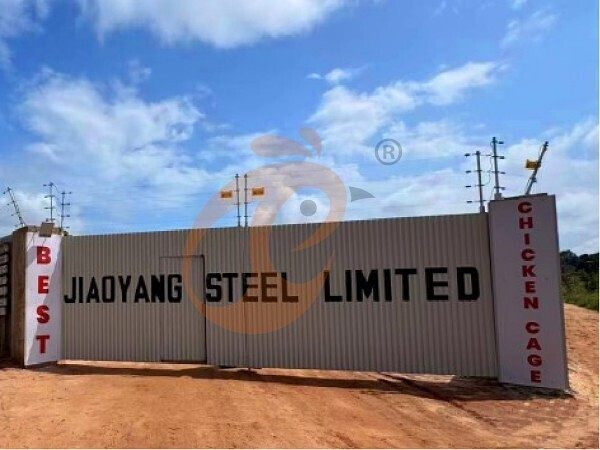
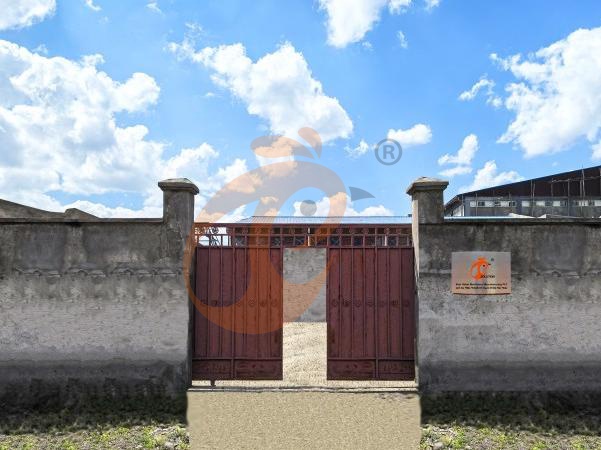
Ethiopia Best Hebei Machinery Manufacturing PLC
Reception /24 WhatsApp NO. : +8618830120193
FAQ
How To Choose The Ultimate Layer Cage System For Multi-Tier Farms?
Install automatic feeding, drinking, egg collection, and manure cleaning systems to boost egg production to 90–98%.
Optimized ventilation and temperature/humidity control reduce mortality to 2–3%.
What Are The Professional Guidelines For Optimizing Feed Storage And Usage In Chicken Cage Farms?
Use automatic feeders to allocate feed as needed, reducing waste by 5–10%.
Regularly monitor feed consumption per tier; FCR 1.9–2.1, egg production 90–98%.
What Are The Professional Guidelines For Reducing Labor Costs Using Automation In Chicken Cage Farms?
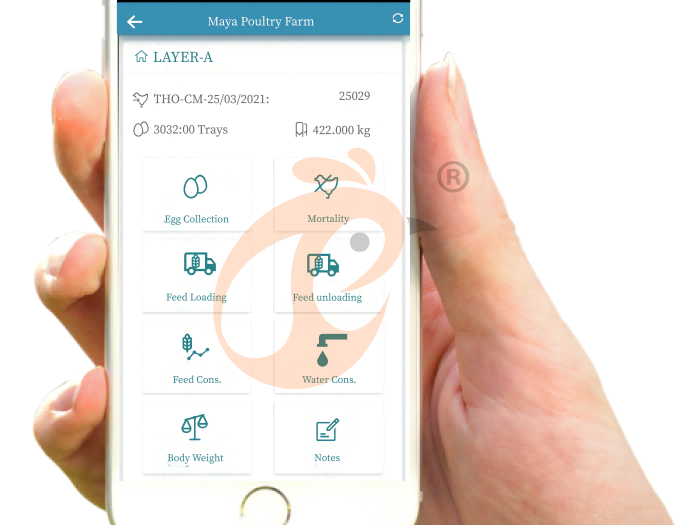
Use real-time monitoring systems to manage flock health and egg production.
ROI can be shortened to 24–36 months, improving overall profitability.
- battery cage
- battery cage system
- poultry farm
- chicken cage
- layer cage
- automatic layer cage
- poultry house
- cage
- poultry farm construction
- chicken cage manufacturer
- chicken cage system
- poultry equipment
- manure removal system
- egg collection equipment
- chickencage
- bestchickencage
- cage system
- cage systems
- layer chicken cage
- Nigeria
- commercial egg farm
- layer chicken cage system
- layer chicken cage manufacturer
- modern poultry house
- poultry flooring system
- cage manufacturer
- chicken cage solution
- poultry farm plan
- Ethiopia
Message
Products recommended
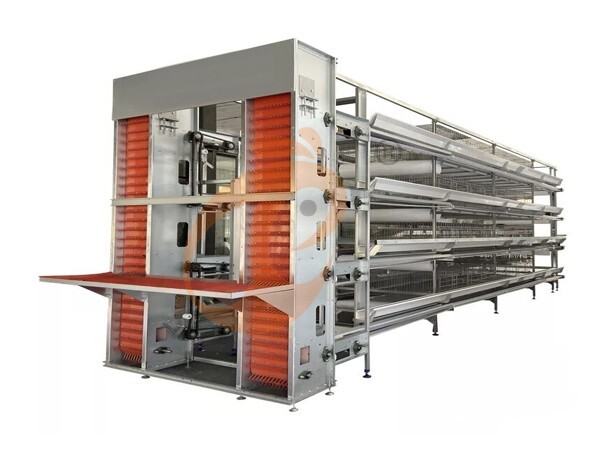
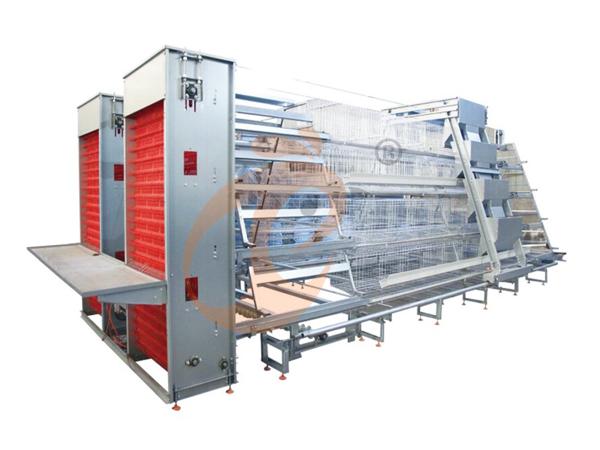
 >30,000 Pullets Automatic H Type Battery Cage1. More than 30,000 pullets a house, choose it.
2. It is designed to rearing older than 1 day old pullets to 12 to 16 weeks old chicken starting laying eggs.
3. Its lifespan is more than 25 years.
4. Its structure are Vcloud artificial intelligent fusion, electric control cabinet, automatic equipment of drinking, feeding, manure clean, manual harvesting.
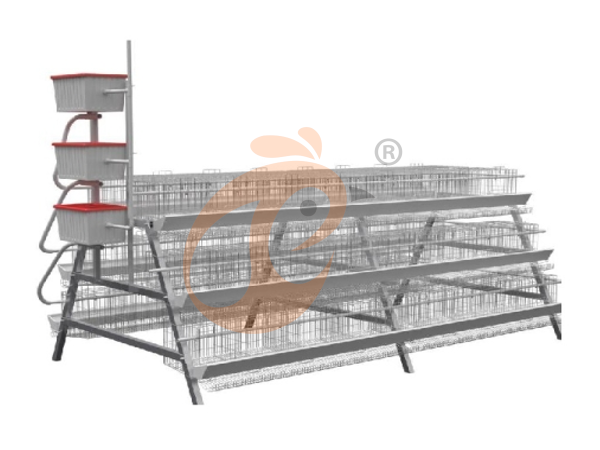
5. Our 24 hour online reception What’sApp NO. is +8618830120193 <30,000 Pullets Automatic A Type Battery Cage1. 10,000 to 30,000 pullets a house, choose it.
2. It is designed to rearing older than 1 day old pullets to 12 to 16 weeks old chicken starting laying eggs.
3. Its lifespan is more than 25 years.
4. Its structure are Vcloud artificial intelligent fusion, electric control cabinet, automatic equipment of drinking, feeding, manure clean, manual harvesting.
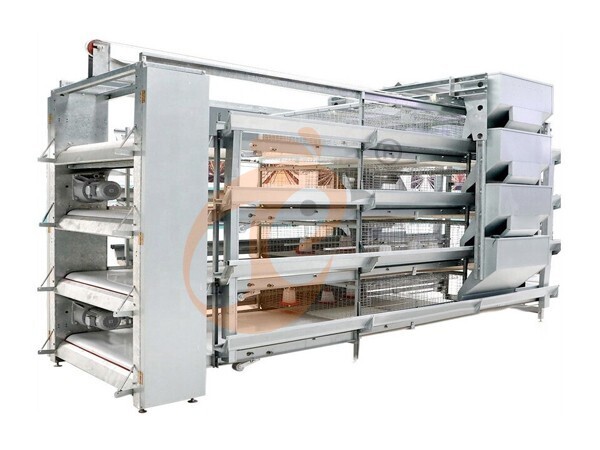
5. Our 24 hour online reception What’sApp NO. is +86 18830120193. >30,000 Broilers Semi-Automatic Harvest H Type Battery Cage1. More than 30,000 broilers a house, choose it.
2. It is designed to rearing 1 to 45 day old adult broiler ready for market.
3. Its lifespan is more than 20 years.
4. Our 24 hour online reception What’sApp NO. is +8618830120193, +234 8111199996. >30,000 Broilers Manual Harvest H Type Battery Cage1. More than 30,000 broilers a house, choose it.
2. It is designed to rearing 1 to 45 day old adult broiler ready for market.
3. Its lifespan is more than 20 years.
4. Its structure are Vcloud artificial intelligent fusion, electric control cabinet, automatic equipment of drinking, feeding and manure clean, manual harvesting.
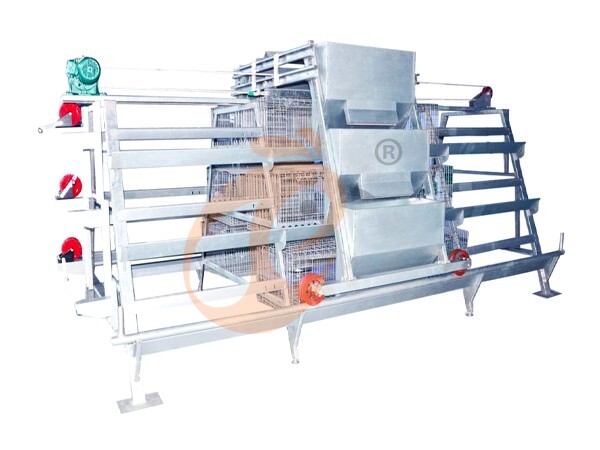
5. Our 24 hour online reception What’sApp NO. is +8618830120193, +234 8111199996. <30,000 Broilers Manual Harvest A Type Battery Cage1. Less 30,000 broilers a house, choose it.
2. It is designed to rearing 1 to 45 day old adult broiler ready for market.
3. Its lifespan is more than 20 years.
4. Its structure are Vcloud artificial intelligent fusion, electric control cabinet, automatic equipment of drinking, feeding and manure clean, manual harvesting.
5. Our 24 hour online reception What’sApp NO. is +8618830120193, +234 8111199996. HK Headquarter Offers EU-standard Poultry Farm Solutions, Manufacture Poultry Farm Equipment1. Continuous communication with the EU and the US
2. China, Nigeria, Ethiopia, Tanzania branch companies and factories
3. The products’ quality is customized for local poultry farms
4. Poultry cage and poultry farm equipment stock for sale
5. 24 online reception Whatsapp NO. : +8618830120193,contact us to get full information China Branch Offer Poultry Farm Business Plan, Manufacture Poultry Farm Equipment1. Address: Flat/RM 2416, 24/F, Runxing Building, Youyi Nan Street, Shijiazhuang City, Hebei Province, China
2. Poultry cage and poultry farm equipment factory and stock for sale
3. Customized for local poultry farms
4. Quality and design are based on Euro
5. 24 online reception Whatsapp NO. : +8618830120193 Nigeria Branch Offer Poultry Farm Business Plan, Manufacture Poultry Farm Equipment1. Address: After Sinoma Office, 200 Meters Near Danco Filling Station, Lagos/Ibadan Expressway, Lagos State, Nigeria
2. Poultry cage and poultry farm equipment factory and stock for sale
3. Customized for Nigerian poultry farms
4. Quality and design are based on Euro
5. 24 online reception Whatsapp NO. : +8618830120193 Ethiopia Branch Offer Poultry Farm Business Plan, Manufacture Poultry Farm Equipment1. Address: Gelan Gura, Akaki-kaliti Sub City, Addis Ababa, Ethiopia
2. Poultry cage and poultry farm equipment stock for sale
3. Customized for Ethiopian poultry farms
4. Quality and design are based on Euro
5. 24 online reception Whatsapp NO. : +8618830120193, contact us to get price list Tanzania Branch Offer Poultry Farm Business Plan, Manufacture Poultry Farm Equipment1. Address: No.8, Sova Road, Msufini, Mlandizi, Kibaha, Pwani, Tanzania
2. Poultry cage and poultry farm equipment factory and stock for sale
3. Customized for Tanzanian poultry farms
4. Quality and design are based on Euro
5. 24 online reception Whatsapp NO. : +8618830120193


Contact